Hairballs can be normal—but frequent gagging or vomiting may signal a bigger issue. Get vet-approved tips on brushing, hydration, fiber, diet, gels, and wh...
Article
•
Designer Mixes
How to Help a Cat With Frequent Hairballs

Shari Shidate
Designer Mixes contributor
If you live with a cat, you have probably found a hairball at the worst possible time. An occasional hairball can be normal, especially for long-haired cats or heavy groomers. But frequent hairballs can be a signal that your cat may need better grooming support, more hydration, a diet adjustment, or a veterinary check to rule out underlying issues.
As a veterinary assistant, I like to focus on practical, evidence-based steps that make your cat more comfortable and help you see a real change within a few weeks.
Quick note: This article is for general education and does not replace care from your veterinarian.
What hairballs are and why they happen
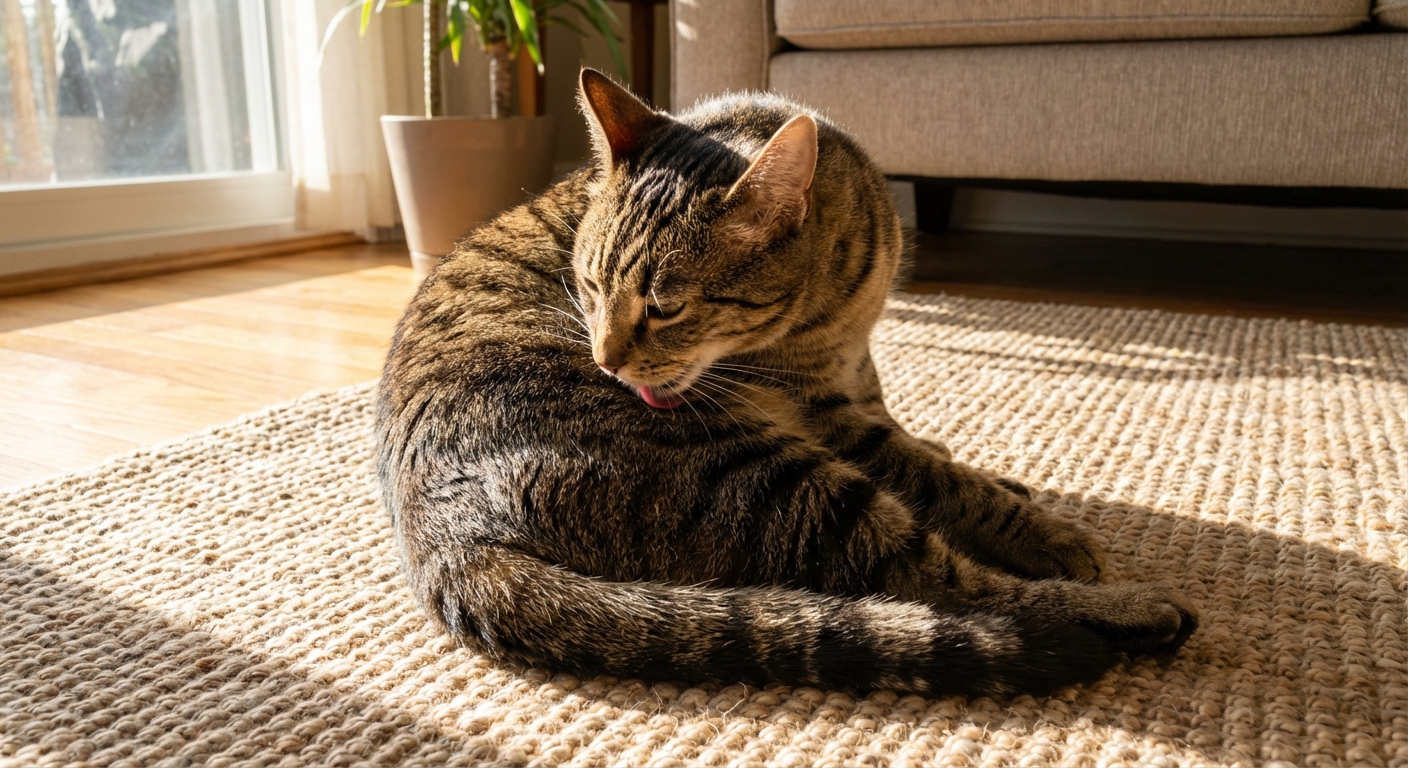
Hairballs form when a cat swallows fur during grooming. Most swallowed hair passes through the digestive tract and comes out in the stool. When too much fur accumulates in the stomach, it can clump together and get vomited up as a hairball.
Hairballs tend to increase with:
- Shedding seasons (often spring and fall)
- Long or dense coats
- Overgrooming from stress, boredom, skin irritation, allergies, parasites, or pain
- Constipation or slower gut transit, which may be more common in cats that are not drinking much, are on dry-only diets, or have underlying illness
- Medical issues that change grooming habits or cause vomiting
- Obesity or limited mobility, which can make self-grooming less effective and increase matting and shedding
How often is too often?
There is no perfect number for every cat, but these are helpful general guidelines:
- Occasional: once every few weeks can be normal for some cats.
- Concerning: more than once a week, or clusters of hairballs close together.
- Urgent: repeated unproductive retching, lethargy, refusing food, or signs of pain.
One helpful clue at home: hairball episodes often look like repeated heaving and gagging followed by a tight, tube-shaped wad of hair. Vomiting that brings up food, foamy liquid, or bile (yellow fluid) may have nothing to do with hairballs.
If your cat is vomiting frequently and you rarely see an actual hairball, it may not be a hairball problem at all. Cats can vomit for many reasons, and it is worth sorting out.
Step 1: Brush smarter
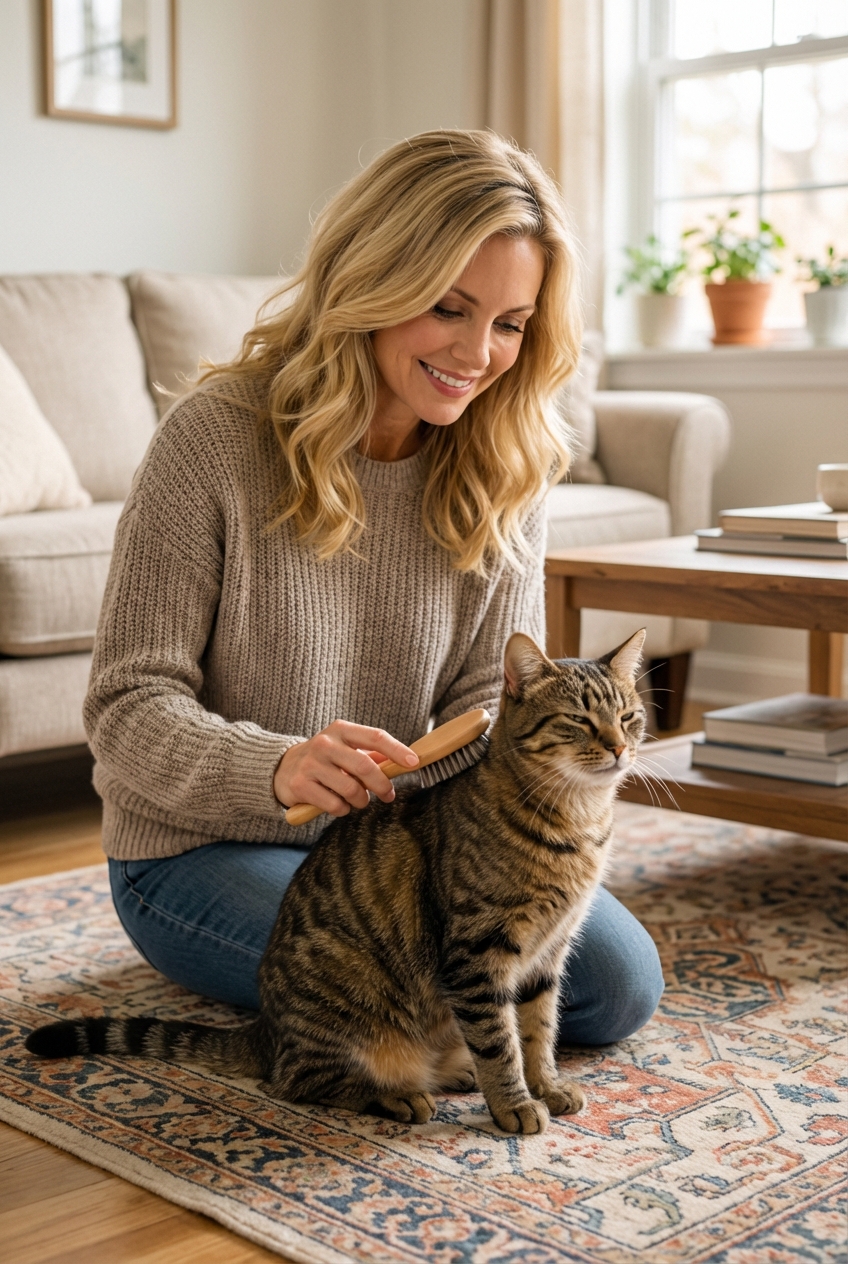
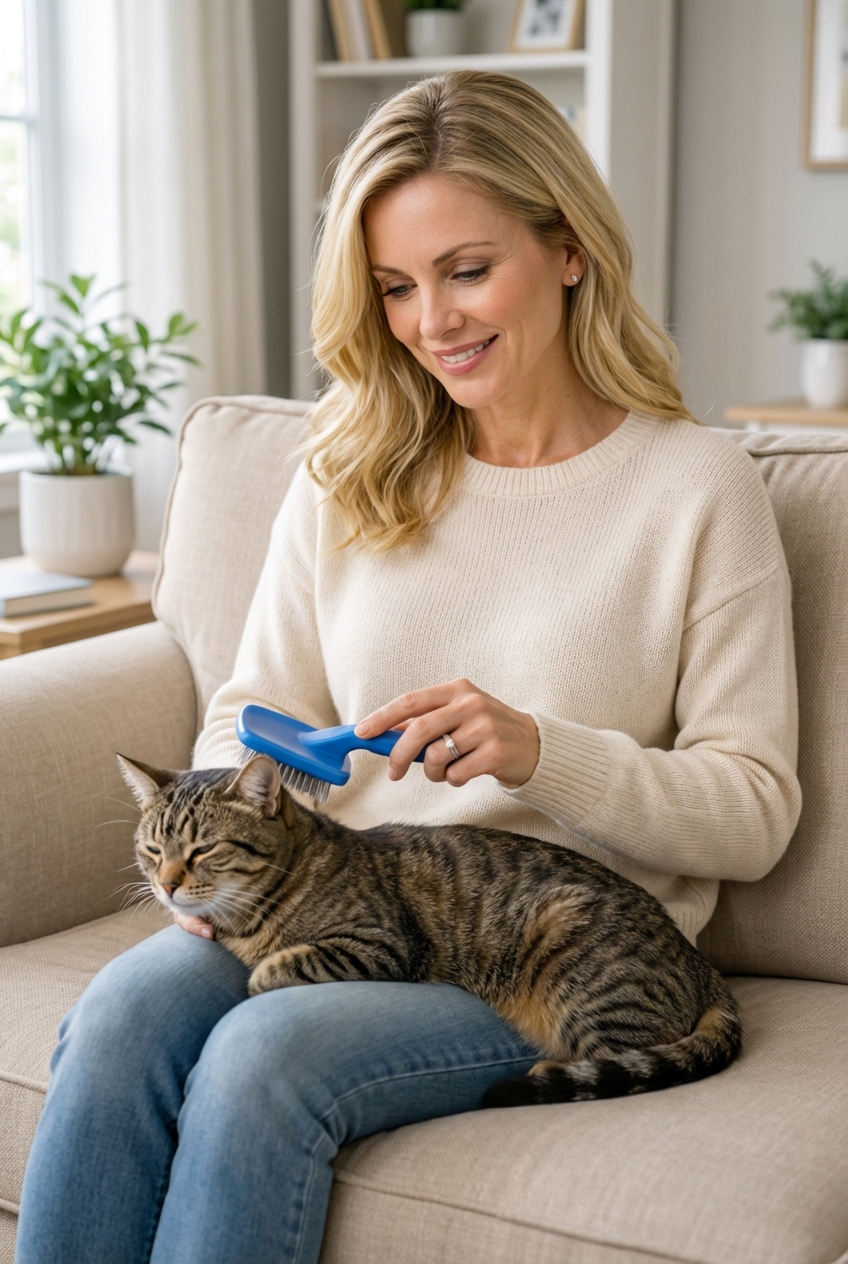
The single most effective, lowest-risk strategy is regular brushing. The goal is to remove loose hair before your cat swallows it.
How often to brush
- Short-haired cats: 2 to 3 times per week, daily during heavy shed.
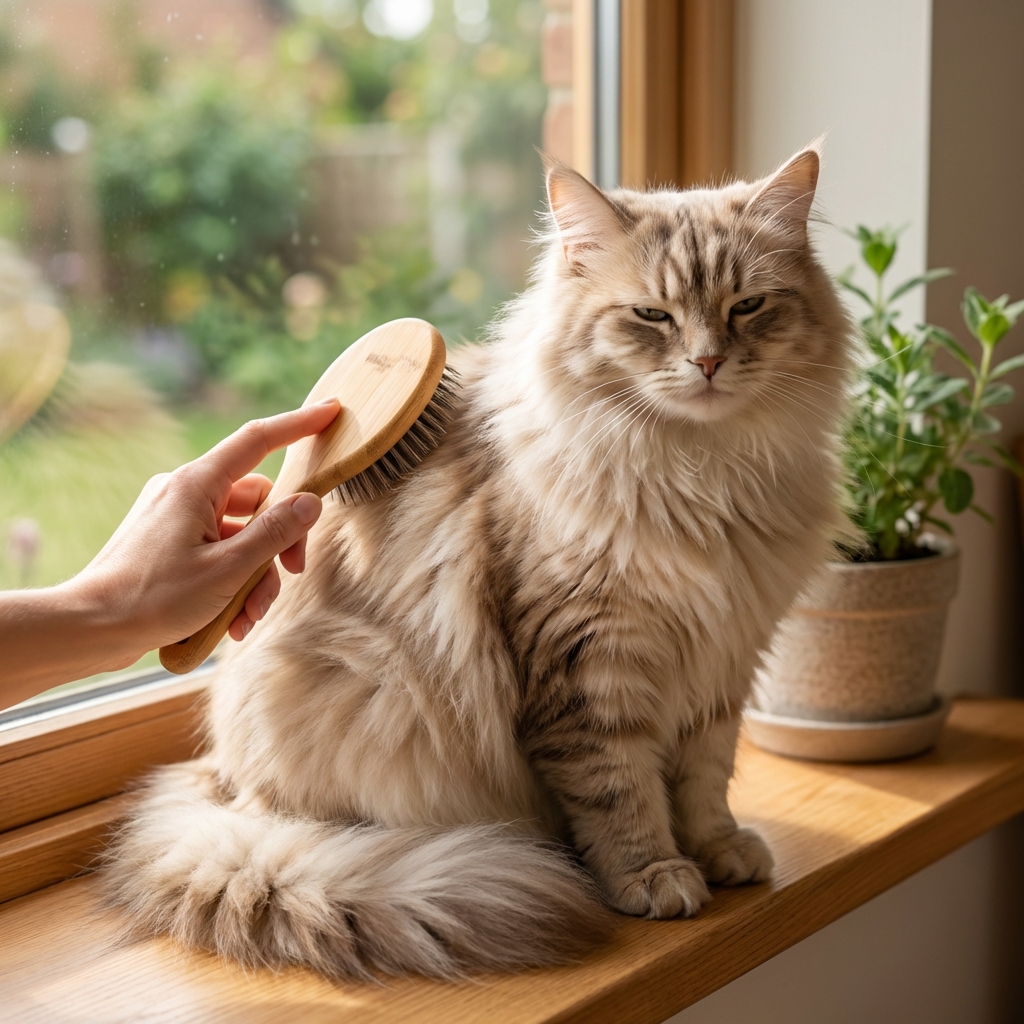
- Long-haired cats: daily is ideal, especially around the belly, armpits, and behind the legs where mats form.
Tools and brushing tips
- Rubber curry brush: great for many short-haired cats and sensitive skin.
- Slicker brush: helpful for fluffier coats, but use a light hand to avoid skin irritation.
- Metal comb: useful to find early mats, especially in long-haired cats.
- Deshedding tools: can be effective, but avoid aggressive pressure or overuse, especially on thin-coated cats. If your cat’s skin gets pink or sore, stop and switch to a gentler tool.
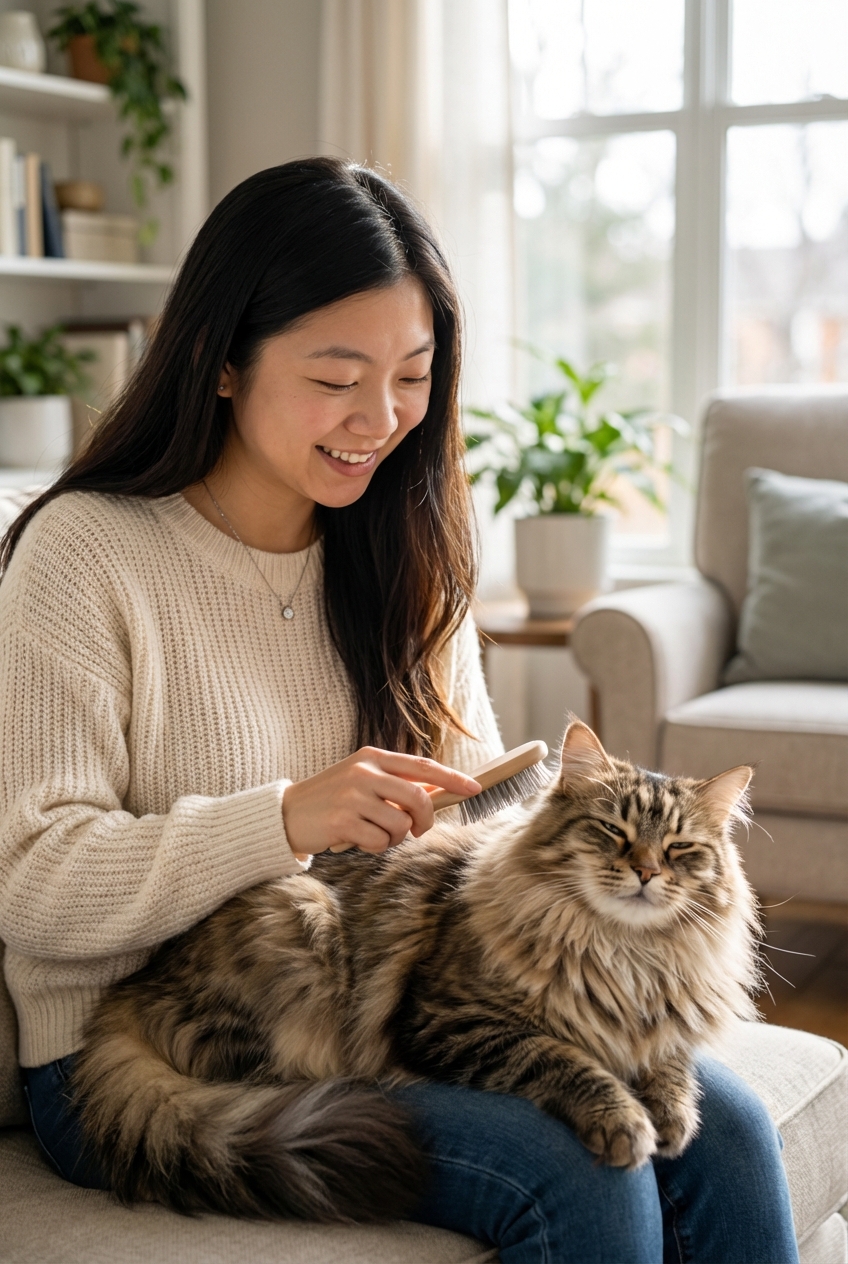
- Keep sessions short, like 2 to 5 minutes, then build up.
- Brush when your cat is calm, often after a meal or play.
- Reward with a small treat so brushing becomes a positive routine.
- For mats, do not tug. Use a dematting comb carefully, or ask your vet or groomer for help.
Step 2: Increase hydration
Good hydration supports overall digestion and stool quality. In some cats, better hydration may also reduce constipation and help hair move through the intestines more smoothly.
Simple hydration upgrades
- Offer more canned food (it contains much more moisture than kibble).
- Add water to wet food, or mix in a little warm water to boost aroma.
- Use a cat water fountain if your cat prefers moving water.
- Set up multiple water stations in quiet areas away from the litter box.
If your cat has kidney disease, heart disease, or another chronic condition, ask your veterinarian what hydration approach is best for them.
Step 3: Use fiber wisely
Dietary fiber can help some cats by supporting stool consistency and intestinal movement. Many “hairball control” diets use added fiber for this reason. The key is choosing an option your cat tolerates well, since responses vary.
Important: Too much fiber, or the wrong type for your cat, can cause gas, loose stool, or even worsen constipation in some cats. Start low, go slow, and involve your veterinarian if your cat has a history of constipation or digestive disease.
Options to discuss with your vet
- Veterinary or over-the-counter hairball diets with added fiber
- Psyllium in very small amounts (some cats do well, others do not)
- Pumpkin (plain, cooked or canned with no added sugar or spices) in small portions
Make diet changes gradually over 7 to 10 days to reduce digestive upset. If your cat becomes constipated or has diarrhea, pause the change and call your vet for guidance.
Step 4: Use lubricants safely
Hairball gels and lubricants can help some cats by coating swallowed hair so it passes more easily. Some products contain petrolatum and oils.
Safety first:
- Use cat-labeled products only and follow label dosing or your veterinarian’s directions.
- Do not force any gel into your cat’s mouth.
- Avoid giving any oral product to a cat that is actively gagging, coughing, choking, or struggling to swallow.
Also skip common home remedies like butter, oils, or human laxatives unless your veterinarian specifically recommends them. They can be unsafe, cause diarrhea, or create other problems.
If your cat has frequent hairballs, you will usually get better long-term results by improving grooming, hydration, and diet rather than relying on gels alone.
Step 5: Reduce overgrooming triggers
When I see a cat with frequent hairballs, I always think about overgrooming. Cats may groom excessively due to stress, fleas, allergies, skin infection, or pain.
At-home checks
- Flea prevention: even indoor cats can get fleas. Use vet-recommended prevention consistently.
- Skin and coat: look for dandruff, scabs, thinning hair, or redness.
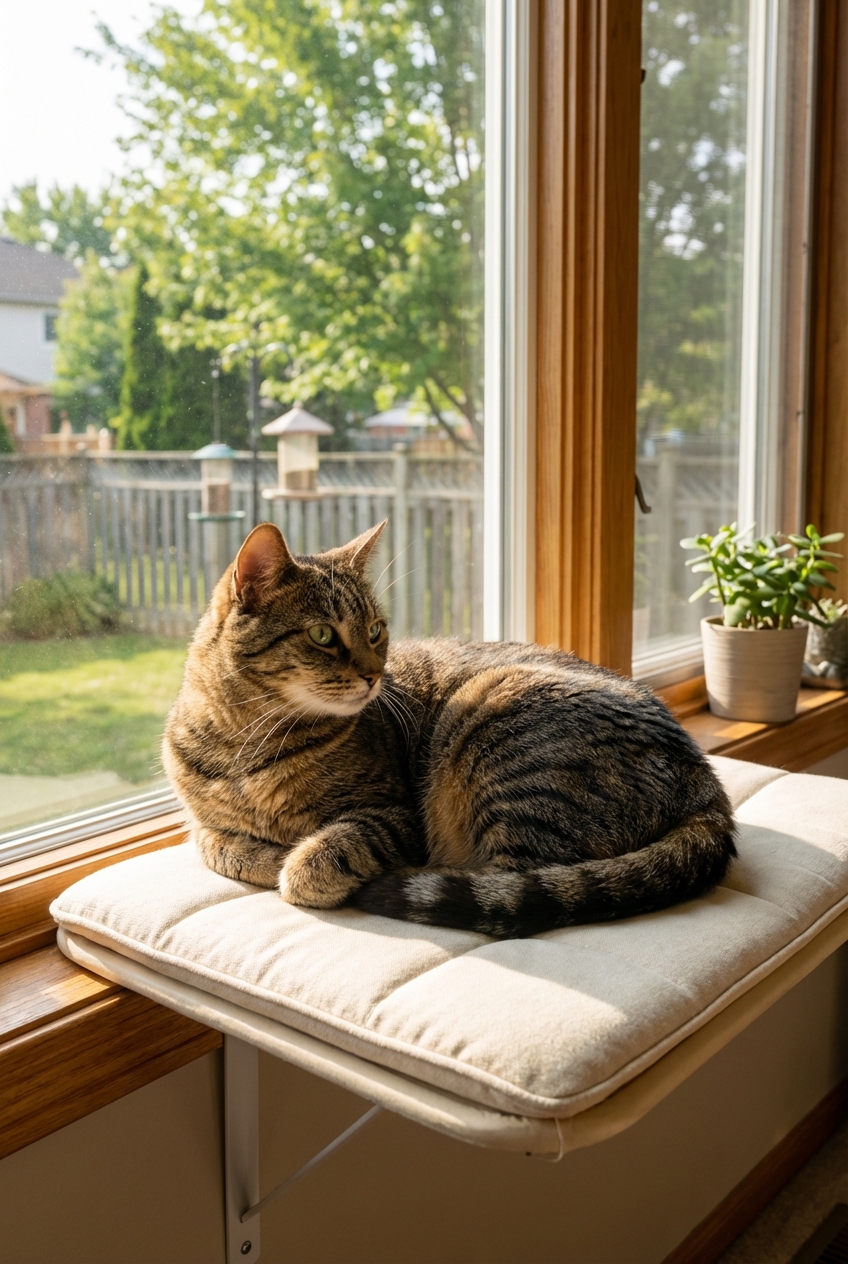
- Stress and boredom: add daily play, window perches, puzzle feeders, and calm hiding spots.
- Mobility and weight: if your cat seems stiff, painful, or is struggling to groom, talk with your vet. Arthritis and extra weight can contribute to coat problems and matting.
When to call the vet now
Hairballs should not cause ongoing distress. Contact your veterinarian promptly if you notice:
- Repeated retching with little or no vomit produced
- Loss of appetite or refusing food for more than 24 hours (especially in adult cats). Kittens, seniors, and cats with diabetes or other chronic disease may need help sooner.
- Lethargy, hiding more than usual, or obvious discomfort
- Constipation or straining in the litter box
- Blood in vomit or stool
- Weight loss, chronic vomiting, or coughing that could be mistaken for hairballs
Repeated “hairball sounds” that are actually coughing can be a sign of asthma or other respiratory disease. And repeated unproductive retching can indicate dehydration, constipation, pancreatitis, inflammatory bowel disease, parasites, or even a gastrointestinal blockage. A true blockage is an emergency.
A simple 2-week plan
If your cat is stable and your veterinarian has not identified an urgent issue, here is a practical plan you can start today:
- Days 1 to 3: Brush daily for 2 to 5 minutes. Add one extra water bowl in a quiet location.
- Days 4 to 7: Increase wet food or add water to meals. Keep brushing daily.
- Week 2: If needed, transition slowly to a vet-approved hairball diet or add a small amount of fiber under veterinary guidance.
Track changes in vomiting, stool quality, appetite, and grooming. If hairballs are not improving, or vomiting continues without hairballs, that is your cue to schedule a vet visit.