Vet-assistant guidance for mild cat diarrhea: fluids, bland meals, cat-specific probiotics, pumpkin, stress tips, hygiene, what to avoid, and when to see you...
Article
•
Designer Mixes
How To Help a Cat With Diarrhea

Shari Shidate
Designer Mixes contributor
Diarrhea in cats is common, but that does not mean it is harmless. As a veterinary assistant, I always tell pet parents the same thing: your cat’s stool is a health report. A sudden change can point to something simple like a diet slip, or something more serious like parasites, inflammatory bowel disease, or toxin exposure.
The good news is that many mild cases improve quickly with the right at-home support and close observation. The key is knowing what is safe to try at home, what to monitor, and when it is time to call your veterinarian.
Note: This article is for general education and is not a substitute for veterinary care.
First, check for red flags
If any of the signs below are present, skip home care and contact your veterinarian or an emergency clinic right away. Cats can become dehydrated quickly, especially kittens, seniors, and cats with other health conditions.
- Blood in the stool (red streaks or black, tarry stool)
- Repeated watery diarrhea (especially more than a few episodes in 24 hours)
- Vomiting along with diarrhea
- Lethargy, weakness, hiding, or collapse
- Not eating for more than 24 hours (kittens: much sooner)
- Signs of dehydration such as dry gums, sunken eyes, or sticky saliva (home checks can be tricky, so call if you are unsure)
- Fever or a painful, tense abdomen
- Kittens, seniors, or cats with chronic disease (kidney disease, diabetes, hyperthyroidism)
- Possible toxin exposure (plants, human medications, rodent bait, essential oils)
- Known foreign body risk (string, ribbon, hair ties)
If your cat seems mostly bright and normal, the diarrhea is mild, and there are no red flags, you can often start with supportive care while you keep a close eye on things.
Common causes of diarrhea in cats
Diarrhea is a symptom, not a diagnosis. Here are some of the most common triggers veterinarians see.
Diet changes or food intolerance
Switching foods quickly, eating rich treats, or getting into the trash can irritate the gut. Some cats also develop sensitivities to certain proteins or ingredients.
Stress
Moving, new pets, schedule changes, boarding, and even loud guests can trigger stress-related diarrhea in sensitive cats.
Parasites
Giardia, roundworms, hookworms, and coccidia can all cause diarrhea. Even indoor cats can be exposed through contaminated soil brought in on shoes, or from a new pet in the home.
Infections
Viral or bacterial infections can disrupt the digestive tract, especially in kittens or cats from shelters or multi-cat households.
Antibiotic-associated diarrhea
Antibiotics can change the gut microbiome, sometimes leading to loose stool.
Inflammatory bowel disease and other chronic issues
If diarrhea keeps coming back or lasts more than a few days, your vet may want to rule out inflammatory bowel disease, pancreatitis, hyperthyroidism, and other conditions. Less commonly, chronic GI signs can be linked to intestinal lymphoma or exocrine pancreatic insufficiency.
What you can do at home for mild diarrhea
Home care is about supporting hydration, reducing gut irritation, and preventing things from getting worse while the body settles.
1) Hydration comes first
Dehydration is one of the biggest short-term risks with diarrhea.
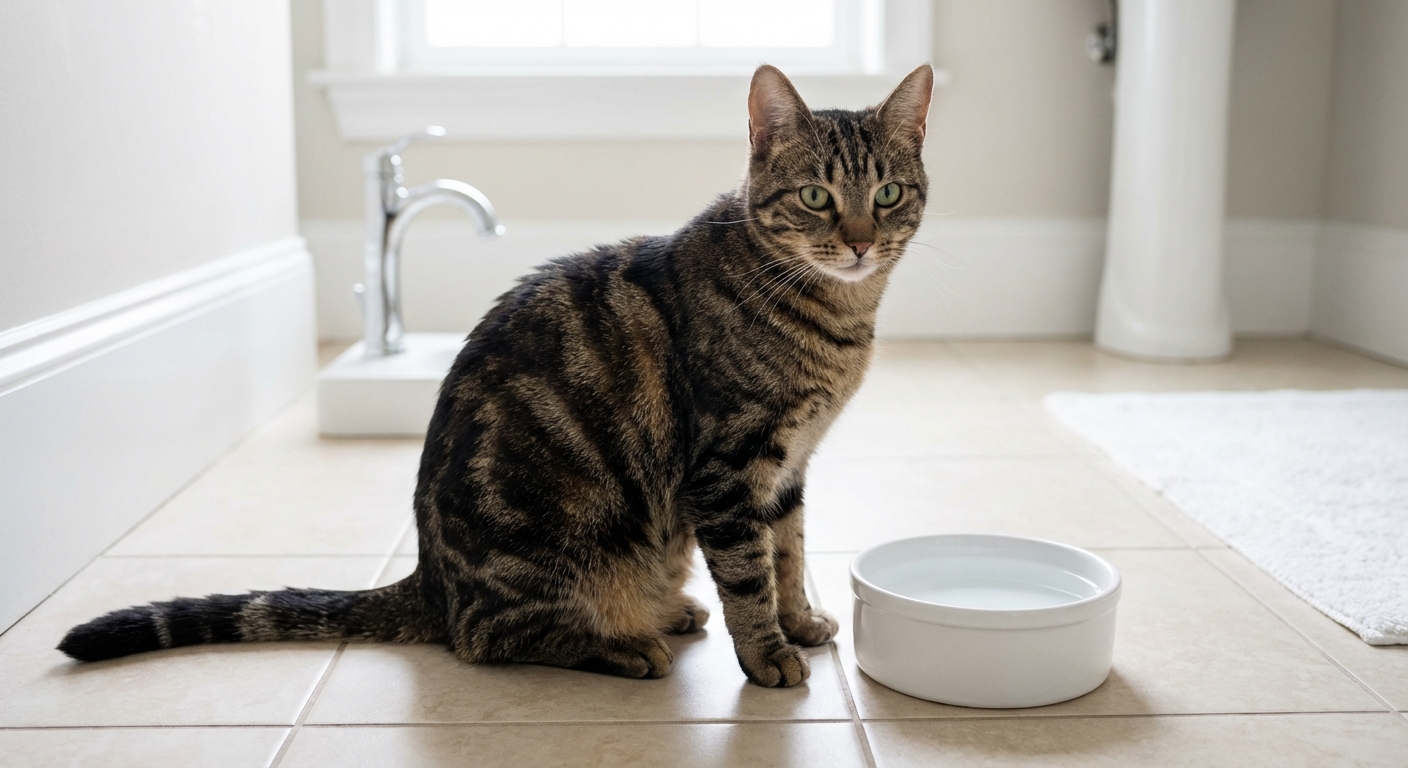
- Offer multiple water stations, refreshed often.
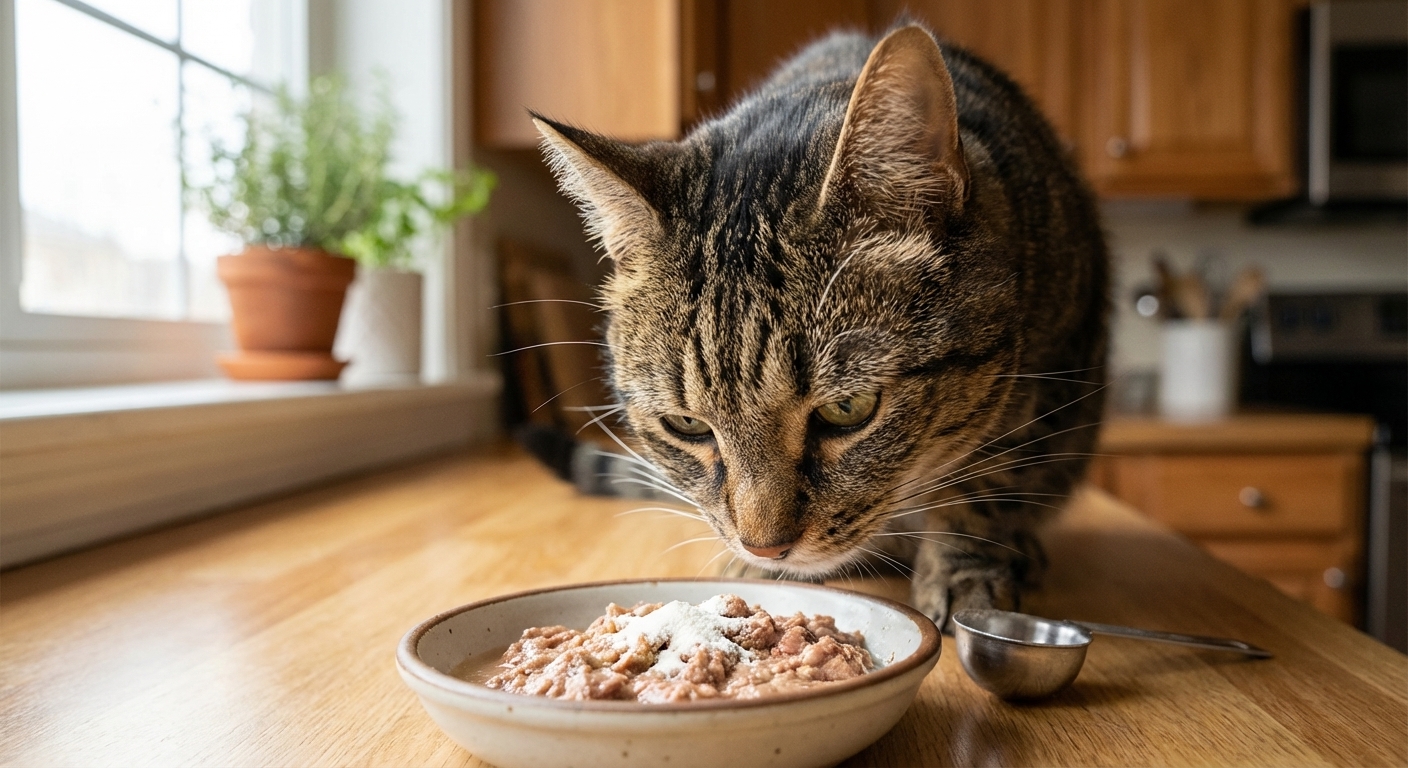
- Switch to wet food if your cat will eat it. Moisture helps.
- Try a cat water fountain if your cat prefers running water.
- Contact your veterinarian if your cat will not drink or seems dehydrated. Subcutaneous fluids may be needed.
2) Keep meals small and gentle
Unlike some common dog advice, cats should not have food withheld for long periods without veterinary guidance. Going without food can be risky in cats, especially overweight cats, and can contribute to serious complications like hepatic lipidosis. For many cats, the safer approach is smaller, more frequent meals of an easy-to-digest diet.
- Feed small portions every 4 to 6 hours if your cat is willing to eat.
- Consider a veterinary gastrointestinal diet (the most reliable option).
- If you are thinking about a bland, homemade option, keep it short-term and ask your vet what they recommend for your specific cat. Homemade bland diets can be unbalanced if used too long.
3) Avoid common at-home mistakes
- Do not give human anti-diarrheal medications (including loperamide or products containing bismuth subsalicylate) unless your veterinarian specifically instructs you. These can cause serious side effects and toxicity in cats.
- Avoid milk and dairy unless you know your cat tolerates it well.
- Skip high-fat foods that can worsen diarrhea.
- Do not add fiber supplements without guidance if your cat is straining, painful, or has blood in the stool.
4) Consider a vet-approved probiotic
Evidence is mixed, but some veterinary probiotics (especially products with feline-specific strains and studies) may help firm up stool and support gut health, including after stress or antibiotics. Choose a product made for cats and follow label directions. If your cat is immunocompromised, ask your veterinarian before using any probiotic.
5) Reduce stress and keep the litter box extra clean
Stress can keep diarrhea going. Make the home environment as calm as you can, and help your cat feel safe.
- Keep routines consistent.
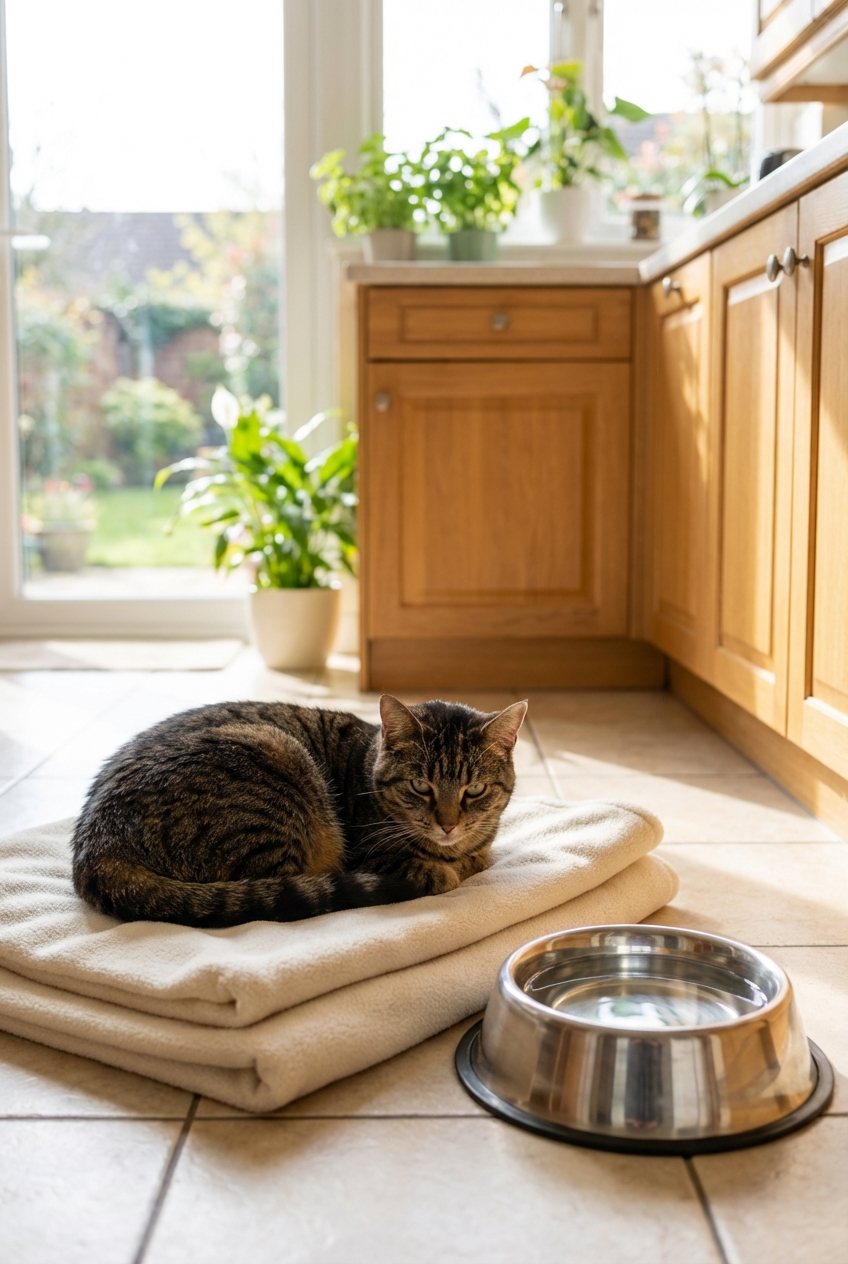
- Provide a quiet resting area.
- Scoop the litter box at least twice daily and fully change it as needed.
- Use an unscented litter if your cat is sensitive.
6) If you have multiple cats, think hygiene
Some causes of diarrhea can spread between cats. If you have a multi-cat home, ask your vet if you should separate the sick cat, provide a separate litter box, and disinfect surfaces. Wash hands after handling stool or cleaning the box, and consider wearing gloves. A few parasites, like Giardia, can infect people too, so good hygiene matters.
How to monitor your cat
When you contact your vet, specific details make the visit more efficient and can reduce unnecessary testing.
Track these for 24 to 48 hours
- Frequency: How many loose stools per day?
- Consistency: Very soft (pudding-like), watery, or mucousy?
- Color: Normal brown, very pale, black and tarry, or red?
- Appetite: Normal, reduced, or not eating?
- Energy: Playing and social, or hiding and quiet?
- Vomiting: Any vomiting at all matters.
- Water intake: Drinking normally or less?
- Diet history: Any recent food change, treats, table scraps, plants, or trash access?
Bring a stool sample if you can
If you schedule a vet visit, ask if they want a stool sample and how they want it stored. Many clinics prefer a fresh sample collected within about 12 to 24 hours. If you cannot bring it in right away, place it in a sealed container and refrigerate it (do not freeze it) and follow your clinic’s instructions.
When to call your veterinarian
Even if there are no obvious emergency signs, it is smart to contact your veterinarian if:
- Diarrhea lasts more than 24 to 48 hours
- Your cat has diarrhea that keeps returning
- You see mucus or blood
- Your cat is losing weight or has a dull coat
- Your cat has diarrhea plus increased thirst or urination changes
- Your cat recently started a new medication
Chronic or recurring diarrhea deserves a real workup. Your veterinarian may recommend fecal testing, deworming, diet trials, bloodwork, and sometimes imaging like X-rays or ultrasound.
Preventing diarrhea in the future
Not every case is preventable, but these steps reduce the odds of repeat episodes and support a healthier gut long-term.
- Transition foods slowly over 7 to 10 days.
- Keep treats simple and limited.
- Stay on a parasite prevention plan recommended by your veterinarian.
- Schedule routine wellness exams so small issues do not become big ones.
- Reduce access to hazards like string, ribbons, houseplants, and human medications.
- Support hydration with wet food and fresh water options.
If your gut says something is off, trust it. With cats, getting help earlier is almost always easier than waiting until dehydration or weakness sets in.