Learn vet-approved, low-risk home remedies for mild dog itching—oatmeal baths, cool compresses, allergen rinses, gentle shampoos, and omega-3s—plus urgen...
Article
•
Designer Mixes
How to Get Your Dog to Stop Scratching

Shari Shidate
Designer Mixes contributor
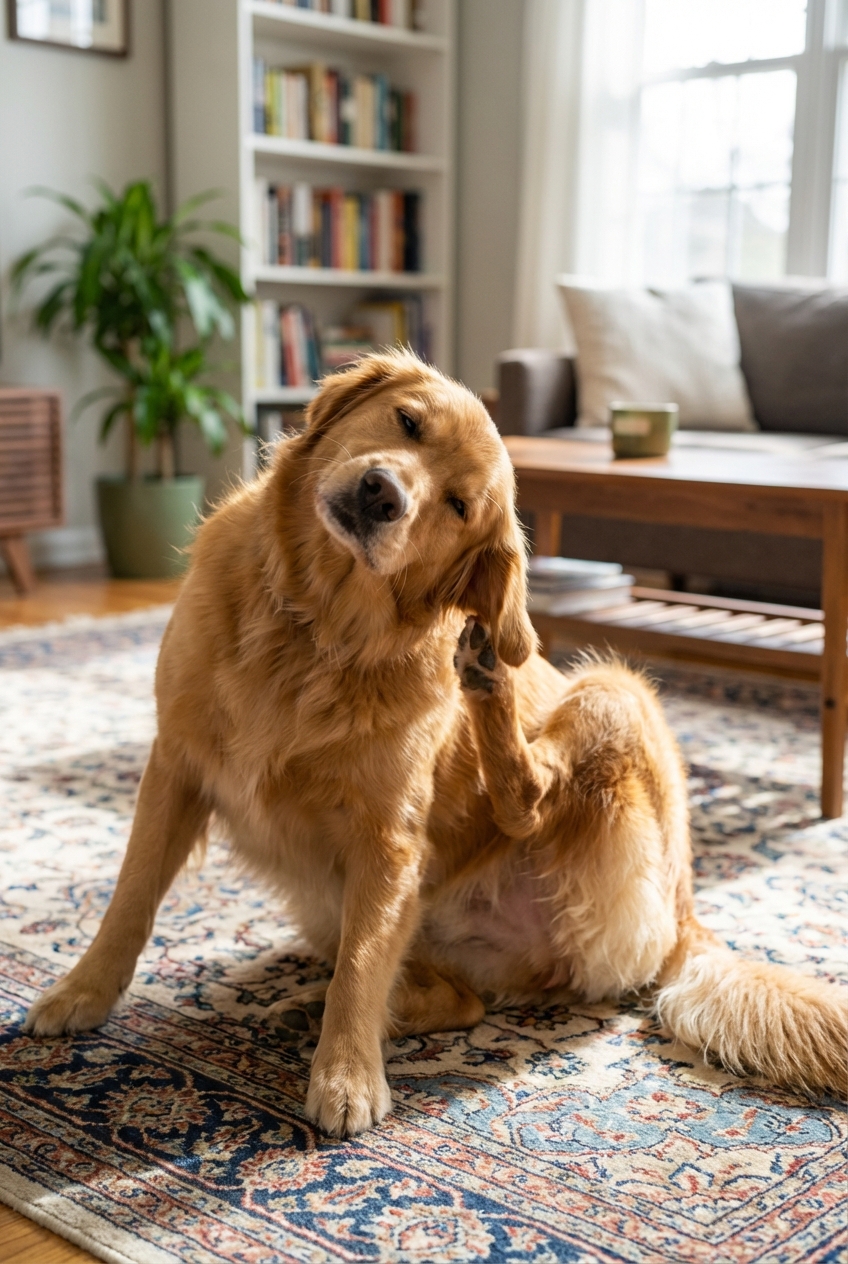
If your dog is scratching nonstop, you are not imagining it. Chronic itch is one of the most common reasons families end up at the vet, and it can make everyone miserable, including your dog. The good news is that most itchy dogs improve a lot once you identify the trigger and follow a simple, consistent plan.
As a veterinary assistant here in Frisco, Texas, I like to keep this evidence-based and family-friendly. You do not need a medicine cabinet full of products. You need a few smart checks, a little tracking, and the right next step.
First, check for emergencies
Most itching is not urgent, but some situations should be treated right away. Call your veterinarian or an emergency clinic if you notice:
- Facial swelling, hives, or sudden intense itching after a sting, vaccine, or new medication
- Trouble breathing, repeated vomiting, collapse, or extreme lethargy
- Open wounds, active bleeding, pus, or a rapidly spreading hot spot
- Severe ear pain, head tilt, loss of balance, or a foul odor with discharge
- Pale gums or weakness in a puppy with heavy fleas
If your dog is stable but miserable, keep reading. We will work through the most likely causes in a practical order.
Why dogs itch
Itching is a symptom, not a diagnosis. The most common reasons we see in clinic include:
- Fleas and flea allergy dermatitis: One bite can trigger days of itching in sensitive dogs.
- Environmental allergies (atopy): Pollens, grasses, molds, and dust mites. Often seasonal at first, then year-round.
- Food allergy: Usually a reaction to a protein source. It can look just like environmental allergies.
- Skin infections: Bacterial folliculitis or yeast overgrowth, often secondary to allergies.
- Mites (sarcoptic mange, demodex): Highly itchy in some cases and contagious to other pets or people in certain types.
- Dry skin and irritation: Overbathing, harsh shampoos, low humidity, or poor coat care.
- Ear infections: Many itchy dogs start with ears, then lick paws, then scratch everywhere.
Your 7-step itch plan
Step 1: Check for fleas
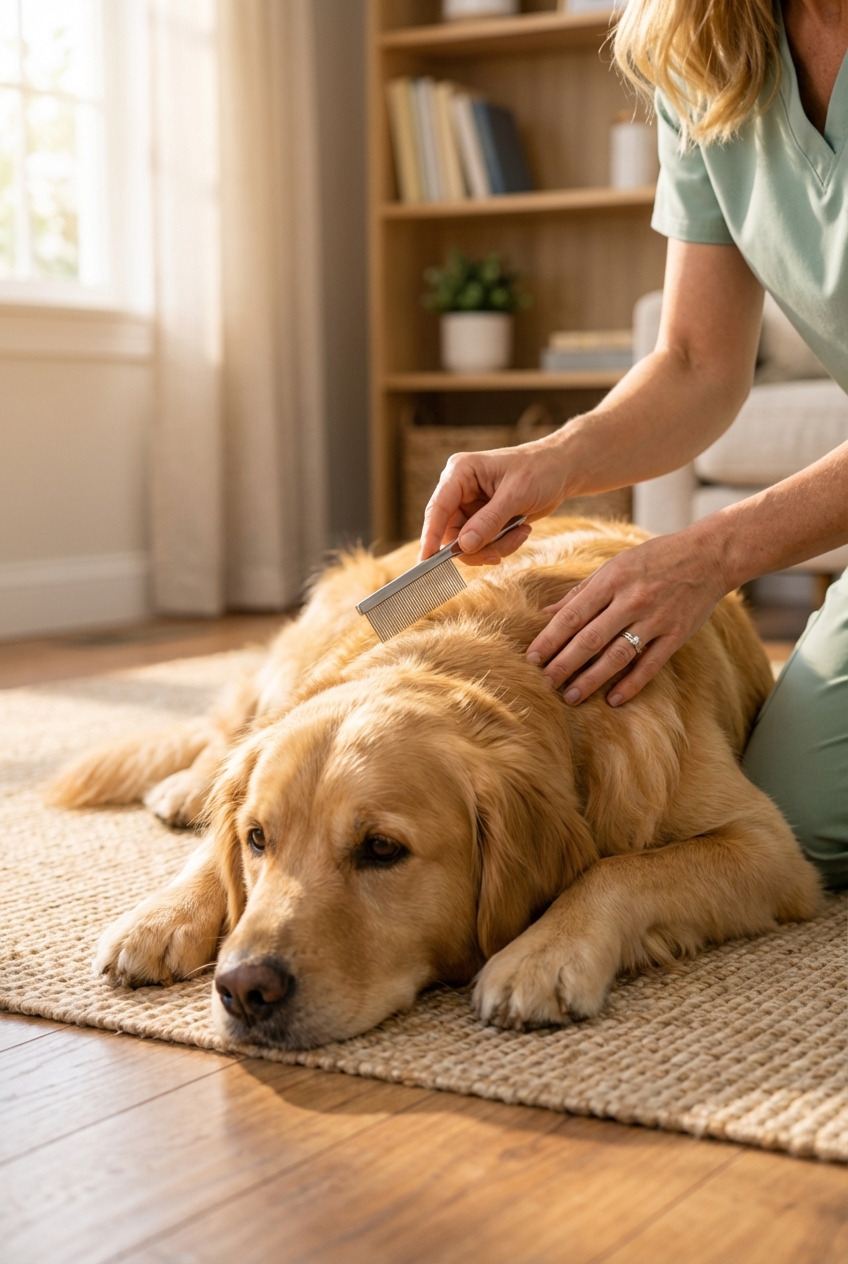
Even if you do not see fleas, they can still be the culprit. Use a flea comb and focus on the rump, tail base, and belly. Look for tiny black specks that turn reddish-brown when placed on a wet paper towel. That is flea dirt.
What to do today:
- If your dog is not on a consistent, vet-recommended flea preventive, start there. Consistency with a modern, effective product matters most.
- Wash bedding in hot water and vacuum floors and baseboards.
- Treat all pets in the home, not just the itchy one, unless your veterinarian advises otherwise.
If itching improves within 2 to 4 weeks of strict flea control, you likely found a big piece of the puzzle.
Step 2: Look for infection clues
Many dogs itch because the skin has become inflamed and then infected. Signs include:
- Greasy coat or “corn chip” smell (often yeast)
- Red bumps, scabs, or pimples
- Darkened skin, thickened patches, or oozing spots
- Frequent licking of paws with rusty staining
Next step: Schedule a vet visit. Skin infections usually need prescription treatment, and stopping the infection can dramatically reduce scratching.
Step 3: Support the skin barrier
While you are waiting on an appointment or working through triggers, focus on soothing and protecting the skin.
- Bathe strategically: Use a gentle, dog-specific shampoo recommended by your veterinarian. For many itchy dogs, weekly bathing helps remove allergens and microbes. Avoid human shampoos.
- Rinse after outdoor time: A quick lukewarm rinse or pet wipe on paws, belly, and legs can reduce pollen exposure.
- Moisturize: If your vet agrees, use a dog-safe conditioner right after the bath, or a leave-on mousse on clean, dry skin between baths to help with dry, flaky skin.
If bathing makes itching worse, stop and talk with your veterinarian. That can be a clue that the skin is already very inflamed or infected.
Step 4: Protect hot spot areas
Many dogs create a scratch-lick cycle on a few key areas: paws, belly, ears, armpits, and the base of the tail.
- Use an E-collar or soft recovery cone if licking is nonstop.
- Keep nails trimmed to reduce skin trauma.
- Brush gently to remove debris and prevent matting that traps moisture.
Step 5: Treat allergies the right way
If fleas and infection are handled and your dog is still itchy, allergies move to the top of the list. Here is how to think about the two big categories.
Environmental allergies
- Paw licking, face rubbing, belly rash
- Recurring ear infections
- Seasonal flares, often spring and fall, then gradually more frequent
Vet tools that can help may include prescription itch control medications, medicated shampoos, and in some cases allergy testing and immunotherapy. There is no single best option for every dog, but most families find a plan that works well.
Food allergy
Food allergy cannot be diagnosed by a blood test with reliable accuracy in most cases. The gold standard is a strict elimination diet trial using a prescription hydrolyzed diet or a truly novel protein diet, guided by your veterinarian.
Important: A food trial only works if everyone in the family follows it. That means no flavored treats, no table scraps, no flavored toothpastes, and no “just a bite.” Even small exposures can reset the clock.
Most trials run 8 to 12 weeks. If symptoms improve and then return with a re-challenge, that is meaningful evidence.
Step 6: Track the itch
Itchy dogs improve faster when we stop guessing. Try tracking for 2 weeks:
- Itch score from 0 to 10 each day
- Where your dog itches most (ears, paws, belly, tail base)
- Any new foods, treats, chews, or supplements
- Bathing dates and what you used
- Flea preventive dates
- Outdoor exposure: hikes, tall grass, boarding, dog park
Bring photos of flare-ups if the skin looks better on appointment day. That happens all the time.
Step 7: Know when to go in
Make an appointment if:
- Itching lasts more than 5 to 7 days despite flea control and gentle care
- You see hair loss, scabs, odor, greasy skin, or thickened dark patches
- Your dog has recurring ear issues or head shaking
- There is paw chewing that interferes with sleep
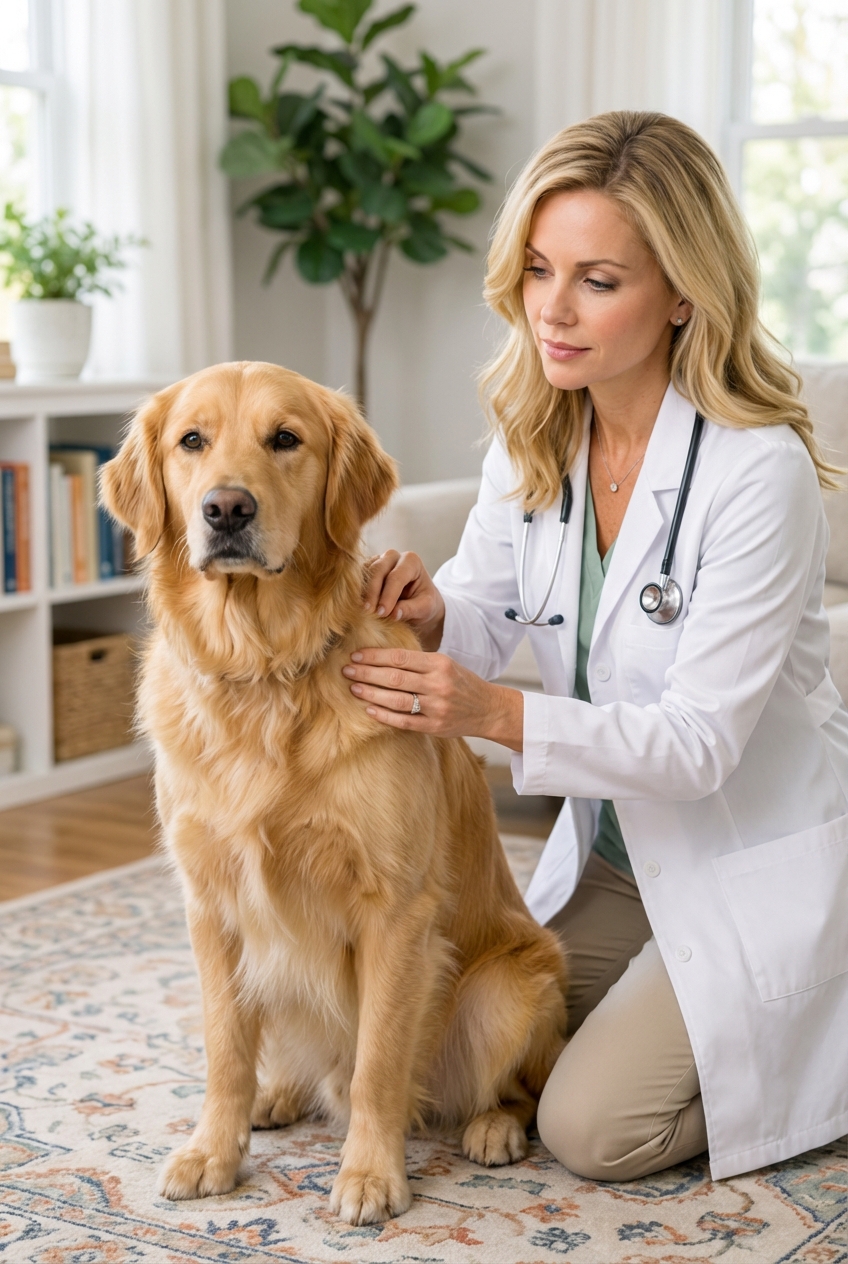
Your veterinarian may recommend skin cytology, ear cytology, a parasite check, or a tailored allergy plan. Those tests are not “extra.” They are often the fastest path to relief.
What not to do
- Do not give human antihistamines without veterinary guidance. Dosing and safety vary, and some products contain dangerous added ingredients.
- Do not use essential oils on inflamed skin unless your veterinarian approves. Many are irritating or toxic if licked.
- Do not overbathe with harsh products. Too much stripping can worsen itching.
- Do not assume grain-free fixes itching. Most itchy dogs are reacting to proteins or environmental triggers, not grains.
Kid-friendly ways to help
If you have children who want to help, give them safe, simple jobs that reduce your dog’s stress and prevent accidental rule breaking during a food trial.
- Let kids fill a “paws rinse” bowl with lukewarm water after walks
- Assign a brushing helper with gentle strokes
- Create a treat container that only holds vet-approved treats
- Teach a calm game like “find it” with approved kibble pieces instead of random snacks
Itchy dogs often feel better with predictable routines and calm enrichment.
A doable takeaway
Most scratching improves when you address the basics in the right order: fleas first, then infection, then allergy management, with skin barrier support the whole time. Start small, stay consistent, and track what you see.
If you want one simple action today, make it this: confirm flea prevention is consistent for every pet in the home and begin a 2-week itch log. Those two steps alone can save you time, money, and a lot of discomfort for your dog.