Vet-assistant tips to ease dog allergy itch safely at home: rinses, oatmeal baths, omega-3s, cool compresses, and lick prevention—plus remedies to avoid an...
Article
•
Designer Mixes
How to Get Your Dog to Stop Scratching

Shari Shidate
Designer Mixes contributor
If your dog cannot stop scratching, I know how worrying it can feel. As a veterinary assistant here in Frisco, Texas, I see itchy dogs every week and the good news is that many cases improve with the right diagnosis and treatment plan. Scratching is a symptom, not a diagnosis. Your job is to notice patterns and protect your dog’s skin while you and your veterinarian figure out the cause.
Quick note: This article is for general education and is not a substitute for veterinary care.
First, check for urgent itching
Some itchy dogs can be safely helped at home for a day or two. Others need prompt veterinary care because itching can quickly turn into infection, pain, and open sores.
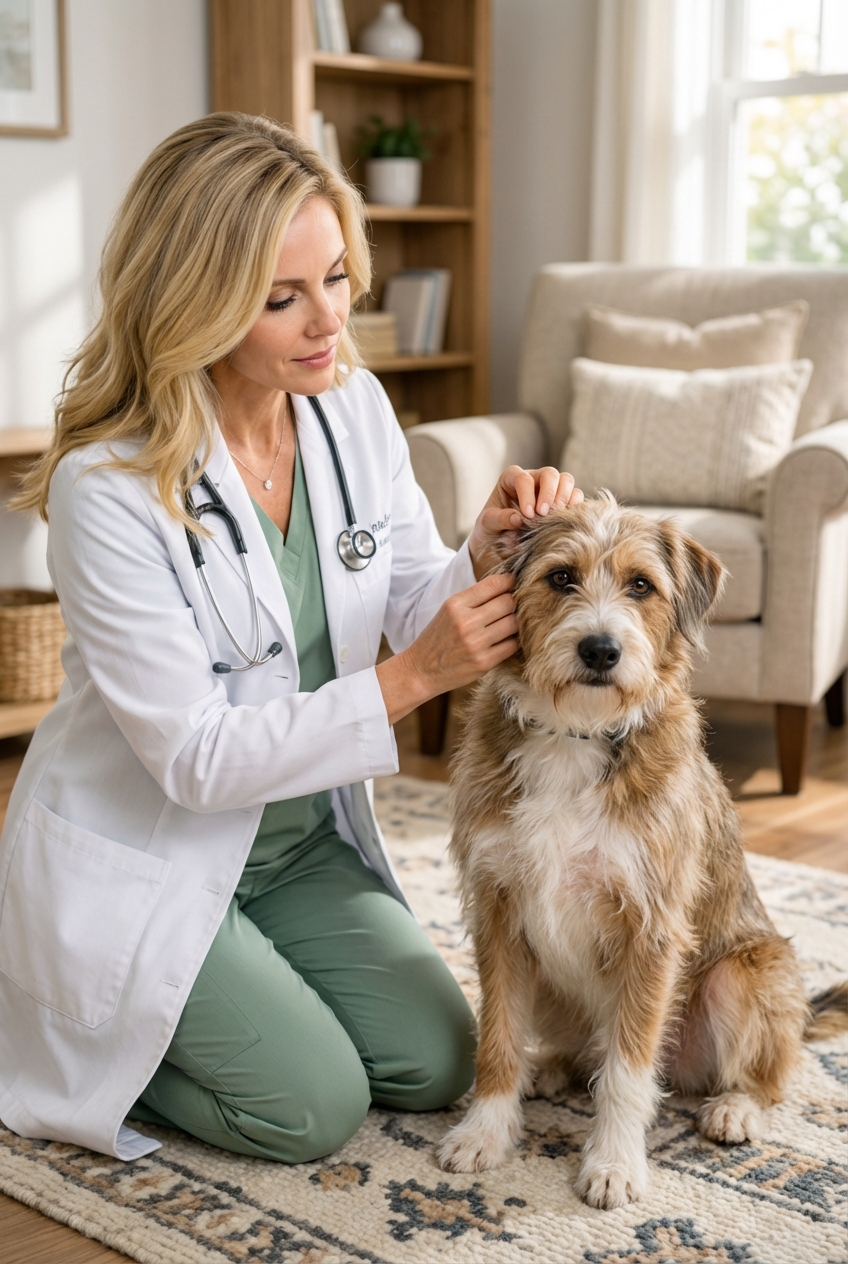
Call your vet the same day or within 24 hours if you notice:
- Intense scratching that interrupts sleep or eating
- Red, hot, swollen skin or a strong odor
- Hair loss in patches, scabs, oozing, or bleeding
- Head shaking, ear scratching, or dark ear debris
- “Scooting,” licking the rear end, or sudden tail-base chewing (can be allergies, parasites, or anal gland issues)
- Hives, facial swelling, vomiting, or diarrhea along with itch
Emergency: trouble breathing, severe facial swelling, rapidly spreading redness, collapse, extreme lethargy, or you suspect a toxin exposure.
Those signs can mean infection, parasites, ear disease, anal gland disease, or an allergic reaction that needs medication, not just shampoo.
Why dogs itch
In many dogs, itching comes from more than one issue at the same time. For example, a dog with pollen allergies can become extra miserable if fleas are also present. Here are the big categories we look at in clinic.
1) Fleas and other parasites
Fleas are still a top cause of itch, even when you do not see them. Some dogs are allergic to flea saliva, so even one bite can trigger days of scratching. Mites can also cause significant itch.
- Common clue: Chewing at the rump, tail base, and thighs. You may see tiny black specks in the coat (flea dirt) that may smear reddish-brown when wet.
- What helps: Consistent, vet-recommended flea prevention for every pet in the home.
2) Allergies (environmental or food)
Allergies are extremely common. Environmental allergies often show up seasonally at first, then can become year-round. Food allergy is less common than environmental allergy, but it is real and often shows up as skin and ear issues. Some dogs also have gastrointestinal signs like soft stool, vomiting, or gas.
- Common clue: Paw licking, face rubbing, ear infections, belly or armpit redness, seasonal flares that repeat in a similar pattern.
- What helps: A plan that may include prescription itch control, skin barrier support, and targeted diet trials.
3) Skin infections (bacterial or yeast)
When a dog scratches, the skin barrier breaks down. That warm, moist, damaged skin lets bacteria and yeast overgrow. Infection makes itch worse, which causes more scratching, which worsens infection. It becomes a cycle.
- Common clue: Greasy coat, odor, red bumps, darkened skin, thickened “elephant skin,” or recurring hotspots.
- What helps: Veterinary diagnosis and treatment, often including medicated shampoo, topical therapy, and sometimes oral medication.
4) Dry skin, grooming issues, or irritants
Over-bathing, harsh shampoos, low humidity, or scented cleaners can irritate the skin. Some dogs itch after trips to the groomer due to clipper irritation, fragrance, or an underlying allergy flare. Yard treatments and certain plants can also cause contact irritation.
- Common clue: Dandruff, mild itch, no strong odor, and symptoms that start after grooming, cleaning day, or yard work.
- What helps: Gentle bathing routines, moisturizing products, and removing the irritant.
5) Ringworm and other contagious skin problems
Not every itchy dog has something contagious, but it matters because some skin issues can spread to other pets and people. Ringworm can cause patchy hair loss with flaky skin and may or may not be very itchy.
- Common clue: Circular hair loss, broken hairs, scaling, and a new rash in other pets or people in the home.
- What helps: A veterinary exam and appropriate testing and treatment.
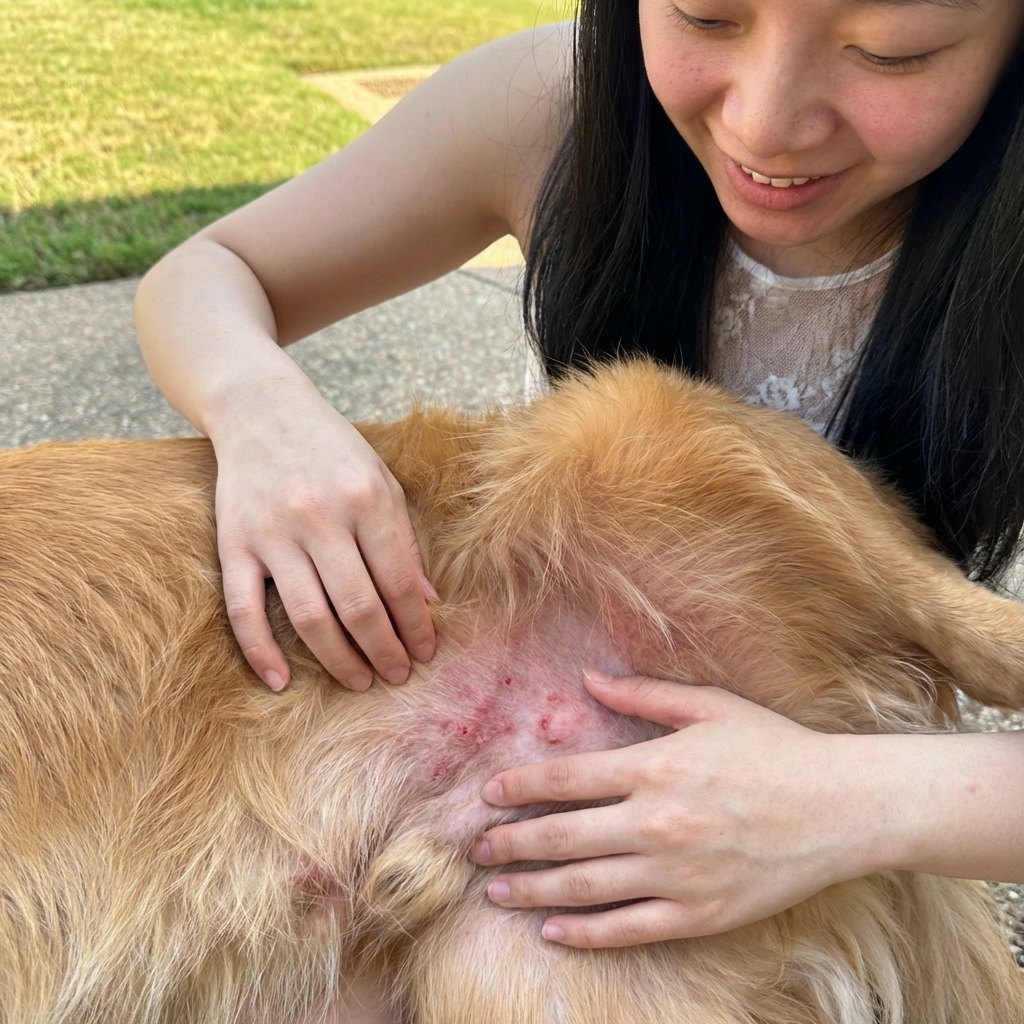
A simple 48-hour at-home plan
If your dog is otherwise acting normal and there are no open sores or urgent red flags, you can do a short, safe “itch reset” while you schedule a vet visit or monitor closely.
Medication safety: Do not give over-the-counter human medications (including Benadryl) unless your veterinarian tells you the exact dose for your dog. Never give ibuprofen or acetaminophen. Avoid essential oils like tea tree oil on the skin unless your vet directs you.
Step 1: Do a quick head-to-tail check
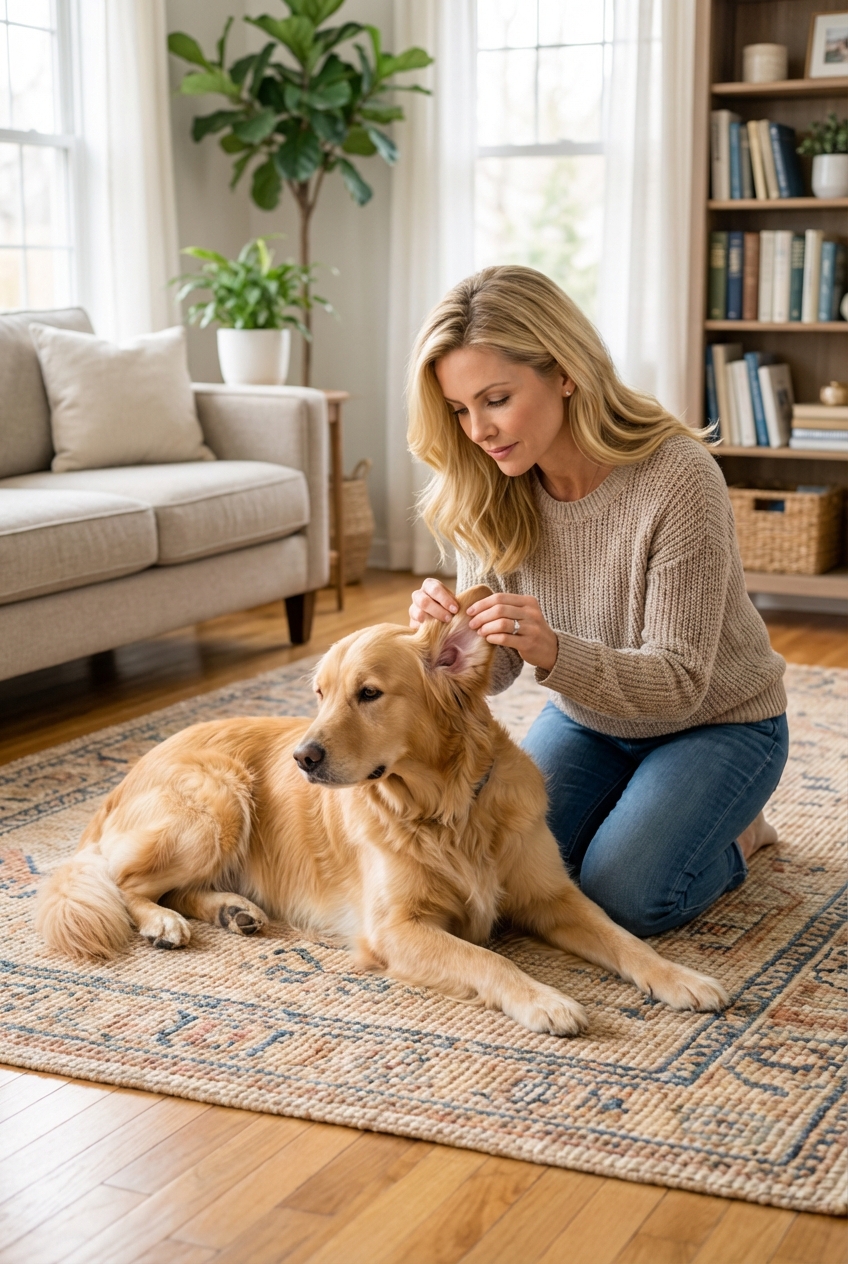
- Ears: Redness, odor, debris, head shaking.
- Paws: Licking, red between toes, brown saliva staining.
- Belly and armpits: Redness, bumps, rash.
- Tail base: Flea dirt, scabs, intense chewing.
- Rear end: Scooting, licking, fishy smell, or swelling near the anus (possible anal gland trouble).
Step 2: Get flea control truly consistent
Even indoor dogs get fleas. If you are not using a monthly preventative, or you have missed doses, talk with your veterinarian about a safe, effective option for your dog’s age and weight. Over-the-counter products vary a lot in effectiveness and safety.
Step 3: Soothe the skin without overdoing it
- Use a fragrance-free, dog-specific oatmeal or moisturizing shampoo if your dog is dirty or has pollen on the coat.
- Do not bathe too frequently. For many itchy dogs, once weekly is plenty unless your vet recommends medicated baths more often. Some yeast or bacterial infections need medicated baths 2 to 3 times weekly at first.
- After outdoor time, try a quick paw rinse and towel dry to remove allergens.
Step 4: Stop the damage
Scratching and licking can lead to infection. If your dog is breaking skin, use an e-collar (cone) or a recovery collar, and keep nails trimmed. This is not punishment. It is protection.
Step 5: Start an itch diary
This is one of the most practical tools you can bring to your vet. Track:
- When itching is worst (night, after walks, after meals)
- Areas affected (ears, paws, belly, tail base)
- Diet and treats (including flavored chews)
- Shampoos, detergents, new cleaners, yard treatments, grooming visits
- Any vomiting, diarrhea, scooting, or ear flare-ups
What your veterinarian may recommend
Itch is not one-size-fits-all. The best treatment depends on whether the root cause is parasites, infection, allergy, anal gland disease, or a mix.
Common diagnostics
- Skin cytology (a quick microscope check for yeast or bacteria)
- Skin scrape or flea comb exam
- Ear cytology
- Fungal testing when ringworm is a concern
- Anal gland exam if scooting and rear licking are part of the picture
- Diet trial guidance for suspected food allergy
Common treatments
- Parasite control: Prescription flea and tick prevention, mite treatment when needed
- Infection control: Medicated shampoos, sprays, wipes, and sometimes oral therapy
- Allergy itch control: Targeted medications that reduce itch and inflammation
- Long-term allergy management: Environmental changes, immunotherapy in some cases
- Anal gland support: Expression and treating any inflammation or infection when present
If your dog has repeated ear infections or recurrent skin flare-ups, it is especially important to treat the underlying allergy component. Otherwise, you can end up playing whack-a-mole with infections.
Nutrition and skin
Skin is an organ, and it needs the right building blocks. A balanced diet supports the skin barrier, which can reduce flare-ups over time.
Omega-3 fatty acids
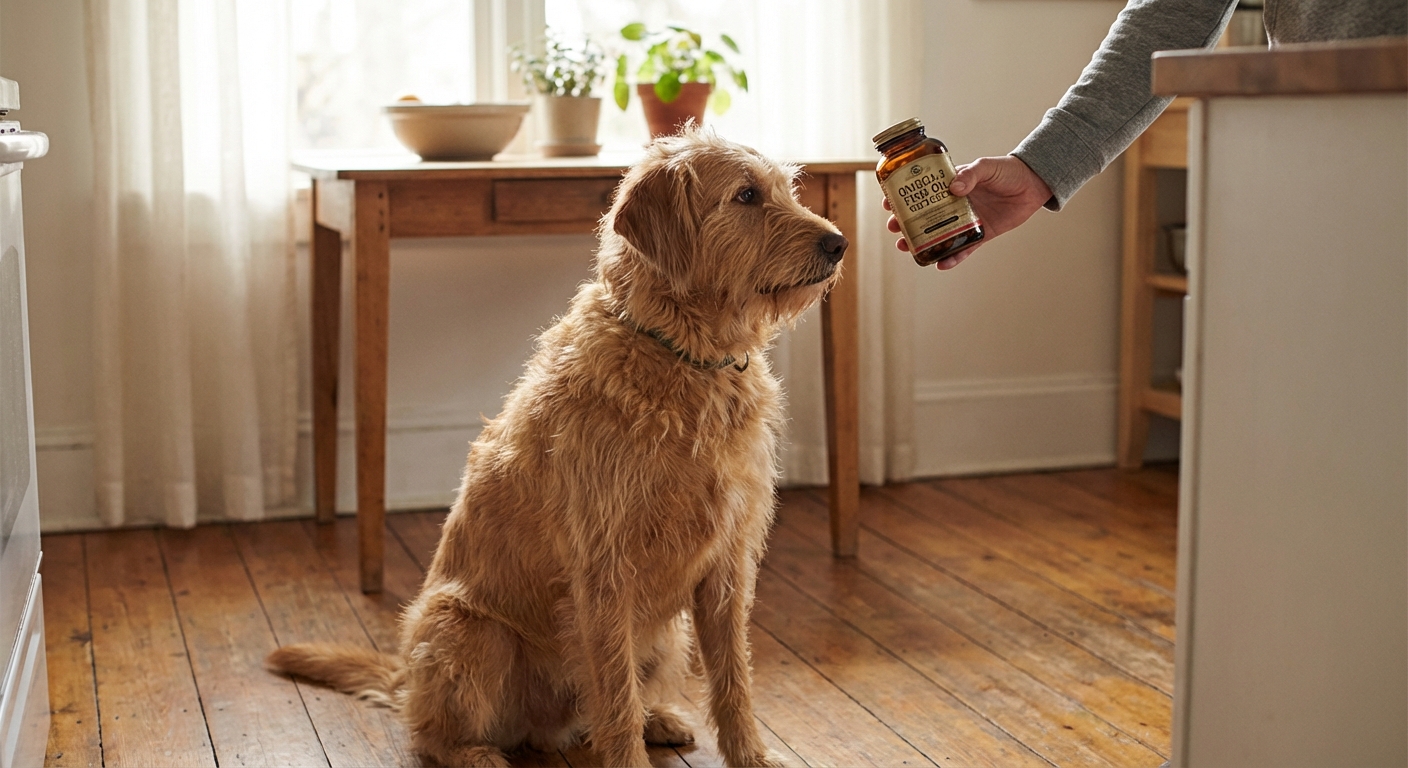
Evidence supports omega-3s (especially EPA and DHA) for many dogs with allergic skin disease because they help reduce inflammation. Ask your veterinarian for a product and dose that matches your dog’s weight and health history. More is not always better.
Food allergies: do a true diet trial
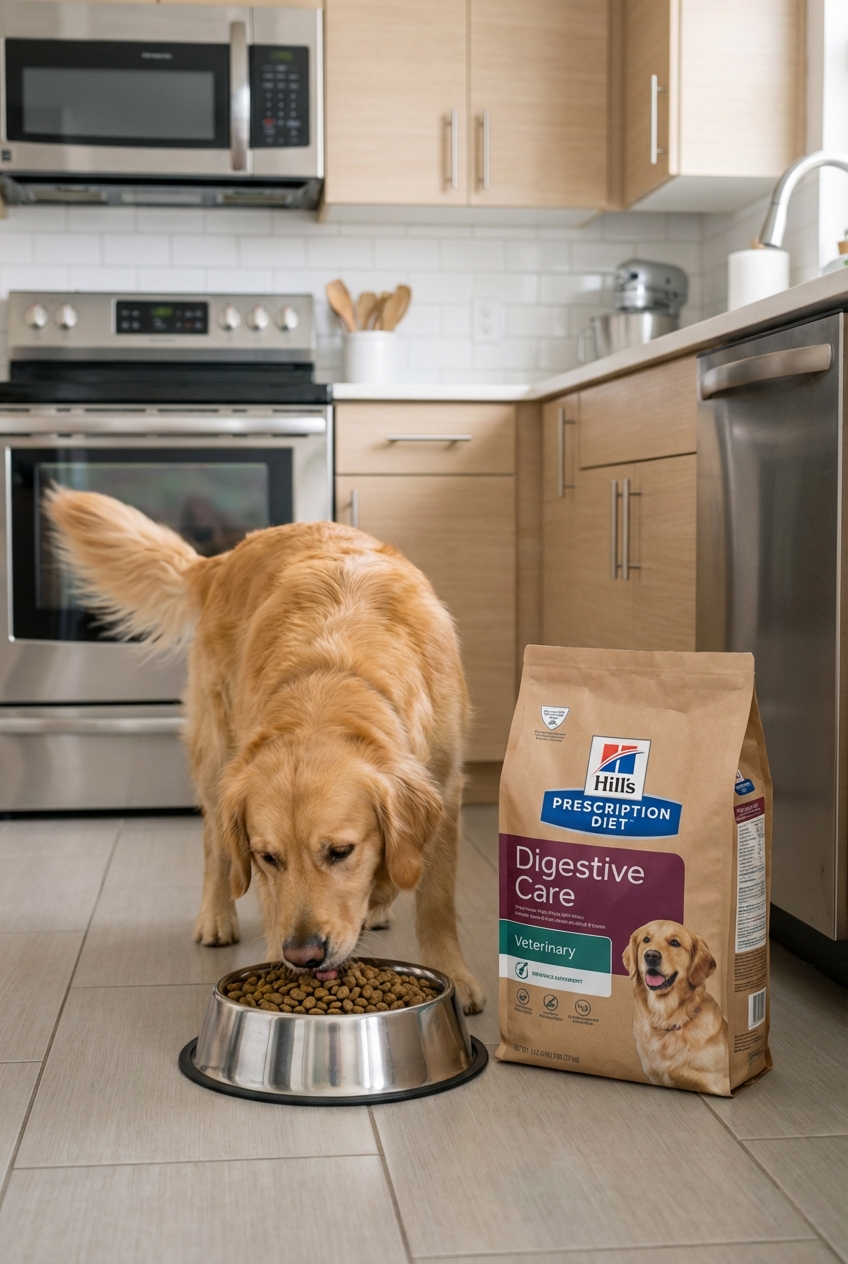
If food allergy is suspected, the most reliable path is a veterinarian-guided elimination diet using a prescription hydrolyzed or novel protein diet for a full trial period. Switching foods randomly, adding toppers, or continuing flavored treats can accidentally ruin the trial.
Home and grooming tweaks
- Rinse after pollen exposure: A quick rinse of paws and belly can help during high pollen seasons.
- Switch to fragrance-free laundry detergent: Especially for dog bedding and blankets.
- Wash bedding weekly: Use hot water when fabric allows.
- Vacuum regularly: Flea eggs and allergens live in soft surfaces.
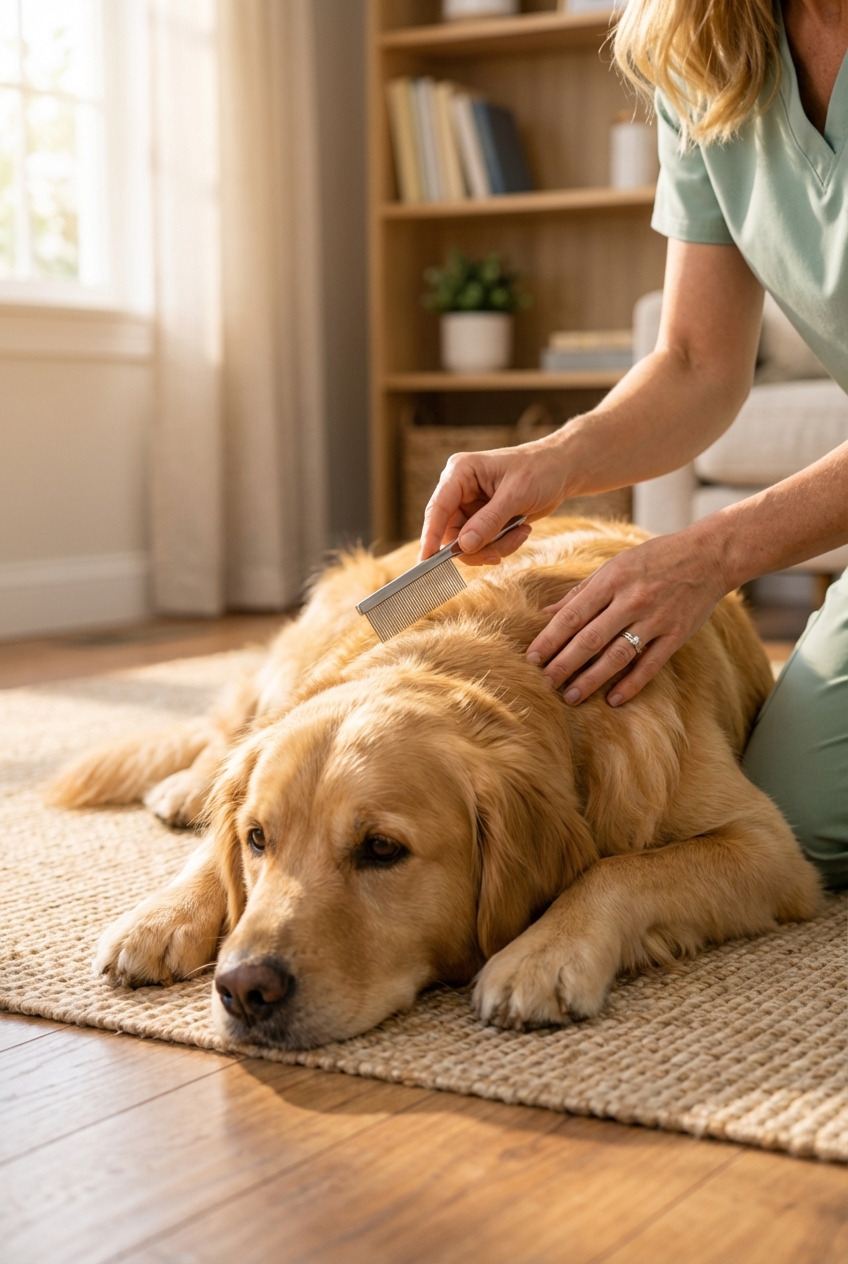
- Keep coats tangle-free: Mats trap moisture and irritate skin.
A note on human medications
Please do not give your dog human anti-itch products unless your veterinarian specifically instructs you. Some are dangerous for dogs, and others can mask symptoms while an infection worsens.
Quick FAQ
Why does my dog scratch more at night?
Nighttime itch can happen because your dog is finally still and notices it more, but it can also point to parasites, infection, or allergy inflammation. If it is waking your dog up, it is time to call your vet.
Why is my dog chewing paws?
Paw chewing is very commonly linked to environmental allergies, yeast overgrowth, or irritation from grass, yard chemicals, and cleaning products. A vet can check for yeast and recommend a plan that actually breaks the cycle.
Can I stop scratching just by changing food?
Sometimes, but many itchy dogs have environmental allergies instead. If you want to explore food allergy, do it as a structured elimination diet trial so you get a clear answer.
Bottom line
Your dog is not being “dramatic” when they scratch. Itching is uncomfortable, and it often escalates fast. Start with safety, parasite control, and gentle skin support, then partner with your veterinarian to pinpoint the cause. Once you address the root trigger and any infections, most dogs get real relief and you get your peaceful, comfortable pup back.