Practical, vet-informed ways to help your dog drink more: ideal daily intake, common causes of low drinking, bowl and water setup fixes, add-ins, “go drink...
Article
•
Designer Mixes
How to Get Your Dog to Drink Water

Shari Shidate
Designer Mixes contributor
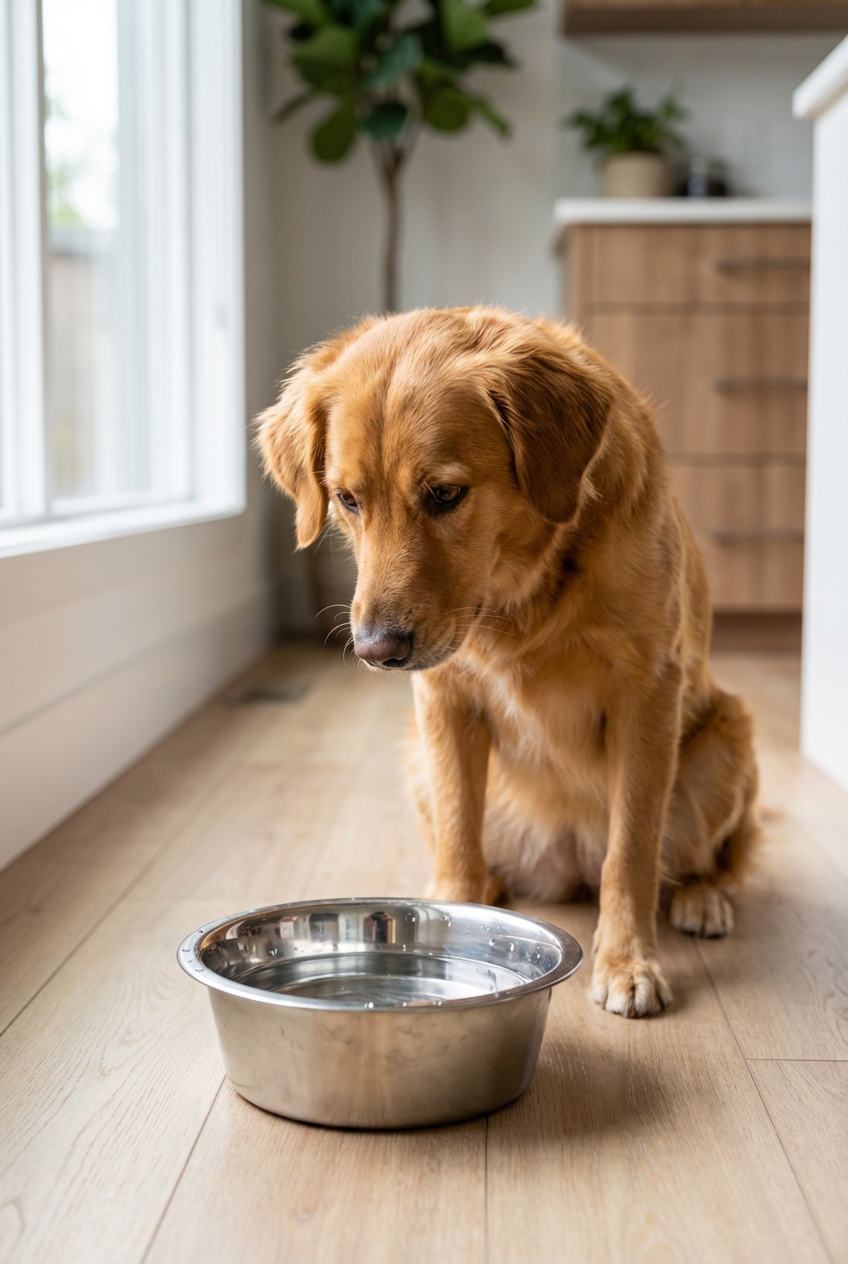
If you have ever stood next to your dog’s water bowl thinking, “Please just take a few sips,” you are not alone. Hydration sounds simple, but in real life it can get tricky, especially with picky drinkers, senior dogs, dogs on dry kibble, and pups who get distracted by, well, everything.
As a veterinary assistant in Frisco, Texas, I have seen dehydration sneak up on dogs in ways that surprise even very attentive pet parents. The good news is that in most cases, we can encourage safe, steady drinking with a few evidence-based changes at home.
Why water matters
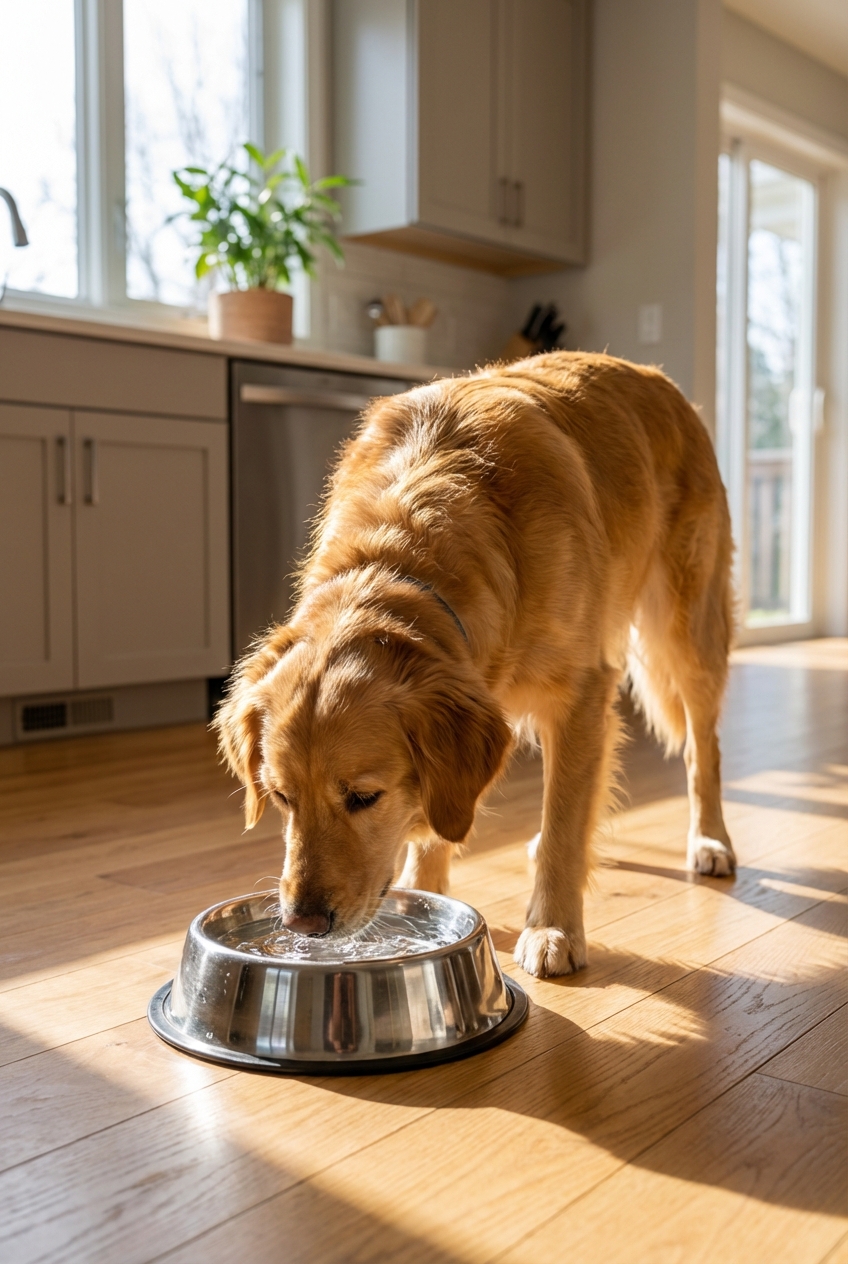
Water is not just “nice to have.” It supports circulation, digestion, temperature control, joint lubrication, and kidney function. Even mild dehydration can contribute to lethargy, constipation, decreased appetite, and darker, more concentrated urine.
Many dogs do a decent job regulating their own intake, but some need a nudge. This is especially true if they are stressed, traveling, recovering from illness, or eating mostly dry food.
One thing I always emphasize: a noticeable change from your dog’s normal drinking pattern, either less or more, can be a clue worth paying attention to.
How much water is normal?
A common rough guideline for healthy adult dogs is around 50 to 60 mL of water per kilogram of body weight per day. That is approximately 0.8 to 1.0 ounces per pound per day, and it includes moisture in food. Needs go up with heat, exercise, lactation, fever, and some medical conditions.
Quick example: A 30-pound dog often needs roughly 24 to 30 ounces of total water per day (about 3 to 4 cups). If they eat canned food or fresh, moisture-rich meals, they may drink less from the bowl, which can be totally normal.
If you are unsure what is “normal” for your dog, think in terms of trends. A steady baseline is reassuring. A sudden shift is what gets my attention in clinic.
Check for dehydration first
If your dog seems “not thirsty,” do a quick at-home check. These are not a diagnosis, but they help you decide how urgent the situation may be.
- Gums: should be moist, not tacky or dry
- Energy: unusual tiredness or weakness can be a clue
- Urine: very dark yellow urine can indicate concentrated urine
- Skin tent test: gently lift the skin over the shoulder blades and release. It should snap back quickly. Slow return can suggest dehydration, especially in young adult dogs (this is less reliable in seniors)
Urgent: vomiting, diarrhea, collapse, pale gums, refusal to drink, or suspected heatstroke needs prompt veterinary care.
Why some dogs drink less
Bowl and water issues
- The bowl is in a busy spot, near loud appliances, or too close to the cat’s litter box area in a multi-pet home
- The bowl is too small, tips easily, or bangs tags on the rim
- The water tastes “off” (stale, chlorinated, or has food crumbs)
- The bowl is not cleaned often enough, leading to odor or slime
Stress, routine changes, or pain
- Travel, boarding, new pets, or schedule changes
- Dental pain, nausea, or mouth sores
- Arthritis making it uncomfortable to lean down (common in seniors)
Diet and environment
- Dry kibble only, with no added moisture
- Cool weather (some dogs drink less when it is not hot)
- Low activity day
How to help your dog drink more
These strategies work best when you pick two or three and stay consistent for a week. Small changes add up.
1) Refresh water and wash the bowl daily
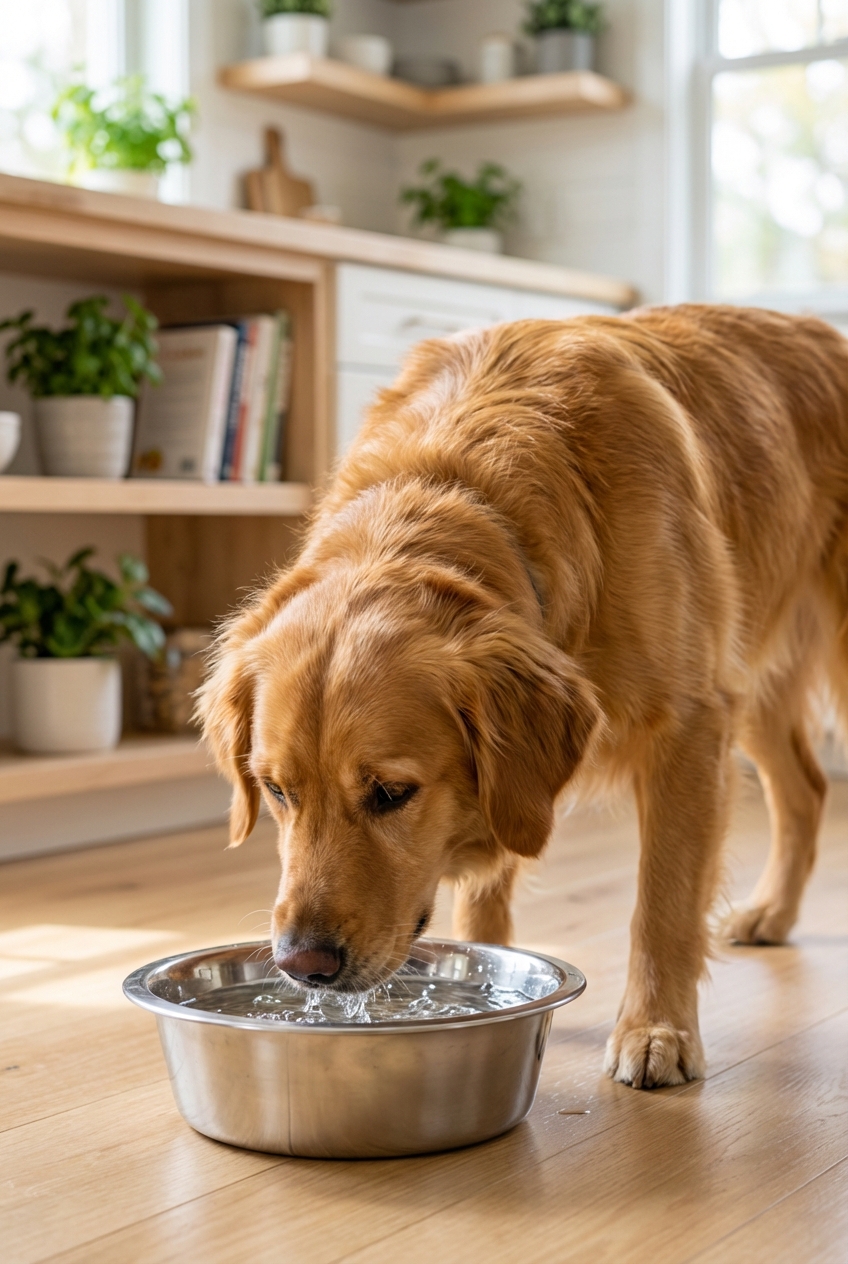
Fresh water is more appealing. Many dogs prefer cool, clean water without floating bits of food. Wash bowls with soap and hot water daily, and rinse well.
2) Add more water stations
Place bowls in the rooms where your dog actually spends time: one near the sleeping area and one in a main living space. For multi-level homes, keep water on each floor.
3) Switch bowl style if needed
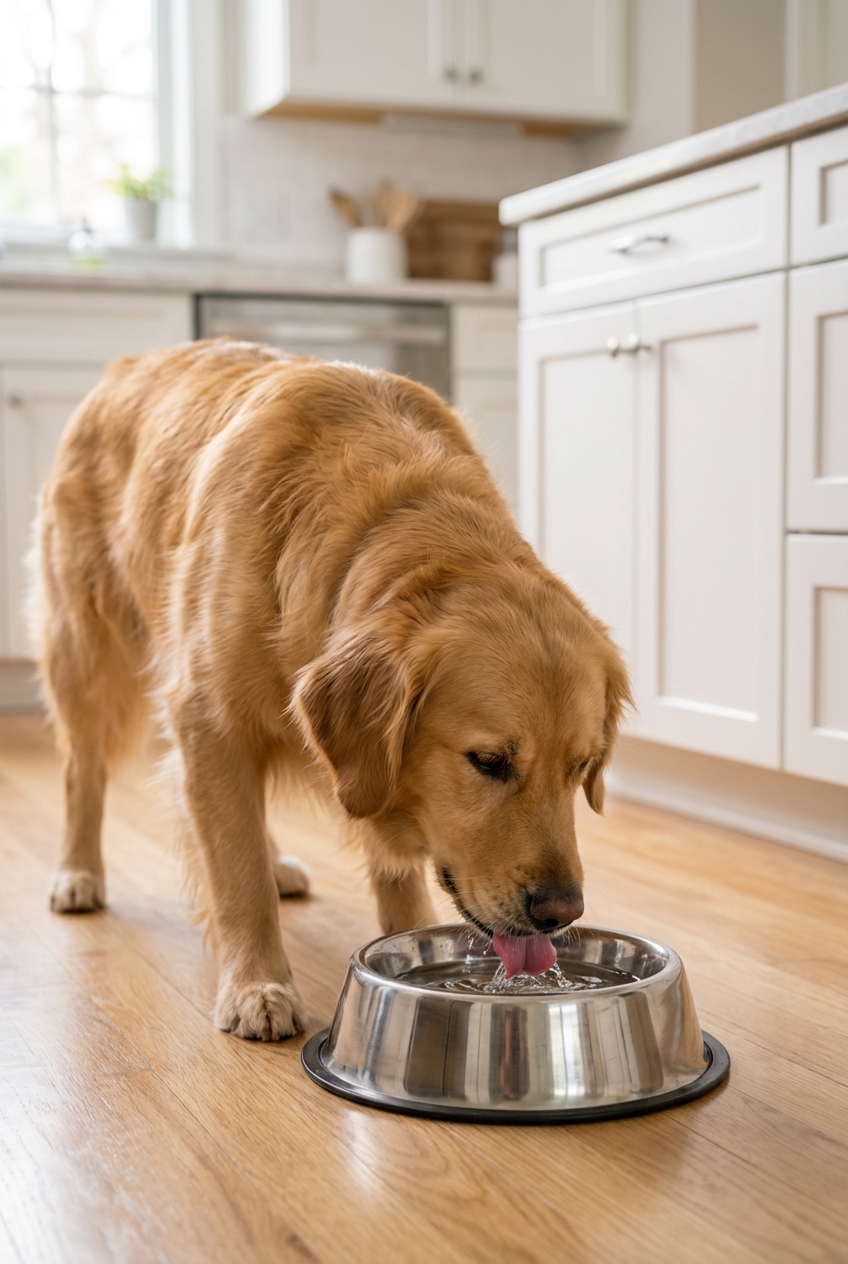
- Stainless steel is durable and easy to sanitize.
- Ceramic can be heavier and more stable for dogs who bump bowls.
- Wide, shallow bowls can help dogs who seem picky about bowl shape or dislike their muzzle touching the sides.
If your dog is sensitive to noises, remove dangling tags or switch to a silent ID tag.
4) Add flavor safely
Flavor can help, but keep it simple and safe.
- Add a splash of low-sodium broth (onion-free and garlic-free) to water
- Offer water from cooked plain chicken that has been cooled and de-fatted
- Mix a small amount of tuna water (from tuna packed in water, not oil) into a bowl of water
Tip: If you flavor water, still keep a second bowl of plain water available so your dog can choose.
Skip: sports drinks, electrolyte drinks, or human oral rehydration solutions unless your veterinarian specifically recommends them for your dog.
5) Increase moisture in meals
This is one of my favorite gentle options because it boosts hydration without pressuring your dog to “drink more.”
- Mix warm water into kibble and let it soak 5 to 10 minutes
- Add a spoonful of canned food or a vet-approved balanced topper
- Serve moisture-rich foods approved by your vet, like plain cooked turkey, pumpkin, or lightly steamed veggies
Hydration often improves when you add moisture to meals (soaked kibble, canned food, or vet-approved balanced toppers), even if bowl drinking does not change much.
6) Try a pet water fountain
Many dogs prefer moving water. A fountain can also keep water tasting fresher. Clean it frequently according to the manufacturer’s instructions, including the pump area, because biofilm can build up quickly.
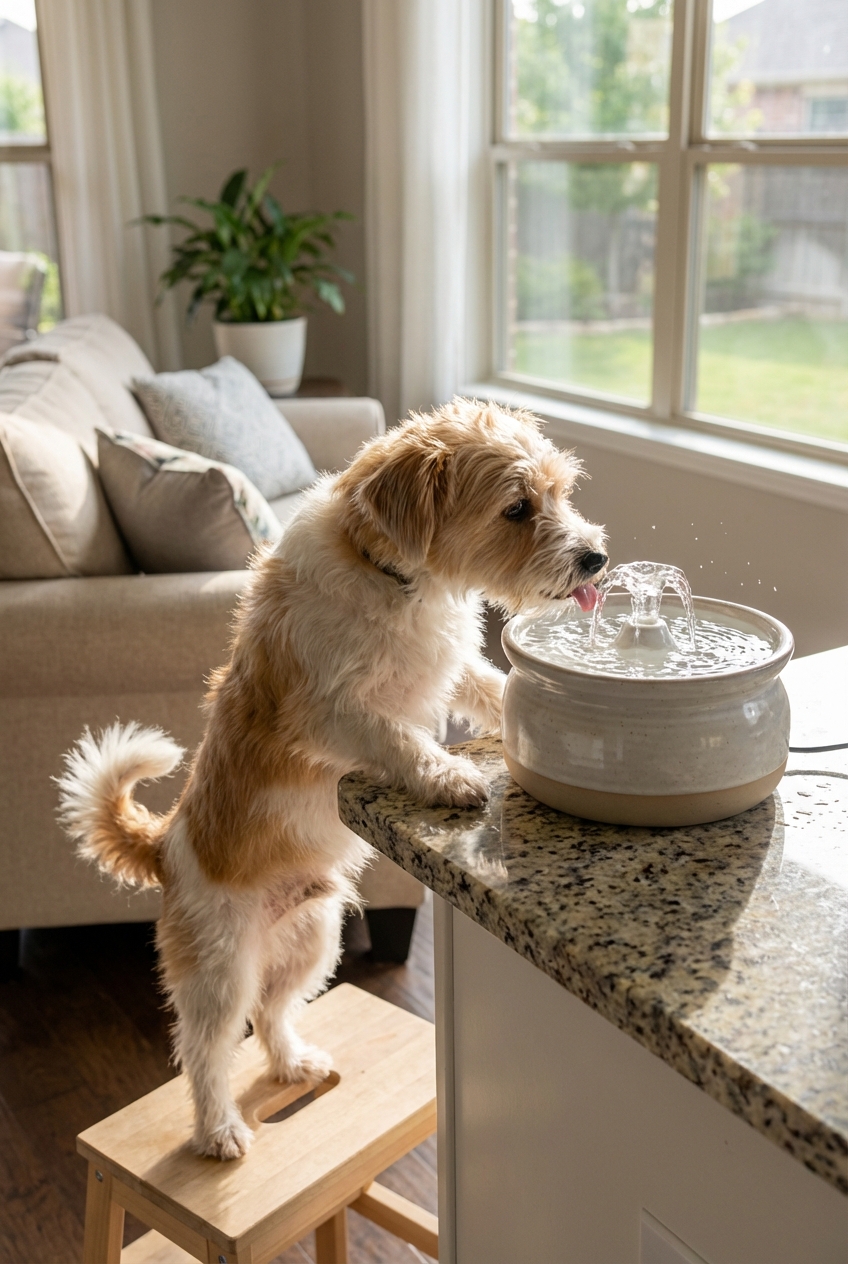
7) Offer ice chips or simple frozen treats
For some dogs, licking is easier than drinking. You can offer:
- Plain ice chips
- Ice cubes made with diluted broth (onion-free and garlic-free)
- Frozen water with a tiny amount of safe flavor (like a teaspoon of tuna water in a larger tray)
Keep portions small to avoid stomach upset and extra calories, and always supervise in case your dog tries to gulp large chunks. Skip xylitol and anything “sugar-free.”
8) Build a hydration routine
Offer water after predictable events: after a walk, after play, after meals, and after coming inside from the heat. Praise calmly when your dog drinks, but avoid hovering, which can make some dogs stop.
Also, never restrict water after exercise. If your dog tends to gulp, offer smaller drinks more frequently.
9) Measure intake when you can
If you want to know what is really happening, measure it for a few days. Pour a known amount of water into the bowl in the morning, then measure what is left at night (or pour leftovers into a measuring cup). In multi-pet homes, consider separating pets for short periods or using separate bowls in different rooms so you can get a clearer picture.
When low drinking is a red flag
Please contact your veterinarian promptly if your dog:
- Refuses water for 12 hours (or sooner for puppies, seniors, small dogs, or any dog with other symptoms)
- Has vomiting or diarrhea, especially multiple times
- Seems painful, weak, disoriented, or unusually sleepy
- Has very sticky gums or rapid breathing
- Is a puppy, senior, or has kidney disease, diabetes, or Cushing’s disease
Also worth noting: drinking too much can be a medical clue. If your dog suddenly empties bowls and urinates more, do not ignore it. Increased thirst can be associated with endocrine disease, kidney issues, infections, and medication side effects (for example, steroids or diuretics).
Hot Texas weather tips
Heat raises water needs fast. In North Texas summers, I recommend planning ahead:
- Walk early morning or after sunset
- Bring a collapsible bowl and water on outings
- Avoid hot pavement, which increases overheating risk
- Offer small drinks frequently instead of encouraging one big gulp
If you suspect heatstroke (heavy panting, glazed eyes, vomiting, collapse), seek emergency care immediately.
A simple 7-day plan
If you want a clear starting point, try this:
- Days 1 to 2: Wash bowls daily, refresh water twice a day, add a second water station.
- Days 3 to 4: Add meal moisture by soaking kibble with warm water or mixing in a small wet-food portion.
- Days 5 to 7: Introduce a fountain or offer flavored water once daily while keeping plain water available.
Track what works: bowl type, location, timing, and approximate daily intake if you can. Your dog is giving you data every day.
Bottom line
Most dogs can be encouraged to drink more with fresh water, a smart bowl setup, added food moisture, and a little creativity. If your dog’s drinking changes suddenly, or low drinking comes with other symptoms, it is always worth a quick call to your veterinarian. Hydration is one of those small daily habits that supports long-term health in a big way.