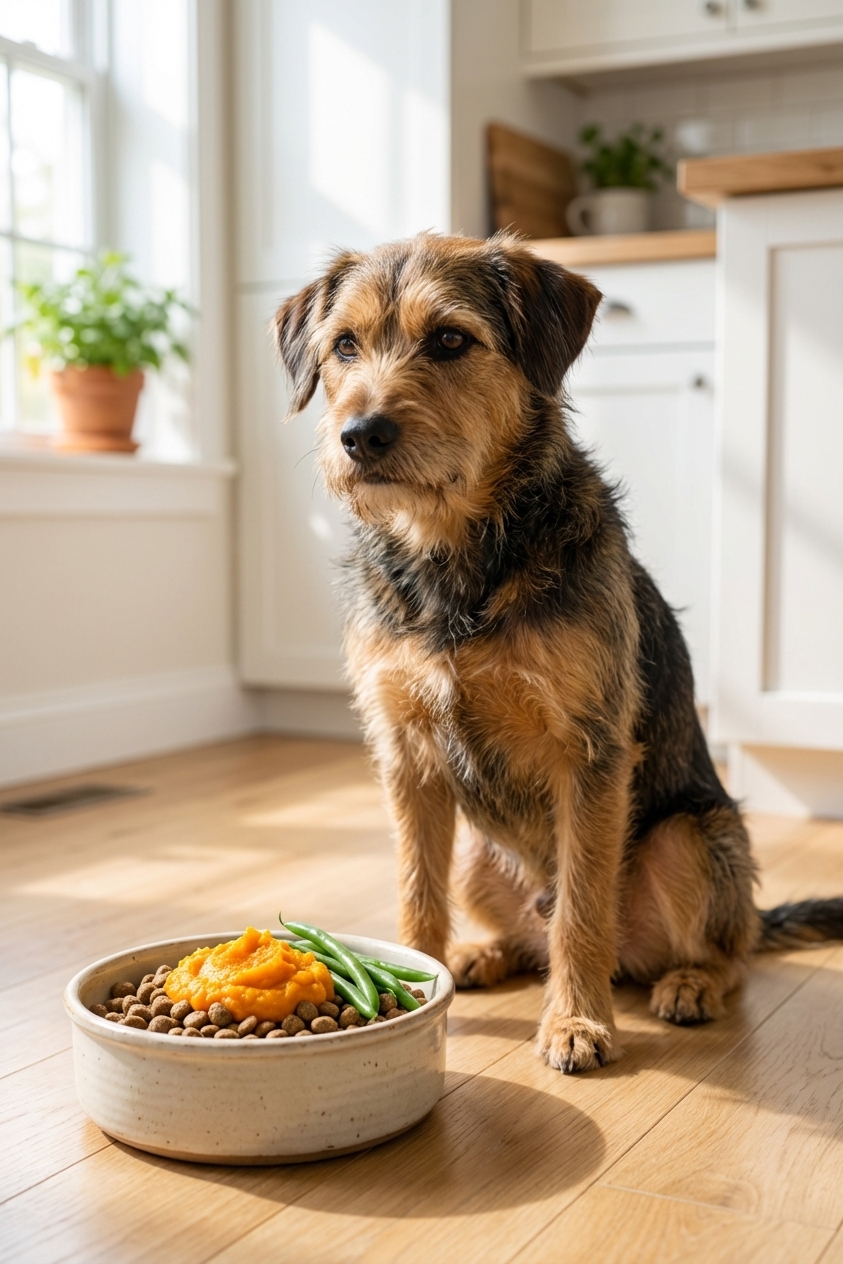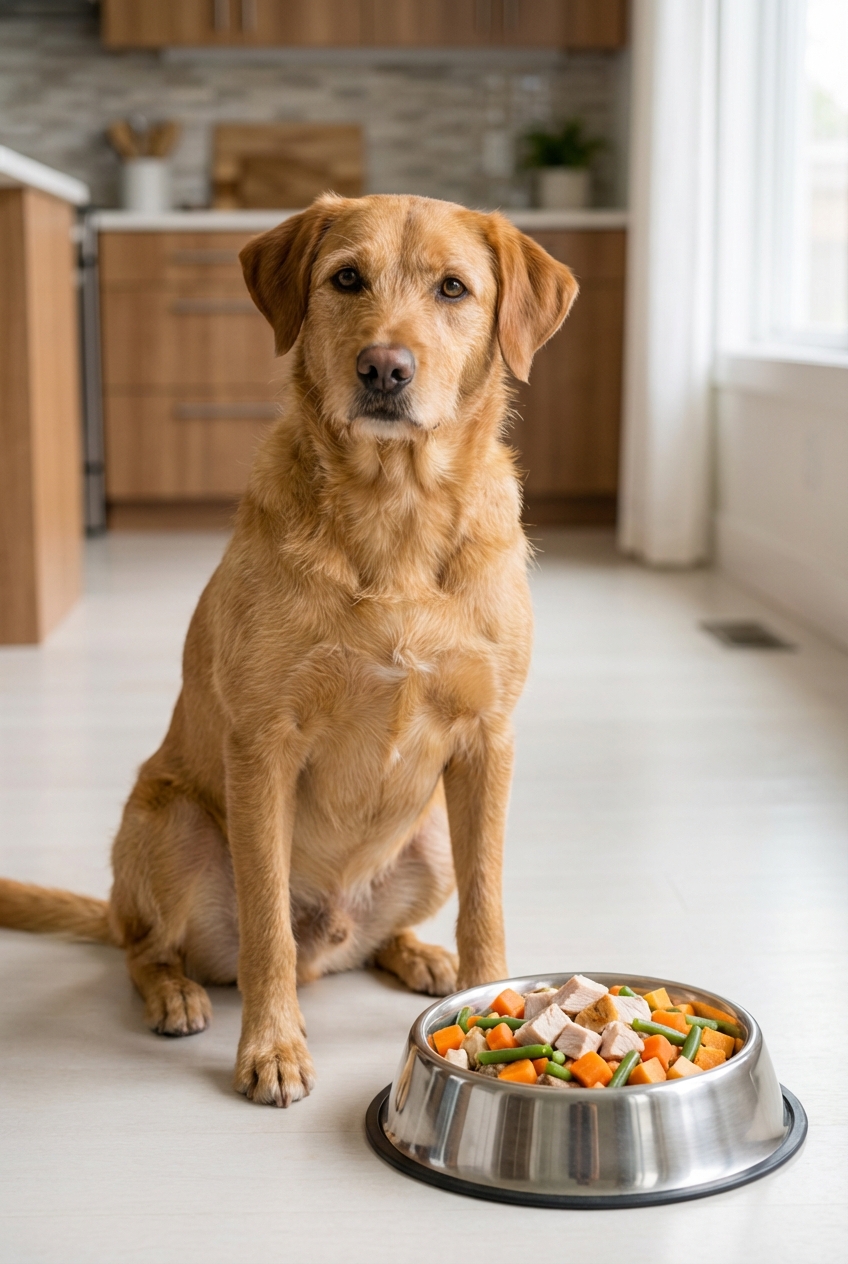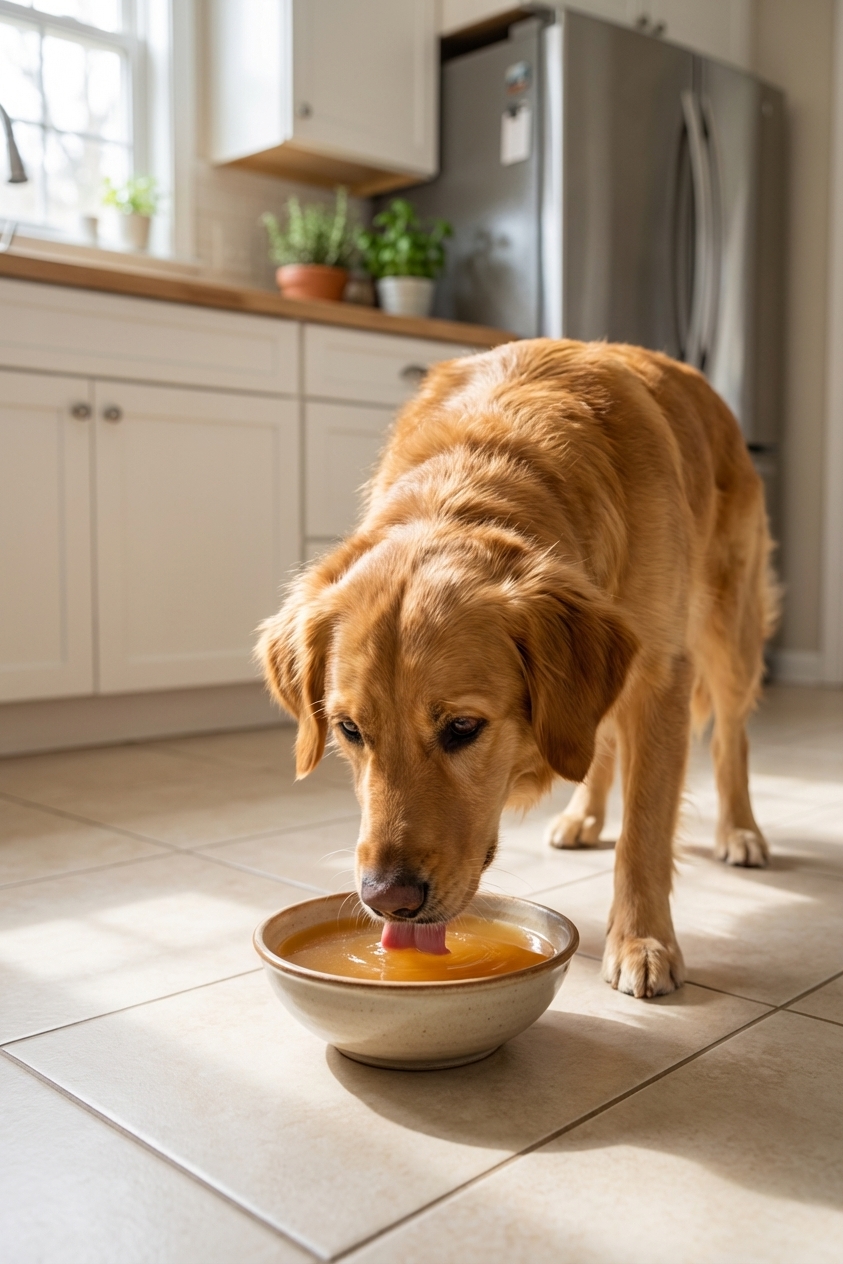
Bone broth can support hydration, appetite, and comfort for picky, senior, or recovering dogs. Get a plain, dog-safe recipe, serving amounts, storage tips, a...
Article
•
Designer Mixes
How to Get Your Dog to Drink More Water

Shari Shidate
Designer Mixes contributor
Why water matters more than most pet owners realize
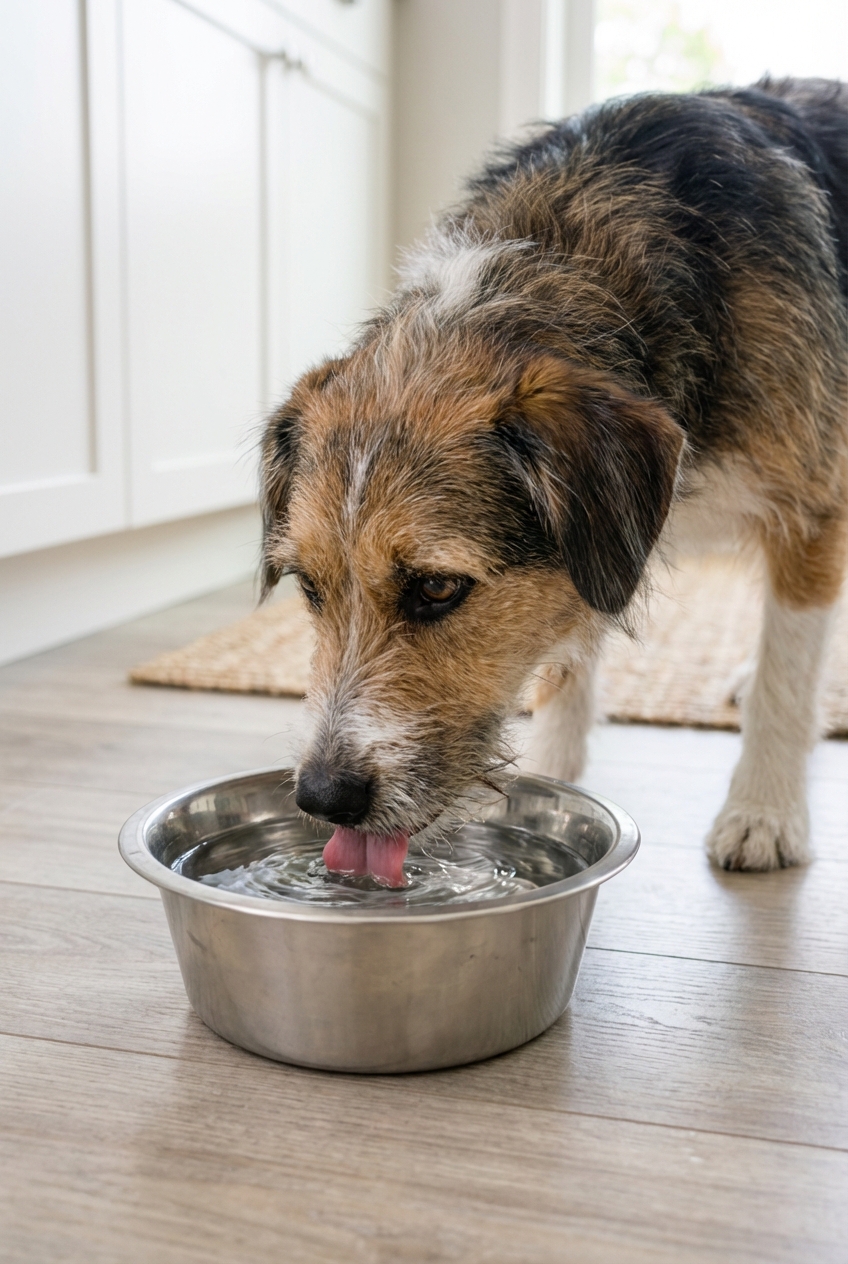
As a veterinary assistant here in Frisco, Texas, I see it all the time: hydration affects almost everything. Water supports digestion, circulation, temperature control, joint lubrication, and healthy kidneys. When dogs do not drink enough, they can get constipated, feel sluggish, and in some cases become dangerously dehydrated.
The good news is you can usually help a dog drink more with a few simple, family-friendly habits. You do not have to overhaul your whole routine in one day.
Quick note: This is general guidance. Your veterinarian knows your dog’s health history and can help you set the right hydration target.
How much water should a dog drink?
A helpful daily range for many dogs is about 0.5 to 1 ounce of water per pound of body weight. That is roughly 1 cup per 8 to 16 pounds per day. Some dogs drink less and still do fine, and others need more.
One easy way to think about it: dogs on dry kibble often need to drink more because kibble is typically low moisture (often around 8 to 12%). Dogs eating canned or fresh diets may drink less because they are getting more water from food.
Quick examples
- 10 lb dog: about 5 to 10 oz per day (roughly 2/3 to 1 1/4 cups)
- 30 lb dog: about 15 to 30 oz per day (roughly 2 to 3 3/4 cups)
- 60 lb dog: about 30 to 60 oz per day (roughly 3 3/4 to 7 1/2 cups)
Water needs can go up with:
- Heat and humidity (Texas summers absolutely count)
- Exercise and long walks
- Dry diets (kibble has low moisture)
- Puppies and nursing dogs
- Medical conditions or medications (some seniors fall into this category, but age alone is not the whole story)
If your dog suddenly drinks a lot more or a lot less than usual, that change matters. It can be your earliest clue that something is off.
Signs your dog may not be drinking enough
Thirst is not always obvious in dogs. Watch for small changes that add up.
- Dry or tacky gums
- Lethargy or less interest in play
- Dark yellow urine or peeing less often
- Constipation or harder stools
- Loss of appetite
- Sunken-looking eyes (more concerning)
A quick at-home check many clinics suggest is the skin tent test: gently lift the skin over your dog’s shoulders and release. It should snap back quickly. If it stays “tented,” dehydration may be present.
Important: this test is less reliable in senior dogs (skin can be less elastic) and in overweight dogs. Use it as one clue, not the only one. Gums, energy level, urination, and overall behavior matter too. When in doubt, call your veterinarian.
Family-friendly ways to help your dog drink more water
1) Make water easy to find
Many dogs simply drink more when water is closer.
- Place multiple bowls around the house, especially near your dog’s favorite resting spots.
- Add a bowl near where the family spends time, like the living room.
- If your dog is older or has arthritis, use a bowl stand so they do not have to bend as far.
2) Refresh water more often than you think
Dogs have strong senses. Stale water, floating crumbs, or a “dog-bowl smell” can turn them off.
- Dump and refill at least once or twice daily.
- Wash bowls with hot soapy water daily, especially in warm weather.
- Use stainless steel or ceramic when possible, since they tend to hold fewer odors than some plastics.
3) Try a pet water fountain
Some dogs are drawn to moving water. A fountain can encourage sipping throughout the day.
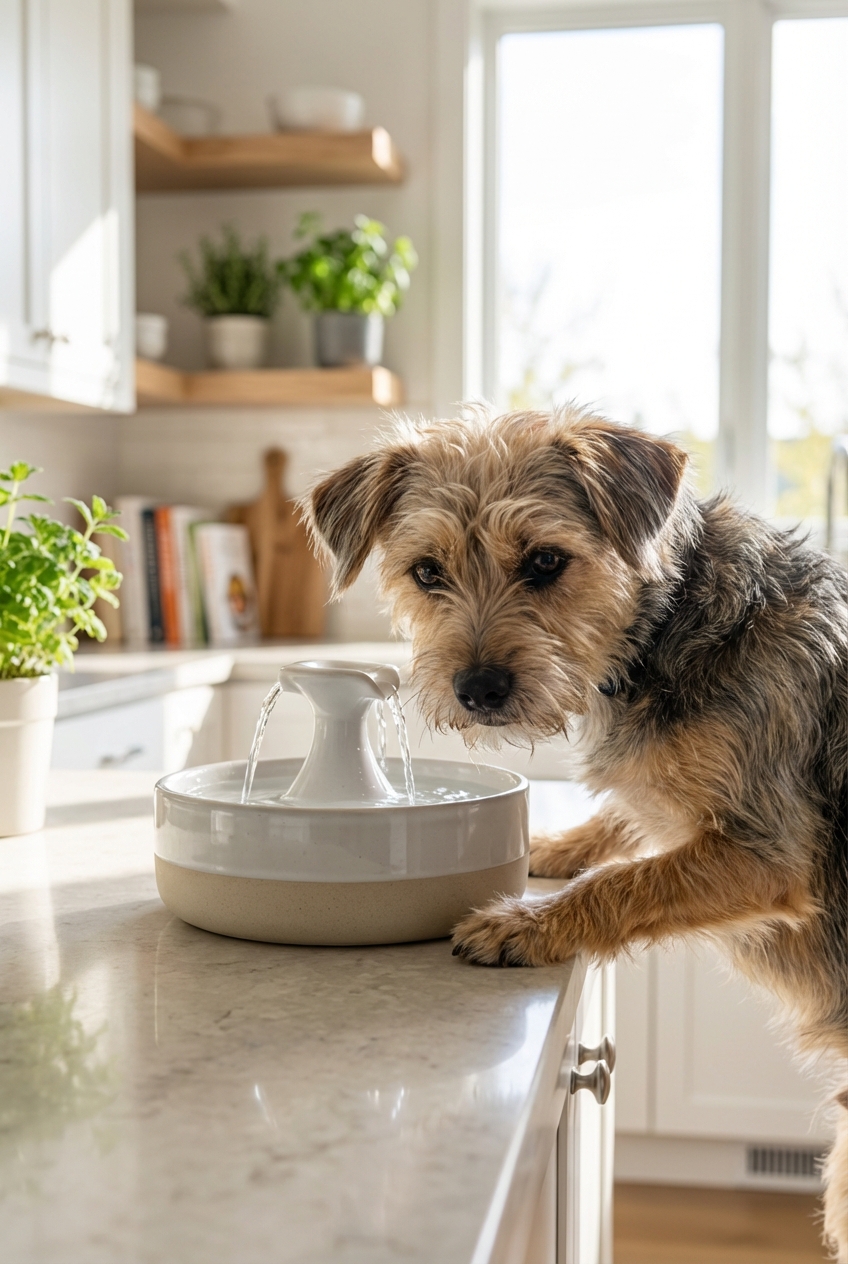
- Choose a fountain that is easy to take apart and clean.
- Replace filters on schedule.
- Introduce it calmly and let your dog investigate without pressure.
4) Add moisture to meals
This is one of my favorite easy wins, especially for dogs on kibble.
- Mix in a few tablespoons of warm water to kibble.
- Add low-sodium broth (no onion, garlic, chives, or excess salt) for extra flavor.
- Consider rotating in wet food or a balanced homemade topper if your vet agrees.
Even modest moisture can support hydration, stool quality, and overall comfort. And if your dog eats more wet food and drinks less from the bowl, that can be completely normal.
5) Offer water-rich snacks kids can help with
If you have children, hydration can become a gentle family routine.
- Ice cubes as a supervised treat (plain water)
- Frozen broth cubes made from dog-safe, low-sodium broth
- Water-rich fruits and veggies in small amounts, like cucumber or watermelon without seeds or rind
Always go slow with new foods, and keep treats small so you do not upset your dog’s stomach.
6) Make water taste better safely
If your dog is picky, tiny changes can help. Just keep it occasional and light.
- Add a small splash of tuna water (from tuna packed in water, not oil, no added salt) to a separate bowl. Use sparingly, since it can add sodium, calories, and is not something I would use every day long-term.
- Add a teaspoon of plain, unsweetened goat milk or plain kefir for some dogs. Start with a tiny amount because dairy can cause GI upset in sensitive dogs, and it adds extra calories.
Tip: offer flavored water in one bowl and plain fresh water in another so your dog always has a simple option.
7) Keep hydration on your walk routine
For active dogs, especially mixed breeds with lots of energy, plan hydration like you plan the leash.
- Bring a portable water bottle and foldable bowl.
- Offer small drinks during breaks instead of one big drink at the end.
- Avoid heavy exercise during peak heat, and watch for panting that does not calm down.
Common reasons dogs avoid drinking
If your dog is ignoring water, it is not always stubbornness. Here are some common, fixable causes.
- Bowl placement is noisy, busy, or near a litter box (for multi-pet homes).
- Bowl type is too deep, too narrow, or slides around.
- Water taste changes due to a new source, softened water, or chlorine smell.
- Dental pain makes drinking uncomfortable.
- Nausea or other illness reduces interest in both food and water.
- Medications or health conditions can change thirst and urination patterns (for example, steroids, diuretics, kidney disease, diabetes).
Try changing one thing at a time so you can tell what actually helps.
What not to do
- Do not restrict water unless your veterinarian specifically tells you to.
- Avoid salty broths, sports drinks, and anything sweetened.
- Avoid any products with xylitol, and avoid onion, garlic, and chives (common in broths and “bone broth” blends).
- Do not try to force large amounts of water quickly.
When not drinking becomes an emergency
Please call your veterinarian promptly if you notice any of the following:
- Your dog has not drunk for 12 to 24 hours, especially if they are also not eating. Puppies, small dogs, seniors, and dogs with vomiting, diarrhea, or heat exposure can become critical sooner.
- Vomiting, diarrhea, or signs of abdominal pain.
- Weakness, collapse, pale gums, or extreme lethargy.
- Possible heatstroke (heavy panting, drooling, red gums, stumbling).
- Sudden big changes in drinking or urination, which can be linked to kidney disease, diabetes, Cushing’s disease, urinary tract infection, and more.
Hydration issues can move quickly, especially in puppies, seniors, and small dogs. If you are on the fence, it is always okay to call and ask.
Too much water can also be a problem (rare)
Most families are dealing with low intake, but it is worth knowing that water intoxication (low sodium) can happen if a dog takes in excessive water in a short time. This is most often seen with intense water play (like repeatedly biting at sprinklers or waves) or forced drinking.
If you ever see vomiting, wobbliness, confusion, or sudden weakness after heavy water play, seek urgent veterinary care.
A simple 7-day hydration reset
If your dog is a light drinker, try this gentle plan for one week. Keep it easy and consistent.
- Day 1: Wash all bowls and place one extra bowl in a quiet spot.
- Day 2: Refresh water morning and evening at the same times.
- Day 3: Add 2 to 4 tablespoons of water to one meal.
- Day 4: Try a second bowl type (ceramic or stainless steel).
- Day 5: Add a small water snack like a supervised ice cube.
- Day 6: Practice walk hydration with a portable bowl.
- Day 7: Re-check urine color, energy, and stool quality and keep what works.
Small improvements count. Better hydration often shows up as more normal stools, steadier energy, and healthier skin and coat over time.
Quick FAQ
Should I worry if my dog drinks too much?
Yes, if it is a sudden change or paired with increased urination, accidents, appetite changes, weight loss, or new house soiling. Many medical issues show up this way, so it is worth a vet visit.
Is flavored water safe?
Sometimes, in small amounts. Avoid anything with xylitol, onions, chives, garlic, or excess salt. Always keep plain water available too, and keep flavored options as an occasional helper, not an all-day habit.
Can I syringe water into my dog’s mouth?
Only under veterinary guidance. Forcing water can lead to aspiration, which can be dangerous. If your dog will not drink and seems unwell, it is time to call your vet.
Any travel or boarding tips?
Bring your dog’s usual bowl (or a similar one), offer frequent small drinks, and keep water cool and clean. If your dog is outside for long periods, make sure there are multiple shaded water sources and check them often.