Bone broth can support hydration, appetite, and comfort for picky, senior, or recovering dogs. Get a plain, dog-safe recipe, serving amounts, storage tips, a...
Article
•
Designer Mixes
How to Get Your Dog to Drink More Water

Shari Shidate
Designer Mixes contributor
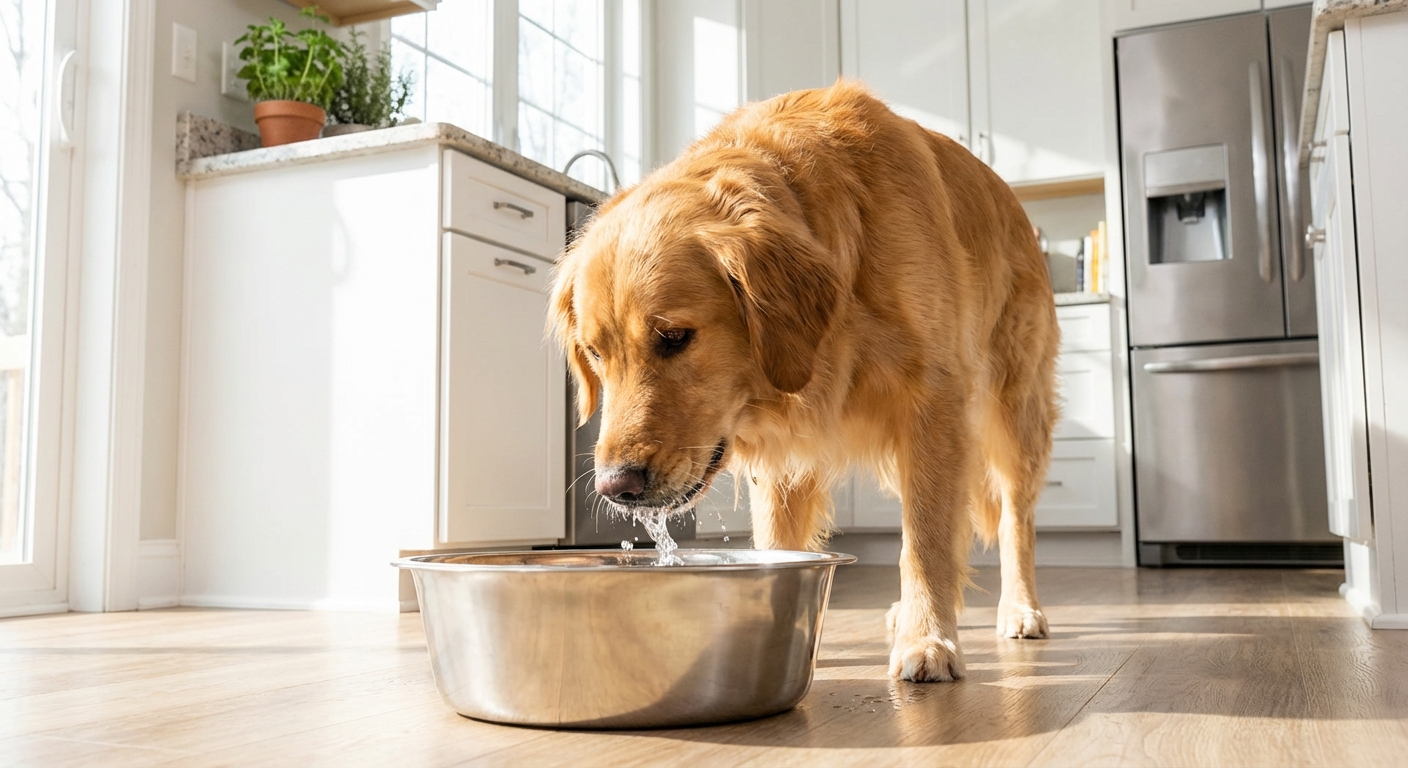
Water sounds simple, but in a veterinary clinic setting, it is one of the first things we assess when a dog is not feeling their best. Hydration supports digestion, circulation, temperature control, kidney function, and overall tissue health. If your dog is turning their nose up at the water bowl, you are not alone and there are practical, evidence-based ways to help.
How much water should a dog drink?
As a general rule of thumb used in veterinary medicine, dogs typically need about 40 to 60 milliliters of water per kilogram of body weight per day. That works out to roughly 0.5 to 1 ounce of water per pound per day. Some dogs drink more and stay perfectly healthy, especially if they are active, eat dry kibble, or live in a hot climate.
Example: A 40-pound dog may drink roughly 20 to 40 ounces per day. Some days will be higher or lower depending on activity, diet, and weather.
Normal can vary widely. Water needs tend to rise with:
- Exercise and hot weather
- Dry food diets (kibble)
- Pregnancy and nursing
- Salty treats
- Higher activity levels
They may drink less with canned or fresh diets that already contain a lot of moisture.
Why some dogs do not drink enough
When a dog is not drinking, it is usually one of three buckets: the water is not appealing, the setup is not working, or the dog does not feel well.
Common, fixable reasons
- Water tastes or smells off: Some dogs dislike heavily chlorinated tap water or water that has been sitting out.
- Bowl issues: Plastic can hold odors, and some dogs seem to prefer wider bowls or different materials.
- Location problems: A bowl tucked in a corner, near a loud appliance, or far from where your dog rests can reduce drinking.
- Stress or routine changes: Travel, a new pet, or a move can change drinking patterns.
- Dental pain: Sore gums or a painful tooth can make drinking uncomfortable.
When low drinking can signal illness
Dehydration risk goes up if your dog is also vomiting, has diarrhea, refuses food, seems painful, or is unusually tired. Certain medical issues can affect thirst and hydration, including kidney disease, diabetes, urinary problems, pancreatitis, and fever.
Easy ways to encourage more drinking
Try these strategies one at a time so you can tell what actually works for your dog.
1) Upgrade the bowl and the placement
- Switch to stainless steel or ceramic.
- Try a wider, shallow bowl if your dog seems hesitant.
- Place multiple water stations around the home, especially near favorite resting spots.
- Wash bowls daily with hot soapy water, and rinse well.
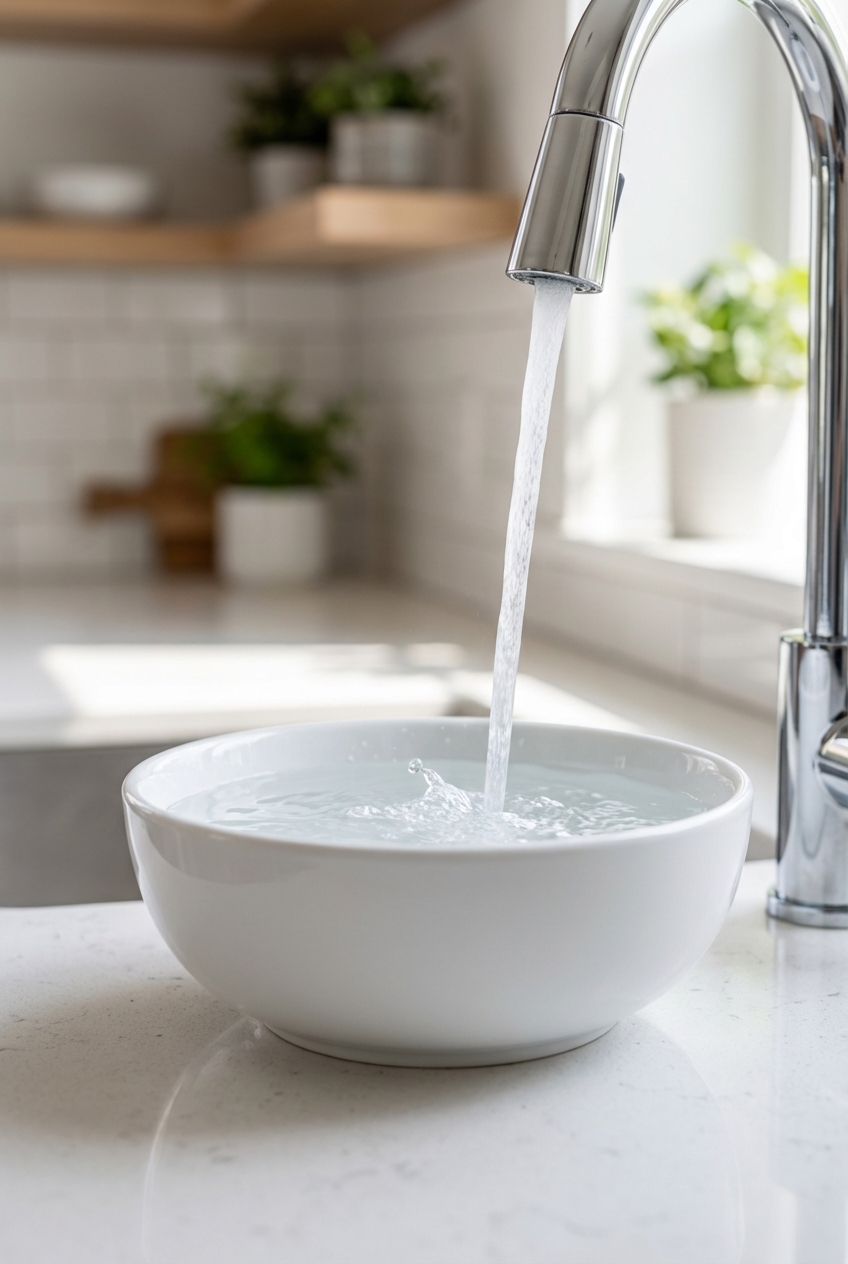
2) Make the water fresher and more appealing
- Refresh water at least twice daily.
- If your dog seems picky, try filtered water for a week and see if intake improves.
- Add a few ice cubes if your dog enjoys them (many do).
3) Add moisture to meals
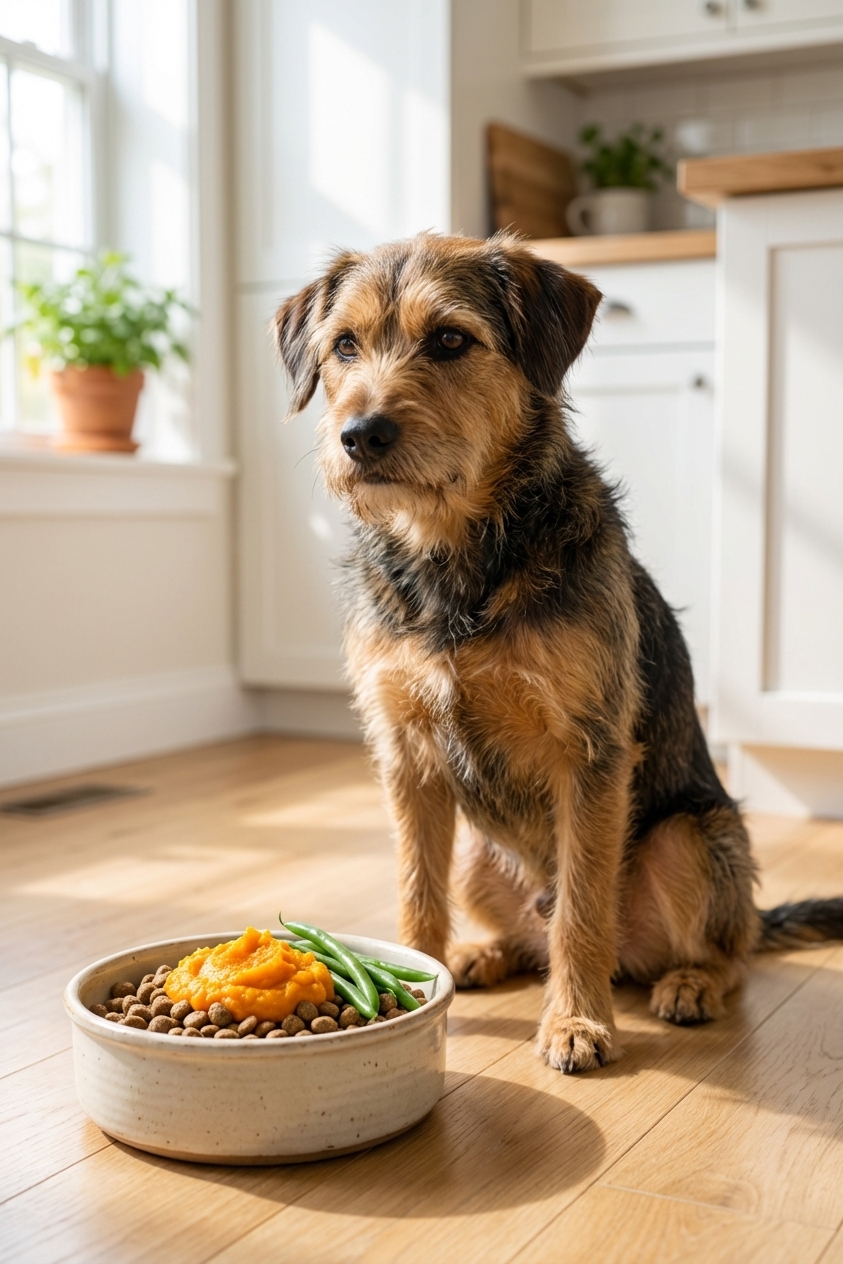
This is my go-to, especially for dogs on kibble. You can often boost daily water intake without your dog even noticing.
- Mix kibble with warm water and let it soak 5 to 10 minutes.
- Top with a spoon of plain canned pumpkin plus water for a simple “gravy.”
- Add wet food or a fresh food topper a few times a week.
Food safety note: If you soak kibble, serve it promptly. Do not leave wet or soaked food sitting out for long periods, especially in warm environments. Refrigerate leftovers and discard anything that smells off.
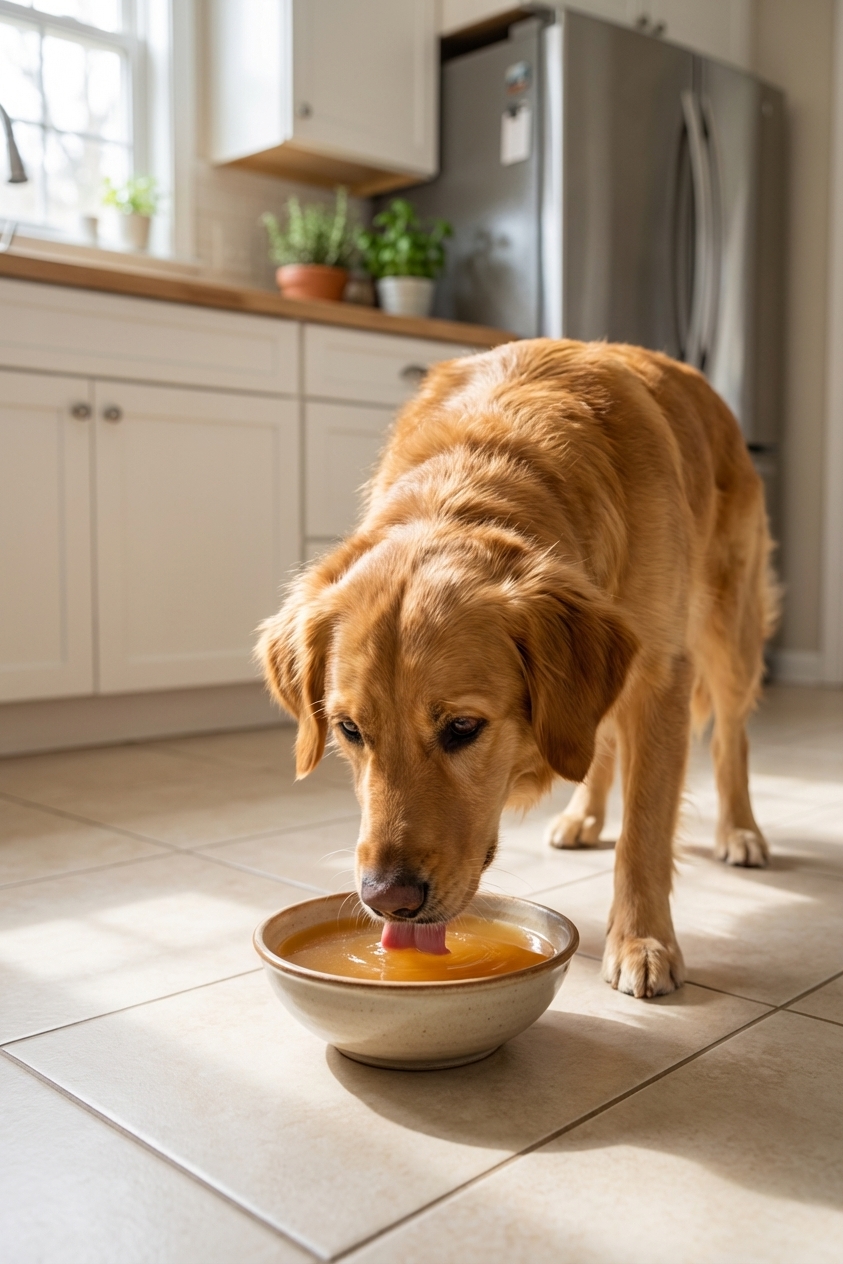
Tip: If you use broth, choose a low-sodium option with no onion or garlic added, or use a veterinarian-approved bone broth.
4) Try a pet water fountain
Some dogs are drawn to moving water. A fountain can help, especially for dogs who like to drink from faucets. Keep it clean and replace filters as directed to prevent slime buildup.
5) Hydrating treats that are actually helpful
- Water-rich fruits like seedless watermelon or cucumber in small amounts
- Frozen lick mats made with plain yogurt plus water (watch calories)
- Ice pop cubes made from diluted, dog-safe broth
6) Measure intake for a couple of days
If you are not sure how much your dog is drinking, measure it. Pour a known amount into the bowl in the morning and see what is left at night. Tracking is harder in multi-pet households, so you may need separate bowls or supervised water breaks to get an accurate picture.
How to tell if your dog may be dehydrated
At home, you can do a few simple checks. None of these replace an exam, but they help you decide how urgent the situation is.
- Gums: They should feel slick and moist, not tacky or dry. Keep in mind panting, stress, and heat can change how gums feel.
- Skin tent test: Gently lift skin over the shoulder blades. It should snap back quickly. Slower return can suggest dehydration (less reliable in seniors or overweight dogs).
- Energy: Lethargy, weakness, or unwillingness to move is a concern.
- Urine: Very dark urine or significantly less urine can point to dehydration, but it can also signal other issues.
If your dog is not drinking and is also vomiting, has diarrhea, seems painful, or cannot keep water down, call your veterinarian the same day.
What not to do
- Do not force water into your dog’s mouth. This can lead to choking or aspiration.
- Avoid sports drinks and electrolyte products unless your veterinarian specifically recommends them.
- Do not overdo salty broths or treats. Too much sodium can cause problems, especially in dogs with underlying conditions.
When to call the vet
Please reach out to your veterinarian promptly if any of these apply:
- Your dog has not urinated normally, strains to urinate, or seems uncomfortable
- Your dog is vomiting, has diarrhea, or refuses food along with low drinking
- You notice weakness, collapse, pale gums, or a distended belly
- A puppy, senior, or dog with kidney disease, diabetes, or heart disease is drinking less than usual
- Low water intake lasts more than 24 hours, even if your dog seems okay
Seek urgent care now if you are worried about heatstroke (heavy panting, bright red gums, collapse), possible bloat (restless, swollen belly, repeated retching), toxin exposure, or repeated vomiting with inability to keep water down.
In the clinic, we can check hydration status, run basic lab work if needed, and help you make a plan that fits your dog’s age, diet, and lifestyle.
A simple hydration plan you can start today
- Clean the bowl and switch to stainless steel or ceramic if needed.
- Add a second water station in a quiet, easy-to-reach spot.
- Soak meals with warm water for 5 to 10 minutes and serve promptly.
- Track intake for 2 days and note energy, appetite, and urination.
- If you are still concerned, call your vet and share what you observed.
You do not have to fix this perfectly overnight. Small changes, done consistently, often make a big difference in hydration and overall wellness.