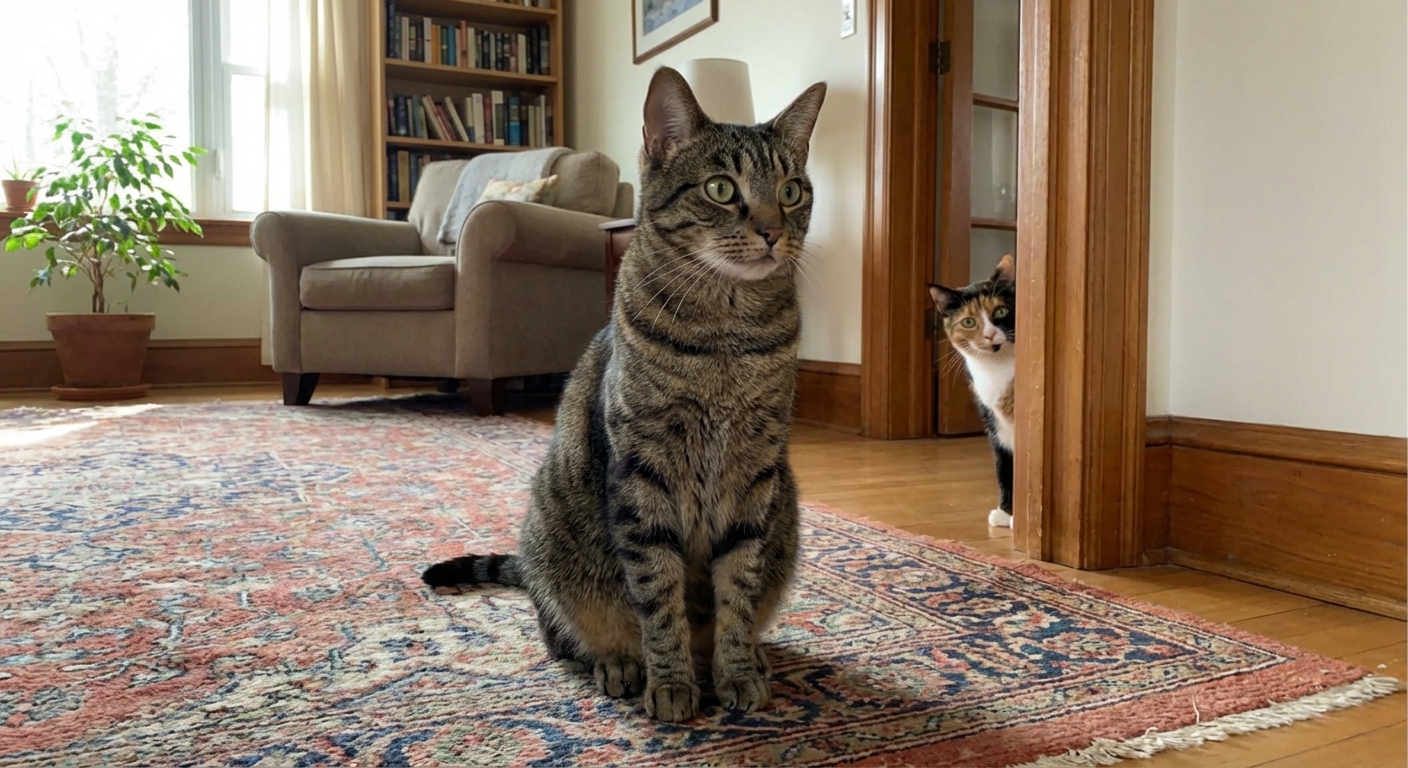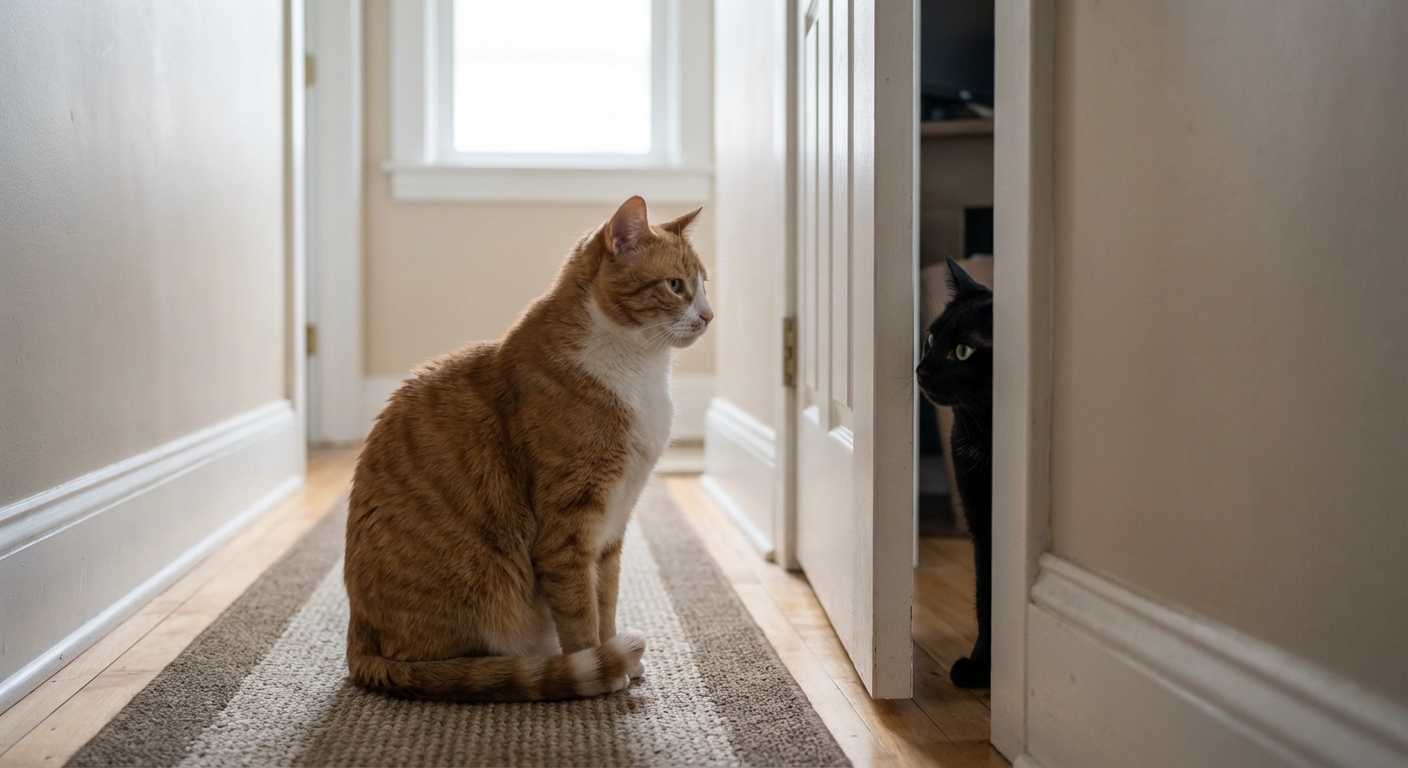
Introduce cats the right way with a proven, low-stress plan: safe room setup, scent swapping, door feeding, barrier sessions, and short supervised visits to ...
Article
•
Designer Mixes
How to Get Two Female Cats to Get Along

Shari Shidate
Designer Mixes contributor
Two female cats can absolutely learn to live together peacefully, and many even become close companions. The key is understanding what is really driving the tension and then using a slow, structured plan that respects how cats think. In the veterinary world, we see it all the time: when introductions are rushed, stress goes up and fights happen. When you pace it properly, you give their nervous systems time to settle and their confidence time to grow.
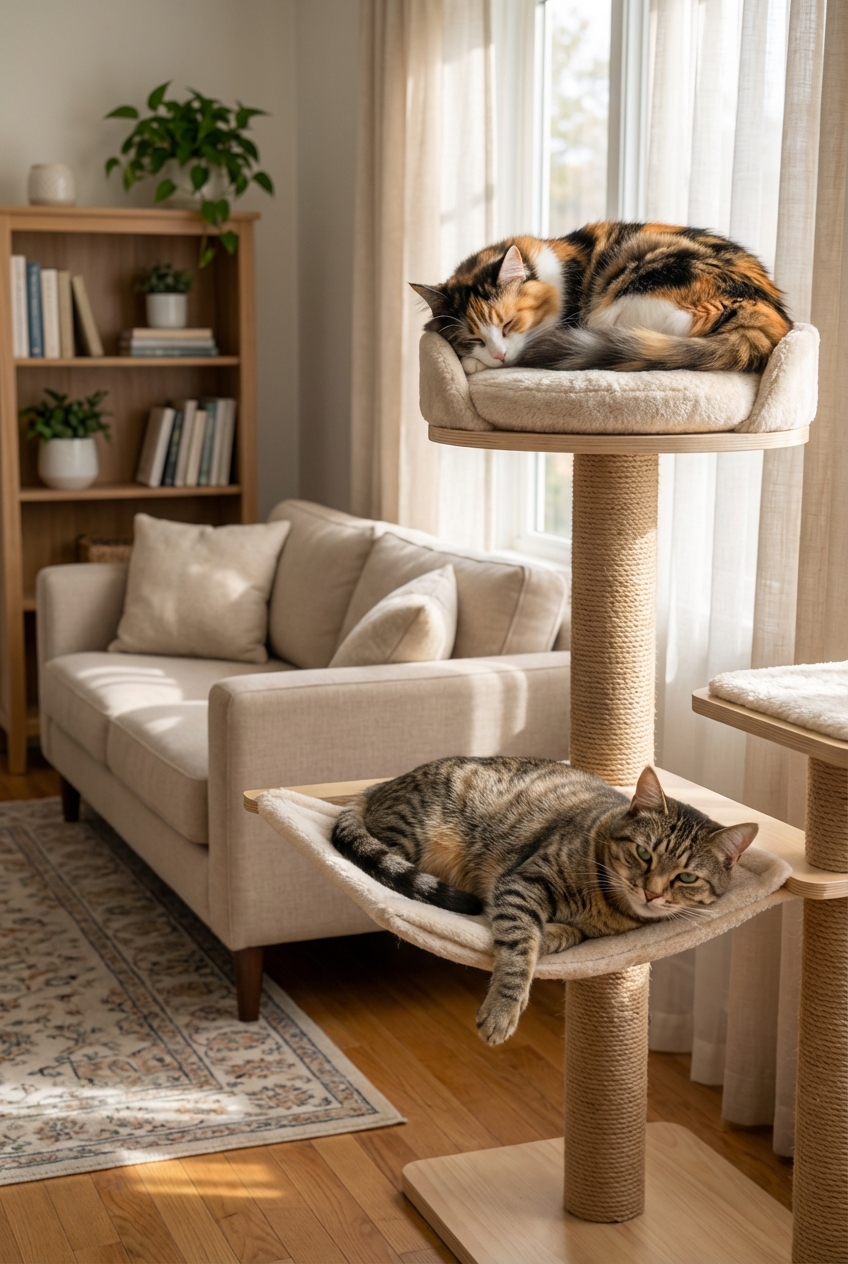
Why female cats may clash
Female cats can be wonderfully social, but they are often more selective about sharing space. Conflict is usually about territory, safety, or resources, not “spite.” Common triggers include:
- Territory pressure: Cats map their world by scent and routine. A new cat can feel like an invasion.
- Resource guarding: Food bowls, litter boxes, favorite window perches, and even a person’s lap can become “owned.”
- Fear and lack of escape routes: If a cat feels trapped, she is more likely to swat, chase, or escalate.
- Personality mismatch: A bold, playful cat may overwhelm a cautious one, even without “aggression.”
- Redirected aggression: A loud noise, outdoor cat, or stressor can cause one cat to take it out on the other.
- Medical pain: Arthritis, dental pain, urinary discomfort, and thyroid issues can lower tolerance and increase irritability.
If the relationship suddenly changes, or a normally sweet cat becomes snappy, schedule a vet visit first. Pain and illness often show up as behavior changes before anything else.
Read the early warning signs
Cats usually give subtle signals before they fight. Catching tension early is one of the fastest ways to improve harmony.
- Staring contests or “statue still” body posture
- Ears turned sideways or back, tail twitching, crouching
- Blocking doorways, hallways, litter box access, or the route to food
- Silent tension in shared spaces, even without vocalizing
- Hissing or growling during pass-bys
- Chasing where the other cat runs away and hides (not mutual play)
True play tends to look bouncy and balanced, with pauses and role switching. Bullying looks one-sided, intense, and ends with hiding.

The golden rule: separate now, reintroduce slowly
If there are active fights, start by separating them completely. This is not a failure. It is a reset. Each successful calm day builds a better long-term outcome.
Set up “base camps”
Give each cat her own safe area with:
- Litter box
- Food and water
- Bed and hiding spot
- Scratching surface
- Vertical space (cat tree or shelf)
Choose a room with a door for the newer or more stressed cat. This reduces pressure and stops rehearsal of fighting behavior.
Step-by-step introduction plan that works
Move forward only when both cats are calm at the current step. If you see hissing, stalking, or fear, go back one step for a few days.
Step 1: scent first (3 to 7 days, sometimes longer)
- Swap bedding daily.
- Gently rub each cat with a soft cloth around cheeks and head, then place the cloth near the other cat’s resting area.
- Feed high-value treats on each side of the closed door so they associate the other cat’s scent with good things.
Scent is a cat’s “ID system.” When the scent becomes familiar, the threat level drops.
Step 2: see each other safely (several short sessions)
Use a baby gate, a tall pet gate, or crack the door with a doorstop while supervising. The goal is neutral or positive experiences, not “getting used to it” through stress.
- Pair sightings with meals, lickable treats, or play.
- Keep sessions short and end on a calm note.
- Increase distance if either cat freezes or stares.

Step 3: controlled time together (minutes at first)
- Let them share space after a meal when they are relaxed.
- Use two wand toys, one for each cat, to prevent competition.
- Offer multiple treat “stations” so no one has to approach the other to get rewarded.
If one cat immediately stalks or rushes, calmly separate and return to Step 2 for longer.
Step 4: gradual normal life
Once they can be in the same room without tension, increase time together slowly. Continue to separate when you cannot supervise until you have several weeks of calm.
Make your home easier to share
Most “cat conflicts” improve dramatically when we fix the environment. Think of it as reducing competition and increasing escape options.
Follow the resource formula
- Litter boxes: one per cat, plus one extra (spread out across the home)
- Food bowls: separate stations, ideally out of direct sightlines
- Water: multiple bowls or fountains in different areas
- Resting spots: more than you think you need, including higher perches
- Scratching posts: at least one in main living areas and near sleeping zones
Spacing matters. Two litter boxes side-by-side feel like one box to a cat that wants privacy.
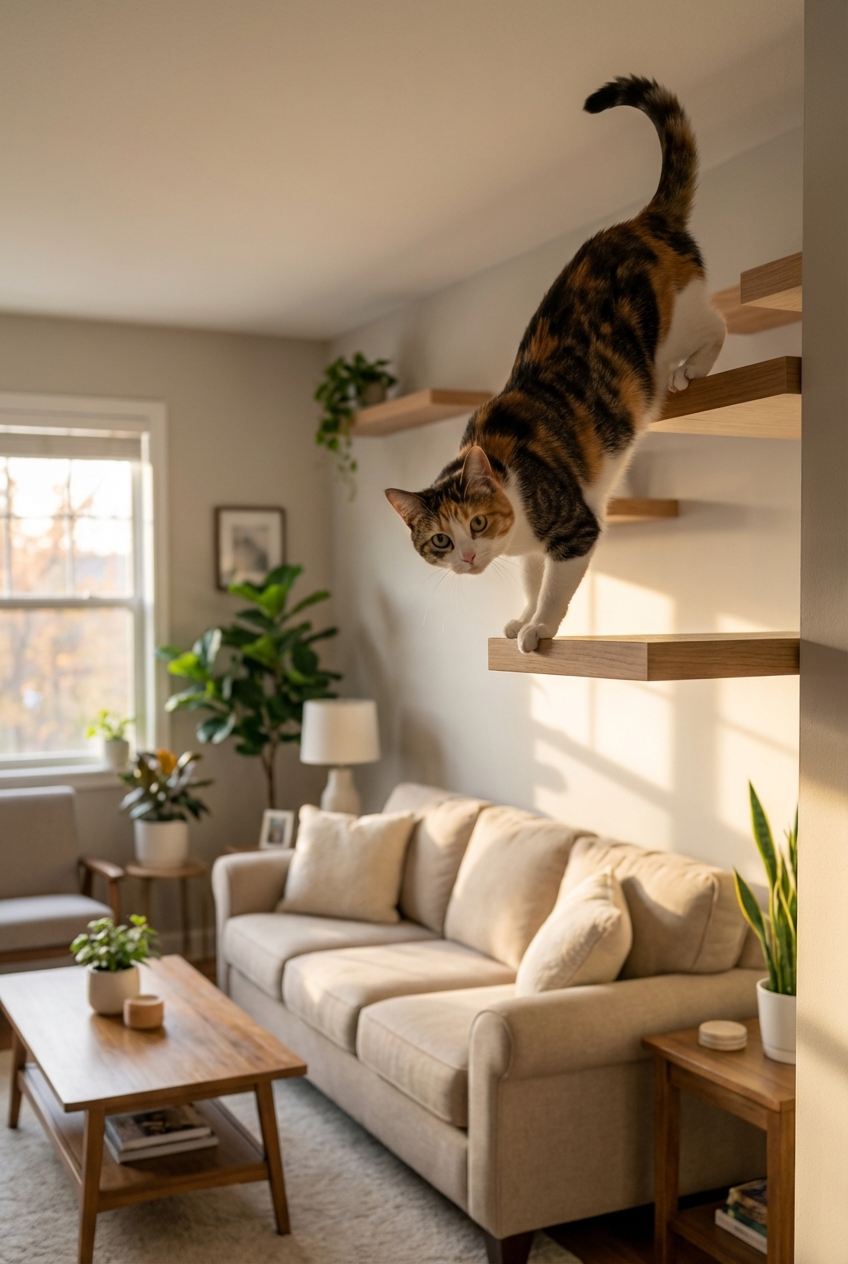
Go vertical
Vertical space is peacekeeping space. When cats can pass each other without a narrow hallway showdown, the entire house feels safer.
Use predictable routines
Feed, play, and cuddle on a consistent schedule. Predictability lowers stress hormones and reduces defensive behavior.
Daily “get along” routine (10 to 15 minutes)
Small daily habits make a huge difference. Here is a simple routine you can repeat:
- Two-minute calm check: Are both cats relaxed, eating, and using the litter box normally?
- Play session: 5 to 7 minutes with wand toys, ideally in the same area but with space between them.
- Treat scatter: Toss treats so they sniff and forage instead of staring at each other.
- Cool down: End with a meal or lickable treat in separate stations.
This builds a shared pattern where good things happen in the other cat’s presence.
What to do if they fight
First, protect yourself. Cat bites and scratches can become infected quickly.
- Do not grab cats with bare hands.
- Interrupt safely: toss a blanket between them, use a pillow as a visual barrier, or make a brief loud noise from a distance.
- Separate and cool down: give them at least several hours, sometimes 24 to 48 hours, before trying again.
After a fight, cats can stay on edge. A slow reintroduction is often needed, even if they were fine before.
Tools that can help (and what the science says)
Pheromone diffusers
Synthetic feline facial pheromones can help reduce tension in some households, especially when combined with a structured plan. Place diffusers where cats spend the most time and near conflict zones.
High-value food rewards
Behavior change happens faster when calm behavior is consistently rewarded. Think lickable treats, tiny bits of cooked chicken, or a favorite wet food, served with distance and safety.
Medication, when appropriate
For severe anxiety or repeated aggression, talk to your veterinarian. Medication does not replace behavior work, but it can lower arousal so training can actually stick.
When to call a professional
Reach out for help if:
- There are repeated fights with fur flying, biting, or injuries.
- One cat is hiding constantly or stops eating.
- There is litter box avoidance or urine marking that starts with the conflict.
- The tension has lasted more than a month with no improvement.
A veterinarian can rule out medical causes, and a qualified cat behavior professional can tailor a plan to your home layout and the cats’ personalities.
Progress often looks like fewer stares, fewer blocked pathways, more relaxed body language, and shorter recovery time after a tense moment. Celebrate those small wins.
Common questions
How long does it take for two female cats to get along?
Many cats improve within 2 to 6 weeks with a careful introduction, but it can take a few months for full comfort. The timeline depends on temperament, history, and how well resources are set up.
Should I let them “work it out”?
Usually no. Fights rehearse fear and create negative associations. Your job is to prevent escalation and teach calm coexistence.
Is it ever okay if they just tolerate each other?
Yes. Not every pair becomes cuddly. Peaceful sharing, normal eating, and relaxed movement around the home are excellent goals.
The bottom line
Helping two female cats get along is less about forcing friendship and more about building safety. Separate when needed, reintroduce slowly, reward calm behavior, and redesign the environment so neither cat has to compete to feel secure. With patience and a daily plan, you can turn “constant tension” into a home that feels calm again for everyone, including you.