Your dog got skunked? Follow calm first steps, use the proven peroxide + baking soda + dish soap mix safely, protect eyes and ears, deodorize your home, and ...
Article
•
Designer Mixes
How to Get Skunk Smell Out of a Dog

Shari Shidate
Designer Mixes contributor
If you have ever smelled skunk spray up close, you already know this is not a “wait it out” situation. Skunk odor is powerful, oily, and stubborn because it is made of sulfur-based chemicals, especially thiols (and related compounds). The good news is that with the right steps, you can get your dog comfortable and your home smelling normal again.
As a veterinary assistant here in Frisco, Texas, I have walked plenty of families through skunk season. Below is a complete, evidence-based plan that works, plus a few fun facts and practical tips that make the whole ordeal easier.
Quick note: This guide is not a substitute for veterinary care. If your dog seems unwell or was sprayed in the eyes, call your veterinarian.
First: what not to do
When you are panicking, it is easy to grab whatever is under the sink. A few common moves actually make the odor worse or spread it around your house.
- Do not use tomato juice. It does not neutralize skunk thiols. At best, it lightly masks the smell while your nose gets “fatigued” and temporarily stops noticing it.
- Do not bathe your dog in the house first. If you can, start outside or in a utility area. Skunk oils transfer to towels, walls, and furniture quickly.
- Do not use hot water. Heat can increase how strong the odor seems and may help oils spread through the coat. Use lukewarm water.
- Do not blow-dry right away. Warm air can amplify odor and spread it around. Towel dry first, and let them air dry if possible.
- Do not mix random cleaners. Stick to a proven formula. Combining household chemicals can be unsafe.
Why the stink sticks
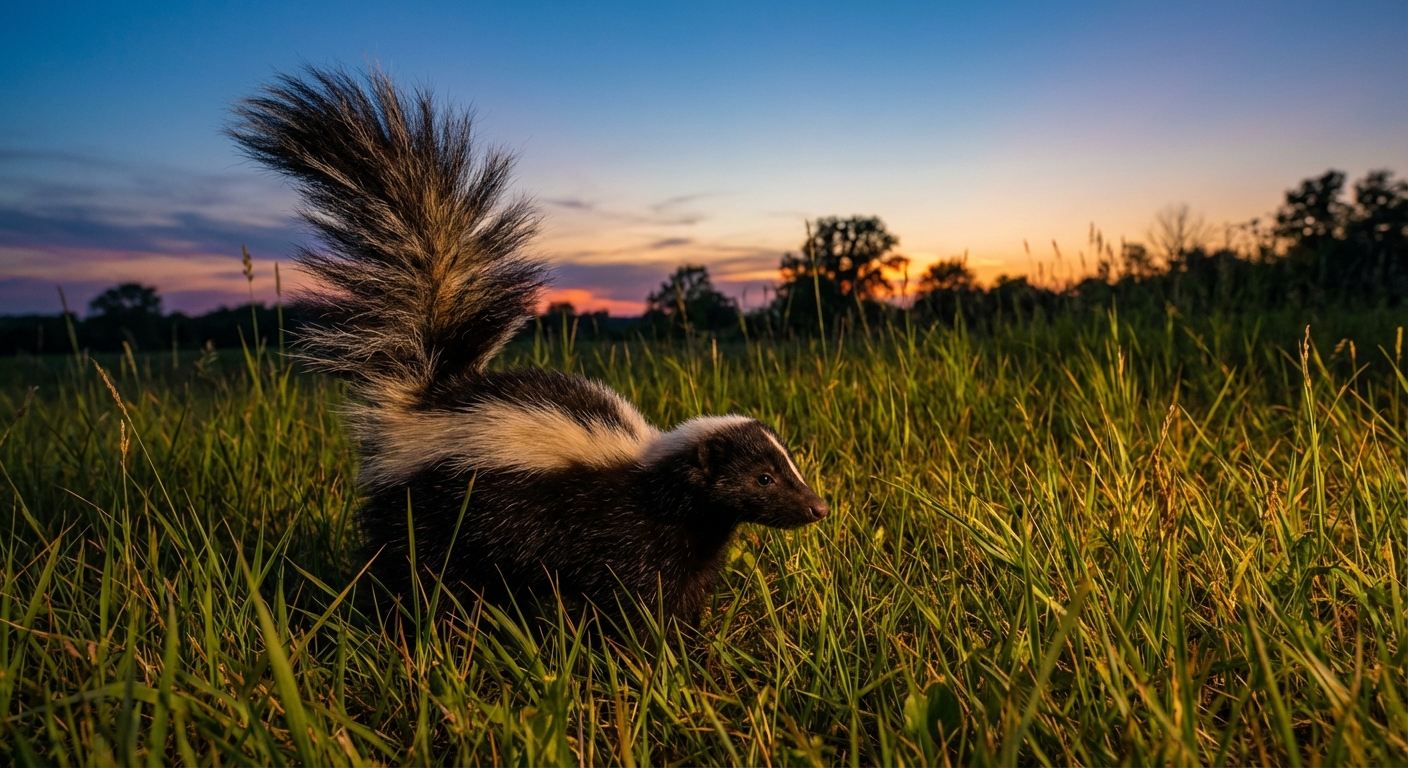
- Skunk spray is an oil. That is why it clings to fur and feels like it will never leave.
- The smell can change over time. Some thiols can convert into thioacetates. Those can later break down back into thiols, especially when the coat gets wet. That is why dogs can smell skunky again after rain or a bath.
- Skunks can spray more than once. They carry enough for several sprays, and it can travel roughly 10 to 15 feet depending on conditions.
- Dogs get sprayed in the face a lot. Curious noses go first, so eye and mouth exposure is common.
Check your dog first
Before you focus on smell, do a quick health check. Skunk spray is irritating and can cause more than just an odor issue. Severe reactions are uncommon, but you should act quickly if signs persist or worsen.
Red flags
- Eye redness, squinting, pawing at the face (spray can cause chemical conjunctivitis)
- Drooling, vomiting (often from licking the spray or grooming)
- Trouble breathing, extreme lethargy
- Repeated vomiting or refusal to drink
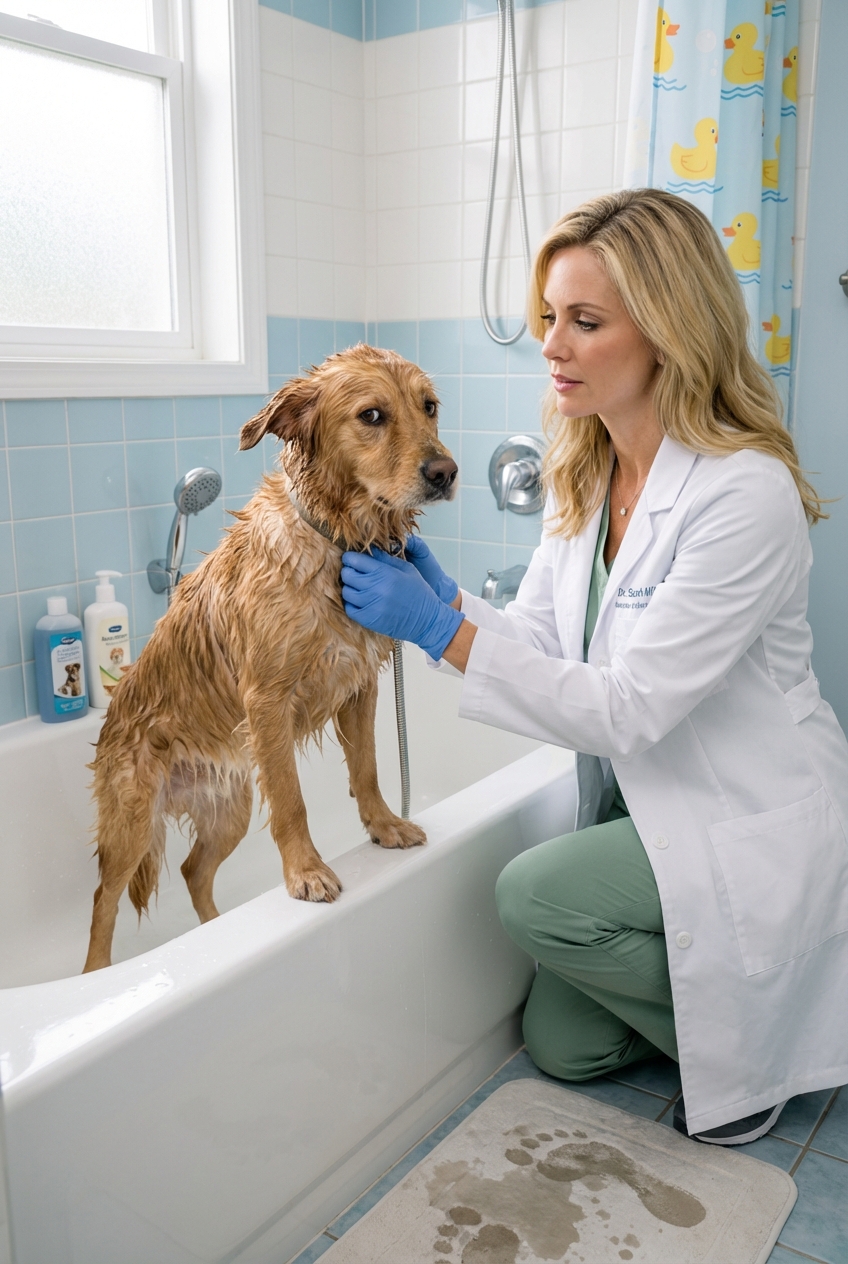
If your dog was sprayed directly in the eyes, flush gently with sterile saline eyewash if you have it and call your veterinarian. If you are unsure, it is always okay to call and ask. That is part of what we are here for.
Safety tip: Some dogs may snap when stressed or painful. If your dog is likely to bite, ask someone to help, and consider a well-fitted basket muzzle. Do not muzzle a dog that is vomiting or struggling to breathe.
The best DIY solution
The most widely recommended skunk-odor remover is a simple mixture that helps oxidize the odor compounds. It works because it changes the smelly molecules into ones that do not stink.
What you need
- 3% hydrogen peroxide: 1 quart (about 4 cups)
- Baking soda: 1/4 cup
- Liquid dish soap: 1 to 2 teaspoons (a grease-cutting type is helpful)
- Rubber gloves and old towels
Important safety notes
- Mix fresh each time. Do not store it in a bottle or closed container. The reaction can build pressure.
- Avoid eyes, inside the ears, and mouth. This mixture can sting and irritate sensitive tissues.
- Use caution on dark coats. Peroxide can have a mild bleaching effect. It is usually minimal at this dilution and contact time, but it can happen.
- Do not use on broken or very irritated skin. If the skin is raw, inflamed, or your dog has a known skin condition, call your veterinarian for a safer option.
- Do not repeat endlessly. This can be drying. If you still have strong odor after a couple of rounds, ask your vet or groomer about skunk-specific products.
How to bathe a skunked dog
This order matters. The goal is to break up oils first, neutralize odor, then rinse thoroughly.
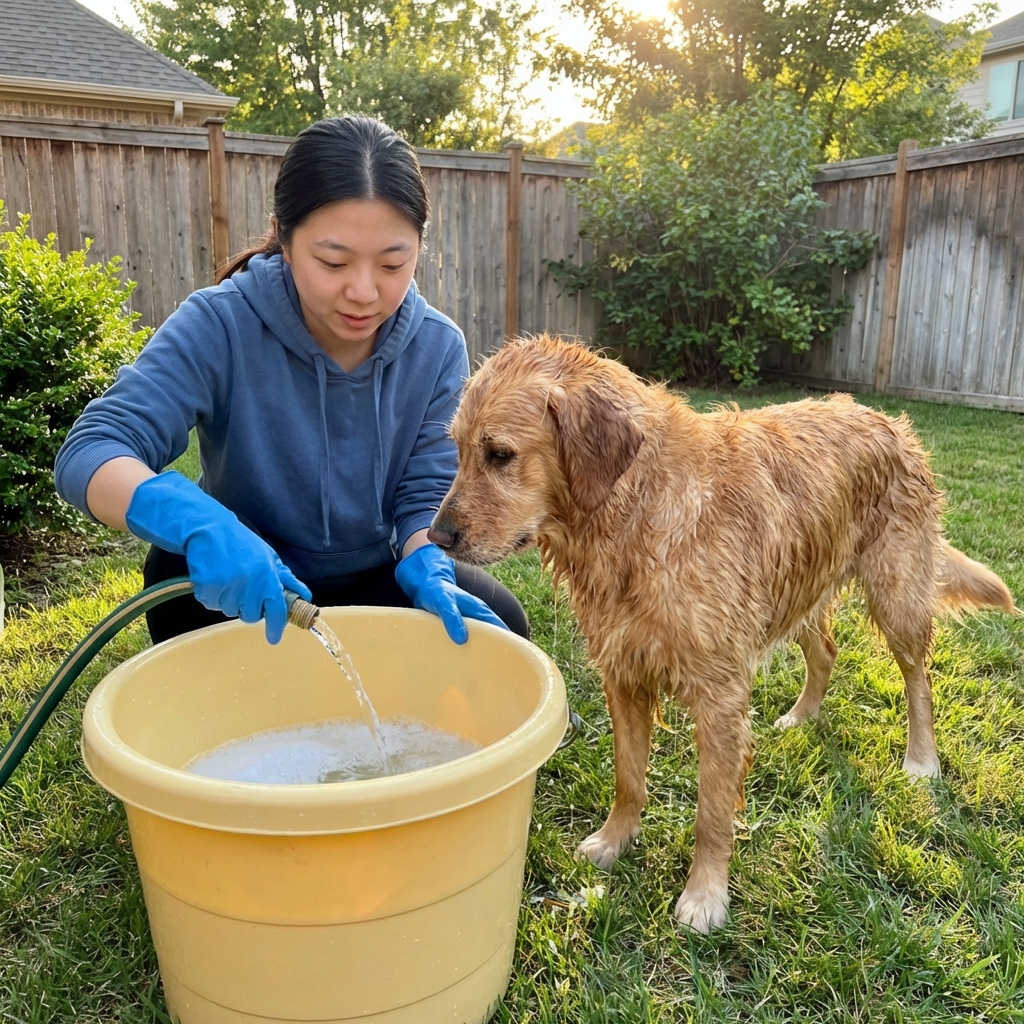
1) Keep your dog outside
Leash your dog so they do not run through the house rubbing on everything. If you need to go inside, create a path with old towels or sheets.
2) Do a dry wipe-down
Use paper towels or an old towel to blot (not rub) any oily areas. Rubbing spreads the oil.
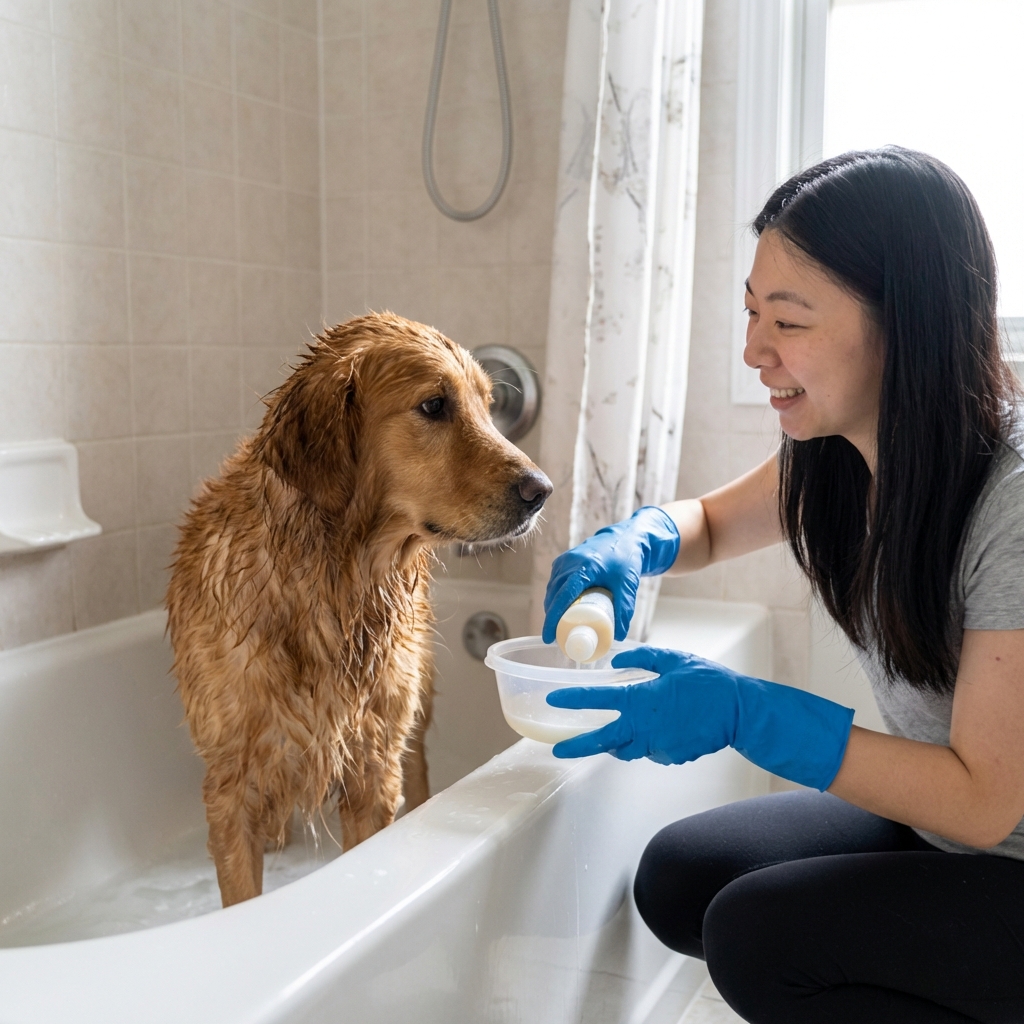
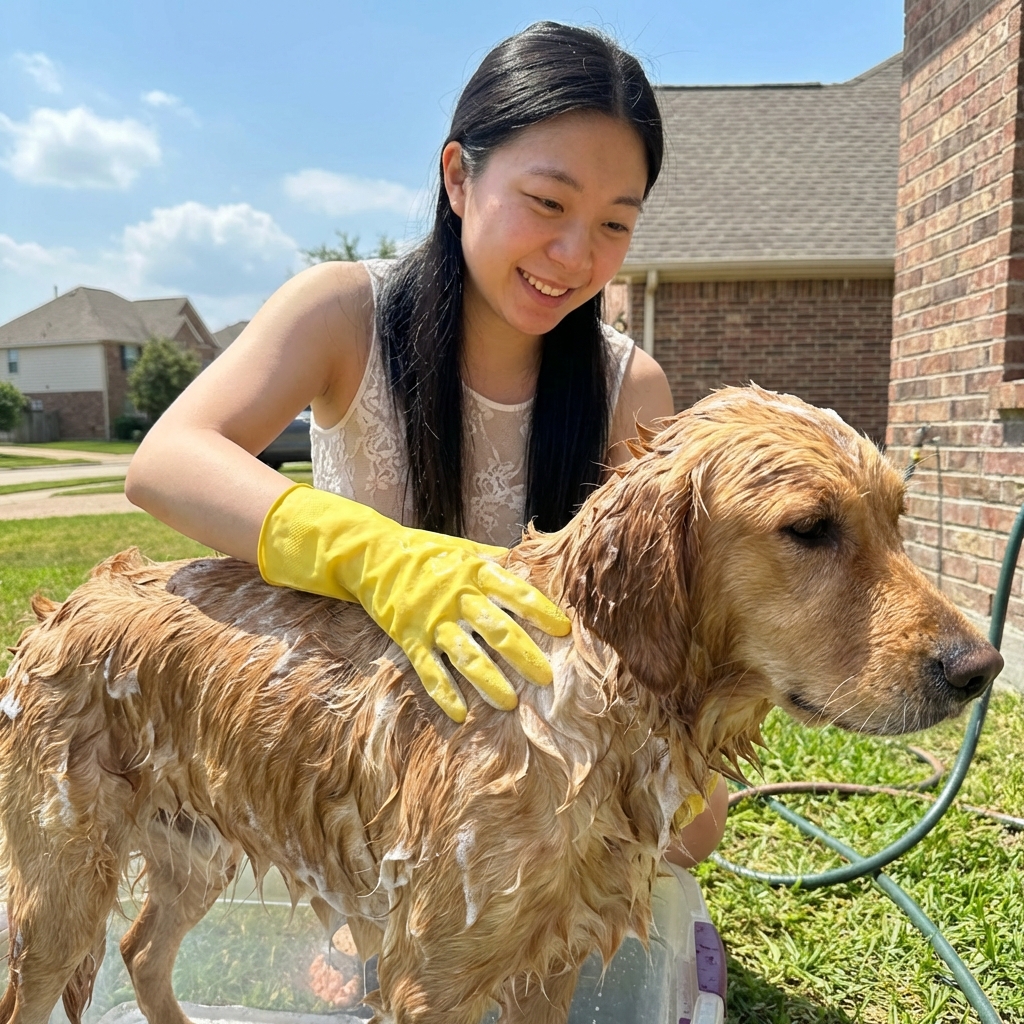
3) Apply the mixture to the coat
This step matters. Skunk oils repel water, and the formula often works best when applied before the coat is fully soaked. Work the mixture into the coat thoroughly. Avoid the eyes and mouth.
- Let it sit for 5 minutes.
- Do not let your dog lick it. Use an e-collar if needed.
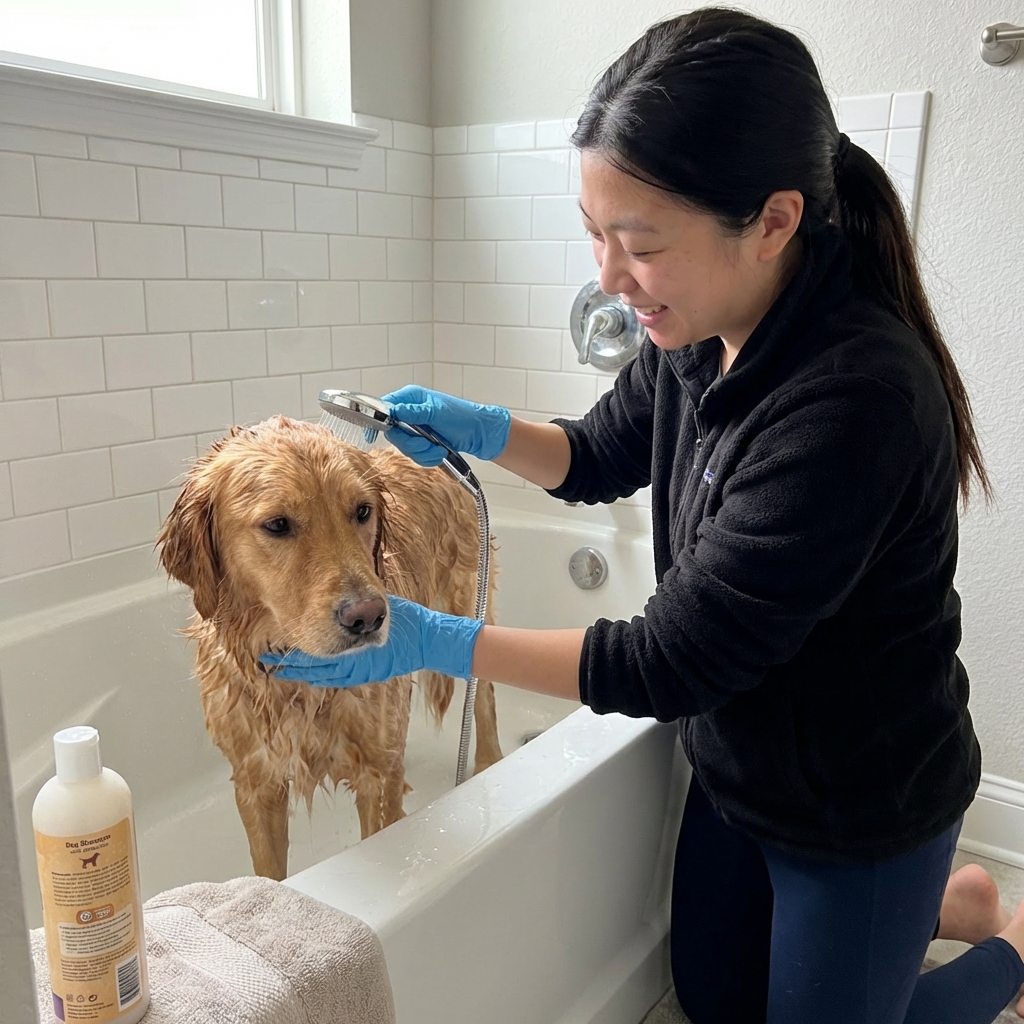
4) Rinse well with lukewarm water
Rinse until the coat feels clean, not slick. Skunk oil is sneaky, so give yourself time here.
5) Shampoo as normal
Use a gentle pet shampoo. For dogs with sensitive skin, follow with a conditioner approved for dogs.
6) Repeat if needed
Many dogs need two rounds, especially if the spray was heavy or hit the face and chest.
Face, eyes, and ears
The face is where people get nervous, and rightly so. Go slowly.
If the face smells but eyes were not directly sprayed
- Use a small amount of the mixture on a damp washcloth.
- Wipe the cheeks, chin, and neck, avoiding eyelids and lips.
- Rinse the area with a clean damp cloth afterward.
If eyes were sprayed
- Flush with sterile saline eyewash if available.
- Call your veterinarian for guidance, especially if redness or squinting persists.
Do not put the peroxide mixture into ears
If the ears smell, you can clean the outer ear flap with a pet-safe ear wipe. For the ear canal, use only a veterinarian-recommended ear cleaner, and call your vet if you see head shaking, redness, or discharge.
If the smell comes back
That “it’s back!” moment is common. Remember those thioacetates that can convert back to thiols when the coat gets wet.
- Do one more full bath with the peroxide mixture if your dog tolerates it and the skin looks healthy.
- Use a skunk-specific enzymatic pet shampoo between peroxide baths if your dog’s skin seems dry.
- Brush after drying to remove any lingering oils and dander holding odor.
Get skunk smell out of the house
Even a quick dash through the living room can “season” your home for days. Focus on fabrics first and ventilation second. If your dog ran inside, start with a fast wipe-down of any hard floors and wash any entry rugs right away.
Fabrics and soft surfaces
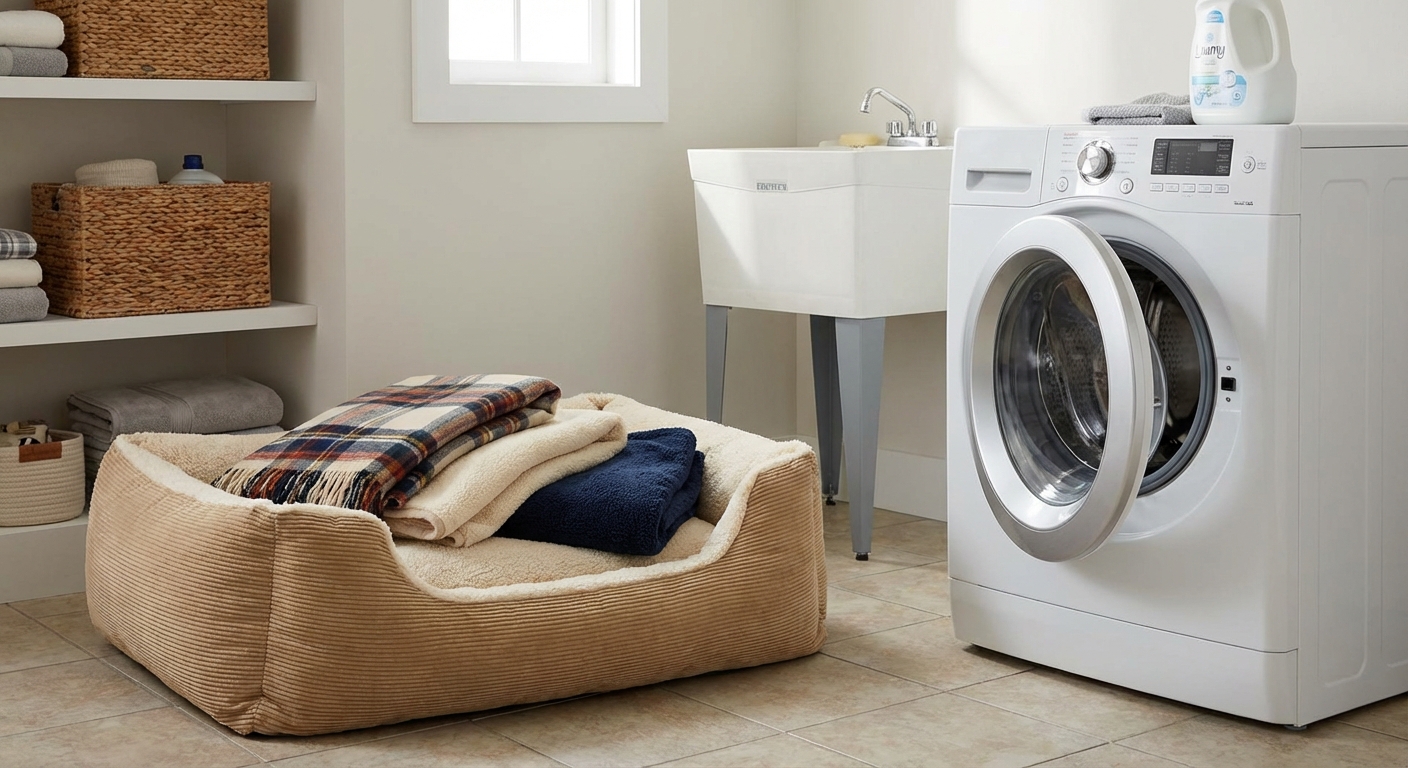
- Wash bedding, blankets, and slipcovers in hot water if the fabric allows. Add a pet-safe laundry deodorizer if you have one.
- For washable dog collars and harnesses: soak in a sink with warm water and dish soap, then launder or rinse thoroughly.
- For carpets and upholstery: use an enzymatic cleaner designed for pet odors, then let it fully dry.
Hard surfaces
- Wipe floors, crates, and walls your dog rubbed against with a mild detergent solution.
- Replace air filters if the odor lingers.
Air
- Open windows and run fans.
- Activated charcoal odor absorbers can help in smaller rooms.
One caution: Be careful with “air treatment” gadgets. Ozone generators, for example, can be unsafe for people and pets when used incorrectly.
Common questions
Can I use this on puppies?
Use extra caution. Puppies have more sensitive skin and are more likely to lick. For very young puppies, call your veterinarian first and consider a skunk-specific pet shampoo as a gentler starting point.
Will this hurt my dog’s skin?
It can be drying. Keep contact time short, rinse very well, and follow with a gentle dog shampoo afterward. If you notice redness, itching, or flaking, stop and call your vet.
What if my dog has allergies or skin disease?
Skip the DIY approach and ask your veterinarian for the best product. Dogs with skin barrier issues can flare easily.
Can I use this on cats?
This article is dog-focused. Cats are more likely to overgroom and ingest what is on their coat, and they can be harder to bathe safely. If your cat was sprayed, call your veterinarian for the safest plan and product recommendations.
Why does my dog still smell a little after a good bath?
Often the odor is trapped in the undercoat or in areas like the collar line, chest, and paws. A second treatment plus brushing usually finishes the job.
Prevention tips
We cannot control skunks, but we can reduce the odds of a repeat performance.
- Keep dogs on leash at dawn and dusk when skunks are most active.
- Turn on yard lights before letting your dog out at night.
- Secure trash and pet food. Skunks are opportunistic snackers.
- Block access under decks and sheds where skunks may den.
- Teach “leave it” and practice it regularly.
Keep your supplies ready: peroxide, baking soda, dish soap, gloves, and old towels. Skunk incidents are always sudden, and it is a lot easier when you are not running to the store at 10 pm.
Quick checklist
- Leash dog, keep outside
- Check eyes and breathing, call vet if needed
- Blot oil, do not rub
- Apply peroxide + baking soda + dish soap (often best before fully wetting the coat)
- Wait 5 minutes
- Rinse well, shampoo, rinse again
- Wash collars and bedding
- Ventilate the house
Skunk smell is awful, but it is fixable. Go slowly, protect your dog’s skin and eyes, and remember that a second round is normal.