Stop dog fleas quickly with a proven 3-part plan: treat your dog with safe, vet-recommended meds, deep-clean your home, and tackle the yard if needed—plus ...
Article
•
Designer Mixes
How to Get Rid of Worms in a Dog

Shari Shidate
Designer Mixes contributor
As a veterinary assistant here in Frisco, Texas, I can tell you this: worms are incredibly common, and they are usually very treatable when you tackle them the right way. The “secrets” are not trendy hacks. They are the unglamorous basics that work reliably when they are matched to the parasite and followed through: identify what you are dealing with, choose the correct medication, treat every pet in the home when needed, and clean up the environment so your dog does not get reinfected.

This guide walks you through what to do at home, what your veterinarian will do, and the common mistakes that keep parasites coming back. This is general information, and your vet may recommend a different plan based on test results and your dog’s health.
First, know what you are dealing with
Different parasites require different medications and sometimes different tests. That is why guessing can waste time and leave your dog uncomfortable.
Common worms in dogs and clues you might notice
- Roundworms: pot-bellied look in puppies, vomiting, diarrhea, dull coat. Sometimes you may see spaghetti-like worms in vomit or stool.
- Hookworms: diarrhea, weight loss, weakness. Puppies can become anemic quickly, sometimes with dark, tarry stool.
- Whipworms: intermittent diarrhea (sometimes with mucus or blood), weight loss, accidents in the house. Symptoms can come and go.
- Tapeworms: often mild GI signs, but you may see rice-like segments around the anus or on bedding. A flea problem is a big clue.
- Heartworms (not intestinal): some dogs have no signs early on. Others develop coughing, exercise intolerance, or weight loss. Prevention and routine testing are the real “secret” here because treatment is lengthy and costly.
Important: Not every parasite is visible in poop. Many infections are diagnosed by a fecal test, not by what you can see.
Also common: parasites that are not worms
Some of the most frequent causes of diarrhea are protozoa, not worms. The treatment is different, and a standard fecal flotation can miss them.
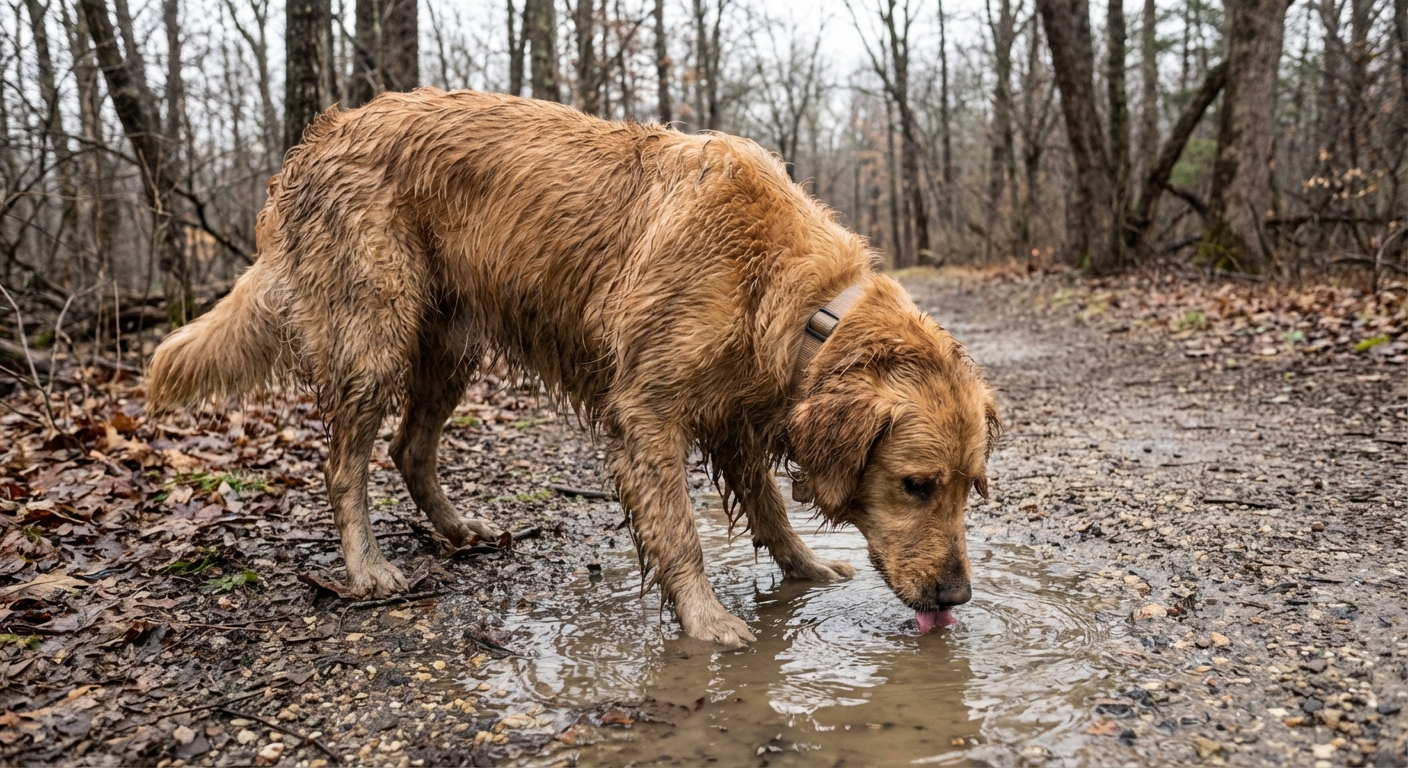
- Giardia: often watery, foul-smelling diarrhea, gas, and stomach upset. Common in dogs that visit parks, daycare, groomers, or drink from puddles.
- Coccidia: diarrhea (sometimes with mucus or blood), especially in puppies, stressed dogs, or newly adopted dogs.
If your dog has ongoing diarrhea, a “negative fecal” does not always mean you are in the clear. Your vet may recommend an antigen test, PCR testing, or specific treatment based on risk factors.
The step-by-step plan that works
1) Bring a fresh stool sample and request a fecal test
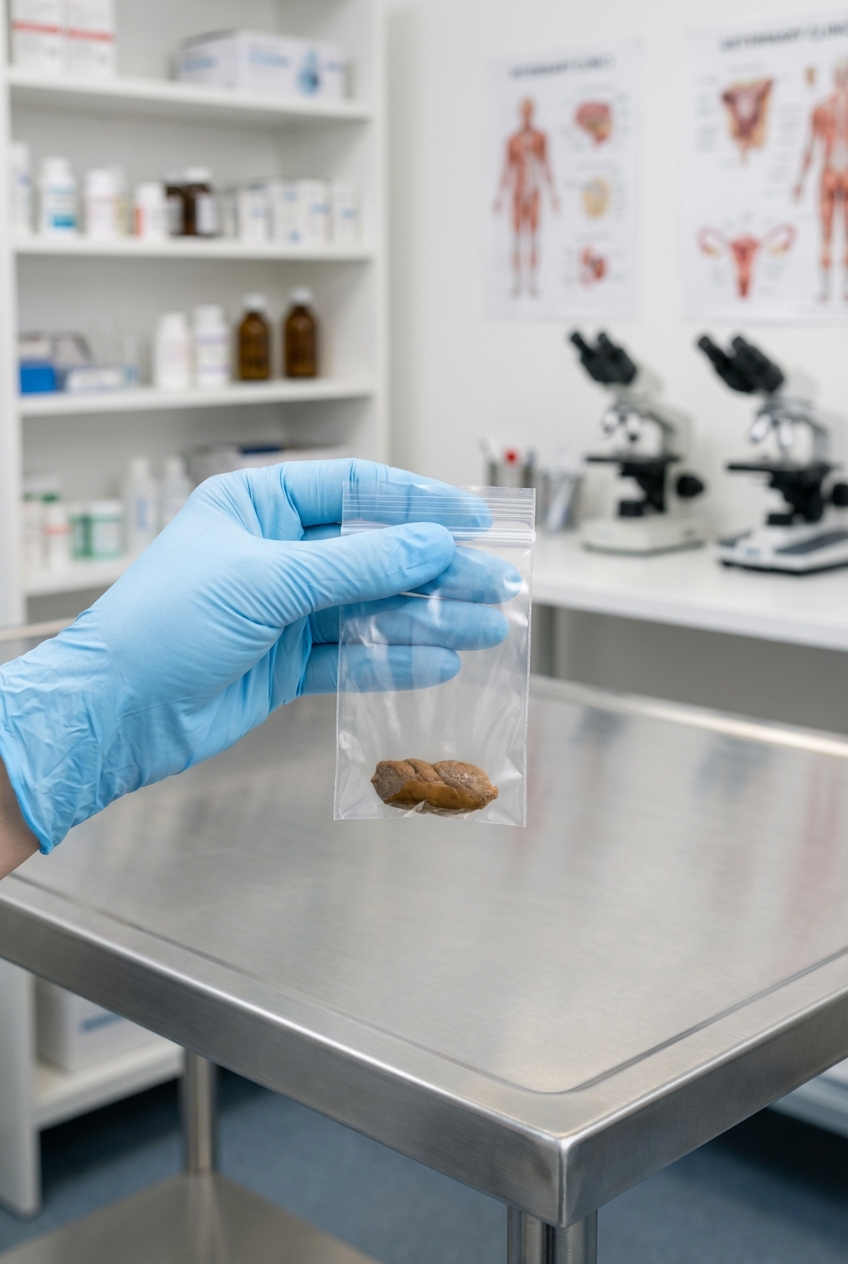
If your dog has diarrhea, weight loss, a pot-bellied look, or you found something suspicious in the stool, your best first move is a fecal exam. Bring a fresh sample (same day is ideal, or follow your clinic’s instructions). Many clinics prefer a dedicated fecal container, but a clean, sealed bag works in a pinch. If you cannot drop it off right away, refrigerate it. Do not freeze it unless your clinic tells you to.
2) Use the right medication for the right parasite
Here is the part many pet parents do not hear clearly enough: one dewormer does not cover everything. Many over-the-counter products only treat certain parasites, and some infections require a prescription.
- Roundworms and hookworms are commonly treated with medications that include ingredients like pyrantel pamoate or fenbendazole, depending on the case and your dog’s age and health.
- Tapeworms typically require praziquantel, and you must address fleas or reinfection is likely.
- Whipworms can be stubborn. Treatment often involves fenbendazole in a multi-day course and repeat treatment, plus or minus a monthly preventive that includes whipworm coverage.
Treatment vs prevention: Some monthly preventives (including products that contain milbemycin, moxidectin, or similar ingredients) can help control certain intestinal worms, but they are not always the same as treating an active infection. Your veterinarian will choose a plan based on test results, your dog’s weight, age, pregnancy status, and any underlying health issues.
One more safety note: Avoid using leftover medications, online dosing charts, or guessing at your dog’s weight. Dosing is weight-based, and the wrong product or dose can fail or cause side effects.
3) Repeat doses when recommended
This is one of the biggest keys to success: deworming is often a series, not a one-and-done event. The timing depends on the parasite and the product.
- Many roundworm and hookworm protocols require a repeat dose about 2 to 3 weeks later to catch parasites that matured after the first treatment.
- Tapeworm treatment may be a single dose, but flea control still has to happen.
- Whipworm plans may involve repeat courses and follow-up over a longer window (sometimes including repeat treatment weeks later and again months later).
Skipping follow-up dosing is a common reason parasites “mysteriously” return.
4) Treat other pets in the home when your vet advises it
Some parasites spread easily between dogs, and cats can share the same fleas or environment. Your veterinarian may recommend treating all pets at the same time, especially if multiple pets share a yard, bedding, or litter areas.
5) Clean up the environment to reduce reinfection
Dewormers treat the dog. Cleaning helps prevent the next infection.
- Pick up poop daily from the yard and dispose of it properly.
- Wash bedding in hot water and dry on high heat.
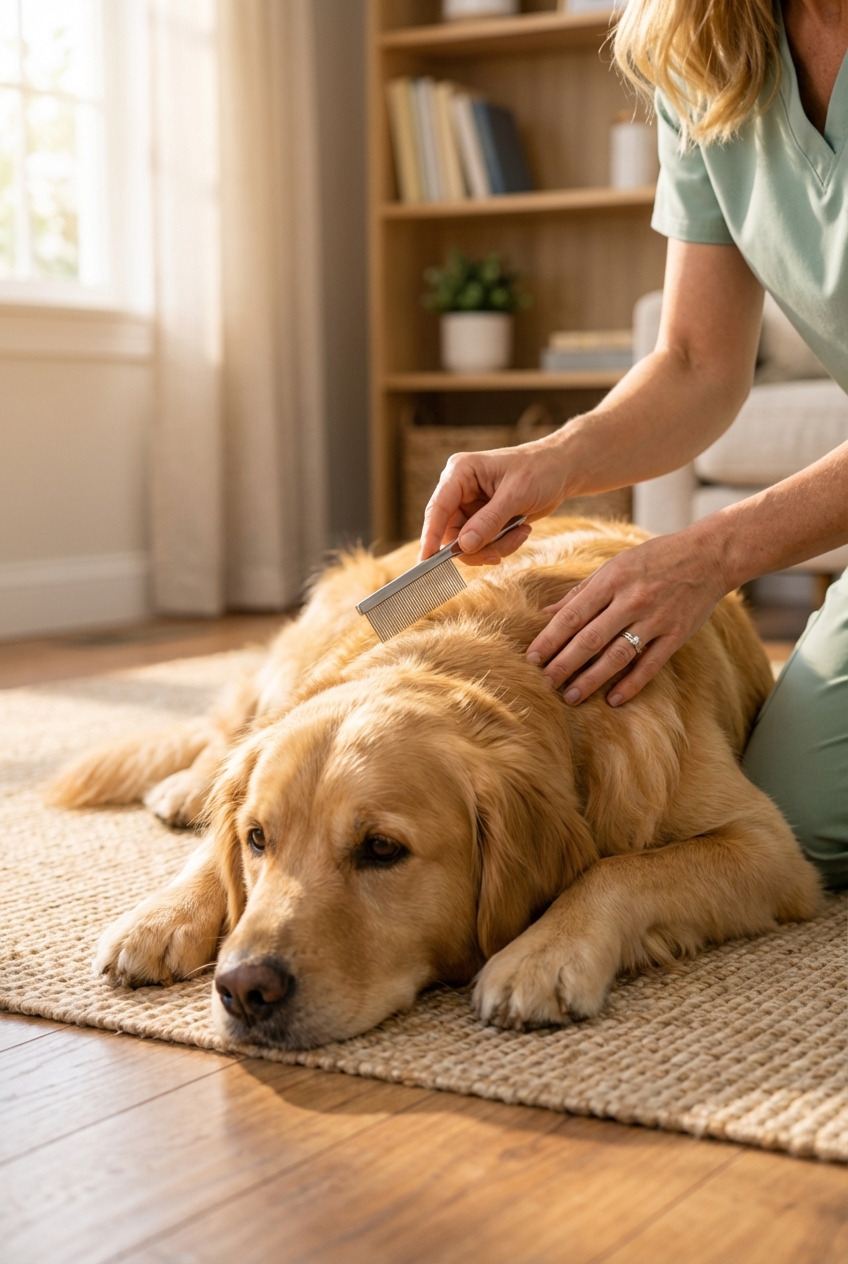
- Vacuum carpets and rugs thoroughly, especially if tapeworms or fleas are suspected.
- Control fleas using vet-recommended preventives, not just shampoos. Tapeworms commonly come from ingesting infected fleas.
- Keep kids’ play areas clean and do not let dogs use sandboxes as bathrooms.
Realistic expectation: Picking up daily greatly reduces exposure, but it does not instantly sterilize the yard. Some eggs and larvae can persist in soil for a long time, which is why prevention and follow-up testing matter.

6) Start or update parasite prevention
Prevention is the long-term answer. Most veterinarians recommend year-round parasite prevention, especially in areas where mosquitoes and fleas are active for much of the year. Many monthly products help prevent heartworms and may also control some intestinal parasites.
If you are unsure what your dog is on, bring the box or a photo of the label to your appointment so your vet can confirm coverage.
Puppies and routine testing
Puppies are special because they commonly pick up roundworms and hookworms from their mother or their environment. That is why veterinarians put puppies on a deworming schedule even if you do not see worms.
- Puppies: typically need multiple deworming doses in the first months of life, plus fecal testing as recommended by your vet.
- Adult dogs: many clinics recommend routine fecal testing 1 to 2 times per year, and more often for dogs who go to daycare, dog parks, boarding, or who have recurring GI signs.
Your clinic may adjust this based on lifestyle, local parasite risk, and what prevention your dog is on.
What not to do
- Do not “guess” the worm and buy a random dewormer. It may not treat the parasite your dog has, and it can delay proper care for things that are not worms (like Giardia or coccidia).
- Do not use dog dewormers on cats or vice versa unless a veterinarian specifically instructs you to.
- Do not underdose. Dosing is weight-based, and underdosing can fail to clear the infection.
- Do not rely on pumpkin, herbs, or garlic as a dewormer. Some foods may support gut health, but they do not replace proven antiparasitic medications. (And garlic can be harmful to dogs.)
- Do not ignore fleas. If you see tapeworm segments and skip flea control, you are likely to repeat this whole process soon.
- Do not reuse leftover meds or follow internet dosing charts. Parasite treatment should match your dog’s weight, age, and diagnosis.
When this is an emergency
Most parasite cases are not emergencies, but some situations need same-day veterinary care. Contact your vet or an emergency clinic right away if your dog has:
- Weakness, pale gums, or collapse (possible anemia, especially with hookworms)
- Repeated vomiting, a swollen abdomen, or signs of pain
- Bloody diarrhea, especially in a puppy
- Labored breathing or a persistent cough (concern for heartworm disease or another serious condition)
- A very young puppy with diarrhea or poor appetite
How to tell if treatment worked
Many dogs feel better within days, but improvement is not the same as being parasite-free. The most reliable way to confirm success is a recheck fecal test, often recommended 2 to 4 weeks after treatment, depending on the parasite, the medication, and your dog’s symptoms.
At home, watch for:
- More normal stool consistency and frequency
- Improved appetite and energy
- Weight stabilization or gain
- Less scooting and licking (especially after tapeworm treatment)
Protecting your family
Some intestinal parasites are zoonotic, meaning they can potentially infect humans. Roundworms and hookworms are two of the more common concerns. Good hygiene makes a big difference.
- Wash hands after picking up poop, gardening, or playing outside.
- Promptly pick up dog waste in the yard.
- Keep your dog on vet-recommended parasite prevention.
- Teach children not to touch dog poop and to wash hands after playing with pets.
If anyone in the household is immunocompromised, pregnant, or very young, let your veterinarian know so they can tailor prevention recommendations.
Quick FAQs
Can I get rid of worms in my dog without going to the vet?
Sometimes uncomplicated cases respond to appropriate over-the-counter options, but you risk choosing the wrong product or missing a non-worm parasite. A fecal test is often the fastest way to stop the cycle and avoid repeat infections.
Why does my dog keep getting worms?
The most common causes are reinfection from the yard, incomplete dosing, untreated fleas (tapeworms), and lack of consistent prevention. Co-infections can happen too, so persistent diarrhea may need testing for Giardia, coccidia, or other causes.
Do indoor dogs get worms?
Yes. Fleas can come indoors, mosquitoes can get inside, and eggs can be tracked in on shoes. Indoor is lower risk, not zero risk.
The bottom line
If you want the real “secrets revealed,” here they are: test the stool, treat the specific parasite with the correct medication, follow the full schedule your vet recommends, clean up the environment, and stay on prevention.
If you are unsure what you are seeing in the stool, take a clear photo, save a small sample in a sealed bag or container, and call your veterinary clinic. You are not bothering anyone. Catching parasites early is one of the kindest, simplest things you can do for your dog’s long-term health.