Chicken and rice can soothe mild stomach upset and help dogs transition back to normal food. Learn safe recipes, portions, how long to feed it, and when to c...
Article
•
Designer Mixes
How to Get Rid of Giardia in Dogs

Shari Shidate
Designer Mixes contributor
Giardia is one of those words that can make any dog parent’s stomach drop, and for good reason. It is common, contagious, and it can spread especially easily in group settings like daycare, shelters, and dog parks. It can also keep coming back if you treat the dog but miss the environment. The encouraging news is that most dogs recover well with the right medication plan and a simple, consistent clean-up routine at home.
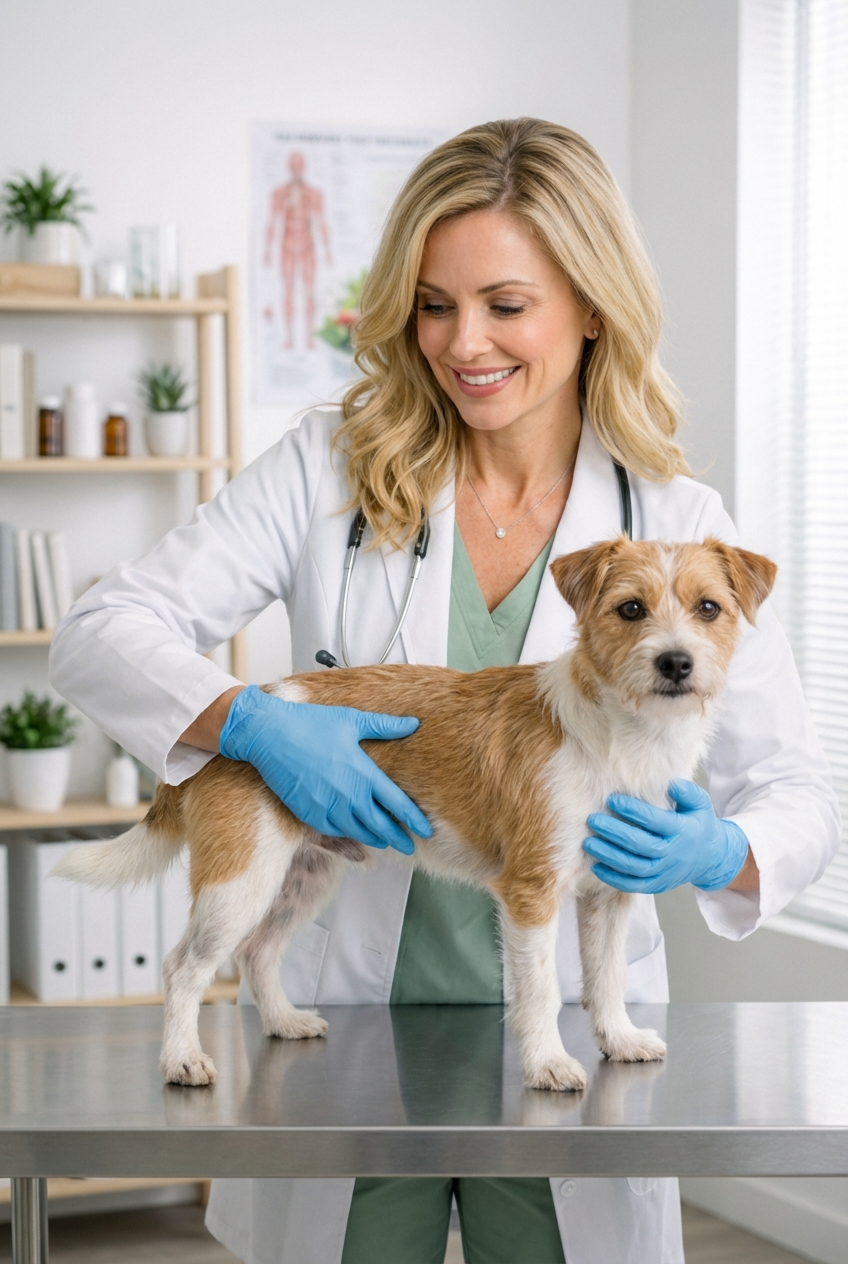
As a veterinary assistant, I have seen how much easier Giardia is to beat when we tackle it from three angles: accurate testing, effective treatment, and preventing reinfection.
What Giardia is (and why it spreads easily)
Giardia is a microscopic parasite that lives in the intestines. Dogs get infected when they swallow the cyst form of Giardia from contaminated water, poop, soil, grass, puddles, dog parks, daycare surfaces, grooming tools, or even their own fur after they have diarrhea.
Why it keeps coming back
Giardia cysts are tough. They can survive for weeks, and sometimes longer, in cool, damp environments. Hot, dry, sunny conditions shorten survival, which is why drying things out helps. Many “repeat Giardia” cases are actually reinfection from the yard, a shared water bowl, a kennel floor, or cysts stuck around the dog’s rear end that get licked and swallowed again.
One more important point: dogs do not develop reliable long-term immunity. Even after successful treatment, reinfection is possible if exposure continues.
Common signs in dogs
Some dogs carry Giardia with zero symptoms. Others get pretty miserable. Signs can come and go, especially early on.
- Soft stool to watery diarrhea (often foul-smelling)
- Mucus in the stool, sometimes a greasy or shiny look
- Gas and tummy gurgling
- Nausea, occasional vomiting
- Weight loss or poor weight gain (common in puppies)
- Dehydration in more severe cases
Call your veterinarian promptly if your dog is a puppy, elderly, immune-compromised, has blood in stool, is vomiting repeatedly, seems painful, or cannot keep water down. Diarrhea can dehydrate dogs quickly.
Getting the right diagnosis
Because Giardia can be shed intermittently, a single fecal test can miss it. Your veterinarian may recommend a combination approach.
- Fecal antigen test (ELISA or similar): Detects Giardia proteins and is often more reliable than looking for cysts alone.
- Fecal flotation with centrifugation: Searches for cysts under the microscope. Helpful, but not perfect.
- Direct smear: Sometimes catches motile trophozoites in very fresh diarrhea, but sensitivity is low.
- PCR fecal testing: Highly sensitive molecular test that can identify Giardia DNA and other GI pathogens.
If your dog has chronic or recurring diarrhea, ask your vet if broader testing is appropriate. Giardia can occur alongside other intestinal parasites or infections.
If your dog tests positive but feels fine, treatment decisions vary by household and risk. This is especially true in multi-dog homes, homes with young kids, or dogs that frequent daycare. Your veterinarian can help you decide whether to treat, retest, or monitor.
Treatment that works
There is no one-size-fits-all plan. Your veterinarian will choose medication based on your dog’s age, symptoms, other health issues, and how severe the infection is.
Common prescription options
- Fenbendazole (often 3 to 5 days, sometimes longer): A dewormer that also treats Giardia, and is commonly used as a first-line option.
- Metronidazole (often 5 to 7 days): An antibiotic/antiprotozoal that may be used in select cases. Some dogs do great on it, but efficacy can be variable and side effects can occur, so your vet will weigh the pros and cons for your dog.
- Combination therapy: In some cases, vets use both, especially for tough or recurring infections.
Please do not self-prescribe. Wrong dosing, stopping early, or using leftover meds can make the situation worse, and some medications have important cautions for specific dogs.
Supportive care that helps
- Hydration: Diarrhea drains fluids fast. Your vet may recommend oral rehydration strategies or fluids for severe cases.
- Digestible diet: A bland, veterinary-recommended GI diet can help stools firm up while the gut calms down.
- Probiotics: Certain veterinary probiotics may shorten diarrhea duration and support a healthier gut environment during treatment.
Also worth knowing: routine monthly preventives that protect against fleas, ticks, and many worms do not necessarily prevent Giardia infection. If you are not sure what your dog’s preventive covers, your veterinary team can walk you through it.
Think of medication as step one. Preventing reinfection is step two, and that second step is what often makes or breaks success.
The key: prevent reinfection at home
If you do nothing else, do these five things consistently during treatment and for at least a few days after diarrhea stops.
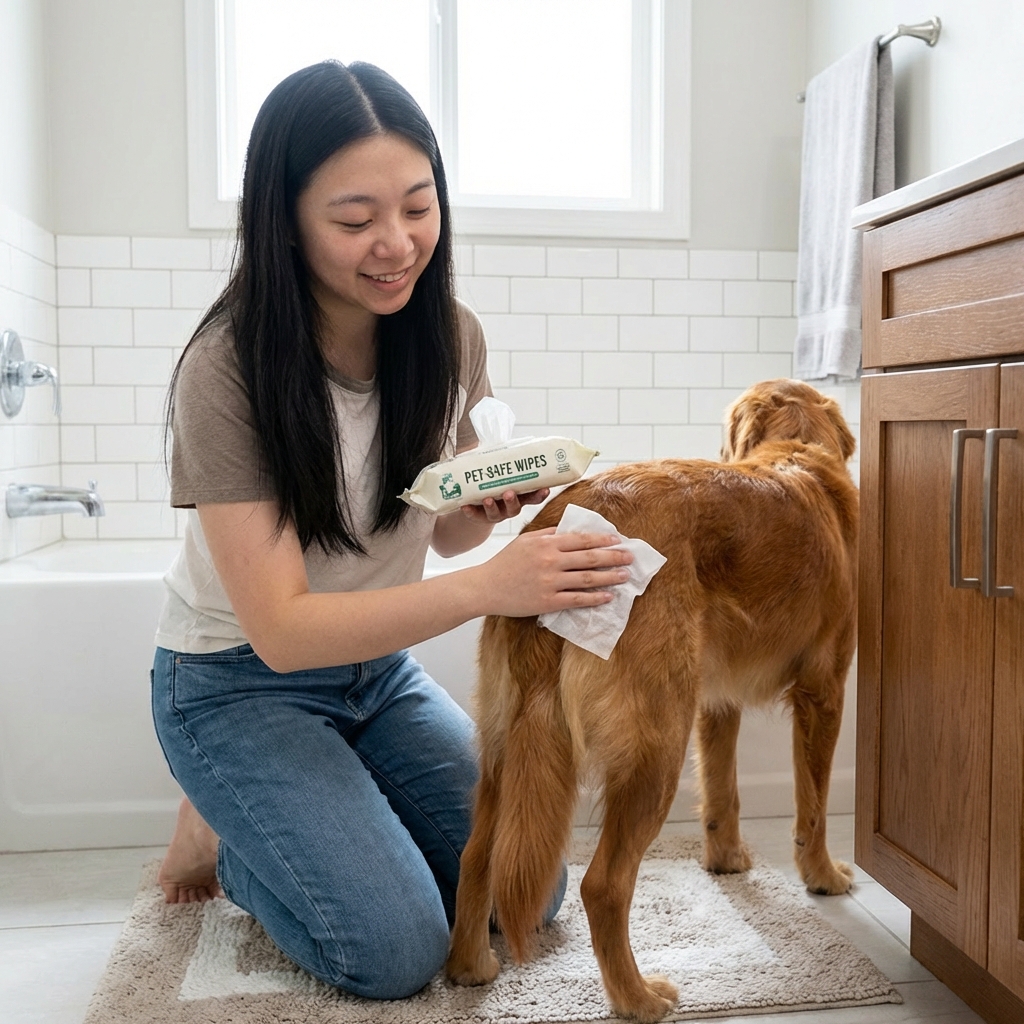
1) Bathe or clean the rear end
Giardia cysts can stick to fur. If your dog has diarrhea, cysts often end up around the anus and tail. When dogs groom themselves, they can re-swallow cysts.
- Give a full bath near the end of treatment, or as directed by your vet.
- If a bath is not possible, use pet-safe wipes to clean the hind end after each bowel movement.
2) Pick up poop immediately
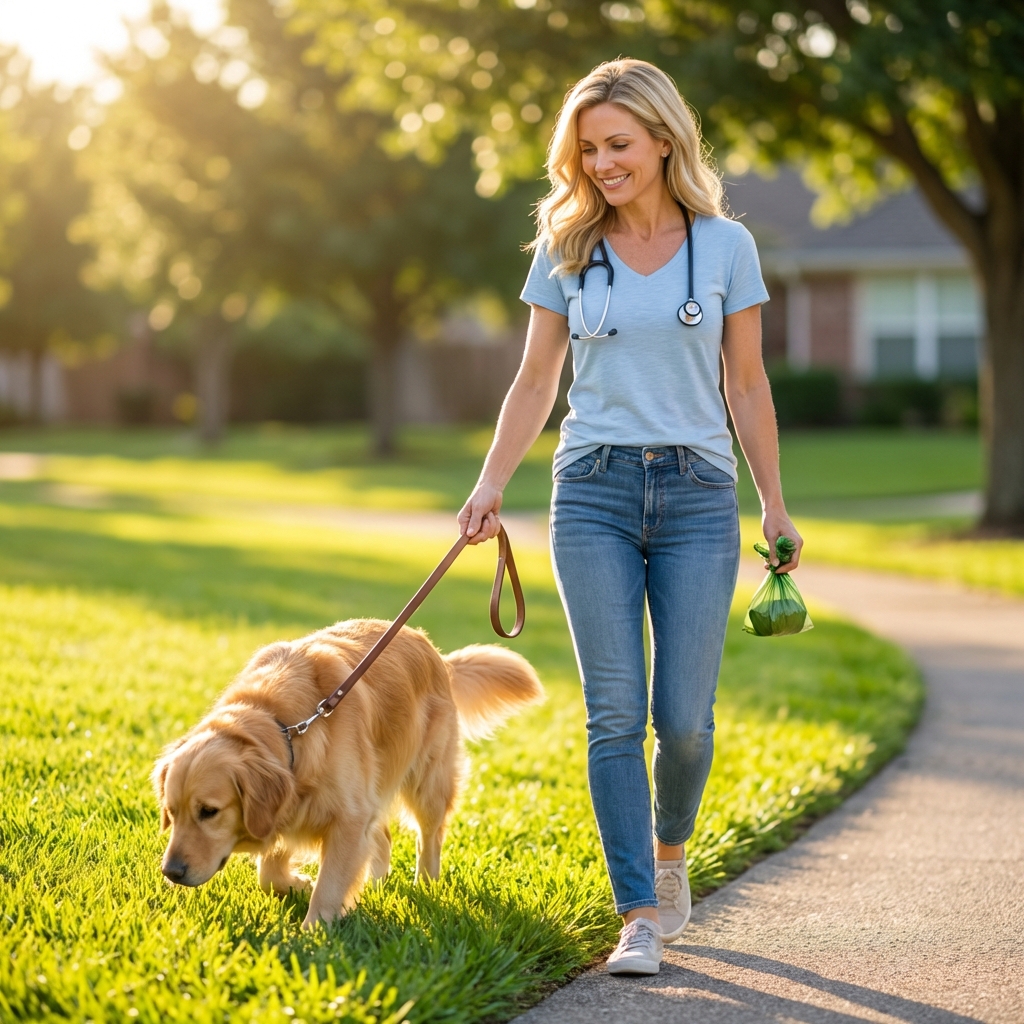
Do not let stool sit in the yard. Bag it, seal it, and trash it. This is one of the most powerful ways to cut down exposure.
3) Disinfect the right surfaces
Giardia cysts are not reliably killed by every cleaner. Bleach can work on hard, non-porous surfaces when used correctly, but it must be used safely.
- Clean first to remove debris, then disinfect. Disinfectants work poorly when organic material is left behind.
- For household bleach, a commonly used option is 1:32 dilution (about 1/2 cup bleach per 1 gallon of water) on hard, non-porous surfaces, with 10 minutes of contact time, then rinse and allow to dry. Always follow product labeling and your veterinarian’s guidance.
- Focus on floors, crates, kennel runs, food and water bowl areas, doorknobs, and any potty accident areas.
- If you have cats too, include cat litter box areas in your routine for multi-pet homes.
Safety note: Never mix cleaners. Keep pets away until surfaces are fully dry. If you are unsure what is safe for your home, ask your veterinarian for guidance.
4) Wash bedding, blankets, and toys on hot
Anything your dog sleeps on or chews can carry cysts. Launder fabrics on hot with detergent and dry thoroughly. Hard toys should be washed and disinfected when possible.
5) Control water sources
Many infections start with contaminated water.
- Do not allow drinking from puddles, standing water, or shared bowls at parks during and after treatment.
- Provide fresh, clean water at home and wash bowls daily.
Cleaning priorities (what matters most)
If this feels like a lot, focus on what most directly prevents your dog from swallowing cysts again.
- Highest impact: pick up stool right away, clean the hind end, wash bowls daily, stop puddle drinking.
- Next best: wash bedding on hot and disinfect hard surfaces where accidents happened.
- Nice to do: extra toy cleaning, deep cleaning low-risk rooms, and anything that helps you stay consistent without burning out.
Yard and outdoor clean-up
Outdoor control is tough because grass, soil, and shade help cysts survive. Your goal is to reduce contamination and keep your dog away from high-risk spots.
- Scoop daily, more often if possible.
- Block access to the area where your dog had accidents until it has had time to dry thoroughly.
- Sunlight helps: Cysts survive longer in cool, wet shade. Letting areas dry out is beneficial.
- Rinse paws after potty breaks if your dog is a paw-licker or has long hair that picks up debris.
Preventing spread to other pets and people
Giardia has different strains, and while not every dog strain commonly infects people, Giardia is considered zoonotic in general. It is wise to act like it can spread.
- Wash hands after picking up stool, cleaning accidents, or bathing your dog.
- Keep infected dogs away from dog parks, daycare, grooming, and shared water bowls until your vet says they are clear.
- Separate potty areas if you have multiple dogs.
- Talk to your vet about whether other pets should be tested or treated, especially if they share space and have soft stools.
Should you retest after treatment?
Many veterinarians recommend a follow-up test, especially if:
- Diarrhea persists or returns
- Your dog is a puppy or immune-compromised
- You have a multi-dog household, foster dogs, or frequent boarding or daycare
Ask your veterinarian when to retest. In many cases, that is around 2 to 4 weeks after treatment, but timing depends on the test type and your dog’s symptoms. Testing too soon can be confusing because some tests can remain positive briefly even when your dog is improving.
Why diarrhea may linger
This is a big one. Some dogs have ongoing intestinal irritation or an altered gut microbiome after the parasite clears. That does not always mean treatment failed.
- Post-infectious gut inflammation can take time to settle.
- Food sensitivity may show up during or after infection.
- Other parasites or conditions (like worms, bacterial overgrowth, or stress colitis) may be involved.
If stools are not improving, your veterinarian may recommend additional testing or a different diet plan rather than repeating the same medication over and over.
Quick checklist for dog parents
- Confirm diagnosis with appropriate fecal testing.
- Give all medication exactly as prescribed.
- Pick up stool immediately and dispose of it securely.
- Clean your dog’s hind end daily, and bathe near the end of treatment if advised.
- Wash bedding and disinfect hard surfaces regularly.
- Limit exposure to puddles and shared water bowls.
- Ask your vet about retesting and whether housemates need testing.
The bottom line: when you treat the dog and the environment at the same time, Giardia is usually very manageable. You are not failing if it takes a couple of rounds to fully clear. You are learning the system, and your consistency really does pay off.
When to seek urgent care
Contact a veterinarian the same day if you see any of the following:
- Severe lethargy, weakness, or collapse
- Repeated vomiting or inability to keep water down
- Signs of dehydration (tacky gums, sunken eyes, very dark urine, not urinating)
- Bloody diarrhea or black, tarry stool
- Puppy diarrhea that lasts more than a day