Stop fleas fast with a realistic, family-friendly plan. Learn the flea life cycle, how to check for flea dirt, vet-approved treatments, home cleaning steps, ...
Article
•
Designer Mixes
How to Get Rid of Fleas on Dogs Fast

Shari Shidate
Designer Mixes contributor
As a veterinary assistant, I can tell you this with total honesty: the fastest way to get rid of fleas is to treat your dog and your home at the same time. Fleas are not just “on” your dog. Most of the population is hiding in your carpets, bedding, and cracks in the floor as eggs, larvae, and pupae.
If you are seeing fleas right now, you can absolutely get quick relief today, but full control typically takes at least 30 days because new fleas keep hatching.
First, make sure it is really fleas
Fleas are common, but they are not the only cause of itchiness. Before you treat aggressively, do a quick check.
Quick at-home flea check
- Look around the tail base, belly, armpits, and groin. Fleas are tiny, fast, and dark brown.
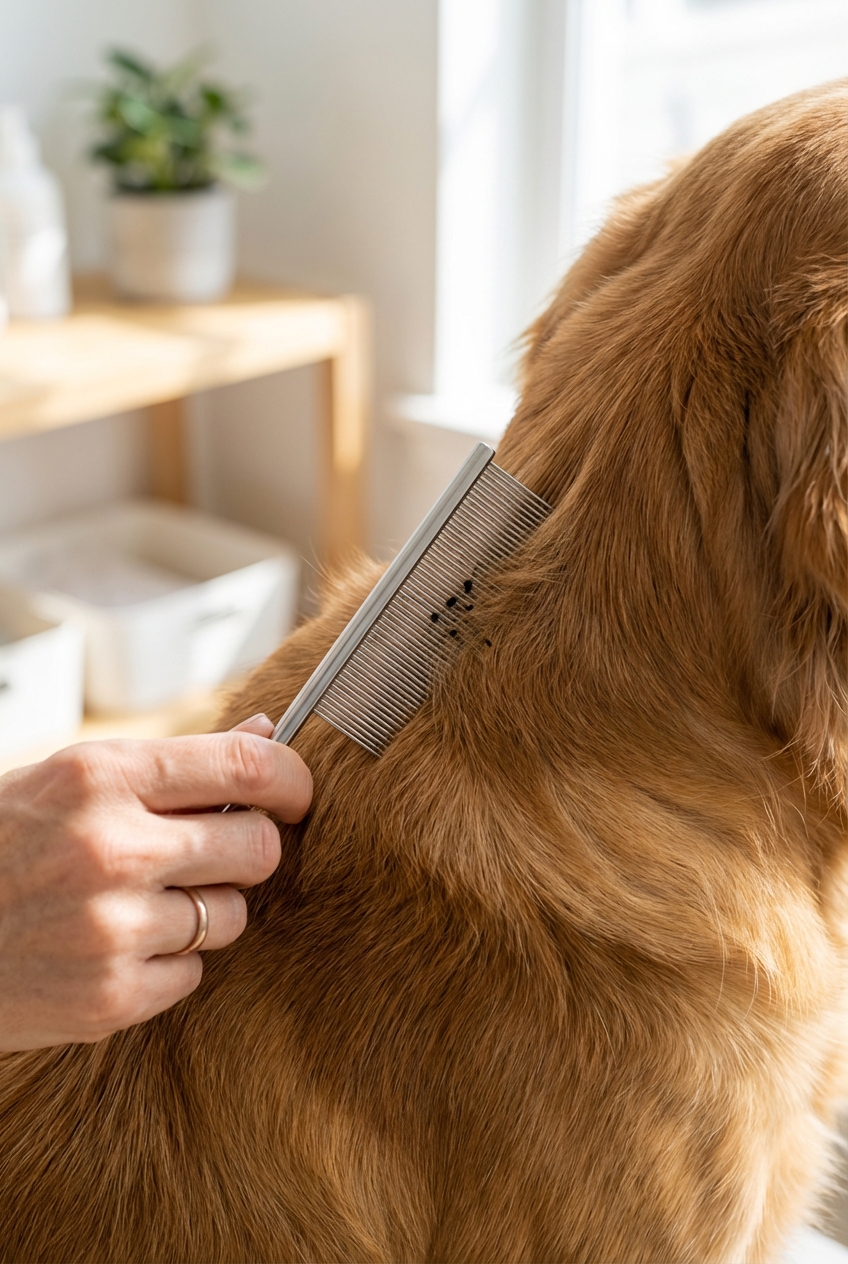
- Check for flea dirt, which looks like black pepper. Put specks on a wet white paper towel. If it smears reddish-brown, that is digested blood.
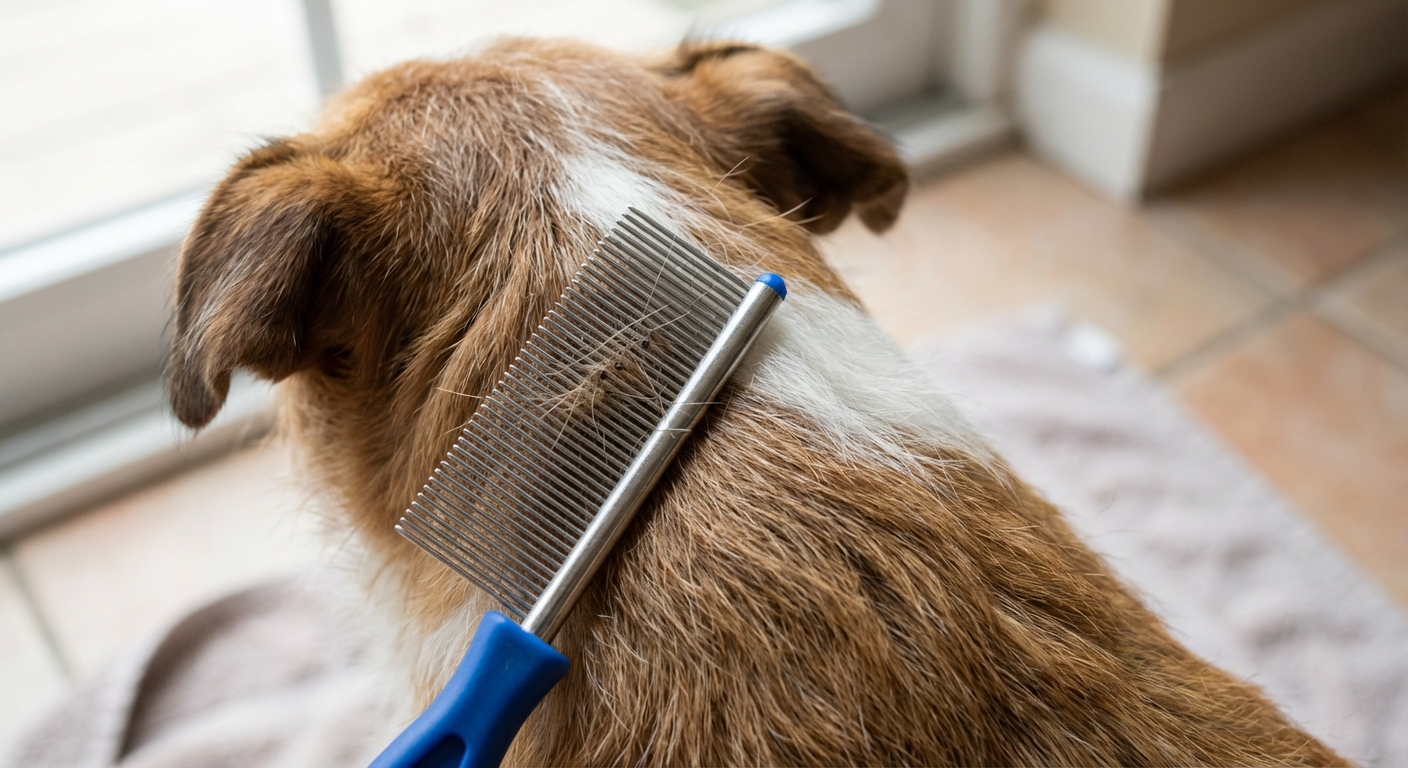
- Use a flea comb and comb toward the tail, tapping what you catch onto a damp paper towel.
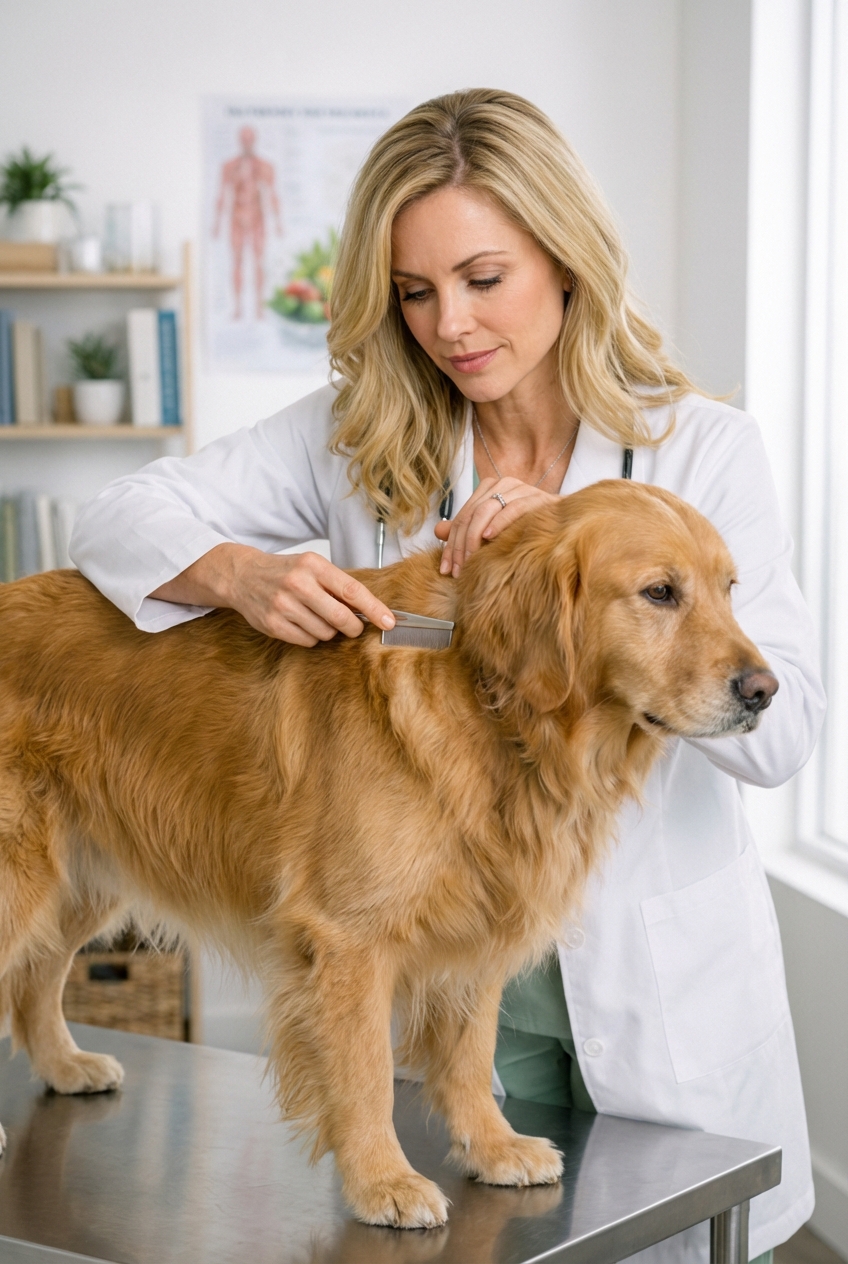
If your dog is severely itchy, has hair loss, scabs, or hot spots, it is worth calling your vet. Many dogs have flea allergy dermatitis, meaning even one bite can cause intense itching.
The fastest plan that actually works
When people feel like “nothing works,” it is usually because only one part of the life cycle was treated. Here is the evidence-based approach we use in clinics.
Step 1: Start a vet-recommended flea medication today
For speed and reliability, use a product with proven adult-killing power. Your best option depends on your dog’s age, weight, medical history, and whether you need tick coverage too.
- Oral chewables (prescription in many cases) often kill fleas quickly, sometimes within hours, and keep working for weeks.
- Topicals can work well too, but must be applied correctly to the skin, not the haircoat.
- Flea collars can be effective for long-term prevention, but quality and fit matter and some dogs are sensitive.
Safety note: Never use dog flea products on cats, and keep cats away from freshly treated dogs until the product is fully dry if you are using a topical. Certain ingredients can be dangerous for cats.
Step 2: Bathe or flea comb for quick relief
If your dog is miserable, a bath can remove a lot of fleas right away.
- Use a gentle pet shampoo or a vet-recommended flea shampoo.
- Work from the neck down. This helps prevent fleas from racing to the head.
- Rinse thoroughly and follow with a flea comb while the coat is damp.
Important topical timing: If you plan to use a topical medication, bathe and fully dry your dog before applying the product. Do not apply a topical and then bathe right away, since you can wash it off before it absorbs. If your dog needs an immediate wash and you cannot wait, ask your vet about using an oral medication instead.
If your dog has irritated skin, bathing too often can make things worse. A careful comb-out once or twice daily for a few days can be a great alternative.
Step 3: Treat your home the same day
This is where the real win happens. Eggs fall off your dog constantly, and they hatch in the environment.
- Wash all bedding (dog beds, blankets, your bedding if your dog sleeps with you) in hot water and dry on high heat.
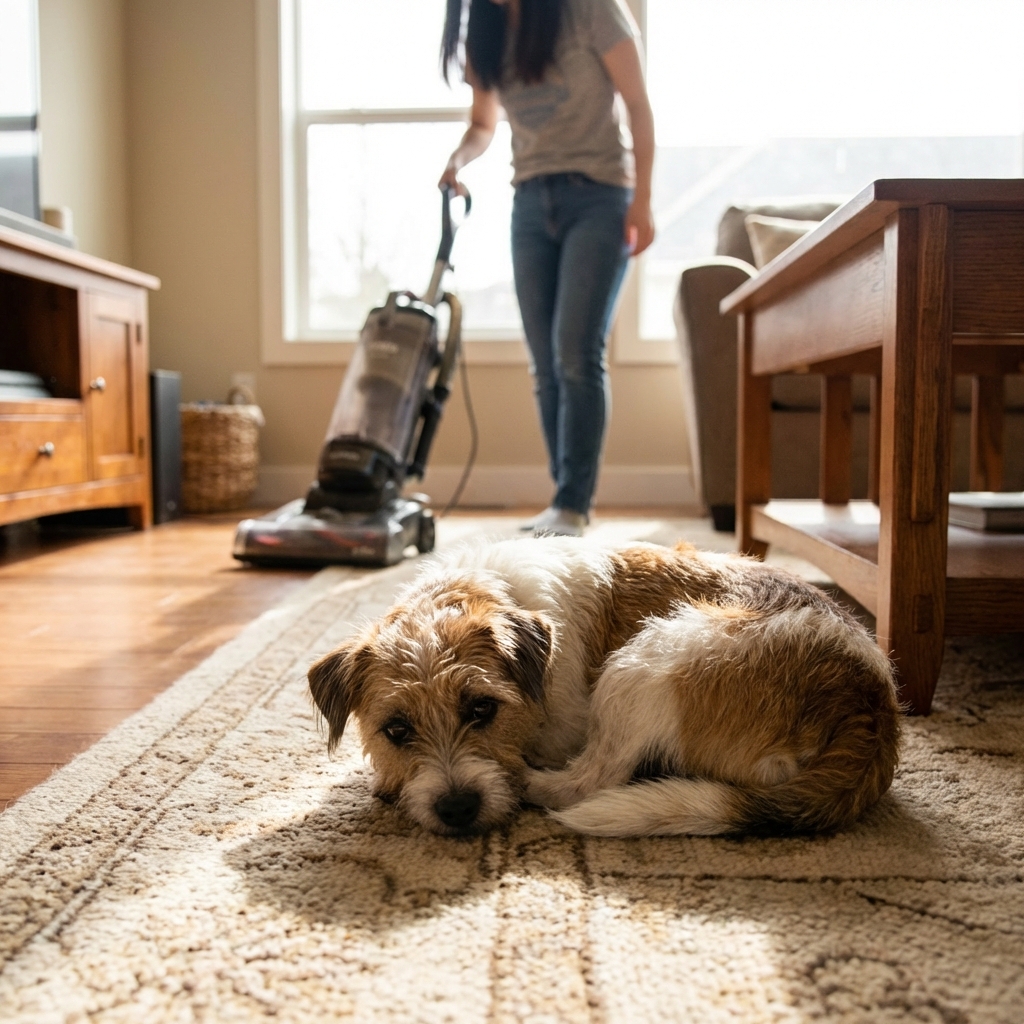
- Vacuum carpets, rugs, couch cushions, and baseboards thoroughly. Dispose of the vacuum contents right away.
- Focus on the places your dog rests. That is where eggs and larvae build up.
If the infestation is heavy, talk to your vet about using a home treatment that includes an insect growth regulator (IGR). IGRs help stop eggs and larvae from becoming biting adults.
Step 4: Keep treatment going for 30 days minimum
Even after you kill adult fleas, new fleas can emerge from pupae for weeks. That is why prevention is not optional during an outbreak. Put reminders in your phone and stick with monthly protection.
What about your yard?
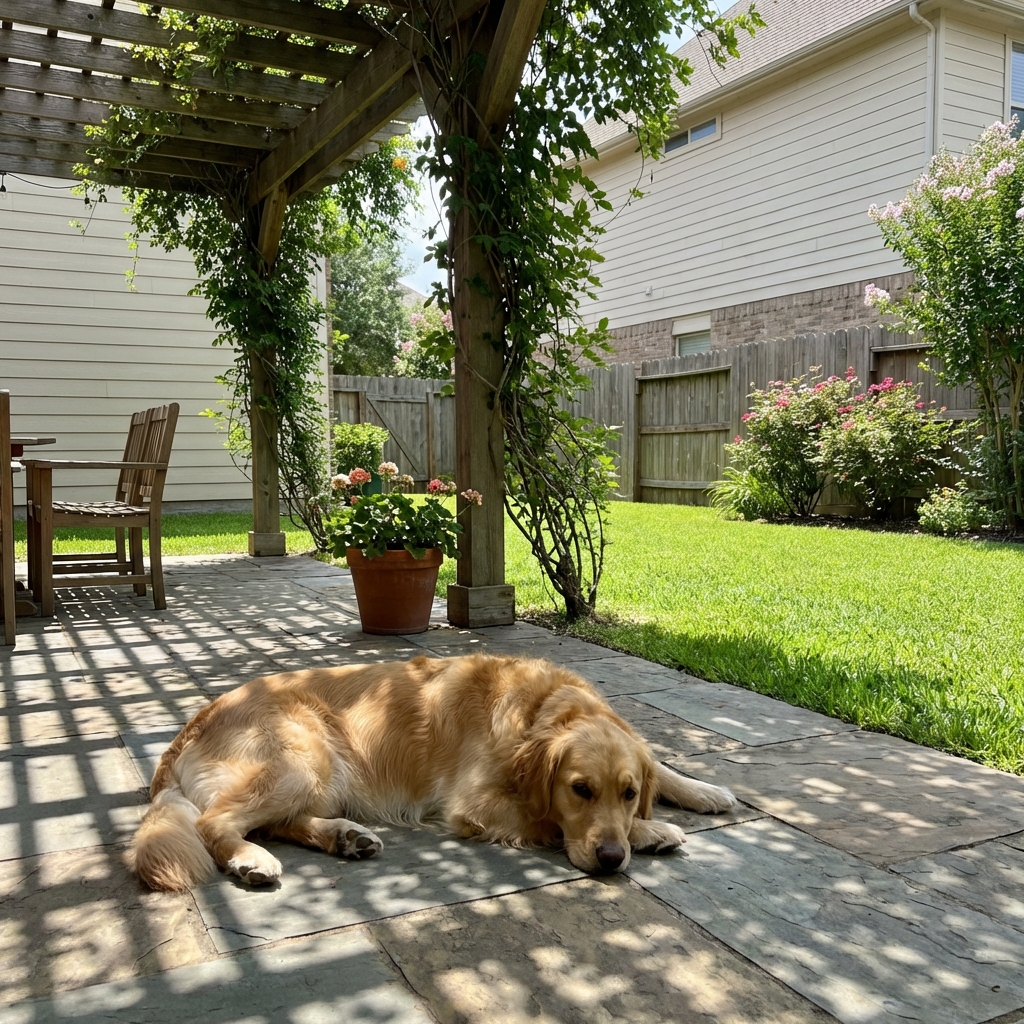
Most fleas come from indoor environments, but yards can contribute, especially in warm, humid summers. Fleas can thrive in shaded, moist areas where pets rest.
Yard checklist
- Pick up pet waste and keep grass trimmed.
- Rake shaded, damp areas where pets rest.
- Wash outdoor dog bedding.
- If needed, consider professional yard treatment that targets fleas, especially shaded areas near patios and fences.
Common mistakes that slow you down
- Only bathing without using an effective flea medication. Baths help today, but do not protect tomorrow.
- Skipping the home. If you do not vacuum and wash bedding, fleas rebound.
- Under-dosing because weight is guessed. Always dose by your dog’s current weight.
- Using multiple pesticides at once without guidance. More is not safer, and mixing products can be risky.
- Not treating all pets. If you have multiple animals, ask your vet about treating everyone appropriately.
When to call your veterinarian
Please reach out promptly if you notice any of the following:
- Pale gums, weakness, or lethargy (heavy flea burdens can contribute to anemia, especially in puppies)
- Open sores, hot spots, or significant hair loss
- Your dog is under 8 weeks old, very small, pregnant, nursing, or has chronic illness
- You are also seeing tapeworm segments (fleas can transmit tapeworms)
- You used a product and your pet is drooling, vomiting, trembling, or acting abnormal
Your vet can recommend a fast, safe plan tailored to your dog and your household, including the right product type and whether skin infection treatment is needed.
A simple 24-hour action plan
If you want a clear checklist, here is what I recommend for most households dealing with fleas right now:
- Today: Start a reliable flea prevention medication. Bathe or comb out for immediate relief.
- Today: Wash bedding and vacuum thoroughly.
- Tomorrow: Vacuum again. Flea eggs and larvae are stubborn.
- This week: Continue daily or every-other-day vacuuming in main pet areas.
- This month: Stay consistent with prevention for every pet.
Good news: once you break the life cycle, you will usually see a big change in your dog’s comfort and your home within a couple of weeks. Consistency is what turns “temporary relief” into real flea control.
Quick FAQs
How long until fleas are gone?
You may see fewer fleas within 24 to 48 hours after starting an effective adulticide, but full control often takes 30 days, sometimes longer with heavy home infestations.
Can I use natural remedies only?
Some natural options may help repel or support comfort, but during an active infestation they usually do not eliminate fleas across all life stages. If your dog is suffering, combine comfort measures with proven prevention.
Do I need to bomb the house?
Not always. Many cases resolve with medication, vacuuming, and laundering. For heavy infestations, targeted home treatments with an IGR can be more effective than foggers, especially when applied to key pet areas.