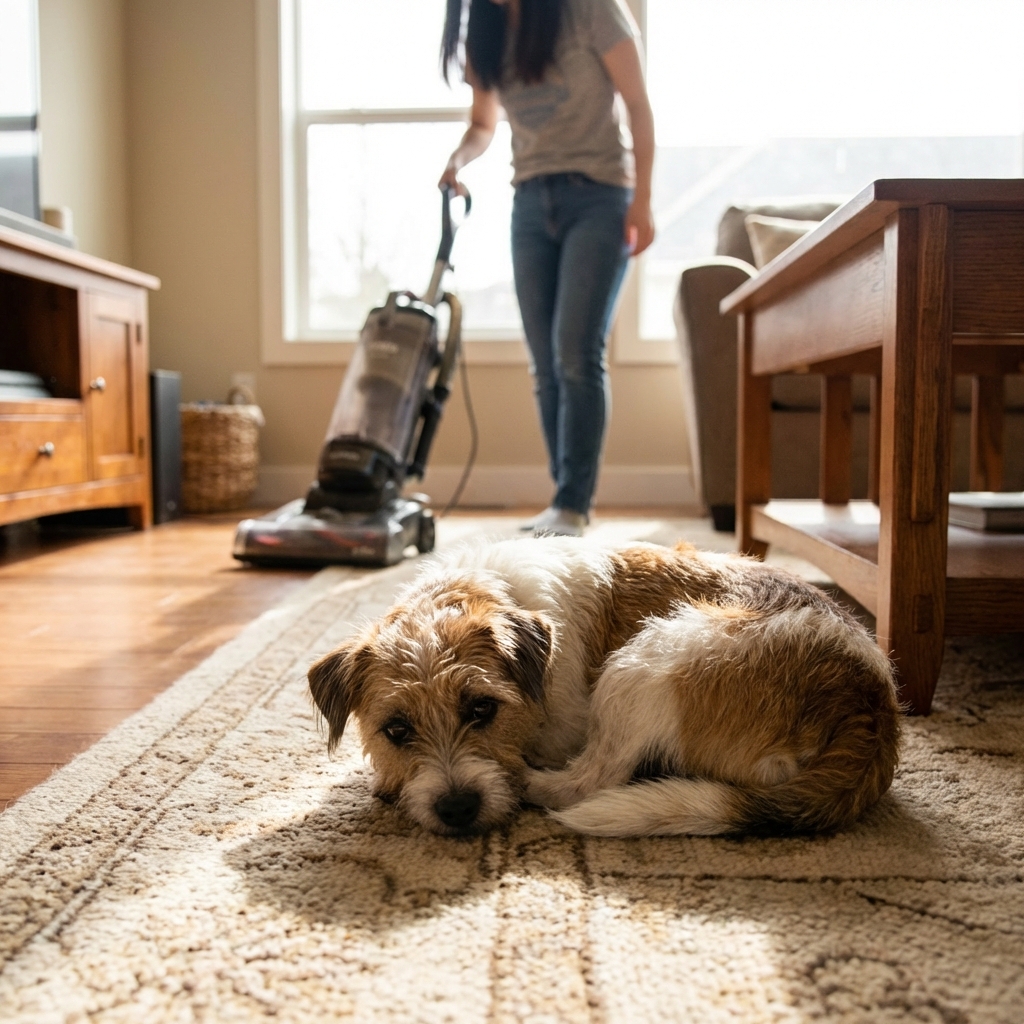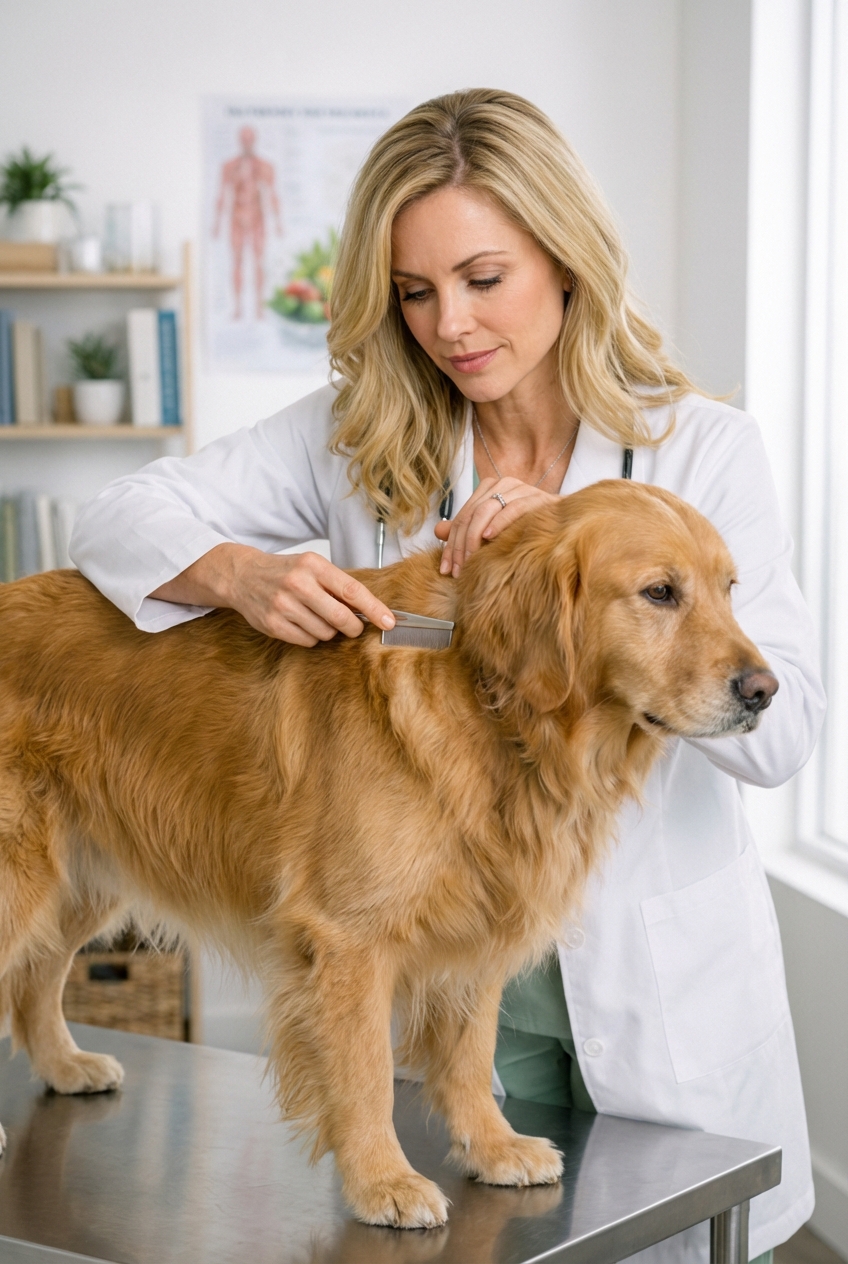
Stop fleas fast with an evidence-based plan: confirm fleas, start vet-recommended medication, bathe or comb for relief, and treat your home to break the life...
Article
•
Designer Mixes
How to Get Rid of Fleas on Dogs

Shari Shidate
Designer Mixes contributor
Fleas are one of those problems that can make a whole household miserable fast, including your dog. The good news is that you can get control of fleas with a family-friendly plan that is both effective and realistic. As a veterinary assistant, I always remind pet parents of one key truth: you cannot win a flea battle by treating only the dog. In many cases, you will make the fastest progress by treating the dog, the home, and (when your pet spends time outdoors) the yard on the same general timeline.

This guide will walk you step by step, with safe choices for homes with kids, and clear signs for when it is time to call your veterinarian.
Know your enemy: the flea life cycle
Adult fleas are only part of the problem. Fleas lay eggs on your dog, but those eggs fall off into carpeting, bedding, cracks in flooring, and furniture. In a typical home infestation, the majority of the flea population is actually eggs, larvae, and pupae hiding in the environment.
That is why you may treat your dog and still see fleas for a while. Pupae can remain protected in the environment and then emerge later when conditions are right, such as warmth, vibration, or carbon dioxide from people and pets walking by.
- Adult fleas live on the dog and feed on blood.
- Eggs fall off into the environment.
- Larvae avoid light and hide deep in fabric and debris.
- Pupae are in a cocoon and can be hard to kill with sprays.
How to tell if your dog has fleas
Some dogs have obvious fleas, and others just have itching. If your dog is scratching, chewing at the base of the tail, or suddenly has scabs, check for fleas and flea dirt (tiny black specks).
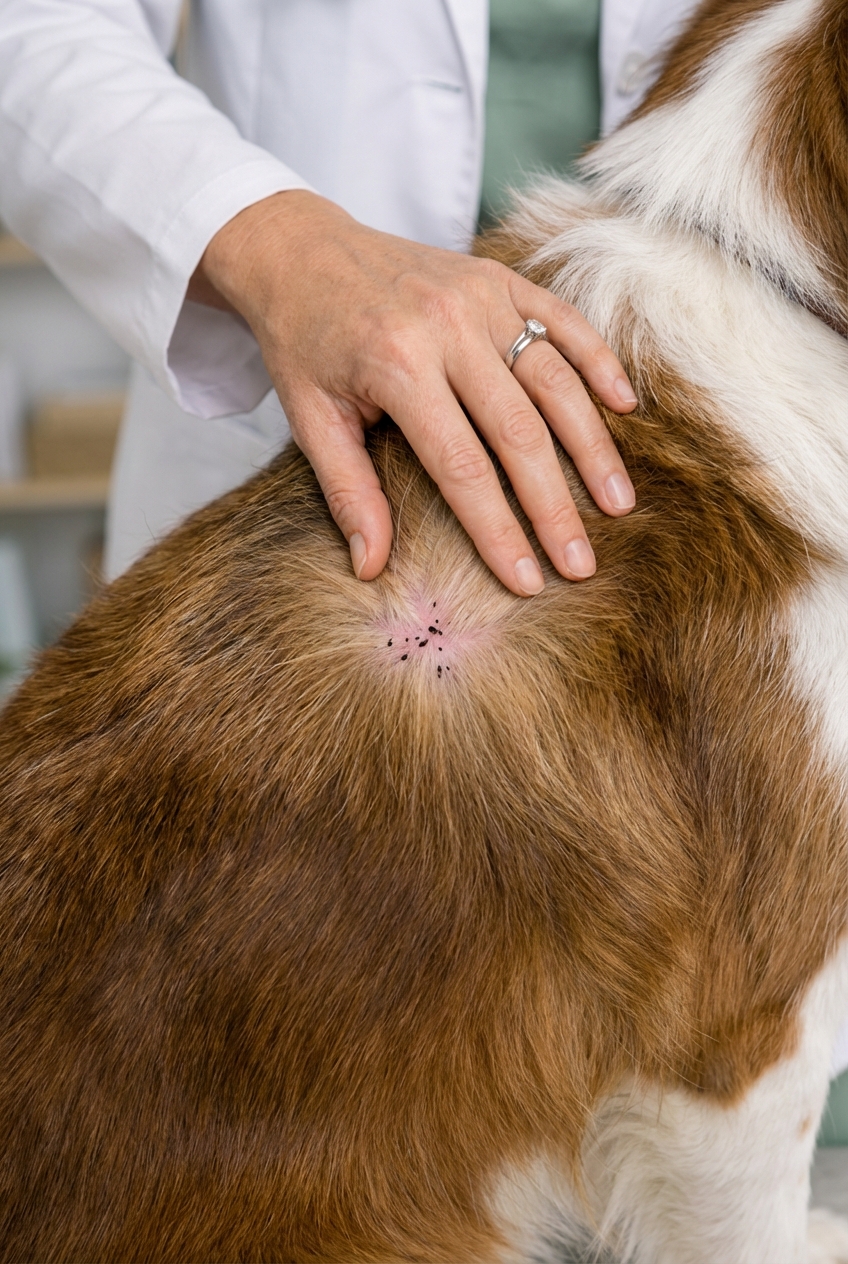
Quick flea dirt test
Comb your dog with a flea comb, especially near the tail base and belly. Tap what you collect onto a damp white paper towel. If the specks turn reddish-brown, that is digested blood, which strongly suggests fleas.
Step 1: Treat the pet first
If your dog is covered in fleas, you want relief quickly. The most dependable, evidence-based approach is veterinarian-recommended flea control. Product choice depends on your dog’s age, weight, health history, and the other pets in your home.
Important: to stop an infestation, all pets in the household need to be treated at the same time with species-appropriate products (dogs get dog products, cats get cat products). If you treat only one pet, the others can keep the flea life cycle going.
Fast relief options
- Oral flea preventives can start killing fleas quickly. Depending on the active ingredient, they may be given monthly or every 12 weeks.
- Topical flea preventives (applied to the skin) are also very effective when used correctly.
- Flea combing daily helps reduce adult fleas and lets you monitor progress.
Cat safety note
If you have cats, be extra cautious. Some dog-only topical flea medications can be dangerous to cats if applied to a cat or if cats lick the application site on a recently treated dog. Use only products labeled for the correct species, separate pets if needed while products dry, and call your veterinarian if you are not sure what is safe in a mixed-pet home.
Bathing: helpful, but not the whole solution
A bath can remove fleas on the body, but it does not treat eggs, larvae, and pupae in your home. If you bathe, choose a gentle pet shampoo and follow with a long-term flea preventive. If you use a topical flea medication, ask your vet how bathing affects timing, since frequent bathing can reduce effectiveness for some products.
A note on natural flea remedies
I know many families want a low-tox approach. Just be careful: natural does not automatically mean safe. Essential oils, garlic supplements, and homemade sprays can be dangerous for dogs and especially cats. If you want to try a lower-chemical plan, your vet can help you choose the least risky options while still protecting your dog.
Step 2: Treat your home
Home treatment is not about reaching for the harshest chemicals first. It is about consistency. You can often make major progress with laundering and vacuuming, and in heavier infestations, targeted products can help. Your goal is to remove eggs and larvae, and to encourage pupae to emerge so they can be removed and killed by your pet’s flea preventive.
Family-friendly home checklist
- Wash all pet bedding in hot water weekly for at least 3 to 4 weeks. Dry on high heat if the fabric allows.
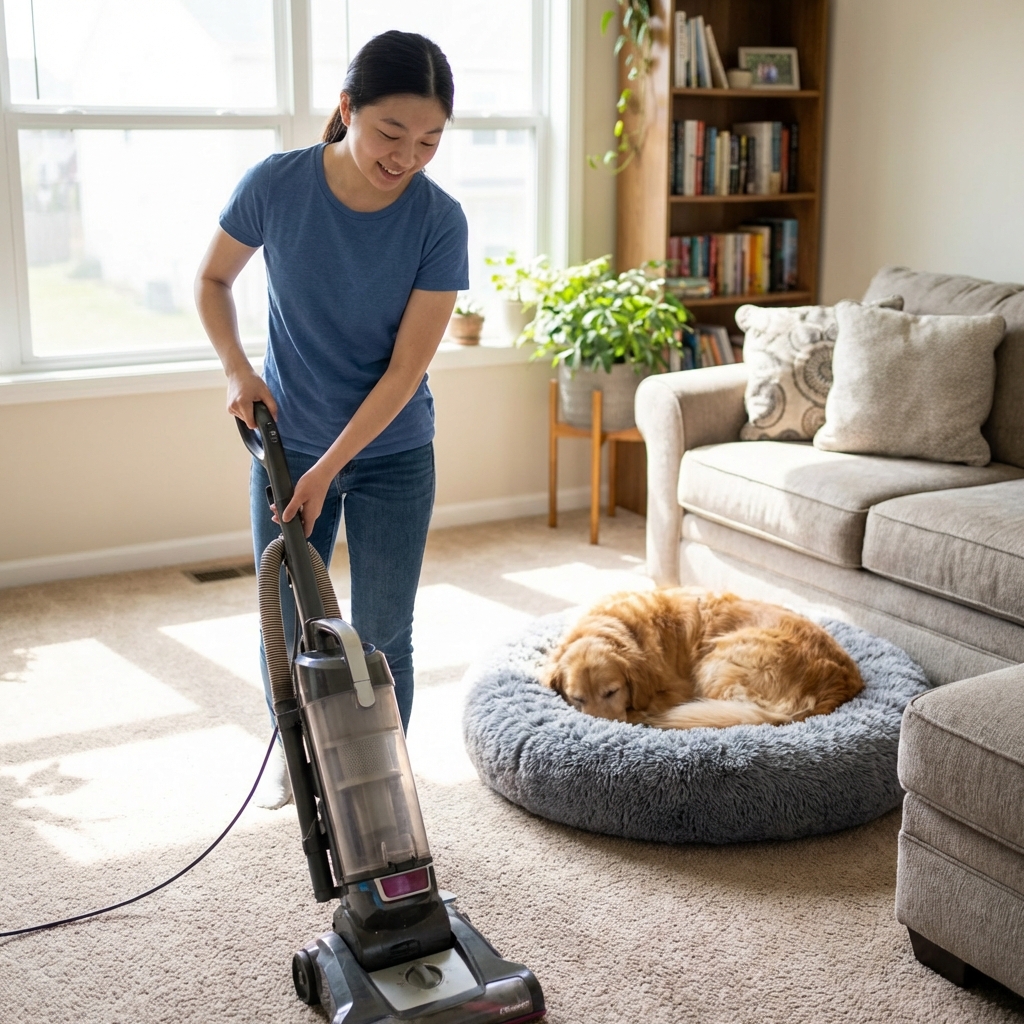
- Vacuum daily for 10 to 14 days, then several times per week. Focus on edges of rooms, under furniture, rugs, and couch cushions.
- Empty the vacuum immediately. Seal debris in a bag and take it outside to the trash.
- Keep a flea comb by the entryway and comb for 1 to 2 minutes after outdoor time. Comb over a white towel so you can see what is coming off.
Do you need a home spray?
Sometimes, yes, especially in heavy infestations. If you use any home treatment product, follow the label exactly, keep children and pets out of the area until fully dry, and ventilate well. Look for products designed for indoor use that target multiple life stages, often including an insect growth regulator (IGR). Your veterinarian can recommend reputable options and help you avoid risky ingredients for your household.
Step 3: Do not forget the yard
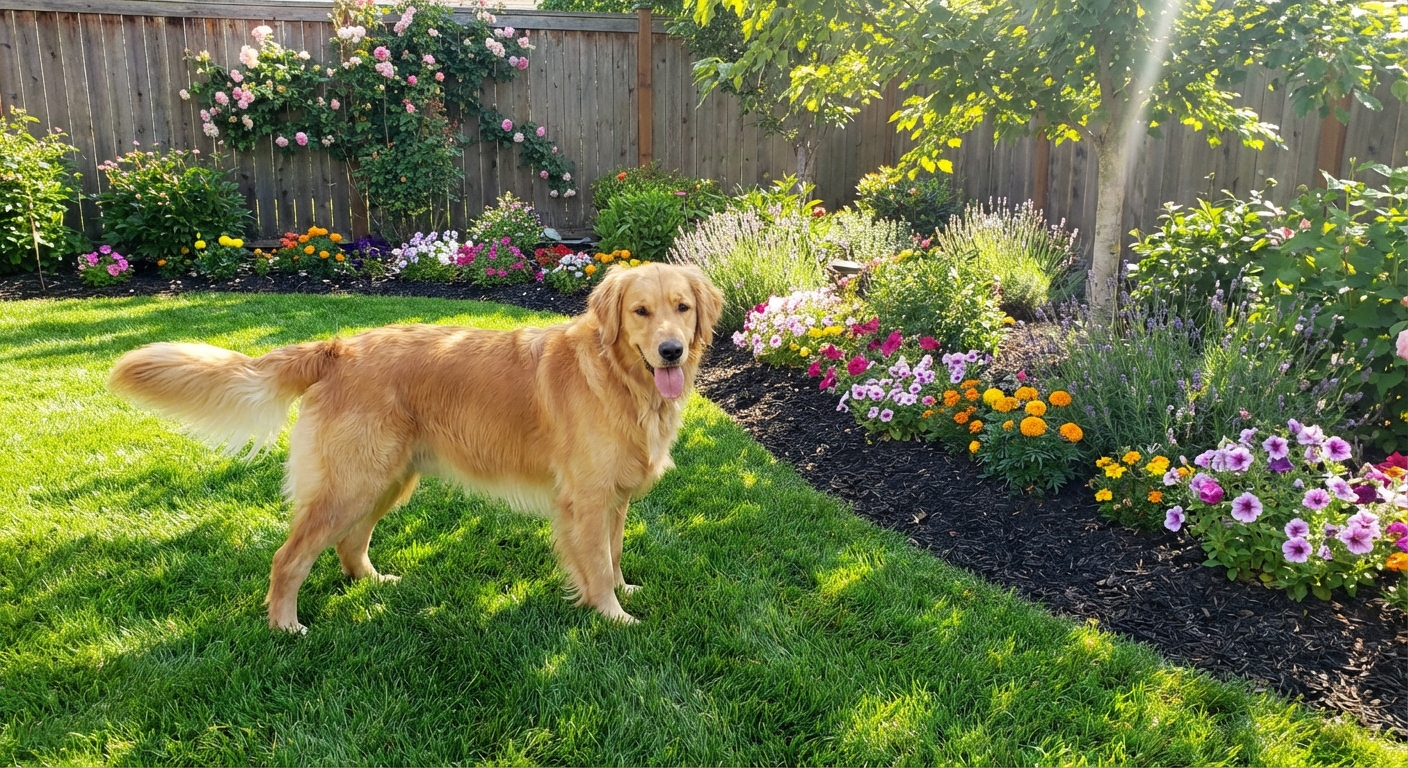
If your dog spends time outdoors, yard control can matter, especially in warmer or humid climates where fleas can be persistent for a big part of the year. Outdoor control is most important in shaded areas where pets rest, and where moisture is present.
Yard steps that really help
- Mow and trim grass and weeds regularly to reduce flea-friendly humidity.
- Remove leaf litter and yard debris where larvae can hide.
- Focus on shady spots like under decks, fences, and bushes.
- Limit wildlife access when possible. Raccoons, stray cats, and opossums can carry fleas.
A realistic timeline
With a strong plan, you will usually see improvement quickly, but complete control often takes a few weeks. In tougher infestations, it can take longer. That is normal and does not automatically mean the treatment failed.
- First 24 to 48 hours: fewer live fleas on the dog with fast-acting products.
- Week 1 to 2: itching may start to decrease, but you may still see fleas as pupae emerge in the home. These are often newly emerged fleas, not proof that prevention is not working.
- Week 3 to 6: the home population should drop significantly if you stayed consistent, sometimes longer in heavy infestations or homes with lots of carpet and upholstery.
Most flea problems persist because one piece of the plan gets skipped. Treat every pet, clean the home consistently, and address outdoor areas when they are part of your dog’s routine.
Kid-safe habits during flea season
If you have little ones, your goal is to reduce exposure to both fleas and cleaning products by leaning heavily on mechanical control, like laundering and vacuuming, and keeping pet preventives consistent.
- Have kids wash hands after playing with the dog, especially before snacks.
- Keep pets off children’s pillows and blankets during an active infestation.
- Store flea products and medications in a locked cabinet.
- Do not let children apply topical flea meds. Adults only, and wash hands afterward.
When to call the veterinarian
Fleas are not just annoying. They can cause real medical problems, especially in smaller dogs and puppies.
- Puppies, seniors, or small dogs with heavy fleas can become anemic.
- Persistent itching may be flea allergy dermatitis, which often needs medication to calm inflammation and prevent skin infection.
- Signs of skin infection include increasing redness, oozing, odor, swelling, or painful hot spots.
- Tapeworm segments (rice-like pieces) can show up if your dog swallowed fleas while grooming.
- Flea prevention not working may be due to product choice, incorrect dosing, missed doses, or reinfestation from the environment or other untreated pets.
If your dog seems lethargic, pale, won’t eat, or has widespread scabs and hair loss, do not wait. Call your vet.
Prevention: the easiest flea control
Once you finally get fleas under control, the kindest thing you can do for your dog is to prevent the next round. In many regions, year-round prevention is the simplest approach, especially if you visit dog parks, have wildlife nearby, or have a multi-pet household.
Make it simple: set a monthly reminder on your phone, keep doses consistent, and check your dog’s coat weekly with a flea comb. Small habits now can save weeks of stress later.