Learn the flea life cycle and follow a practical home plan: confirm fleas, use a flea comb and strategic baths, vacuum and wash bedding, treat the yard, and ...
Article
•
Designer Mixes
How to Get Rid of Fleas on Dogs

Shari Shidate
Designer Mixes contributor
Fleas are tiny, fast, and honestly pretty rude. They can turn a happy, sleepy pup into an itchy, stressed-out dog in a matter of days. The good news is you can get rid of fleas safely at home when you combine the right steps: treat your dog, treat your home, and prevent a repeat.
As a veterinary assistant here in Frisco, Texas, I have seen the same pattern over and over: people treat the dog but not the environment, and the fleas come right back. This guide walks you through a complete plan for all ages, from puppies to seniors.
Quick action plan
If you want the simple checklist first, here you go.
Today
- Confirm fleas with the flea dirt test.
- Treat your dog with a vet-recommended product that fits your dog’s age and weight.
- Treat all pets in the household at the same time (dogs and cats), or fleas will play ping-pong.
- Wash bedding (hot water, high heat dry) and vacuum floors, rugs, and furniture.
This week
- Vacuum daily for 7 to 10 days and empty the canister or bag outside.
- Wash pet bedding weekly.
- If you use a home flea spray, consider one that includes an IGR (insect growth regulator) and follow the label exactly.
Ongoing
- Stay on prevention year-round or seasonally, depending on your region and your dog’s risk.
- Keep cleaning high-traffic pet zones until the cycle is broken.
Fleas in plain language
Adult fleas are only part of the problem. In many home infestations, much (and often most) of the flea population lives off your dog, in your home and yard. The exact proportions can vary, but the takeaway is the same: you have to treat more than just the pet.
- Adults live on your pet and bite.
- Eggs fall off into bedding, carpets, couches, and car upholstery.
- Larvae hide in dark, protected places (deep carpet, cracks, under furniture).
- Pupae are wrapped in a cocoon and can “wait” until conditions are right. This is why fleas can seem to disappear and then suddenly surge again.
That life cycle is the reason a one-time bath rarely solves the issue. You need a plan that keeps working week after week.
First: make sure it is fleas
Not every itchy dog has fleas. Allergies, mites, skin infection, and dry skin can look similar.
How to do the flea dirt test
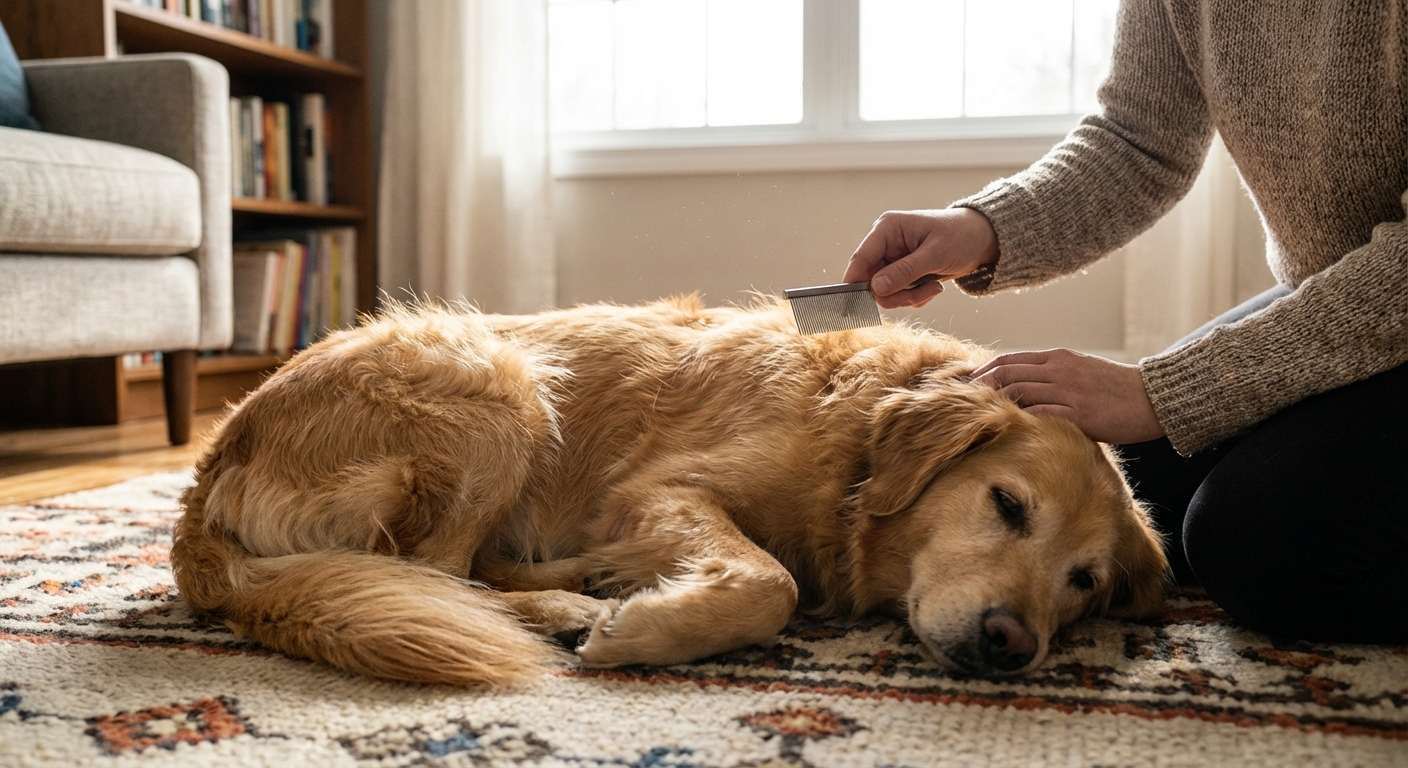
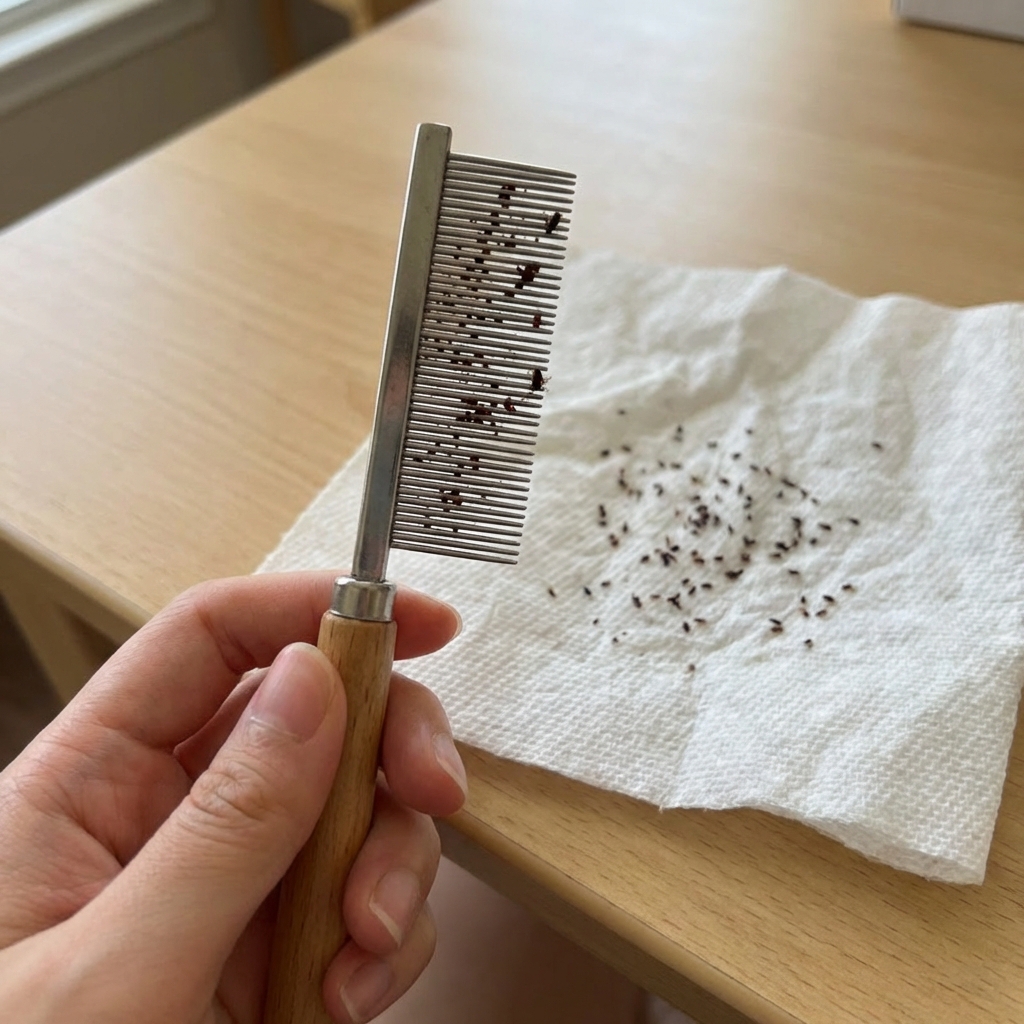
- Use a flea comb and comb over your dog’s back near the tail and around the neck.
- Tap the comb debris onto a damp white paper towel.
- If you see little black specks that turn reddish-brown when wet, that is flea dirt (digested blood).
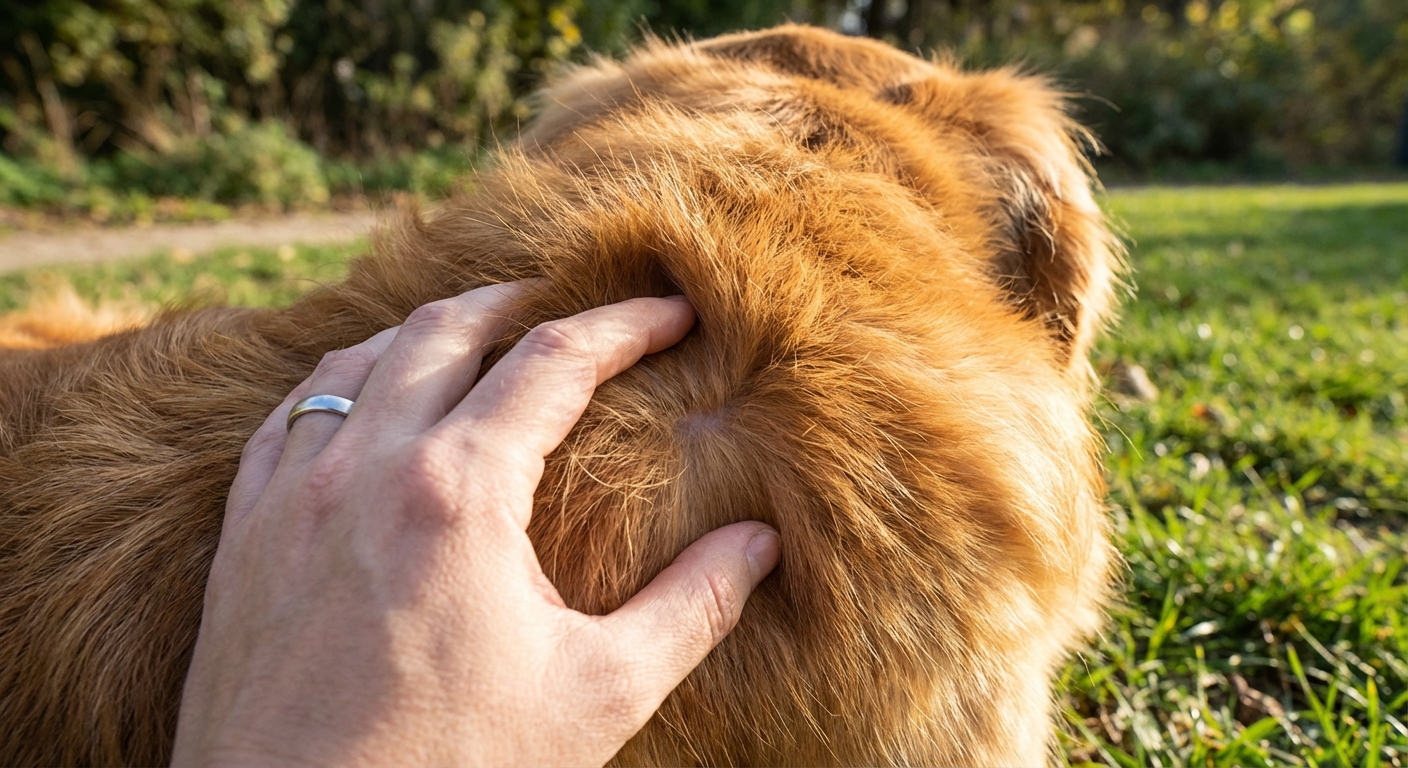
One more helpful note: some dogs have flea allergy dermatitis, which means even a few bites can cause intense itching and red, irritated skin.
Safety first: match age and health
Age and health matter because flea products are dosed and tested for specific life stages. When in doubt, call your veterinarian, especially if your dog is very young, very small, pregnant, nursing, elderly, or on other medications. Always use products labeled for dogs and for your dog’s current weight.
Puppies
- Many flea medications have minimum age requirements (often 8 weeks) and minimum weight requirements.
- Young puppies are more vulnerable to anemia from heavy flea loads. If your puppy is weak, pale-gummed, or not eating, seek veterinary care right away.
Adults
- Most adult dogs can use modern monthly preventives safely when dosed correctly.
- If your dog has a history of seizures or neurologic disease, talk with your vet about the best option for your individual dog.
Seniors
- Older dogs may have liver, kidney, or heart disease that affects product choice.
- Skin can be thinner and more reactive, so watch for irritation with topical products.
Step 1: treat your dog
The goal is to kill adult fleas quickly and then keep killing new fleas as they hatch. Your best results usually come from vet-recommended preventives used consistently.
What works well
- Prescription oral flea preventives: Often kill fleas quickly and stay effective for weeks. Many also help with ticks.
- Prescription topical preventives: Applied to the skin. Depending on the product, they may kill fleas on contact or after fleas bite. Ask your vet which type and active ingredient make the most sense for your dog’s health and lifestyle.
- Flea combing: Not enough alone, but great for removing fleas and monitoring progress.
Important: Treat every pet in the home at the same time, including cats, using a species-appropriate product. A very common and dangerous mistake is using dog flea products on cats. Products that contain permethrin (and some related ingredients) can be toxic to cats.
Bathing your dog
A bath can remove fleas and soothe irritated skin, especially if you use a gentle, dog-safe shampoo. A few practical tips:
- Start by lathering around the neck first. Many groomers do this as a simple way to limit fleas migrating upward during the bath.
- Use a flea comb during the bath, especially around the tail base and groin.
- Dry thoroughly and wash towels in hot water.
If you want to use a flea shampoo, check the label carefully for age restrictions. Some shampoos are not safe for young puppies or dogs with sensitive skin.
Skip these common mistakes
- Do not use dog flea products on cats, and do not use cat products on dogs.
- Do not stack multiple flea medications unless your veterinarian tells you to. “More” is not always safer.
- Do not rely on essential oils as a flea treatment. Some are irritating or toxic to pets, and they are not a reliable way to break the flea life cycle.
Step 2: treat your home
If you only treat your dog, you are leaving a big chunk of the infestation untouched. Home treatment is what stops the repeat cycle.
Weekly cleaning plan
- Wash all pet bedding in hot water and dry on high heat weekly for at least 3 to 4 weeks.
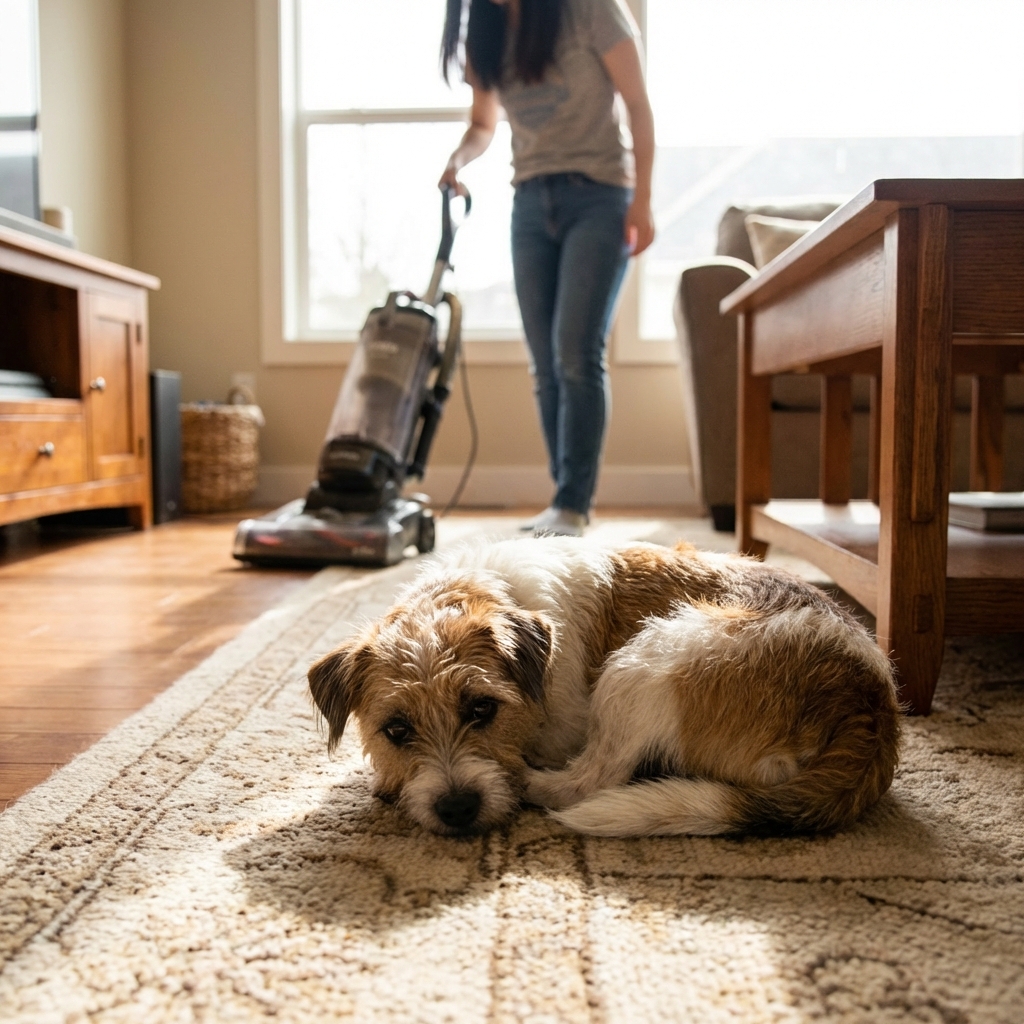
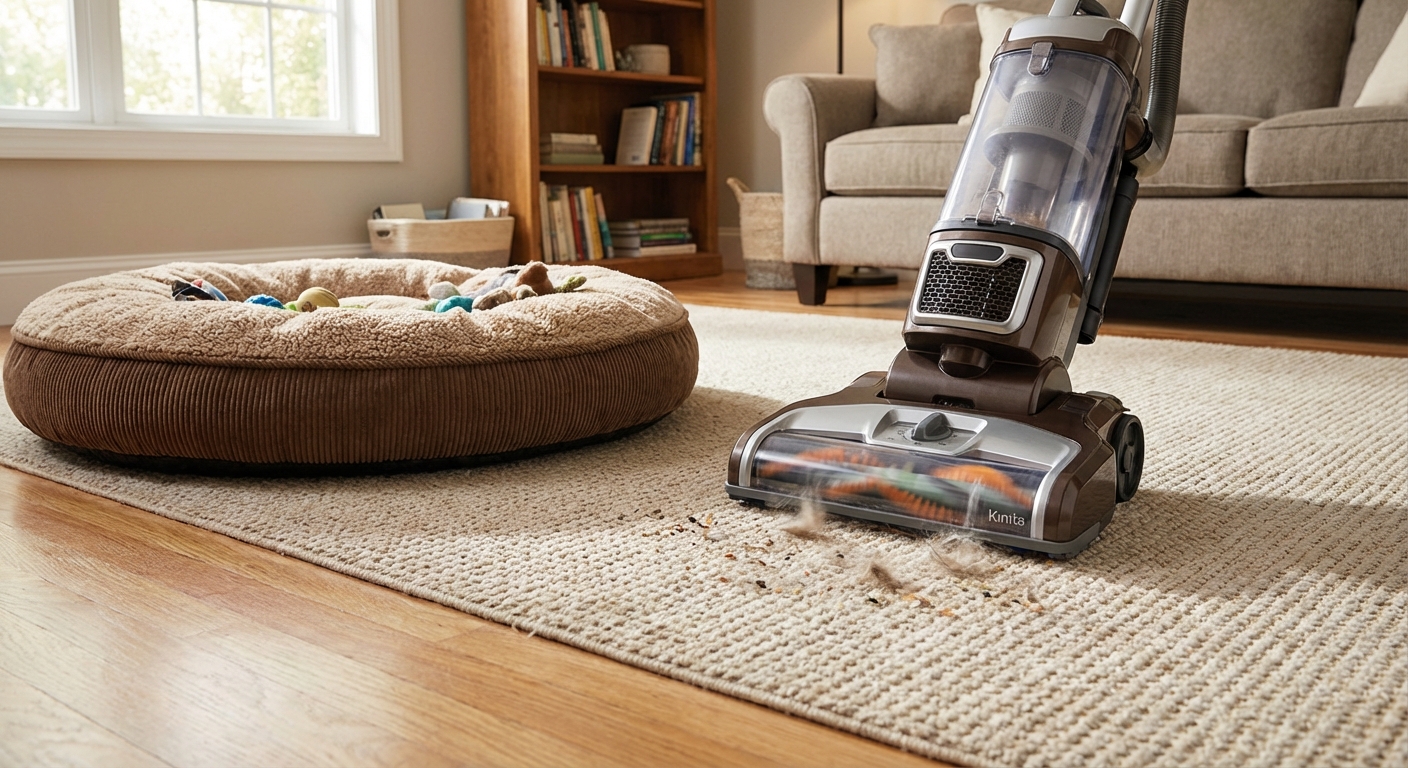
- Vacuum daily for the first 7 to 10 days, then 2 to 3 times per week. Focus on carpets, rugs, baseboards, under furniture, and along walls.
- Empty the vacuum outside immediately (or change the bag). Fleas can survive inside vacuum debris.
- Clean soft surfaces your dog uses: couch cushions, throw blankets, dog car seats.
One helpful mindset shift: vacuuming can also stimulate pupae to emerge. That sounds gross, but it is actually useful because newly emerged fleas are easier to kill with consistent pet treatment and cleaning. This is one reason you may notice flea activity before it drops off.
Home sprays and IGRs
If you decide to use an environmental flea product indoors, look for one that includes an IGR (insect growth regulator). IGRs help prevent eggs and larvae from developing into biting adults, which is key for breaking the cycle.
A quick caution from the clinic side: total-release foggers (bug bombs) often miss the spots where fleas hide (deep carpet, under furniture). If you use any spray or treatment, follow directions exactly and keep pets and kids away until the area is fully dry and ventilated.
Step 3: treat the yard
Here in Texas, fleas can be a year-round battle, especially in shaded, humid areas and during mild winters. Fleas love places where pets rest outside.
Yard actions that help
- Focus on shady areas, under decks, along fences, and under bushes.
- Pick up yard debris and keep grass trimmed to reduce flea-friendly humidity.
- Wash outdoor pet bedding if you use it.
If you are considering a yard spray, choose products labeled for fleas and follow directions exactly. Keep pets away until fully dry. If you have concerns about chemical use, talk with your vet about integrated options that still work for your situation.
How long does it take?
Most families see major improvement in 24 to 72 hours after starting an effective flea medication. But completely breaking the life cycle usually takes 3 to 8 weeks depending on how heavy the infestation is and how consistent the home cleaning is. In some homes, especially with lots of carpet or a heavy pupal stage, it can take longer.
Expect to see some fleas even after treatment begins. That does not always mean failure. It often means eggs are still hatching and getting eliminated as they emerge.
When to call the vet
Home care is often enough, but some situations need medical support. Call your vet if:
- Your dog has raw skin, scabs, hair loss, a bad odor, or oozing, which can signal infection.
- Your dog is very young or very small and you suspect a heavy flea load.
- You see pale gums, weakness, or lethargy (possible anemia).
- Your dog has persistent itching even after fleas are controlled (could be allergies, mites, flea allergy dermatitis, or secondary infection).
- You have tapeworm segments in stool or near the rear. Fleas can transmit tapeworms, and your dog may need deworming.
Prevention: stop the comeback
The easiest flea infestation to treat is the one that never starts. Consistent prevention matters, even for indoor dogs, because fleas can hitch a ride inside on people, other pets, or visiting animals.
Best prevention habits
- Use a reliable flea preventive on schedule (set a calendar reminder).
- Treat all pets in the household consistently, not just the one that is itchy.
- Keep bedding clean and vacuum high-traffic pet zones regularly.
- Check your dog weekly with a flea comb during flea season.
- If you foster, board, or visit dog parks often, stay extra consistent.
Bottom line: you do not have to fight fleas forever. You just need a complete strategy that matches the flea life cycle and your dog’s age and health.