Stop fleas fast with a realistic, family-friendly plan. Learn the flea life cycle, how to check for flea dirt, vet-approved treatments, home cleaning steps, ...
Article
•
Designer Mixes
How to Get Rid of Fleas on a Dog

Shari Shidate
Designer Mixes contributor
As a veterinary assistant here in Frisco, Texas, I can tell you this with confidence: fleas are stubborn, but they are absolutely beatable. The key is treating your dog and your home consistently long enough to break the flea life cycle. In some situations, your yard also needs attention, especially if your pets spend a lot of time outdoors or you have shady, damp areas where fleas thrive. If you only treat one piece (or stop too soon), fleas tend to come right back.
This guide walks you through a simple, evidence-based plan you can start today, plus what to avoid so you do not accidentally make the problem worse. For product selection and any medical concerns, your veterinarian is your best source of guidance.
Know the flea life cycle
Adult fleas are the part you can see, but most of the infestation is usually hiding in the environment. Fleas go through four stages: egg, larva, pupa, and adult. Adults live on your dog and lay eggs that fall into carpets, bedding, couch cushions, and cracks in floors.
Here is why that matters: many products kill adult fleas fast, but eggs and especially pupae can keep reloading the problem for weeks. That is why consistent treatment and cleaning is everything.
Step 1: Confirm it is fleas
If your dog is itchy, do a quick check before you buy a pile of products.
What to look for
- Flea dirt: black specks on the skin, especially near the tail base and belly. If you place the specks on a damp paper towel and they turn reddish-brown, that is digested blood.
- Actual fleas: tiny, fast-moving dark insects.
- Itch pattern: many dogs itch most at the rump, back legs, and tail base.
If you are unsure, your vet can confirm with a skin and coat exam. It is worth doing, because allergies, mites, skin infections, and dry skin can look similar at first.
Step 2: Treat your dog
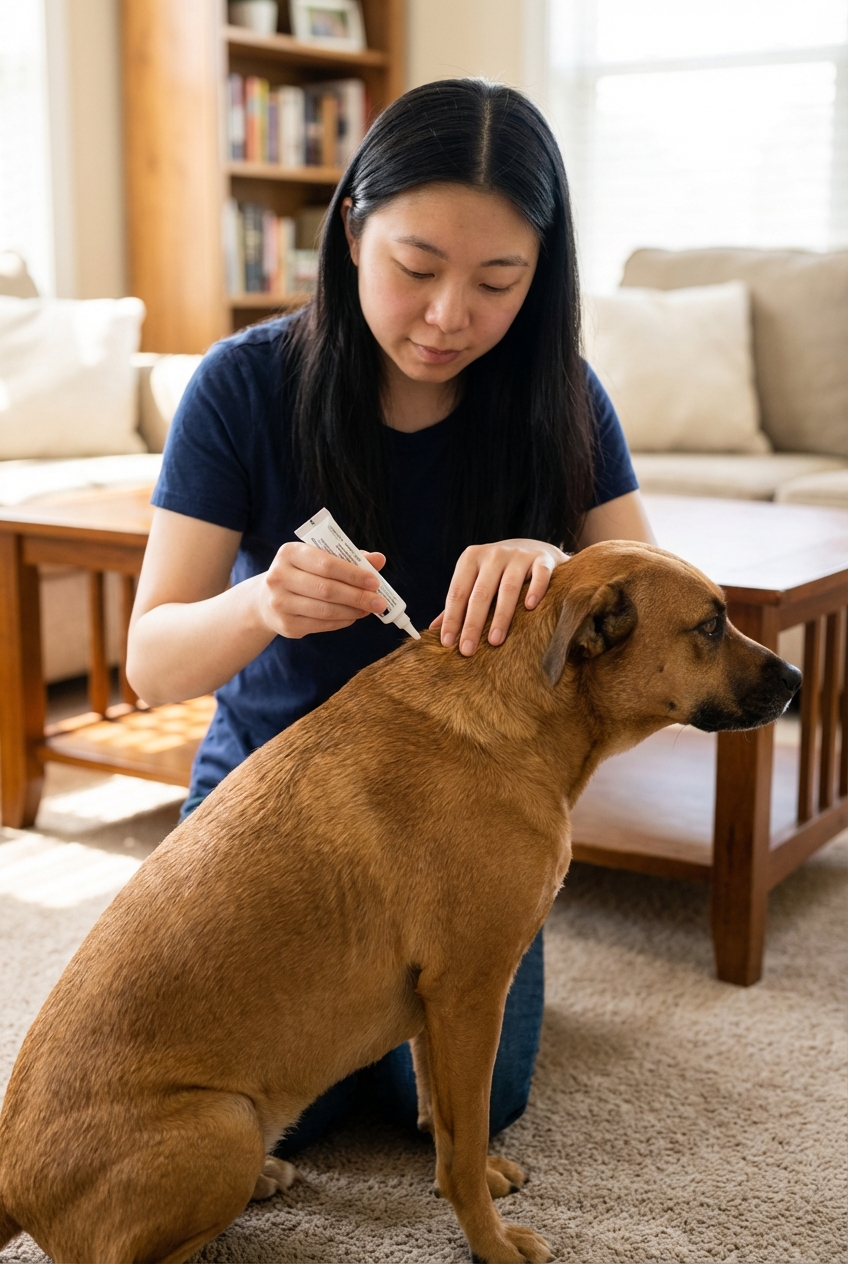
For most families, the fastest, most reliable route is a veterinarian-recommended flea preventive. These products are designed to kill adult fleas and keep working long enough to break the cycle. Many also help stop flea reproduction, which reduces how many new fleas can develop in your home.
Effective options
- Oral chewables (often monthly): tend to work quickly and are not affected by bathing or swimming. Many are prescription.
- Topical spot-on treatments: applied to the skin, typically monthly.
- Long-acting flea collars: some modern collars can be very effective when used correctly, especially as part of a full plan.
Your best choice depends on your dog’s age, weight, health history, household pets, and lifestyle. If your dog has a history of seizures or other neurologic concerns, ask your veterinarian specifically about certain flea and tick products, including some in the isoxazoline class, and what is most appropriate for your pet.
What about flea shampoos?
Flea shampoos can kill fleas on contact, but they usually do not provide lasting protection on their own. Think of shampoo as a helpful reset for heavy infestations, then follow with a long-acting preventive.
Treat every pet in the home
If you have multiple dogs or cats, all pets need appropriate flea protection. Otherwise, fleas simply hop between animals.
And please do not use dog flea products on cats. Some dog products can be dangerous for cats. If you have a mixed household, ask your vet for a cat-safe flea plan too, since cats often need their own species-specific products.
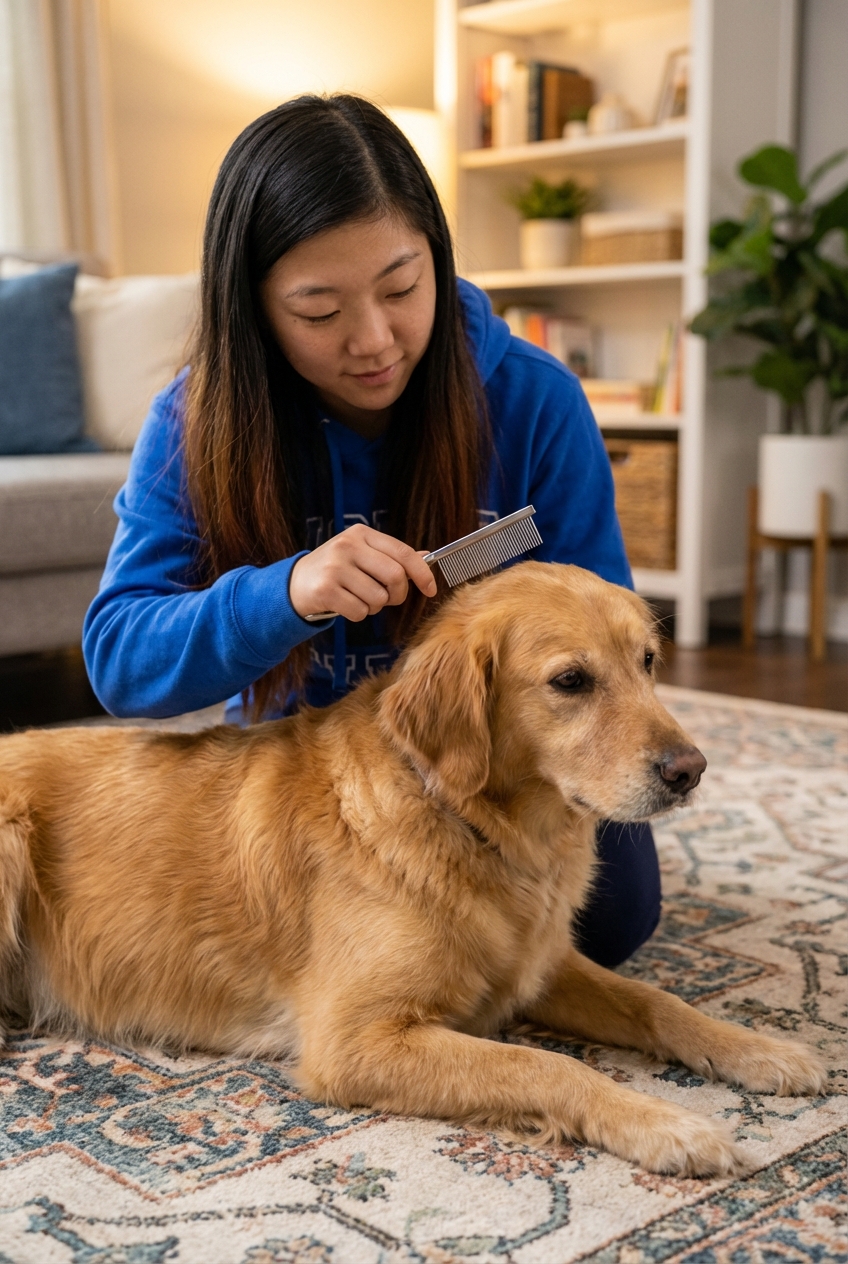
Step 3: Use a flea comb
A simple flea comb is one of my favorite low-tech tools. It will not solve a full infestation by itself, but it can reduce the number of adult fleas and help you track progress.
How to comb
- Comb slowly, especially around the tail base, groin, belly, and neck.
- Dip the comb frequently into a cup of warm water with a small amount of dish soap to trap and kill fleas.
- Do this daily for several days if your dog is very itchy.
Step 4: Treat your home
If fleas are present, assume eggs are already in your environment. Your goal is to remove as many eggs, larvae, and adults as possible, and keep steady pressure on the cycle for several weeks. Pupae are the hardest stage to eliminate and can continue to emerge even when you are doing everything right.
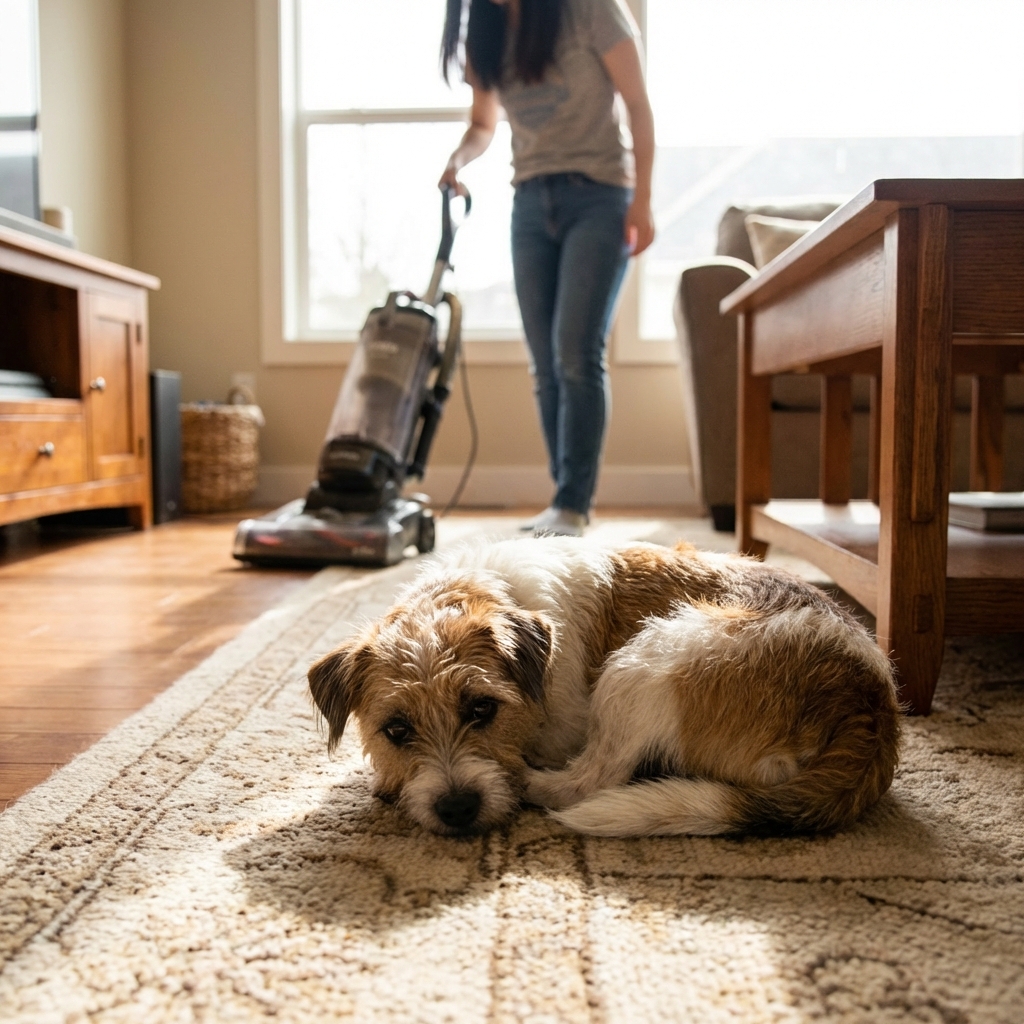
Vacuum thoroughly
- Vacuum carpets, rugs, baseboards, under furniture, and couch cushions.
- Vacuum daily for 7 to 14 days if the infestation is active, then several times a week as things improve.
- Empty the canister or replace the bag right away. Seal debris in a trash bag and take it outside.
Vacuuming helps by physically removing flea stages. It can also encourage some pupae to emerge because of vibration and activity, which is helpful when your pet is on a preventive that kills newly emerged adults.
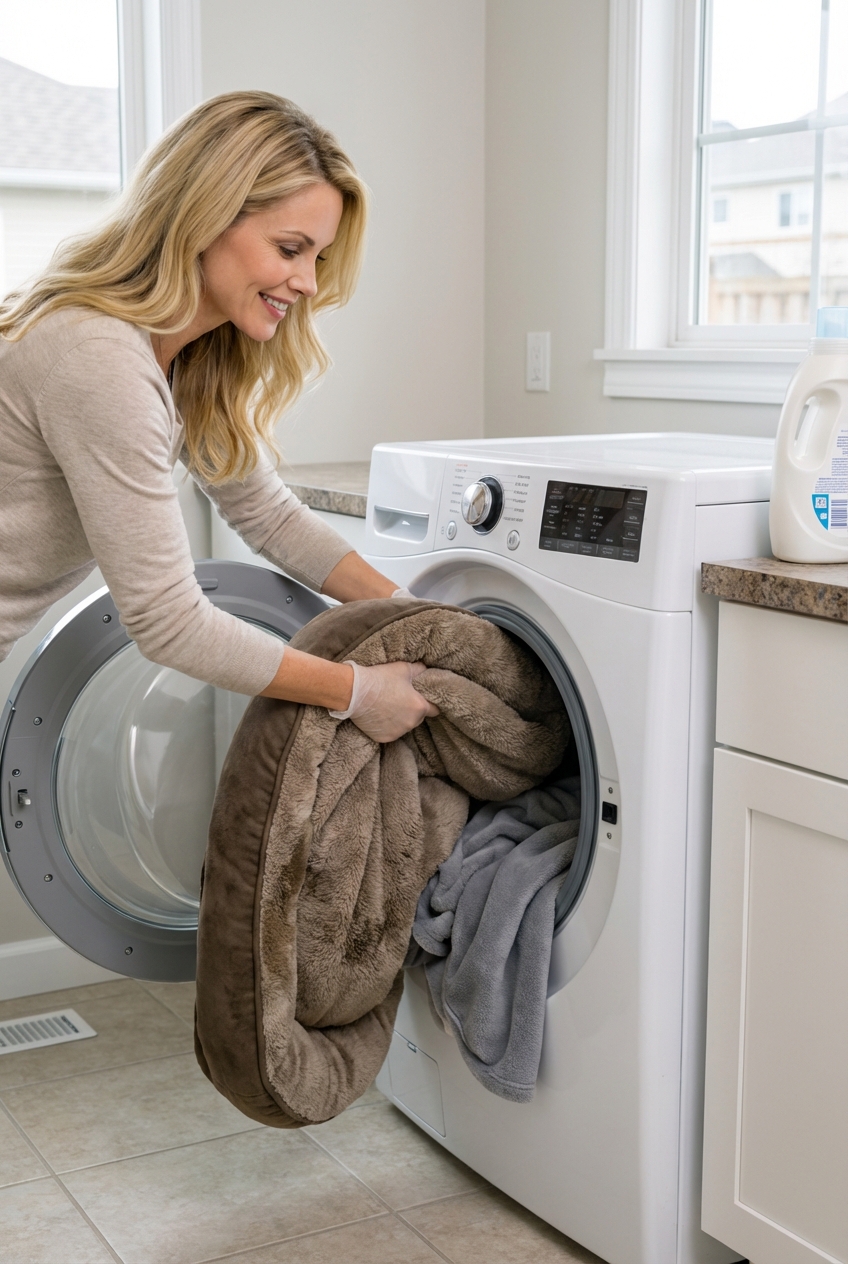
Wash bedding and soft surfaces
- Wash bedding, blankets, and washable covers in hot water and dry on high heat.
- If your dog sleeps on your bed or the couch, wash those linens too.
- Do not forget throw covers, crate pads, and removable cushion covers.
If possible, limit your pet’s access to heavily infested rooms until you have vacuumed and washed fabrics. It helps keep eggs and flea dirt from spreading from room to room.
Consider a home spray if needed
For heavy infestations, an EPA-registered home spray can help, especially products that include an insect growth regulator (IGR). IGRs help prevent eggs and larvae from developing into biting adults.
Skip the flea fogger or bomb in most cases. They often do not reach the deep areas where fleas develop (like carpet fibers and under cushions), and they can increase unnecessary exposure to pesticides.
If you use a home product, follow the label exactly and keep pets and people away until the area is fully dry and ventilated.
Step 5: Yard basics
In Texas, fleas can be a near year-round issue. Shady, moist areas can become flea-friendly zones.
Yard steps that help
- Mow regularly and remove leaf litter.
- Focus on shaded areas where pets rest.
- Limit wildlife access when possible (raccoons, feral cats, opossums can carry fleas).
When yard treatment makes sense
- Your pet spends hours outside daily (especially in shaded runs or under decks).
- You repeatedly see fleas on pets despite consistent on-pet prevention and indoor cleaning.
- There is a specific outdoor resting area that stays damp or shaded most of the time.
Many flea problems resolve with consistent pet prevention plus indoor cleaning alone. If you choose a yard product, use pet-safe options and follow label directions carefully. When in doubt, ask your vet or a licensed pest professional what is appropriate for your setup.
What to avoid
- Stopping too soon: most flea comeback stories are really incomplete life cycle control. It typically takes 8 to 12 weeks of consistent prevention and cleaning to fully break the cycle, sometimes longer in heavy infestations.
- Stacking pesticides: using multiple pesticides at once without guidance can increase side effects. Ask your vet what combinations are safe.
- DIY essential oil blends: many essential oils can irritate skin, trigger breathing issues, or be toxic, especially for cats.
- Using dog products on cats: this deserves repeating because it is a common and serious hazard.
- Unregulated or counterfeit products: choose reputable, vet-recommended, FDA-approved or EPA-registered products (depending on the type), and check expiration dates.
When to call your vet
Fleas are not just annoying. They can cause real medical issues, especially for small dogs, seniors, and pets with allergies.
Call if you notice
- Persistent itching despite treatment after a few weeks
- Hair loss, scabs, hot spots, or oozing skin
- Pale gums, weakness, or lethargy (possible anemia in severe cases)
- Tapeworm segments (fleas can transmit tapeworms)
- Your pet is under 8 weeks old, very small, pregnant, nursing, or has chronic illness
Also call if fleas seem to be continuing despite a good plan. Common causes include missed doses, an untreated pet in the home, frequent re-exposure (dog parks, grooming, boarding), or using an expired or unreliable product. Your veterinarian can help you adjust the approach safely.
A simple 14-day plan
If you want a clear starting point, here is a plan I often share with pet parents. This jump-starts control, but keep in mind you will still need to stay consistent beyond two weeks to fully break the flea cycle.
Day 1
- Start a veterinarian-recommended flea preventive on every pet in the home.
- Flea comb session.
- Wash bedding and vacuum thoroughly (including under cushions and furniture).
Days 2 to 7
- Vacuum daily.
- Flea comb daily if your dog is still itchy.
- Wash bedding again mid-week.
Days 8 to 14
- Vacuum every other day.
- Continue monitoring with the flea comb.
- Keep pets on prevention without skipping doses.
Most homes see a big improvement quickly, but it is normal to see occasional fleas for a few weeks as pupae emerge. That does not automatically mean the product failed. Staying consistent is what wins.
The bottom line
You do not have to live with fleas, and you do not have to panic-buy ten products. Choose one solid flea preventive for your dog, treat all pets, clean the home thoroughly, and give it enough time to break the cycle. Add yard steps when your situation calls for it.
If you want, take a quick photo of your dog’s skin or the flea dirt you are seeing and share it with your vet. Getting the right diagnosis and the right product the first time saves money, stress, and a whole lot of scratching.