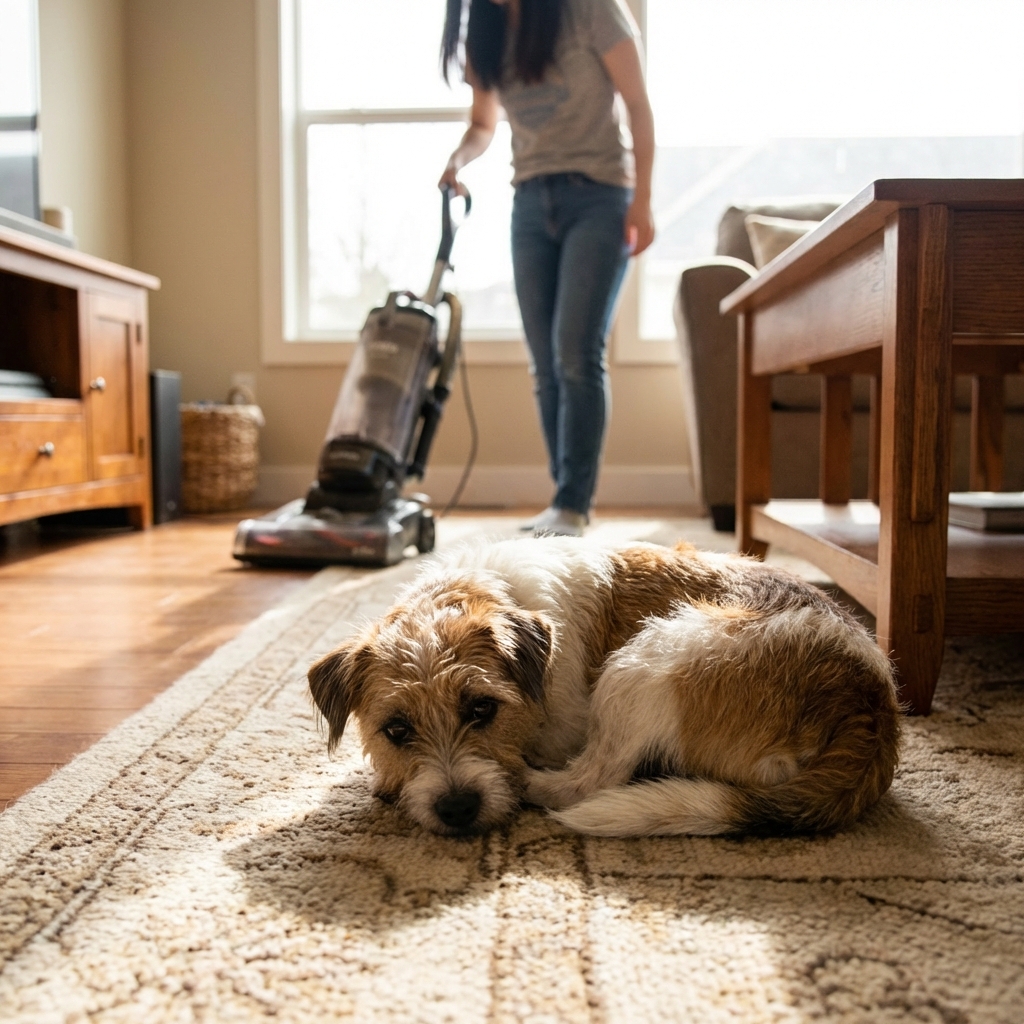
A practical step-by-step plan for fleas in your bed: confirm fleas vs bed bugs, treat every pet, wash and high-heat dry bedding, vacuum daily, and prevent re...
Article
•
Designer Mixes
How to Get Rid of Fleas in Bed

Shari Shidate
Designer Mixes contributor
If you have fleas in your bed, you are not imagining it. Fleas can hitch a ride on pets, blankets, and even pant legs, then end up wherever pets rest and where fibers, dust, and cracks give them a place to hide. The good news is that you can get meaningful relief today, and you can break the cycle long-term with a simple, well-established plan.
First, confirm it is really fleas
Bed bugs and fleas can both cause itchy bites, but the treatment is different. Fleas are also usually part of a bigger home and pet issue.
Quick ID checks
- Look for flea dirt: tiny black specks on sheets or where pets sleep. Put the specks on a damp white paper towel. If they smear reddish-brown, that is digested blood and strongly suggests fleas.
- Watch your pet: frequent scratching, chewing at the base of the tail, or hair thinning can point to fleas.
- Check the bite pattern: flea bites often show up on ankles and lower legs, but if fleas are in bedding you may see small clusters anywhere skin touches sheets.
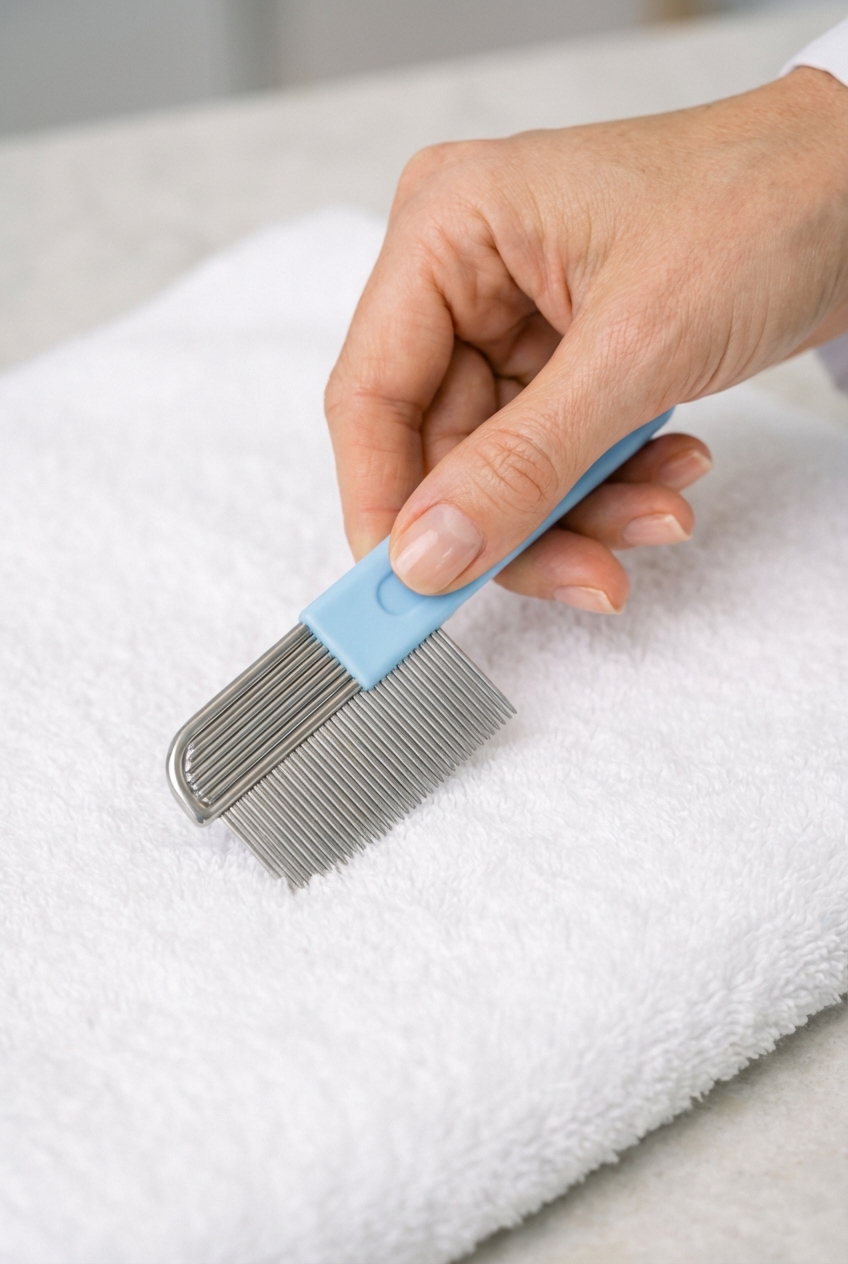
- Use a flea comb: comb your dog or cat over a white towel. If you see fast-moving dark insects or flea dirt, you have your answer.
If you have visible insects but no pet exposure, or bites appear in lines after sleeping, consider bed bugs and contact a pest professional. If you are unsure, take a clear photo of the insect and ask your veterinarian or a local extension office for help identifying it.
Do this today: fast relief
Fleas have a life cycle that includes eggs, larvae, and pupae. Adult fleas can bite right away, but eggs and larvae are what keep the problem going, and pupae can be stubborn. Your goal today is to remove as many live fleas and eggs as possible, then make the environment unfriendly for what is left.
Step 1: Strip the bed
- Remove sheets, pillowcases, blankets, comforter cover, and any pet blankets.
- Place everything directly into sealed trash bags or a covered laundry basket so you do not sprinkle eggs through the house.
Step 2: Wash and dry on heat
Heat is one of the most reliable tools you have. Wash items in hot water if the fabric allows, then dry on the hottest setting the material can safely tolerate. Aim for at least 30 minutes on high once the dryer is fully hot, and follow garment care labels. The dryer heat is often the most important part.
- Delicates: If you cannot wash hot and cannot safely use high dryer heat, seal the item in a bag to prevent spreading fleas through the house and take it for professional dry cleaning or cleaning per the manufacturer’s instructions.
- Pillows: Many can be dried on high heat even if they cannot be washed. Check the tag first.
Step 3: Vacuum thoroughly
Vacuuming is not just cosmetic. It physically removes fleas, eggs, and flea dirt, and it can stimulate pupae to emerge so they can be removed later.
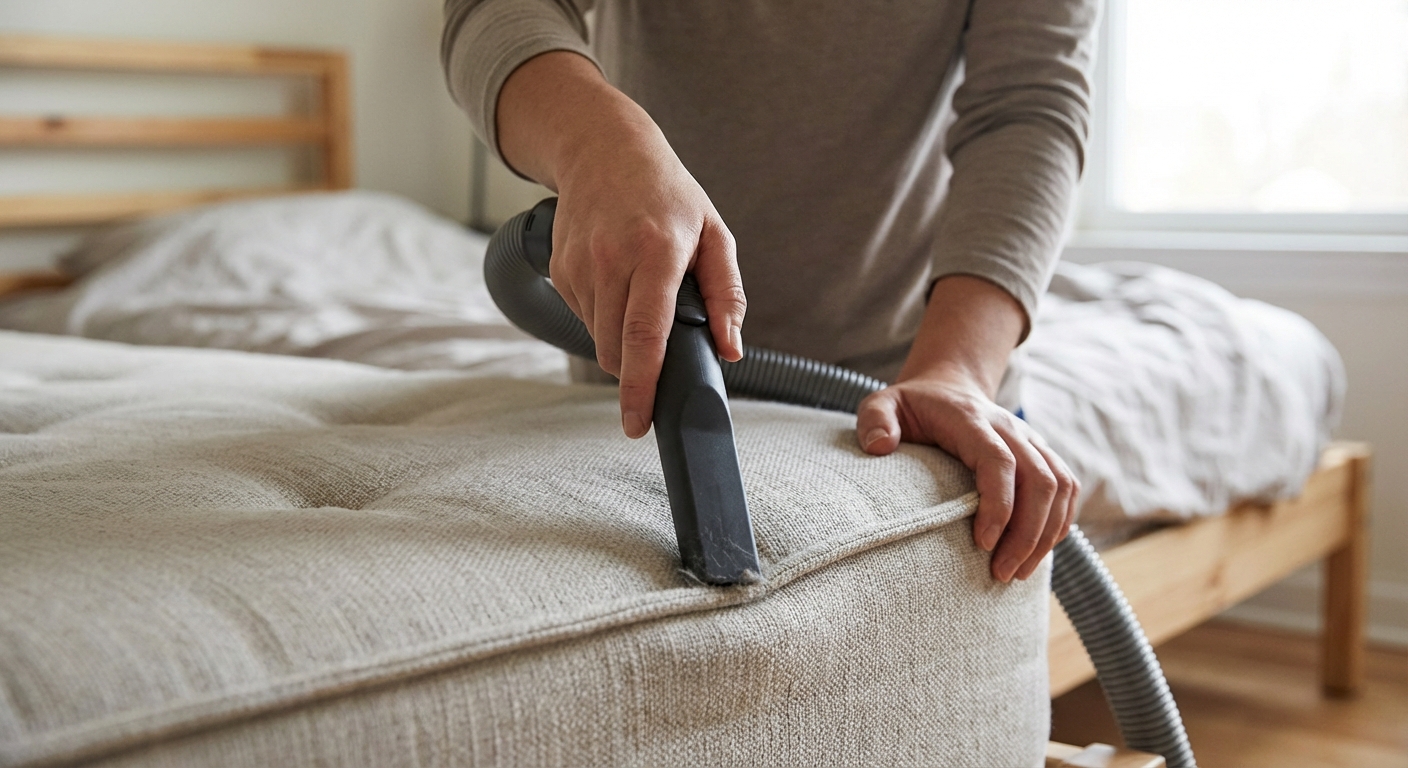
- Use the crevice tool along seams, piping, and tufts of the mattress.
- Vacuum the bed frame joints, headboard cracks, and under the bed.
- Vacuum 3 to 6 feet around the bed, including baseboards and rug edges.
- After vacuuming: immediately empty the canister into a sealed bag and take it outside, or remove the vacuum bag and dispose of it.
Treat the bed area safely
You want something effective, but you also want something safe for skin contact and for pets who may jump on the bed.
Safety note: Do not apply insecticides or powders directly to sheets, pillows, or sleep surfaces unless the product label explicitly says it is safe and intended for that use. Always follow label directions.
Best options for most homes
- Steam (high heat): A handheld steamer used slowly over mattress seams and bed frame cracks can kill fleas and eggs when used correctly. Move steadily and avoid soaking fabrics.
- Mattress and pillow encasements: Zippered encasements can help trap anything left inside and make future cleaning and monitoring easier. They also reduce hiding places in seams. Keep them on for several months, and many people choose to leave them on long-term.
- Insect Growth Regulator (IGR) for the room, not the sheets: Products containing methoprene or pyriproxyfen help stop eggs and larvae from becoming biting adults. Follow label directions exactly and keep pets and people out until fully dry.
Use caution with these
- Essential oils: Some are toxic to cats and irritating to lungs and skin. They are not my first choice for a bedroom.
- “Bombs” or total release foggers: They often do not reach deep crevices where fleas develop and can create unnecessary exposure. Targeted treatment plus vacuuming tends to work better.
- Rubbing alcohol sprays: Flammable and can damage fabrics. Not recommended for bedding.
About diatomaceous earth
Food-grade diatomaceous earth can damage the waxy outer layer of insects, but it is messy and the dust can irritate lungs. If you use it, apply a very light layer in cracks and along baseboards, avoid creating airborne dust, and keep pets away during application. Vacuum it up later.
The real key: treat pets and the home
As a veterinary assistant, this is the part I do not want you to skip. If fleas are in your bed, they are most commonly coming from a pet, wildlife or rodents, or areas where animals rest.
Pet treatment
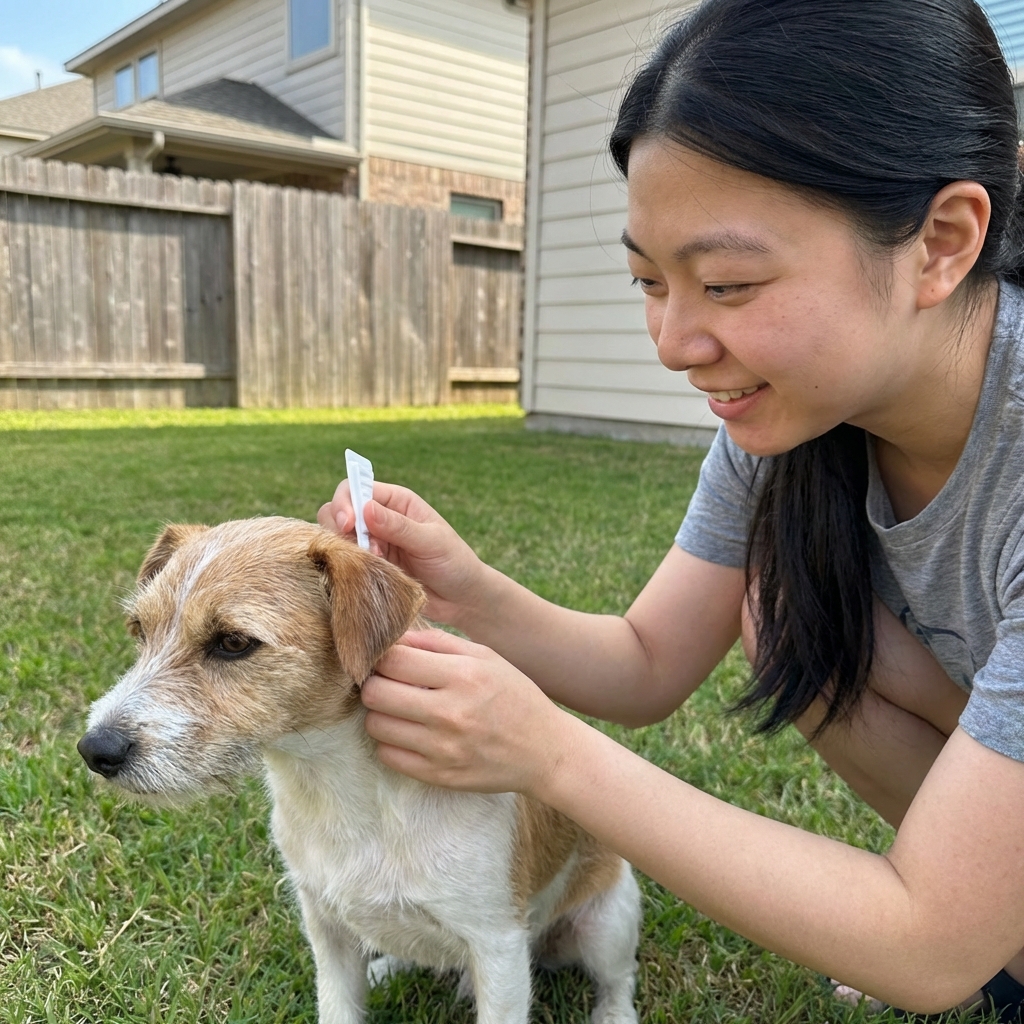
- Use a veterinarian-recommended flea preventive: modern oral or topical products can kill adult fleas quickly and prevent reproduction. Your vet can help you choose the right option for your pet’s age, weight, and health history.
- Treat every pet in the home: even the one that “does not itch.” Fleas happily move between animals.
- Avoid mixing products unless your vet specifically tells you it is safe. Doubling up can cause toxicity.
- Permethrin warning: Never use permethrin-containing dog flea products on cats, and prevent cats from contacting recently treated dogs until the label says it is safe.
If your pet has pale gums, weakness, severe lethargy, or intense itching with skin infection, call your veterinarian promptly. Heavy flea infestations can cause anemia, especially in puppies, kittens, and small dogs. If you notice black, tarry stool, treat it as an urgent medical sign and call a veterinarian right away. It can indicate internal bleeding and is not specific to fleas.
Care for bites
Flea bites are miserable, but most improve with basic skin care.
- Wash bites with soap and water, then use a cool compress for itching.
- Consider an over-the-counter anti-itch option you tolerate well, such as an oral antihistamine or a small amount of 1 percent hydrocortisone cream, following the package directions.
- Avoid scratching. It increases the risk of infection.
Seek medical care urgently if you have trouble breathing, swelling of the lips or face, widespread hives, fever, or signs of skin infection like spreading redness, warmth, pus, or severe pain. For babies, young children, and anyone with a history of severe allergies, err on the side of calling a clinician.
48-hour and 14-day follow-up
Flea control is about consistency. You can feel better quickly, but you still need follow-through to stop the next generation from emerging.
In the next 48 hours
- Vacuum the bedroom and nearby areas again.
- Wash pet bedding and the blanket your pet sleeps on, even if it is not on your bed.
- Limit pet access to the bed until the pet is on effective prevention and the room is under control.
Over the next 14 days
- Vacuum every 1 to 2 days if possible, focusing on rugs, couch cushions, and pet zones.
- Launder bedding weekly on heat.
- Recheck pets with a flea comb twice a week.
What to expect: You may still see occasional fleas for a couple of weeks even when you are doing everything right. Pupae can be resistant and may emerge when vibrations and warmth signal a host is nearby. Consistent vacuuming plus reliable pet prevention is what usually turns the corner.
Most “flea failures” happen because the home was cleaned once, but the pet was not put on a reliable preventive. If you stop the fleas on the pet, you stop the fuel source.
When to call a pro
Call a licensed pest control professional if:
- You are seeing fleas despite treating pets and vacuuming consistently for 2 to 3 weeks.
- You have wall-to-wall carpet and multiple pets, and the infestation is heavy.
- Someone in the home has asthma or respiratory sensitivity and you want a low-exposure plan.
- You cannot confidently identify the insect, or bites persist but you never see fleas or flea dirt.
Ask if they use an IGR as part of treatment. That life-cycle interruption is often what helps the most.
Prevent fleas from coming back
- Keep pets on year-round prevention: This is especially important in warm climates and in homes with wildlife exposure.
- Groom and comb weekly: Early detection saves so much stress.
- Wash pet bedding weekly: Hot wash, hot dry when fabric allows.
- Vacuum pet zones regularly: rugs, sofas, dog beds, and under furniture.
- Watch the yard: fleas thrive in shady, humid areas. Keep grass trimmed and remove debris where pets rest.
If you are feeling overwhelmed, take it one step at a time. Strip, wash, vacuum today. Then treat the pet and stay consistent for two weeks. That sequence is what breaks the cycle.