From “coffee ground” ear debris to nonstop scratching, learn how vets diagnose ear mites and the most effective treatments, safe ear cleaning steps, and ...
Article
•
Designer Mixes
How to Get Rid of Ear Mites in Cats

Shari Shidate
Designer Mixes contributor
If your cat is shaking their head like they have water in their ears, scratching nonstop, or acting downright grumpy about being touched near the face, ear mites may be the culprit. As a veterinary assistant, I can tell you this is a very common cause of itchy ears in cats, especially in kittens and multi-pet homes, and the good news is that ear mites are very treatable when you use the right steps.
In this guide, I will walk you through what ear mites are, how to recognize them, what actually works to get rid of them, and how to keep them from coming back. I will also flag the moments when it is time to stop DIY and call your veterinarian, because some ear problems look similar but need totally different care.
What ear mites are
Ear mites, most commonly Otodectes cynotis, are tiny parasites that usually live in the ear canal and feed on skin debris and wax. In some cases, they can also be found on the skin around the ears and head.
Ear mites spread through close contact. That means one untreated pet can keep reinfecting the others, even if only one is showing obvious symptoms.
Why they matter
Ear mites cause intense itchiness and inflammation. If left untreated, some cats develop painful ear infections, ear hematomas (a blood-filled swelling on the ear flap from aggressive scratching), or chronic ear canal irritation.
Signs of ear mites
Many owners describe it as “my cat suddenly cannot stop scratching.” Here are the most common signs we see in clinic:
- Frequent head shaking
- Scratching at the ears or rubbing the head on furniture
- Dark, crumbly debris in the ear that can look like coffee grounds
- Red, inflamed ear canals
- Scabs around the ears from scratching
- Hair loss near the ears
- Bad ear odor (this often suggests infection, not just mites)
Important: Not every itchy ear is ear mites. Yeast, bacteria, allergies, ear polyps, and foreign material can cause similar symptoms. A quick ear exam and microscope check at your vet is the fastest way to be sure.
See a vet now if
Please book a veterinary visit promptly if you notice any of the following:
- Head tilt, stumbling, or balance issues
- Swelling of the ear flap (possible hematoma)
- Bleeding, open wounds, or severe pain when the ear is touched
- Foul odor, pus-like discharge, or very wet discharge
- Your cat is lethargic, not eating, or acting unwell
- Your cat is a kitten under 8 weeks, senior, pregnant, or has other medical conditions
- You have treated and symptoms return quickly
These signs can indicate a middle or inner ear issue, a secondary infection, or a different diagnosis entirely.
Treatment steps
Step 1: Confirm the cause
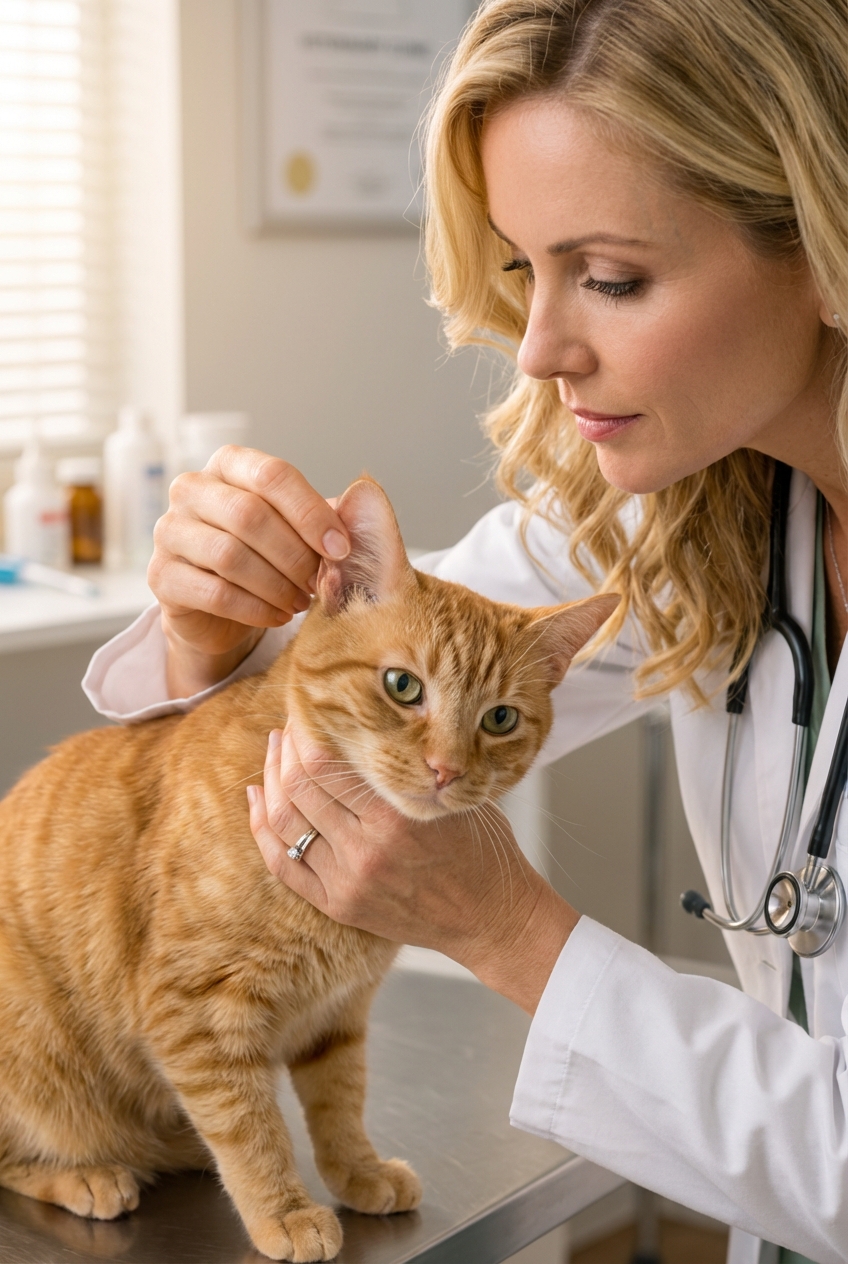
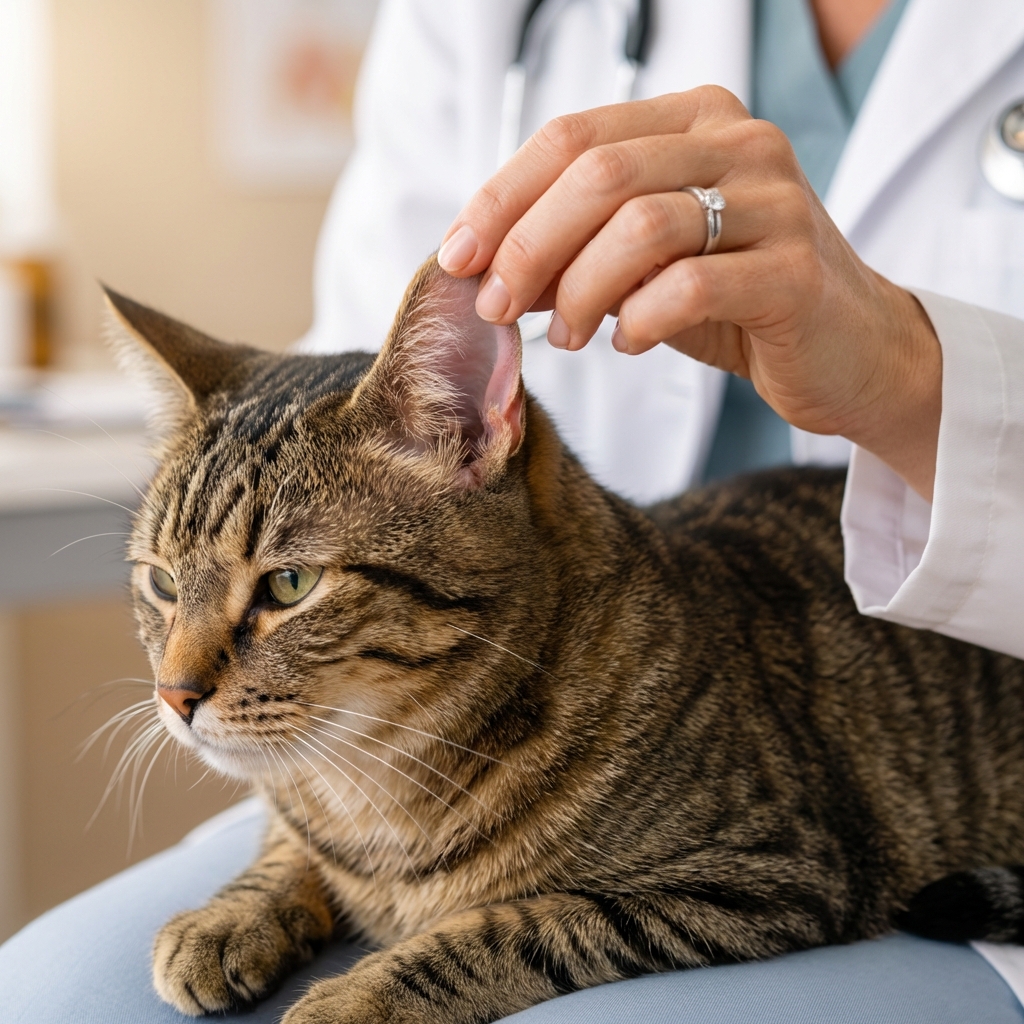
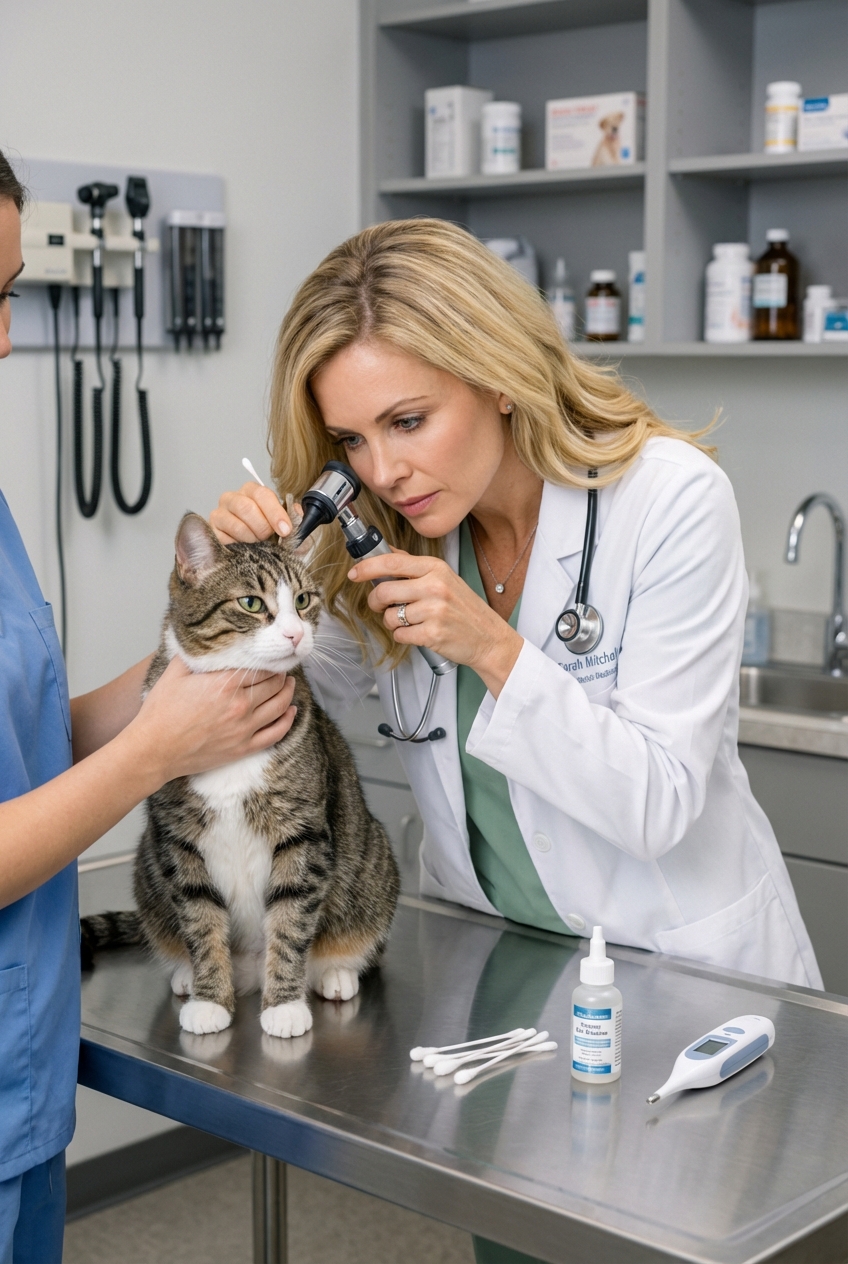
The most reliable route is a vet exam. A veterinary team can look into the ear canal with an otoscope and check debris under a microscope. If the ear is very painful, some cats need medication for comfort or even gentle sedation for a thorough exam and safe cleaning.
This matters because the treatment plan for mites is different than the plan for yeast or bacteria. Your vet may also do ear cytology to check for secondary infection, which is a common reason symptoms linger.
Step 2: Use a proven medication
Ear mites are parasites, so you need a parasite-killing product. Evidence-based options your veterinarian may recommend include prescription topical treatments (often applied to the skin, not deep in the ear) or ear medications specifically labeled for mites.
Important: Some modern flea and tick preventatives also treat ear mites, but not all of them. Your vet can guide you to an appropriate option based on your cat’s age, weight, health history, and what other pets share the home. (Common vet-used actives for mites may include selamectin, moxidectin in combination products, or fluralaner in some regions, depending on labeling and local availability.)
Safety warning: Never use dog parasite products on cats. Products containing permethrin or other pyrethroids can be toxic to cats, even in small amounts. If you think your cat was exposed, call your vet or a pet poison hotline right away.
Step 3: Treat close-contact pets
In households with multiple cats (and sometimes dogs), treating only one pet is a common reason mites “keep coming back.” Ask your veterinarian which pets should be treated and with what, even if they look fine.
Step 4: Clean ears only if it is safe
Cleaning can help remove debris and soothe irritation, but it needs to be done gently and correctly. If the ear drum is not intact, or the ear is severely inflamed, some cleaners and techniques can do harm. When in doubt, skip cleaning until your vet has looked inside.
- Use a cat-safe ear cleaner recommended by your vet.
- Do not use hydrogen peroxide, alcohol, vinegar, or essential oils in the ear.
- Do not insert cotton swabs into the ear canal. It can push debris deeper and risk injury.
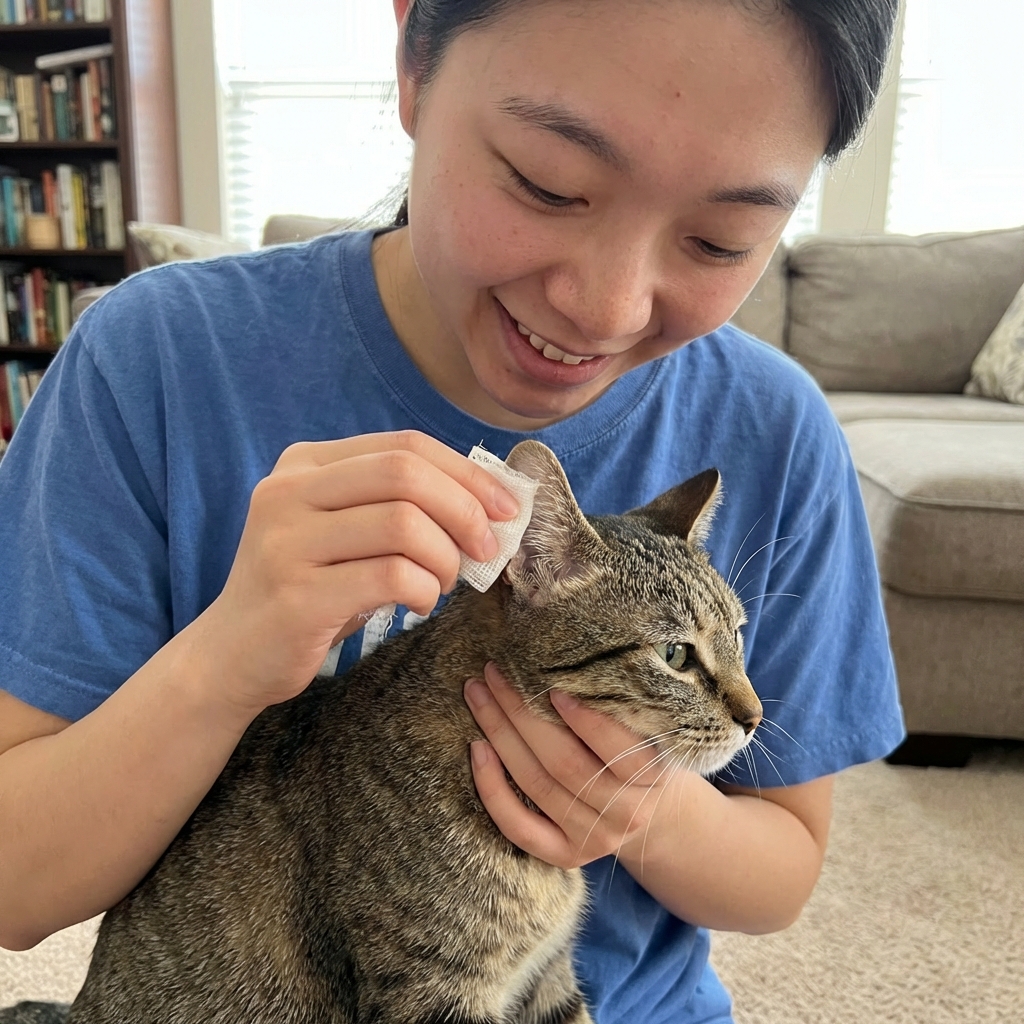
If you are instructed to clean, here is the simple technique we teach:
- Warm the ear cleaner bottle in your hands for a minute so it is not cold.
- Lift the ear flap and add the recommended amount of cleaner.
- Gently massage the base of the ear for 20 to 30 seconds.
- Let your cat shake their head.
- Wipe away loosened debris from the outer ear with cotton or gauze.
If your cat cries out, the ear looks very swollen, or you see blood, stop and call your vet.
How long it takes
Many cats feel relief within a few days of starting the right medication, but getting rid of mites completely can take longer. Depending on the product and whether there is a secondary infection, treatment often runs 2 to 4 weeks, and sometimes longer. Follow your veterinarian’s instructions and the product label exactly.
Do not stop early just because the scratching improves. Incomplete treatment is a common cause of recurrence.
Why mites return
- One pet was missed: mites spread easily through contact.
- Follow-up was skipped: some cats also have bacterial or yeast infections that need separate medication.
- The wrong product was used: not all ear medications kill mites.
- Overcleaning: irritated ears can get worse with too much cleaning.
- Dog products were used on a cat: this can be dangerous.
Home remedies
I understand the temptation to use “natural” fixes, but ear mites are one of those issues where home remedies can backfire. Oils and other substances may reduce mites temporarily, but they do not reliably clear an infestation, and they can trap moisture and contribute to secondary infection. Essential oils are especially risky for cats.
If you want the most cat-friendly, low-stress path: get a confirmed diagnosis, use a vet-recommended parasiticide, and treat all close-contact pets.
Prevention
Prevention is not complicated, but it does take consistency:
- Keep your cat on a veterinarian-recommended parasite prevention plan, especially if they go outdoors or live with other pets.
- Quarantine new pets until they have been checked.
- During an active case, washing bedding and vacuuming favorite lounging spots can be helpful support, but treating the animals is what truly stops the cycle.
- Schedule routine wellness exams so ear issues are caught early.
Comfort tips
Ear mites can make cats miserable. While treatment is working, these gentle steps can help:
- Trim nails to reduce self-injury from scratching.
- Provide a calm, quiet resting space away from other pets if your cat is stressed.
- Use prescribed anti-inflammatory or infection meds exactly as directed.
- Offer high-value treats during ear care so your cat builds a better association.
If ear care becomes a wrestling match, pause and ask your veterinary team for a demonstration. Small handling changes can make a huge difference for your cat and your confidence.
FAQ
Can humans catch ear mites?
It is uncommon. Ear mites prefer animal hosts, but people can rarely develop temporary itching or a rash after close contact. Ongoing infestation in humans is considered rare. If you have skin symptoms and your pet has mites, check with your healthcare provider.
Can indoor cats get ear mites?
Yes, especially if they have contact with a newly adopted pet, a visiting animal, or shared bedding with an infested cat.
Do ear mites go away on their own?
No. Without effective treatment, mites usually persist and can lead to worsening inflammation and secondary infections.