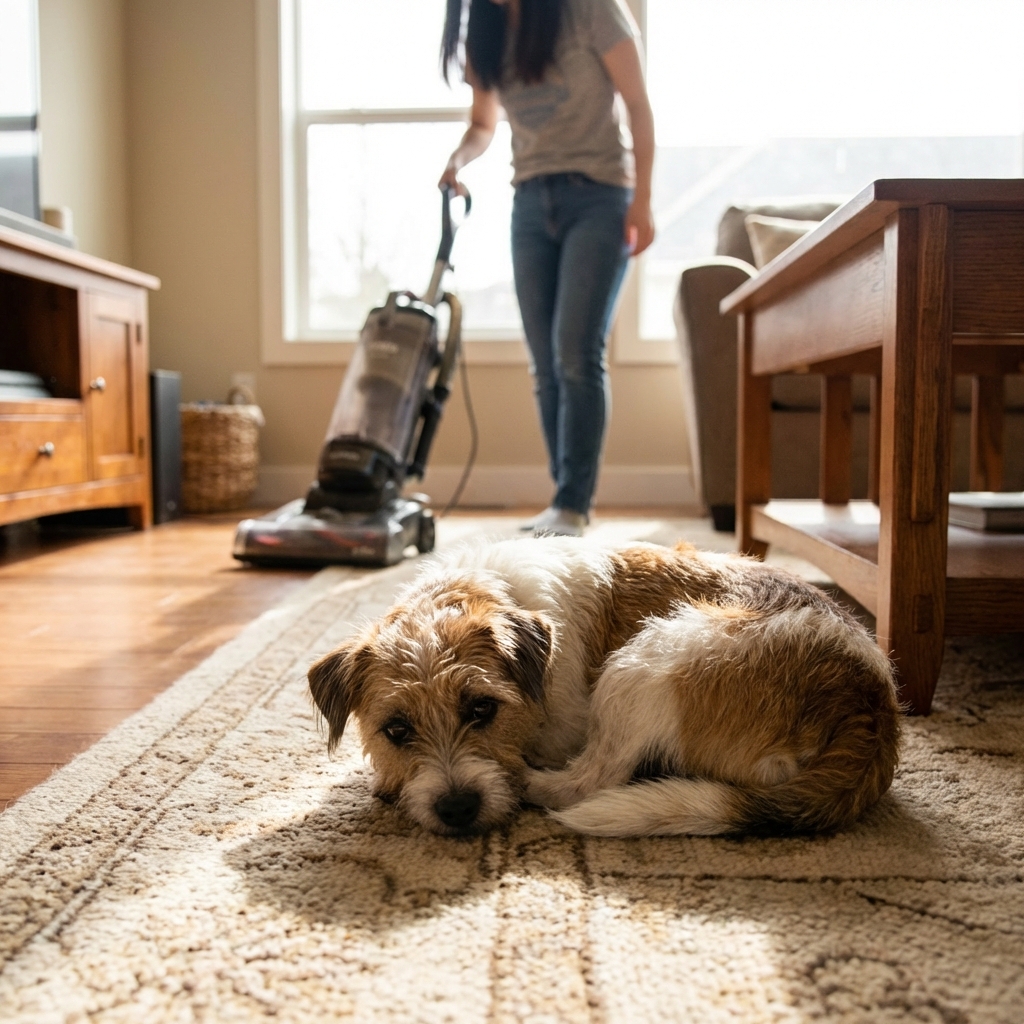
Stop fleas fast with an evidence-based plan: confirm fleas, start vet-recommended medication, bathe or comb for relief, and treat your home to break the life...
Article
•
Designer Mixes
How to Get Rid of Dog Fleas

Shari Shidate
Designer Mixes contributor
As a veterinary assistant here in Frisco, Texas, I can tell you one thing with total confidence: fleas are stubborn, but they are not unbeatable. The clever part is learning what actually works, why it works, and how to break the flea life cycle so you are not stuck in a frustrating loop of bath, scratch, repeat.
This article walks you through practical, vet-aligned steps you can start today, plus a few lesser-known facts that explain why some homes clear fleas quickly and others struggle for weeks.
Fast facts that change everything
Most fleas are not on your dog
This surprises a lot of pet parents. Adult fleas live on your dog, but eggs, larvae, and pupae live in your home and yard. In many infestations, most of the flea population is off the pet, hiding in carpet fibers, couch seams, pet bedding, and cracks along baseboards.
Flea pupae are why fleas “come back”
Pupae sit inside a sticky cocoon that protects them from many sprays and cleaners. They can wait weeks and, in some homes, even months, then hatch when they sense vibration, warmth, or carbon dioxide. That is why you can treat everything and still see fleas later. It does not always mean the product failed.
One or two fleas usually means more
If you spot a flea, treat it like a smoke alarm. Fleas reproduce quickly, and the eggs fall off the coat easily. Catching it early is the easiest win.
Step 1: Confirm it is fleas
Itchy skin has many causes: allergies, mites, infections, and dry skin are common. Before you throw ten products at the problem, do a quick check.
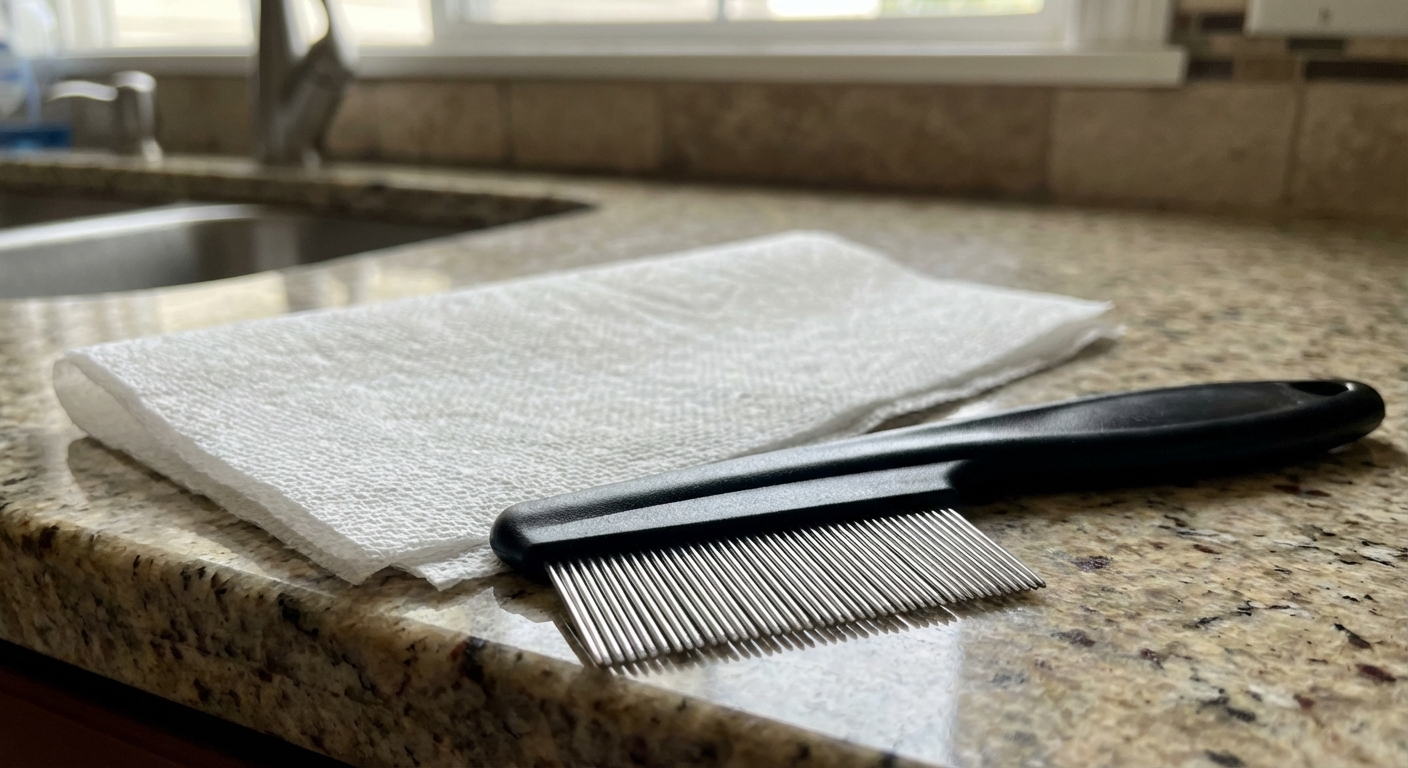
- Look for flea dirt: Tiny black specks, especially near the tail base and belly. If you place the specks on a damp white paper towel and they turn reddish-brown, that is digested blood.
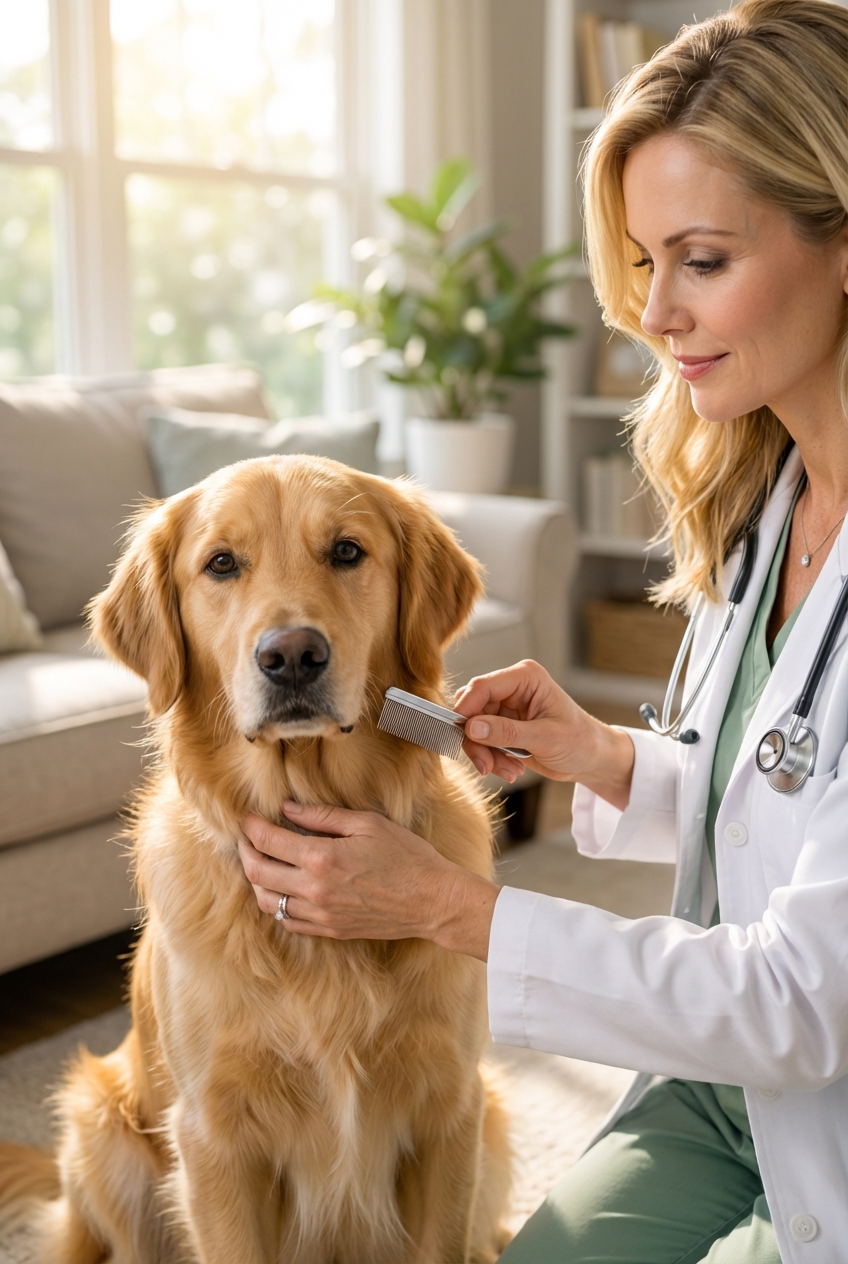
- Use a flea comb: Comb along the neck, back, and tail base. Adult fleas are fast and dark brown.
- Watch for tapeworm segments: Fleas can transmit tapeworms. If you see rice-like pieces near the anus or in bedding, call your veterinarian.
Step 2: Treat every pet
Here is the truth I see over and over in clinic: the quickest way to stop new eggs from entering your home is an effective flea preventive on every pet in the household. If you only treat the itchy dog and not the cat, or vice versa, fleas keep cycling.
Vet-recommended preventives are the backbone
Modern flea preventives, whether oral or topical, are designed to kill fleas fast and keep working for weeks. Your veterinarian can help you pick the safest option based on age, weight, medical history, and other medications.
- Oral preventives: Often work quickly and are not affected by bathing. Great for dogs who swim often. Depending on the product, fleas may need to bite to be exposed.
- Topical preventives: Can be very effective when applied correctly and consistently. Some kill by contact, and some require a bite. Your veterinarian can help you choose.
- Newer-generation flea collars: Some vet-recommended collars can be effective, but fit and correct use matter.
Baths help, but rarely solve it
A bath can remove and kill some adult fleas, especially with a veterinarian-approved flea shampoo, but it does not protect your dog next week. Think of bathing as a supportive step, not the whole plan.
Important safety note: Never use dog flea products on cats. Keep cats away from dogs until topical products are fully dry if your veterinarian recommends it. Some ingredients that are safe for dogs can be dangerous for cats.
Quick note for cat households
If you have a cat in the home, use a cat-labeled preventive (and the correct weight range) even if your cat “never goes outside.” Fleas ride in on people, dogs, and wildlife near doors and patios, and cats can keep the cycle going without obvious scratching.
Age and weight matter: Many flea products have minimum age and weight limits, especially for very young puppies and kittens. When in doubt, ask your veterinarian before dosing.
Step 3: Treat the home
If you want the infestation to end, the home routine matters just as much as the pet treatment. The goal is to remove eggs and larvae and to encourage pupae to emerge so the new adults quickly die after jumping on a protected pet. Even with great treatment, you can still see a few fleas for a while due to ongoing emergence.
Vacuuming is one of the smartest tools
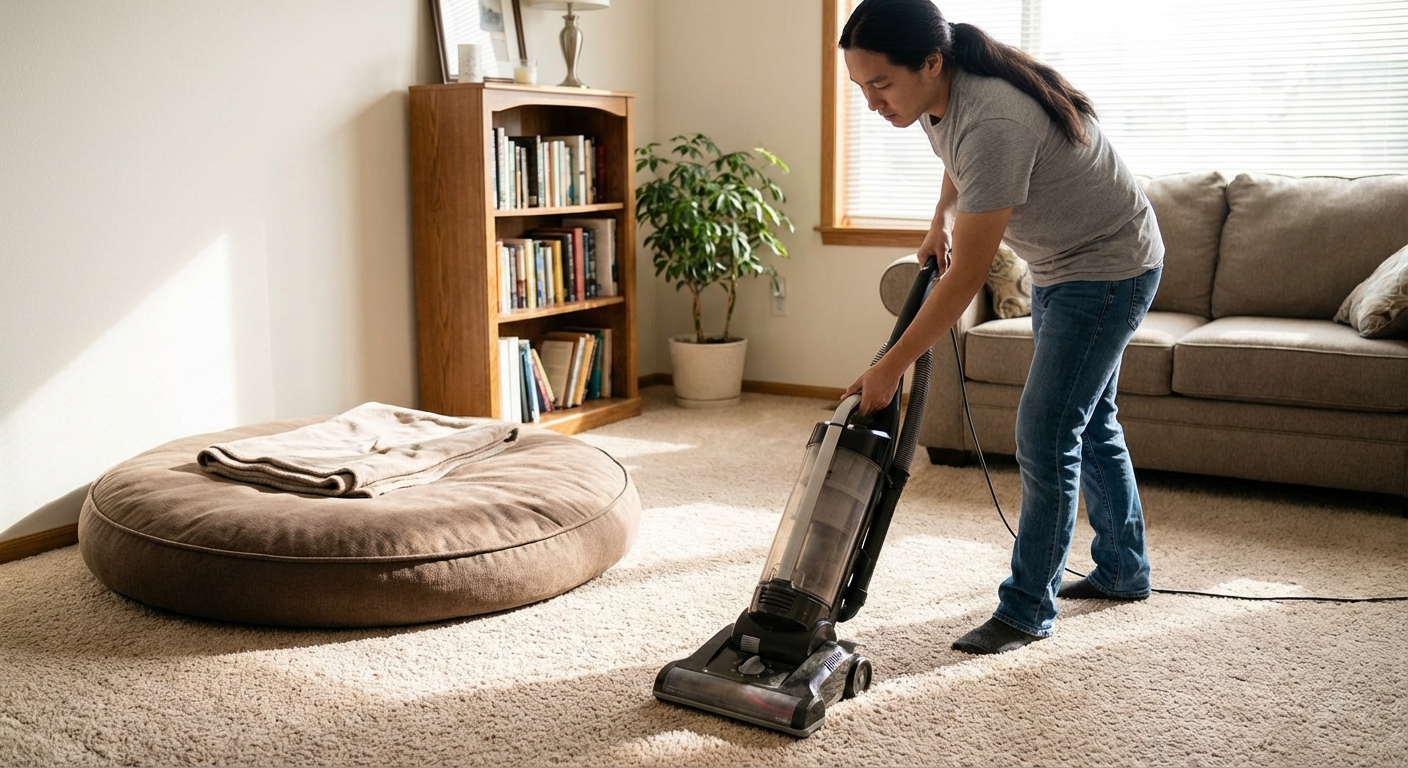
- Vacuum carpets, rugs, baseboards, couch seams, and under furniture daily for 7 to 14 days.
- Do not forget pet crates, the dog bed area, and any favorite nap spots.
- If your dog rides in the car, vacuum car upholstery too. It is a sneaky flea zone.
- Empty the canister outside, or seal the bag in a trash bag immediately.
Yes, daily vacuuming sounds like a lot. But it is one of the most effective, low-toxicity interventions you can do.
Wash bedding on hot and dry on high
Wash all pet bedding, blankets, and any couch throws your dog uses. Heat helps kill fleas at multiple stages.
Consider an IGR indoors
An insect growth regulator (IGR) interrupts flea development so eggs and larvae cannot mature into biting adults. Many household flea sprays include an IGR. Look for products that clearly state they contain an IGR and follow label directions carefully.
Step 4: Do not forget the yard
In Texas, fleas can be a nearly year-round issue because our weather can stay mild for long stretches. If your dog spends time outside, the yard can maintain the problem.
- Target shady, humid spots: Under decks, along fences, under shrubs, and areas where pets rest outside.
- Mow and tidy: Sunlight and dryness are not flea-friendly.
- Limit wildlife access: Raccoons, feral cats, and opossums can carry fleas into your yard.
In many cases, consistent pet prevention plus indoor cleanup does the heavy lifting, and yard treatments are only needed for specific hot spots. If you decide to use yard treatments, choose pet-safe options and follow the label exactly. More product is not better. It is just riskier. When the problem is intense, a pest professional can help you target the right areas.

Why fleas are not going away
1) You are seeing new hatchlings
This is the most common reason. Pupae can keep emerging for weeks, and sometimes longer, especially in carpeted homes. Stay consistent. With a treated pet and solid vacuuming, those new adults should die quickly and the numbers should drop week by week.
2) Not all pets are treated
Even indoor-only cats can keep fleas going if fleas hitchhike inside on humans, other pets, or wildlife near entry points.
3) The product is used incorrectly
- Topicals must go on skin, not hair.
- Weight-based dosing matters.
- Missed months create gaps where fleas can rebuild.
4) Flea allergy dermatitis
Some dogs are allergic to flea saliva and can itch intensely from just one bite. In those cases, you might not see many fleas, but your dog is miserable. Your veterinarian may recommend itch control and treatment for secondary skin infections while you eliminate fleas.
What to avoid
- DIY essential oil mixes: Many essential oils can irritate skin or be toxic, especially around cats. Natural is not the same as safe.
- Overusing multiple pesticides at once: Layering products without guidance can increase risk of side effects.
- Skipping prevention once it looks better: Fleas are excellent at bouncing back. Prevention is often cheaper and easier than repeated infestations.
A simple 14-day reset plan
If you like checklists, here is a practical routine many families can follow. Adjust based on your veterinarian’s advice and your home setup.
Day 1
- Start a veterinarian-recommended flea preventive for every pet in the household.
- Wash pet bedding and soft items on hot, dry on high heat.
- Vacuum thoroughly (including crates and common resting spots) and empty the vacuum immediately.
Days 2 to 14
- Vacuum daily, especially pet resting zones, rugs, and furniture seams.
- Keep pets on their preventive consistently.
- Rewash bedding weekly, more often if your pet sleeps in multiple spots.
After 2 weeks
You should see a big drop in fleas. It can still be normal to spot an occasional flea during the first 1 to 3 weeks as pupae continue to emerge. If you are still seeing frequent fleas, or your dog is still very itchy, call your veterinarian. There may be an allergy component, a secondary skin infection, or a need to change products.
When to call your veterinarian
- Puppies, seniors, or small dogs with heavy infestations (risk of anemia)
- Signs of skin infection: odor, oozing, hot spots, scabs, or significant hair loss
- Persistent itching despite flea control
- Any side effects after a flea product: drooling, vomiting, tremors, extreme lethargy
Good flea control is not about one perfect product. It is about consistency, treating every pet, and breaking the life cycle in your home.