Practical, research-informed ways to cope after losing a dog. Understand grief, manage guilt, support kids and other pets, handle reminders, memorialize, and...
Article
•
Designer Mixes
How to Get Over the Loss of a Dog

Shari Shidate
Designer Mixes contributor
Losing a dog changes the shape of your days. The quiet in the house feels louder. Your routines feel incomplete. And even when you know you gave your pup a beautiful life, the grief can still hit in waves that take you by surprise.
As a veterinary assistant, I have seen how deep this bond runs. Your grief is not “too much.” It is a natural response to losing a family member who offered steady love, comfort, and companionship.

What grief after pet loss can look like
Pet loss grief often mirrors the grief we feel after losing a human loved one. You might experience:
- Sadness and crying, sometimes triggered by small reminders like a leash hook or a favorite toy.
- Guilt, especially if euthanasia was involved or if there were medical decisions to make.
- Anger at the illness, the timing, the unfairness, or even at yourself.
- Relief if your dog was suffering, followed immediately by feeling guilty for feeling relief.
- Physical symptoms like low appetite, tight chest, trouble sleeping, or fatigue.
- Disorientation because your day-to-day rhythm was built around their needs.
All of these can be normal. Grief is not one clean emotion. It is many emotions, sometimes all at once.
Why it can feel so intense
Dogs are woven into the ordinary moments that make up our lives. We feed them, walk them, talk to them, plan around them, and feel responsible for their safety. That daily closeness can make the loss feel constant.
There is also something uniquely steady about a dog’s love. When that steady presence is gone, it can feel like losing a source of emotional regulation.

First steps that help in the earliest days
1) Keep the basics going
Grief is exhausting. In the first week especially, focus on the basics: drink water, eat something with protein, and try to sleep. If you cannot do big “self-care,” do small care. A shower. A short walk. A simple meal.
2) Give your feelings a safe place to land
Many people try to outrun grief. It usually catches up. Consider:
- Journaling one memory a day about your dog.
- Talking to one trusted person who truly “gets it.”
- Letting yourself cry when it comes up, instead of judging it.
3) Reduce the shock of routine triggers
If your mornings feel unbearable, adjust them gently. Take a different route on your walk. Move the food bowls out of sight for now. Change the spot where you usually sat together. You are not “erasing” your dog. You are giving your nervous system a little breathing room.
Working through guilt, especially after euthanasia
Guilt is one of the most common parts of pet loss, and it can be intense after euthanasia. From a veterinary perspective, I want you to hear this clearly: choosing a peaceful goodbye is often an act of love, not failure.
If you are stuck on “What if I waited?” or “What if I tried one more treatment?”, it can help to reframe the question to: “Was my dog suffering, and did I act to prevent more suffering?”
Two practical exercises that can help:
- Write the facts down: symptoms, quality of life concerns, what your vet advised, what your dog could no longer enjoy. Facts can anchor you when your brain spirals.
- Write a letter from your dog to you: what would they thank you for, forgive you for, and want you to remember?
Love is not measured by how long we can hold on. Sometimes it is measured by how gently we let go.
A simple quality-of-life check for closure
If you are second-guessing your decision, it can help to look back through a compassionate quality-of-life lens. Many vets use check-ins like these:
- Could your dog still eat and drink comfortably?
- Could they rest without struggling to breathe or settle?
- Were they in pain that was difficult to control?
- Could they still do a few favorite things?
- Were the bad days beginning to outnumber the good?
You cannot make a perfect decision in an imperfect situation. You can only make a loving one with the information you had.
Ways to honor your dog without getting stuck
Memorial rituals help because they give grief a place to go. The goal is not to “move on” in a way that disconnects you from your dog. The goal is to carry the love forward while learning to live with the absence.
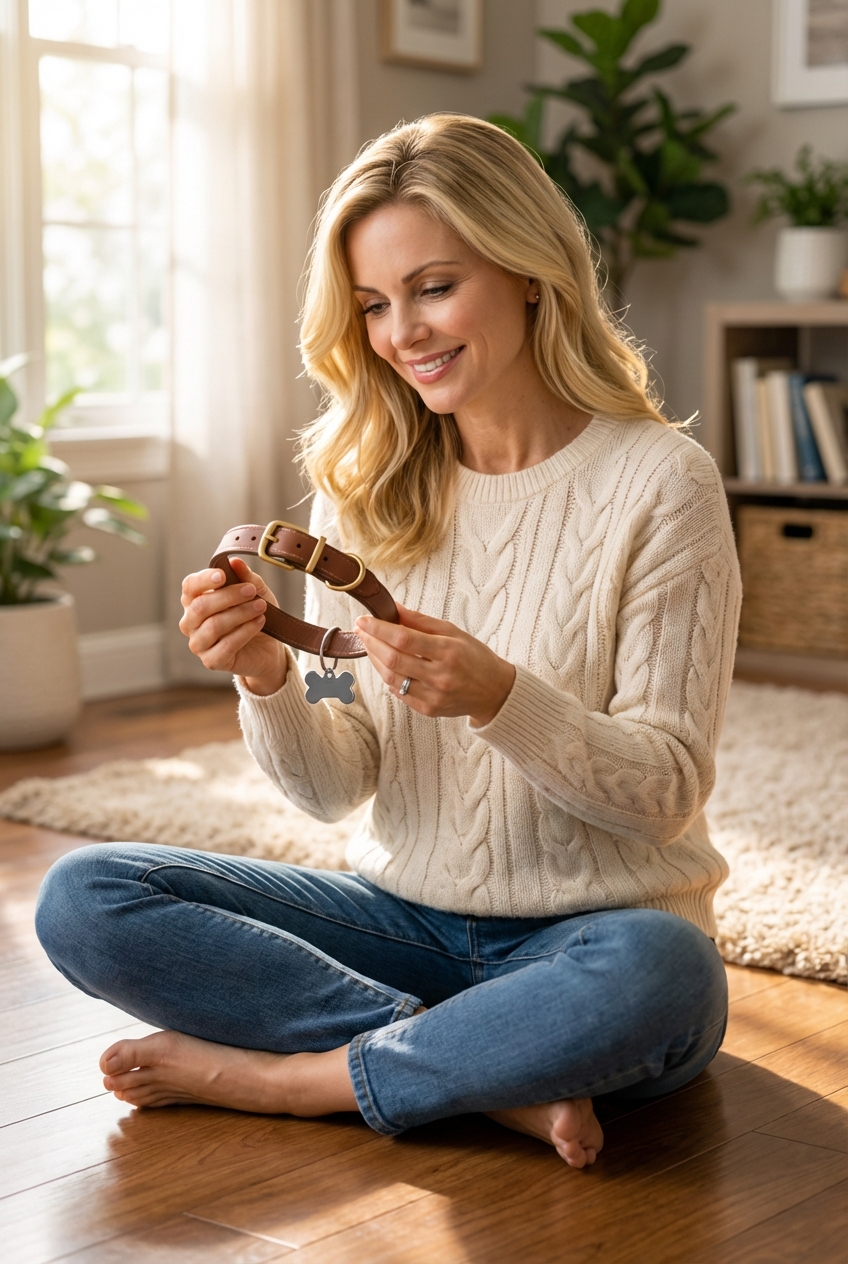
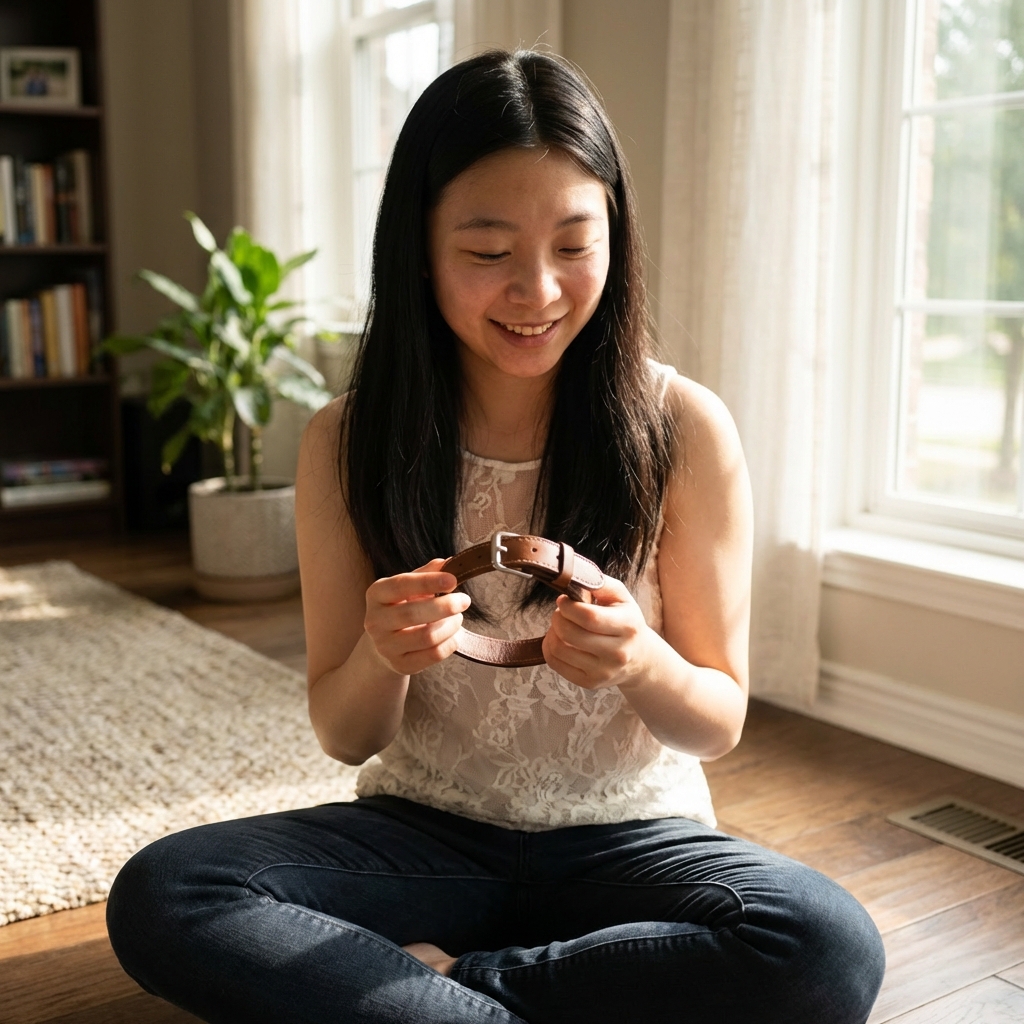
- Create a memory box with a collar, tag, a favorite toy, and a printed photo.
- Make a photo book and include little notes about their quirks.
- Plant something living like a small tree or flowering shrub.
- Donate to a rescue or veterinary assistance fund in your dog’s name.
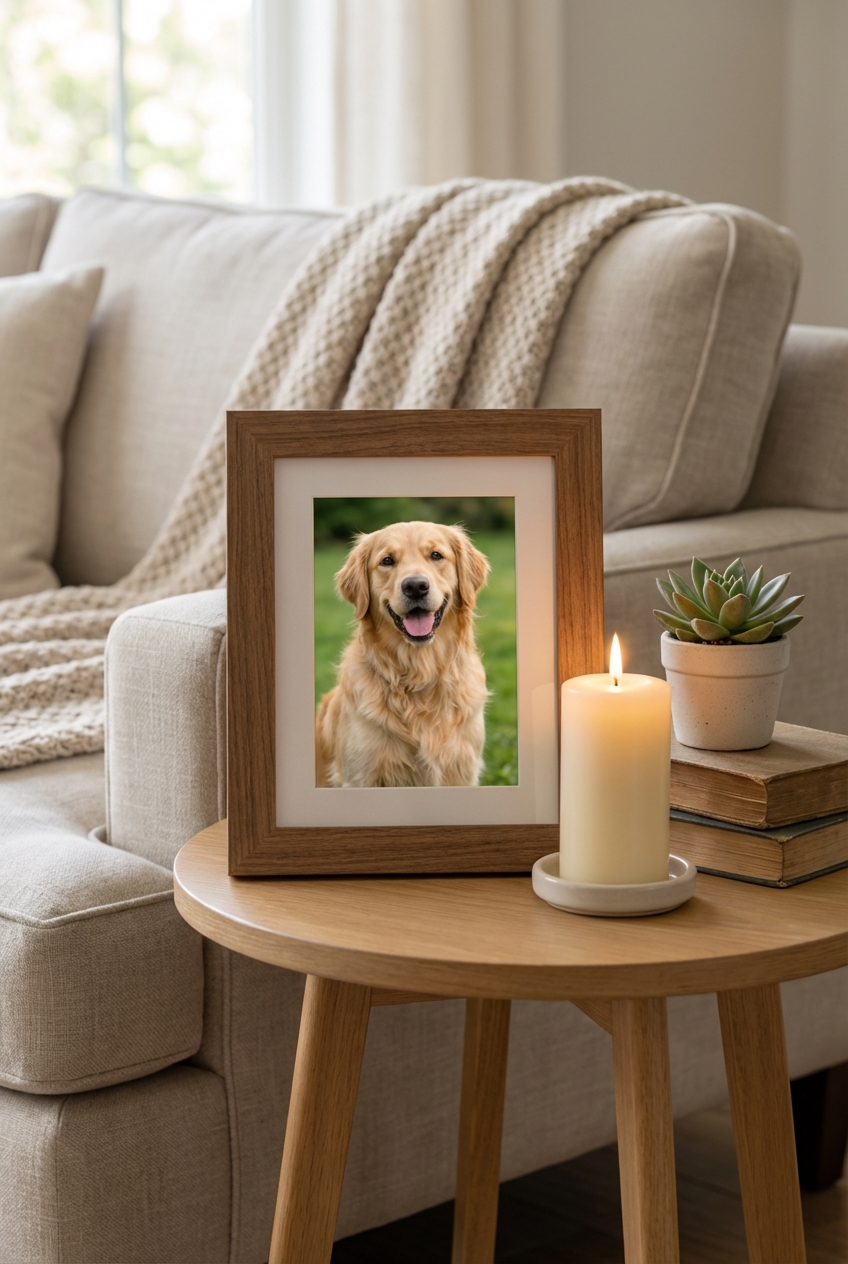
- Frame one everyday photo, not just the “perfect” one. The ordinary moments are where love lived.
Helping kids cope with the loss of a dog
Children often grieve in bursts. They may cry, then go play, then cry again. That is normal.
Helpful approaches:
- Use clear language. Saying “went to sleep” can make bedtime scary. Try “died” with gentle explanation.
- Invite feelings. Ask, “What do you miss most today?”
- Offer a job like drawing a picture, picking a favorite photo, or helping plant a memorial flower.
- Model healthy grief. Let them see you sad and also see you care for yourself.
Supporting other pets in the home
Many dogs and cats notice the absence. Some search, vocalize, cling, or seem quieter. Keep routines steady where you can, and add gentle enrichment:
- Short sniff walks for dogs.
- Food puzzles or scatter feeding.
- Extra calm attention and physical contact if they seek it.
- Maintain feeding and sleep schedules.
If your pet stops eating for more than 24 hours, has vomiting or diarrhea, or seems unusually withdrawn, call your veterinarian. Grief can affect health, and it is always worth a check.
When to seek extra help
Grief is not something you “fix,” but you do deserve support. Consider professional help if:
- You cannot sleep for many nights in a row.
- You are using alcohol or substances to numb the pain.
- You are unable to work or care for yourself for an extended period.
- You are having thoughts of self-harm.
Pet loss hotlines and grief counselors can be incredibly validating, especially if your circle does not understand how big this loss feels.
Should you get another dog?
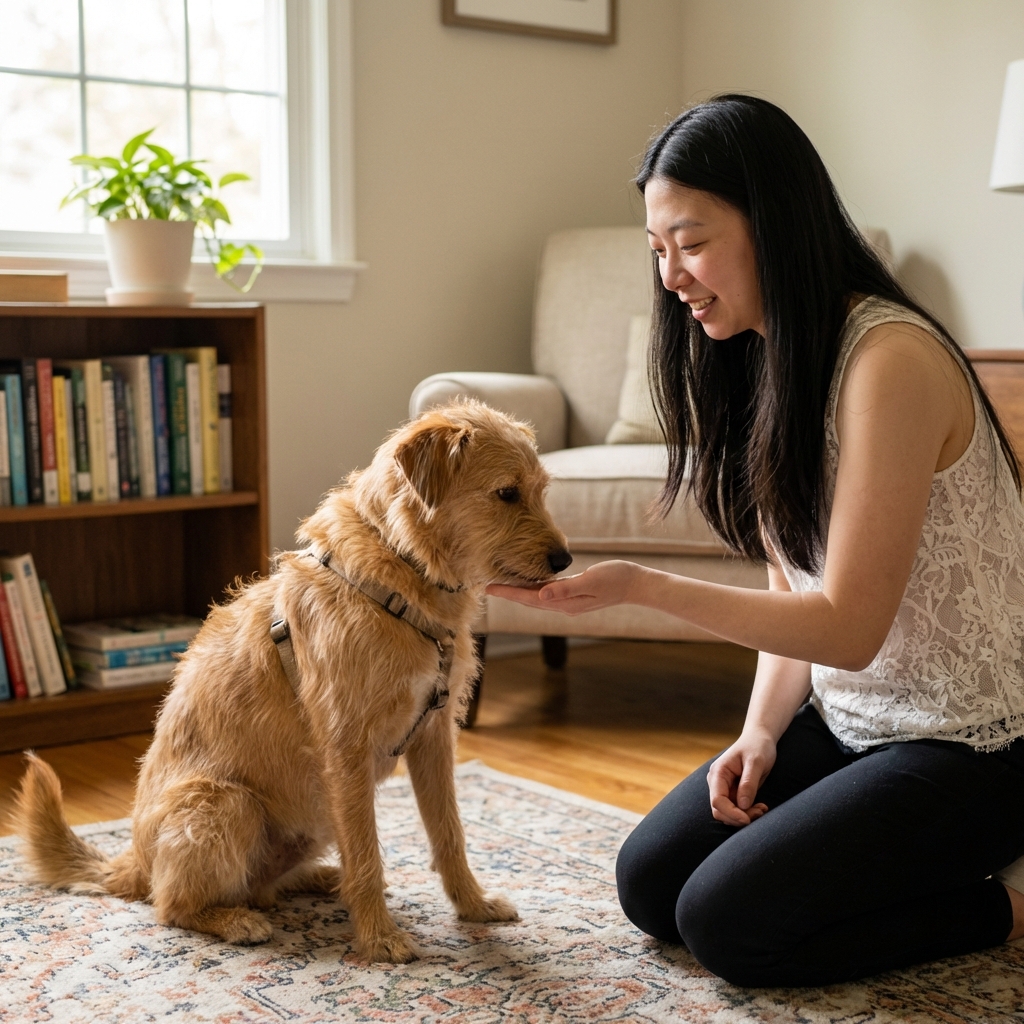
This is such a tender question. A new dog cannot replace the one you lost, but a new relationship can bring new joy when you are ready.
Signs you may be ready:
- You can look at photos without feeling completely undone every time.
- You feel more love than panic when you imagine bonding again.
- You are interested in meeting a dog as an individual, not as a “copy” of your previous pup.
It is also okay to wait. There is no deadline for love.
A gentle daily plan for the next two weeks
If you feel overwhelmed, structure can help. Here is a simple, doable approach:
- Daily: drink water, eat one nourishing meal, take a 10-minute walk, and text one supportive person.
- Every other day: write down one memory and one thing you appreciated about your dog.
- Once a week: do one memorial action, like printing a photo or donating a small amount to a shelter.
Healing usually looks like softening, not forgetting. Over time, the sharp pain often turns into a quieter ache, and the memories start to feel warm again.