Cat spraying is usually communication, not spite. Learn how to tell spraying vs accidents, rule out medical issues, improve litter boxes, reduce stress, and ...
Article
•
Designer Mixes
How to Get Cats to Stop Spraying

Shari Shidate
Designer Mixes contributor
Cat spraying is one of the most frustrating behavior problems I hear about, and I promise you are not alone. The good news is that spraying is usually a solvable mix of biology, stress, and communication. Your cat is not being “bad.” They are leaving a message.
In this article, I will walk you through what spraying really is, why it happens, and the step-by-step plan that works most often in real homes.
Spraying vs. peeing outside the box
These two problems look similar, but they often have different causes and fixes. Both male and female cats can spray, and both can have litter box issues, so the details matter.
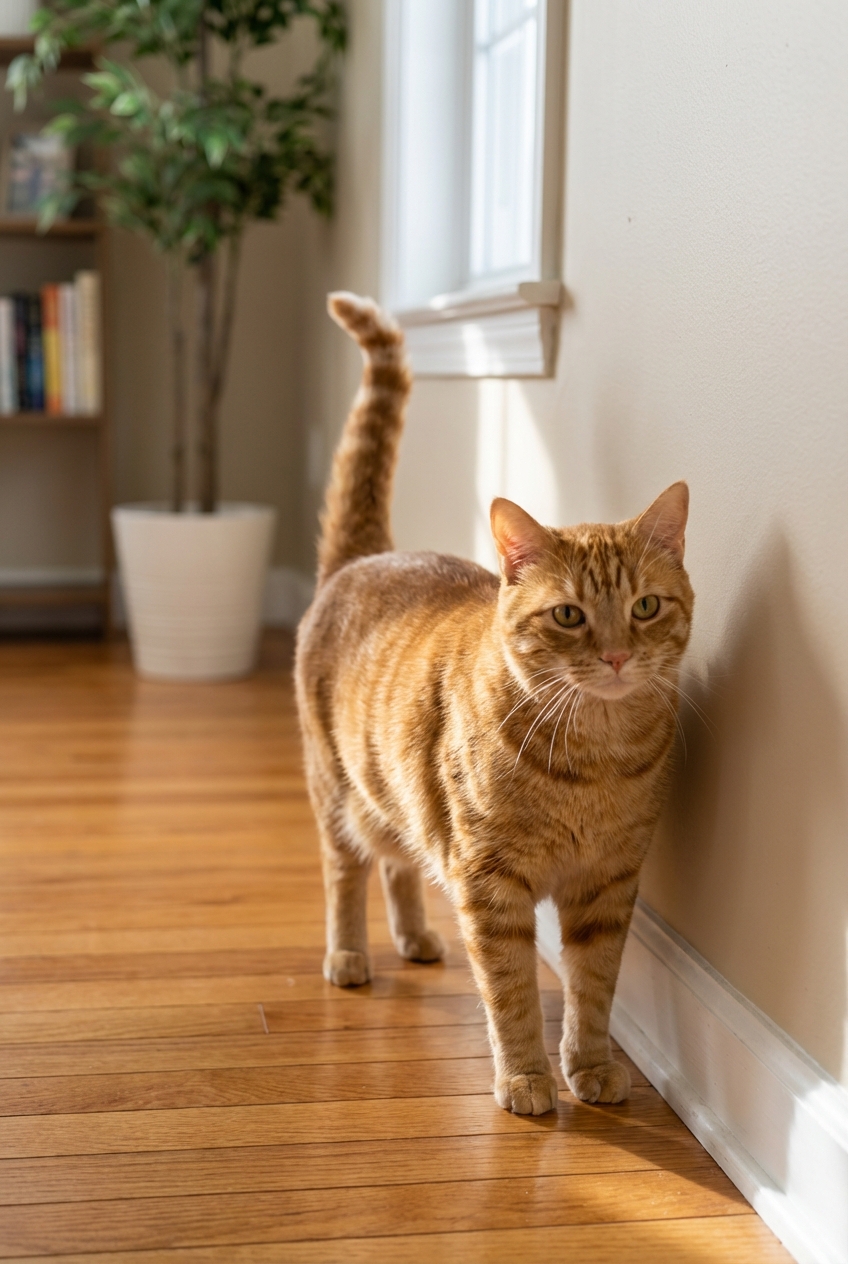
- Spraying is usually a small amount of urine on a vertical surface like a wall, door frame, laundry basket, or the side of the couch. Many cats stand, back up to the spot with a lifted tail, and you may notice a tail quiver or twitch.
- Inappropriate urination is typically a larger puddle on a horizontal surface like a bed, rug, or clothes on the floor. Most cats squat to urinate.
If you are seeing small amounts on upright surfaces, think “communication.” If you are seeing bigger puddles, think “litter box setup or medical issue.” Sometimes you can have both at the same time, so it helps to be observant.
First rule: rule out a medical cause
Before you assume this is behavioral, schedule a vet visit. Pain and urinary discomfort can change litter box habits quickly, and many cats do not show obvious signs until the problem is advanced. Also, if this behavior is new or suddenly worse, it is always worth a medical recheck.
Common medical issues that can mimic or worsen spraying
- Feline lower urinary tract disease (FLUTD), including idiopathic cystitis
- Bladder stones or crystals
- Urinary tract infection (UTI). Bacterial UTIs are generally less common in younger cats, but can be more common in older cats or cats with other health conditions
- Arthritis or mobility pain that makes box entry uncomfortable
- Constipation (cats may associate the box with discomfort)
- Kidney disease or diabetes (often causes increased urination)
Go to an emergency veterinarian immediately if your cat strains to urinate, cries in the box, makes frequent trips with little or no output, produces only drops, vomits, or seems lethargic. Any suspected urinary obstruction, especially in male cats, is life-threatening.
Why cats spray
Spraying is most often about territory and security, not spite. In multi-cat homes, it is frequently about social tension, even if the cats never “fight” dramatically.
Top triggers
- Not neutered or recently mature cats (sex hormones can be powerful drivers)
- Changes at home like moving, remodeling, new furniture, visitors, a new baby, or a new pet
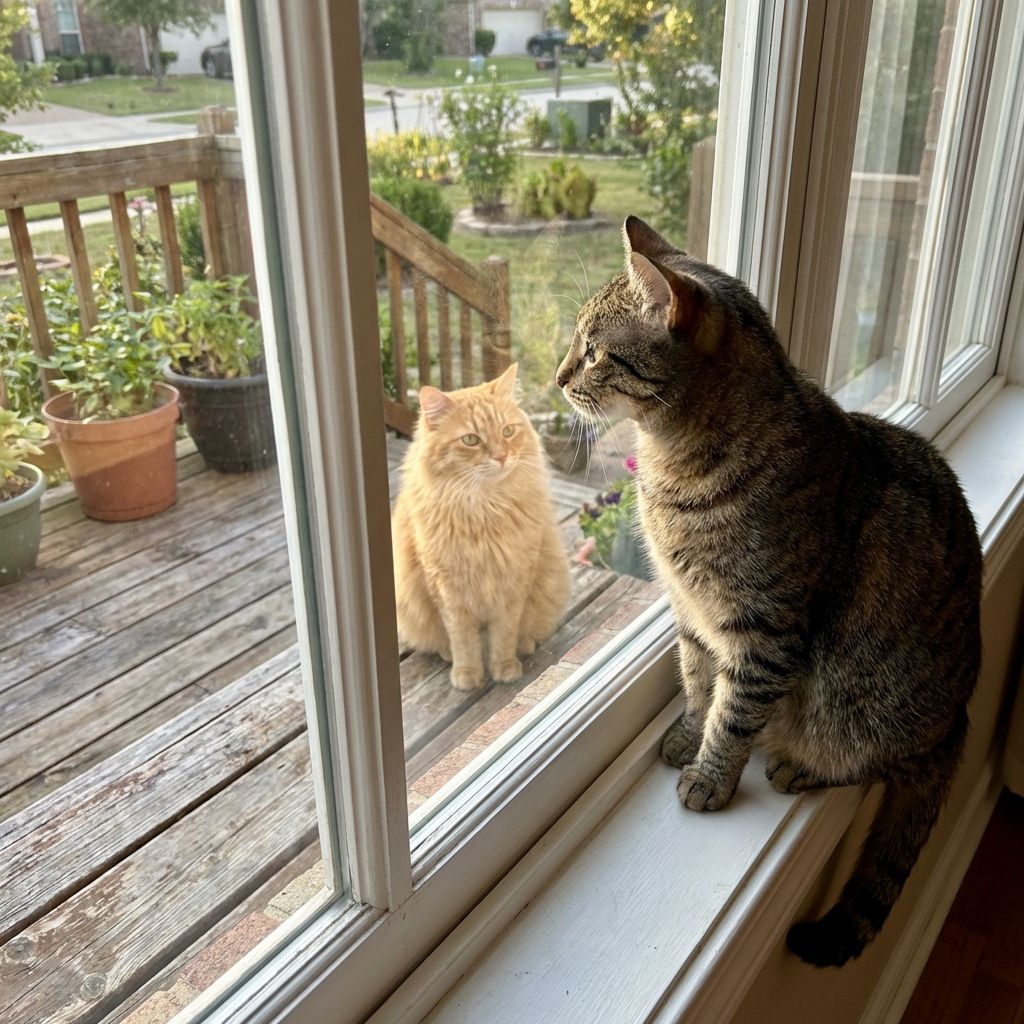
- Outdoor cats visible through windows or lingering around doors
- Conflict between cats (resource guarding, stalking, blocking hallways)
- Stress and anxiety (some cats are more sensitive by temperament)
The most effective step-by-step plan
Some households notice improvement within days once triggers are addressed. If spraying has been happening for a while, plan on a few weeks of consistent changes to break the habit and rebuild a sense of safety.
Step 1: Spay or neuter if needed
If your cat is not fixed, this is your highest-impact move. Neutering and spaying often reduces spraying in many cats, especially when done early. Even adult cats may improve.
If your cat is already fixed and still spraying, do not lose hope. That usually means we focus on stress, environment, and habit change. If it is a new behavior in a previously stable cat, loop your veterinarian back in.
Step 2: Clean like it matters (because it does)
Cats have incredibly sensitive noses. If a spot still smells like urine to them, it remains “marked” territory.
- Use an enzyme cleaner made for pet urine. Follow the label directions and allow full soak time.
- Avoid ammonia-based cleaners. They can smell urine-like to cats and encourage re-marking.
- Avoid steam cleaning urine spots. Heat can set odor into some materials.
- Do not mix cleaning products (for safety and because it can create harsh fumes).
- On washable items, pre-soak with enzyme cleaner before laundering.
Tip: Use a UV flashlight in a dark room to find missed spots. Spraying often happens in multiple locations.
Step 3: Reset the litter box setup
Even when spraying is the headline problem, better litter box management lowers stress and prevents accidents.
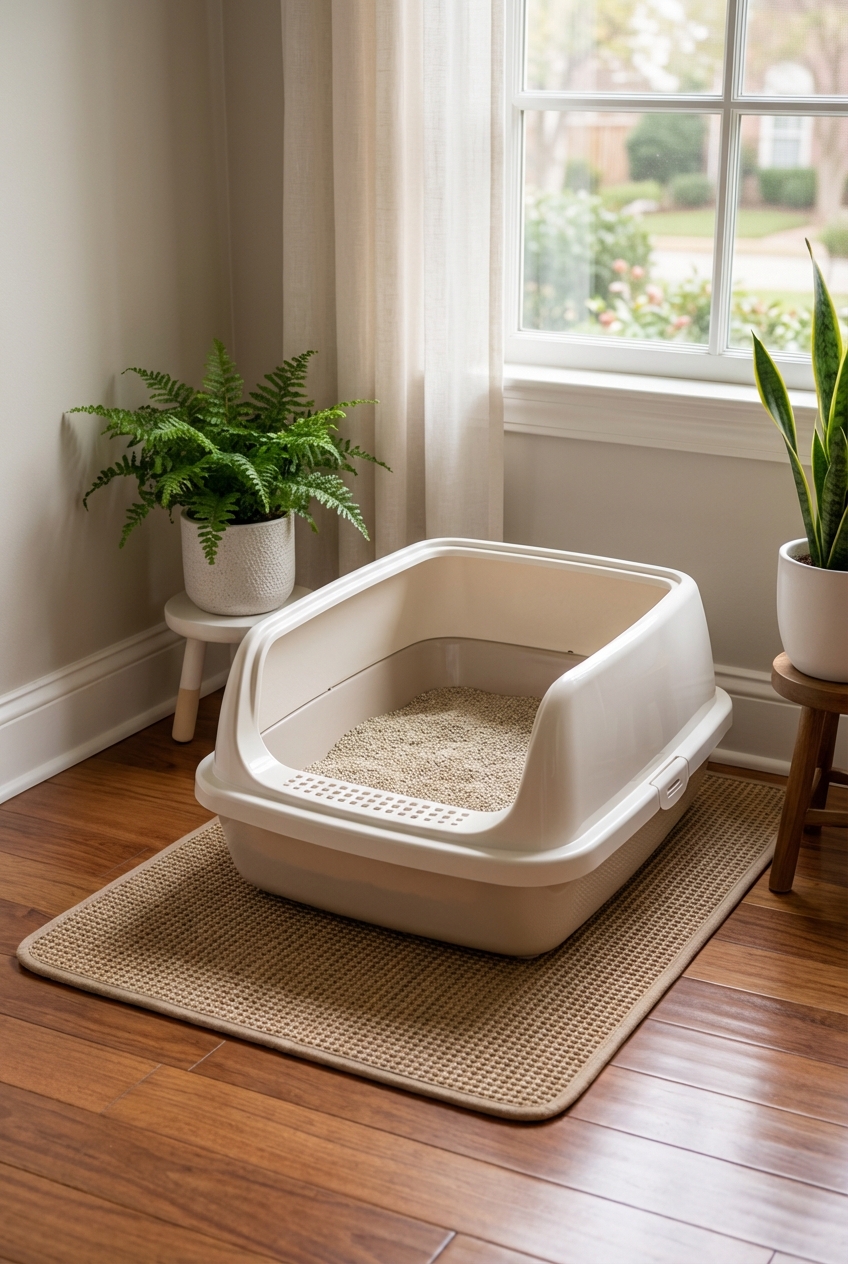
- Number of boxes: One per cat, plus one extra. Example: 2 cats = 3 boxes.
- Placement: Separate locations, not all lined up together. Think “multiple safe bathrooms.”
- Type: Many cats prefer large, uncovered boxes with low entry. Covered boxes can trap odor and feel unsafe for timid cats.
- Litter: Unscented, fine-grain clumping litter is often best accepted.
- Cleaning: Scoop daily. Full dump and wash with mild soap regularly.
Step 4: Make your home feel bigger
Spraying is often a symptom of a cat not feeling secure in their territory. Adding vertical space and safe routes can dramatically reduce tension.
- Add cat trees, shelves, or window perches
- Create multiple cozy resting spots in different rooms
- Use baby gates with cat doors or escape routes so one cat cannot trap another
- Feed cats separately if there is competition
Step 5: Reduce outdoor triggers
If neighborhood cats are visiting your yard or marking your doors, your indoor cat may spray in response.
- Block visual access with frosted window film on lower windows
- Use motion-activated lights or sprinklers outside
- Clean exterior marking spots with enzyme cleaner
- Keep indoor cats away from glass doors during peak outdoor cat activity (often dawn and dusk)
Step 6: Try calming tools that may help
These tools can help some cats while you address the underlying cause. Results vary, so give them a fair trial and reassess.
- Pheromone diffusers may help in some homes. Follow placement guidelines and use consistently for several weeks before deciding if it is working
- Predictable routines for meals, play, and quiet time
- Daily interactive play (5 to 10 minutes, 1 to 2 times per day) using wand toys to mimic hunt-catch
- Food puzzles for mental enrichment
If anxiety is significant or spraying is persistent, talk with your veterinarian about prescription options. In some cases, behavior medication plus environmental changes is the most humane and effective plan.
Step 7: Do not punish
Yelling, rubbing a cat’s nose in urine, or spraying them with water will increase stress and can worsen spraying. Cats do not connect punishment with the earlier behavior. They connect it with you and with the location, which can make them hide, avoid the litter box, and mark in new areas.
How to stop spraying in one spot
Once you have cleaned thoroughly, you can make the old spray zone less appealing and provide a better alternative.
- Change the meaning of the area: Place a food bowl, treats, or a cozy bed there. Many cats are less likely to spray where they eat or sleep.
- Block access for now: Close doors, use furniture barriers, or place a plastic carpet runner (nub-side up) where they like to spray.
- Add a texture deterrent: Some cats avoid double-sided tape or aluminum foil. Use only safe, non-harmful options and remove once the habit breaks.
- Add a litter box nearby: This can help if the cat is anxious about traveling to a box, or if a rival cat is guarding routes.
Multi-cat homes: look for subtle conflict
In homes with multiple cats, spraying often comes from quiet social stress. Not all conflict looks like hissing. Sometimes it looks like staring, blocking, or one cat always owning the hallway.
Signs one cat may be stressed by another
- One cat stops using certain rooms
- Chasing that seems like playing, but the chased cat tries to escape
- One cat always eats first while the other waits
- One cat ambushes near the litter box
Helping each cat have separate resources is key: separate food and water stations, separate resting spots, and litter boxes in different areas.
When to get expert help
If you have tried the steps above for 4 to 6 weeks with no improvement, or if spraying is severe, get support.
- Start with your veterinarian to confirm medical causes have been addressed.
- Ask for a referral to a veterinary behaviorist or a reputable cat behavior professional who uses fear-free methods.
Spraying is one of those problems that can improve quickly once you identify the true trigger, but it can also become a habit if it continues for months. Earlier intervention is kinder and usually cheaper.
Quick troubleshooting checklist
- Vet check completed, especially if this is new behavior
- Cat is spayed or neutered
- Enzyme cleaner used correctly on all spots
- No steam cleaning on urine spots, and no mixing cleaners
- Enough litter boxes, in separate safe locations
- Unscented litter and boxes are scooped daily
- Outdoor cat triggers reduced
- More vertical space and enrichment added
- Calming supports tried consistently for a few weeks, then reassessed
- No punishment, no scolding
If you take one thing from this article, let it be this: spraying is communication. When we answer the message with safety, resources, and routine, many cats stop needing to talk with urine.