Find a tick on your cat? Follow safe, evidence-based removal steps, what to avoid, how to clean and save the tick, aftercare signs to watch, and when to call...
Article
•
Designer Mixes
How to Get a Tick Off a Cat Safely

Shari Shidate
Designer Mixes contributor
If you just found a tick on your cat, take a breath. Most ticks can be removed safely at home. The key is using the right tool, removing the tick in one piece, and keeping the bite site clean while you watch for any problems. As a veterinary assistant, I have helped many pet parents through this, and the goal is always the same: get the tick off quickly and gently, without squeezing or irritating it.
Before you start
Ticks attach and feed on blood. Remove one as soon as you find it. Many tick-borne infections require hours of attachment, but timing varies by pathogen and tick species, so prompt removal matters.
What you will need
- Fine-tipped tweezers or a tick-removal tool (tick hook)
- Disposable gloves (optional but helpful)
- Rubbing alcohol or soap and water
- Cotton ball or gauze
- A small jar or zip bag (to save the tick)
- A tasty treat or a helper to gently hold your cat
Make it easier: Use bright lighting. A phone flashlight (and reading glasses if you use them) can help you see the tick’s attachment point clearly.
Skip the myths: Do not use petroleum jelly, nail polish, essential oils , alcohol on the tick while it is attached, or a hot match. These methods can stress the tick and increase irritation at the bite site. They also delay removal.
Step-by-step: tweezers
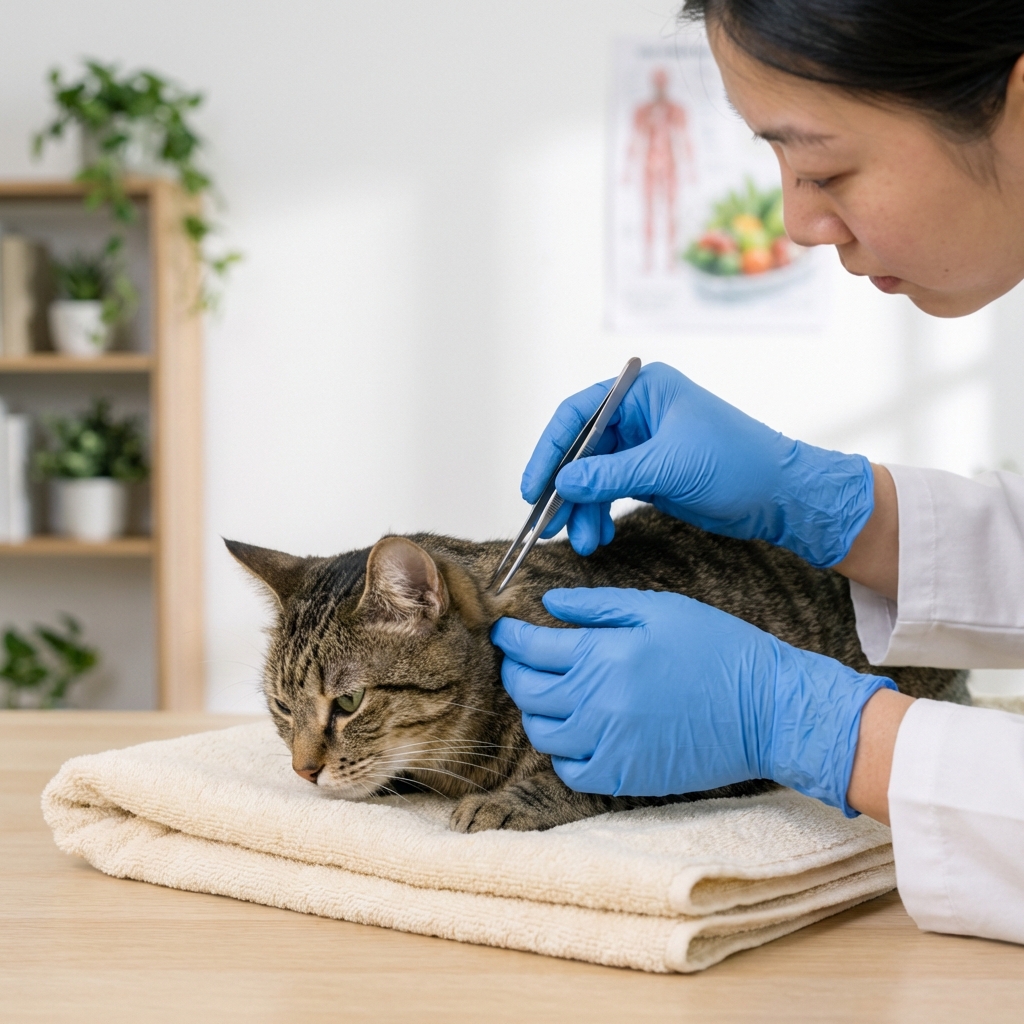
- Calm and position your cat. Choose a bright room. If your cat is wiggly, wrap them gently in a towel with the head exposed, or ask someone to help hold and offer treats.
- Part the fur. Spread the hair so you can clearly see where the tick is attached to the skin.
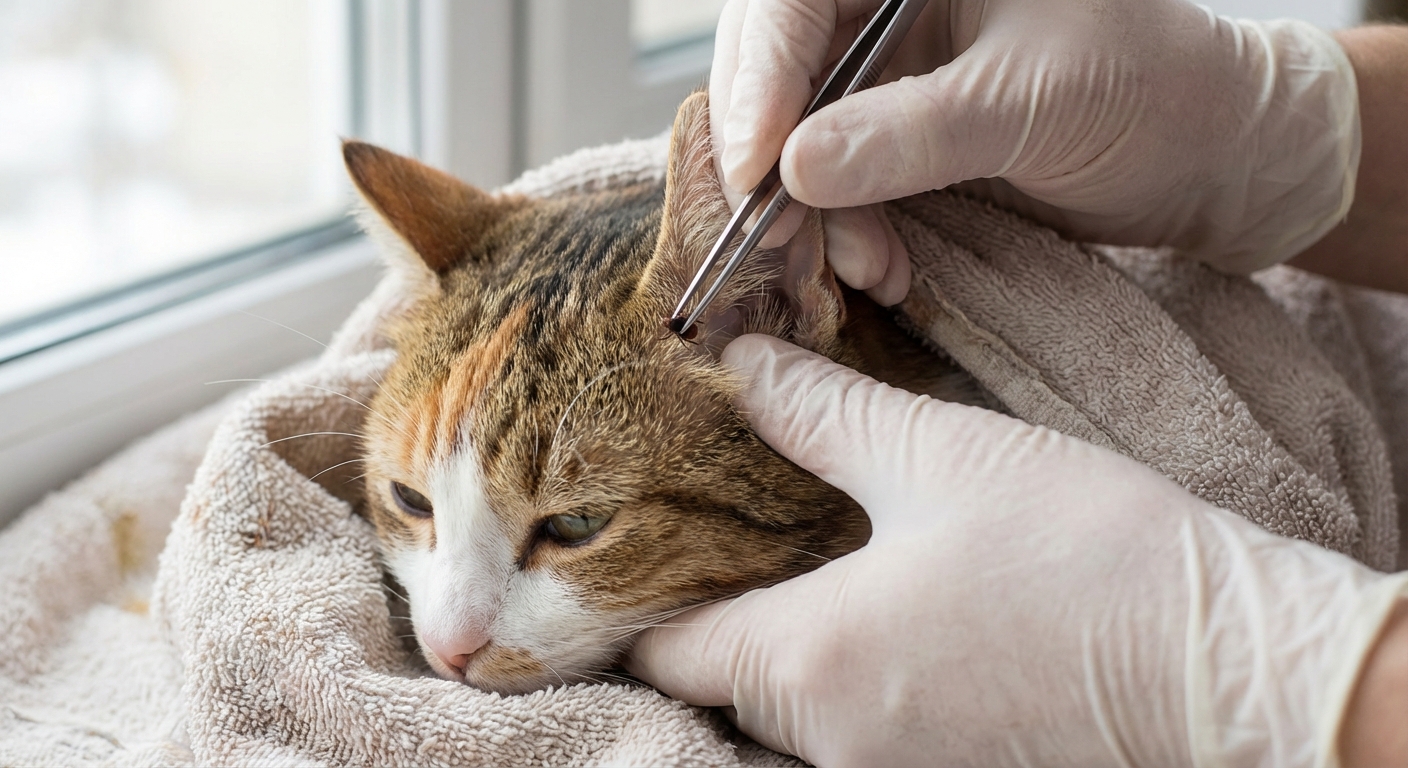
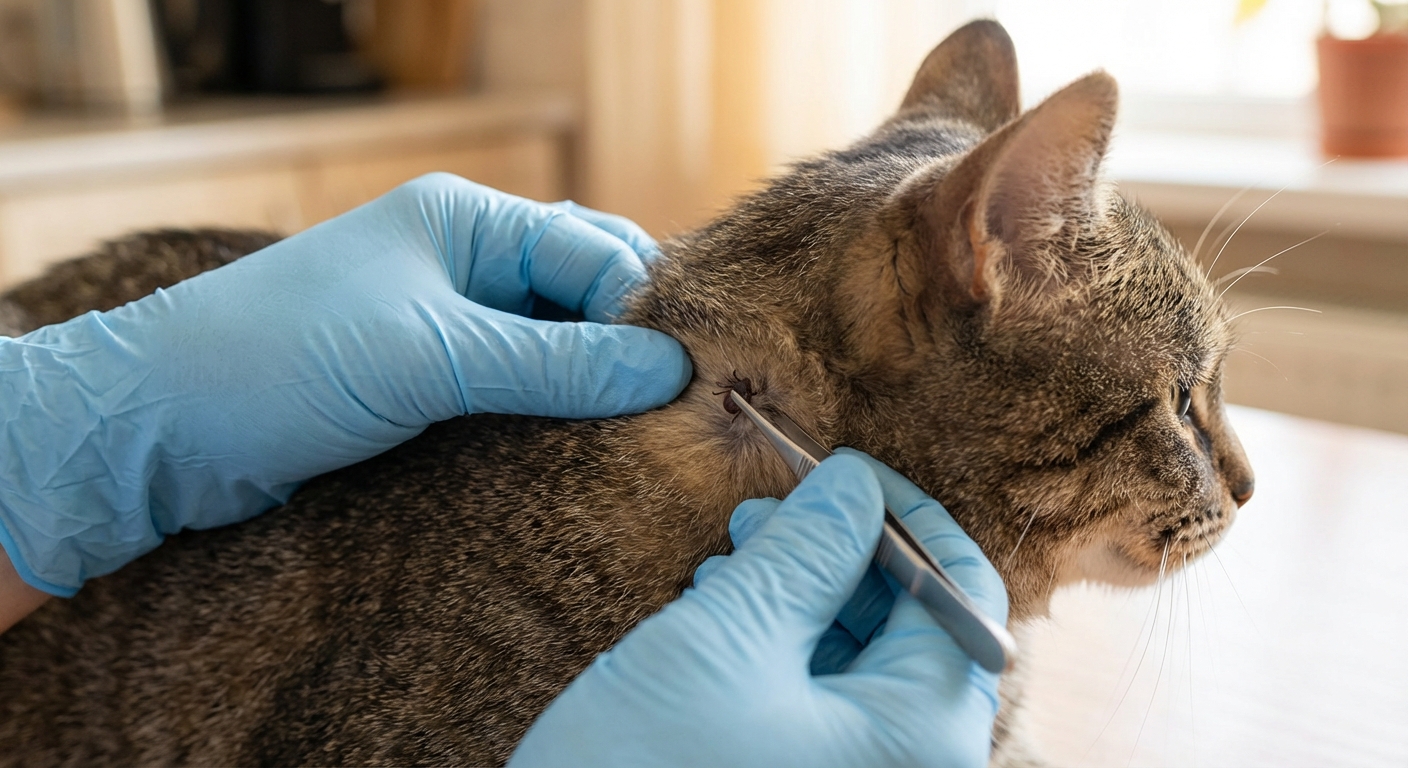
- Grab close to the skin. With fine-tipped tweezers, grasp the tick by the head or mouthparts as close to your cat’s skin as possible. Avoid squeezing the swollen body.
- Pull straight out. Use a slow, firm pull straight out, away from the skin. Do not jerk, twist, or rock side to side. Patience is key.
- Check the tick and the skin. Make sure the tick came out in one piece. A small, dark “splinter” look at the bite may mean mouthparts are left behind, or it may simply be a small scab or debris.
- Clean the area. Wash your hands, then clean the bite site with soap and water (or a pet-safe antiseptic recommended by your veterinarian).
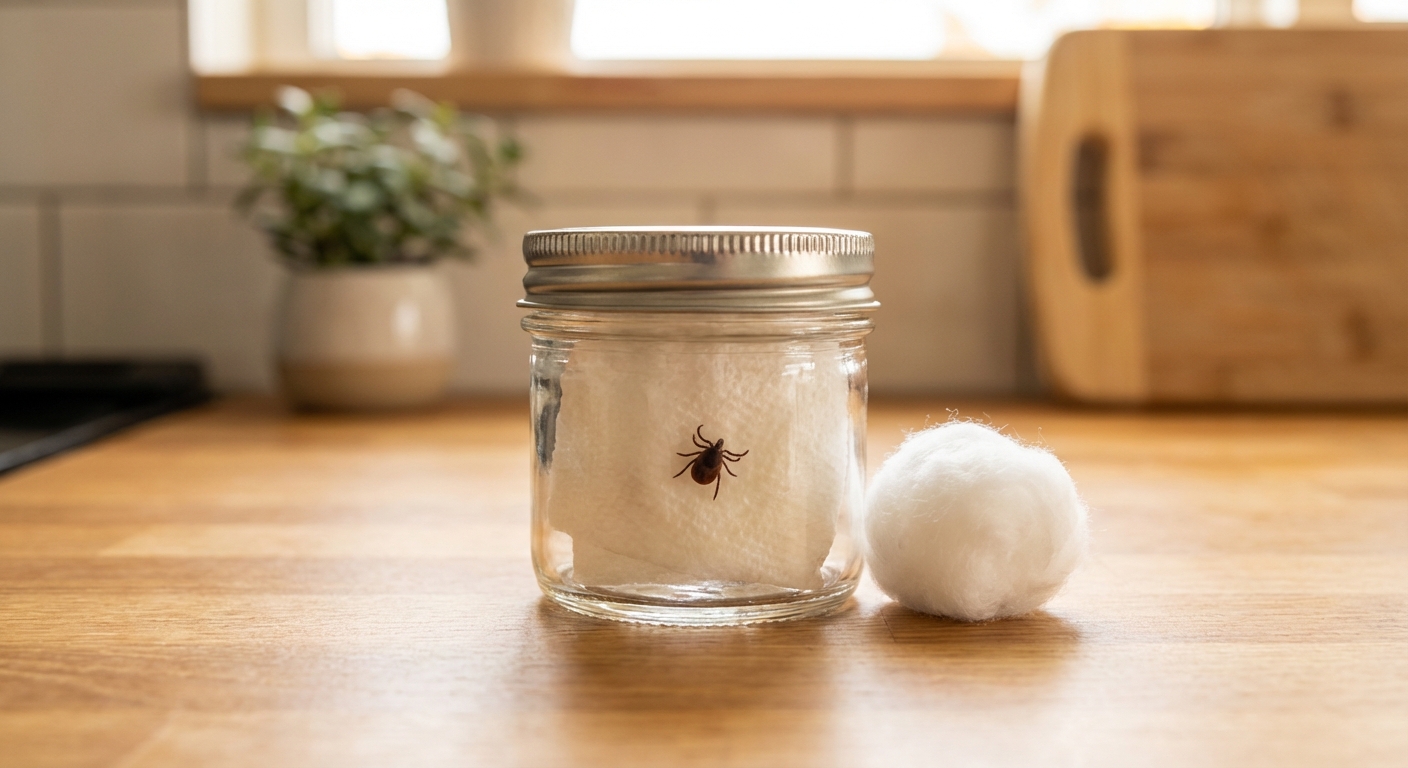
- Save the tick. Place it in a sealed container or bag. Many people add a tiny bit of rubbing alcohol to kill and preserve it. If your veterinarian requests testing, follow their storage guidance since some labs prefer a dry container or a specific alcohol concentration. Label the date and where you live. This can help if your cat gets sick and your veterinarian wants to identify the tick.
For your safety: Avoid crushing the tick with your fingers. Afterward, wash your hands and consider doing a quick tick check on yourself too, especially if you were outdoors.
Using a tick hook
Tick hooks and similar tools can work very well, especially for larger ticks. You usually slide the notch under the tick as close to the skin as possible, then remove it using the tool’s method.
Important: Many hook-style tools are designed to remove the tick with a gentle lift-and-rotate motion (a twist) rather than a straight pull like tweezers. Follow the tool’s directions so you do not pull out fur or leave mouthparts behind. Whatever tool you use, go slowly, do not squeeze the body, and clean the skin afterward.
If the head is stuck
This is one of the most common concerns I hear. If tiny mouthparts break off, they may cause localized irritation, like a small scab or pimple. Do not dig aggressively with a needle, pin, or your fingernails. That can create a larger wound and increase infection risk.
- If you can easily grasp the remaining piece with tweezers, you can try a gentle straight pull.
- If it is embedded or your cat is uncomfortable, stop and call your veterinarian.
- Keep the area clean and monitor for redness, swelling, discharge, or pain.
If you are unsure at any point, or your cat seems painful, your veterinarian can remove the tick quickly and safely.
When to call your vet
Most tick removals are simple. But please reach out for help if any of the following apply:
- Your cat will not allow safe handling, or the tick is near the eye, inside the ear, or on the genitals
- The tick is deeply embedded, very large, or you suspect it has been attached for more than 24 to 48 hours
- You cannot remove the tick fully, or the bite becomes increasingly red, swollen, oozing, or painful
- Your cat seems ill within days to weeks after a tick bite: fever, lethargy, decreased appetite, limping, stiff joints, pale gums, vomiting, or sudden weakness
Trust your instincts. If your cat is not themselves after a tick bite, it is always okay to call and ask.
Aftercare
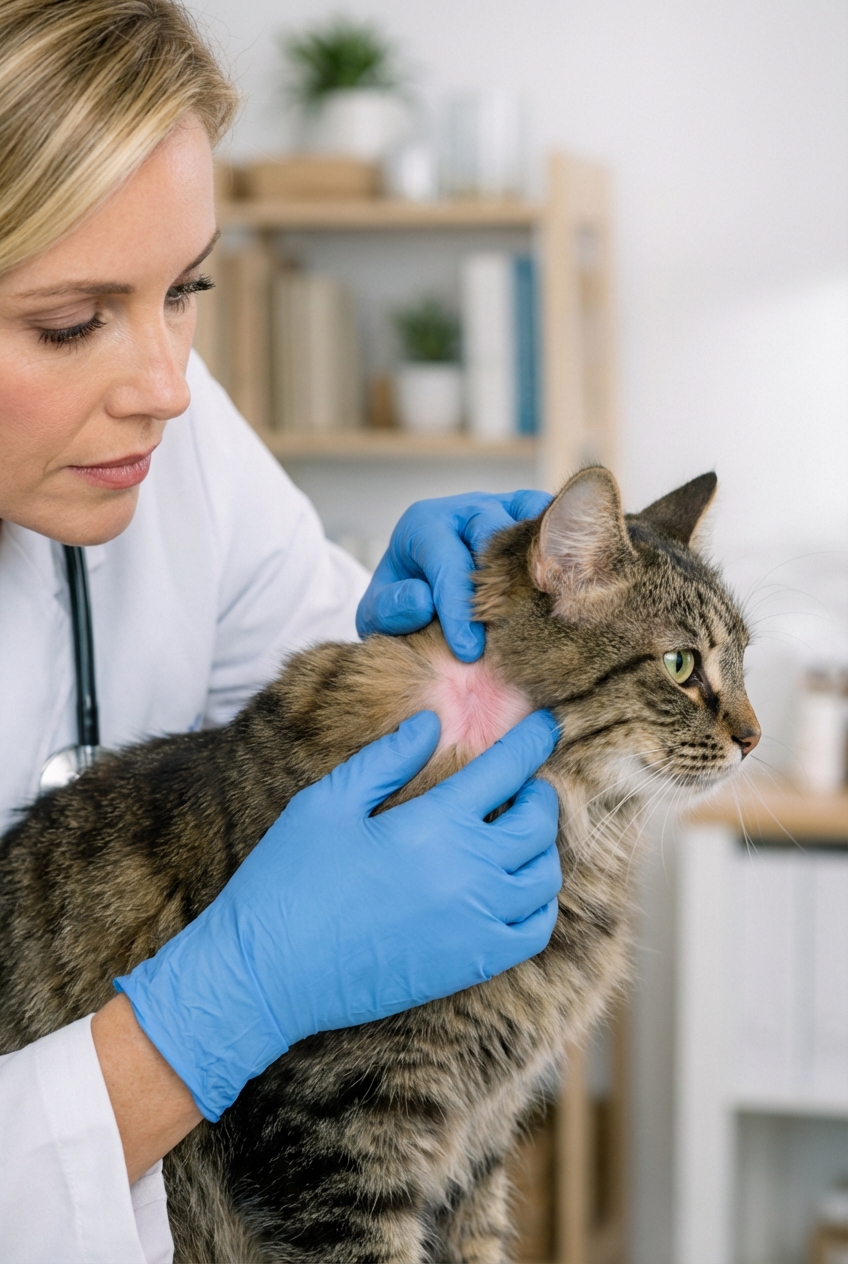
It is normal to see a small bump or scab where the tick was attached. Mild irritation can last for several days as the skin heals.
Monitor the bite for 1 to 2 weeks
- Mild redness: can be normal at first
- Worsening redness, heat, swelling, pus, or a bad odor: call your veterinarian
- Persistent lump that grows or lasts more than 2 weeks: schedule an exam
If you have other pets, check them too. Ticks can hitchhike and move between animals in the home.
Preventing ticks
Prevention is where you win the long game. The safest plan is a veterinarian-recommended tick preventive for your cat, used consistently.
- Use cat-specific products only. Never use dog tick medications on cats unless your veterinarian specifically instructs you to. Some dog products can be toxic to cats.
- Confirm the dose and weight range. Even cat products can be unsafe if the dose is wrong, and some over-the-counter options are not a good fit for every cat. When in doubt, ask your veterinarian.
- Pick the right option for your cat’s lifestyle. Indoor cats can still get ticks from people or other pets, and outdoor access increases risk significantly.
- Do regular tick checks. Focus on the head and neck, under the collar, around the ears, under the front legs, and along the back.
- Reduce habitat. Keep grass trimmed, remove leaf litter, and limit access to tall brush where ticks wait for a host.

Quick FAQ
Can I use alcohol to make the tick back out?
It is better to remove the tick first with tweezers or a tick tool. Applying alcohol while it is still attached can irritate the tick and delay removal.
Should I flush the tick?
No. Ticks can survive flushing. Sealing it in a container is more reliable.
Will my cat definitely get sick from a tick bite?
No. Many cats never show illness. Some tick-borne diseases are diagnosed less often in cats than in dogs, but illness is still possible. The safest approach is quick removal, saving the tick if possible, and watching for symptoms over the next few weeks.