Learn why cats meow at night and what to do: a simple evening play-and-feed routine, how to avoid rewarding meows, stress fixes, automatic feeders, and vet r...
Article
•
Designer Mixes
How to Get a Cat to Stop Meowing at Night

Shari Shidate
Designer Mixes contributor
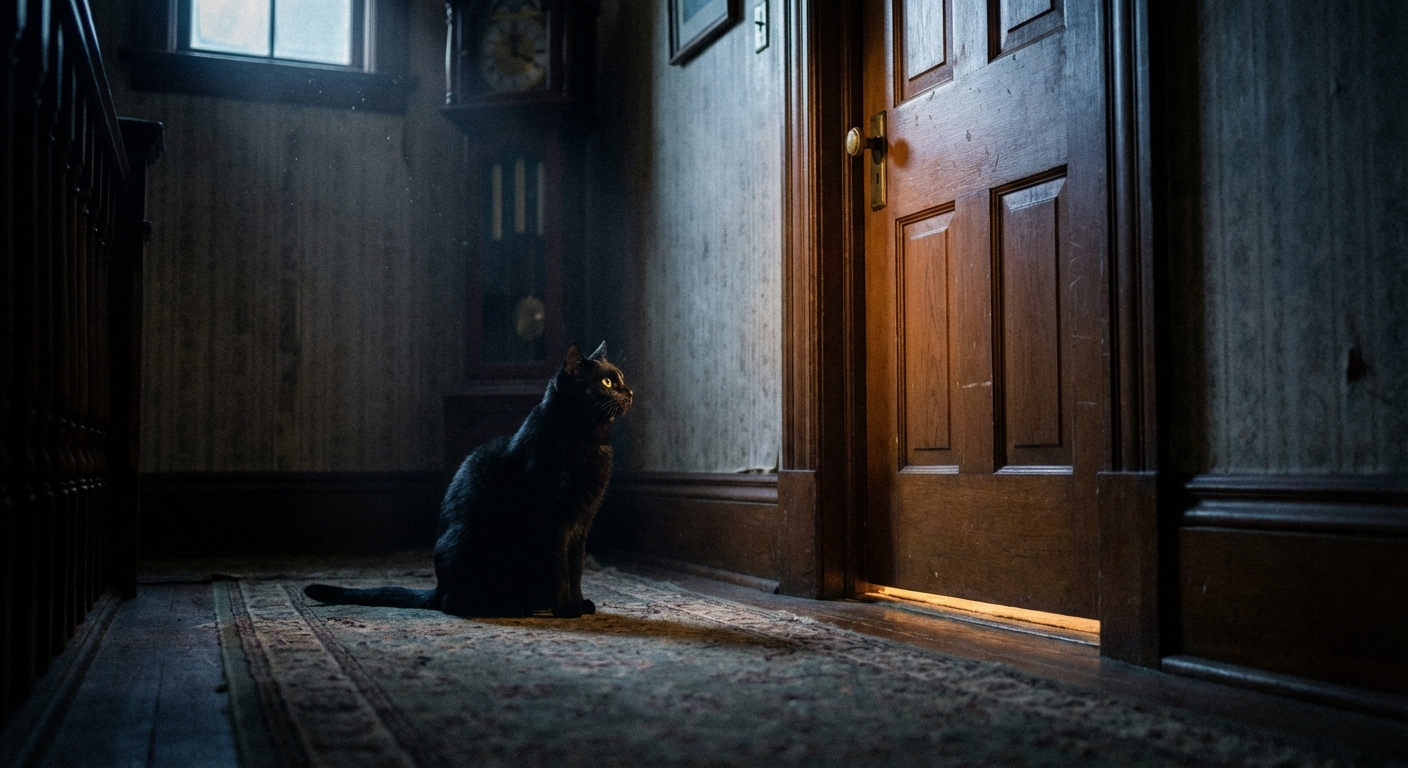
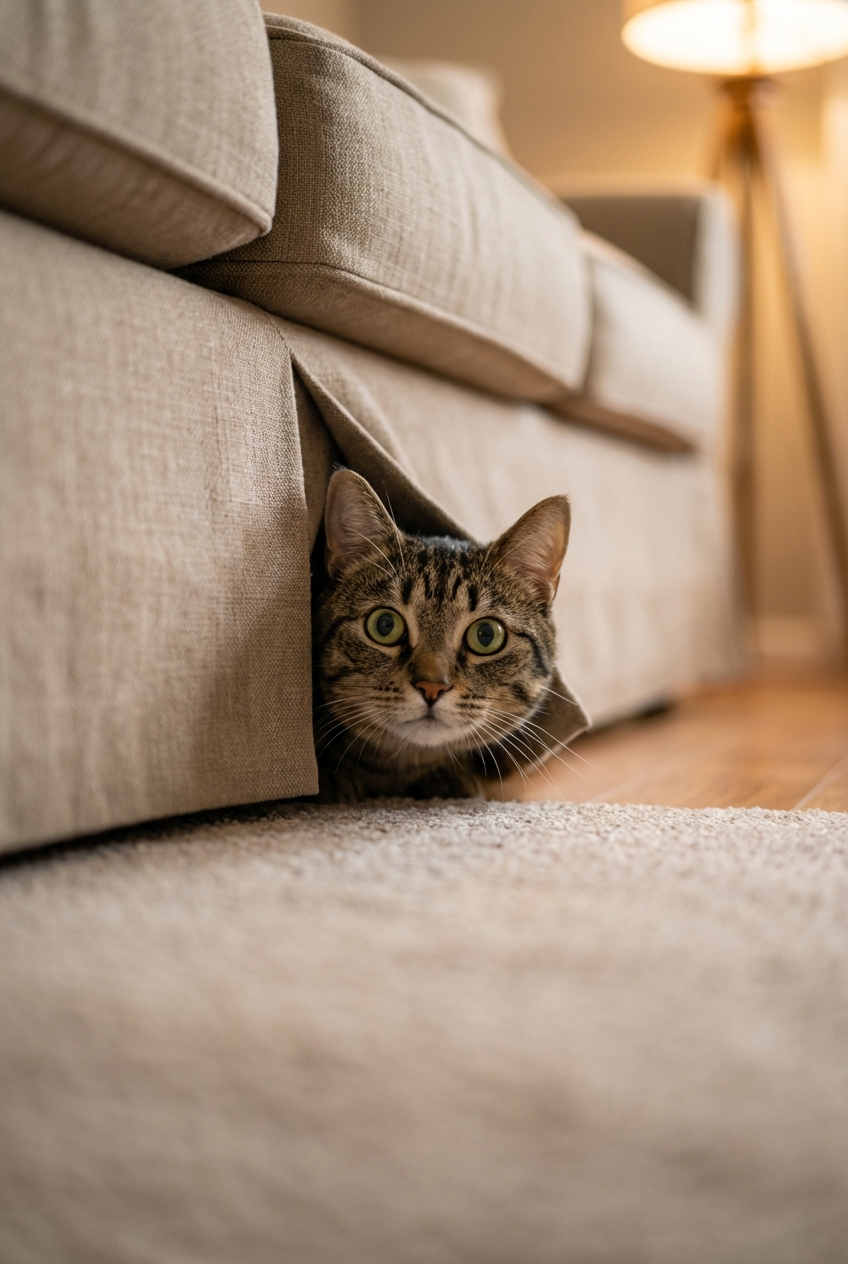
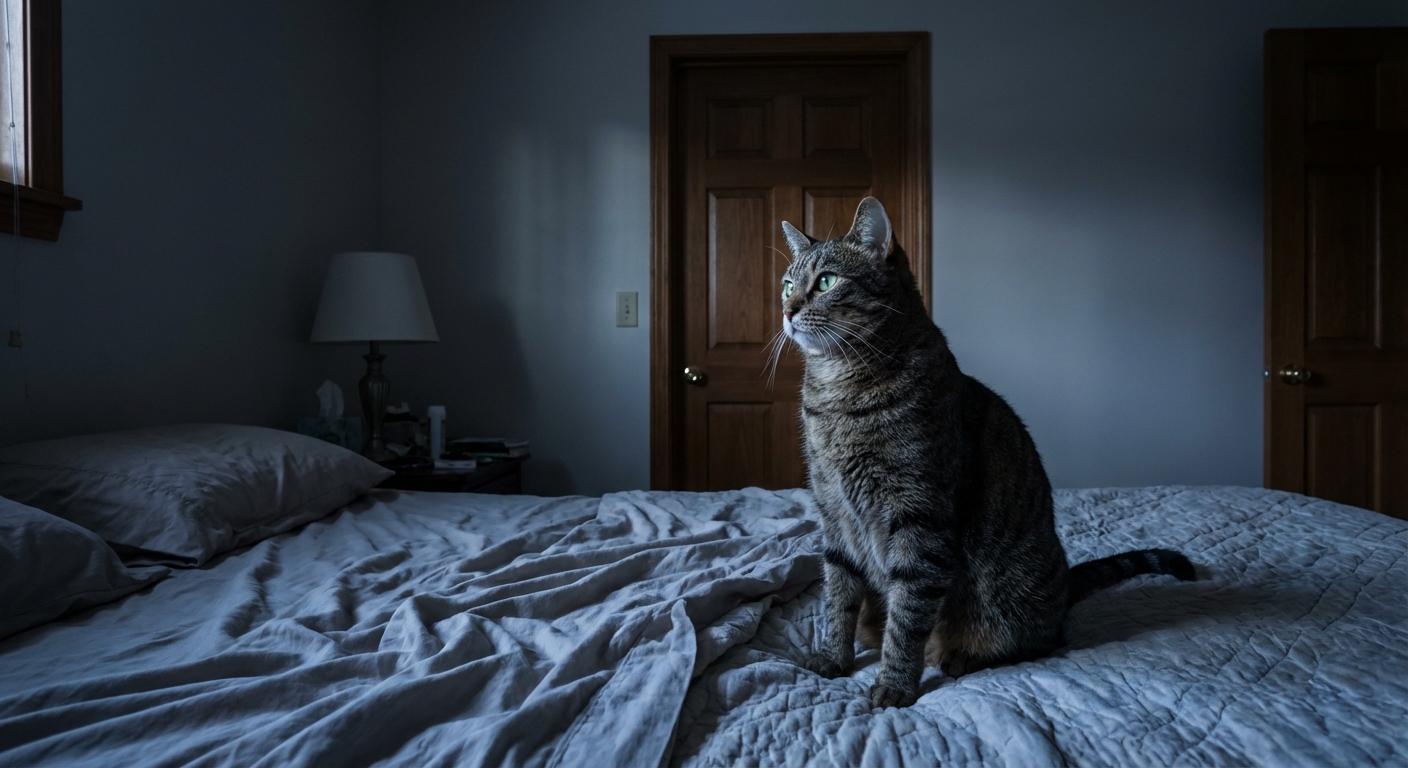
Nighttime meowing can feel personal when you are half-asleep and your cat is loud, persistent, and pacing the hallway. But in most cases, it is not “bad behavior.” It is communication. Cats meow at night because something in their body, routine, environment, or emotional state is asking for attention.
As a veterinary assistant, I always start with this encouraging truth: most nighttime meowing improves once you find the cause and respond consistently. Below is a practical, vet-informed overview of why it happens, what to rule out medically, and a step-by-step plan you can follow at home.
Quick note: This article is for education and does not replace veterinary care. If you are worried or your cat’s behavior changed suddenly, call your veterinarian.
Why cats meow at night
Cats are often described as crepuscular, meaning they tend to be more active around dawn and dusk. Many pet cats can shift their schedule to match their household, but early-morning and late-night activity is still common, especially if their needs are not fully met during the day or if their routine has changed.
Common causes
- Hunger or learned food expectations: Many cats learn that meowing leads to a snack or breakfast arriving early.
- Attention and social needs: Some cats do not want to be alone at night, especially if they have bonded closely to one person.
- Boredom and excess energy: A cat that sleeps all day often has the energy of a toddler at 2 a.m.
- Stress or environmental change: Moving, new pets, schedule changes, construction noise, or even a different litter can trigger nighttime vocalizing.
- Territorial triggers: Outdoor cats, wildlife, and neighborhood sounds can set off patrol behavior and calling.
- Reproductive and mating behavior: Unneutered cats may yowl at night due to hormones, roaming urges, and territorial behavior.
- Age-related changes: Senior cats may vocalize more due to confusion, anxiety, or changes in vision or hearing.
- Medical discomfort: Pain, nausea, urinary issues, and conditions like hyperthyroidism can show up as restlessness and meowing.
If this is new or suddenly worse, start by ruling out health problems. Medical issues can look like “attention-seeking,” and vocalizing may be one of the only clues.
Normal vs concerning
Some nighttime noise is normal, especially in young cats, newly adopted cats, or cats adjusting to a change. What matters most is the pattern.
- More likely normal: occasional meowing, short bursts of activity, settles with routine over time.
- More concerning: sudden yowling, loud or distressed-sounding vocalization, pacing that seems frantic, or any major change in appetite, thirst, litter box habits, or mobility.
Rule out medical causes first
If your cat’s nighttime meowing is new, intense, or paired with behavior changes, schedule a veterinary visit before assuming it is purely behavioral. Cats are very good at hiding illness, and vocalizing can be one of the only obvious signs.
Call your veterinarian promptly if you notice
- Sudden increase in meowing or yowling
- Frequent trips to the litter box, straining, crying in the box, or accidents outside the box
- Increased thirst, increased appetite, or weight loss
- Vomiting, diarrhea, or constipation
- Limping, stiffness, sensitivity to touch, or reluctance to jump
- Confusion, pacing, staring at walls, or seeming “lost” at night
Common medical issues linked to nighttime vocalizing
- Hyperthyroidism: Often in older cats. Can cause restlessness, increased appetite, weight loss, and more vocalizing.
- Chronic kidney disease: Can cause increased thirst and urination, nausea, and discomfort.
- Urinary tract disease: Especially urgent in male cats if obstructed. Straining is an emergency.
- Arthritis or dental pain: Pain can feel worse at rest or when the house is quiet.
- Hypertension (high blood pressure): Usually tied to other conditions (like kidney disease or hyperthyroidism). It can contribute to behavior changes and restlessness, so it is often checked in senior cats.
- Cognitive dysfunction: Similar to dementia in people. Nighttime confusion and vocalizing are classic signs. Vision or hearing loss can worsen disorientation.
If your veterinarian clears your cat medically, you can move forward confidently with a behavior and routine plan. If a medical issue is found, treatment (for example, pain control for arthritis or therapy for hyperthyroidism) is often the fastest path to quieter nights.
Step-by-step plan
Consistency matters more than intensity. The goal is to meet your cat’s needs at the right time, then avoid accidentally rewarding the meowing after bedtime.
1) Feed smarter
Hunger is a top trigger, and the pattern is often learned. Instead of responding at 3 a.m., build a schedule that keeps your cat satisfied overnight.
- Shift calories later: Offer a substantial evening meal 1 to 2 hours before bed.
- Use a timed feeder: For early-morning meowing, a feeder that opens at a set time often helps because the “food source” becomes the machine, not you.
- Try puzzle feeding: Food puzzles or treat balls provide mental work and slow down eating.
- Avoid reinforcing: Do not give food during or right after nighttime meowing, or it can become a powerful habit.
Do not restrict water to reduce nighttime litter box trips. Dehydration is dangerous and can worsen urinary and kidney issues. If your cat is suddenly drinking more, that is a reason to call your veterinarian.
2) Use the hunt-eat-groom-sleep rhythm
A natural feline sequence is: hunt, eat, groom, sleep. When you copy that rhythm at home, many cats settle better at night.
- Play: 10 to 15 minutes of active play with a wand toy, ending with a few short sprints or jumps.
- Cool down: Let your cat “win” the toy, then slow the pace.
- Feed: Give the evening meal right after play.
- Lights and routine: Dim lights, reduce noise, and keep bedtime consistent.
3) Increase daytime enrichment
If your cat’s day is boring, their night will be busy. Enrichment reduces nighttime activity by meeting mental and physical needs during waking hours.
- Two to three short play sessions daily are often better than one long session
- Window perch for bird watching, ideally with a feeder outside if safe and permitted
- Rotate toys weekly to keep novelty
- Provide vertical space like a cat tree or shelving
- Offer scratchers in multiple textures (cardboard, sisal, carpet)
4) Choose the bedroom rule
Many cats meow because they want access to you, or because a closed door triggers frustration. Either approach can work, but changing the rule nightly usually makes things worse.
If your cat sleeps in your room
- Provide a bed or blanket near you and another option farther away
- Keep water available
- Consider white noise to mask outdoor sounds
If you close the door
- Create a cozy “night zone” outside the bedroom with a bed, litter box access, water, and enrichment
- Use a timed feeder and a few safe toys
- Expect a temporary increase in vocalizing for several nights as the habit changes (this is sometimes called an extinction burst)
5) Do not reward the meowing
This is the hardest part, especially when you are exhausted. If you respond sometimes, the behavior can become even more persistent because your cat learns that meowing might work if they try longer.
- Avoid talking back: Even “shhh” can be rewarding attention.
- Avoid getting up: If you must, keep it boring and brief. No play, no food.
- Reward quiet: In the daytime and evening, give attention and treats when your cat is calm and quiet, not when demanding.
6) Reduce triggers and stress
Stress can increase vocalization, especially at night when the house is quiet and a cat feels more on alert.
- Keep litter boxes clean and accessible (a common guideline is one box per cat plus one extra)
- Offer multiple resting spots so your cat feels secure
- Block visual triggers at windows if neighborhood cats are visiting
- Try motion-activated lights outside, or close curtains at night to reduce “intruder” stress
- Ask your veterinarian about pheromone diffusers if anxiety seems likely
Special situations
Kittens meowing at night
Kittens often meow due to separation anxiety, hunger, and immature sleep patterns. Set them up for success.
- More frequent meals as advised by your veterinarian
- A warm, cozy bed and a comforting item that smells like you
- Extra daytime play and a good evening play session
- Gentle routine and consistent response to nighttime crying
Senior cats yowling at night
For older cats, nighttime vocalizing can be medical, cognitive, or sensory.
- Schedule a wellness exam with senior bloodwork and blood pressure if recommended
- Add nightlights to reduce disorientation, especially if vision is declining
- Keep food, water, and litter very easy to reach
- Discuss pain support, hearing or vision changes, and cognitive changes with your veterinarian
Multi-cat homes
Nighttime meowing can come from tension between cats.
- Provide multiple feeding stations and litter boxes in different areas
- Increase vertical space to reduce conflict
- Separate cats at night temporarily if needed and reintroduce gradually if conflict is suspected
What not to do
When you are tired, it is tempting to try quick fixes. Some can backfire, and others can harm trust.
- Do not punish: Yelling, spraying water, or startling your cat can increase anxiety and make nighttime behavior worse.
- Do not abruptly change diets: If you are adjusting feeding times or types, transition gradually to avoid stomach upset.
- Do not ignore red flags: Litter box changes, weight loss, sudden yowling, or signs of pain deserve medical attention.
- Do not withhold water: It can be dangerous, especially for cats with urinary or kidney concerns.
How long it can take
Many cats improve within a few weeks once you combine three key pieces: a satisfying evening routine, predictable feeding, and zero reinforcement for nighttime vocalizing. Some cats, especially seniors or cats with long-standing habits, may take longer.
If you see no improvement after a few weeks of consistent effort, or if the meowing escalates, check back with your veterinarian and consider a consult with a qualified feline behavior professional. Sometimes a small medical detail or household trigger is the missing piece. In some cases, your veterinarian may also discuss medical or therapeutic support, such as pain management, anxiety support, or behavior medication when appropriate.
You are not failing. Your cat is communicating, and with a little detective work and a consistent plan, you can usually get your nights back.
Quick bedtime checklist
- 15 minutes of play
- Evening meal after play
- Fresh water available
- Clean litter box
- Timed feeder set if early breakfast is a trigger
- Bedroom rule chosen and consistent
- Windows covered or triggers reduced if outdoor activity is a problem