Compare wet vs dry cat food with vet-informed pros and cons. Learn how moisture affects urinary and kidney health, how carbs and calories differ, and when co...
Article
•
Designer Mixes
How To Get a Cat To Drink Water

Shari Shidate
Designer Mixes contributor
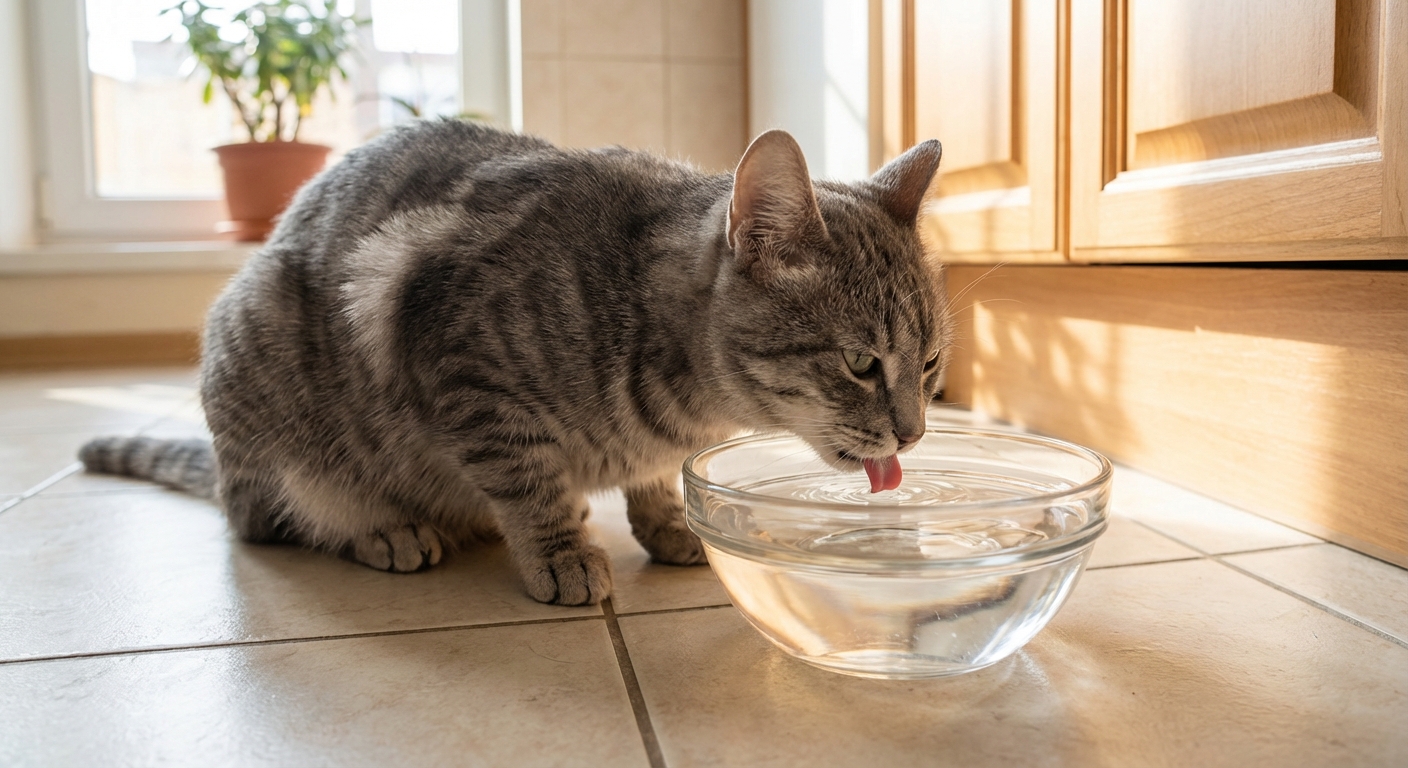
Cats are famously picky drinkers, and as a veterinary assistant, I hear the same concern all the time: “My cat barely drinks. Is that normal?” Sometimes it can be, especially if your cat eats mostly wet food. But consistently low water intake can raise the risk of urinary issues and constipation, and it can be a real problem for cats with kidney disease.
The good news is that you can usually improve hydration with a few simple changes at home. This guide walks you through what is normal, what is not, and exactly how to encourage a cat to drink more water safely.
Why water matters for cats
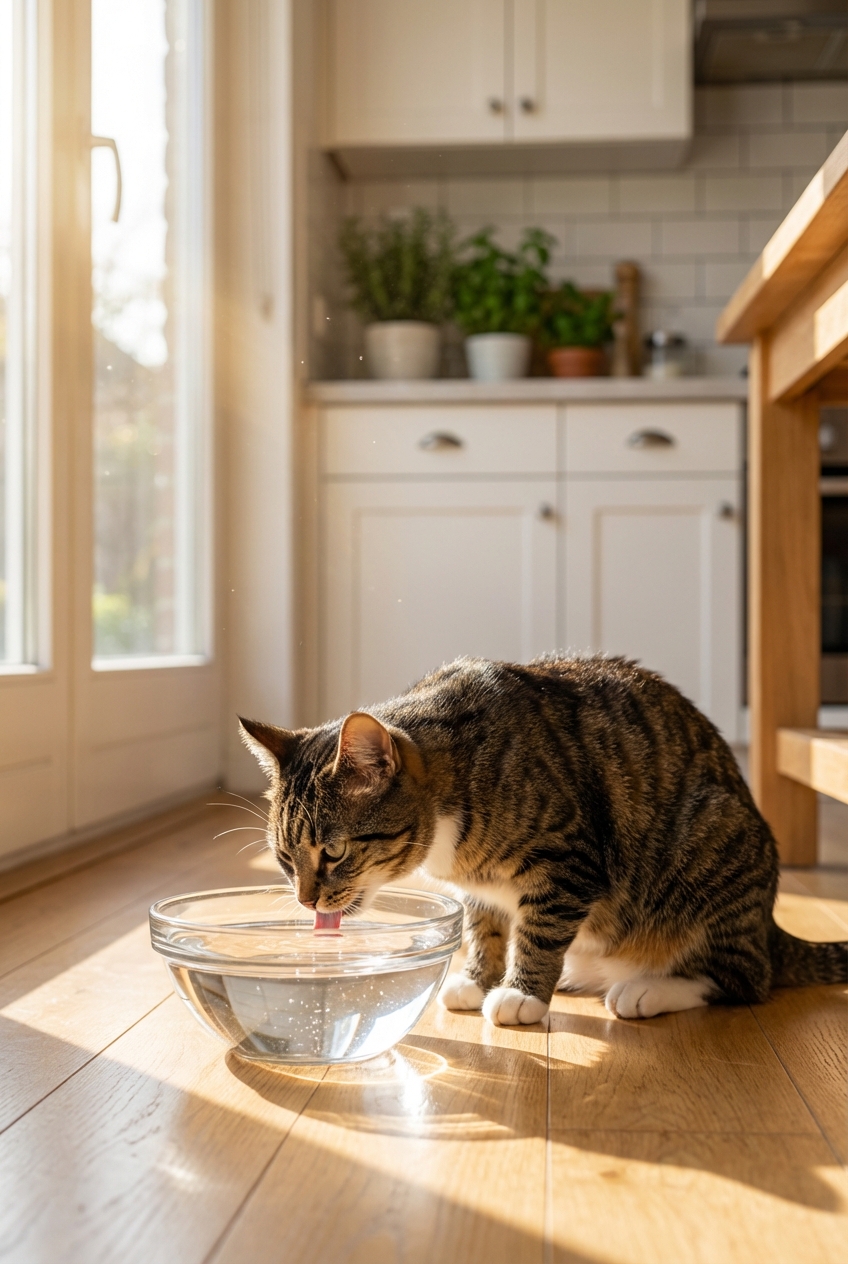
Cats evolved from desert-adapted ancestors, which is why they are efficient at conserving water. The downside is that many cats have a subtle thirst drive. Kibble-fed cats often do drink more to compensate, but many still end up with lower total water intake than cats eating wet food. Over time, low hydration can contribute to:
- Lower urinary tract disease (painful urination, crystals, urinary blockage)
- Constipation and harder stools
- Kidney strain in cats that are older or already prone to kidney disease
- Dehydration during illness, hot weather, or if your cat is stressed
Hydration is one of those quiet health habits that pays off for years.
How much water is normal?
Water needs vary by diet, size, environment, and health. A common veterinary rule of thumb for total water intake (from drinking plus food moisture) is approximately 40 to 60 mL per kg of body weight per day. Needs can be higher with heat, nursing, certain medications, or illness.
To make that feel more real: a 10 lb cat (about 4.5 kg) often needs around 180 to 270 mL daily in total. Cats eating mostly wet food may drink very little because they are already getting lots of water from meals.
Wet vs. dry
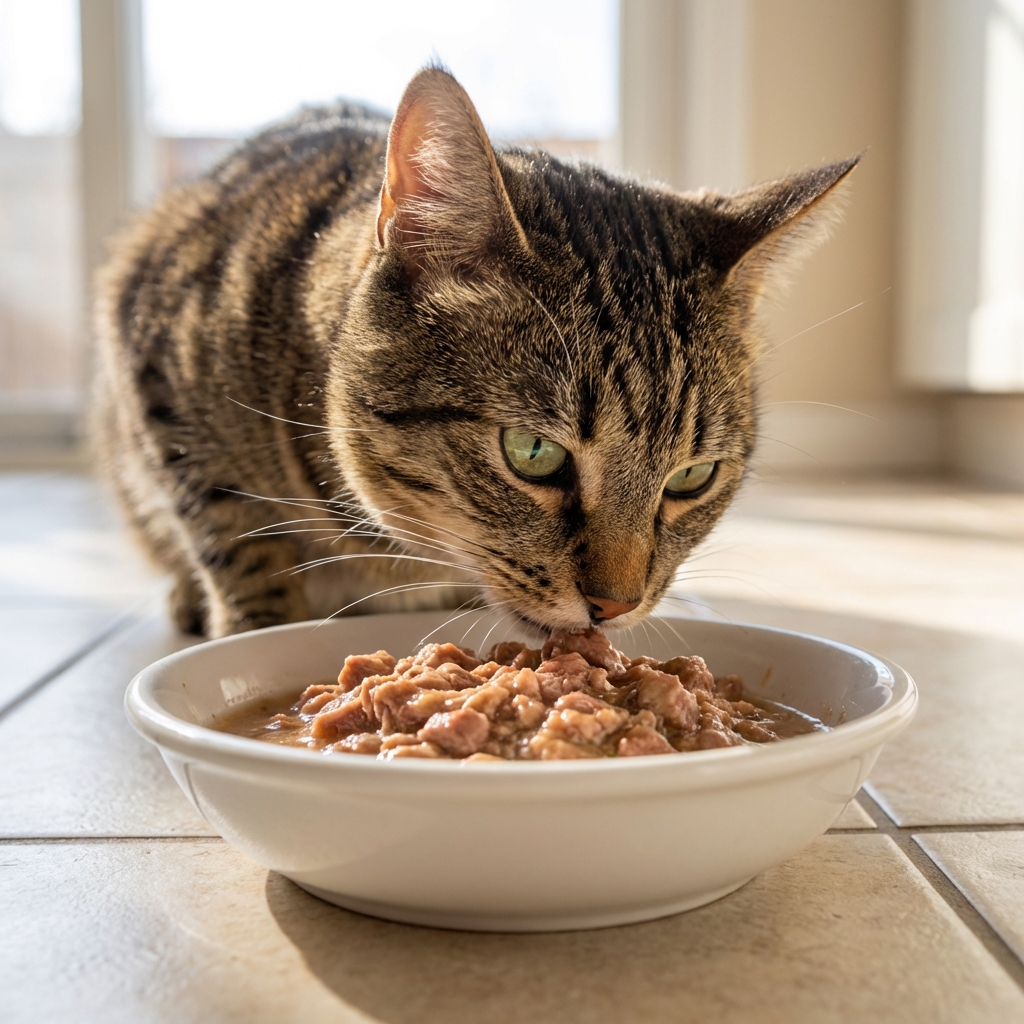
- Canned food is often around 70% to 80% moisture, which can significantly boost hydration.
- Dry kibble is often around 8% to 12% moisture, so cats generally need to drink more to meet their total water needs.
Low drinking: signs to watch
If you are unsure whether your cat’s drinking habits are “just cat behavior” or something more, watch for these common red flags. None of these signs are specific to dehydration, but they are worth paying attention to, especially if they are new or worsening:
- Small, hard stools or less frequent bowel movements
- Urine that may look darker than usual or have a stronger odor
- Straining in the litter box or frequent trips with little output
- Decreased appetite, hiding, or irritability
- Vomiting or lethargy
- Dry, tacky gums
- Skin that “tents” when gently lifted (this can be subtle and not always reliable in cats)
If you see urinary straining, crying in the litter box, or no urine produced, treat it as an emergency, especially in male cats.
Step-by-step: help your cat drink
1) Put water where cats like it
Many cats dislike drinking near their food or litter box. In the wild, food near water can mean contamination, so some cats instinctively avoid it.
- Put water bowls in multiple quiet locations, especially along your cat’s normal routes.
- Keep water far from the litter box.
- Try at least two different rooms.
Multi-cat note: Provide multiple water stations so timid cats are not blocked by a more confident cat. Resource guarding and stress can reduce drinking and can contribute to urinary flare-ups in some cats.
2) Try a different bowl
This sounds too simple, but bowl choice can significantly affect intake.
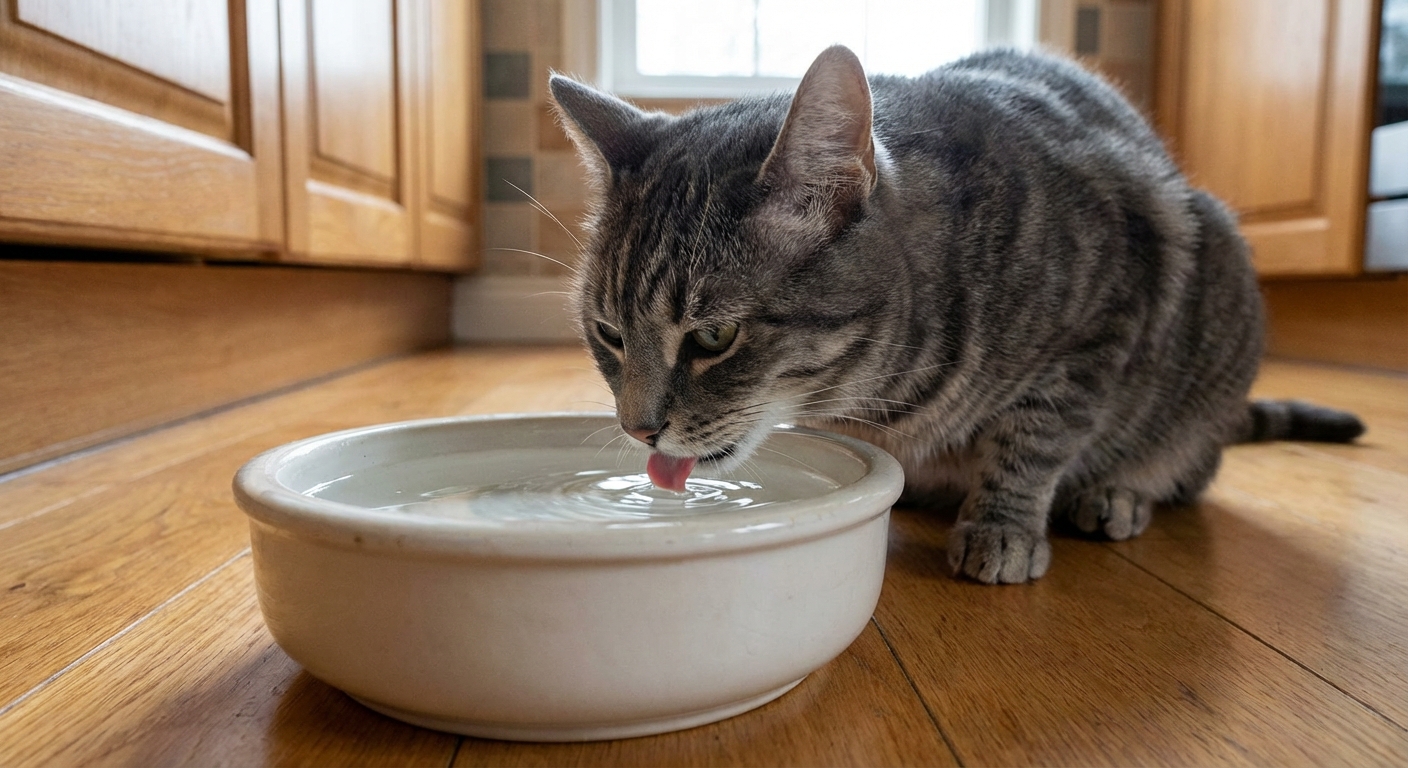
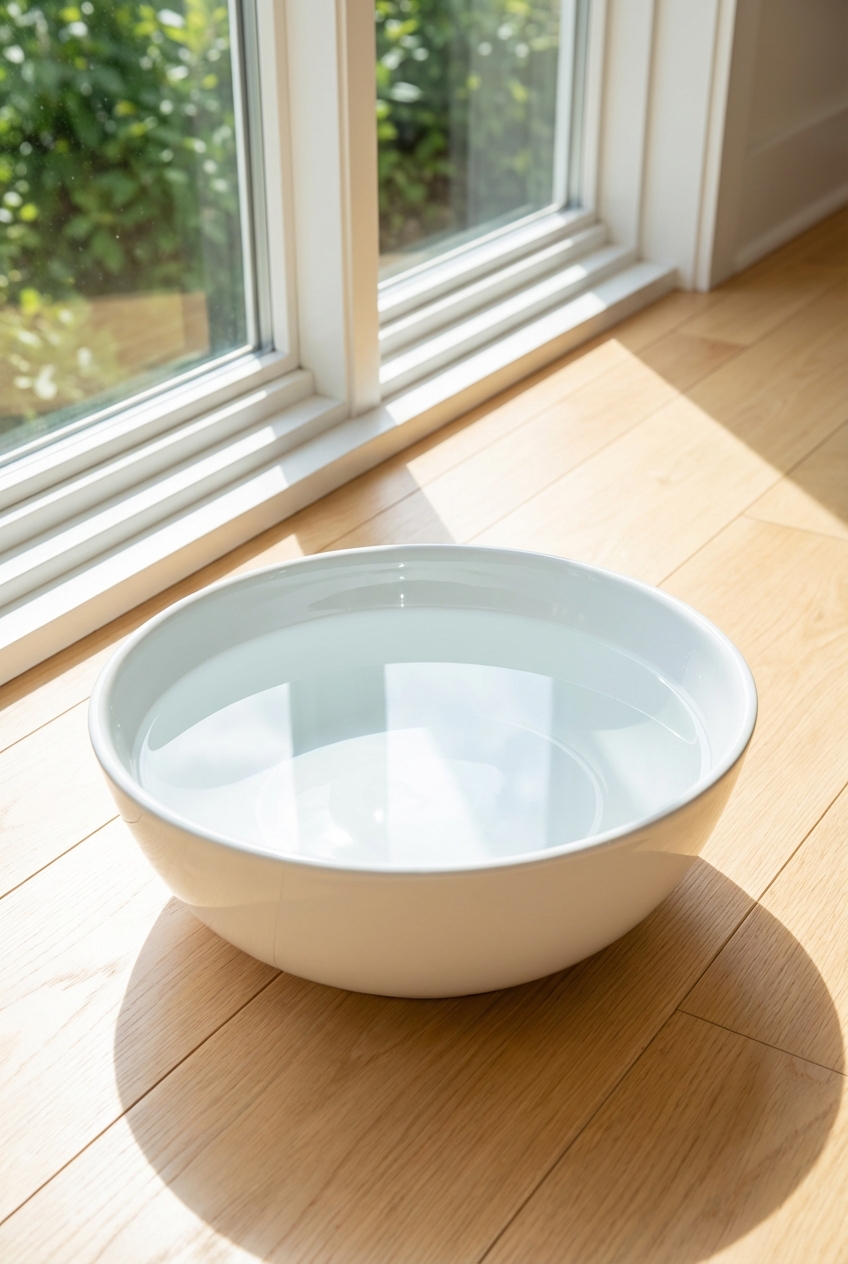
- Wide, shallow bowls help avoid whisker stress.
- Ceramic or stainless steel are easier to keep odor-free than some plastics.
- Some cats prefer glass or a heavy crock that does not slide.
3) Use a fountain (moving water)
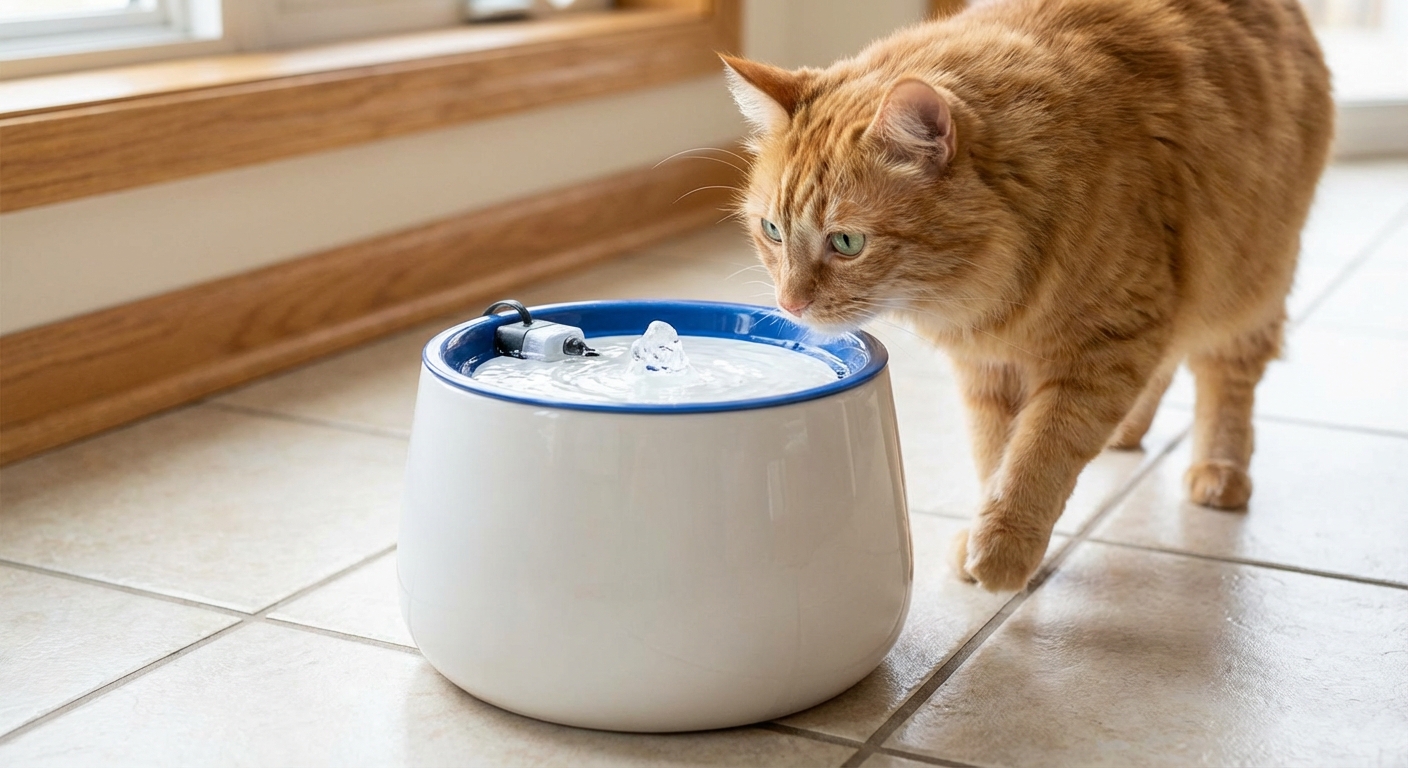
Many cats drink more from circulating water. A fountain can also keep water cooler and fresher.
- Choose a model that is easy to take apart and clean.
- Replace filters as recommended.
- Rinse and wipe parts frequently, and do a deeper clean at least weekly (more often if you notice film or slime).
If your cat is cautious, place the fountain near an existing water bowl and let them investigate at their own pace.
4) Improve taste safely
Some cats are more willing to drink if the water has a tiny “reward” flavor.
- Add a small amount of water from tuna packed in water (not oil, and not seasoned). Use this occasionally since it can add sodium.
- Try a splash of unsalted chicken broth with no onion or garlic.
- Use a cat-safe hydration broth made specifically for pets.
Important: Avoid broths made for humans that contain onion, garlic, heavy salt, or other seasonings. Those ingredients can be dangerous for cats. Any flavored water should be replaced daily (or sooner) to reduce bacterial growth.
5) Add moisture through food
If your cat eats dry food, adding moisture through meals is often the easiest, highest-impact change.
- Transition to wet food fully or partially if your veterinarian agrees.
- Add 1 to 2 tablespoons of warm water to wet food to make a “gravy.”
- For dry food, consider soaking with warm water for a short time if your cat accepts the texture (discard leftovers so it does not spoil).
Go slowly with any food changes to avoid stomach upset. A gradual transition over 7 to 10 days is often kinder to sensitive cats.
6) Keep it fresh and clean
Cats have a strong sense of smell. If a bowl smells “off,” some cats would rather skip it entirely.
- Change water at least once daily, more often in hot weather.
- Wash bowls with soap and hot water regularly.
- Some cats dislike the taste or smell of heavily chlorinated tap water. If you suspect that is the issue, try filtered water and see if intake improves.
- Consider offering a bowl with cool water and another at room temperature and see what your cat chooses.
7) Reduce stress around resources
Stress can reduce drinking and can trigger urinary signs in some cats. Along with adding more water options, keep routines predictable, provide quiet resting spots, and use interactive play to help your cat feel secure. The goal is to make hydration easy and appealing, not a battle.
Common mistakes
- One bowl for the whole house, especially in a noisy or high-traffic area
- Placing water beside food when your cat would prefer distance
- Using narrow bowls that bother whiskers
- Not washing bowls or fountains often, leading to odors or film
- Assuming “my cat never drinks” is always normal, especially with dry-fed cats or if habits have changed
When it is medical
If your cat suddenly drinks much less or stops drinking, it is worth a call to your veterinarian. Sometimes the water problem is really a symptom of something else.
Possible causes
- Dental pain (drinking hurts)
- Nausea or gastrointestinal disease
- Kidney disease
- Diabetes (often causes increased thirst, but patterns can vary)
- Urinary tract inflammation or blockage
- Stress and environmental changes
Urgent signs
Seek urgent veterinary care if you notice:
- Straining to urinate, vocalizing, or repeated litter box trips with little urine
- Blood in urine
- Severe lethargy, collapse, or repeated vomiting
Male cats with urinary obstruction can become critically ill quickly. When in doubt, get help right away.
If your cat refuses food, contact your veterinarian the same day (sooner for kittens, seniors, or cats with known medical problems). Cats can go downhill quickly when they stop eating.
What about drinking a lot?
Not all hydration concerns are about drinking too little. If your cat suddenly starts drinking noticeably more, has larger urine clumps, or seems unable to quench their thirst, call your veterinarian. Increased thirst and urination can be seen with issues like kidney disease, diabetes, hyperthyroidism, and some medications.
Monitor hydration at home
You do not need to measure every sip, but a little awareness goes a long way.
- Track litter box output: larger clumps usually mean better hydration.
- Notice bowl levels: mark the water line with a piece of tape on the outside of a clear, straight-sided bowl for an easy visual check. (With tapered bowls, the water level can be harder to estimate.)
- Estimate daily intake: measure how much water you pour in over 24 hours and subtract what is left, keeping in mind that fountains, evaporation, and multi-pet homes make this less exact.
- Watch body language: cats that feel well tend to groom, eat, and eliminate normally.
FAQ
Is it okay if my cat drinks from the faucet?
For many cats, yes. If it encourages drinking, it can be a helpful habit. Just be careful with hot water taps and slippery sinks. A fountain often provides a similar appeal with more consistency.
Can I give my cat milk for hydration?
Most adult cats are lactose intolerant, and milk can cause diarrhea. For hydration, stick with water, wet food, or veterinarian-approved hydration broths. If you want to use dairy, ask your vet first.
Do ice cubes help?
Some cats enjoy batting ice cubes or licking them. It is optional enrichment that can add a little extra water intake. If your cat gulps, chews aggressively, or has dental issues, supervise or skip it.
Should I use electrolyte drinks?
Only if your veterinarian recommends a specific pet-safe product. Many human electrolyte drinks contain sugars or sweeteners that are not appropriate for cats.
Bottom line
Helping a cat drink more water usually comes down to three things: better access (more bowls in better locations), better appeal (fresh, clean water and the right bowl or fountain), and more moisture in food. Small changes can make a meaningful difference in urinary health, comfort, and overall wellbeing.
If your cat’s drinking habits change suddenly, or you see any urinary straining or pain, do not wait. That is one of those times when fast veterinary care truly matters.