A practical, week-by-week newborn kitten care guide for pet owners—set up a safe warm nest, bottle-feed KMR correctly, stimulate pottying, track weight dai...
Article
•
Designer Mixes
How to Feed a 3-Week-Old Kitten

Shari Shidate
Designer Mixes contributor
At around 3 weeks old, a kitten is in that in-between stage: still dependent on milk for nutrition, but starting to explore, wobble-walk, and even show interest in new tastes. Feeding well at this age is not just about calories. It is about hydration, warmth, safety, and the right routine so your kitten can grow steadily and comfortably.
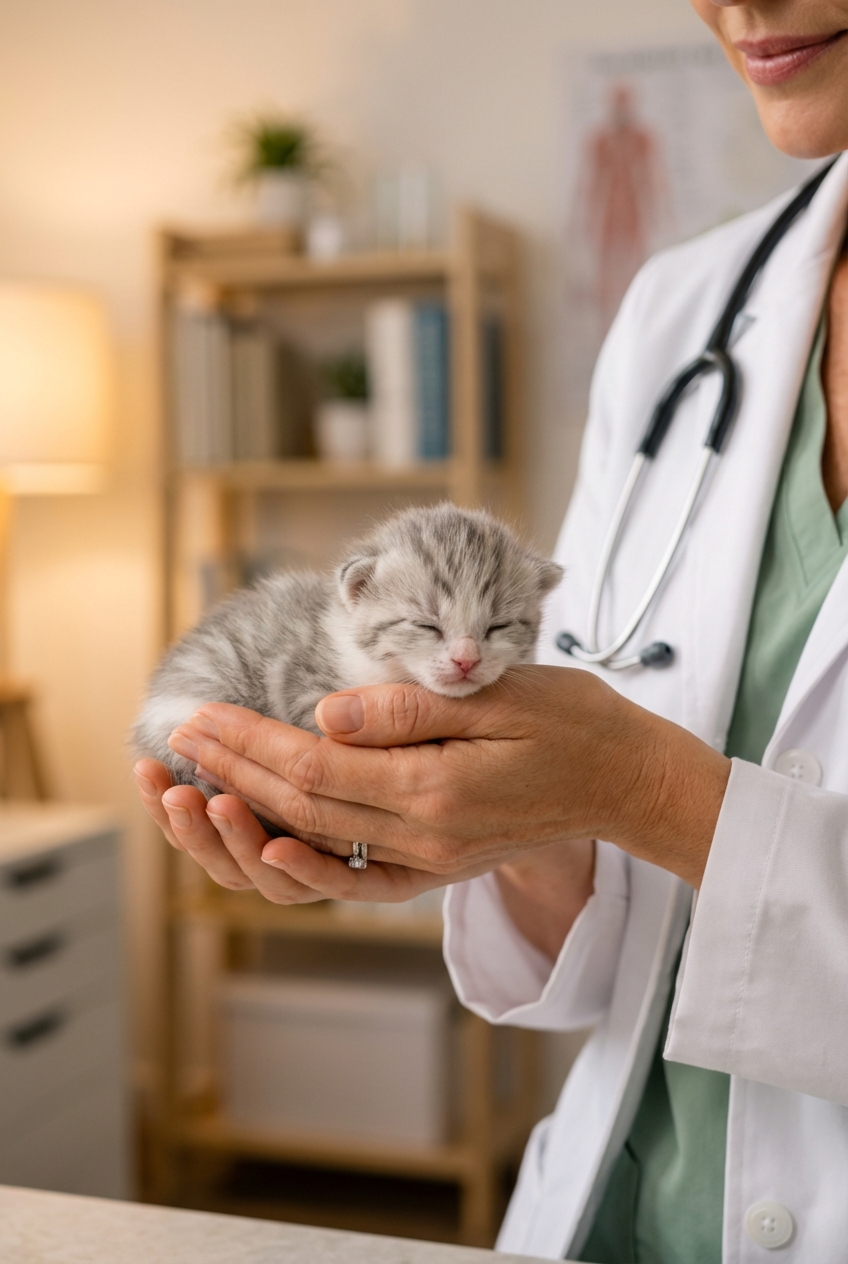
Quick note: If you found a kitten outdoors and you are not sure of age or condition, a vet visit is ideal within 24 to 48 hours. Very young kittens can fade quickly when they are cold, dehydrated, or underfed.
What a 3-week-old kitten needs
Most 3-week-old kittens still need kitten milk replacer (kitten formula) as their main food. Many are not fully ready for solid food yet, but you can begin a gentle weaning process by offering a formula-and-food slurry once they are stable, warm, and eating well.
- Milk: Commercial kitten milk replacer, not cow’s milk
- Warmth: Kittens cannot regulate body temperature well at this age
- Frequent meals: Small stomach, fast metabolism
- Help with potty: Many still need stimulation to urinate and defecate
Best food: kitten formula, warmed
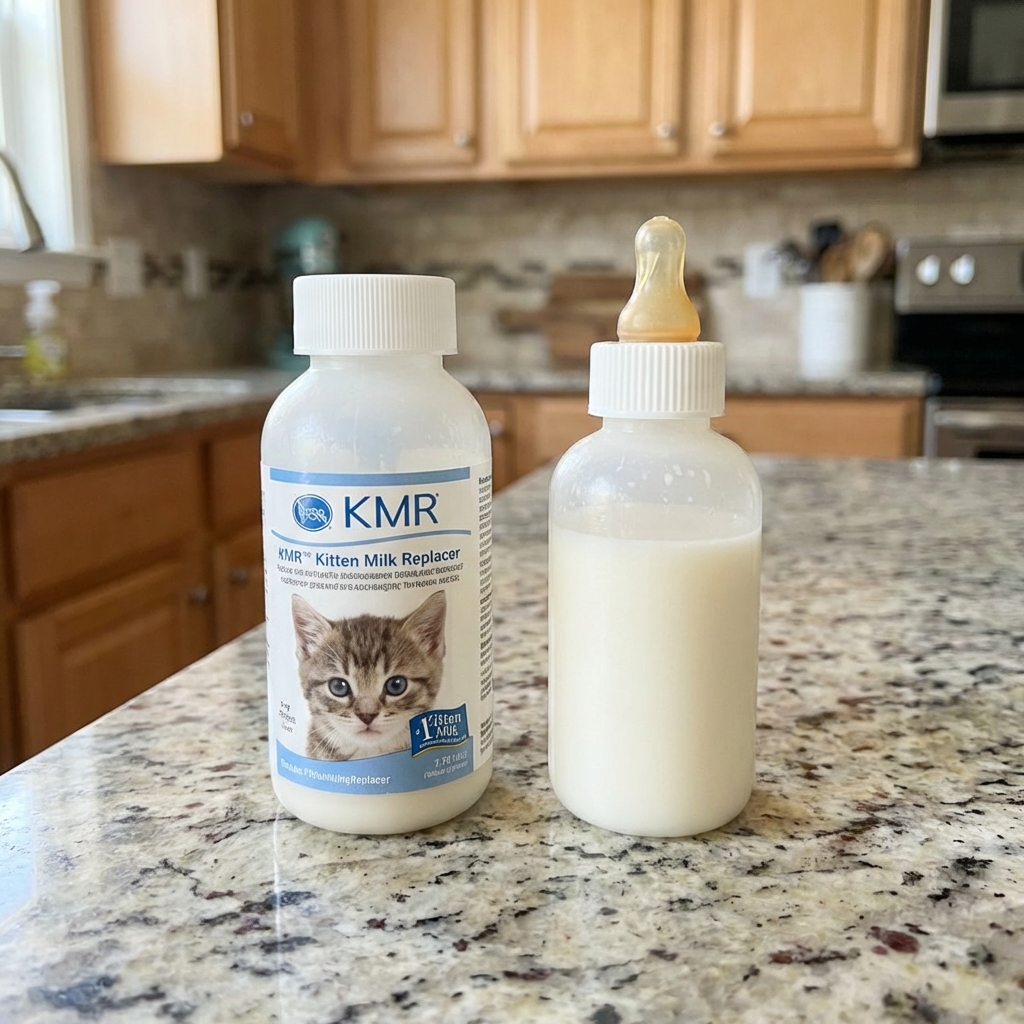
Use a commercial kitten milk replacer powder or ready-to-feed formula made specifically for kittens. Warm it to about body temperature. It should feel warm, not hot, on the inside of your wrist.
What not to feed
- No cow’s milk (it often causes diarrhea and dehydration)
- No plant milks (not nutritionally complete)
- No homemade formulas unless a veterinarian directs you, because nutrient imbalance is common
How much and how often
Because kittens vary by size and health, the most accurate way to determine volume is to follow the feeding chart on your kitten milk replacer label and adjust with your veterinarian. In general, many 3-week-old kittens do best with meals about every 3 to 5 hours. Some may stretch closer to 6 hours if they are thriving, but smaller or underweight kittens often need the shorter end of the range, including overnight.
Practical feeding rhythm
- Feed every 3 to 5 hours (often 5 to 8 feedings per day)
- Goal: steady weight gain and a satisfied, relaxed kitten after meals
The most important tool: a kitchen scale
Weigh your kitten at the same time daily (grams are easiest). Healthy kittens should gain weight consistently.
- Common target: about 10 to 15 grams per day (some will gain more, some less)
- Red flag: weight is flat or dropping, or your kitten misses the target for more than a day
Action step: Write down weight, meal amount, and stool quality each day. Patterns help you and your vet fix issues early.
How to bottle-feed safely
Bottle-feeding is absolutely doable, and a calm routine makes it easier for both of you.
Set up first
- Warm the formula and test it on your wrist
- Use a kitten nursing bottle (preferred) or a syringe only if your vet or a rescue mentor shows you how
- Make sure the nipple hole is correct: formula should drip slowly when the bottle is inverted, not stream
- Wash bottles and nipples well after use, and follow the formula label for storage and how long prepared formula can sit out
Positioning matters
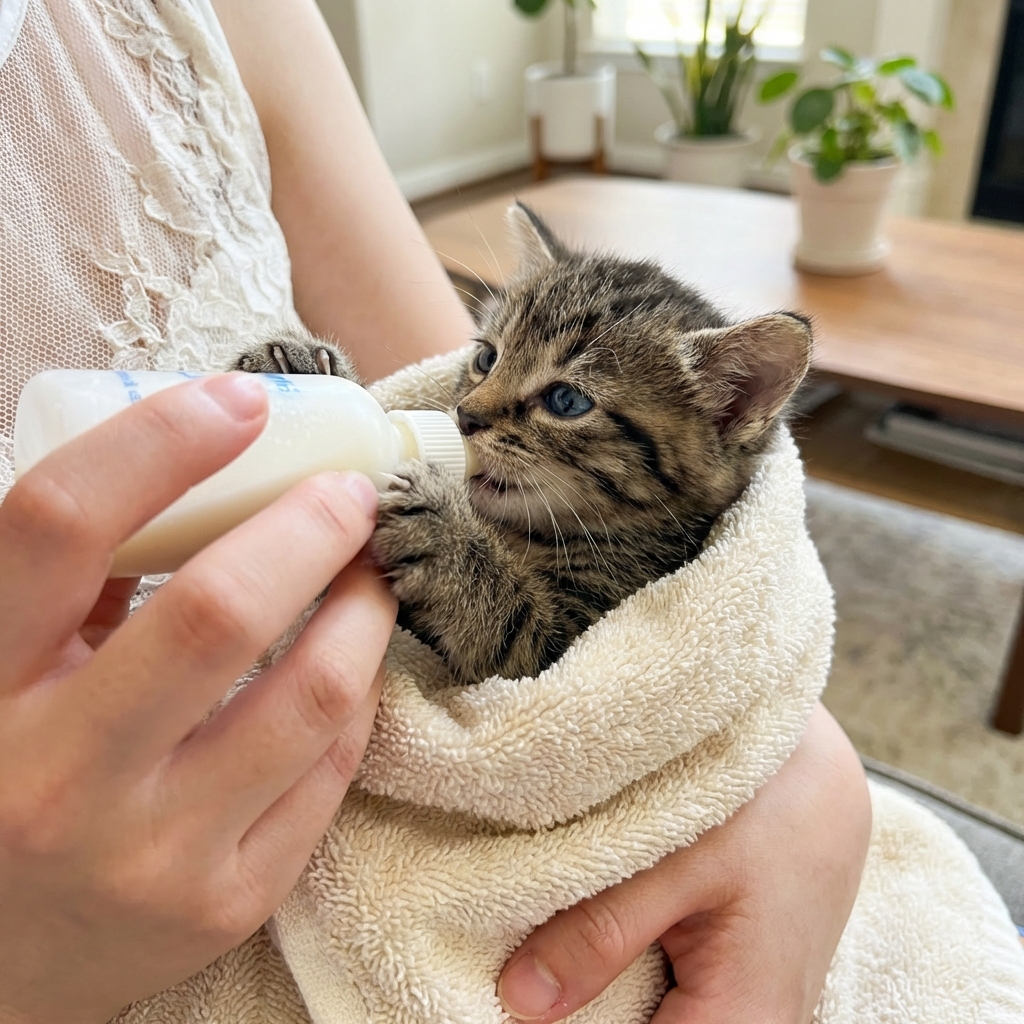
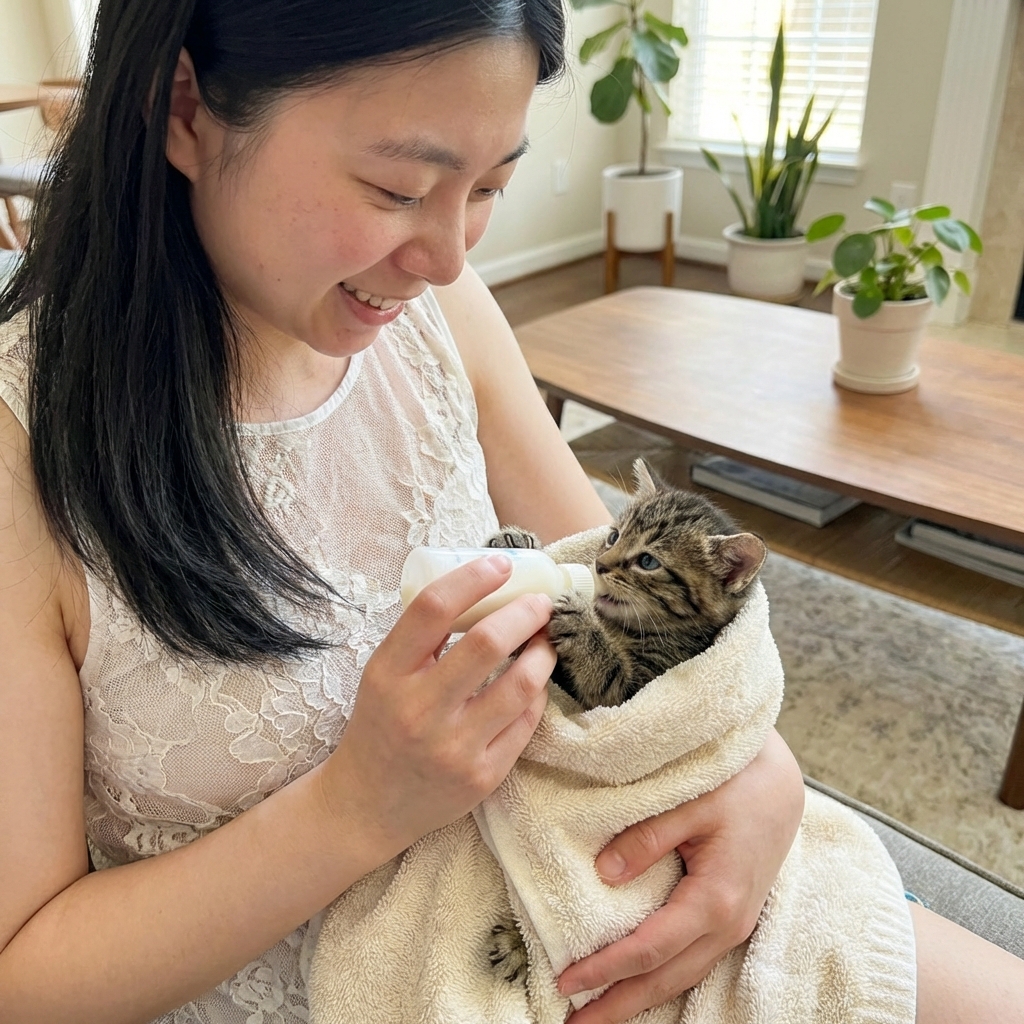
Always feed a kitten belly-down, like they would nurse from mom. Never feed a kitten on their back. That increases the risk of aspiration, meaning fluid can enter the lungs.
- Place kitten on a towel in a natural crouch
- Let them latch and suckle at their pace
- Pause if you hear coughing, clicking, or see milk bubbles from the nose
After feeding
- Gently wipe face and paws
- Optional: some kittens benefit from a gentle burp (hold upright and rub the back), but not all need it
- Keep kitten warm and calm
Starting weaning (slurry)
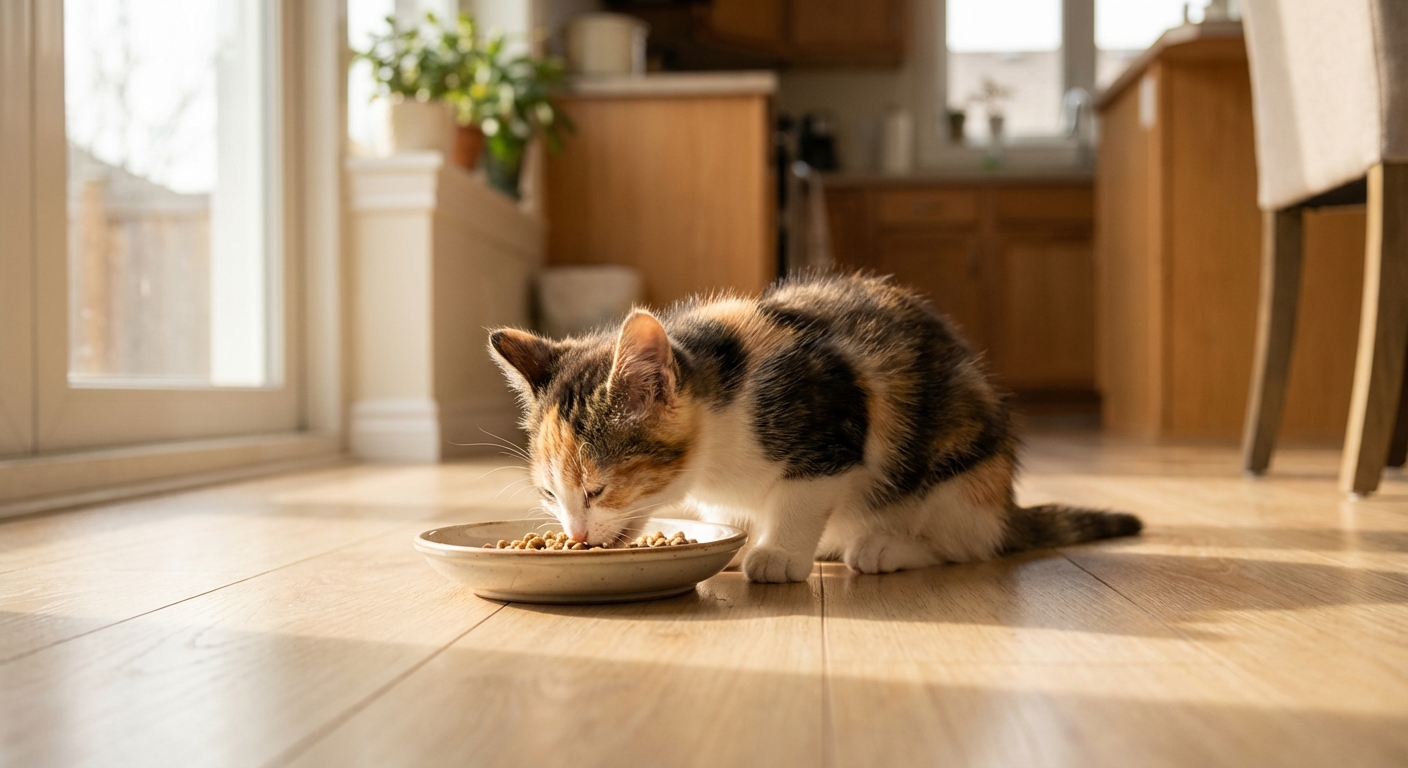
Many kittens begin weaning between 3 and 5 weeks, but most meaningful weaning happens closer to 4 to 5 weeks. At 3 weeks, think of this as practice, not a full switch. If your kitten is strong, warm, and bottle-feeding well, you can introduce a tiny amount of slurry once daily and increase gradually.
How to make a gentle slurry
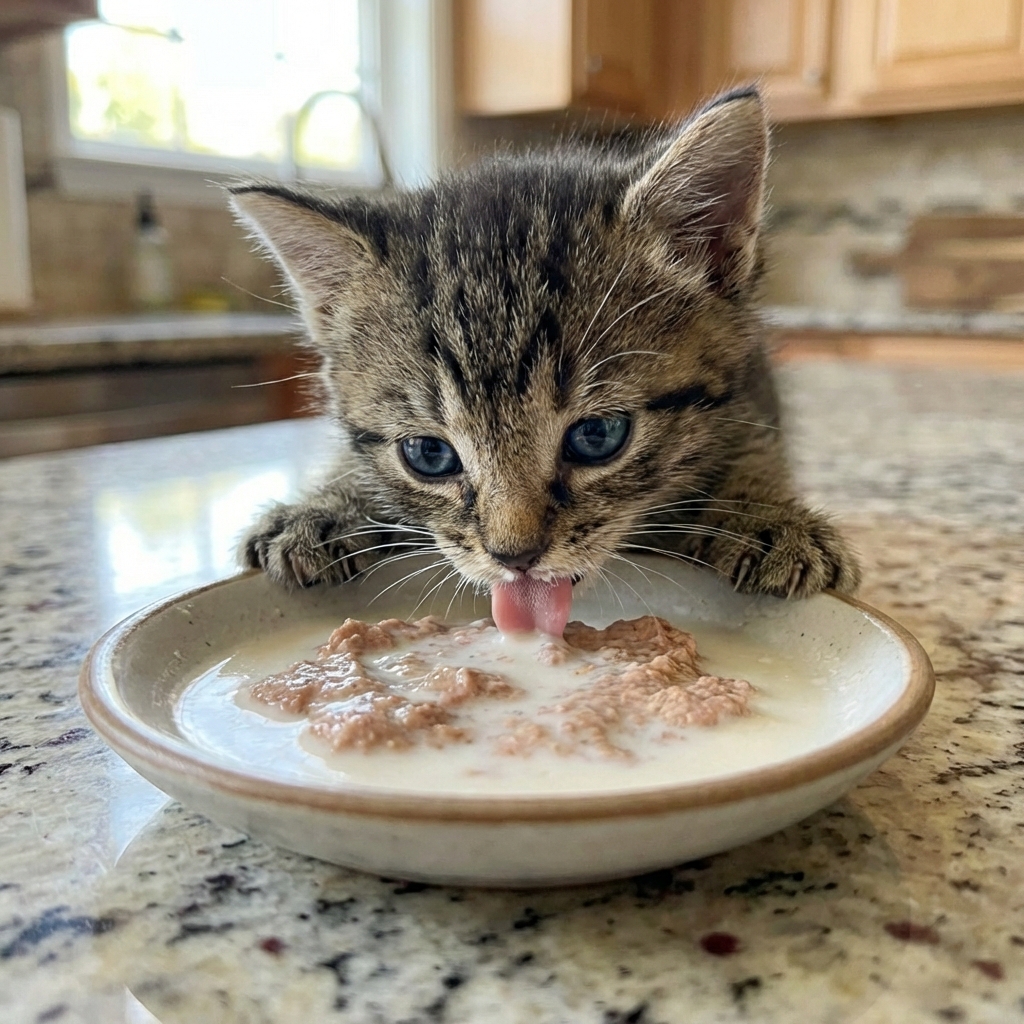
- Use high-quality wet kitten food (pate texture is easiest)
- Mix with warmed kitten formula until it is thin like soup
- Offer in a shallow dish or on your fingertip
What to expect
Messy faces, walking through the dish, and confusion are normal. Keep it positive. If the kitten refuses, go back to bottle-feeding and try again in a day or two.
Important: Even if they lick slurry, they still need bottle feedings for nutrition at this age. Most calories should still come from formula until they are older and reliably eating kitten food.
Hydration and poop checks
At 3 weeks, digestive problems can become serious quickly. Veterinary professionals recommend watching hydration and stool quality closely, especially for found kittens and bottle babies.
Signs of dehydration
- Gums feel tacky or dry
- Low energy, weakness
- Persistent diarrhea
- Skin tent test: gently lift the skin between the shoulder blades and release. In a well-hydrated kitten it should spring back quickly. Note: this test is not perfect in very young kittens, so use it alongside behavior and gum moisture.
If you suspect dehydration, contact a veterinarian promptly. Do not try to correct severe dehydration at home.
Stool basics
- Normal: soft but formed, yellow-brown to brown
- Concerning: watery diarrhea, blood, black or tarry stool, or no stool with a bloated belly
Extra note for found kittens: diarrhea can be triggered by parasites (worms), fleas causing anemia and stress, diet changes, or infections. Ongoing diarrhea in a young kitten is urgent.
Helping a 3-week-old kitten potty
Some 3-week-old kittens begin to eliminate on their own, but many still need stimulation, especially bottle babies without a mother cat.
How to stimulate
- After each feeding, use a warm, damp cotton ball or soft cloth
- Gently rub the genital area in small circles
- Continue until the kitten urinates, and possibly stools
If your kitten strains, cries, or goes more than 24 hours without stool, check in with a vet. Constipation is common when formula is mixed incorrectly or when kittens are slightly dehydrated.
Warmth first
If the kitten feels cool, focus on warming before feeding. Feeding a chilled kitten can be dangerous because they cannot digest properly and are more likely to aspirate.
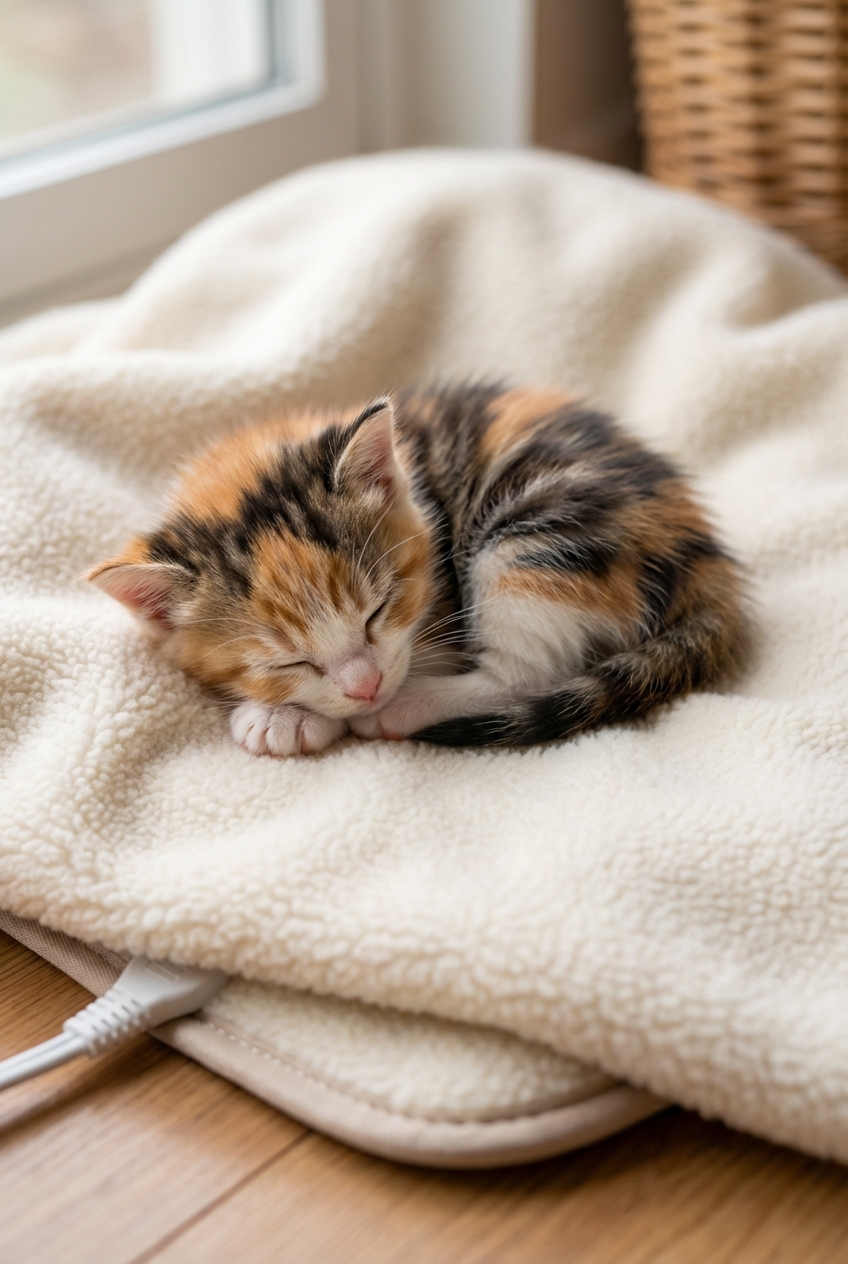
- Warm gradually using a covered heating pad on low under half the bedding, or a warm (not hot) water bottle wrapped in a towel
- Make sure the kitten can crawl away from the heat
- Avoid direct high heat or heating lamps close to the kitten
When to call the vet
Young kittens can decline fast. Trust your gut and get help if something feels off.
- Milk coming from the nose, coughing during feeds, or trouble breathing
- Refusing multiple feedings in a row
- Weakness, cannot hold head up, feels cold
- Ongoing diarrhea or vomiting
- No weight gain or weight loss
- Bloated belly with discomfort
If the kitten is cold, warm them first before feeding.
A simple daily routine
If you are caring for a single kitten, structure helps you stay calm and consistent.
- Feed: every 3 to 5 hours (formula), with optional tiny slurry practice if ready
- Stimulate: potty after meals as needed
- Warmth: heating pad on low under half the bedding, so kitten can move away if too warm
- Weigh: daily and log it
- Clean: wash feeding supplies thoroughly and follow label guidance for storing prepared formula