Discover what plain pumpkin can do for your dog’s digestion, how much to serve by weight, what to avoid, when to call the vet, and easy pumpkin meal ideas ...
Article
•
Designer Mixes
How to Express a Dog’s Anal Glands

Shari Shidate
Designer Mixes contributor
Anal gland trouble is one of those dog-care topics nobody really wants to talk about, but a lot of families end up facing it. As a veterinary assistant here in Frisco, Texas, I can tell you this is common, it is usually manageable, and you do not have to guess your way through it.
In this guide, I’ll walk you through what anal glands do, how to know when there’s a problem, when you should not attempt expressing at home, and the safest, cleanest way to do it if your veterinarian has confirmed it’s appropriate for your dog.
Quick takeaway
- Same-day vet visit: swelling, bleeding, pus, open sores, a sudden painful lump, or your dog cannot sit comfortably.
- Vet visit soon: recurring scooting or fishy odor, or you are not sure anal glands are the cause.
- At-home expression: only if your vet has confirmed the issue and shown you how, and only the external method.
What anal glands are
Dogs have two small scent glands (anal sacs) located just inside the anus, typically around the 4 o’clock and 8 o’clock positions. Exact location and how easy they are to feel can vary a bit by dog.
These sacs produce a strong-smelling fluid that normally empties in tiny amounts when a dog has a firm, normal bowel movement. Some dogs also release anal sac fluid when they are very stressed or frightened.
When the sacs do not empty well, fluid can build up. That can lead to:
- Impaction: thickened material and a “too full” feeling
- Inflammation: irritation and swelling
- Infection: bacteria overgrow in the trapped fluid
- Abscess: a painful, often sudden swelling that can rupture through the skin
Some dogs are simply more prone due to anatomy, allergies, chronic soft stools, obesity, or skin issues around the rear end.
Signs your dog may need help
Not every butt-lick or itch means anal glands, so look for a pattern or multiple signs.
- Scooting (dragging the rear on carpet or grass)
- Excessive licking under the tail
- Fishy odor that comes and goes
- Sudden discomfort when sitting
- Swelling near the anus or one-sided bulge
- Straining to poop or unusual tail tucking
- Blood or pus near the anus (this is an urgent red flag)
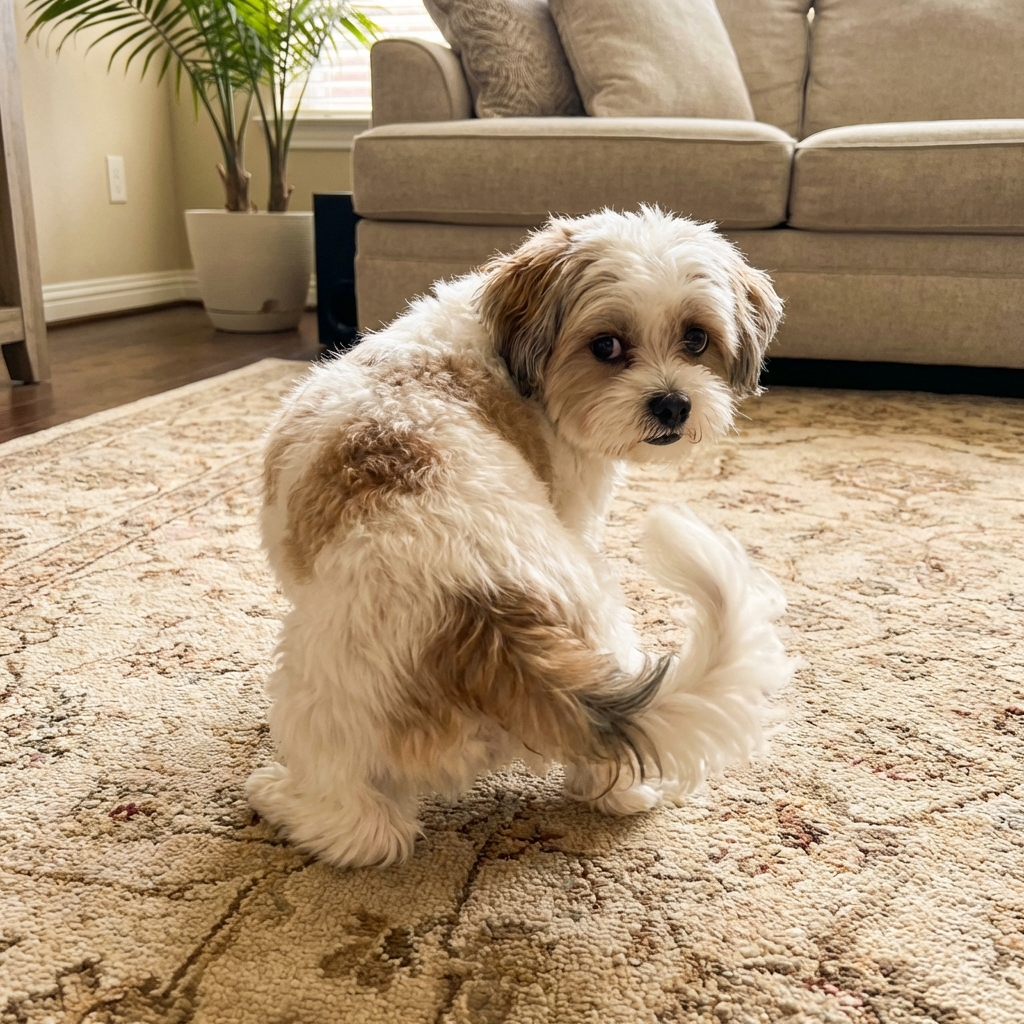
If your dog is scooting but also has diarrhea, intestinal parasites, or a matted coat, you may be dealing with a different cause. When in doubt, let your vet team confirm the issue before you start expressing.
When not to express at home
Home expression is not the right choice for every dog, and in some situations it can make things worse.
Skip DIY and call your veterinarian if:
- Your dog has swelling, open sores, bleeding, pus, or a foul discharge
- Your dog yelps, snaps, or cannot tolerate gentle handling (pain suggests inflammation or infection)
- You feel a firm or hard lump that does not soften, there is one-sided swelling, or the area is hot to the touch
- Your dog has a history of abscesses or recurrent infections
- Your dog is immunocompromised, elderly, or has complex health problems
- You are not sure it is actually an anal gland issue
Important note about lumps: a persistent firm mass or ongoing asymmetry around the anus needs a veterinary exam. Sometimes it is an impacted gland, but older dogs in particular should be checked to rule out less common causes, including tumors.
Also, if you have been expressing frequently (every week or two), talk to your vet. Frequent expression can irritate delicate tissue and may increase inflammation or make discomfort seem more frequent.
External vs internal
There are two main techniques:
- External expression: gentle pressure from outside the anus. This is the only technique some owners should attempt at home, and only with veterinary guidance.
- Internal expression: a gloved, lubricated finger goes just inside the rectum while pressure is applied externally. This is often more effective, but it is also more uncomfortable for the dog and is best done by a veterinary professional. (In many areas, groomers are not permitted or advised to perform internal expression. If you are considering any non-vet option, ask your veterinarian what is appropriate and legal where you live.)
If your vet has shown you how to do it safely and your dog is a good candidate, external expression may be appropriate at home.
Supplies to gather
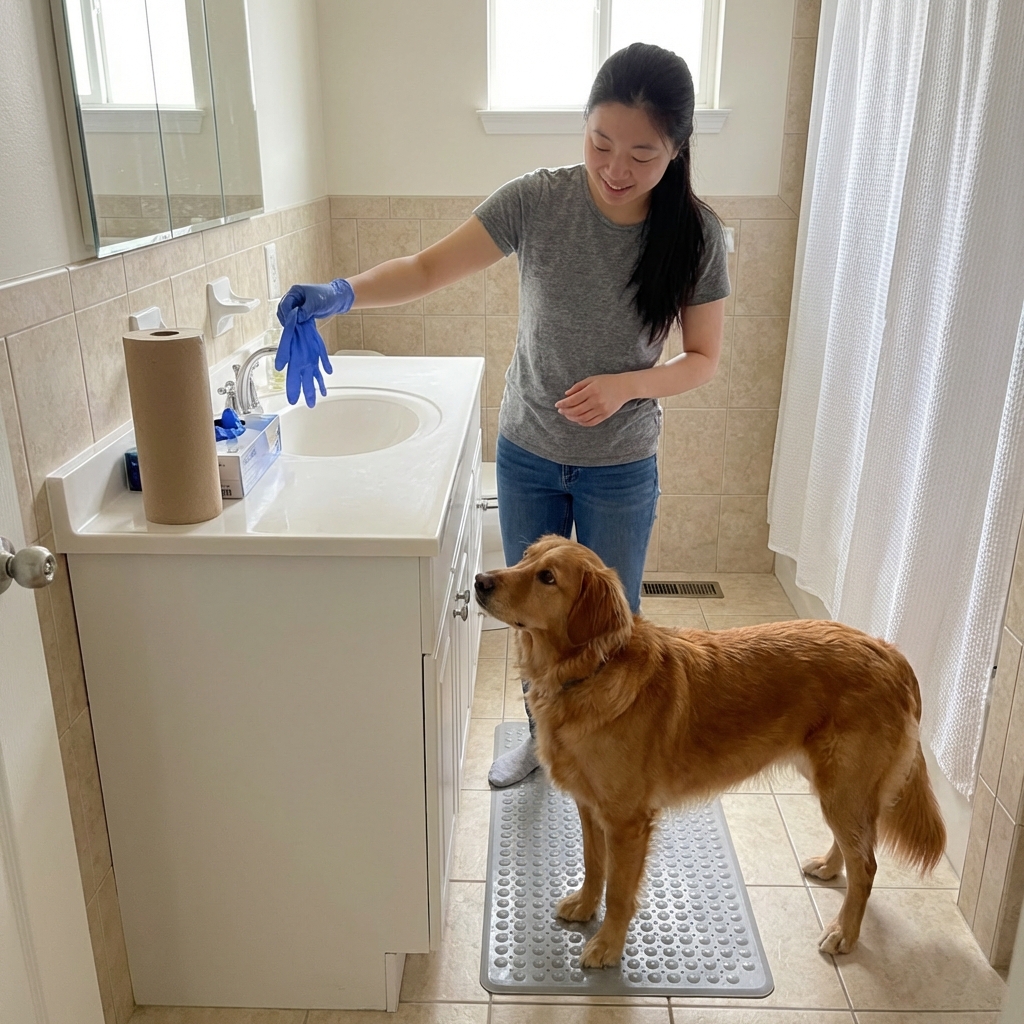
Set up first. Once you start, you want everything within reach.
- Nitrile or latex gloves
- Paper towels or gauze pads
- Unscented baby wipes or a soft damp cloth
- A small bowl or plastic bag for waste
- Old towel or washable pad
- Optional: eye protection and a face mask (the fluid can spray)
- High-value treats for calm, steady reinforcement
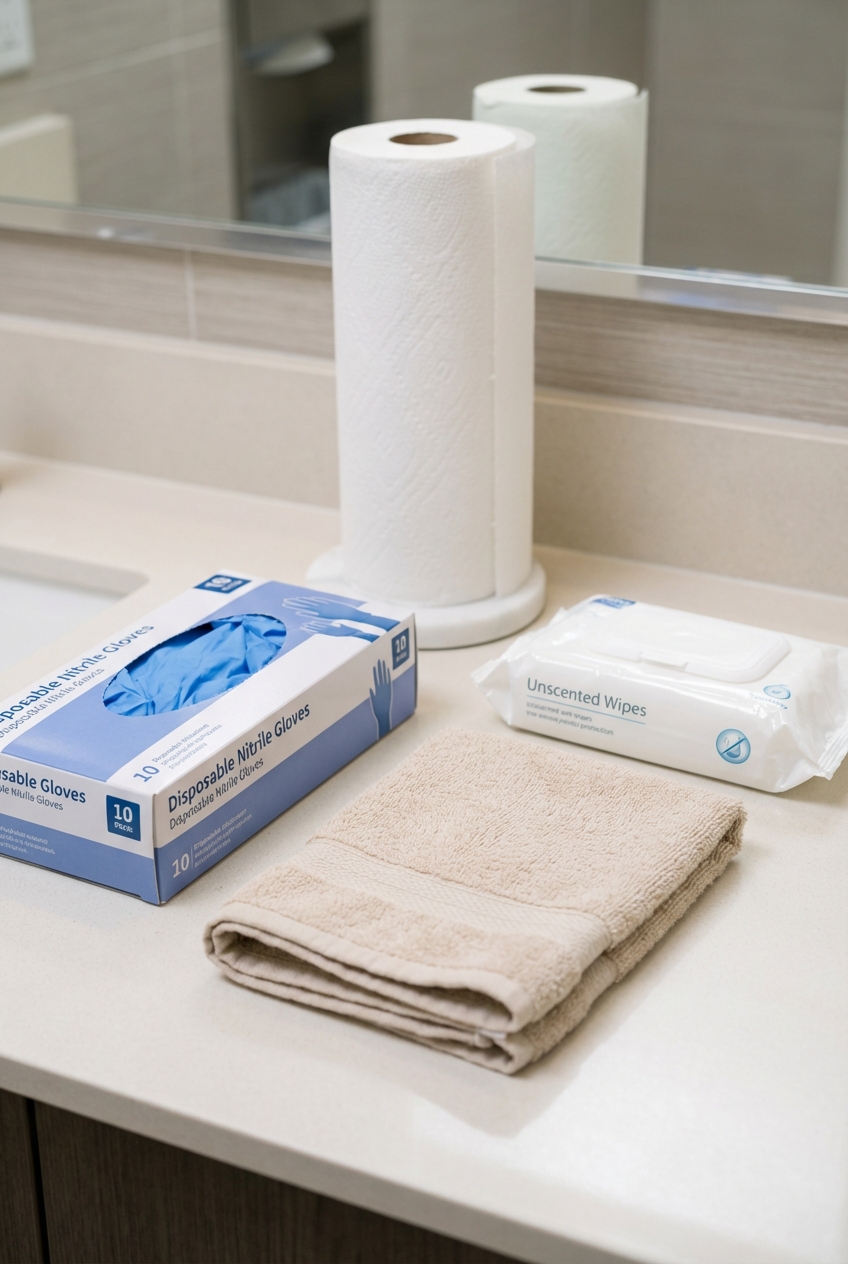
Choose an easy-clean location like a bathtub, shower, or laundry room. Have a helper if possible, especially for wiggly dogs.
How to express (external)
Important: This is general information, not a substitute for a hands-on demonstration from your veterinarian. If you have never seen it done, ask your vet team to show you in clinic first.
Step-by-step
- Keep your dog calm and secure. Use a non-slip mat. Small dogs can stand in a tub. A helper can gently hold your dog at the chest and offer treats.
- Lift the tail gently. Do not yank. Just raise it enough to see the anus clearly.
- Locate the sacs. Imagine a clock face on the anus. The sacs are usually around 4 o’clock and 8 o’clock. From the outside, you may feel two small, firm “peas” under the skin if they are full.
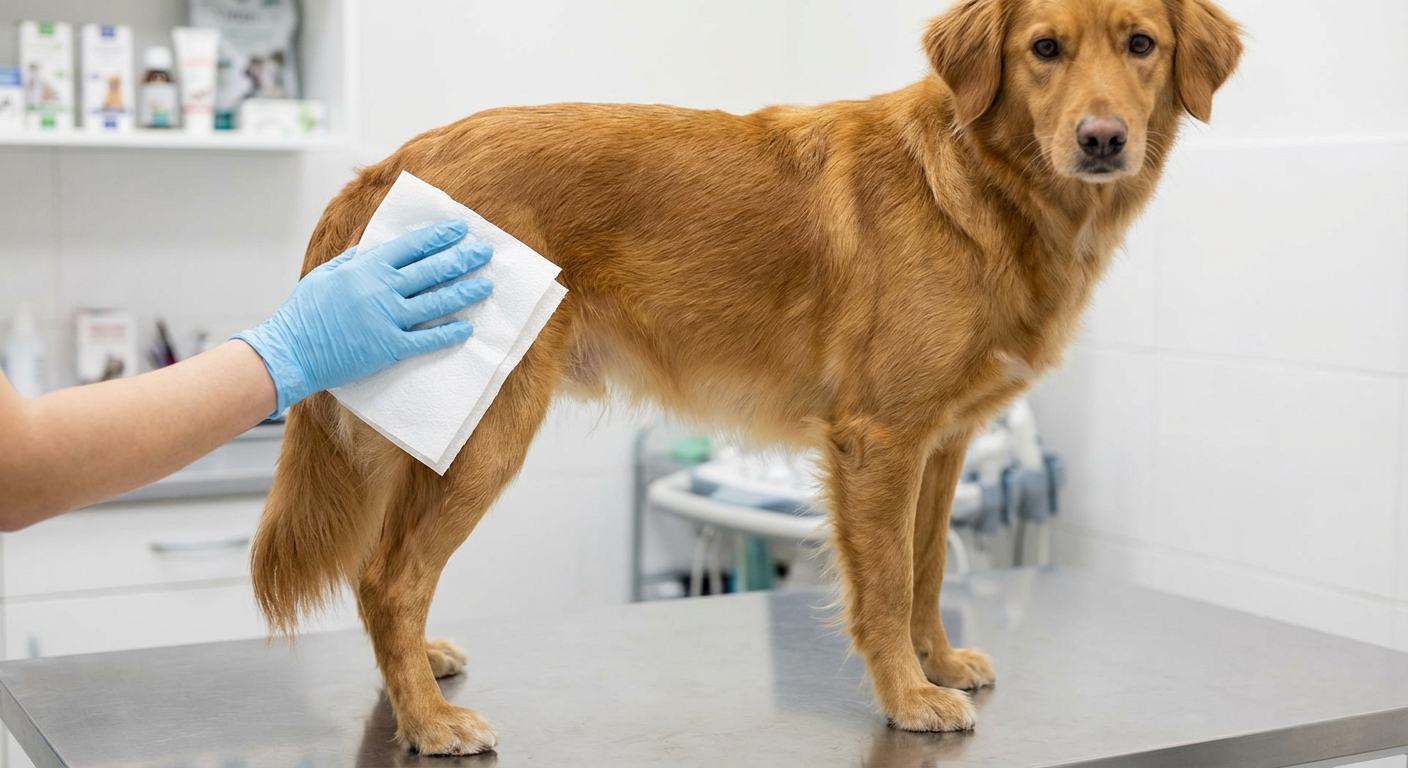
- Place a paper towel over the area. This helps catch fluid and reduces spraying.
- Apply gentle, steady pressure. With your thumb and forefinger on either side, press inward (toward the anus) and slightly upward. Think “milk toward the opening,” not “pinch.” Use light pressure, not force. If your dog tenses, cries, or tries to get away, stop.
- Stop once fluid releases. You might see a small amount of thin brown fluid, or thicker tan or gray material. The smell is strong. If nothing happens after a few gentle attempts, stop and schedule a visit. Forcing it can bruise tissue.
- Clean the area. Wipe with an unscented wipe or damp cloth.
- Reward and observe. Praise, treats, and then monitor your dog over the next 24 to 48 hours for discomfort.
A healthy expression is usually quick. If your dog is painful, if you see blood, or if you notice greenish, creamy, or pus-like fluid, book an appointment. That can signal infection.
How often?
Many dogs never need manual expression. Others may need it occasionally. Routine, preventive expression is not recommended for every dog. If your dog needs frequent expressing, it is a sign to look for an underlying cause like chronic soft stool, allergies, or weight gain.
Aftercare
Most dogs act relieved after expression. Mild licking that evening can happen, but it should not look frantic or painful.
Call your vet if you notice:
- Persistent scooting after expression
- Redness that worsens over 24 hours
- Swelling or a firm lump near the anus
- Fever, lethargy, decreased appetite
- Blood, pus, or a sudden open wound
These signs can point to infection or an abscess, which typically needs veterinary treatment such as pain relief, anti-inflammatories, in-clinic expression, and sometimes antibiotics. In some cases your vet may recommend cytology or culture, or may need to flush the sacs. If an abscess is present, additional treatment may be needed.
What your vet may do
If you come in for suspected anal gland issues, here is what is commonly involved:
- History and exam: symptoms, stool quality, skin and allergy clues
- Rectal exam: to confirm full, impacted, inflamed, or infected sacs and to check for masses
- Expression and flushing: often more complete than what can be done at home
- Testing when needed: cytology and sometimes culture if infection is suspected
- Medication: pain control, anti-inflammatories, and antibiotics only when indicated
If problems keep recurring, your veterinarian can help you build a long-term plan based on your dog’s triggers.
Prevention
The goal is to help your dog naturally empty glands with normal bowel movements and healthy skin around the rear end.
1) Firm stool
Stool consistency matters because firm stool applies pressure that helps express glands. Chronic soft stool is one of the most common contributors to recurrent issues.
- If your dog has frequent loose stool, ask your vet about diet adjustments and whether parasites or food sensitivity may be involved.
- In some dogs, adding appropriate fiber can help, but do it with guidance. Too much fiber or the wrong type can worsen gas or stool quality.
2) Healthy weight
Extra weight can reduce muscle tone and change how well glands empty. If your dog is overweight, a slow, steady weight-loss plan can make a big difference.
3) Allergy care
Dogs with environmental or food allergies can have inflammation of the skin and glands. If your dog has recurrent ear infections, paw licking, or itchy skin along with anal gland issues, mention it to your veterinarian.
4) Hygiene for long coats
Keeping the area under the tail clean and trimmed reduces irritation and makes it easier to spot swelling early.
FAQs
Does scooting always mean anal glands?
No. Scooting can also be caused by intestinal parasites, skin allergies, matting, fecal residue stuck in fur, or irritation from diarrhea.
Can groomers express anal glands?
Many groomers offer external expression. Some dogs do fine with it, but if your dog has pain, swelling, recurrent infections, a history of abscess, or any concern for a lump, veterinary care is the safer route. Internal expression is best left to veterinary professionals.
Why does the smell linger?
Anal sac fluid is oily and potent. Wash towels on hot, use pet-safe enzymatic cleaner on surfaces, and bathe your dog’s rear end if needed.
Can anal gland issues be serious?
Yes. Infections and abscesses can be very painful and can worsen quickly. Early treatment makes recovery easier.
When to see the vet
If your dog has recurring anal gland problems, your veterinarian can check for infection, do a more complete expression, evaluate stool quality, and rule out other causes. In chronic cases, there are medical management options, and rarely, surgery is considered. Most dogs never need surgery, but they do need a plan tailored to their specific triggers.
My best advice: if this is your dog’s first suspected anal gland issue, let your vet confirm the cause once. After that, you’ll feel much more confident about what is normal for your dog and what is a sign to come in.
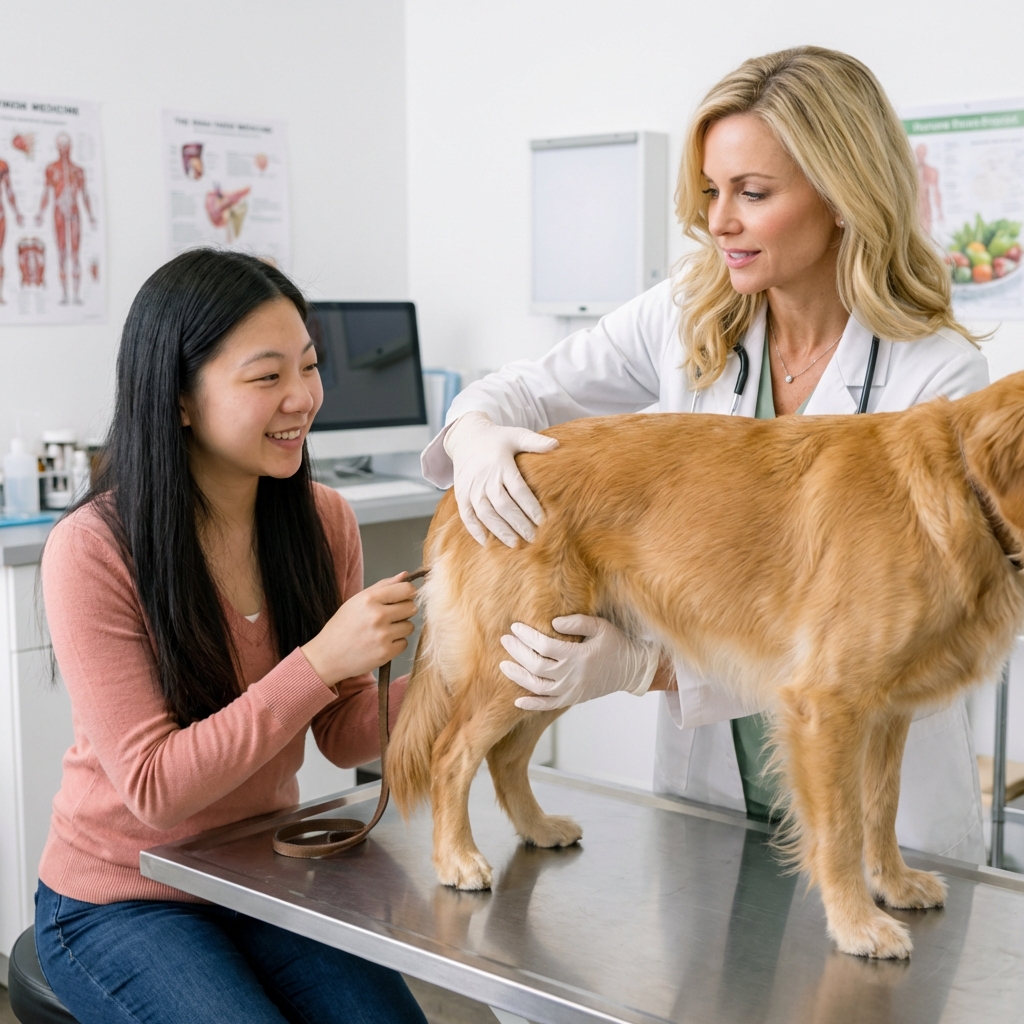
With calm handling, good hygiene, and a focus on digestive and skin health, many dogs go from frequent scooting to long stretches of comfort.