Vet-assistant guidance for mild cat diarrhea: fluids, bland meals, cat-specific probiotics, pumpkin, stress tips, hygiene, what to avoid, and when to see you...
Article
•
Designer Mixes
How To Cure Diarrhea In Cats

Shari Shidate
Designer Mixes contributor
First, take a breath
If your cat has diarrhea, it can feel urgent and messy fast. The good news is that many cases are mild and short-lived. The important part is knowing when it is safe to do simple home care and when diarrhea is a sign of dehydration, infection, parasites, or something more serious.
As a veterinary assistant in Frisco, Texas, I like to keep this evidence-based and practical. You do not need to panic, but you do need a plan.
Quick note: This article is general education and not a substitute for an exam and diagnosis from your veterinarian.
What counts as diarrhea?
Diarrhea is stool that is softer than normal, watery, or more frequent than usual. It can show up as:
- Large bowel diarrhea: frequent small amounts, urgency, straining, mucus, sometimes bright red blood.
- Small bowel diarrhea: larger volume stool, often less urgency or straining, possible weight loss or poor appetite. It can be watery too, so pattern matters more than “watery or not.”
This pattern can help your veterinarian narrow down the cause, so it is worth noticing. Also, if you see black, tarry stool, that can indicate bleeding higher up in the GI tract and is a reason to call a vet urgently.
One more thing that surprises people: constipation can sometimes look like diarrhea. Cats may strain and pass small bits of soft stool or mucus around a hard stool. If your cat is straining, crying, or making repeated trips to the box, call your vet.
Common causes
Diarrhea is a symptom, not a diagnosis. Some of the most common causes include:
- Diet change (new food, new treats, rich human food)
- Stress (new home, visitors, boarding, construction noise)
- Parasites (roundworms, hookworms, coccidia, Giardia)
- Infections (viral or bacterial, especially in kittens)
- Food intolerance or allergy
- Inflammatory bowel disease or other chronic GI issues
- Toxins (plants, medications, essential oils, chemicals)
- Medication side effects (antibiotics are a common trigger, and some pain medications can irritate the GI tract)
The goal is to protect hydration, calm irritation, and identify triggers. There is no single trick that fixes every case because the causes are so different.
Red flags
Please reach out to a veterinarian urgently if you notice any of the following:
- Diarrhea with vomiting, especially repeated vomiting
- Blood (more than a small streak) or black, tarry stool
- Lethargy, weakness, collapse, or hiding more than usual
- Possible dehydration: tacky gums, sunken eyes, very low energy, or noticeably decreased urination (skin “tenting” can be hard to interpret in cats, especially seniors or overweight cats, so do not rely on that alone)
- Not eating or eating far less than normal (adult cats should be assessed sooner rather than later, and kittens should be seen promptly)
- Kittens, seniors, pregnant cats, or cats with chronic disease (kidney disease, diabetes, hyperthyroidism)
- Possible toxin exposure or foreign object chewing
- Frequent watery diarrhea (multiple episodes in a day), diarrhea that is worsening, or diarrhea lasting longer than 24 to 48 hours
Dehydration is the big danger with diarrhea, especially for kittens. If you are unsure, it is always okay to call your vet and describe what you are seeing.
Home care for mild cases
When home care is reasonable: an adult cat who is bright, alert, still eating, not vomiting, and has mild diarrhea (for example, one to a few softer stools).
How long to try home care: typically 12 to 24 hours of careful monitoring. If it is not clearly improving, if episodes become frequent and watery, or if anything feels off, call your vet.
1) Make hydration easier
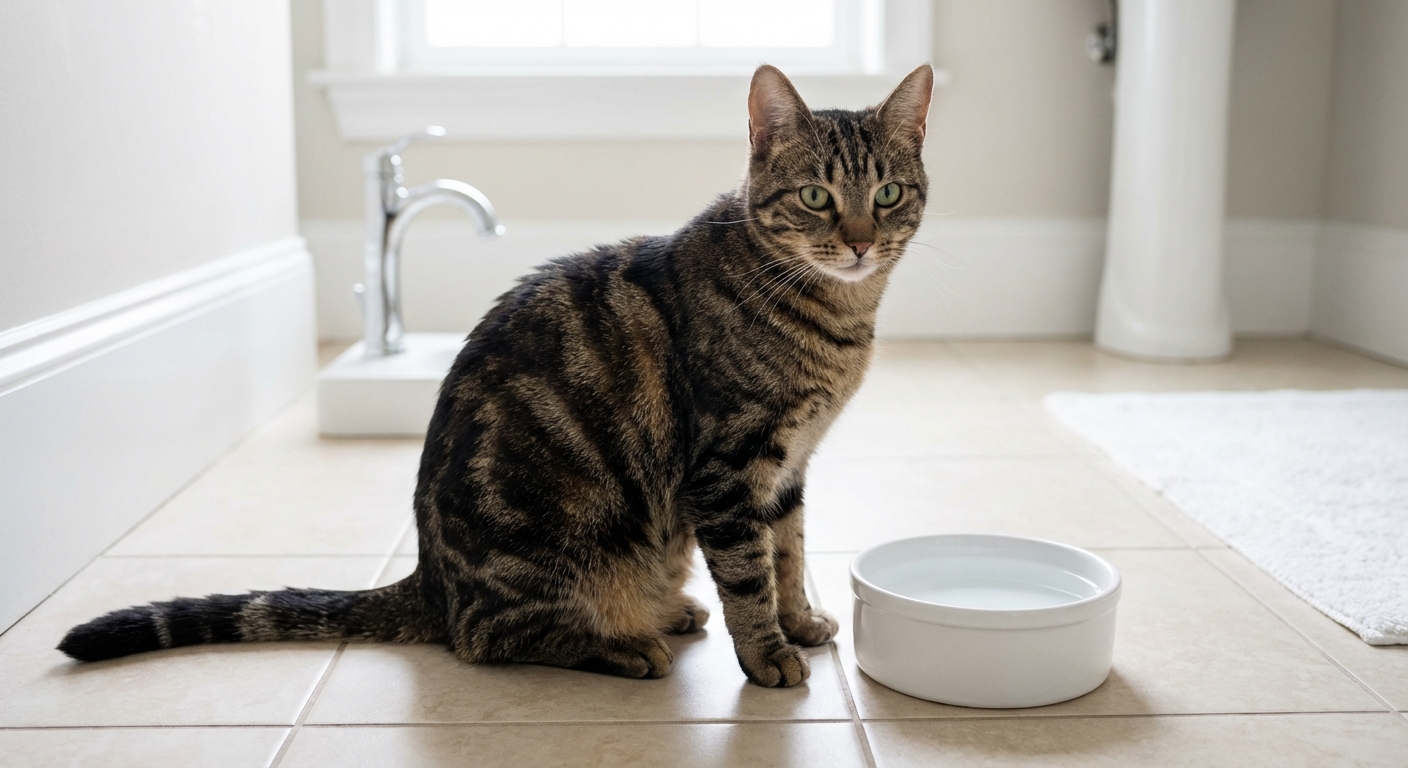
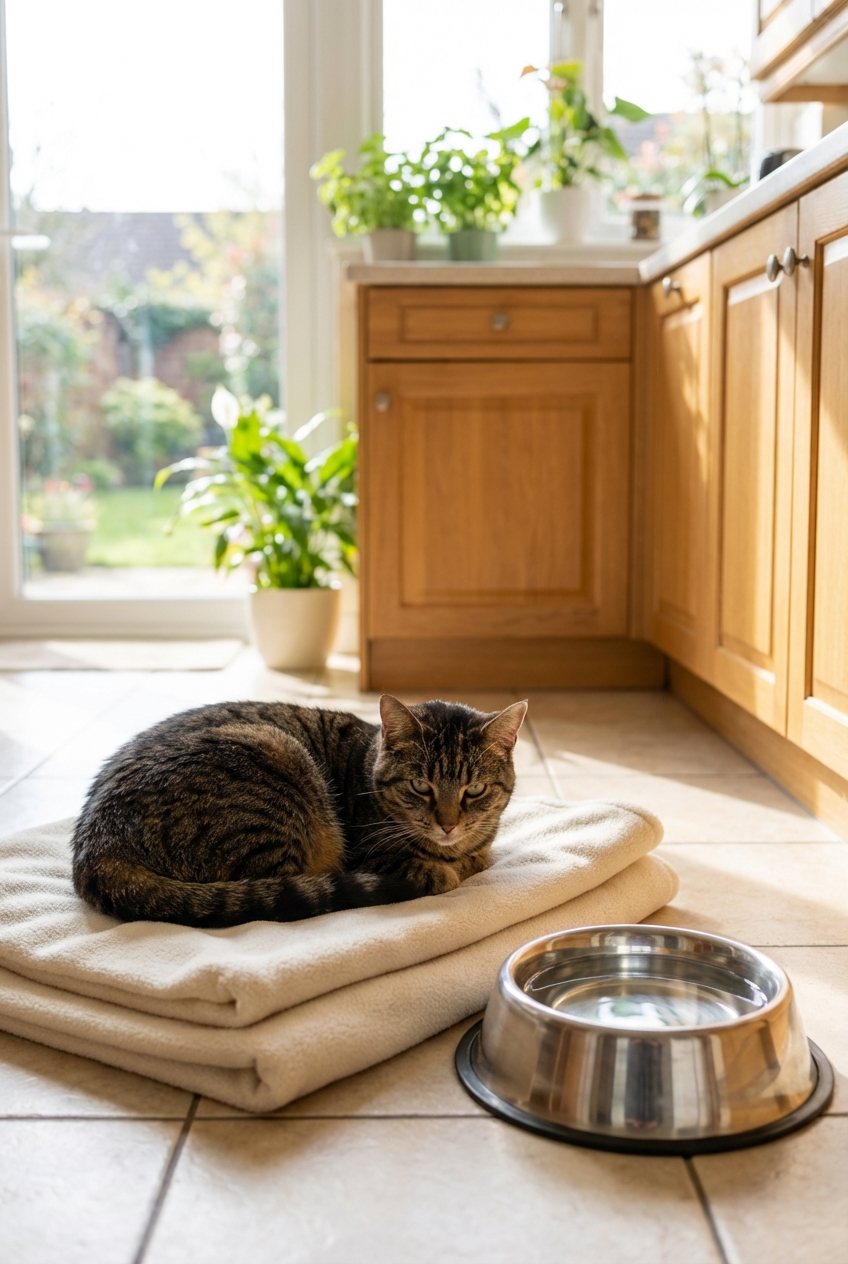
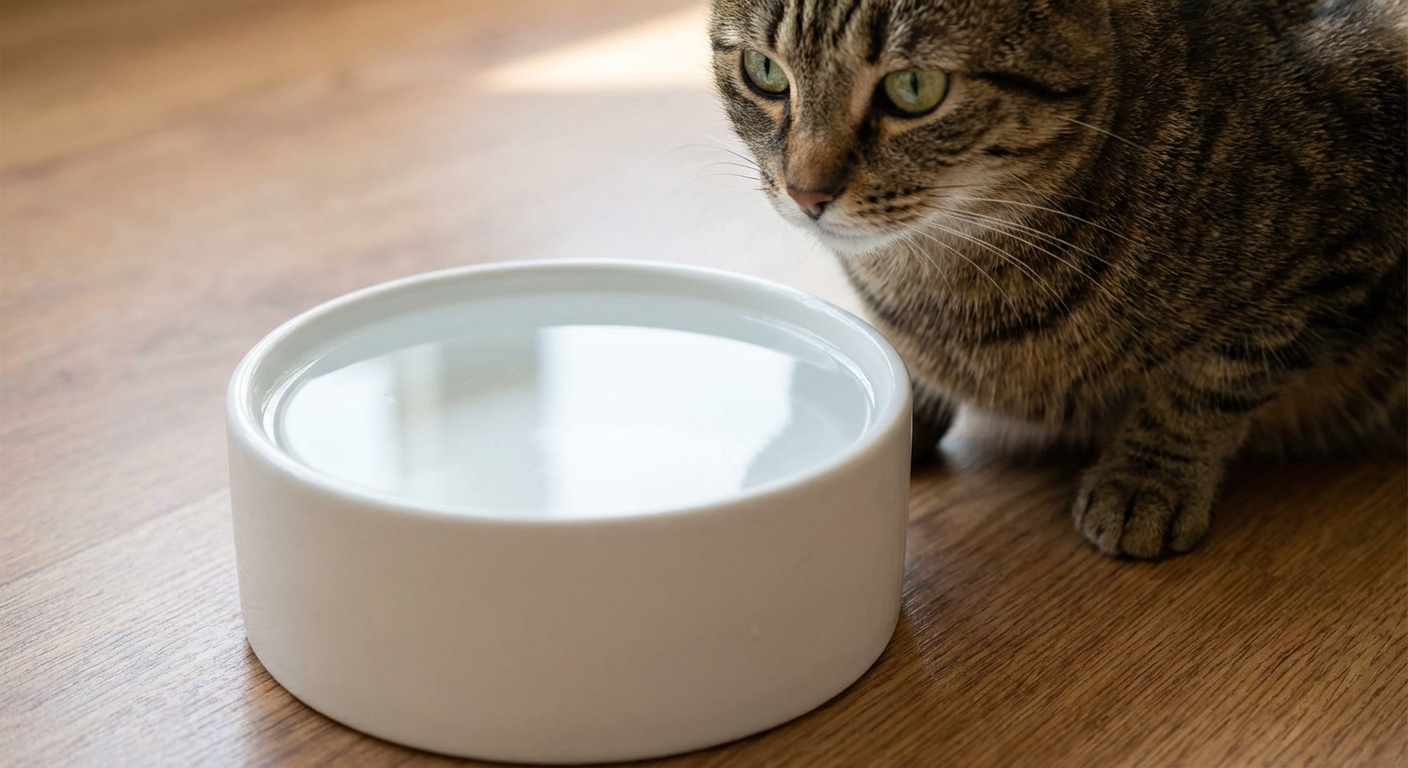
- Offer fresh water in multiple spots.
- Consider a cat water fountain if your cat prefers running water.
- If your veterinarian approves, you can offer an oral rehydration solution formulated for pets. Avoid homemade salt or sugar mixes unless your vet directs you.
2) Pause new foods and treats
If diarrhea started right after a new food, go back to the previous diet that your cat tolerated well. Avoid dairy, fatty table foods, and “just a bite” snacks while the gut is irritated.
3) Use a bland, vet-approved diet
For many cats, a highly digestible GI diet from your vet works better than random home recipes because it is balanced and designed for sensitive stomachs. If you cannot get a prescription diet quickly, ask your veterinarian what short-term bland option is safest for your cat’s age and health.
4) Consider cat-specific probiotics
There is some evidence that certain veterinary probiotics may help shorten episodes of diarrhea by supporting a healthier gut microbiome, but results vary by cat and by product. Use a product specifically labeled for cats and follow dosing directions. If your cat is immunocompromised or very ill, check with your vet first.
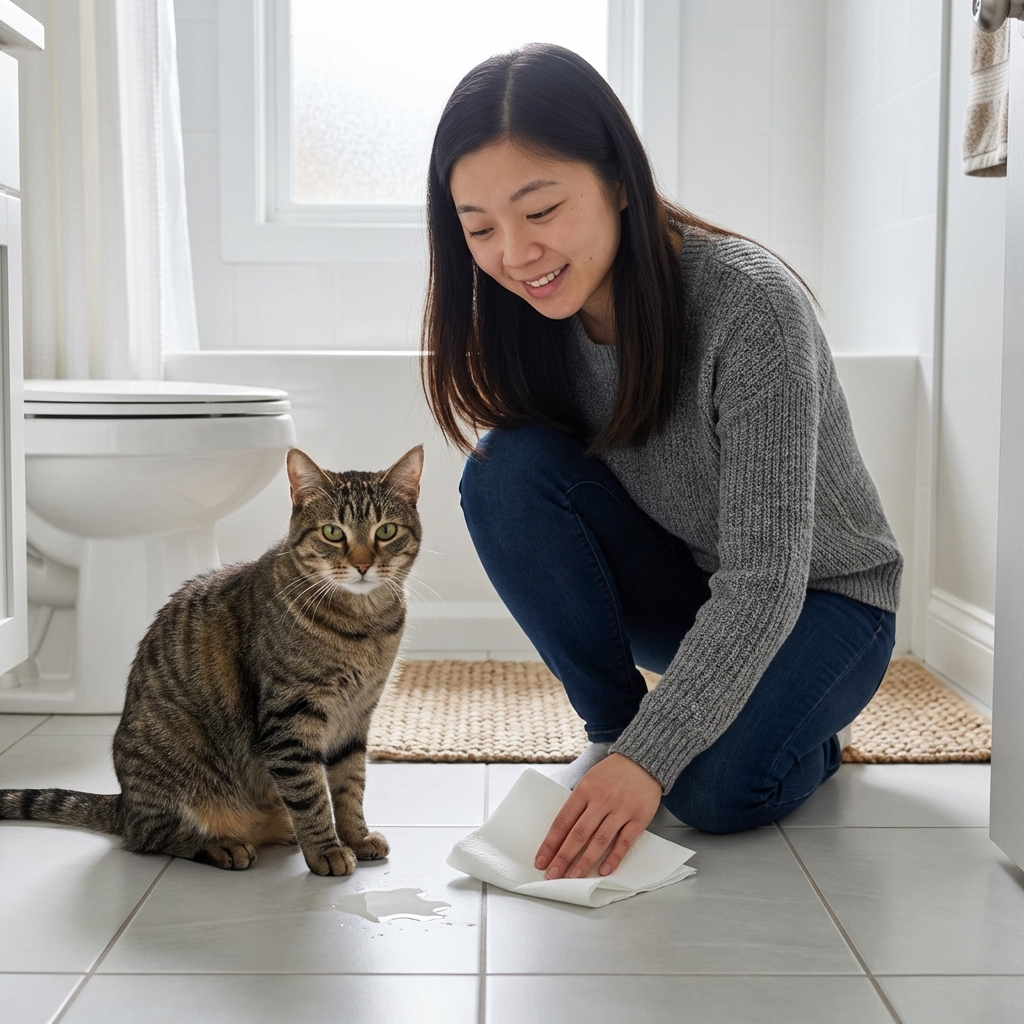
5) Keep the litter box very clean
Some diarrheal illnesses are contagious, and many cats will avoid a dirty box. Scoop more often, wipe splatters promptly, and wash hands after cleaning.
If you have multiple cats, it may help to provide extra boxes and, if possible, separate the sick cat until things are back to normal. This is especially important if parasites or an infectious cause is suspected.
What not to do
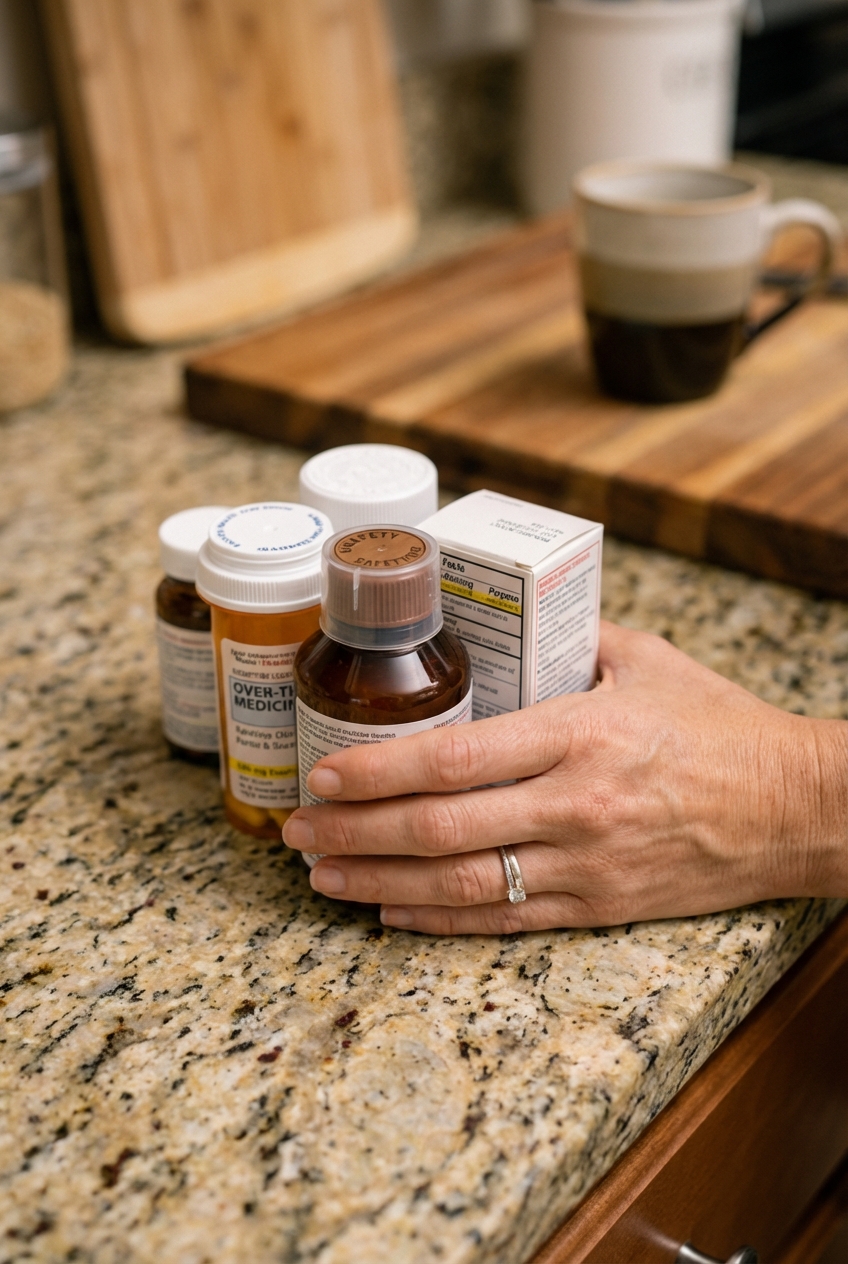
- Do not give human anti-diarrheal medications (like loperamide) unless your veterinarian specifically instructs you. Cats are not small humans, and some meds can be dangerous.
- Do not fast cats for long periods without veterinary guidance. Cats can be prone to hepatic lipidosis (fatty liver) if they stop eating, especially if overweight.
- Do not switch foods repeatedly trying to “fix it” quickly. Rapid changes often make diarrhea worse.
- Do not ignore straining. Straining can be diarrhea, constipation, urinary issues, or pain. If your cat is straining, get help.
What to track
If you end up calling your vet, these details are genuinely helpful:
- How often your cat is having diarrhea
- Volume (small smears vs large puddles)
- Color and whether you see mucus or blood
- Appetite and water intake
- Urination (normal, reduced, none)
- Any vomiting
- New foods, treats, medications, supplements, or stressors in the last week
A practical tip: bring a photo of the stool (yes, really) and a list of everything your cat ate in the last 3 to 5 days, including treats, people food, and any supplements.
How your vet finds the cause
If diarrhea is not improving quickly, your veterinarian may recommend:
- Fecal testing for parasites like Giardia or coccidia
- Deworming even if you do not see worms, because eggs and oocysts are microscopic and shedding can be intermittent
- Diet trial (limited ingredient or hydrolyzed protein)
- Bloodwork to check hydration status, electrolytes, and organ function
- Imaging if there is concern for a foreign body or other abdominal issues
Kittens and diarrhea
Kittens can go downhill faster than adult cats. If a kitten has diarrhea, be especially cautious. Call your vet sooner rather than later, especially if the kitten is not eating well, seems quiet, has vomiting, or has watery stool more than a few times in a day.
Prevention
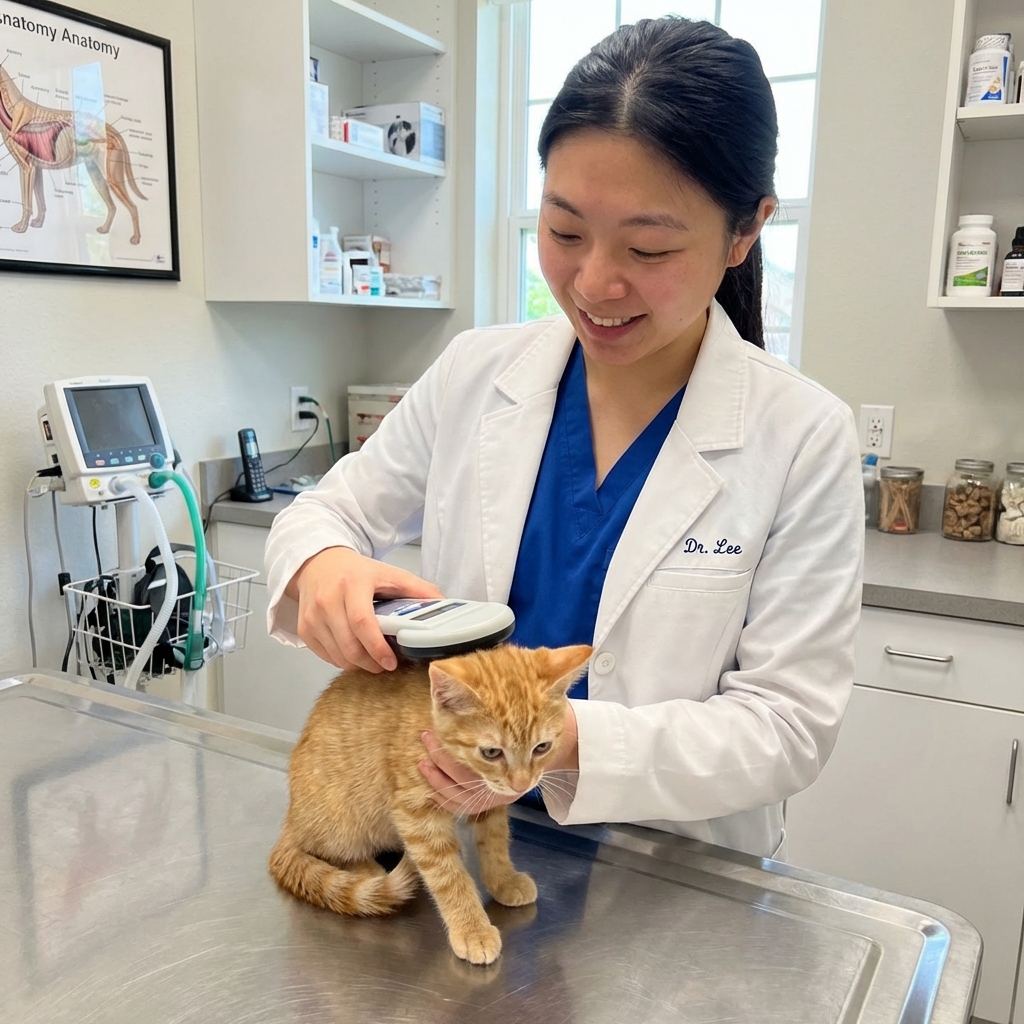
- Keep parasite prevention current, especially in multi-pet homes.
- Introduce new foods slowly over 7 to 10 days.
- Reduce stress with consistent routines, enrichment, and safe hiding spots.
- Schedule regular wellness visits so chronic GI issues get caught early.
- Store food properly and wash bowls often to reduce bacterial buildup.
Quick checklist
- Is your cat bright, alert, eating, and drinking? If not, call your vet.
- Any blood, black stool, repeated vomiting, or signs of dehydration? Go in.
- Mild diarrhea in an otherwise normal adult cat? Monitor closely and try simple home care for 12 to 24 hours.
- Frequent watery diarrhea, worsening signs, or lasting longer than 24 to 48 hours? Time for an exam and likely fecal testing.
You know your cat best. If something feels off, trust that instinct and get a professional opinion. When we catch GI issues early, it is usually easier and less expensive to treat.