If your cat is straining, passing hard stools, or not pooping, follow these safe at-home steps, learn urgent red flags (including urinary blockage), and what...
Article
•
Designer Mixes
How to Cure Cat Constipation

Shari Shidate
Designer Mixes contributor
Constipation is one of those cat problems that can sneak up on you. One day the litter box looks normal, and the next day your cat is straining, producing tiny dry stools, or avoiding the box altogether. As a veterinary assistant, I can tell you this is common, and it is very fixable in many cases when you catch it early.
This guide walks you through what constipation can look like at different ages, what you can safely do at home, what else straining can mean, and when it is time to contact your vet right away. This information is educational and not a substitute for an in-person veterinary diagnosis.
What cat constipation looks like
Many cats poop about once a day, but normal can vary with diet (wet versus dry), stress, and the individual cat. Some healthy cats go every 36 to 48 hours. Constipation is more than just “skipping a day.” It is usually hard, dry stool that is difficult to pass.
Here is the basic why: the longer stool sits in the colon, the more water the body absorbs from it. That is why “held” stool gets smaller, drier, and harder to move.
Common signs
- Straining in the litter box with little or no stool produced
- Small, dry, pebble-like stools
- Crying, restlessness, or repeatedly entering and leaving the box
- Decreased appetite or nausea
- Hiding or low energy
- Accidents outside the box (sometimes from discomfort)
Straining is not always constipation
Important: Straining can also look like a urinary blockage, especially in male cats. A blocked cat may squat, strain, and produce only a few drops of urine or none at all. That is a life-threatening emergency.
Also, some cats strain when they have colitis or diarrhea (tenesmus). They may pass frequent, small amounts of loose stool, mucus, or a little bright red blood. If you are not sure what is coming out in the box, it is safest to check in with your vet.
When to contact the vet now
Please do not wait it out if you notice any of these red flags:
- No stool for 48 to 72 hours, or your cat’s timing is clearly off from their normal, especially with discomfort
- Vomiting, refusing food, or marked lethargy
- A swollen or painful belly
- Repeated straining with little or no urine
- Blood in stool, black tarry stool, or severe pain
- Known ingestion of string, ribbon, hair ties, bones, or toys
- Kittens, seniors, or cats with kidney disease, diabetes, or heart disease
Your veterinarian can feel the colon for stool buildup, check hydration, and run tests when needed. Severe constipation can progress to obstipation or megacolon, which often requires more intensive treatment.
What to track before you call
If you can, jot down a few quick details. This makes triage and treatment decisions much easier:
- When you last saw a normal stool (and what it looked like)
- Any straining, crying, or repeated trips to the box
- Urination details: normal stream versus drops, or none
- Appetite changes and any vomiting
- Water intake changes and whether your cat eats wet food
- Recent diet changes, new treats, or new medications
- Any known hairball issues or possible foreign object exposure
Why cats get constipated
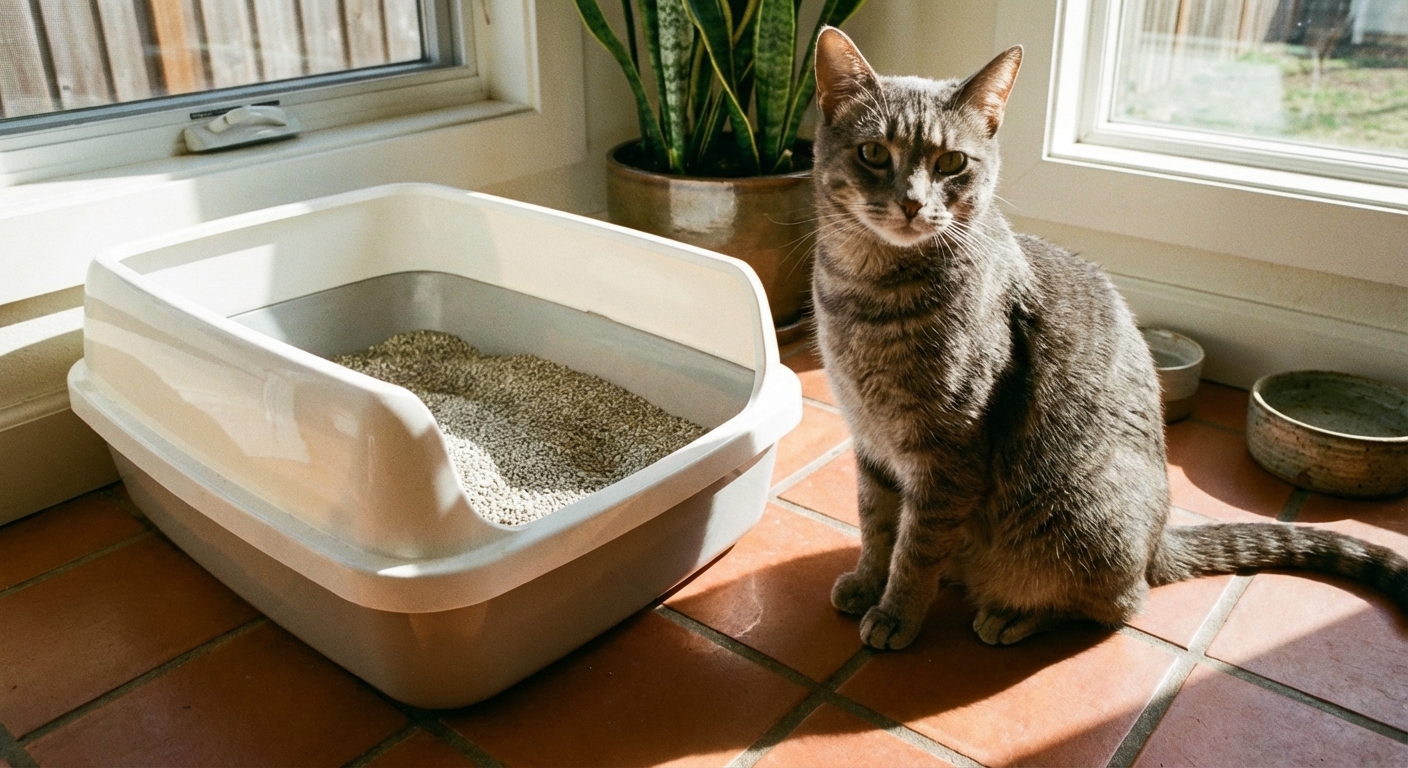
Constipation is usually a combination of stool that is too dry and a colon that is moving too slowly.
Most common causes
- Low moisture intake or dehydration: Cats that eat only dry food may be at higher risk if they do not drink enough to compensate. Cats with kidney issues are also at higher risk.
- Hair ingestion: Grooming leads to hair in the stool. Heavy shedders can struggle more.
- Pain or arthritis: If stepping into the box hurts, a cat may “hold it,” which dries stool out.
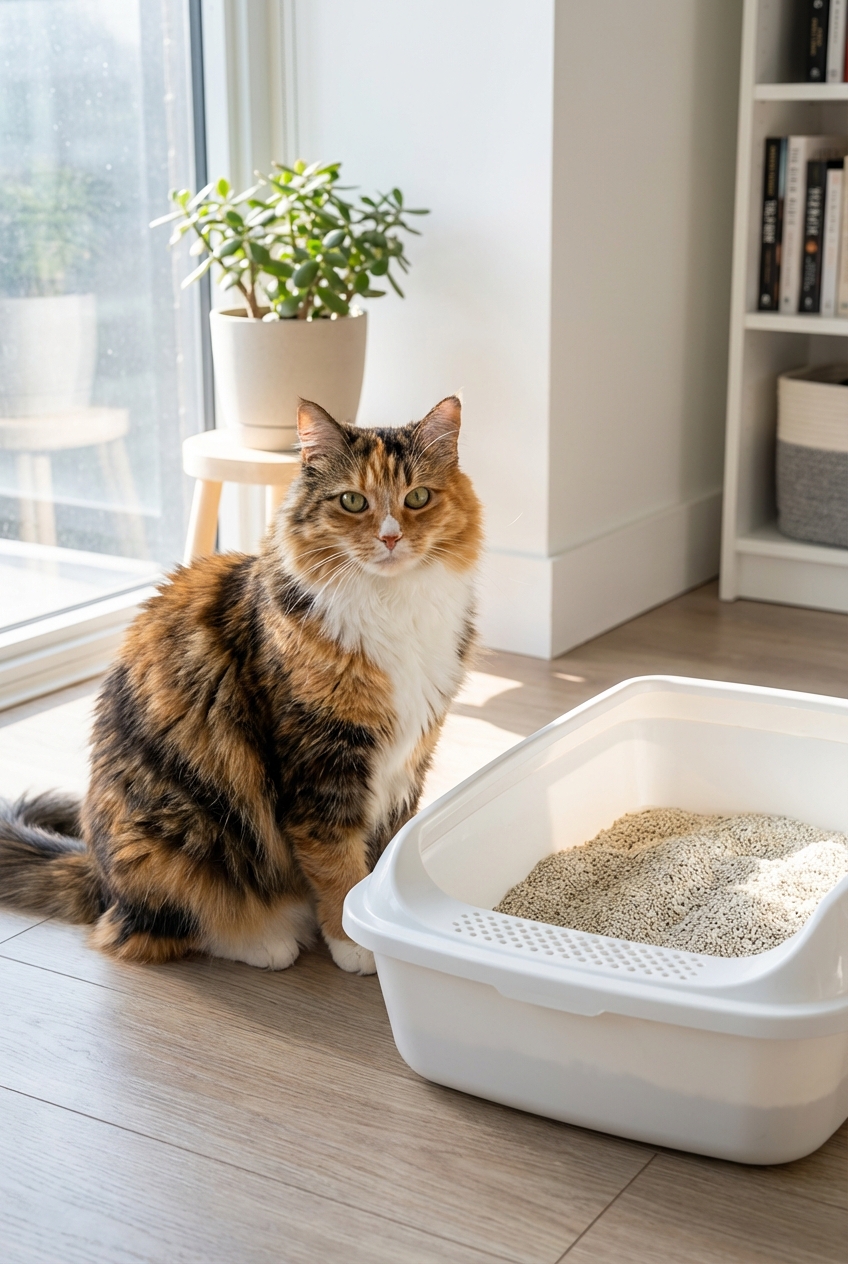
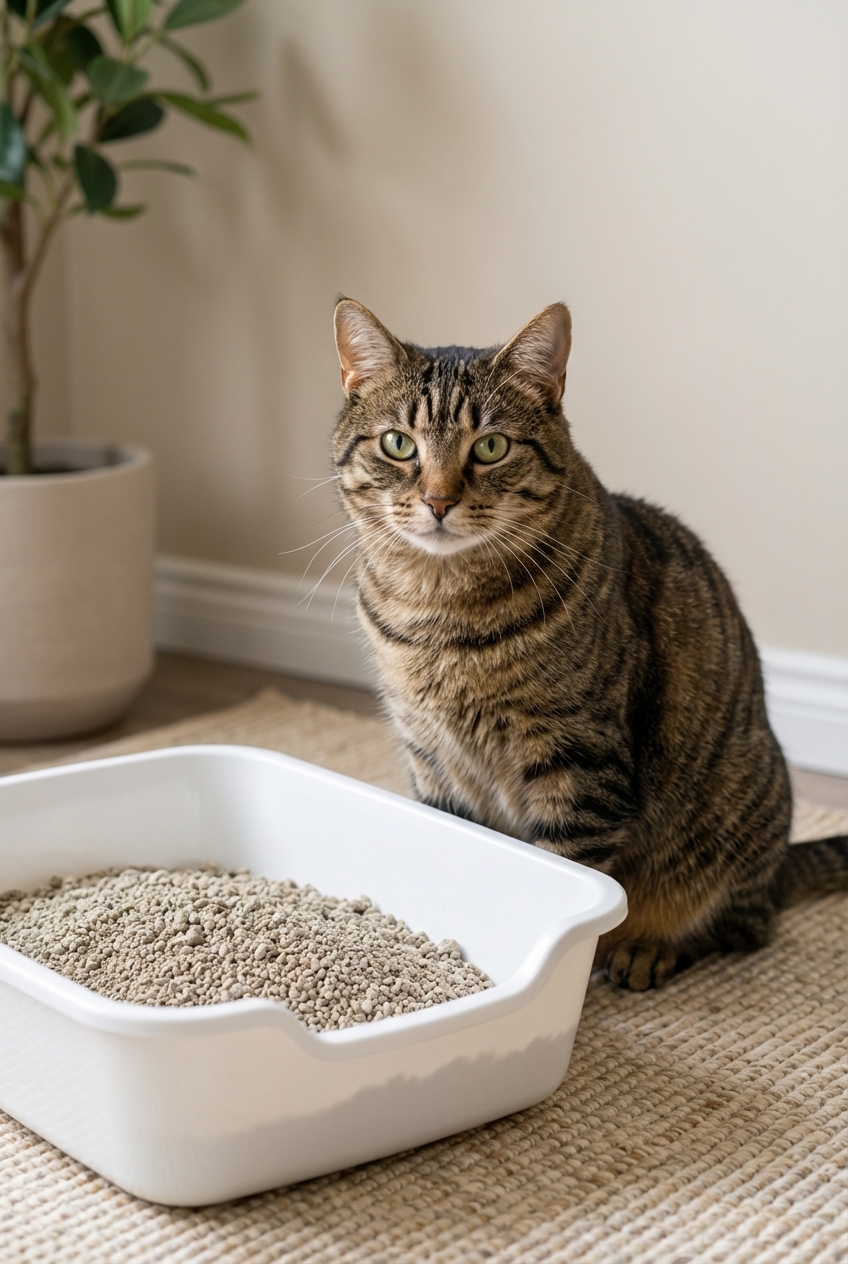
- Litter box problems: Dirty box, stressful location, dislike of litter texture, or not enough boxes.
- Obesity and low activity: Movement helps bowel motility.
- Diet factors: Some cats need more moisture, others benefit from added fiber, and a few do worse with high fiber.
- Underlying disease: Kidney disease, hyperthyroidism, electrolyte imbalances, nerve issues, pelvic injury, or chronic megacolon.
Safe at-home steps
If your cat is bright, eating at least some, not vomiting, urinating normally, and only mildly constipated, these steps often help within 12 to 48 hours. If things worsen at any point, seek veterinary care promptly.
1) Increase water intake
- Switch to wet food (even partially). Moisture is one of the biggest constipation helpers.
- Add 1 to 2 tablespoons of warm water to each wet meal to make a “gravy.”
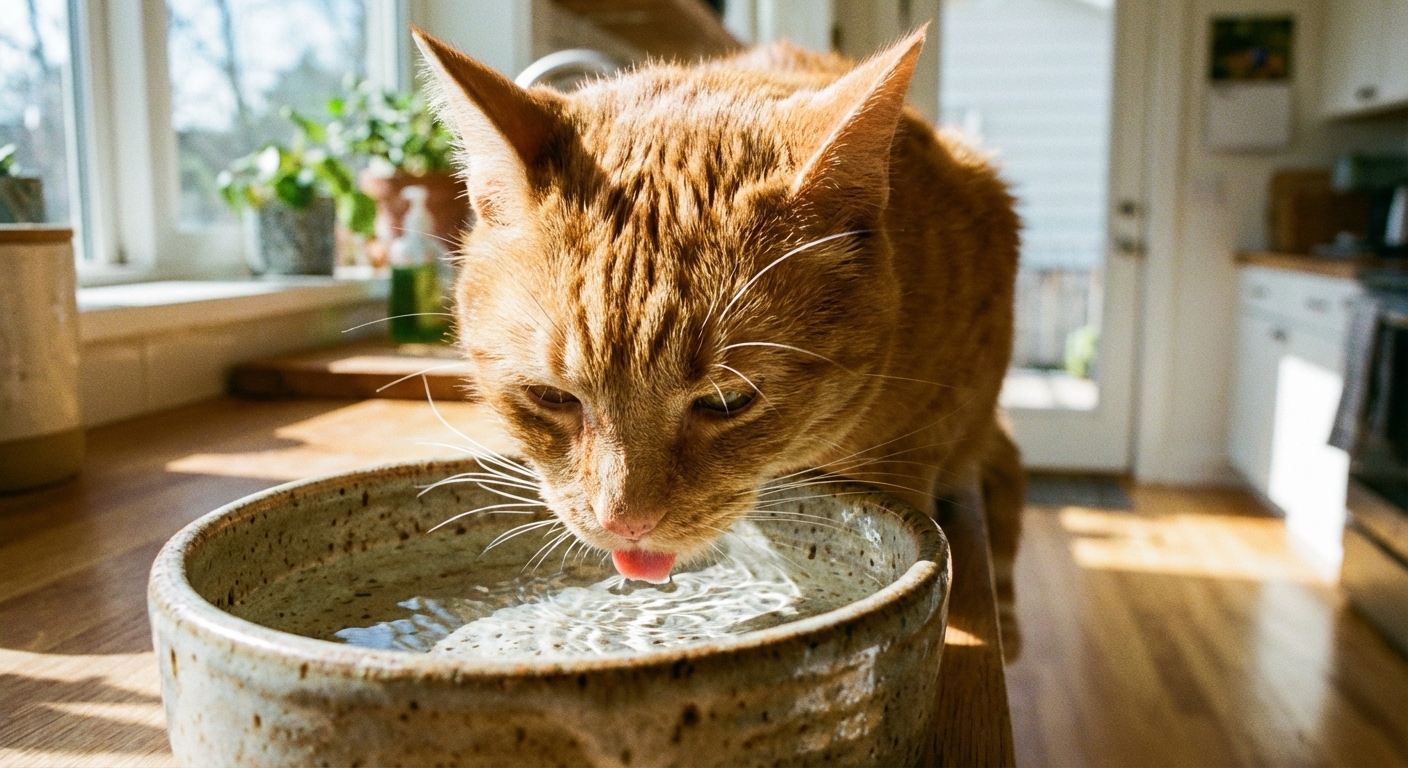
- Try a pet water fountain. Many cats prefer running water.
- Offer multiple bowls in quiet locations, away from the litter box.
2) Consider a gentle fiber boost
Fiber can help some cats by holding water in the stool and supporting movement. Start small and go slow. If gas or diarrhea shows up, stop and check in with your vet.
- Plain canned pumpkin (not pie filling): start with 1/4 teaspoon once daily, and increase up to 1 teaspoon daily as tolerated. Your vet may suggest a different plan based on your cat’s size and history.
- Psyllium husk (unflavored): ask your vet for a cat-appropriate dose. Too much can cause gas or worsen constipation without enough water.
If your cat has a history of chronic constipation or megacolon, fiber is not always the answer. Some of those cats do better with a low-residue diet and prescription medication.
3) Support litter box comfort
- Scoop at least once daily.
- Provide enough boxes: a common rule is one per cat plus one extra.
- Choose a low-entry box for seniors or arthritic cats.
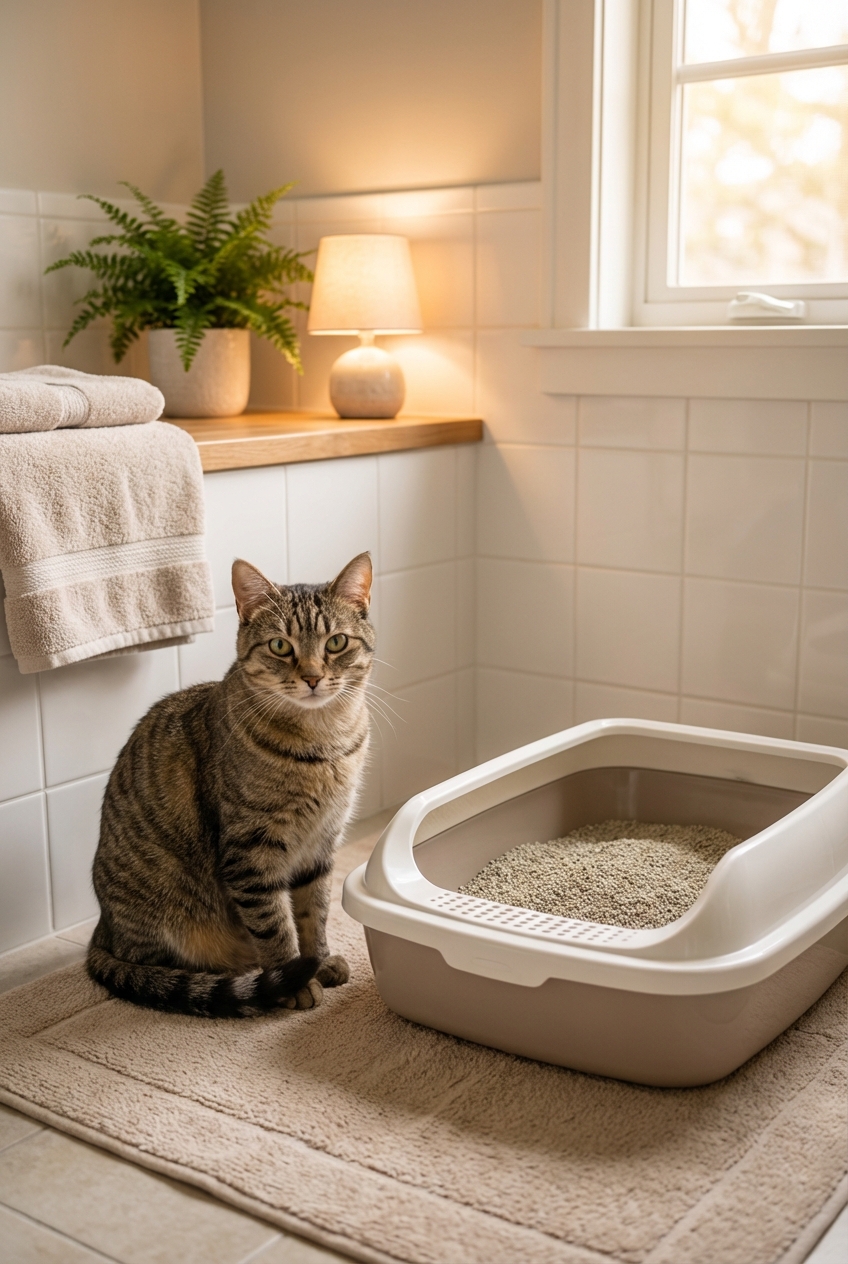
- Keep boxes in calm, easy-to-reach areas.
4) Encourage movement
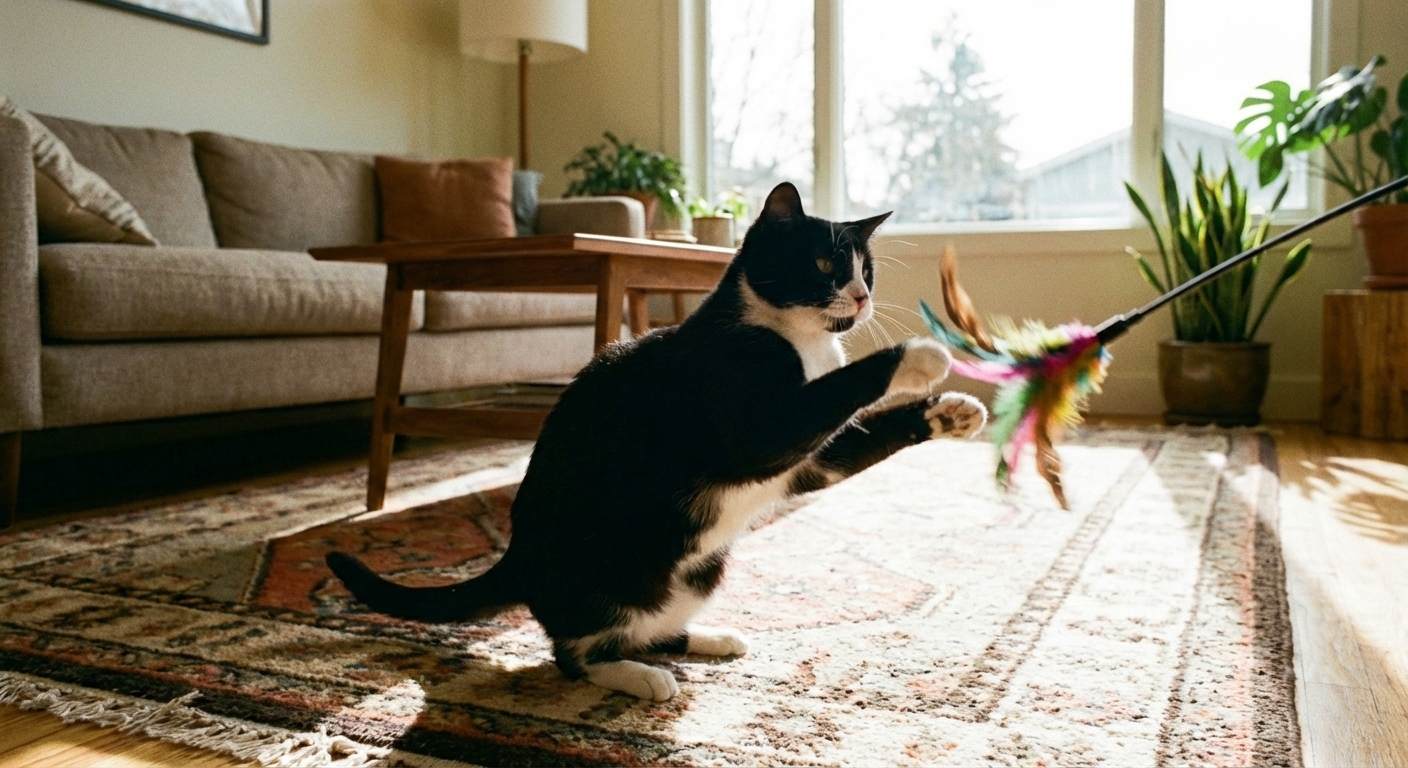
- Two to three short play sessions daily with a wand toy.
- Food puzzles or treat balls for gentle activity.
- Cat trees or window perches to encourage climbing.
5) Grooming for heavy shedders
- Brush daily during shedding season.
- Ask your vet about hairball strategies if hair in stool is a repeat issue.
One of the biggest “wins” I see in clinic is simply moving a constipated cat from dry-only feeding to mostly wet food, plus a little added water. It is a small change that can make the litter box normal again.
What not to do
These are common internet fixes that can be risky for cats:
- Do not give human laxatives (including stimulant laxatives) unless your veterinarian specifically instructs you.
- Do not give mineral oil by mouth. If inhaled, it can cause serious pneumonia.
- Do not use enemas at home. Some human enema products can be toxic to cats, especially sodium phosphate (Fleet) enemas.
- Do not force-feed water with a syringe if your cat is resisting. Aspiration is a real risk.
Age-by-age tips
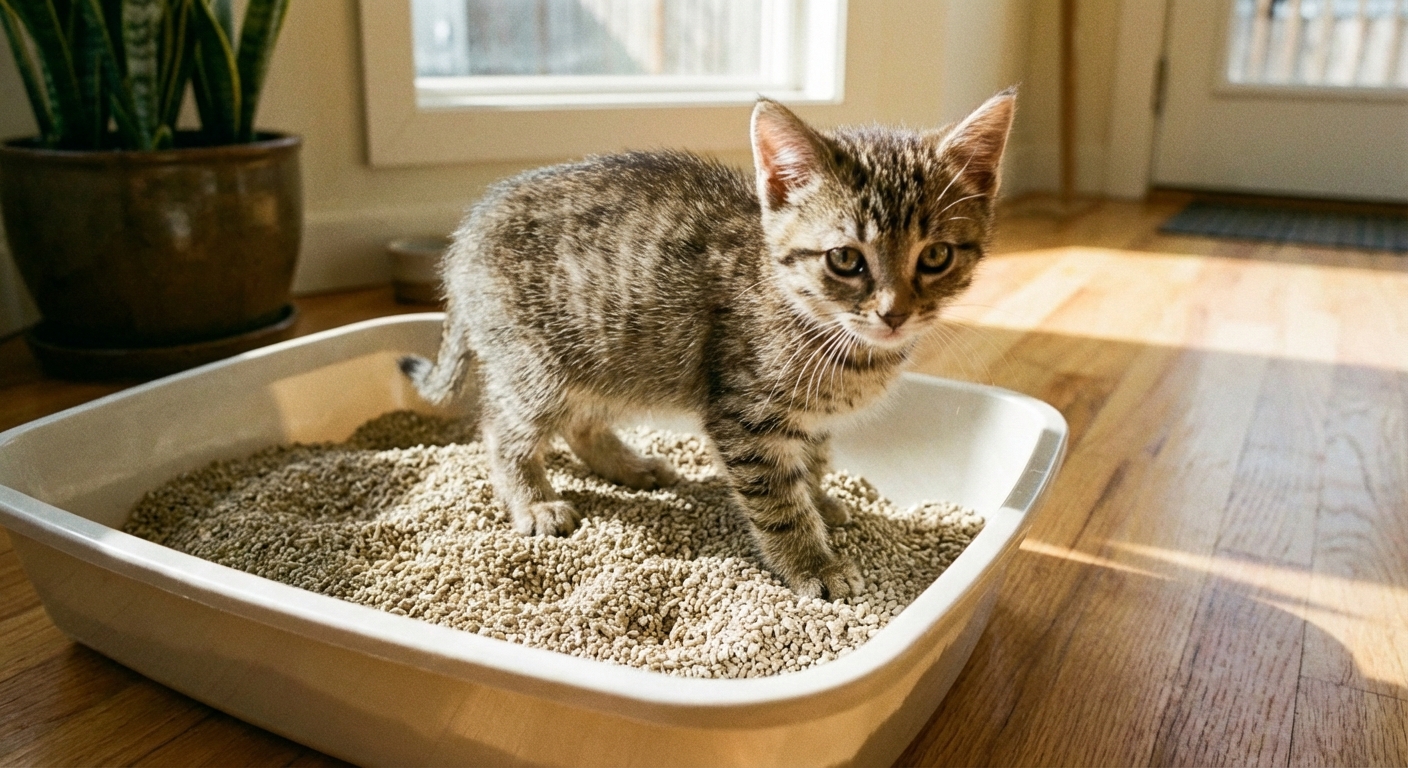
Kittens
Kittens can get constipated from dehydration, parasites, diet changes, or not enough stimulation in very young kittens.
- If a kitten has not pooped in 24 to 48 hours, contact your vet.
- Keep them well-hydrated and on a consistent, age-appropriate diet.
- Do not use over-the-counter laxatives without veterinary guidance.
Adult cats
Adults often respond well to moisture, routine, and reducing stress.
- Prioritize wet food and water strategies.
- Assess litter box setup and household changes.
- Address weight and activity level gently but consistently.
Senior cats
Seniors are more likely to have arthritis, kidney disease, or other medical contributors.
- Ask your vet about pain control if your cat hesitates to enter the box.
- Consider a low-entry litter box and easy-access locations.
- Schedule regular checkups. Constipation can be an early sign of a bigger issue.
How vets treat constipation
If home steps are not enough, veterinary treatment can be very effective and humane. Your vet may recommend:
- Hydration support (subcutaneous fluids or IV fluids depending on severity)
- Cat-safe stool softeners or laxatives (common categories include osmotic laxatives such as lactulose or polyethylene glycol 3350, and other prescription options) without dosing
- Enemas performed safely in a clinic setting
- Manual deobstipation under sedation for severe stool impaction
- Diagnostics like X-rays, bloodwork, or thyroid testing if this is recurring
- Long-term management for chronic constipation or megacolon, including diet changes and motility medications
The goal is not just to get one bowel movement. It is to prevent the next painful episode and protect the colon long-term.
Prevention
- Moisture-first feeding: Mostly wet food is a game-changer for many cats.
- Daily litter box checks: You will catch problems early.
- Weight management and play: Gentle movement supports gut motility.
- Routine grooming: Especially for long-haired cats.
- Regular vet care: Chronic constipation deserves a plan, not just occasional fixes.
Quick checklist
If your cat seems constipated, here is a simple order of operations:
- Confirm they are actually straining to poop, not to urinate.
- Offer wet food plus added water right away.
- Improve litter box comfort and cleanliness.
- Consider a small amount of plain pumpkin if your vet agrees it is appropriate.
- If there is no improvement within 24 to 48 hours, or any red flags appear, contact your vet or an emergency clinic.
References
- Merck Veterinary Manual: “Constipation and Megacolon in Cats”
- American Association of Feline Practitioners (AAFP): senior care and feline lower urinary tract disease (client education resources)
- ASPCA Animal Poison Control: unsafe medications and toxin guidance (including enema and laxative cautions)