A practical guide to at-home dog hospice care: pain and nausea control, easier breathing, mobility and hygiene help, comfort-station setup, and when to call ...
Article
•
Designer Mixes
How to Comfort a Dog Who Is Dying at Night

Shari Shidate
Designer Mixes contributor
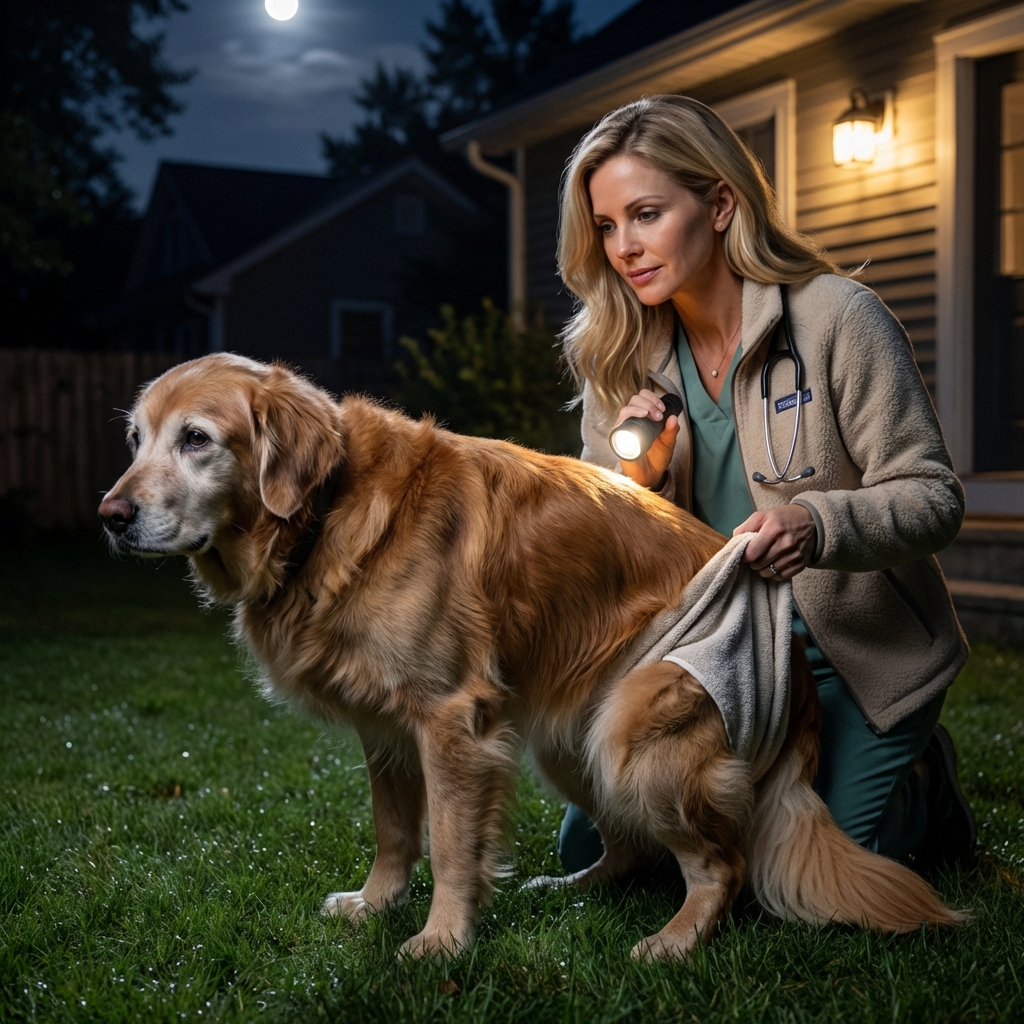
Nights can feel especially heavy when you know your dog is nearing the end of life. The house gets quiet, symptoms can feel more noticeable, and you may worry you will miss a sign that they are uncomfortable. As a veterinary assistant, I want you to know this: you do not have to do everything perfectly. Your job is to keep your dog safe, warm, and as pain-free as possible, and to call for help when something feels off.
This guide walks you through simple, vet-informed comfort steps to help a dying dog at night, what to watch for, and when it is time to contact an emergency vet or ask about in-home euthanasia.
What changes at night
Many families report that symptoms seem worse after dark. There are a few reasons this can happen:
- Less distraction: When the home is quiet, panting, restlessness, or changes in breathing are more noticeable.
- Pain and stiffness: Arthritis and some cancers can feel worse after your dog has been lying down for long periods.
- Breathing changes at rest: Dogs with heart or lung disease may cough more or breathe harder when resting.
- Anxiety or confusion: Some senior dogs develop canine cognitive dysfunction, and evening confusion can increase.
If your dog seems more unsettled at night, it does not automatically mean they are suffering. It does mean we should set up the environment, medication plan, and monitoring so they can rest.
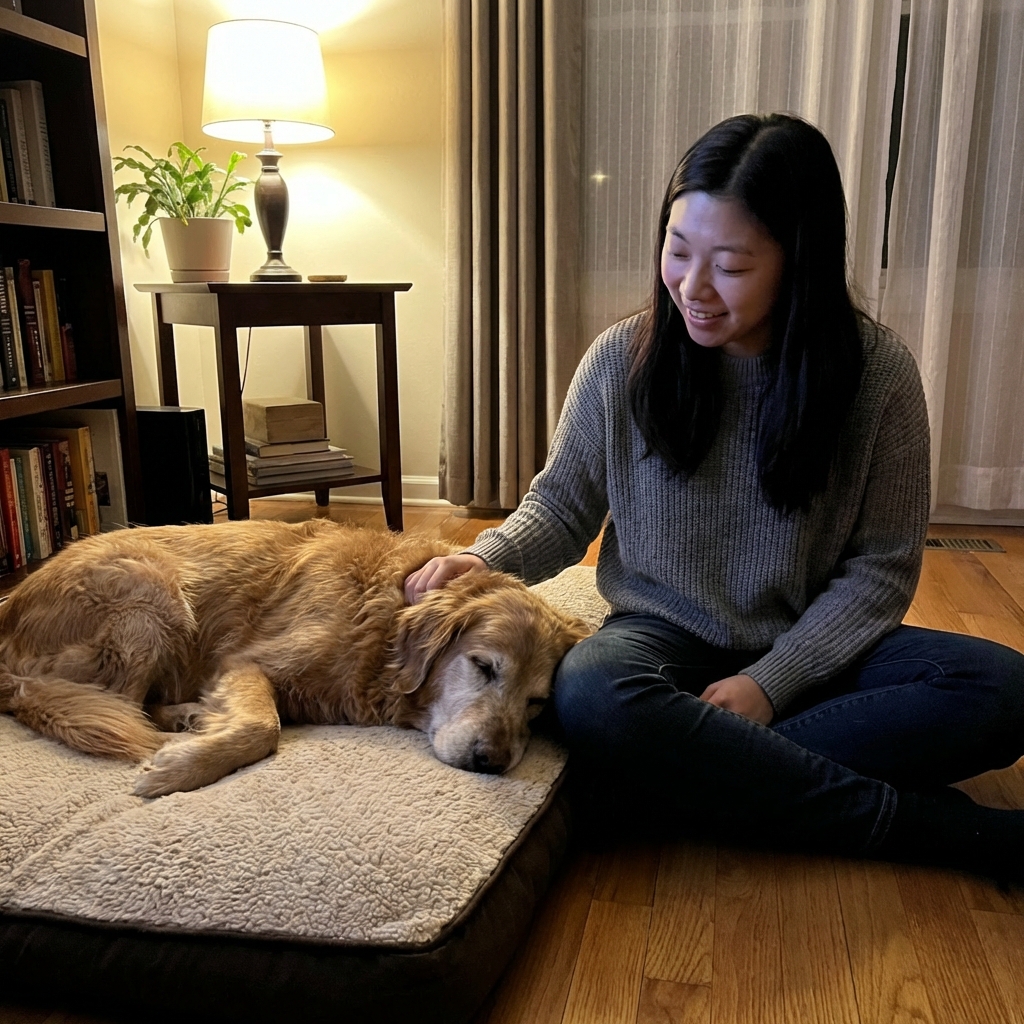
Set up a calm night nest
Start with comfort and safety first, then build a routine around it. A simple setup can make a big difference.
Choose the right spot
Most dogs do best close to their person. Pick a place where you can easily hear them, but where traffic and noise are minimal. Keep other pets and excited kids from bumping the bed.
Support their body
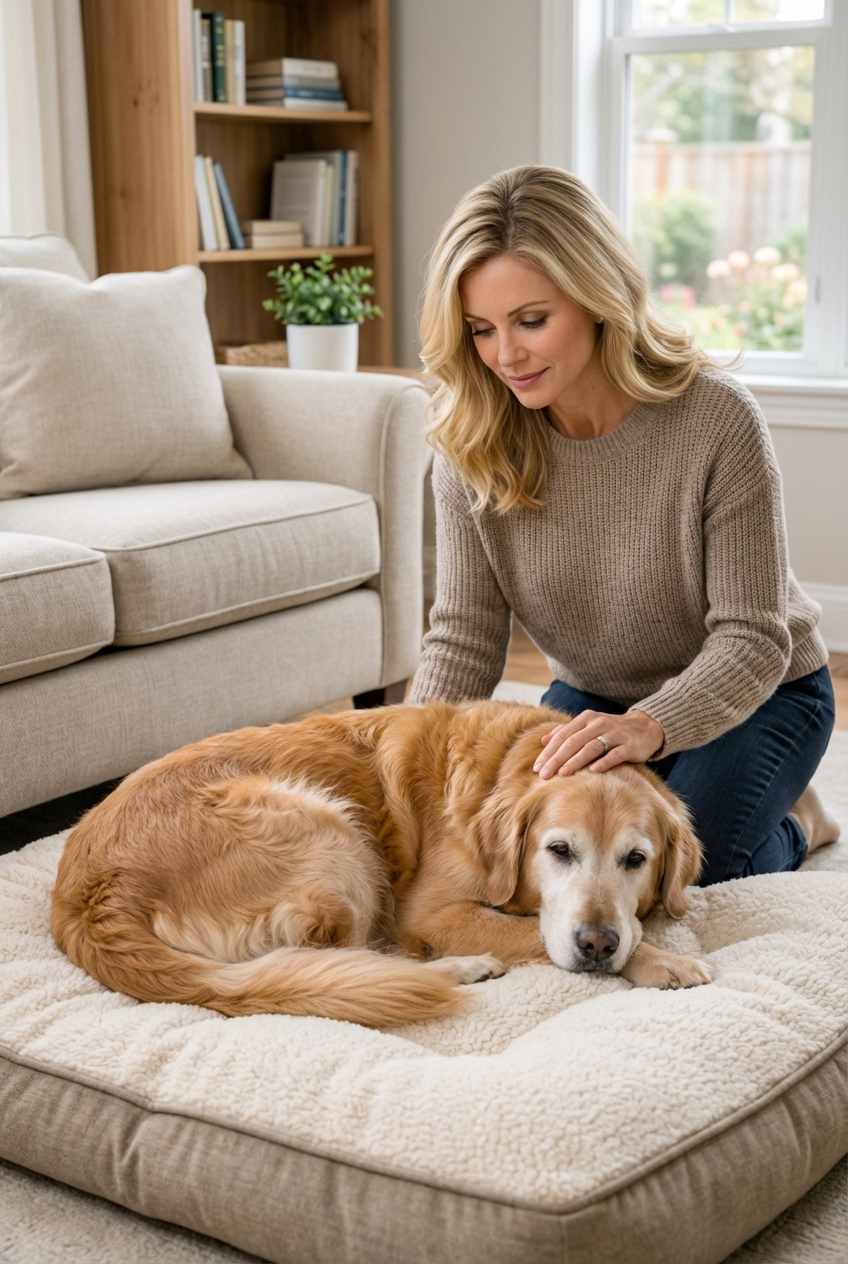
- Use thick padding: An orthopedic bed, foam mattress topper, or multiple folded blankets can reduce pressure on hips and shoulders.
- Try pillow bolsters: Rolled towels or small pillows can support the spine and help your dog feel steadier if they are weak.
- Keep them dry: If accidents are happening, layer a washable waterproof pad under the blanket. Moisture against skin can contribute to irritation and pressure sores, so do quick skin checks during cleanups.
Temperature and airflow
Many very ill dogs cannot regulate body temperature well, and some cannot shift positions easily. That matters for heat safety.
- If your dog feels cool to the touch, use a light blanket. For gentle warmth, choose a pet-safe warming disc (such as a microwavable disc designed for pets) or a warm water bottle wrapped in a towel.
- Avoid electric heating pads for dogs who are immobile, weak, sedated, or have reduced sensation. Even low settings can cause burns if they cannot move away. If you use any powered heat source, follow your vet’s guidance, use the lowest setting, keep a thick towel barrier, and check the skin often.
- If your dog is panting and warm, aim a fan indirectly and keep the room comfortably cool.
Prevent slips and falls
- Use non-slip rugs or yoga mats to create a path to the door.
- Block stairs and furniture edges if your dog is unsteady.
- Keep a leash or harness nearby for short, supported potty breaks.

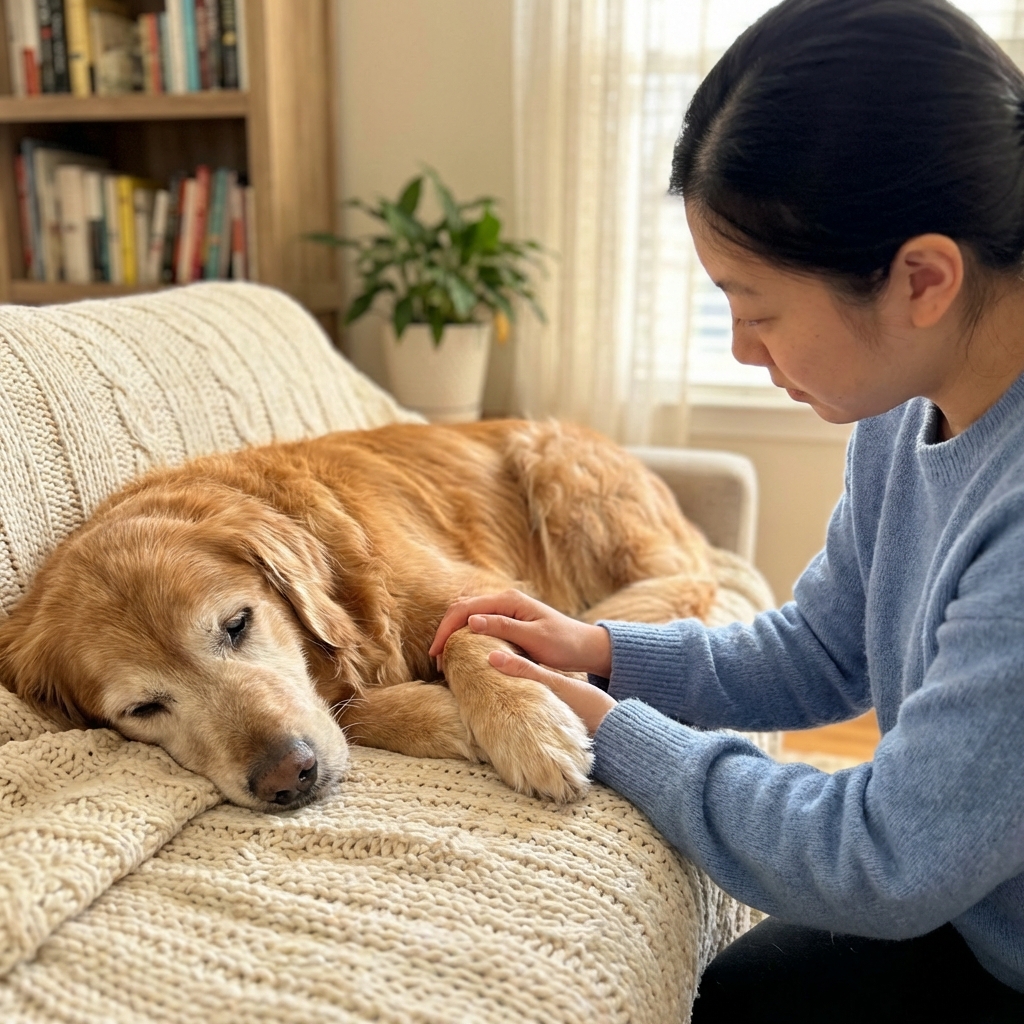
Comfort touch
Touch can be soothing, but sick bodies can be tender. Watch your dog’s face, posture, and breathing as you try these options.
- Slow, gentle strokes along the neck, shoulder, and chest often help dogs relax.
- Light ear and forehead rubs can be calming for many dogs.
- Hand on heart: resting your palm softly on the chest can be reassuring for some dogs.
Avoid deep massage over the belly, hips, or any area with swelling, tumors, or obvious pain. If your dog flinches, growls, stiffens, or pulls away, switch to quiet companionship instead.
Use your vet’s comfort plan
If your dog is on hospice or palliative care, the biggest night-to-night difference is often pain control and nausea control. Call your veterinarian before making changes, but these steps help you stay consistent:
- Make a nighttime medication checklist: include dose, time, and whether it must be given with food.
- Stay on schedule when pain is predictable: many pain medications work best when given on time, not after suffering starts.
- Ask about breakthrough options: if your dog is restless at night, your vet may provide an as-needed medication for anxiety, nausea, or pain flare-ups.
Safety note: Do not give over-the-counter human medications (like ibuprofen, naproxen, acetaminophen, or cold medicines) unless your veterinarian has specifically prescribed them for your dog. Many are toxic to pets.
If you do not have a comfort-care plan yet, it is worth scheduling a quality-of-life visit. Many clinics can help you set up a simple “night kit” based on your dog’s diagnosis.
Common night symptoms
Restlessness or pacing
- Offer a potty break. Even weak dogs can feel panicky if they need to urinate or defecate.
- Keep lighting low but not pitch dark. A dim nightlight can reduce confusion for seniors.
- Try calming sound: soft music or white noise can mask outdoor sounds that trigger anxiety.
- If your dog cannot move well, gently adjust their position and bedding to relieve pressure. Frequency varies by mobility and skin condition. If your dog has spinal disease, fractures, or pain with movement, ask your vet for a safe reposition plan.
Panting
Panting can come from pain, anxiety, fever, medication effects, or breathing difficulty. Make note of when it happens and what else you see (pale gums, coughing, distended belly, trouble lying down). If panting is new, intense, or paired with breathing distress, call an emergency clinic.
Nausea or poor appetite
- Offer small sips of water if your dog wants them. Do not force water or food.
- Ask your vet about anti-nausea medication and appetite support.
- Keep food low-pressure. At this stage, comfort matters more than perfect nutrition.
Accidents and weakness
- Use washable pads and keep unscented wipes nearby for quick cleanup.
- Supportive slings or a towel under the belly can help your dog stand for a brief potty trip.
- Clip long fur around the rear if needed to keep stool and urine from sticking to the coat.
Normal vs emergency signs
Some end-of-life changes can be expected and do not always mean an emergency, especially if your vet has prepared you for them. Others are red flags that comfort is slipping fast.
Often seen near the end
- Sleeping much more, less interest in interaction
- Eating less, sometimes drinking less
- More weakness, slower walking, needing help to stand
- Occasional confusion, especially at night
- Occasional changes in breathing pattern during sleep
- Incontinence or accidents
Signs of pain or distress
Dogs are incredibly stoic. Pain is not always crying or yelping. Watch for these common signs:
- Persistent panting when the room is cool
- Restlessness, frequent position changes, inability to settle
- Withdrawing, avoiding touch, or a worried facial expression
- Trembling, belly tension, or guarding a body part
- Whining, groaning, or unusual vocalizing
- Not wanting to lie down, or repeatedly sitting up to breathe
Your dog does not need you to be fearless. They need you to be present, observant, and willing to ask for help when comfort is slipping.
When to call emergency
If you see any of the signs below, it is safest to call an emergency clinic right away. Many will help you decide whether to come in immediately.
- Labored breathing (open-mouth breathing at rest, neck extended, belly heaving, blue or gray gums)
- Repeated vomiting or vomiting with weakness and collapse
- Seizures, collapse, or inability to wake fully
- Uncontrolled bleeding
- Severe, unrelenting pain that does not improve with prescribed medication
- Bloat warning signs (sudden swollen belly, retching without producing vomit, extreme restlessness)
If you are unsure what you are seeing, it is still okay to call. You are not bothering anyone by advocating for comfort.
Simple night checklist
- Fresh water within easy reach (offer, do not force)
- Soft bed with waterproof layer
- Low light (nightlight)
- Medications pre-set with times and doses
- Unscented wipes, extra pads, and a trash bag nearby
- Non-slip path to the door
- Emergency vet number and driving directions saved
- Your dog’s records and medication list in one place
If you are considering in-home euthanasia, start making calls early in the day when possible. Many services book quickly, and planning ahead can prevent a middle-of-the-night crisis.
If your dog dies at night
This is one of the hardest moments you can live through, and it is also a moment many families handle with a quiet kind of love.
- Give yourself a minute. Talk to your dog, hold them, and breathe.
- If you are unsure whether your dog has died, call an emergency clinic for guidance. Signs can include no breathing, no heartbeat, and fixed, non-blinking eyes, but it can still be hard to tell at home.
- If your dog has died, keep them in a cool room and contact your vet or an aftercare provider as soon as you can for next steps (aftercare, cremation, or burial options based on local rules). In hot climates or warm homes, time matters more, so call sooner if possible.
However it happens, being there, speaking softly, and keeping them safe is a profound gift.
Caring for you
Nighttime caregiving can leave you exhausted and on edge. If you can, take turns with a family member for short shifts. Keep a notebook by the bed to track symptoms and medication times so your brain can rest. And if you feel guilt creeping in, try to come back to what matters most: your dog knows your voice, your scent, and your presence. That is comfort.
Quick FAQs
Should I sleep next to my dog?
If it is safe for you and your dog, many families find this reassuring. Make sure your dog cannot fall off a couch or bed, and that you can reposition them if needed.
Is it normal to breathe differently at night?
It can be, especially with heart or lung disease. But breathing that looks like struggle is an emergency. When in doubt, call.
What if my dog will not eat or drink?
Loss of appetite is common near the end of life. Offer water if your dog wants it, do not force it, and ask your veterinarian about safe options for hydration and nausea control for your dog’s specific condition.
Medical note: This article is educational and not a substitute for veterinary care. If you suspect pain, poisoning, or breathing distress, contact a veterinarian or emergency clinic immediately.