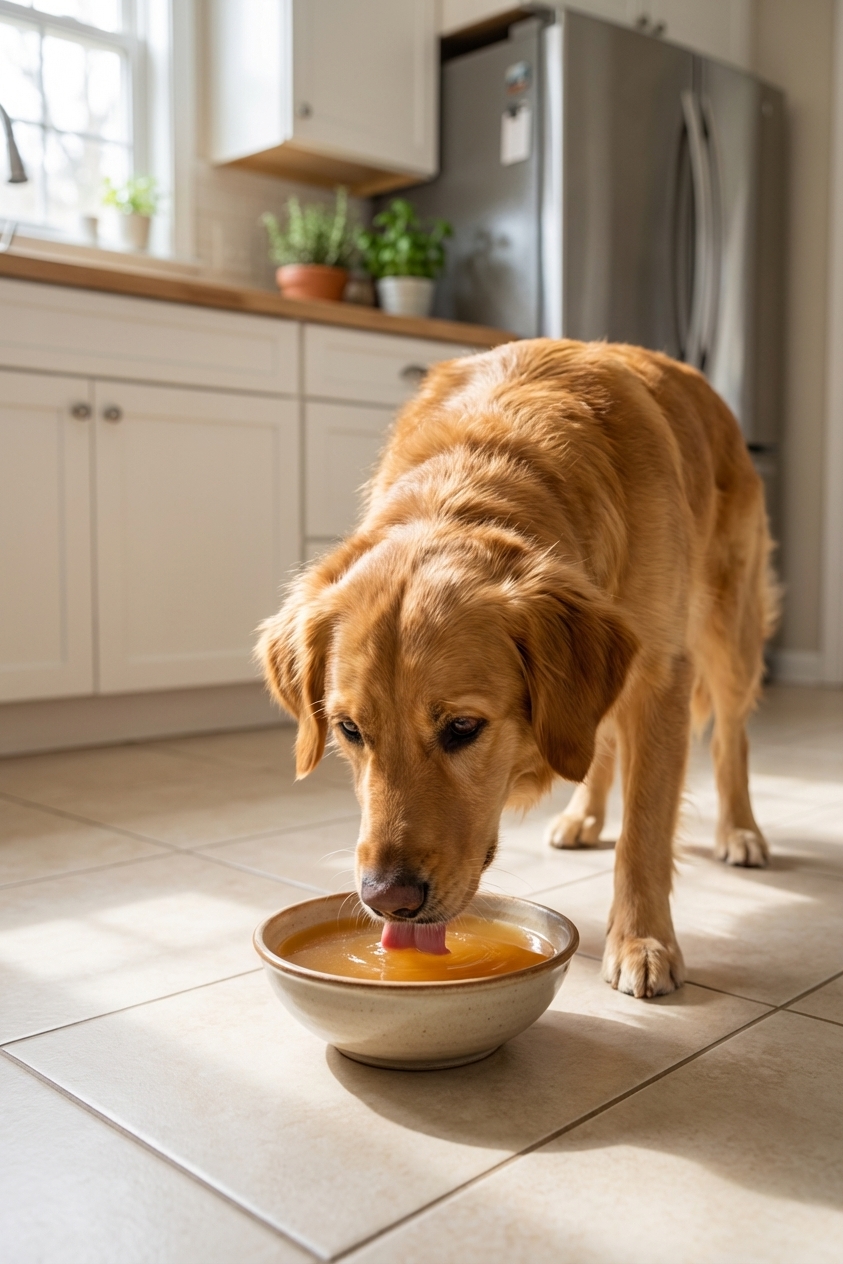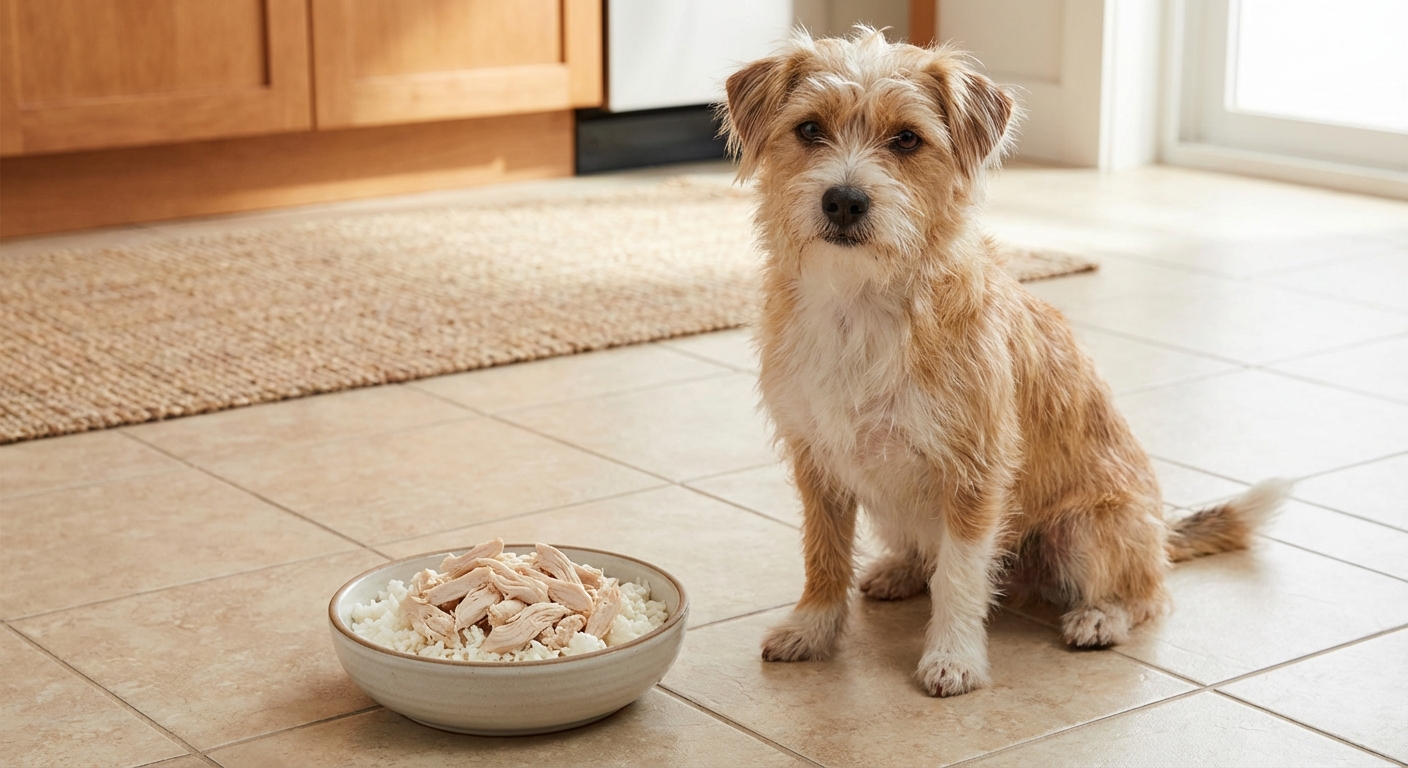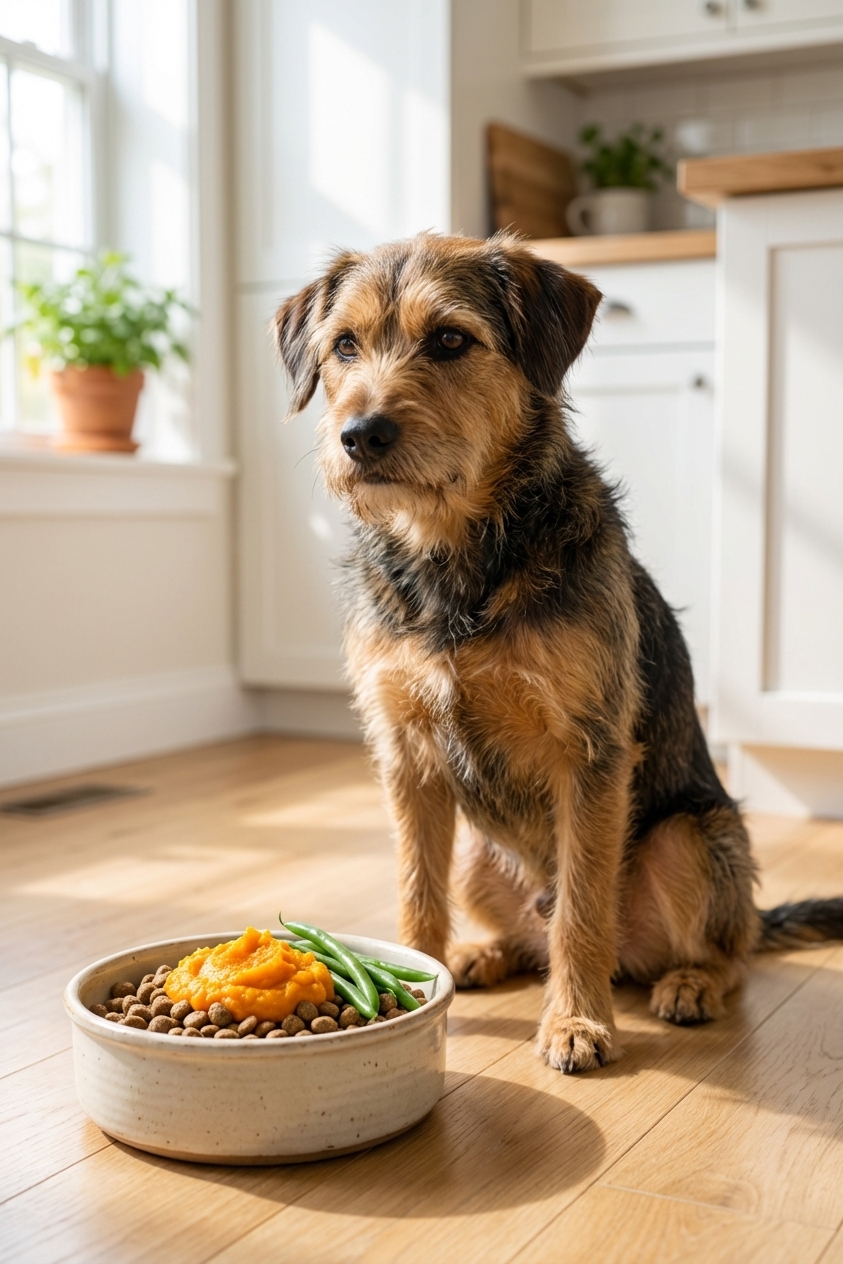
Make meals more tempting and nutritious with simple dog food toppers: bone broth, cooked eggs, sardines, pumpkin, and steamed veggies—plus portions, storag...
Article
•
Designer Mixes
How to Comfort a Dog in the Final Days

Shari Shidate
Designer Mixes contributor
When you know your dog is nearing the end of life, your heart is doing two jobs at once: loving them deeply and trying to make the right decisions. As a veterinary assistant, I can tell you this with confidence: comfort care is real care. Small, gentle changes can ease pain, reduce anxiety, and help your dog feel safe and connected to you.
This article focuses on practical, evidence-based ways to support comfort in the final days and clear signs it is time to call your veterinarian for help. This is general guidance. Your veterinarian can tailor a plan to your dog’s diagnosis, medications, and needs.
What comfort means
At the end of life, comfort is less about doing more and more about doing what matters most: relief from pain and breathlessness, calm surroundings, easy access to basic needs, and emotional security.
A helpful way to think about it is palliative care and hospice care. These approaches aim to:
- Manage symptoms like pain, nausea, anxiety, diarrhea, constipation, and coughing
- Support hydration and nutrition without forcing
- Reduce stress for your dog and your family
- Plan ahead so you are not making urgent decisions in a crisis
Create a calm nest
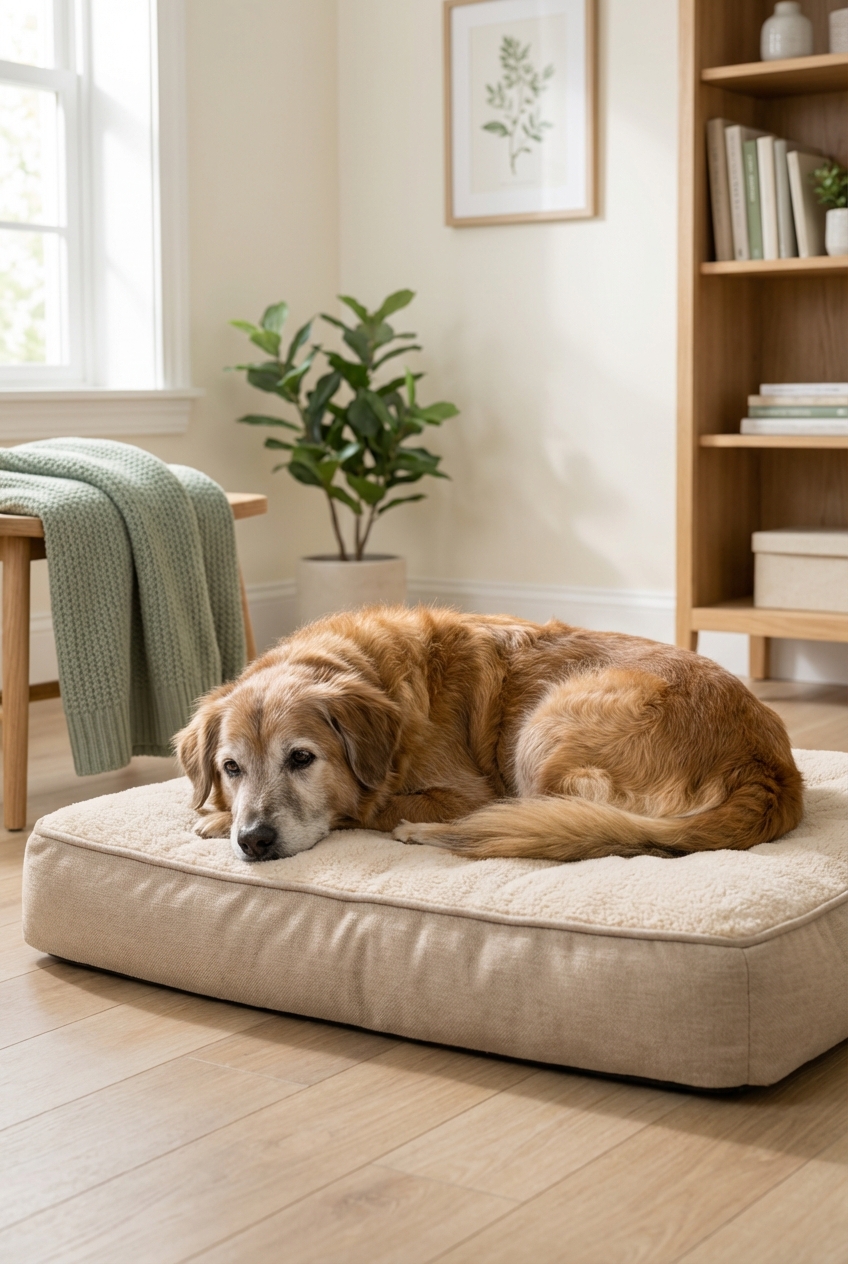
Most dogs feel best when they can rest without being bumped, startled, or asked to move often. Set up one main resting space and let it become their safe zone.
Make resting easier
- Use supportive bedding: A thick orthopedic bed or layered blankets can reduce pressure on sore hips and elbows.
- Keep them warm, not hot: Older or ill dogs often chill easily. Use a light blanket. If you use a heating pad, choose a pet-specific pad on the lowest setting, place it under half the bed so they can move away, and supervise closely. Thin or immobile dogs can burn more easily, so ask your veterinarian what is safest for your dog.
- Stabilize the floor: Add yoga mats or non-slip rugs on slick surfaces to prevent painful falls.
- Minimize stairs: If possible, keep everything on one level.
Gentle mobility help
When a dog is weak or painful, getting up can be the hardest part of the day. Assisted mobility can prevent falls, reduce strain, and preserve dignity.
- Use a harness or sling: A rear-support sling or a well-fitted harness can help your dog stand and walk to potty breaks.
- Keep paths short: At this stage, “exercise” may only mean standing up, turning, and taking a few supported steps.
- Offer traction: Booties with grip can help, but many dogs do better with rugs and mats.
If your dog is struggling to rise, knuckling over, falling, or crying out when moved, call your veterinarian. That often indicates pain or significant weakness that needs better symptom control.
Pain and breathing
Pain is one of the most common reasons dogs suffer at end of life, and it can show up as panting, restlessness, hiding, irritability, trembling, or refusing to lie down. Breathing discomfort can look similar, so it is important to involve your veterinarian quickly.
What you can do now
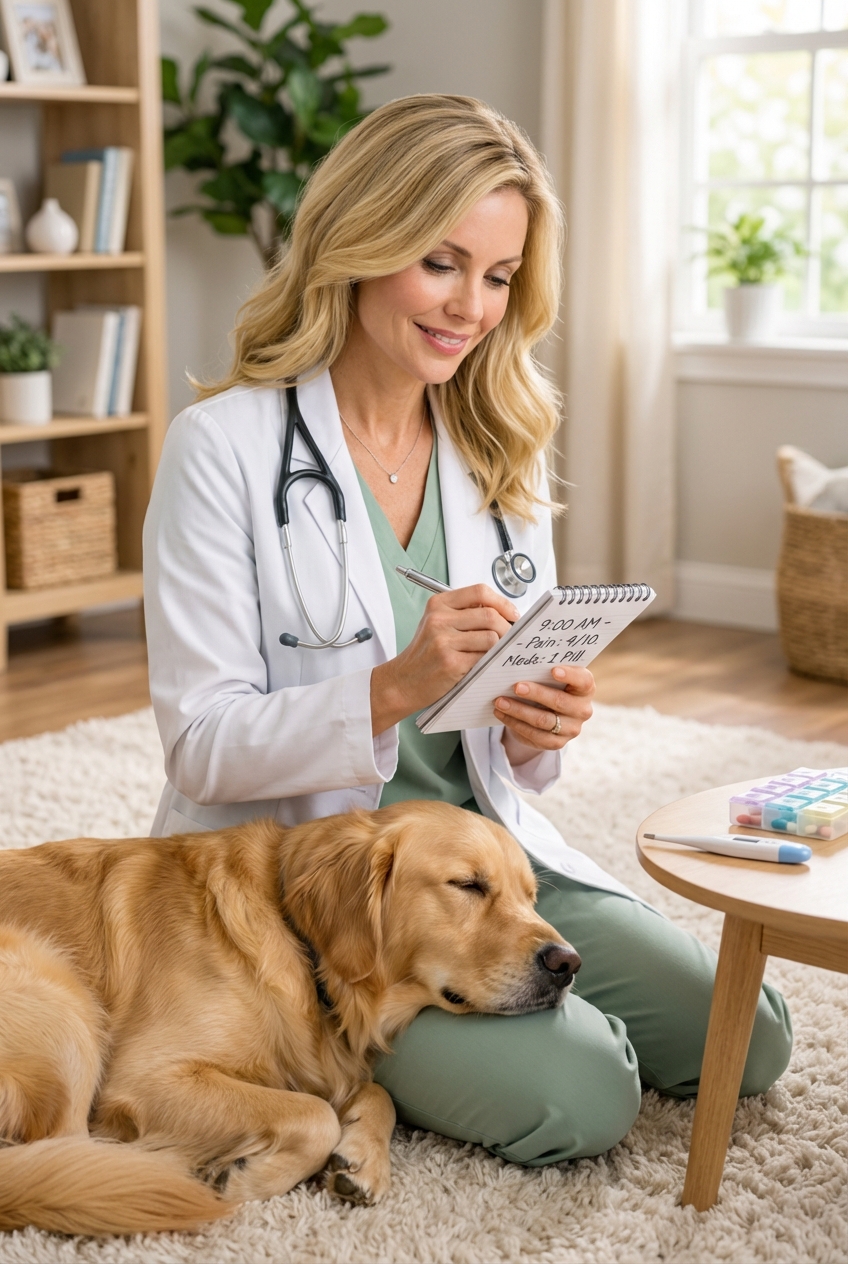
- Keep a symptom log: Note appetite, water intake, bathroom habits, sleep, pacing, panting, coughing, and any crying or flinching.
- Give medications exactly as prescribed: Consistency matters for pain control. If you are missing doses because your dog will not eat, tell your veterinarian. There are often other options.
- Choose a quiet, cool room: For dogs who are panting or nauseated, a calm environment can reduce distress.
Medication safety
Never give human pain medications unless your veterinarian specifically instructs you to. Common over-the-counter drugs like ibuprofen and naproxen can be dangerous or fatal to dogs. Acetaminophen can also cause serious toxicity and can be fatal at improper doses.
Food and water
At the end of life, many dogs eat less. That can be emotionally painful for us, because feeding is love. But with advanced disease, appetite can fade naturally, and forcing food can add stress or nausea.
Make eating easier
- Offer small portions more often: Think tablespoons, not bowls.
- Warm the food slightly: Warming releases aroma and can improve interest.
- Choose soft textures: Especially for dental pain, nausea, or weakness.
- Try high-value, easy foods: Plain cooked chicken or turkey, scrambled egg, or a veterinary-approved recovery diet can be helpful. If your dog has a history of pancreatitis or severe gastrointestinal disease, check with your veterinarian first, since richer foods can worsen symptoms.
Hydration support
- Make water easy to reach: Place a bowl right by the bed.
- Offer ice chips or small sips: Some dogs tolerate that better than a full bowl.
- Watch for dehydration signs: Dry or sticky gums, sunken eyes, very dark urine, or not urinating can be signs of dehydration or other serious illness. Call your veterinarian for guidance.
If your dog has repeated vomiting, cannot keep water down, or seems nauseated and drooly, call your veterinarian. Nausea control can dramatically improve comfort.
Toileting and incontinence
Bathroom struggles are common near the end of life. A little planning can prevent distress for both of you.
- Offer frequent, gentle potty trips: Short, supported trips can reduce accidents and anxiety. If your dog cannot walk safely, ask your veterinarian about alternatives.
- Use pads and protect bedding: Puppy pads or washable pads make cleanup easier. Layer them under blankets so you can change the top layer quickly.
- Prevent urine scald: If your dog leaks urine, gently clean the skin with warm water and pat dry. Ask your veterinarian before using barrier creams, since some products can irritate skin or be unsafe if licked.
- Use diapers carefully: Diapers or belly bands can help in some cases, but they must be changed often and skin must stay dry. If you notice redness, odor, or sores, stop and call your veterinarian.
Keep them clean
Dogs who are weak, incontinent, or bedridden can develop skin irritation and pressure sores surprisingly fast. Cleanliness is not just about hygiene. It is about comfort.
- Use puppy pads or washable pads: Layer them under blankets for easy changes.
- Gently clean with warm water: Unscented wipes can help, but avoid harsh fragrances on sensitive skin.
- Keep fur dry: Moisture can lead to dermatitis. Pat dry carefully.
- Reposition if they cannot move: If your dog is unable to shift positions, gently adjust them about every 2 to 4 hours as tolerated to reduce pressure on one side. If turning seems painful or your dog cries out, call your veterinarian for advice.

Comfort their mind
Some dogs become extra needy at the end. Others withdraw. Both are normal. Your goal is to reduce fear and keep connection available.
- Stay close when you can: Even sitting quietly nearby can lower stress.
- Keep routines simple and predictable: Familiar cues help dogs feel oriented.
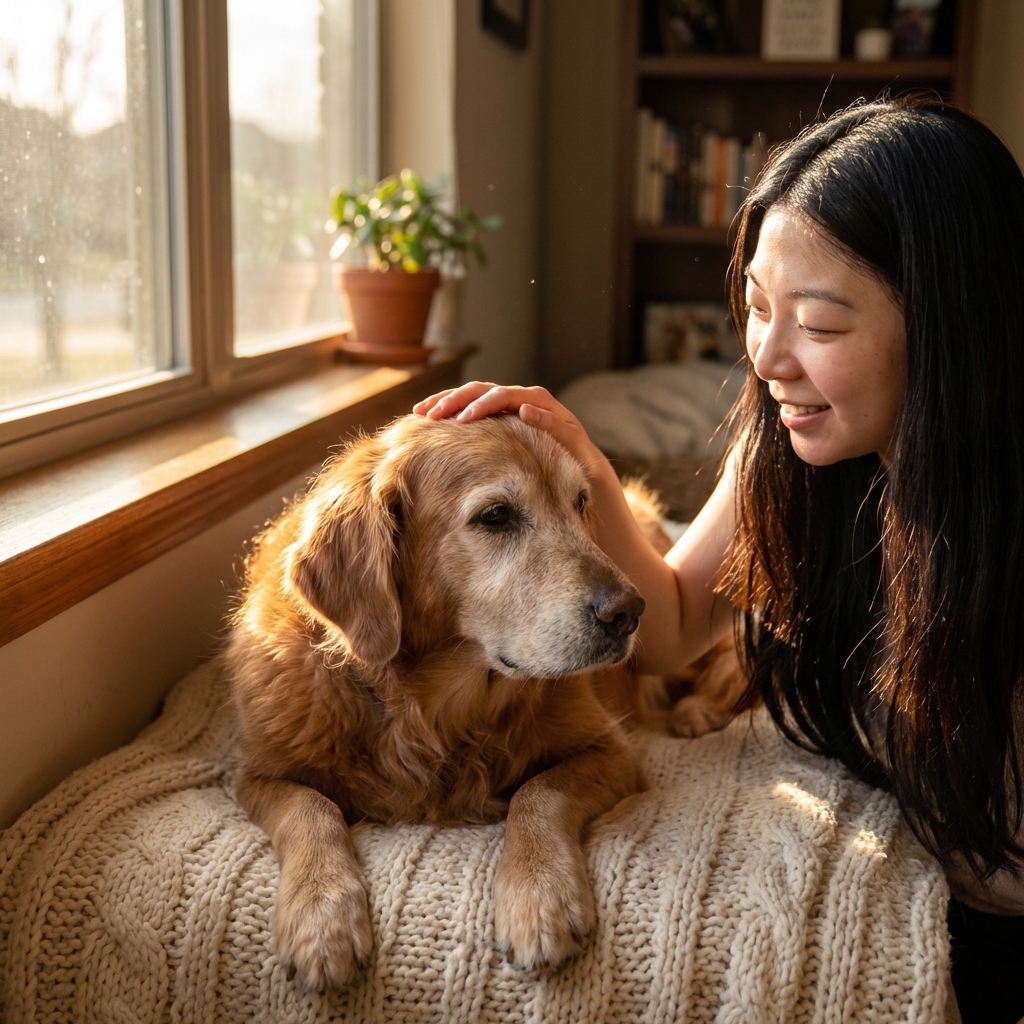
- Use gentle touch if they like it: Slow petting along the shoulder and chest often feels safer than patting over the head.
- Lower sensory stress: Dim lights, reduce loud TV, and limit visitors if your dog seems overwhelmed.
If your dog is pacing, cannot settle, seems panicked, or vocalizes at night, tell your veterinarian. Anxiety and agitation are treatable, and relief can be life-changing for their comfort.
What can be normal
Some changes can look scary but may be expected with late-stage illness, especially when your dog is very tired. These can include sleeping more, eating less, moving less, and seeking more quiet. You never have to guess what is normal on your own. If you are concerned, call your veterinarian and describe what you are seeing.
When to call
One of the kindest things you can do is recognize when your dog’s comfort is slipping and act early. Call your veterinarian promptly if you notice:
- Uncontrolled pain, crying, trembling, or refusal to lie down
- Repeated vomiting or diarrhea, or signs of severe nausea
- Collapse, inability to stand, or frequent falls
- Refusal of water for a full day, or very little urine output
- Confusion, agitation, or sudden behavior changes
- Seizures
Emergency signs
Seek emergency care right away if you see labored breathing, open-mouth breathing at rest, blue or gray gums, or your dog cannot settle due to breathing distress.
If you are ever unsure, it is appropriate to call. You are not bothering anyone. This is exactly what your veterinary team is here for.
Quality of life
When emotions are high, it can help to use a simple framework. Many hospice teams use a quality-of-life scale that looks at comfort factors such as hurt (pain), hunger, hydration, hygiene, happiness, mobility, and whether the good days still outnumber the hard ones. If you want, ask your veterinarian about a quality-of-life scale you can use at home so you are making decisions with support, not panic.
Plan a peaceful goodbye
Many families find relief in planning before there is an emergency. Consider discussing these topics with your veterinarian:
- Quality of life markers: What to watch for in your dog’s specific condition
- Medication plan: How to adjust if symptoms change, and what to do after hours
- In-home euthanasia: If available in your area, this can be a peaceful option for many dogs
- Aftercare choices: Private or communal cremation, burial rules in your city, and memorial options
Choosing euthanasia is not “giving up.” When it is time, it is a final act of protection from suffering. A good death, with love present, is a gift we can give our dogs when we cannot give them more time.

Comfort checklist
- Set up one quiet resting area with supportive bedding
- Place water, pads, and a light blanket within reach
- Use rugs or mats to prevent slipping
- Give medications on schedule and track symptoms
- Offer small, warm, soft meals if they are interested
- Keep potty trips short and supported
- Call your veterinarian if breathing, pain, nausea, or agitation worsen
You do not have to be perfect. You just have to be present, observant, and willing to ask for help when your dog needs more comfort than you can provide at home.