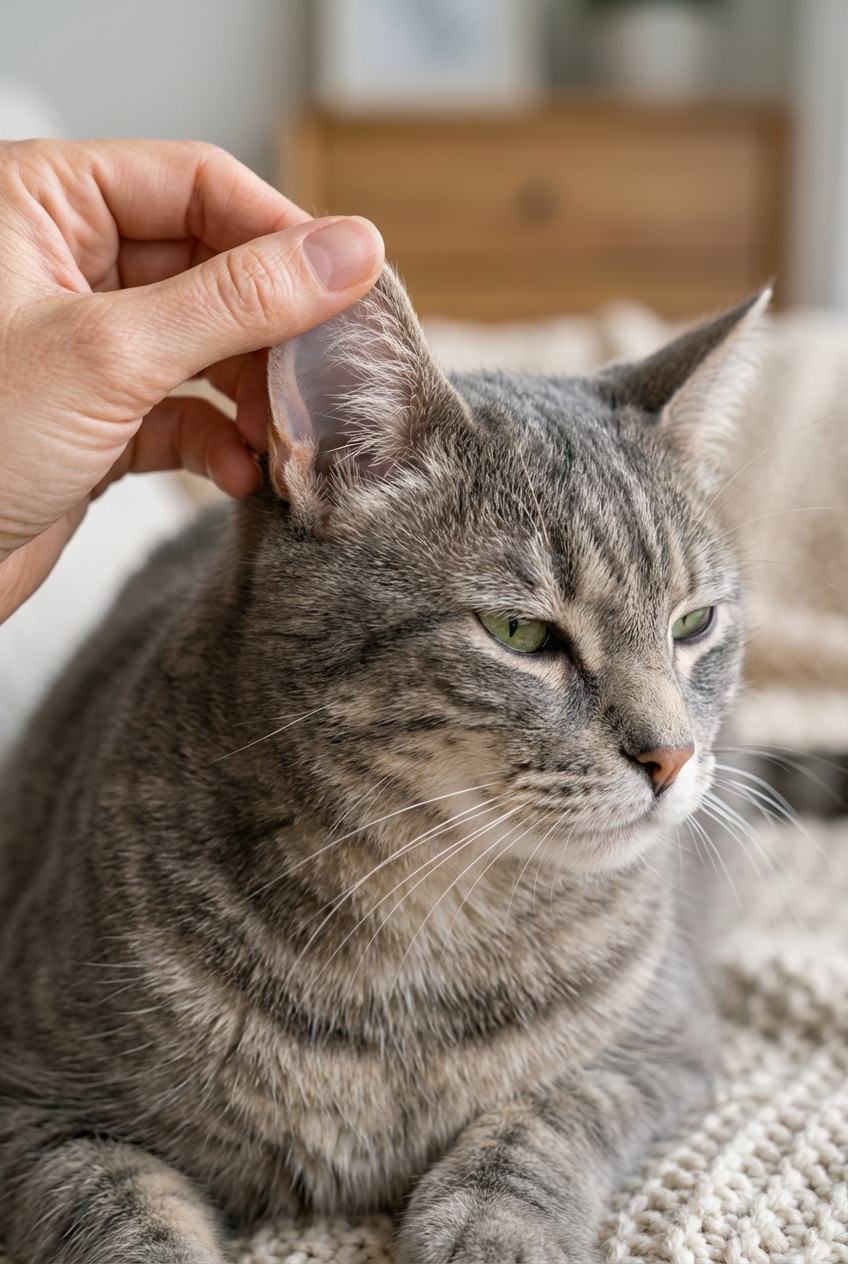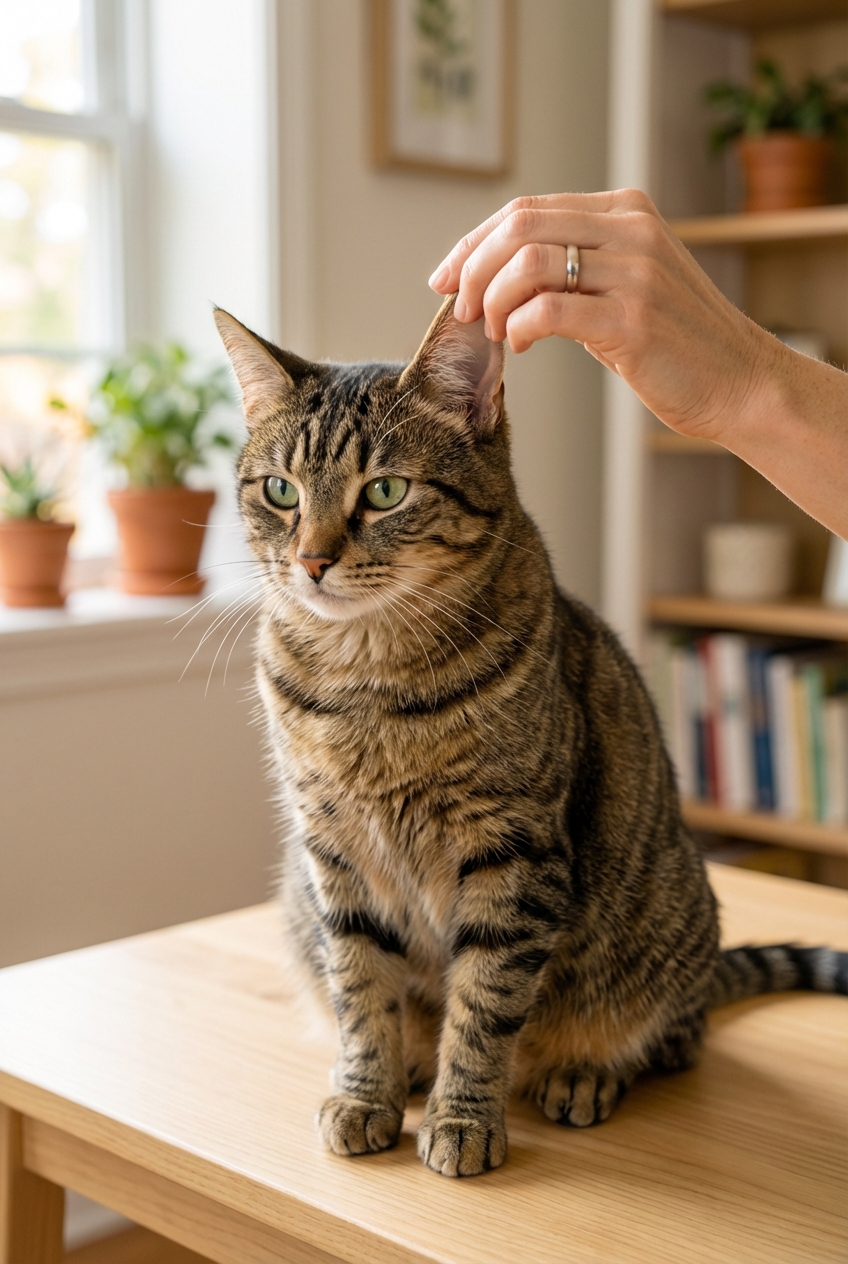
From “coffee ground” ear debris to nonstop scratching, learn how vets diagnose ear mites and the most effective treatments, safe ear cleaning steps, and ...
Article
•
Designer Mixes
How to Check for Ear Mites in Cats

Shari Shidate
Designer Mixes contributor
Ear mites are a common cause of itchy ears in cats, especially kittens and cats who spend time outdoors or around other pets. The good news is that ear mites are treatable, and the sooner you spot them, the sooner your cat can get comfortable again.
As a veterinary assistant, I always tell pet parents this: you can do a safe, simple at-home check, but a veterinarian should confirm the diagnosis. Several ear problems can look similar, and the wrong treatment can make things worse.
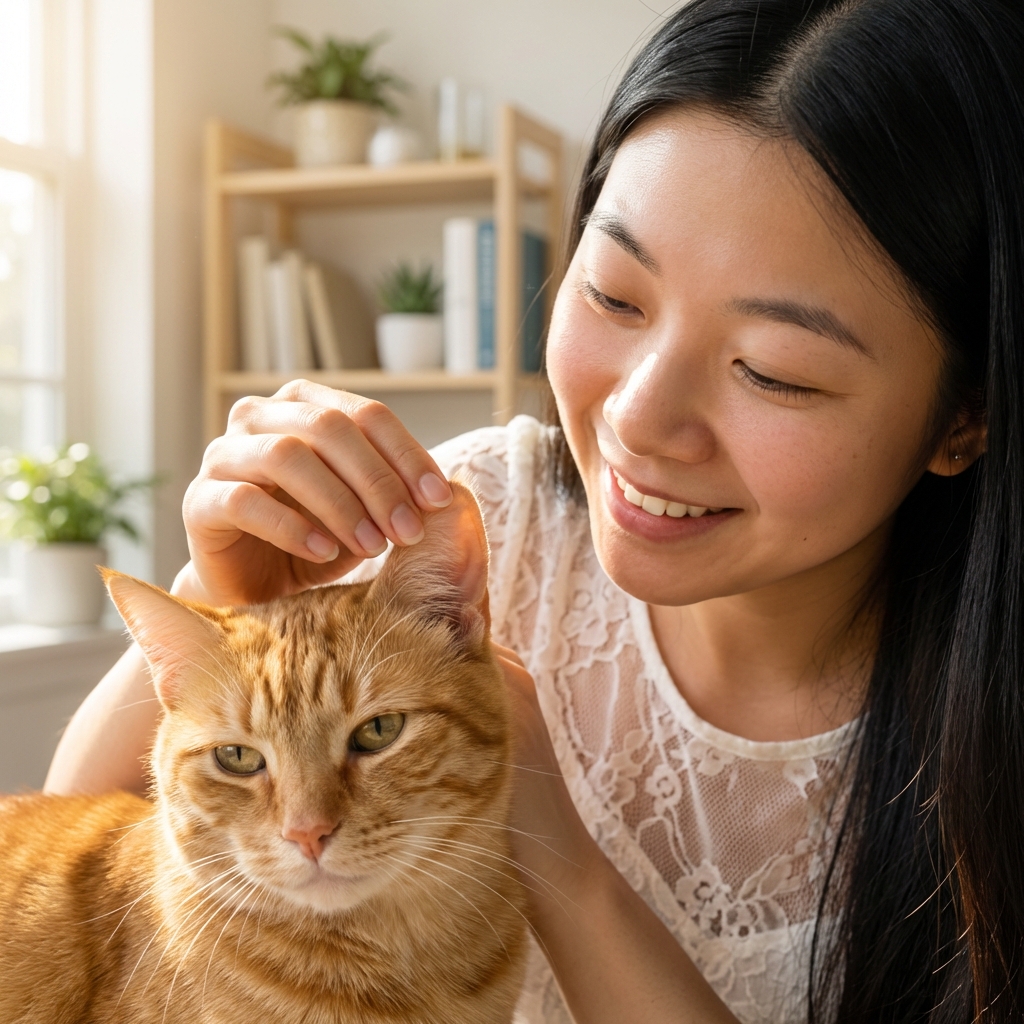
What ear mites are
Ear mites (most commonly Otodectes cynotis) are tiny parasites that live on the surface of the ear canal and feed on skin debris and ear wax. They are more common in cats than dogs, and they spread easily through close contact.
- Contagious: One untreated cat can spread mites to other cats and sometimes dogs in the home.
- Very itchy: The irritation can be intense, leading to scratching, skin wounds, and ear infections.
- Not usually visible to the naked eye: You typically see the debris they cause, not the mites themselves.
Signs that make ear mites likely
Many ear issues cause scratching, so look for a cluster of symptoms instead of just one. In some cats, the itchiness can also extend to nearby skin, like the neck.
Common symptoms
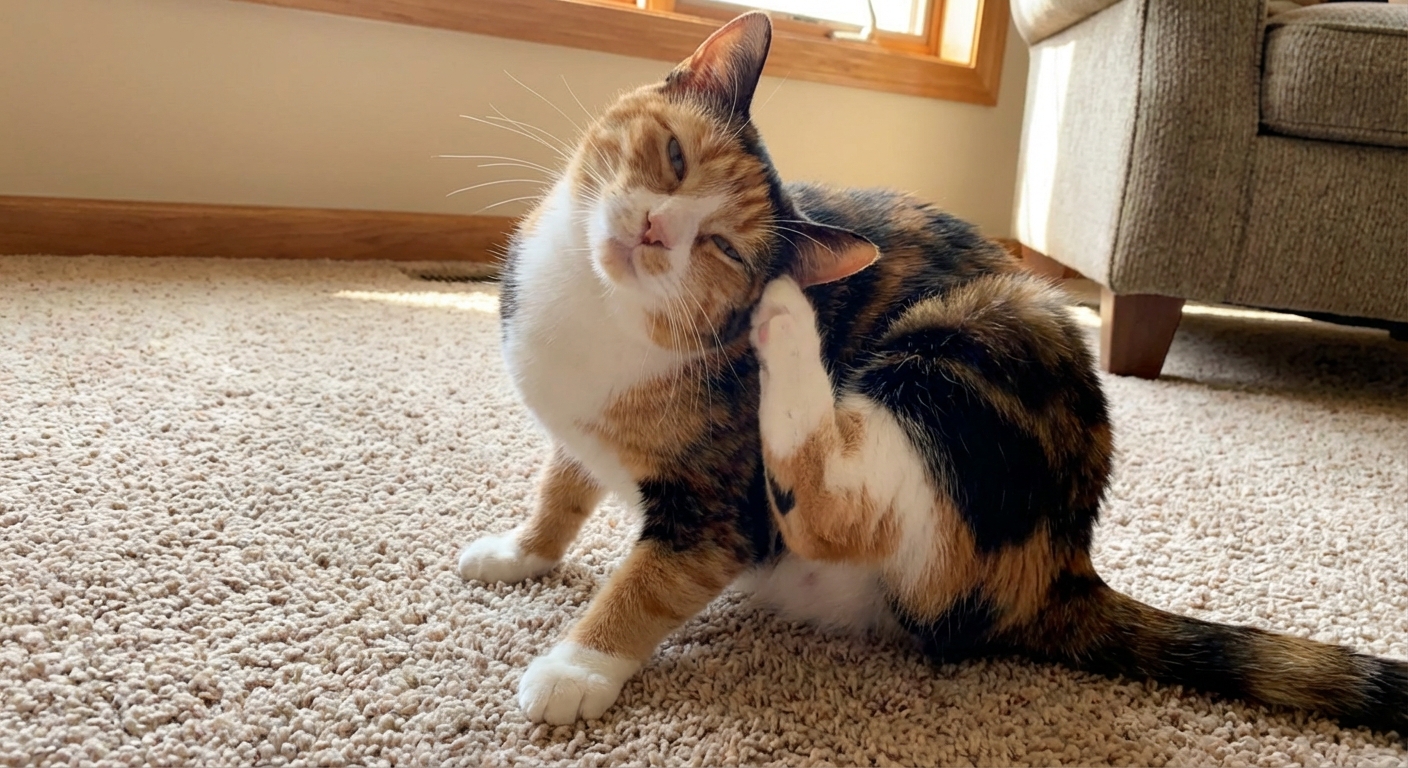
- Frequent scratching at the ears or rubbing the head on furniture
- Head shaking or head tilt
- Red, inflamed ear canal or ear flap
- Dark, crumbly ear debris that can resemble coffee grounds
- Crusty skin or scabs around the ears from scratching
- Unpleasant ear odor (often suggests a secondary infection)
Quick reality check: “Coffee-ground” debris can happen with ear mites, but it can also appear with yeast or bacterial infections. That is why confirmation matters.
Another thing to watch for: Intense head shaking can sometimes lead to an aural hematoma (a swollen, puffy ear flap). That needs prompt veterinary care.
How to check safely at home
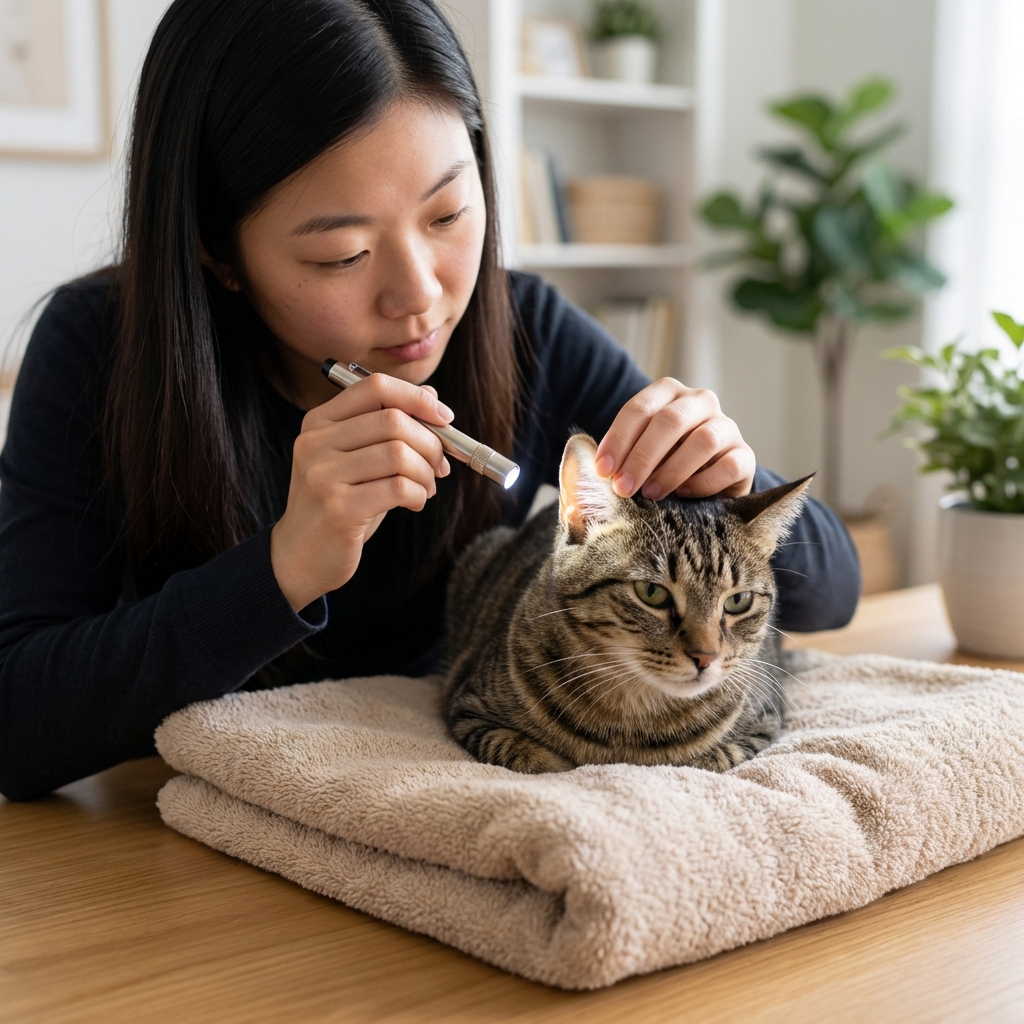
You can do a gentle inspection that helps you decide whether this is urgent and what to tell your vet. The goal is to observe, not to dig deep into the ear canal.
Step 1: Set up
- Choose a bright room or use a flashlight.
- Have cotton balls or gauze nearby.
- Ask a helper to calmly hold your cat if possible.
- Keep it short. Stress makes cats squirm, and squirming increases the risk of injury.
Step 2: Check the outer ear
Gently lift the ear flap and look for:
- Redness, swelling, or heat
- Crusts and scratch marks
- Dark debris clustered near the opening
Step 3: Note the debris
If you see dark material near the opening, you can lightly wipe what is visible with a cotton ball or gauze. Note the color, texture, and odor. Then share what you saw with your veterinarian.
- Ear mites: often dark brown to black, dry and crumbly
- Yeast: often brown, waxy, and can smell “musty”
- Bacteria: can be yellowish, creamy, or pus-like, often with a stronger odor
Important: These clues can overlap a lot and are not diagnostic on their own. Only an exam and testing can confirm the cause.
Important: Do not use cotton swabs inside the ear canal. They can push debris deeper and can injure the eardrum.
Step 4: Watch for pain
If your cat cries, jerks away, or seems painful when you touch the ear, stop and call your veterinarian. Pain can mean infection, trauma, or a deeper problem that needs proper examination.
How vets confirm ear mites
At the clinic, your veterinarian will use one or more standard methods to confirm ear mites and rule out other causes.
- Otoscope exam: a tool that lets them see down into the ear canal safely, and sometimes visualize mites
- Microscope check: a small sample of ear debris is examined to identify mites or eggs
This matters because treating the wrong issue can delay relief and allow infection to worsen.
When to see a vet
Please schedule an appointment urgently if you notice any of the following:
- Bleeding, open wounds, or significant swelling around the ear
- A swollen, puffy ear flap (possible aural hematoma)
- A strong odor, pus-like discharge, or wet oozing debris
- Head tilt, loss of balance, or acting unsteady
- Severe pain when the ear is touched
- Your cat is a kitten, senior, pregnant, or immunocompromised
- Symptoms persist more than 24 to 48 hours or are worsening quickly
Ear problems are not something to “wait out.” A mild issue can turn into a painful infection, and constant scratching can create skin infections too.
What not to do at home
I know it is tempting to try a quick fix, especially when you see that dark debris. Here is what I recommend avoiding until you have a diagnosis:
- Do not use essential oils in or near the ear. Many are irritating or toxic to cats.
- Do not put hydrogen peroxide or alcohol in the ear. These can inflame delicate ear tissue.
- Do not use leftover ear medication from another pet or an old prescription. The wrong medication can worsen certain infections.
- Do not use cotton swabs inside the canal.
What treatment involves
Veterinary treatment often includes:
- A cat-safe antiparasitic medication (topical, ear drops, or oral depending on the product and your cat)
- Cleaning the ears if needed, especially if debris is heavy
- Treating secondary infection or inflammation if present
Because mites are contagious, many vets recommend assessing and often treating close-contact pets in the household, even if only one pet is showing symptoms. This depends on species, exposure, and your veterinarian’s guidance.
Some monthly parasite preventives also treat ear mites, but only use products that are labeled for cats and recommended by your veterinarian.
If symptoms are not clearly improving after treatment, or if they return, book a recheck. That can mean reinfection, an untreated secondary infection, or a different underlying ear problem.
Preventing ear mites
- Use a vet-recommended parasite preventive as advised for your cat’s lifestyle.
- Quarantine new pets and schedule a wellness check before introducing them to your other animals.
- Wash bedding and vacuum areas where pets sleep during treatment.
- Follow the full treatment plan, even if your cat seems better quickly. Stopping early is a common reason mites return.
Tip from the clinic: Take a quick photo of the debris and a short video of the head shaking or scratching. Those details can help your veterinarian make faster decisions.
Frequently asked questions
Can humans catch ear mites from cats?
Humans are not typical hosts for cat ear mites. In rare cases, temporary skin irritation is possible after close contact with an infested pet. If you have a rash, contact your healthcare provider. The main concern is how easily mites spread between pets.
Will ear mites go away on their own?
Usually no. Untreated ear mites can lead to secondary ear infections and significant discomfort.
Is dark ear wax always ear mites?
No. Yeast and bacterial infections can also cause dark debris. That is why a vet exam and microscope check are so helpful.