Your cat in heat? Learn common signs, how long estrus lasts, and practical at-home steps to reduce stress, prevent escape and pregnancy, and know when to cal...
Article
•
Designer Mixes
How to Calm a Cat in Heat

Shari Shidate
Designer Mixes contributor
If your female cat is in heat, the behavior can feel sudden and intense. Loud yowling, restlessness, rolling on the floor, and an “escape artist” attitude are all common. The good news is you are not doing anything wrong, and you have several safe, practical ways to help her feel calmer while you plan the next steps.
As a veterinary assistant in Frisco, Texas, I always tell families this: a cat in heat is not being dramatic on purpose. She is responding to hormones and instinct. Your job is comfort, safety, and preventing an accidental pregnancy. And yes, it can be exhausting, especially when the vocalizing ramps up at night.
What “in heat” means
Heat, also called estrus, is the fertile part of a female cat’s reproductive cycle. Many cats are seasonally polyestrous, meaning they can cycle repeatedly during longer daylight months. That said, indoor cats exposed to artificial light may cycle year-round.
When a cat is in heat, she is advertising for a mate. It is loud, persistent, and very normal.
Common signs
- Persistent vocalizing, yowling, or calling (often worse at night)
- Extra affection, rubbing on people and furniture
- Rolling, restlessness, pacing, and a hard time settling
- “Lordosis” posture: front end low, hind end up, tail to the side
- Trying to dash outside, scratching at doors or windows
- Increased marking behaviors in some cats
Most cats do not have a bloody discharge like dogs. In fact, any vaginal discharge (blood, pus, unusual mucus) is not considered normal in cats. If you notice discharge, a foul odor, severe lethargy, vomiting, fever, or your cat seems painful, call your veterinarian promptly.
Timeline: what to expect
Knowing the typical timeline helps you plan and worry less.
- First heat: often around 5 to 9 months of age (sometimes earlier or later)
- Length of a heat: commonly about 4 to 10 days
- How often it can repeat: if she does not mate, some cats cycle again in about 1 to 3 weeks
Some cats seem like they are in heat “all the time” during peak season because the breaks can be short.
First priority: prevent escape
Before any calming tips, lock down safety. A cat in heat can slip through a cracked door faster than you would believe. Even a very brief escape can lead to mating, and females can mate multiple times during a single heat. This can result in a litter with more than one father.
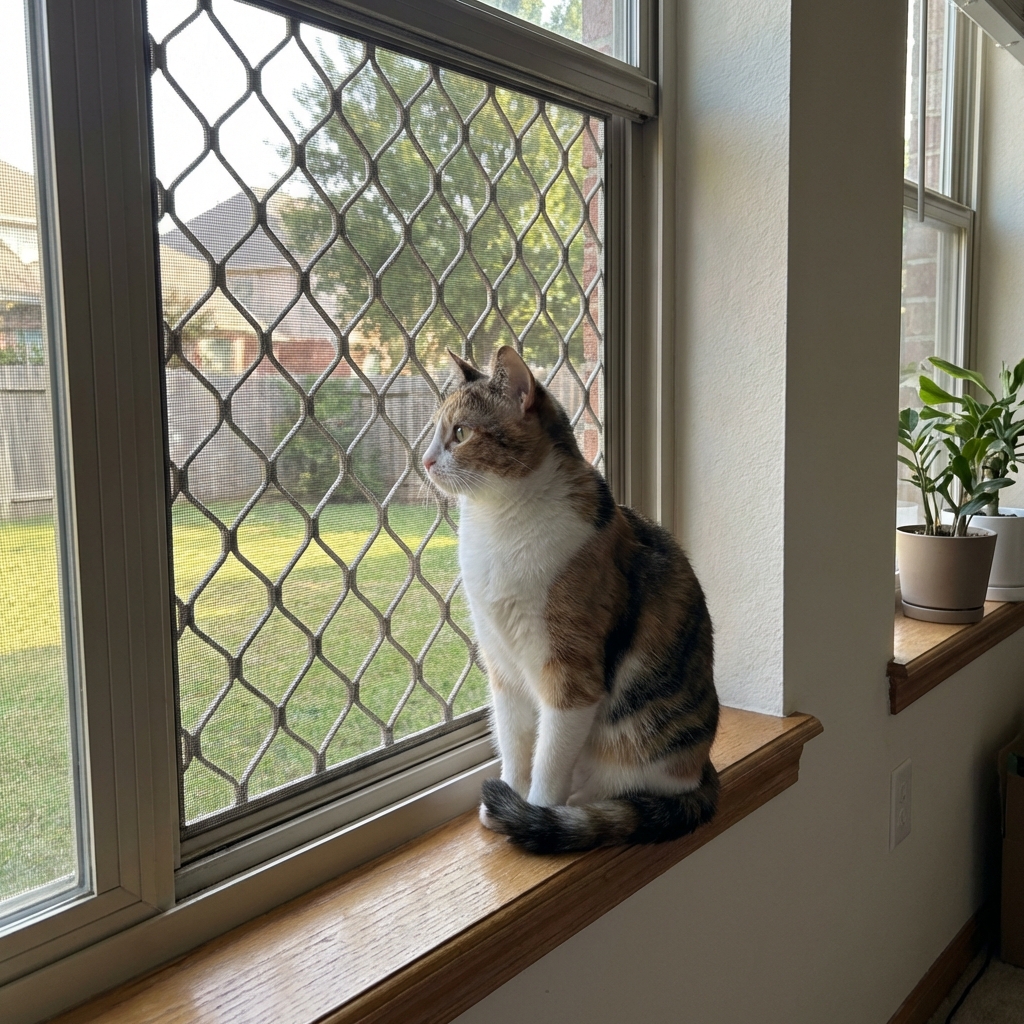
- Keep her strictly indoors. Double check screens, pet doors, and loose windows.
- Create a safe room if you have kids coming and going. Include litter box, food, water, scratching post, and bedding.
- Separate from intact males. Even a quick interaction can lead to breeding.
- Microchip and ID collar if she is not already. Accidents happen.
How to calm her at home
There is no instant off switch at home, but you can lower stress and help her settle. Think comfort plus distraction.
1) Add warmth and a cozy spot
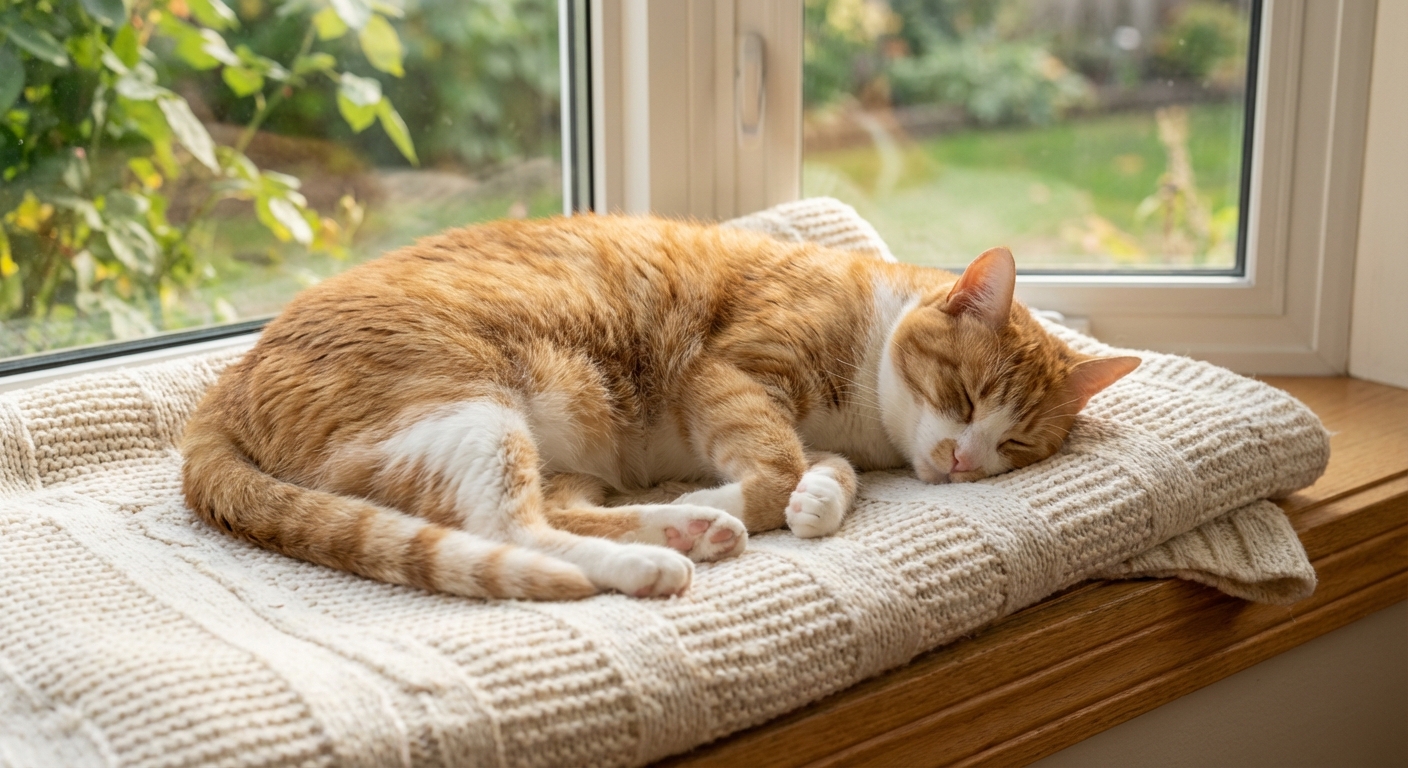
Many cats relax with gentle heat. Offer a warm blanket from the dryer or a pet-safe heating pad on the lowest setting, well covered, with room for her to move away.
- Use only heating pads designed for pets
- Keep it on low, keep it covered, and check the skin often
- Supervise use and avoid long, unsupervised sessions to reduce burn risk
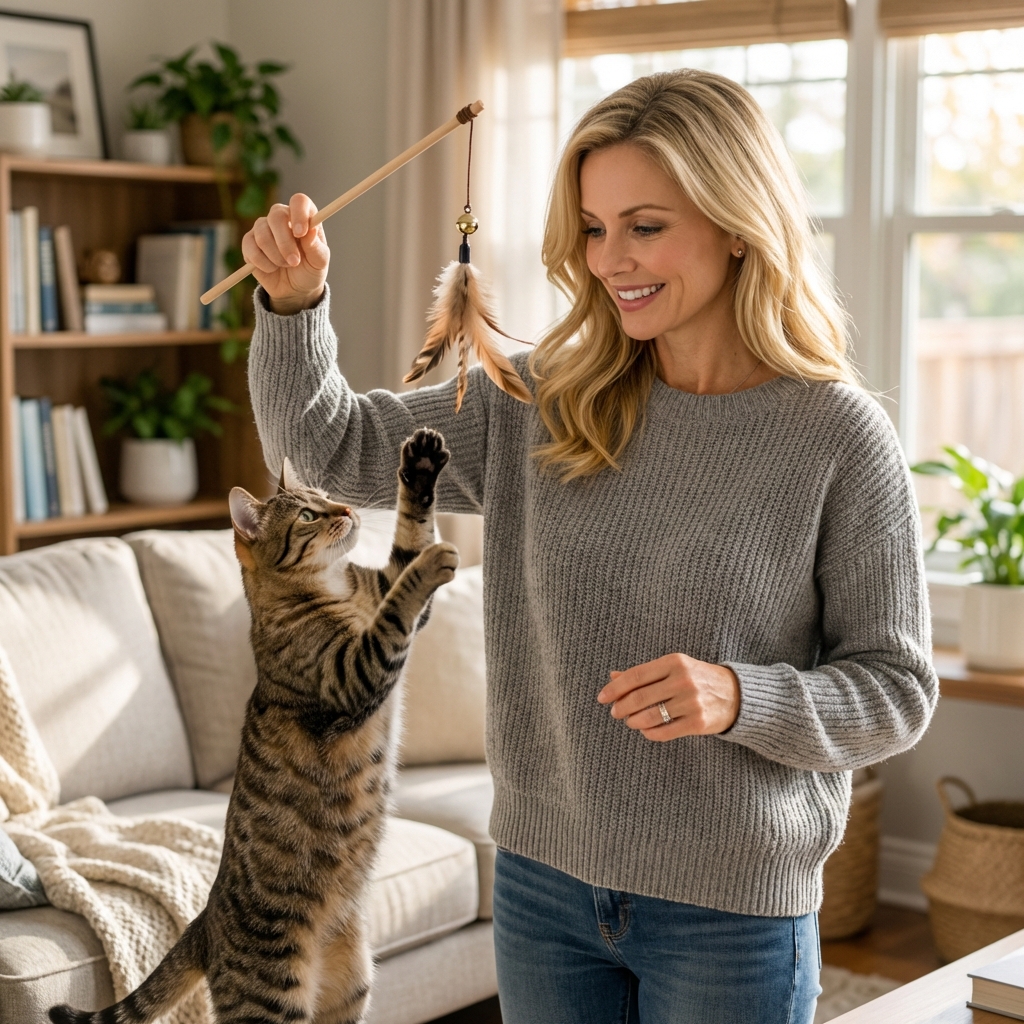
2) Increase play to burn energy
Use short, frequent play sessions, especially in the evening. Wand toys, chase games, and food puzzles can help. End play with a small meal to support the natural “hunt, eat, groom, sleep” cycle.
- Try 10 to 15 minutes of interactive play, 2 to 4 times daily
- Rotate toys so they stay interesting
- Use puzzle feeders or treat balls to keep her busy
3) Use feline pheromones
Plug-in or spray pheromone products (often containing a synthetic version of feline facial pheromones) can reduce overall anxiety for some cats. They do not stop heat, but they may soften the edge of restless behavior.
4) Reduce triggers
- Close curtains at night if outdoor cats are visible
- Play soft background noise to mask outside sounds
- Keep routines consistent, including feeding times
5) Offer affection, but follow her lead
Many cats in heat seek attention and rubbing. Gentle petting can help, but avoid overstimulating her if she escalates into frantic rolling or vocalizing. A calm, steady presence is often the best medicine.
6) Litter box support
Heat can come with increased urination or marking behaviors. Provide an extra litter box if needed, scoop more frequently, and clean any accidents with an enzymatic cleaner to reduce repeat marking.
What to avoid
- Do not give human medications (like acetaminophen or ibuprofen). Many are dangerous or fatal to cats.
- Do not use essential oils to “calm” her. Several oils can be toxic to cats, especially when diffused or applied to fur.
- Do not punish vocalizing. It increases stress and can damage trust. She is communicating instinctually.
- Do not let her outside “just once.” It often leads to pregnancy, injury, or getting lost.
- Avoid hormone products unless your veterinarian specifically recommends them. Heat-suppressing hormones exist, but they can have serious side effects and are not a routine, do-it-yourself solution.
When to call your vet
Heat itself is normal, but some situations deserve medical guidance.
- Heat signs seem nonstop for weeks with little break
- She is not eating, is losing weight, or seems exhausted
- You see any vaginal discharge, blood, a bad smell, fever, vomiting, or significant lethargy
- Sudden aggression, hiding, or signs of pain when touched
Also call if you think she may have gotten out and mated. Cats can become pregnant quickly, and your veterinarian can discuss options and timing.
Best long-term fix: spaying
Spaying is the only reliable way to stop heat cycles. Depending on the clinic and region, spay surgery may involve removing the ovaries alone (ovariectomy) or the ovaries and uterus (ovariohysterectomy). Both prevent heat and pregnancy.
Spaying also prevents unplanned litters and reduces the risk of serious health problems like pyometra (a life-threatening uterine infection). It also significantly lowers the risk of mammary cancer when done early.
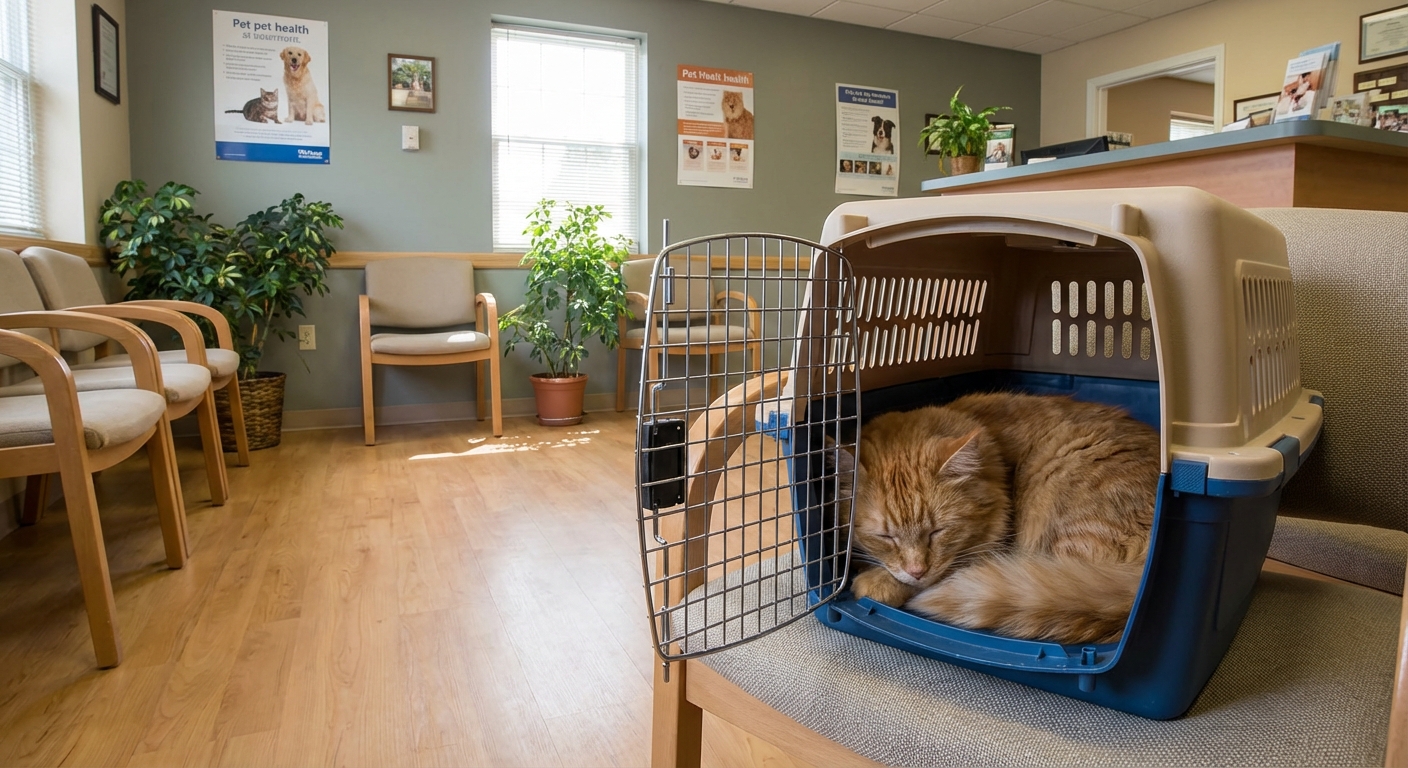
If your cat is currently in heat, many clinics can still spay her, although some prefer to schedule when the cycle ends due to increased blood flow to the reproductive tract. Your veterinarian will advise what is safest for your individual cat.
Quick calming checklist
- Secure doors, windows, and screens
- Create a quiet safe room
- Add warmth and a cozy hideaway (safely)
- Increase interactive play and puzzles
- Use a pheromone diffuser if helpful
- Keep lights low and routines consistent at night
- Plan a spay appointment with your veterinarian
Bottom line: you cannot “train away” heat behavior, but you can absolutely make your cat more comfortable and keep her safe until the cycle passes or she is spayed.