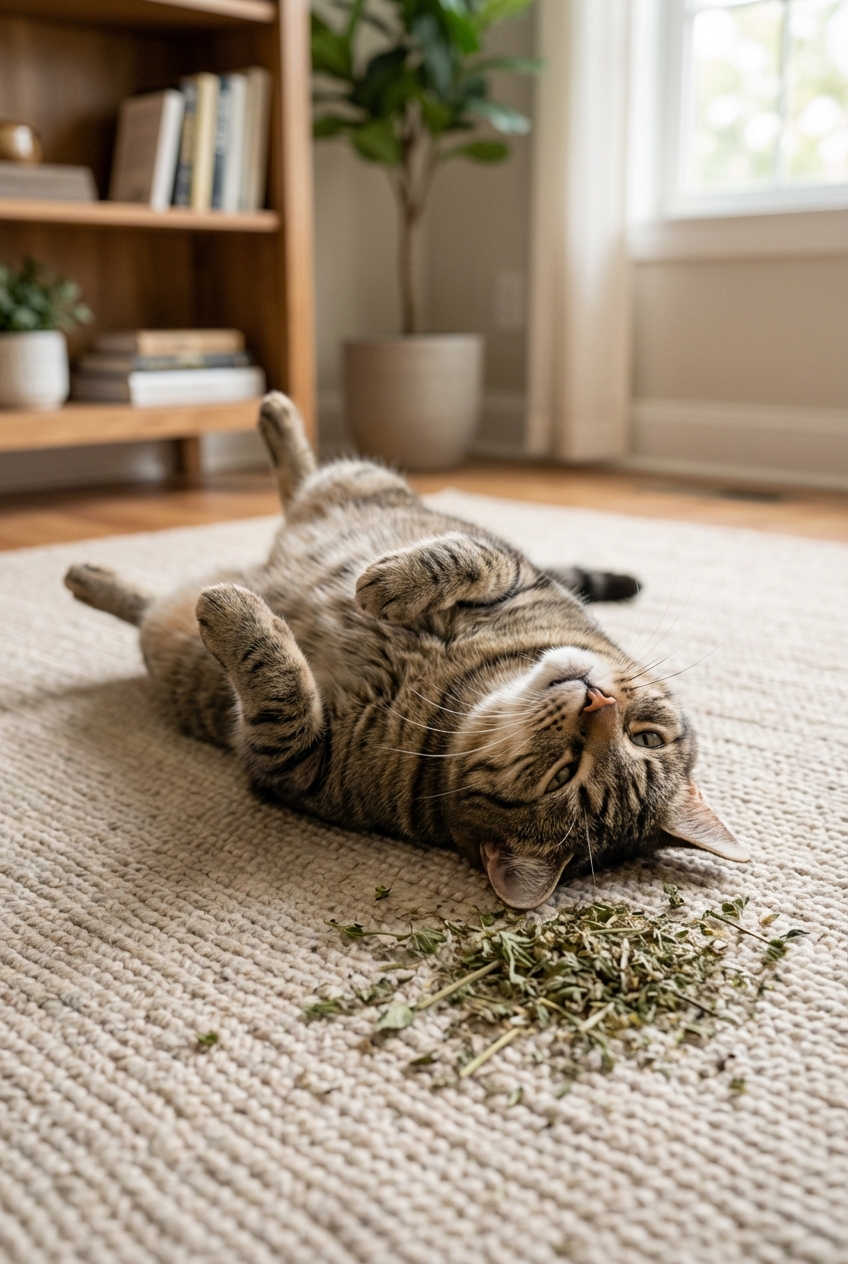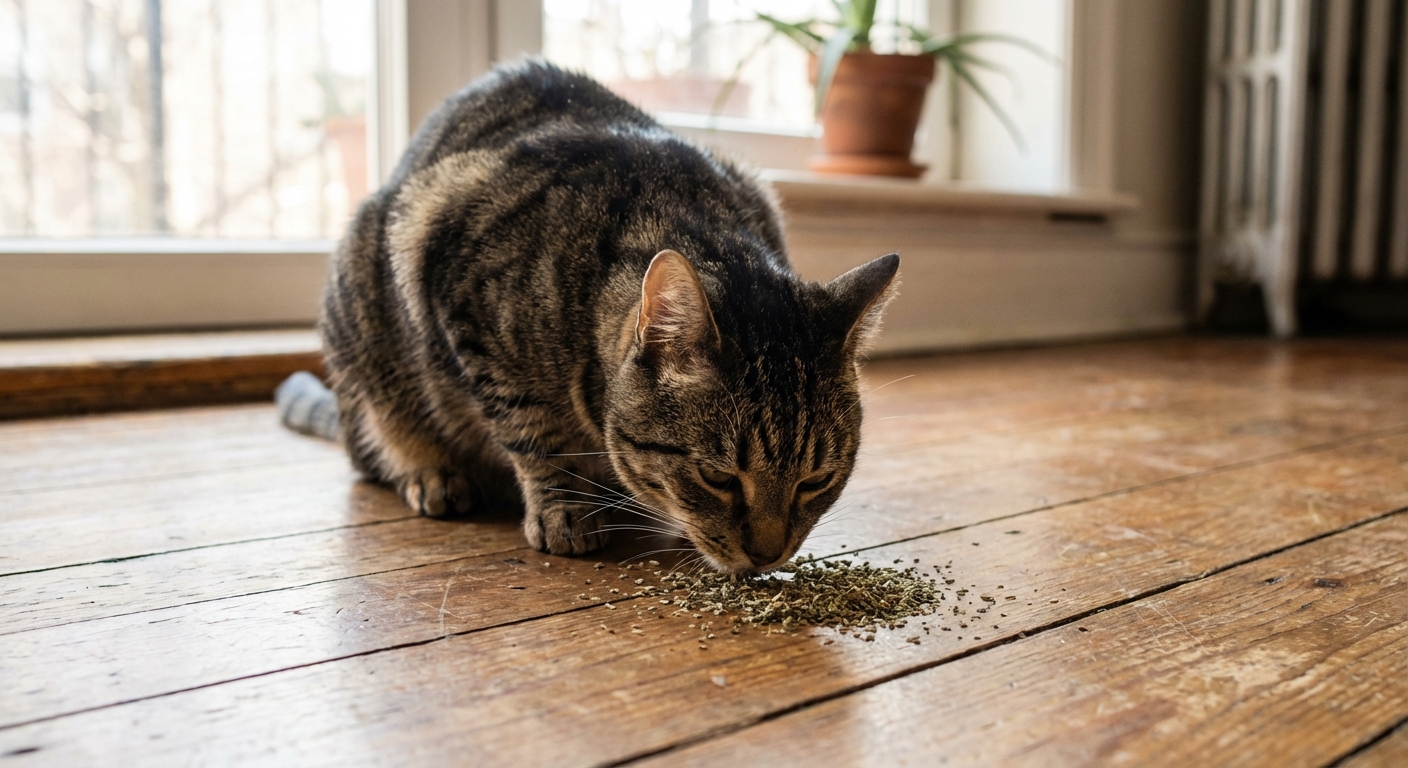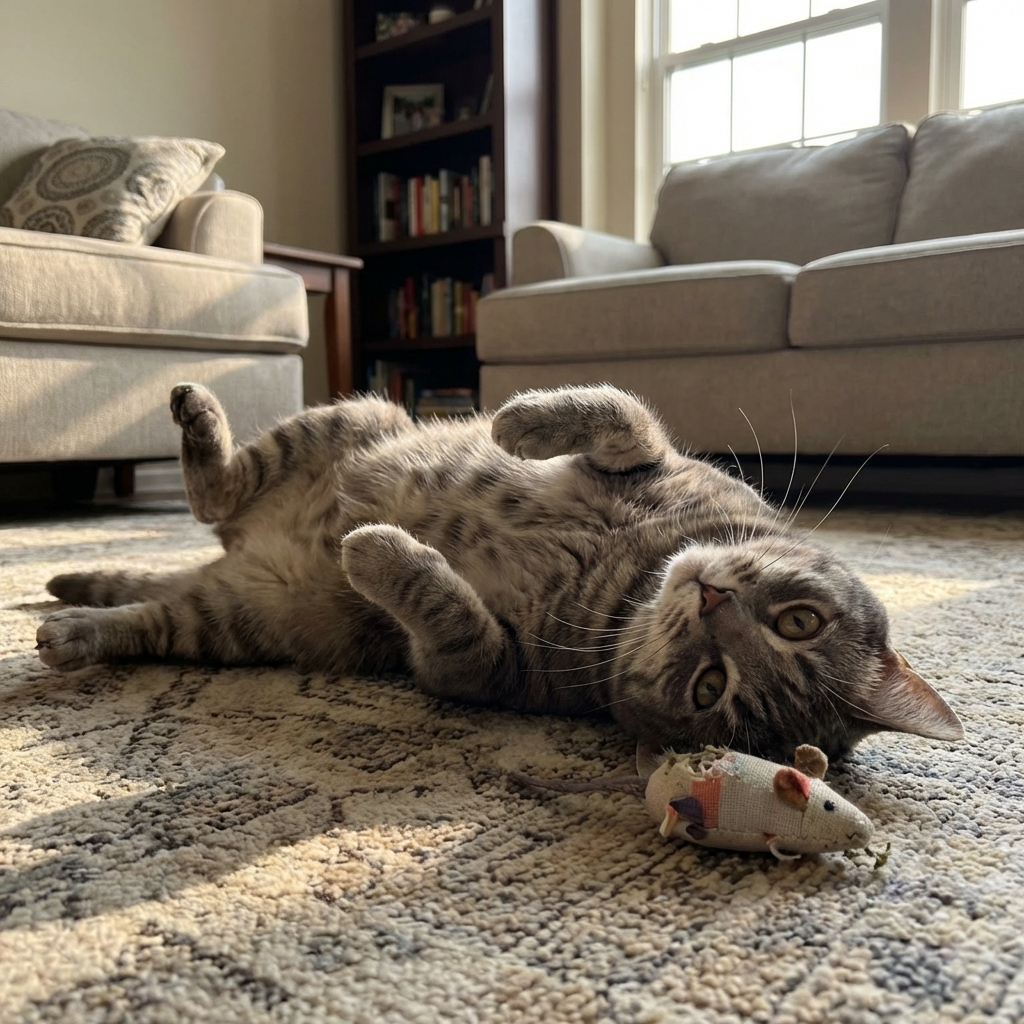
Discover what catnip does, how long it lasts, and the best ways to use dried catnip, spray, toys, and fresh plants for play, scratching, and stress relief—...
Article
•
Designer Mixes
How Often to Give Your Cat Catnip

Shari Shidate
Designer Mixes contributor
Catnip can be a fun, enriching treat for many cats, but it is also one of those things where more is not better. As a veterinary assistant, I like to think of catnip the way we think of dessert: a little can be delightful, too much can backfire.
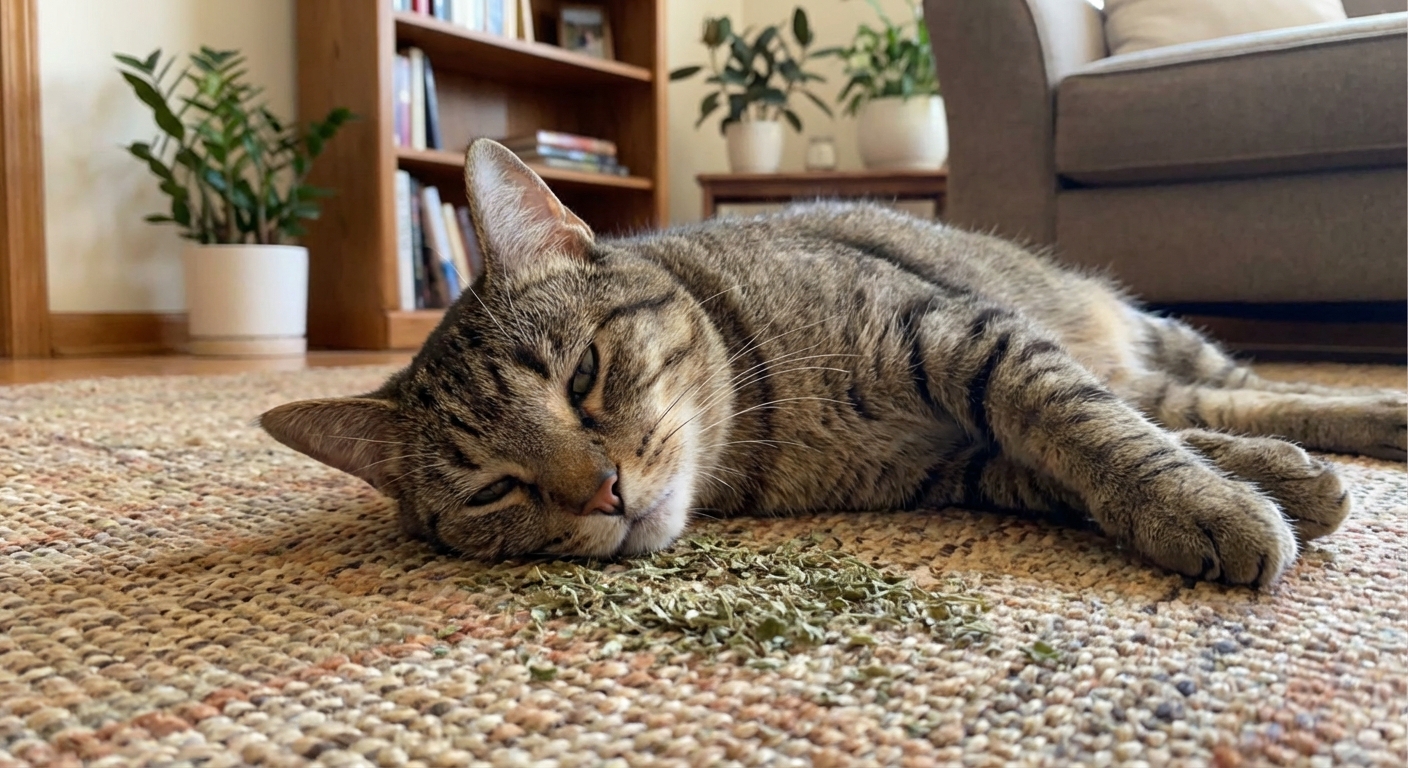
Below are vet-informed, commonly recommended guidelines for how often to offer catnip, how to tell if you are giving too much, and how to keep it safe and stress-free for your cat.
Quick answer: how often can cats have catnip?
For most healthy adult cats who respond to catnip, a good starting point is:
- 1 to 2 times per week for routine enrichment.
- Up to every other day for some cats, especially if the amount is small and your cat stays calm.
- Avoid offering it multiple times daily as a routine. Frequent exposure can make the effect weaker for some cats and can lead to overstimulation in others.
If your cat gets too intense or your home has tension between cats, keep it to once weekly or use alternative enrichment like food puzzles or play sessions.
Why frequency matters
1) Reduced responsiveness is real
The classic catnip response comes from nepetalactone, a compound that binds to receptors in a cat’s nose and triggers a behavioral response. After a session, many cats have a short period where they are less responsive. Practically speaking, it can look like catnip “stops working” if you offer it too often.
How long does it last? The catnip “high” itself is usually brief, often just several minutes. After that, many cats lose interest and may not respond again for a while. The exact reset time varies by cat, but giving it a break (even a day or two) often helps bring back the wow factor.
2) Overstimulation can happen
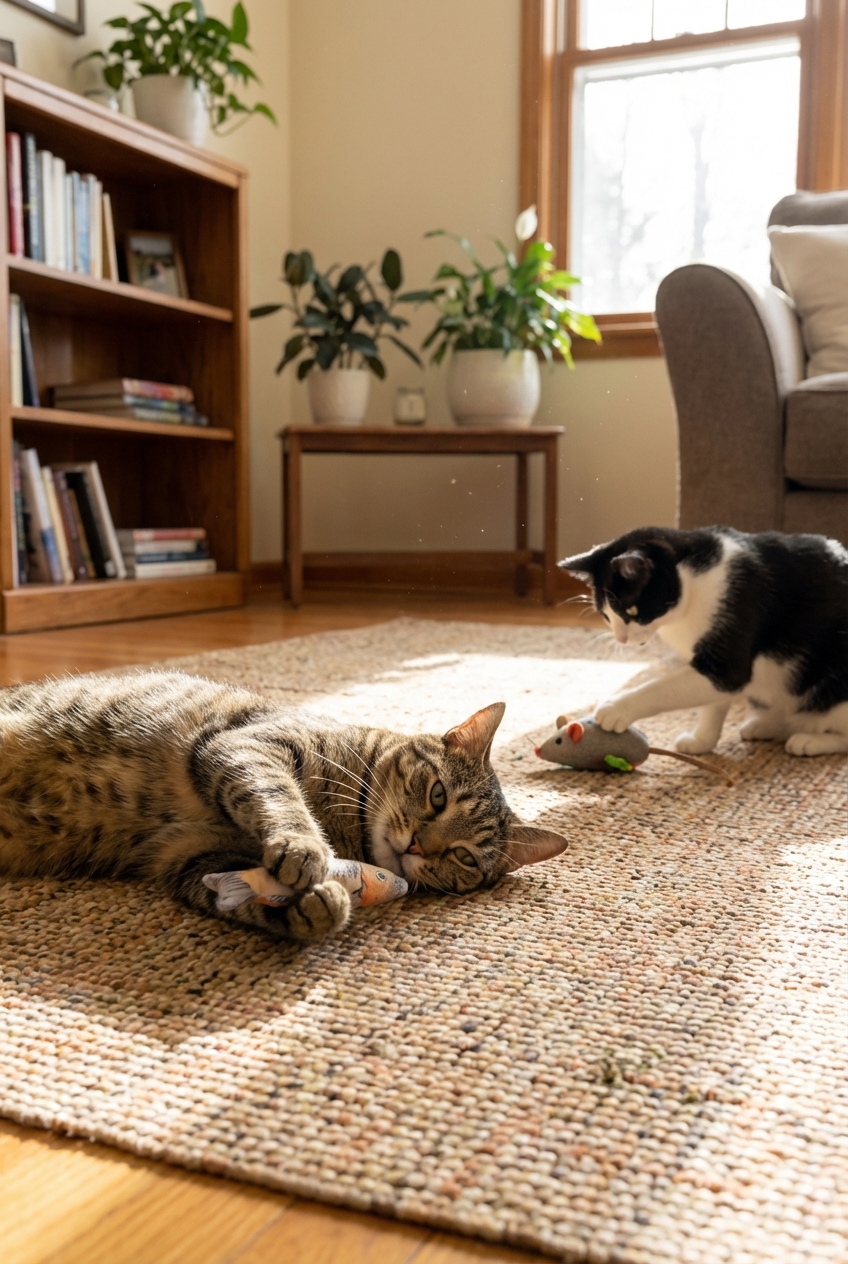
Some cats get blissed out. Others go full kitten-mode and may pounce, zoom, or play a little rough. That is not inherently bad, but if your cat escalates into swatting, biting, or gets hypervigilant, you will want to reduce frequency and amount.
3) Multi-cat homes can trigger conflict
Catnip can increase excitement, and excitement can sometimes become conflict, especially if cats compete over one toy or one pile of catnip.
How much catnip should you give?
You do not need much. Think “tiny sample,” not “salad.” In many homes, a practical starting dose is:
- Dried catnip: a pinch, about 1/8 to 1/4 teaspoon.
- Catnip spray: 1 to 3 sprays on a toy or scratcher (let it dry for a minute).
- Fresh catnip: a small leaf or two, or a small sprig.
If your cat is new to catnip, start with the smallest amount. You can always add more next time, but you cannot “undo” an overstimulated evening.
Potency tip: Fresher catnip tends to hit harder. Leafier catnip is often more aromatic than stem-heavy blends, and stale catnip can seem like it is “not working” even when your cat is normally responsive.
Signs you are giving too much catnip
Catnip is not known to be toxic at typical enrichment amounts and is considered low-risk for most cats. The main downside is usually behavioral intensity or tummy trouble if a cat eats a lot.
Scale back if you notice:
- Agitation instead of relaxed play.
- Rough play, biting, or grabbing hands when catnip is present.
- Conflict between cats (staring, stalking, swatting, guarding a toy).
- Digestive upset like vomiting or diarrhea after eating catnip.
- Compulsive behavior (frantic searching, inability to disengage).
If your cat regularly eats large amounts, try offering catnip in a toy rather than loose on the floor, or switch to catnip spray to limit ingestion.
Which cats should avoid catnip or use it carefully?
Kittens
Many kittens under 3 to 6 months do not respond much at all. That is normal. If they do respond, keep it very occasional and use a tiny amount.
Senior cats or cats with health conditions
Most seniors can enjoy catnip, but if your cat has significant health issues, especially if they get easily stressed, ask your veterinarian what is best for your specific situation.
Very anxious or aggressive cats
Catnip does not “calm” every cat. For some, it ramps things up. If your cat becomes edgy, skip it and use calmer enrichment options like predictable play routines and cozy hiding spots.
How to offer it safely
Keep hands out of the game
When catnip is involved, encourage play on toys, kickers, or scratchers, not on hands or ankles. Catnip plus hand-play is an easy way to accidentally train rough behavior.
Supervise the first few times
Especially in multi-cat homes, watch the vibe. If one cat starts guarding, cornering, or stalking, end the session and separate the cats with distance or closed doors next time.
Use stations for multi-cat homes
If you have more than one cat, set up separate catnip toys or sprinkle tiny pinches in different rooms to reduce competition.
Best ways to offer catnip (so it stays fun)
Make it part of enrichment
Offer catnip after a play session or on a scratcher to encourage natural behaviors like scratching and rolling.
Store it properly
Catnip loses potency when exposed to air, heat, and light. Keep it in a sealed container in a cool, dry place. If it seems weak, it may be stale rather than “not working.”

Catnip alternatives (if your cat does not respond)
Genetics play a role in catnip sensitivity, and many cats simply do not respond. If your cat sniffs and walks away, try these:
- Silver vine (often stronger for some cats).
- Valerian root (can be potent and sometimes stinky, but many cats love it).
- Tatarian honeysuckle (found in some cat toys).
As always, introduce new botanicals slowly and watch for any tummy upset or overexcitement.
Simple schedule to try
If you want a clear plan, here is a gentle routine that works well for many families:
- Week 1: Offer a small pinch once and observe behavior.
- Week 2: If all goes well, offer it twice, spaced a few days apart.
- Ongoing: Stay at 1 to 2 times per week. Increase only if your cat stays relaxed and social.
If catnip seems to “stop working,” take a short break and try again later. The goal is consistent enrichment and happy behavior, not a catnip requirement.
When to call your veterinarian
Reach out for guidance if:
- Your cat repeatedly vomits after catnip.
- You see behavior changes that persist beyond the catnip session.
- Catnip triggers aggression that puts people or other pets at risk.
- Your cat has a medical condition and you are unsure whether catnip is appropriate.
Catnip should add joy to your cat’s day, not chaos. If it stops being fun, the solution is almost always to reduce the dose, reduce the frequency, or change the delivery method.
Sources (for further reading)
- Merck Veterinary Manual (Cat owners): Normal behavior of cats
- Cornell Feline Health Center: Catnip
- VCA Animal Hospitals: Catnip
Note: Frequency and dosing vary by cat. These recommendations are intended for typical healthy cats and are best adjusted to your cat’s behavior and your household setup.