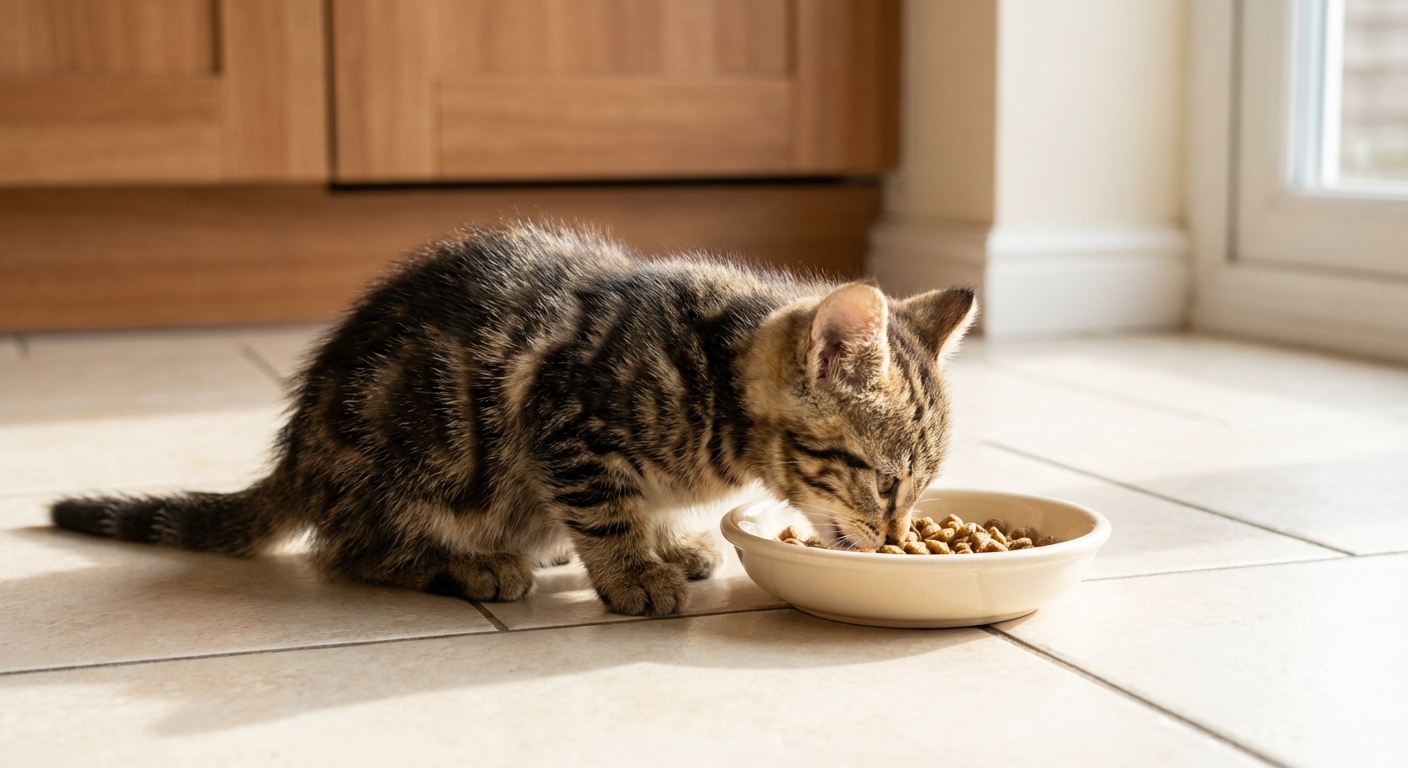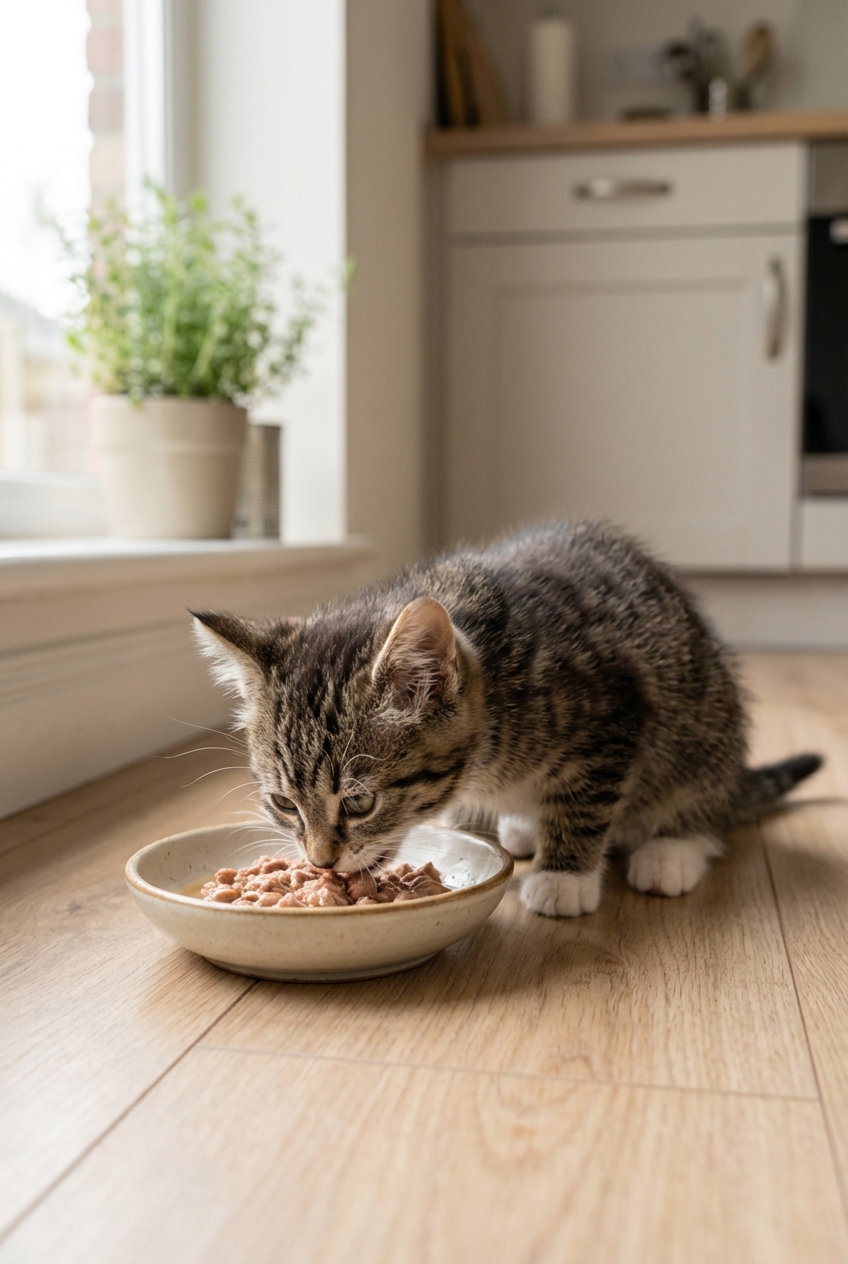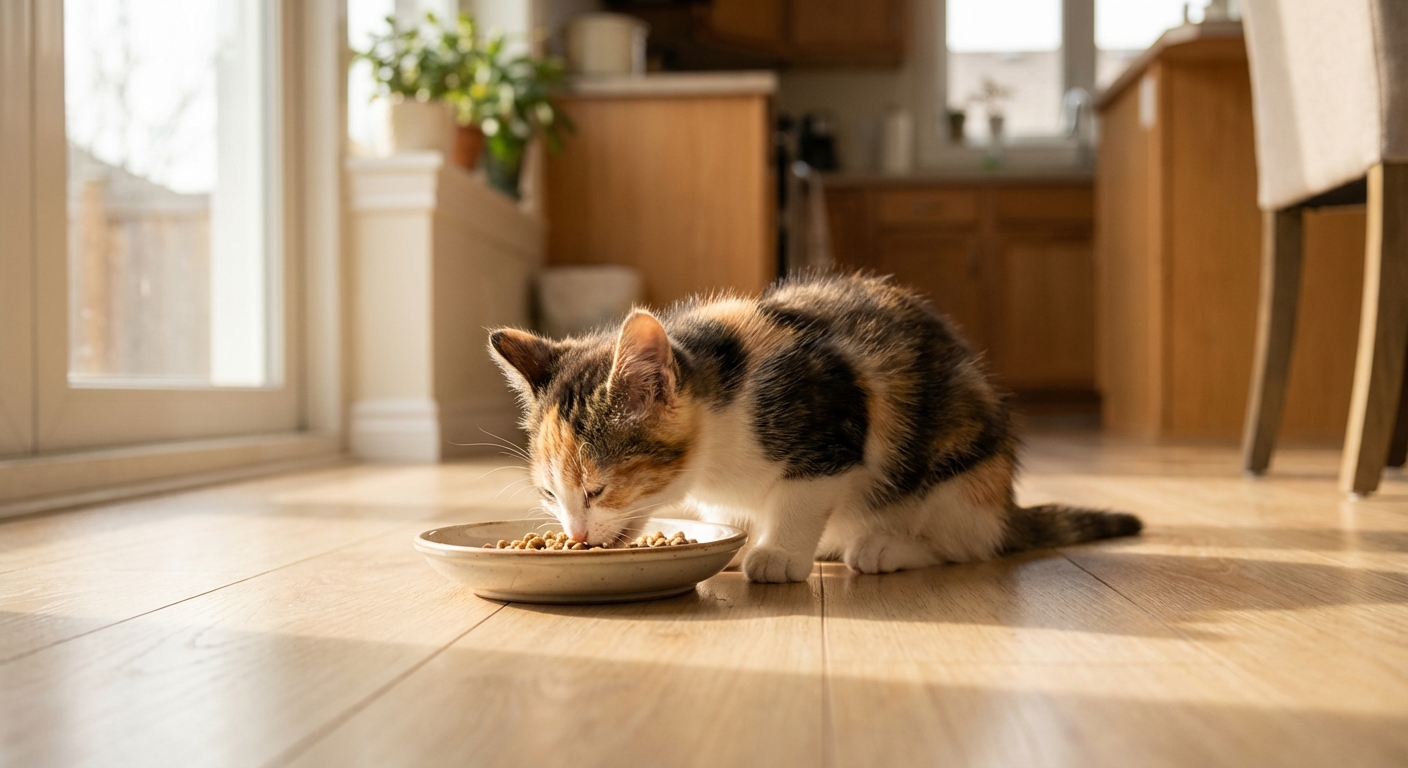
A vet assistant’s age-by-age guide to kitten feeding frequency: newborn to 12 months. Includes sample schedules, wet vs. dry tips, portion guidance, and re...
Article
•
Designer Mixes
How Often Do Kittens Eat?

Shari Shidate
Designer Mixes contributor
Kittens eat a lot, and they should. In the first months of life, they are building bone, muscle, a strong immune system, and a healthy metabolism. That growth requires steady calories, high-quality protein, and frequent meals.
As a veterinary assistant here in Frisco, Texas, I hear this question every week: “How often should my kitten eat each day?” The answer depends on age, whether you are feeding wet food, dry food, or both, and how well your kitten is growing.
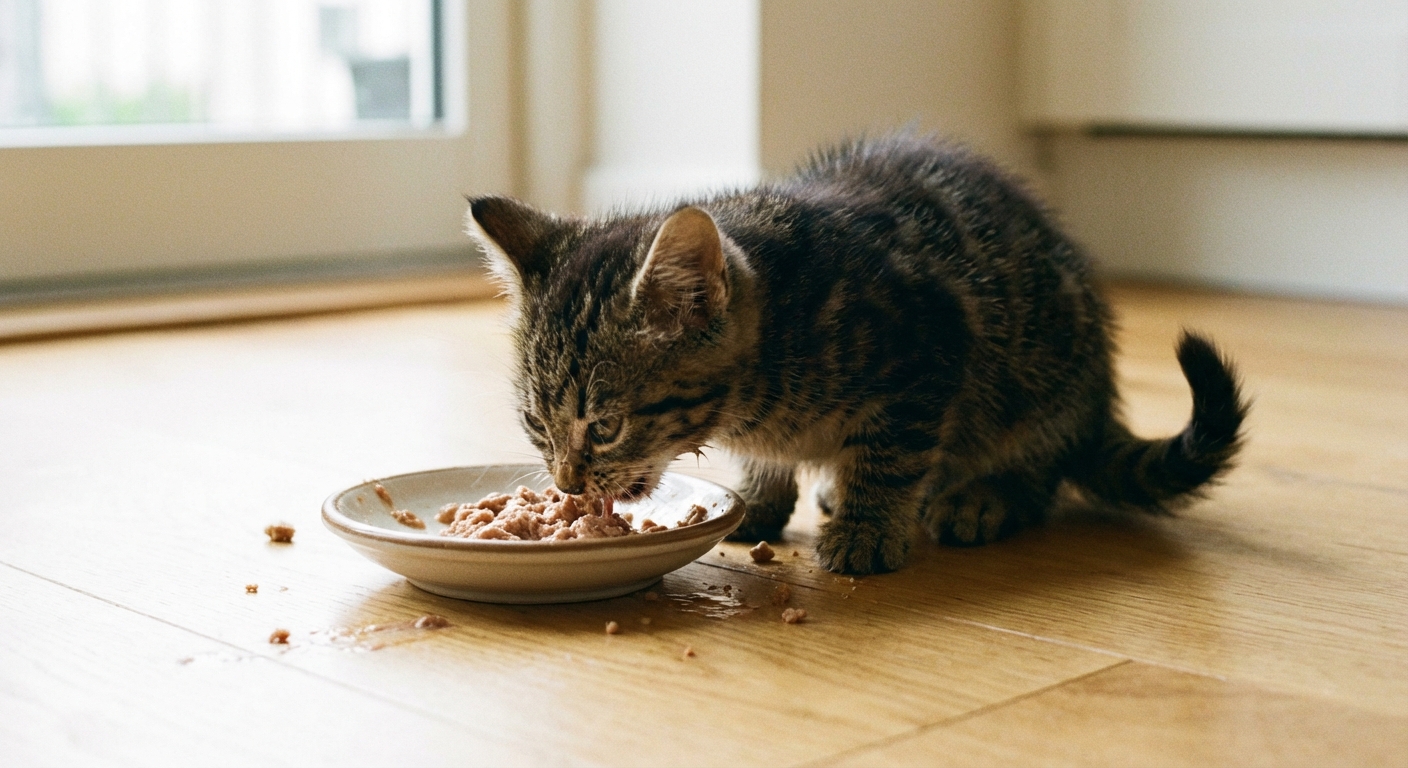
Quick daily feeding guide by age
Use this as a practical starting point for healthy kittens. If your kitten was premature, is underweight, has parasites, or is recovering from illness, your veterinarian may recommend a different schedule.
- Newborn to 1 week: every 2 to 3 hours (including overnight, and sometimes more often depending on strength and weight)
- 1 to 2 weeks: every 2 to 3 hours
- 2 to 3 weeks: every 3 to 4 hours
- 3 to 4 weeks: every 4 to 5 hours (start weaning support)
- 4 to 8 weeks: 4 meals/day (wet or gruel-like meals, plus fresh water available at all times in a shallow dish)
- 8 to 12 weeks: 3 to 4 meals/day
- 3 to 6 months: 3 meals/day
- 6 to 12 months: 2 meals/day (some kittens still do best with 3 smaller meals)
- 12+ months (adult): typically 2 meals/day
My best “keep it simple” rule: the younger the kitten, the more often they need to eat. Tiny stomach, big growth needs.
Why kittens need frequent meals
Kittens are not just small cats. They burn energy fast and, especially when very young, they have less “backup” if they miss calories or get chilled. Some kittens can also struggle with low blood sugar if they are not eating well. Frequent meals help support:
- Steady growth (muscle and bone development)
- Stable energy for play, learning, and temperature regulation
- Healthy digestion because smaller meals are often easier to digest
- Hydration especially when wet food is included
If a kitten is skipping meals, acting weak, or seems “off,” take it seriously. Kittens can go downhill quickly.
Feeding schedule details
0 to 4 weeks: bottle babies
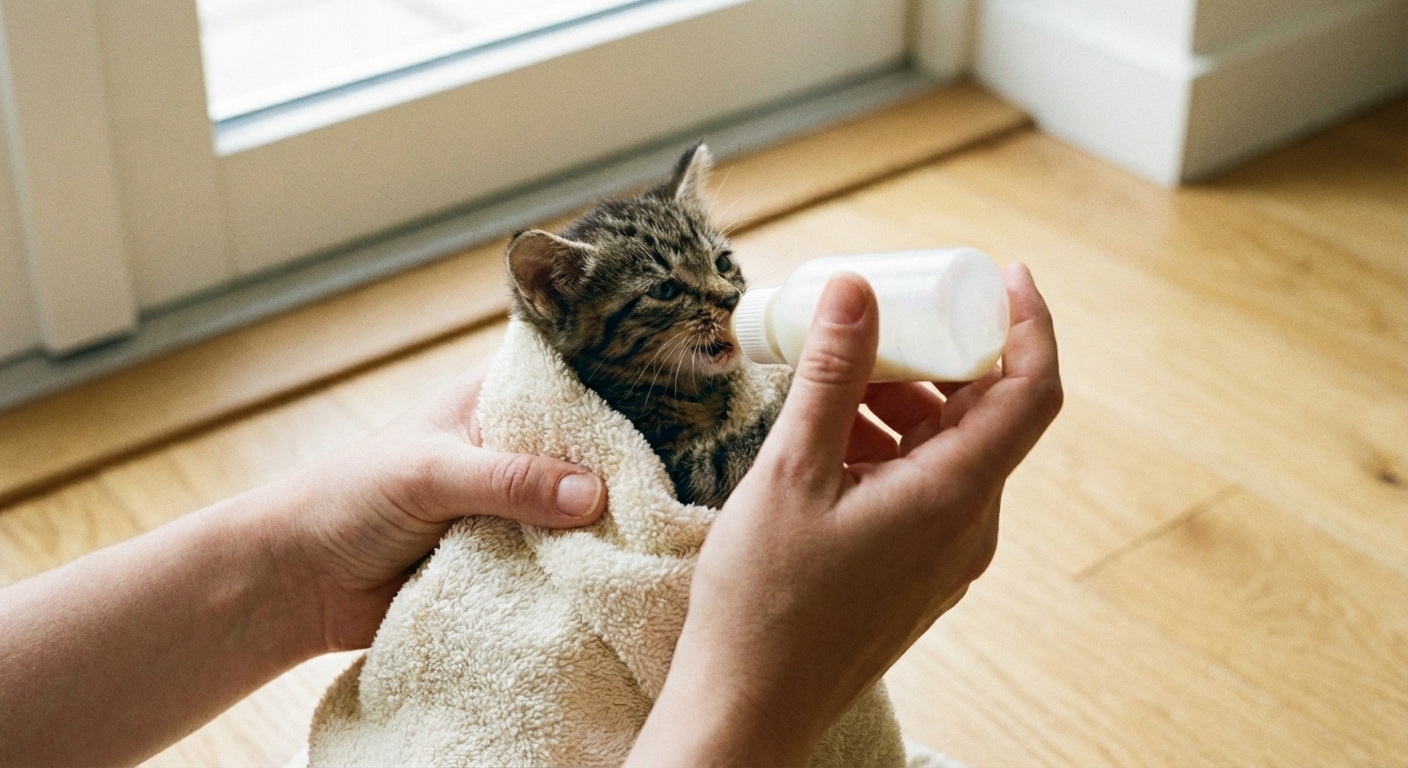
At this stage, kittens should be with mom whenever possible. If you are caring for an orphaned kitten, follow a veterinarian-approved plan using a commercial kitten milk replacer. Cow’s milk is not appropriate for kittens.
Typical frequency: very young kittens commonly eat every 2 to 3 hours at first, then gradually stretch to every 3 to 5 hours by 3 to 4 weeks. Exact timing depends on weight, strength, and overall health, so follow your vet or experienced rescue protocol when possible.
Important: newborns also need help staying warm and, often, help stimulating urination and bowel movements after feeding. If you are bottle-feeding, ask your vet or a local rescue to show you safe technique.
Safety note: bottle-feed with the kitten belly-down (never on their back) to reduce aspiration risk, and weigh bottle babies daily or at least every 1 to 2 days so you can catch problems early.
4 to 8 weeks: weaning
This is the “messy but exciting” stage. Most kittens transition to wet kitten food, sometimes mixed with warm water to make a soft gruel at first.
- How often: about 4 meals per day
- What to watch: loose stool can happen during diet changes, but watery diarrhea, blood, or lethargy is not normal
Make fresh water available at all times in a shallow bowl. Some kittens (and adult cats) drink more reliably when water is not right next to the food bowl. This varies by cat, so if your kitten ignores water, try moving it a few feet away.
8 to 12 weeks: steady routine
Most kittens thrive on 3 to 4 meals per day at this age. This is also when many kittens go to their new homes, so consistent scheduling really helps them feel secure.
If you are feeding a combination of wet and dry food, a simple routine is:
- Morning: wet food
- Midday (optional): small meal or measured dry
- Evening: wet food
- Before bed (optional): small snack to reduce early-morning hunger
3 to 6 months: still growing fast
Plan on 3 meals per day. Growth is still rapid, and many kittens get hangry if meals are too far apart.
This is also a common time for spay and neuter, which can change appetite. Keep meals measured and check body condition regularly.
6 to 12 months: adult patterns
Most kittens do well on 2 meals per day by this stage, though high-energy kittens may do better with 3 smaller meals. The goal is a schedule you can keep consistently.
Around 10 to 12 months, many cats are ready to transition from kitten food to adult food, but timing depends on your cat’s growth, breed, and body condition. Some larger-framed cats may benefit from staying on kitten food longer, and your veterinarian can help you pick the right timeline.
Wet food vs dry food
It can change how you split meals.
- Wet food: often encourages hydration and is easy to portion into multiple small meals.
- Dry food: is convenient, but true free-feeding can lead to overeating in some kittens and can make it harder to notice appetite changes.
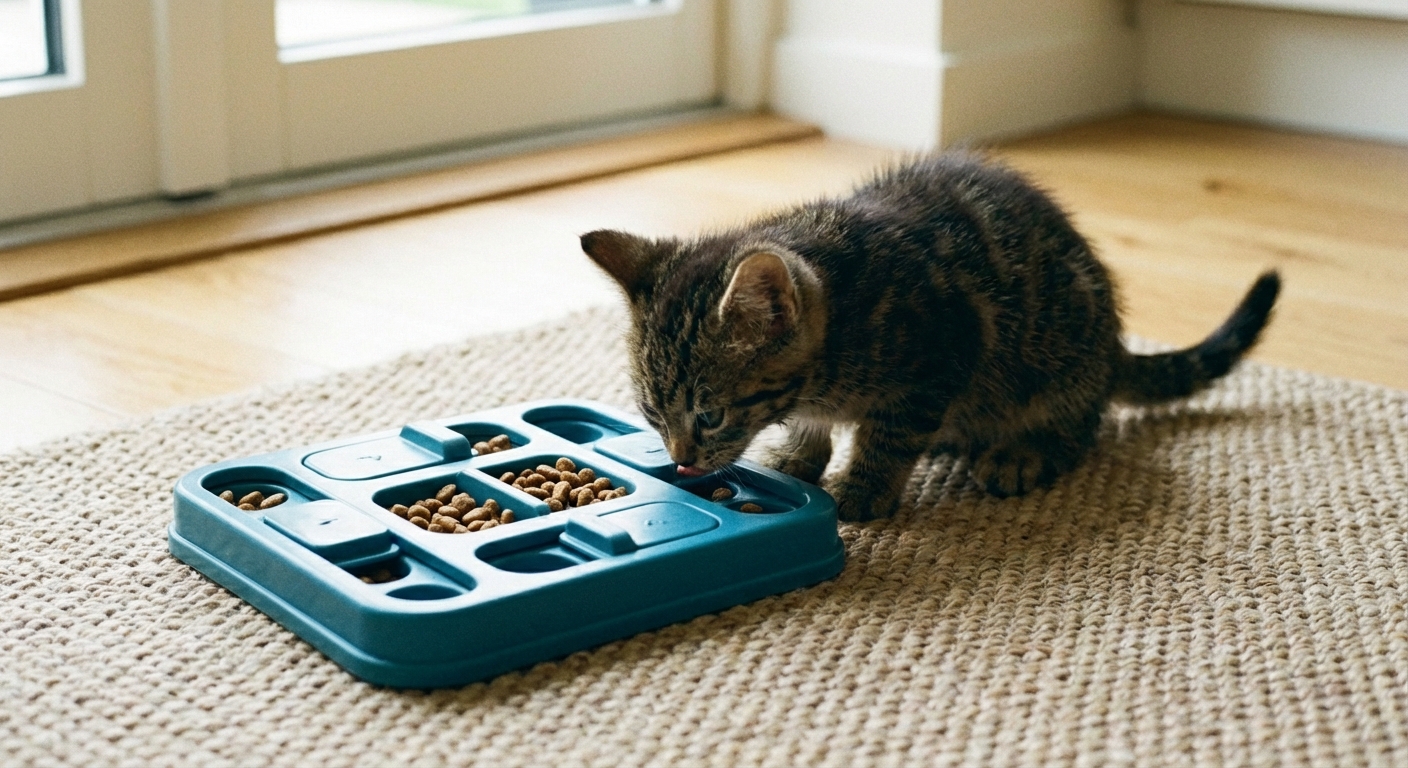
If you use dry food, I recommend measuring it. Some families do well by measuring the full day’s portion and dividing it into scheduled meals, or offering part of it in a puzzle feeder for enrichment. That way you still get flexibility without losing track of intake.
How much should a kitten eat?
Frequency is only half the story. Amount matters too, and it should be based on your specific food’s calorie density.
- Use a complete and balanced kitten diet that meets AAFCO nutrient profiles for growth.
- Plan to feed kitten-formulated food until around 10 to 12 months unless your veterinarian advises otherwise.
- Avoid adult maintenance diets for growing kittens unless your veterinarian specifically recommends it.
- Follow the feeding guide on the label as a starting point, then adjust based on body condition and growth.
- Ask your veterinarian what a healthy weight trend looks like for your kitten at wellness visits. Most healthy kittens should show a steady week-to-week gain.
Practical tip: kittens should look lean and athletic, not round like a fuzzy ball. You should be able to feel ribs with gentle pressure, but not see sharp bones.
Signs your kitten may need more food
- Constant crying and searching for food right after eating
- Low energy or sleeping far more than expected for their age
- Slow weight gain (or weight loss)
- Vomiting yellow fluid when the stomach is empty
- Food obsession or aggressive behavior around meals
Some of these can also signal intestinal parasites, illness, or stress. If your kitten is not thriving, get a veterinary exam and bring a fresh stool sample if you can.
Red flags: when to call the veterinarian
Please call your vet promptly if you notice:
- Under 8 weeks: missing a feeding, going more than about 4 to 6 hours without eating, or any refusal to eat combined with weakness, crying, or feeling cool to the touch
- 8 weeks and up: not eating for 12 to 24 hours, especially if your kitten seems unwell
- Repeated vomiting or vomiting plus lethargy
- Diarrhea lasting more than 24 hours, watery stool, or blood
- Signs of dehydration (dry gums, sunken eyes, weakness)
- Sudden weight loss or failure to gain weight
Kittens are small, and small bodies have less “backup” when something goes wrong. For very young kittens, urgent care is sometimes appropriate, so trust your gut and call.
Sample daily schedules
8 to 12 weeks (4 meals)
- 7:00 AM: wet food
- 11:00 AM: wet food
- 3:00 PM: wet food or measured dry
- 7:00 PM: wet food
3 to 6 months (3 meals)
- 7:00 AM: wet food
- 1:00 PM: measured dry or wet
- 7:00 PM: wet food
6 to 12 months (2 meals)
- 7:00 AM: wet food
- 7:00 PM: wet food plus measured dry if desired
If your household is busy, an automatic feeder can be a lifesaver for the midday meal.
Tips to make feeding smoother
- Change foods slowly over 5 to 7 days to reduce tummy upset.
- Measure portions even when using dry food.
- Track weight weekly using a kitchen scale for small kittens (and more often for bottle babies).
- Keep meals calm and consistent, especially after adoption.
- Try a shallow, wide bowl if your kitten seems reluctant at the dish or backs away while eating. Some cats appear more comfortable with a flatter plate.
- Separate bowls in multi-kitten homes so you can confirm each kitten is eating. If one kitten is a “speed eater,” feeding in different areas can help.
- Food safety matters: do not leave wet food out for long periods. In most homes, pick it up and refrigerate or discard after about 1 to 2 hours (sooner in warm rooms).
- Wash bowls daily because kittens are more vulnerable to germs.
Bottom line
Kittens need frequent meals because they are growing fast and have small stomachs. Most kittens do best with 4 meals per day until about 8 to 12 weeks, then 3 meals per day until around 6 months, and 2 meals per day by 6 to 12 months.
If you want, tell me your kitten’s age, current food (brand and wet or dry), and weight, and I can help you build a simple daily schedule to discuss with your veterinarian.