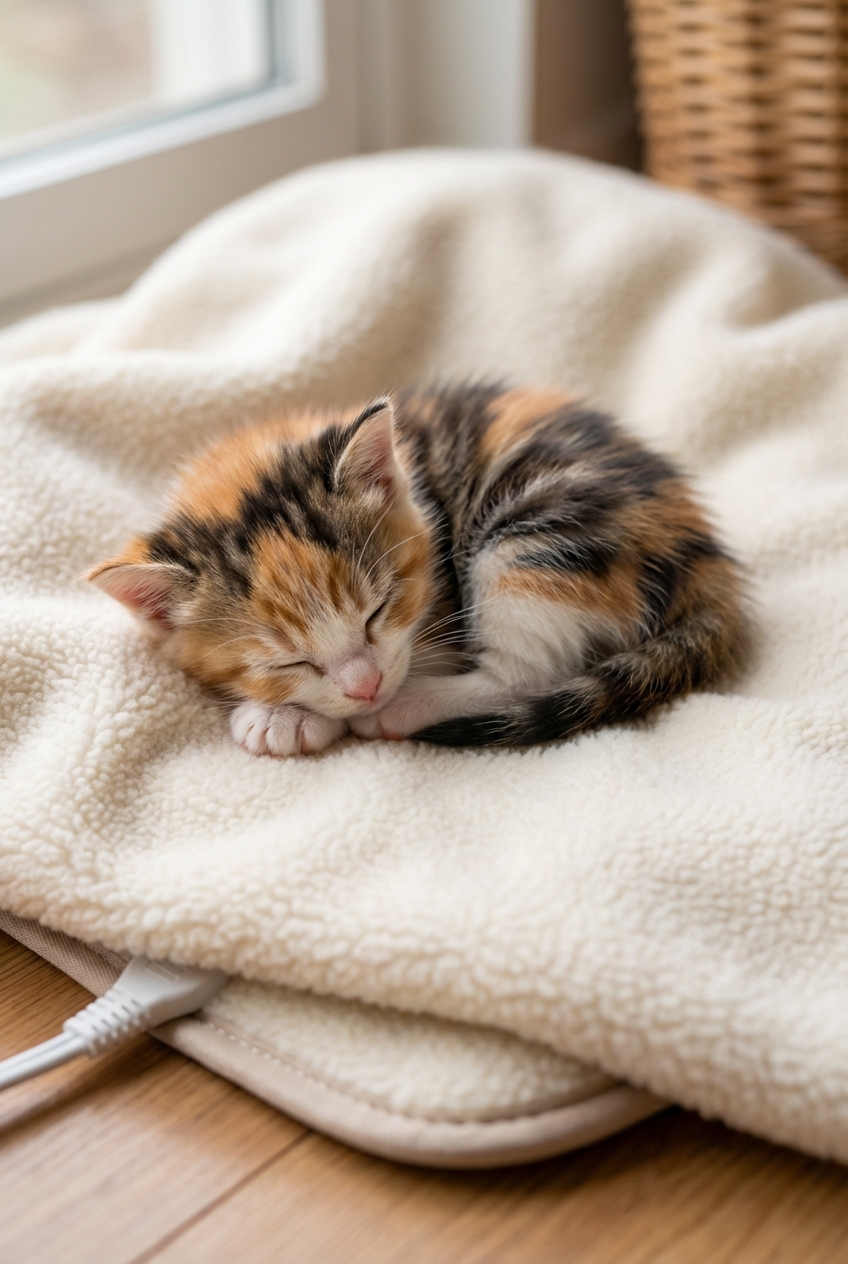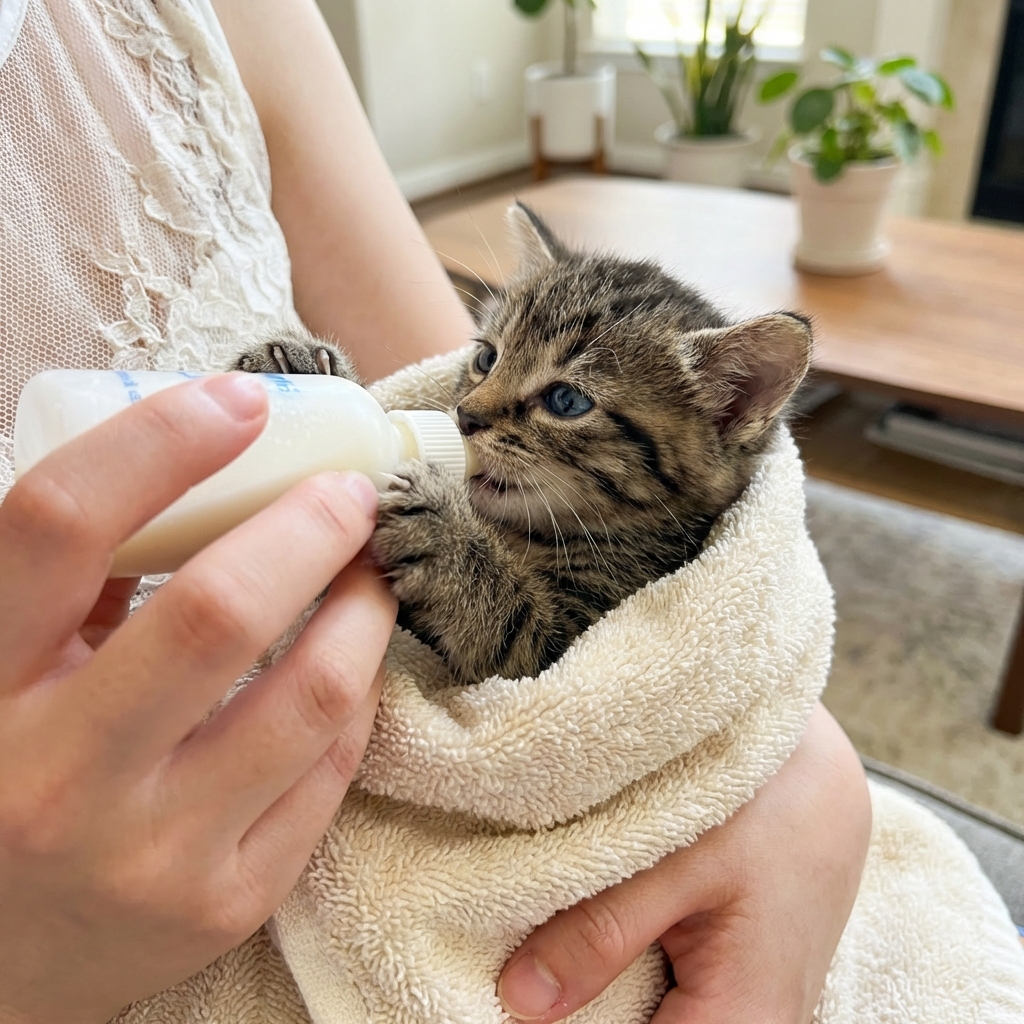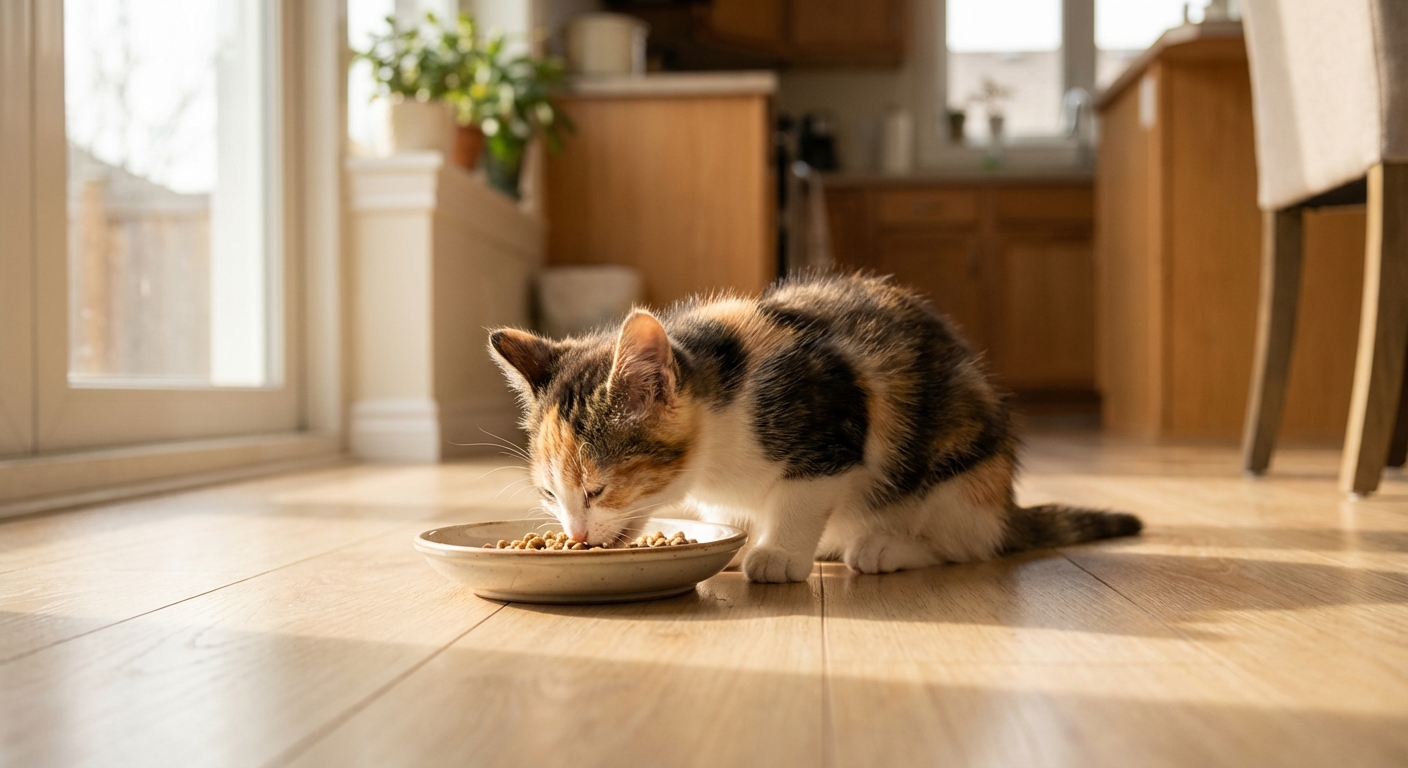
A vet assistant’s age-by-age guide to kitten feeding frequency: newborn to 12 months. Includes sample schedules, wet vs. dry tips, portion guidance, and re...
Article
•
Designer Mixes
How Often Do 2 Week Old Kittens Eat?

Shari Shidate
Designer Mixes contributor
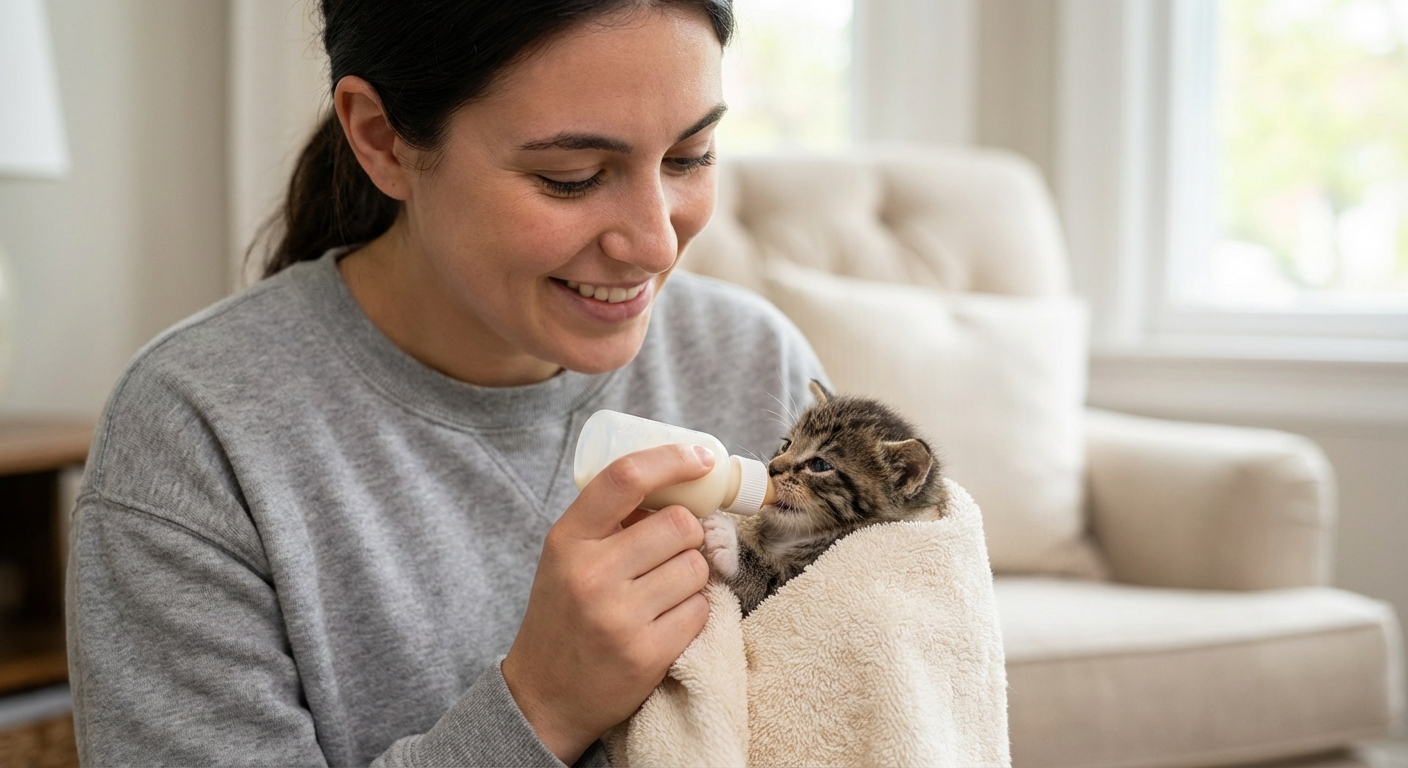
At around 2 weeks old, kittens are still true babies. Their tummies are tiny, they cannot regulate their body temperature well, and they rely on frequent, consistent feedings to stay hydrated and keep their blood sugar stable.
If you are caring for an orphaned kitten or supplementing a very young litter, the most important thing to know is this: 2 week old kittens typically eat every 3 to 4 hours, including overnight. Smaller, weaker kittens may need to eat closer to every 2 to 3 hours.
Quick answer: feeding schedule at 2 weeks
Most healthy 2 week old kittens need:
- Every 3 to 4 hours (about 6 to 8 feedings per day)
- Overnight feedings for most kittens at this age
Some kittens, especially smaller ones or those recovering from illness, may need the shorter end of that range (or even every 2 to 3 hours). If a kitten is weak, chilled, or not gaining weight, do not wait it out. Contact a veterinarian or rescue mentor right away.
Simple 24-hour example schedule
If you are aiming for every 3 to 4 hours, here is an easy schedule you can follow and adjust. Consistency matters more than exact clock times.
- 6:00 AM
- 9:00 AM
- 12:00 PM
- 3:00 PM
- 6:00 PM
- 9:00 PM
- 12:00 AM
- 3:00 AM
That is an every-3-hours plan. For every 4 hours, you would do 6 feedings instead of 8.
How much should a 2 week old kitten eat per feeding?
Because kittens vary a lot in size, most vets and neonatal kitten fosters use a weight-based rule of thumb.
Total formula per day: roughly 22 to 30 mL of kitten milk replacer (KMR) per 100 grams of body weight per day, divided into the day’s feedings. This range varies by product and kitten condition, so always follow the label directions and your veterinarian’s guidance.
Example: if your kitten weighs 200 g, the daily total is roughly 44 to 60 mL per day. If you feed 8 times daily, that is about 5.5 to 7.5 mL per feeding.
Important: Use a kitten-specific milk replacer. Cow’s milk is not appropriate for kittens and can cause diarrhea and dehydration.
What changes the feeding frequency?
The 3 to 4 hour rule is a great baseline, but real kittens have real variables. Feedings may need to be more frequent when:
- The kitten is underweight or not gaining daily
- The kitten cannot finish a full feeding and tires out quickly
- The kitten is cold and burning extra energy to stay warm
- The kitten has diarrhea or seems dehydrated (this needs veterinary guidance fast)
And feedings may naturally space out a bit when kittens are strong, consistently gaining, and closer to 3 weeks old.
How to know your kitten is getting enough
In veterinary work and fostering, we lean on a few simple checkpoints. A 2 week old kitten is generally on track when:
- Weight increases daily (many kittens gain roughly 10 to 15 grams per day; a minimum of about 7 to 10 grams per day is often used as a basic benchmark)
- Belly looks gently rounded after meals, not tight or distended
- Strong suckle and steady energy after feeding, with normal sleeping in between
- Normal urine output when stimulated (if you are unsure, or urine output drops, ask a vet)
- No signs of dehydration like sticky gums, unusual lethargy, or ongoing weight loss
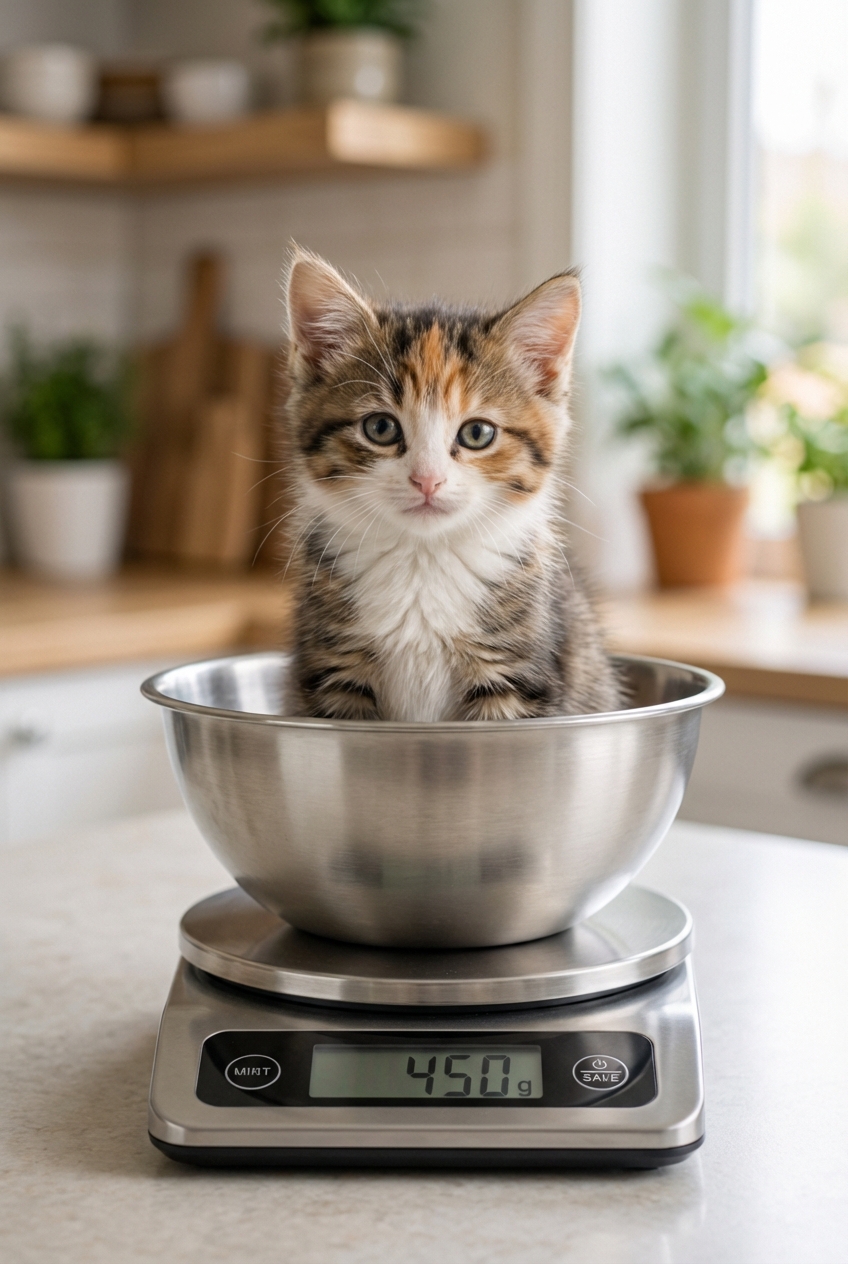
The single best tool you can use at home is a small digital kitchen scale. Weigh at the same time each day and write it down. The scale will tell you what the eyes cannot.
Feeding tips that prevent common problems
Warm the kitten first
Never feed a chilled kitten. Cold kittens cannot digest properly and can crash quickly. Your kitten should feel comfortably warm (not cool paws, ears, or belly) before offering formula. If the kitten is truly cold and weak, seek veterinary help right away while warming slowly and safely.
Warm the formula
Offer formula warmed to about body temperature. A practical check is to drip a little on the inside of your wrist. It should feel warm, not hot. Cold formula can contribute to stomach upset or refusal to eat.
Use the correct position
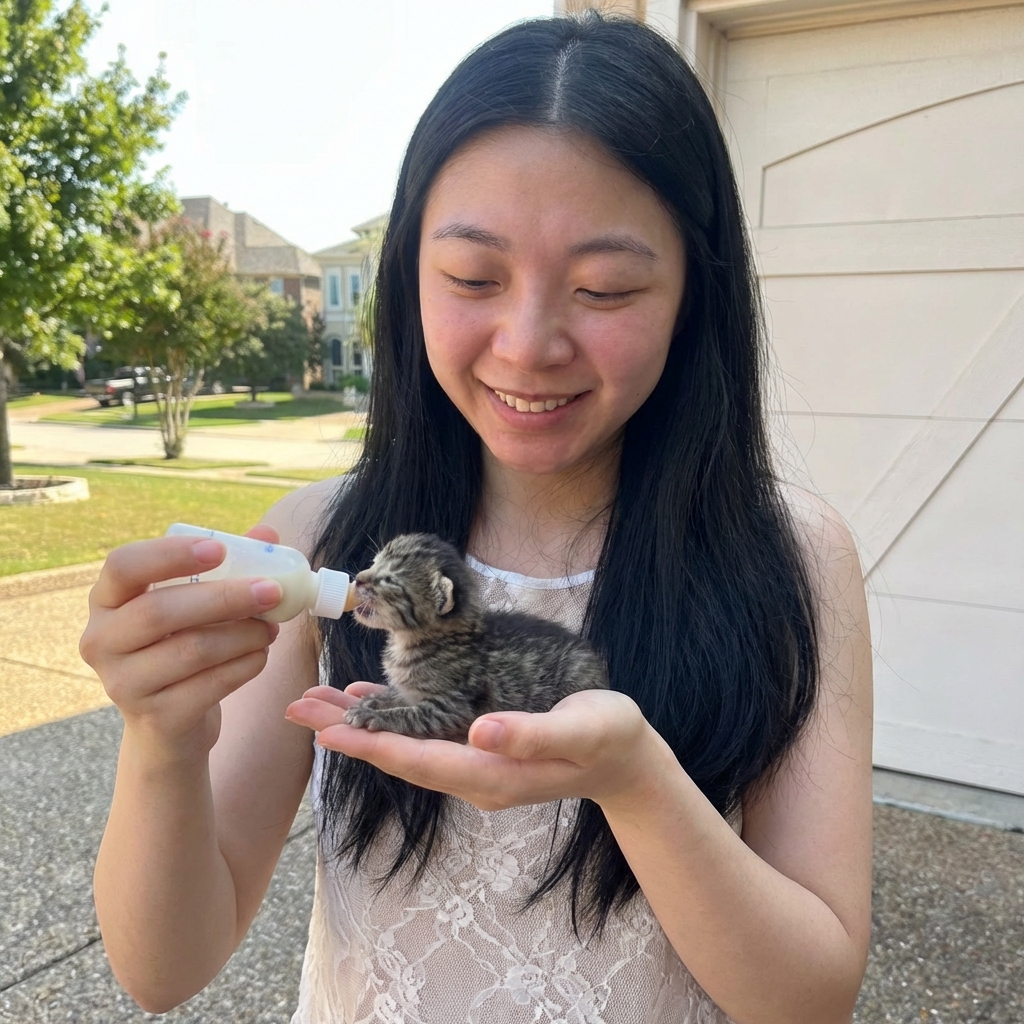
Kittens should be fed belly-down, like they would nurse from mom. Feeding on the back increases the risk of aspiration.
Go slow and watch the nose
If formula bubbles from the nose, stop immediately, let the kitten recover, and contact a vet. Aspiration can lead to pneumonia.
Check bottle flow and do not force-feed
The nipple hole should allow a slow drip when the bottle is inverted, not a steady stream. If you have to squeeze hard to get formula out, the kitten may suck too hard and swallow air. If it pours too fast, aspiration risk goes up. Let the kitten control the pace and never force formula into the mouth.
Burp after feeding
Bottle-fed kittens can swallow air. After each feeding, hold the kitten upright against your chest or shoulder (supporting the head and neck) and gently pat or rub the back until a small burp happens. This helps reduce gas and bloating.
Stimulate after every feeding
At 2 weeks, kittens still need help peeing and pooping. Use a warm, damp cotton ball or soft cloth and gently stimulate the genital area after meals until the kitten urinates. Stools can be less frequent than urination, but they should not be hard, dry, or painful to pass. If you see straining, no stool for an extended period, or watery diarrhea, contact a veterinarian.
Handle and store formula safely
Mix formula exactly as directed. Refrigerate prepared formula promptly, and discard any formula left sitting out or left in the bottle after a feeding. When in doubt, make a fresh batch. This is an easy way to reduce stomach upset and bacterial growth.
When can 2 week old kittens sleep through the night?
Most 2 week old kittens cannot reliably go all night without eating. Many begin stretching nighttime breaks closer to 3 to 4 weeks, but it depends on weight, health, and how well they are feeding during the day.
If you are tempted to skip overnight feedings, use the scale as your guide. If weight gain is not consistent, overnight feedings need to stay.
Red flags: when to call a veterinarian
Please do not wait if you notice any of the following:
- Kitten is cold, limp, or unusually weak
- Crying constantly and cannot settle after feeding
- Refusing to eat or suddenly eating much less
- Diarrhea, especially watery diarrhea
- Milk coming from the nose, coughing, or noisy breathing
- No weight gain over 24 hours (or weight loss)
- Bloated, painful belly or repeated regurgitation
Trust your instincts. With neonates, small changes can become big problems quickly. If something feels off, get help fast.
Bottom line
For most kittens, the answer is simple and lifesaving: 2 week old kittens eat about every 3 to 4 hours, day and night (sometimes closer to every 2 to 3 hours for small or fragile kittens). Keep them warm, warm the formula, burp after feedings, track daily weight, mix formula correctly, and do not hesitate to involve a veterinarian if feeding, breathing, stools, or weight gain change.