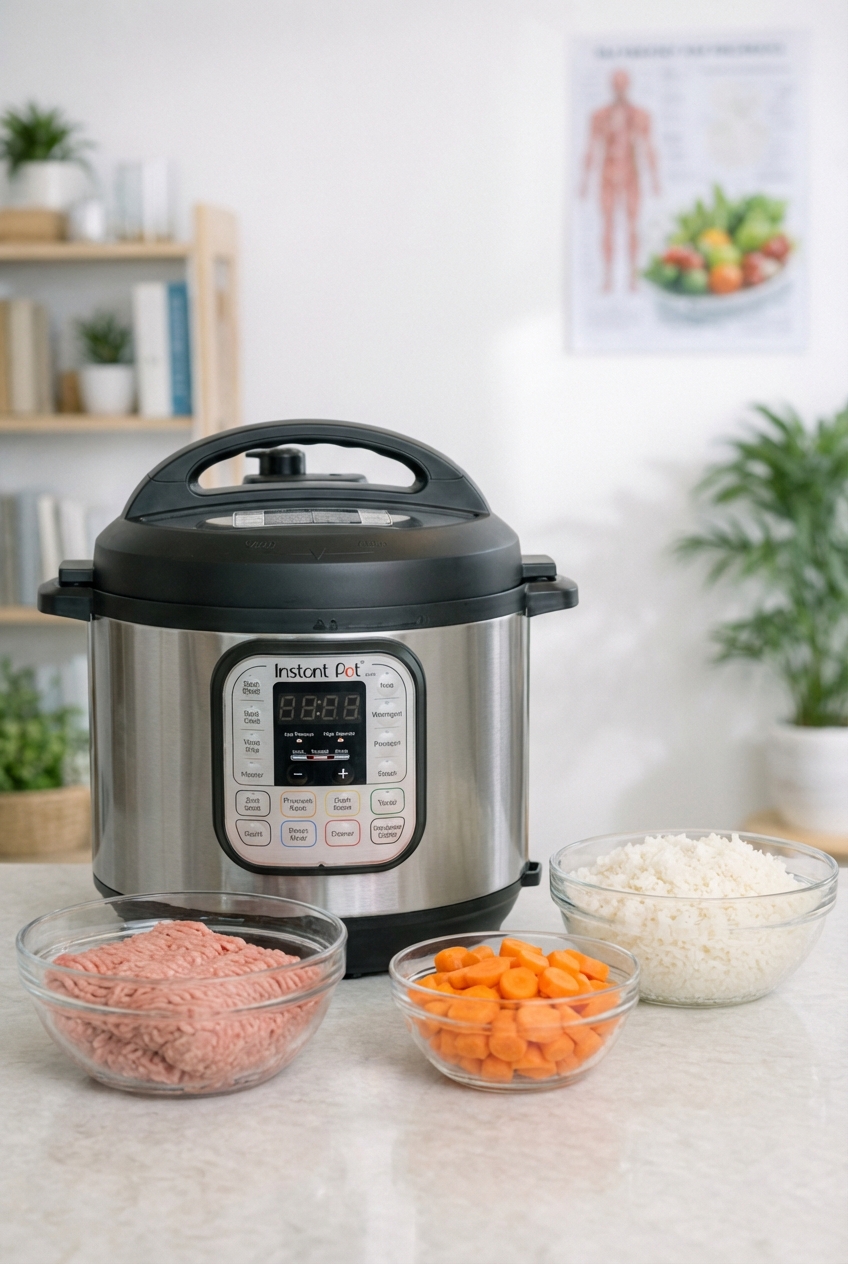
Busy schedule? Cook real dog food in your Instant Pot with a simple turkey, rice, and veggie batch. Get meal-prep, storage, feeding tips, and how to keep hom...
Article
•
Designer Mixes
How Much Turmeric Should I Give My Dog Daily?

Shari Shidate
Designer Mixes contributor
Turmeric is one of those pantry spices that gets a lot of buzz in the dog world, and I get why. As a veterinary assistant here in Frisco, Texas, I hear questions about it all the time, especially for older pups with stiff joints or itchiness related to seasonal allergies. The key is this: turmeric may be helpful for some dogs, but the right daily amount depends on your dog’s size, health, and the form you use.
Quick note: This is general education, not a substitute for an exam or a personalized plan from your veterinarian.
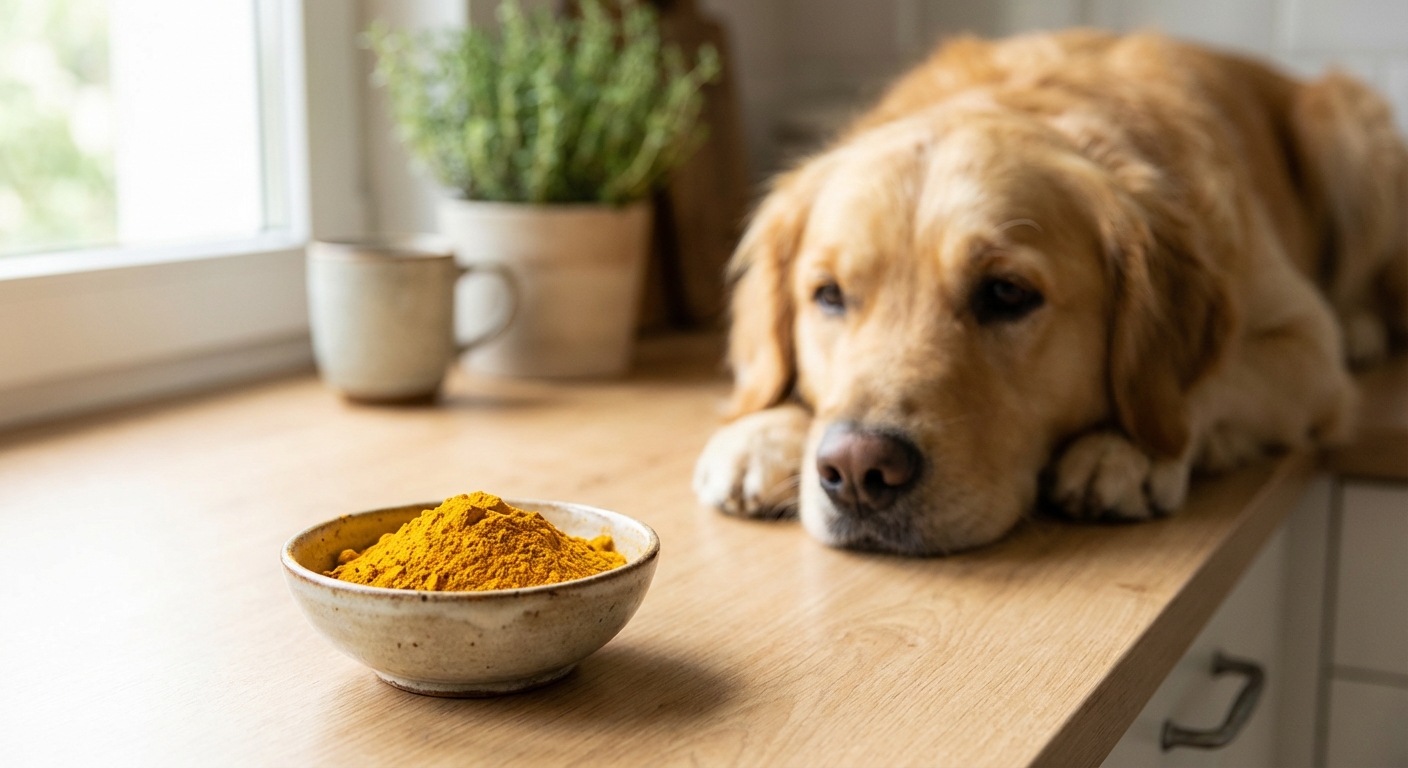
What turmeric does (and what it does not)
Turmeric contains curcumin, a plant compound studied for its anti-inflammatory and antioxidant properties. In dogs, owners most commonly use turmeric to support:
- Joint comfort and mobility (especially in seniors)
- Skin comfort for itchiness tied to seasonal allergies
- General wellness for dogs on whole-food diets
Turmeric is not a cure for arthritis, allergies, cancer, or chronic disease. Think of it as a supportive tool that may help some dogs when used consistently and safely.
Daily dosage: a simple starting guide
Turmeric dosing is not standardized like a prescription medication. Most teaspoon guidance you see online is based on common, anecdotal starting ranges for turmeric root powder (not concentrated curcumin extracts). With that in mind, a conservative starting point for turmeric powder is:
- Small dogs (up to 10 lb): 1/8 teaspoon turmeric powder daily
- Medium dogs (11 to 30 lb): 1/4 teaspoon turmeric powder daily
- Large dogs (31 to 60 lb): 1/2 teaspoon turmeric powder daily
- Giant dogs (over 60 lb): 3/4 teaspoon turmeric powder daily
How to give it: Mix with food, ideally with a meal. You can give it once daily, or split it into two smaller servings (morning and evening) if your dog has a sensitive stomach.
If your dog does well, many people slowly work up (over 1 to 2 weeks) to about double the starting amount. I recommend staying conservative unless your veterinarian tells you otherwise.
Important: Start low, watch your dog’s stool and appetite, and only increase if everything looks normal.
Powder vs curcumin: not the same
This part matters for safety.
- Turmeric powder: Ground root. It contains only a small percentage of curcumin.
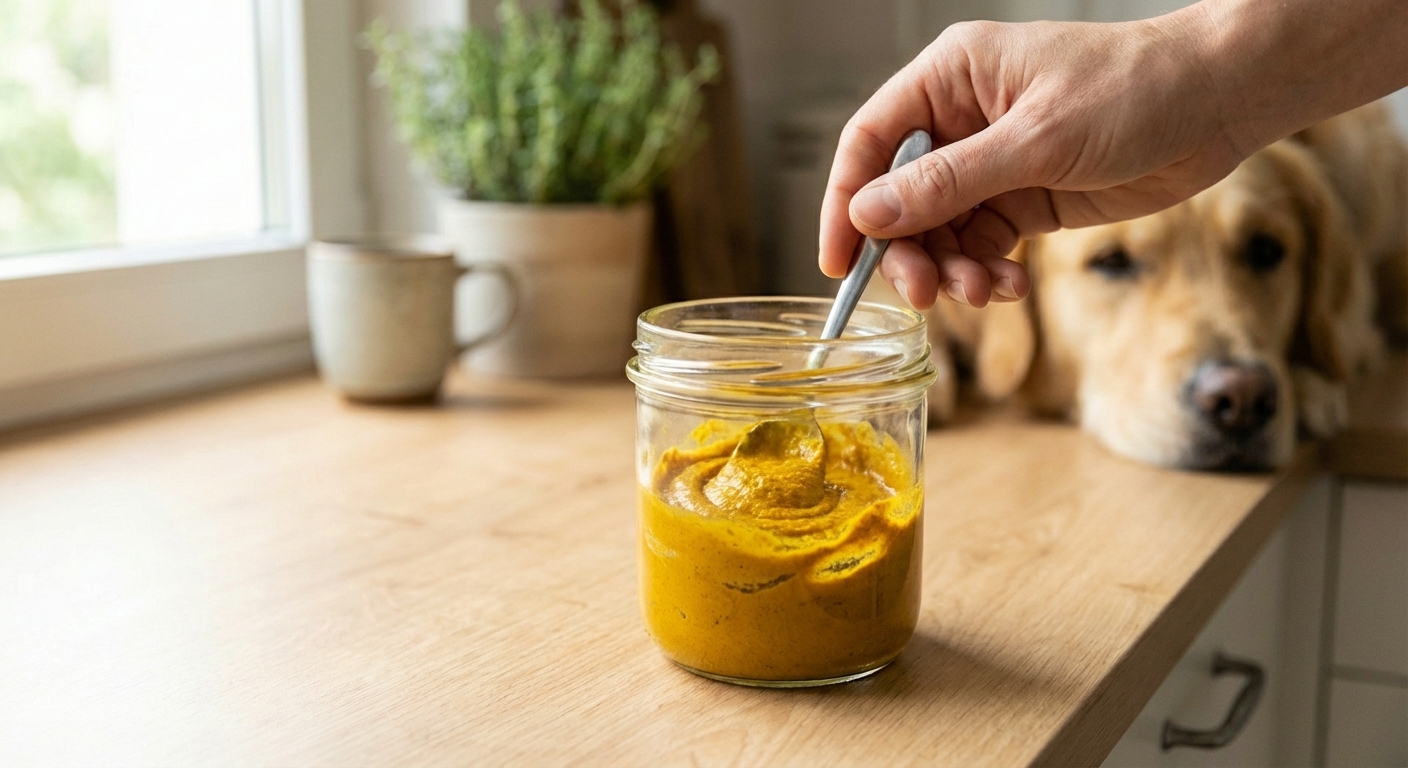
- Golden paste: A mixture of turmeric powder plus a fat (and sometimes black pepper). It is still turmeric powder, just prepared to mix and absorb better.
- Curcumin extracts: Concentrated products (sometimes labeled standardized curcuminoids, phytosome, or enhanced absorption). These can deliver a much higher amount of active compounds than powder, so dosing is different.
If you are using a curcumin supplement instead of turmeric powder, follow the label and check with your veterinarian. Do not swap it 1:1 with the teaspoon amounts above.
Absorption: fat helps (pepper is optional)
Curcumin is not absorbed well on its own. For better bioavailability, turmeric is often paired with:
- A healthy fat (like fish oil, coconut oil, or olive oil)
- A tiny pinch of black pepper (contains piperine)
That is why you will see “golden paste” recipes. One caveat: much of the piperine data is from human research, and we do not have the same level of canine-specific dosing data. If you use black pepper, use a very small amount or skip it altogether, especially for dogs with sensitive stomachs.
Easy ways to add turmeric
You do not have to overhaul your whole routine. Here are simple, practical options:
- Sprinkle powder on food and mix with a little broth or wet food so it sticks.
- Stir into plain yogurt (if your dog tolerates dairy) for a quick topper.
- Mix into homemade meals with a little oil, especially if you already rotate proteins and vegetables.
- Use a dog-specific chew or capsule if measuring powder is a hassle.
If your dog is picky, start with half the suggested amount for a few days and build up slowly.
When turmeric is not a good idea
Turmeric is not a fit for every dog. Please check with your veterinarian first if your dog:
- Is on blood thinners or has a bleeding disorder (turmeric may affect clotting)
- Is taking NSAIDs (like carprofen), steroids (like prednisone), or other medications that can affect bleeding risk or the stomach
- Has gallbladder disease or a history of bile duct issues
- Is diabetic or on glucose-regulating medication (it may influence blood sugar)
- Has chronic GI problems or a sensitive stomach
- Has significant liver disease (ask your vet first)
- Is pregnant or nursing
- Is scheduled for surgery (many vets advise stopping supplements 1 to 2 weeks before)
Also, if your dog has bladder stones or is prone to them, ask your vet first. Turmeric contains oxalates, which may be a concern for some stone types in some dogs.
Side effects to watch for
Most issues happen when dogs get a large dose right away. Watch for:
- Loose stool or diarrhea
- Gas, stomach gurgling, or nausea
- Reduced appetite
If you see mild stomach upset, stop turmeric for a few days, then consider restarting at a lower amount or switching to a veterinarian-approved supplement.
Stop and call your vet now if you notice vomiting, facial swelling, hives, trouble breathing, severe diarrhea, blood in the stool, or unusual lethargy.
Quality and safety tips
- Choose a reputable brand. Quality can vary, and contamination or adulteration has been reported in some spice products. When possible, look for third-party testing or a brand your veterinary team recommends.
- Read labels carefully. Avoid blends with sweeteners or sugar alcohols. Xylitol is dangerous for dogs.
- Store it well. Keep the container sealed and dry to preserve freshness.
Fun facts
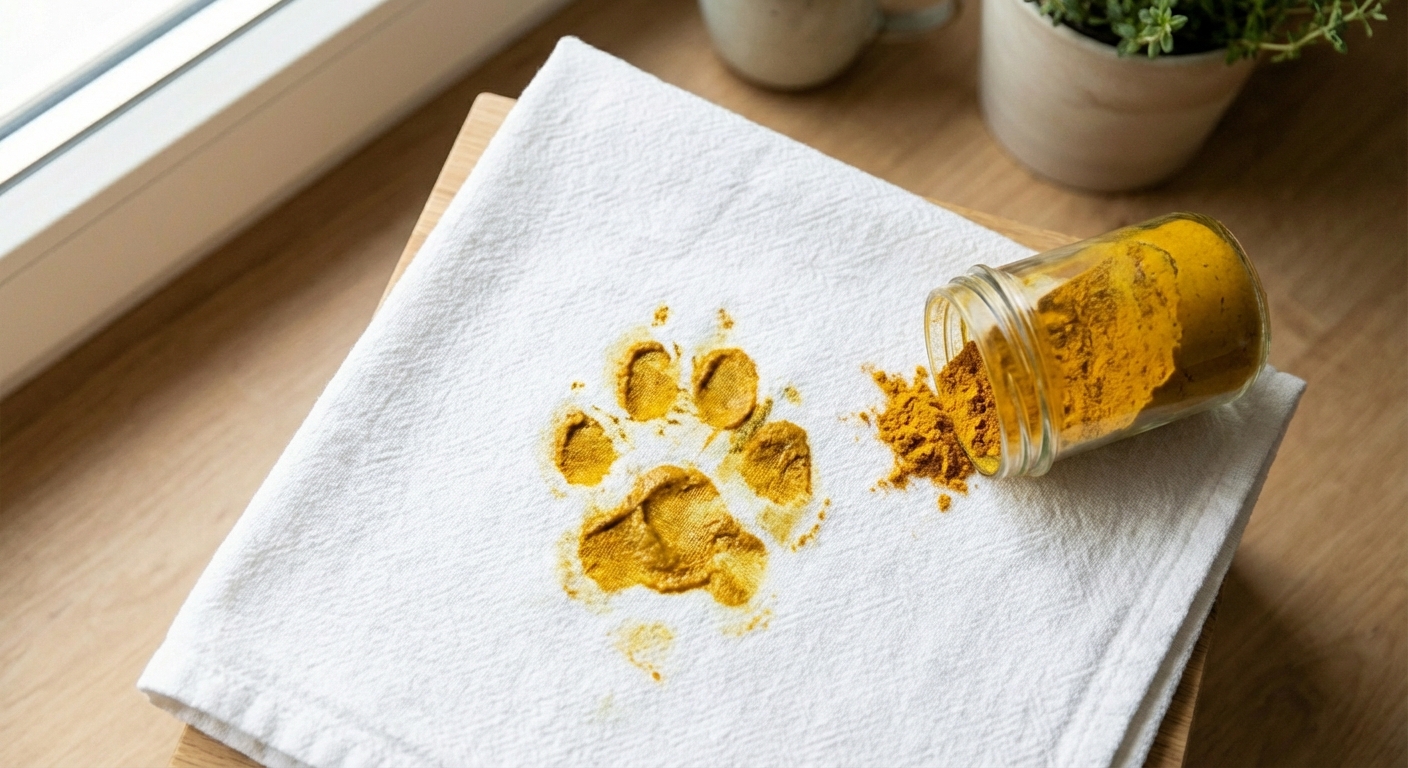
- It stains. Turmeric can turn fabric, plastic bowls, and light fur yellow. Stainless-steel bowls are your friend.
- Turmeric is not the same as curcumin. Turmeric powder contains only a small percentage of curcumin. Concentrated curcumin supplements can be much stronger.
- Consistency matters. If turmeric helps your dog, you usually notice gradual changes over weeks, not overnight.
Quick daily checklist
If you want to use turmeric safely, here is the simple routine I suggest:
- Choose a high-quality turmeric powder (no added sweeteners or xylitol, ever).
- Start with the lowest dose for your dog’s size.
- Serve it with a little healthy fat and with a meal.
- Monitor stool, appetite, and energy for 7 to 10 days.
- Ask your veterinarian if your dog is on medications or has chronic conditions.
Warm reminder: good supplements can support good health, but they work best alongside the basics, balanced nutrition, healthy weight, daily movement, dental care, and regular vet checkups.