How Much Does It Cost to Spay or Neuter a Dog?

As a veterinary assistant here in Frisco, Texas, I can tell you this is one of the most common questions families ask, and for good reason. Spay and neuter prices can vary a lot from one clinic to the next, and it is not always obvious what is included in the quote or what is required for your dog’s safety.
Below, I will break down commonly seen cost ranges by dog size, age, and location, explain what your estimate usually covers, and share ways to lower the bill safely if budget is a concern.

Typical cost ranges
In the United States, most dog owners can expect these commonly seen ranges (your local numbers may be higher or lower depending on region and what is bundled into the fee).
- Low-cost clinic or shelter program: about $50 to $250 (sometimes less with subsidies)
- Private veterinary hospital: about $300 to $900+
- Upper-end pricing (complex cases): can reach $800 to $2,000+ in specialty, referral, or emergency settings, or when a case needs advanced monitoring, longer anesthesia time, or has significant medical risk (large dog, in heat, older, overweight, cryptorchid male)
Those numbers sound wide because they are. Your final price is usually a combination of (1) where you live, (2) how big and medically complex the surgery is, and (3) what is included versus billed separately.
Cost comparison table
Use this table as a starting point, then call your local clinics for an itemized estimate. In general, spays run higher than neuters across all sizes because they are abdominal surgeries.
| Factor | Low-cost clinic (typical) | Private vet (typical) | Why it changes price |
|---|---|---|---|
| Neuter, small dog (under 25 lb) | $75 to $200 | $250 to $600 | Shorter anesthesia time, fewer supplies |
| Neuter, medium dog (25 to 60 lb) | $100 to $250 | $300 to $700 | More anesthesia and pain control needed |
| Neuter, large dog (over 60 lb) | $150 to $350 | $400 to $900+ | Higher medication doses and monitoring time |
| Spay, small dog (under 25 lb) | $100 to $250 | $350 to $800 | Abdominal surgery, longer procedure |
| Spay, medium dog (25 to 60 lb) | $150 to $350 | $450 to $1,000 | More time under anesthesia and more sutures and supplies |
| Spay, large dog (over 60 lb) | $200 to $450 | $600 to $1,200+ | Increased surgical complexity and drug dosing |
| In heat or recently in heat | +$50 to $200 | +$150 to $500+ | More blood supply to reproductive organs can mean longer surgery |
| Older dog or medical conditions | Varies (may refer out) | +$100 to $600+ | Pre-op testing and safer anesthesia planning |
| Cryptorchid neuter (retained testicle) | $200 to $600 | $600 to $1,500+ | More invasive abdominal or inguinal surgery |
Note: Prices also vary by region. Urban, high cost-of-living areas tend to run higher. Rural areas may be lower, but fewer low-cost appointment slots can make scheduling harder.
What affects the price
Spay vs. neuter
Spays usually cost more than neuters because a spay is abdominal surgery. It typically takes longer, requires more sterile supplies, and involves a larger incision and deeper tissue layers.
Dog size and body condition
Bigger dogs require higher medication doses for anesthesia and pain control. If a dog is overweight, the surgery can take longer and be more technically challenging, which can increase cost.
Age and health status
Young, healthy dogs are usually simpler surgical candidates. Older dogs or dogs with heart disease, endocrine issues, airway concerns, or other medical problems may need extra testing, customized anesthesia protocols, or more intensive monitoring.
In heat timing
Some clinics charge more to spay a dog that is in heat or recently in heat because the tissues can be more vascular. Not every clinic adds a surcharge, and some may recommend waiting depending on your dog and their policies. If timing is flexible, ask what they recommend.
Location and clinic type
Low-cost clinics are often supported by grants, high-volume scheduling, and streamlined service models. Private veterinary hospitals generally include more individualized care, broader monitoring, and sometimes more robust pain-management options. Neither is automatically better for every dog. The best choice is the clinic that can safely meet your dog’s needs and your budget.
What is usually included
This is where many surprises happen. Always ask for an itemized estimate and confirm what is bundled versus optional or required.
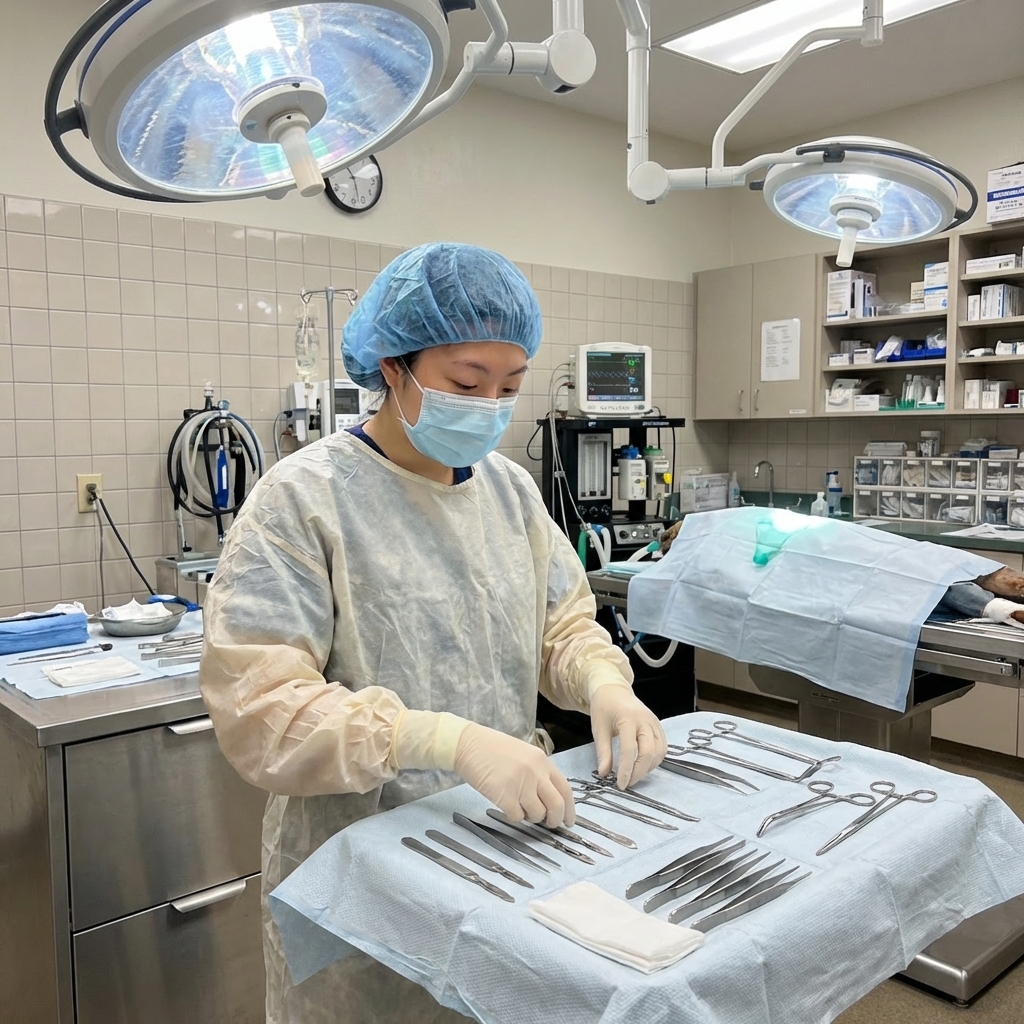
Common items included in a spay or neuter package:
- Pre-surgical exam (basic physical assessment)
- Anesthesia (induction and maintenance drugs)
- IV catheter and sometimes IV fluids (more common at private practices)
- Monitoring during anesthesia (heart rate, oxygenation, temperature, and more depending on the clinic)
- Surgical supplies and sterile pack
- The procedure itself (spay or neuter)
- Peri-operative pain control (typically injectable pain medication given around the time of surgery)
- Discharge instructions and sometimes a short recheck
If a quote seems unusually low, it does not necessarily mean poor care. It may simply mean fewer add-ons are included and you will pay for them separately, or the clinic is subsidized.
Common add-ons
Here are the most frequent extras I see owners pay for, especially at private vet hospitals.
- Pre-anesthetic bloodwork: $80 to $250. This helps screen organ function and can catch issues that change anesthesia safety.
- Heartworm test (and tick-borne testing in some areas): $35 to $100, especially if your dog is due, overdue, or status is unknown. Many clinics require a current test before surgery.
- Pain medications to go home: $20 to $80 depending on drug choice and dog size.
- E-collar (cone): $10 to $40, or more for soft or inflatable versions.
- Microchip: $25 to $75. Many low-cost clinics bundle this affordably, and it is worth considering while your dog is already there.
- Nail trim: $10 to $30. Often offered as an add-on while the pet is under anesthesia.
- Extra surgical time or complexity: variable, often $100 to $500+ (in heat, pregnant, cryptorchid neuter, scar tissue).
- Emergency visit for complications: can be $200 to $1,500+ if an after-hours hospital is needed (thankfully uncommon, but it is smart to know where you would go).

Urgent spay costs (pyometra)
One important note: pyometra is a life-threatening uterine infection and is typically treated with an urgent or emergency spay, not an elective spay. Costs are often much higher than the elective ranges above because the patient may be sick, dehydrated, or unstable and may need IV fluids, bloodwork, imaging, hospitalization, and more intensive monitoring.
If your dog has symptoms like lethargy, vomiting, increased thirst, fever, a swollen belly, or vaginal discharge (especially after a heat cycle), treat it as an emergency and call a vet right away.
Low-cost vs. private vet
Both routes can be safe, and both can be the right choice depending on your dog and your situation.
Low-cost clinics are often a good fit when
- Your dog is young and healthy.
- You need a predictable, lower price.
- You are comfortable with a high-volume setting and standardized protocols.
Private vets are often a good fit when
- Your dog is older, brachycephalic (short-nosed), overweight, or has medical conditions.
- You want more individualized anesthesia planning and longer post-op observation.
- You prefer continuity of care with the same hospital that handles vaccines, wellness visits, and future concerns.
My best advice: ask about monitoring (who watches the patient, and what equipment is used), pain control, and what happens if a complication occurs. A reputable clinic will answer clearly.
How timing and requirements affect cost
A few practical scheduling details can change your quote or whether a clinic can even book the procedure:
- Age and weight minimums: Many clinics have minimum age or weight requirements for safety. If you have a toy breed puppy or a very small dog, ask their policy.
- Large-breed timing: For some large and giant breeds, there are ongoing debates about ideal timing. This is a great conversation to have with your veterinarian based on your dog’s breed, lifestyle, and risk factors.
- Vaccines and parasite prevention: Some hospitals require dogs to be current on vaccines, have a recent exam, and have up-to-date parasite control before anesthesia. If something is due, you may be quoted for those services as well.
Ways to lower costs
If the cost feels overwhelming, please do not give up. There are often options, and many families qualify even if they do not realize it.
- Municipal or county programs: Some cities and counties offer vouchers for residents.
- Humane societies and shelters: Many run periodic spay and neuter events or partner with clinics.
- Nonprofit spay and neuter organizations: Look for local groups that subsidize surgeries for low-income households.
- Veterinary school programs: In some regions, teaching hospitals offer reduced-cost procedures.
- Payment options: Some private clinics accept third-party financing or payment plans. Always ask before the appointment day.
- Bundle services strategically: If your clinic offers microchipping or vaccines at a reduced rate during surgery, it can save money long-term.
To find reputable programs, search your area for: “low-cost spay neuter” + your city or county and check your local shelter website. You can also ask your regular vet where they refer families who need help.
Questions to ask
If you only ask, “How much is a spay?” you will get a number that may not include what your dog actually needs. Here is a better checklist:
- Is the quote all-inclusive or itemized?
- Which items are required versus optional?
- Does it include pre-op bloodwork? If not, what is the price and do you recommend it for my dog?
- What pain medications are given, and what goes home?
- Is an e-collar included?
- Do you place an IV catheter and give IV fluids?
- What monitoring is used (pulse oximetry, ECG, blood pressure, temperature)?
- How long will my dog be observed after surgery?
- Is there a recheck included?
- Are there extra fees if my dog is in heat, pregnant, or cryptorchid?
- What are drop-off and pick-up times, and who do I contact after hours if I have concerns?
Bottom line
Most families can expect $50 to $250 at a low-cost clinic and $300 to $900+ at a private veterinary hospital, with large dogs and complex cases costing more. The smartest way to budget is to request an itemized estimate, clarify what is required versus optional, and confirm what is included, especially bloodwork, pain meds, and the cone.
If you are also planning for the days after surgery, I recommend reading our spay and neuter recovery guides next. Knowing what is normal, what is not, and how to set up your home can make the whole experience feel so much easier.