
How Much Does It Cost to Spay or Neuter a Cat?

As a veterinary assistant, I hear this question all the time because it is a smart one. Spaying and neutering prevent surprise litters, reduce certain health risks, and can make life easier for both cats and humans. The tricky part is that the price can vary a lot based on your location, your cat’s age and health, and what the clinic includes in its package. Costs can even vary within the same city.
Below is a clear breakdown of typical U.S. costs, what changes the price, what is usually included, and which add-ons can quietly raise the final bill. (All prices are in USD and reflect common ranges people see in 2025 to 2026. Your local market may be higher or lower.)
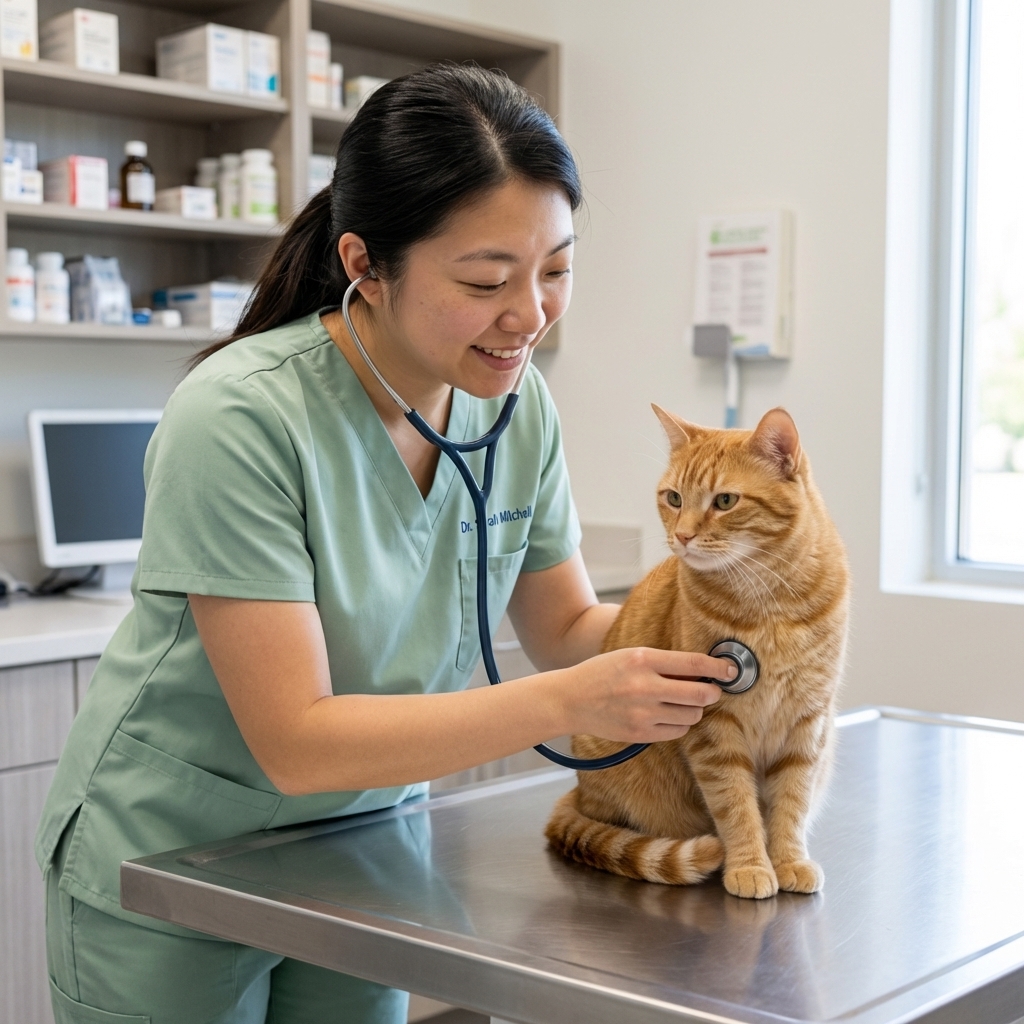
Average cost to spay vs. neuter a cat
In most areas, spaying costs more than neutering because a spay is a more involved abdominal surgery. A neuter is typically a shorter procedure with a smaller surgical site.
Typical price ranges
- Spay (female cat): about $150 to $600+
- Neuter (male cat): about $75 to $350+
You will also see two common pricing models:
- Low-cost or subsidized clinics: often $25 to $150 (sometimes less with vouchers)
- Full-service private veterinary hospitals: commonly $200 to $700+ depending on testing, monitoring, and medications
Realistic takeaway: Many pet parents end up paying somewhere around $100 to $250 for a neuter and $200 to $450 for a spay at standard clinics, but it truly depends on what is included and your region.
What affects the price?
If you have ever called two clinics and heard numbers that are wildly different, you are not imagining things. Here are the biggest cost drivers.
Clinic type and level of care
- High-volume spay and neuter clinic: lower fees, streamlined process, often fewer optional add-ons.
- Private veterinary hospital: higher fees, more individualized anesthesia planning, more monitoring options, and broader pre-op and post-op support.
- Emergency or specialty hospital: usually the highest cost, typically used only if there is a medical complication or your cat has significant health concerns.
Geographic area
Costs are typically higher in large metro areas and regions with higher overhead (rent, staffing, equipment, licensing). Rural areas and communities with strong nonprofit support often have lower prices.
Age, size, and overall health
- Age: Many private practices recommend spay or neuter around 4 to 6 months, while shelters may do pediatric surgery earlier. Pricing can vary by age category.
- Pediatric timing: Some shelters and clinics perform pediatric spay and neuter as early as about 8 to 12 weeks once kittens meet minimum weight requirements (often around 2 lb), but protocols vary.
- Weight: Larger cats may require more anesthesia and medication, which can raise cost.
- Health status: Cats with heart murmurs, anemia, respiratory disease, pregnancy, or other concerns may need additional testing, stabilization, or modified anesthesia plans.
Female cat factors: heat cycle and pregnancy
For female cats, cost can increase if:
- She is currently in heat (more blood flow to the reproductive tract can make surgery more complex).
- She is pregnant or recently had kittens (some clinics have different fees and policies).
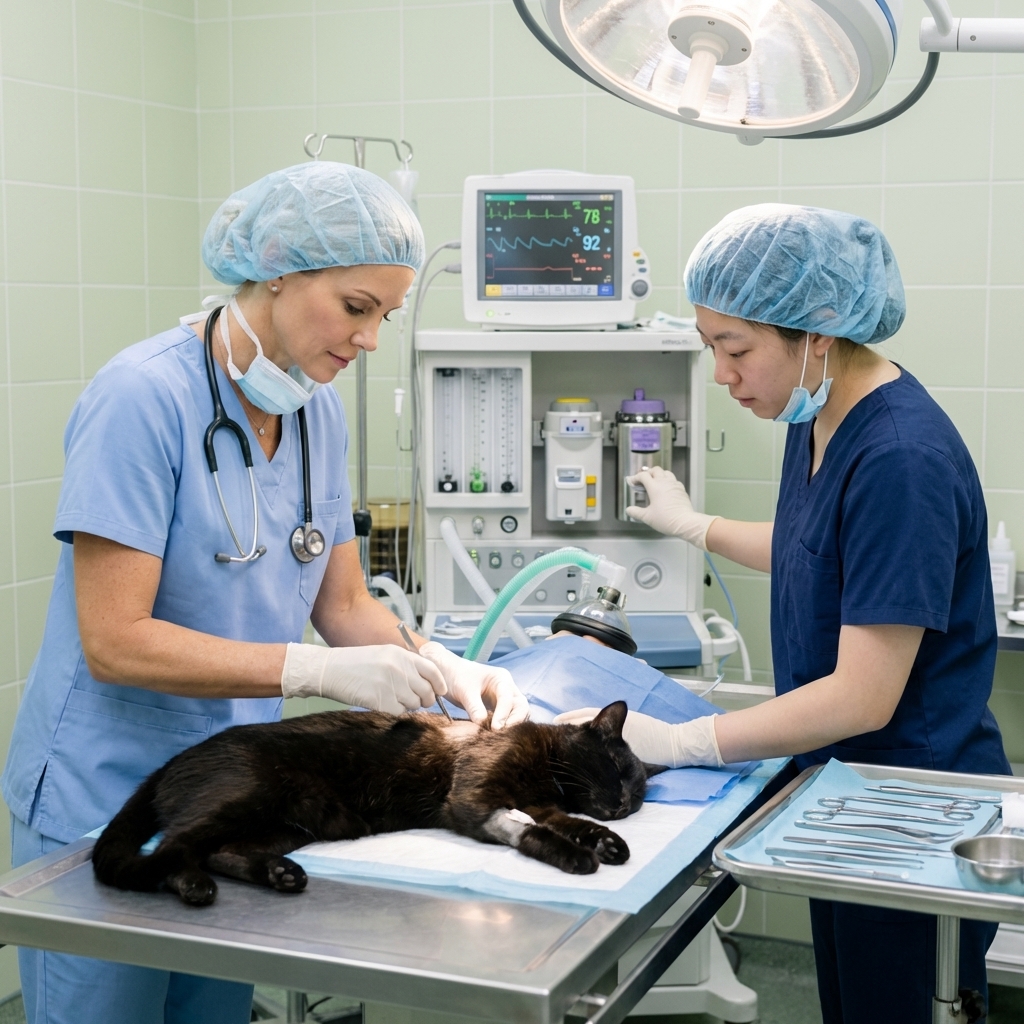
What is usually included in the surgery fee?
This is the part that confuses many cat owners. One clinic’s “spay package” may include several things that another clinic lists as separate line items.
Commonly included:
- Basic physical exam on the day of surgery
- Anesthesia and standard monitoring (what “standard” means can vary by clinic)
- The surgical procedure itself (spay or neuter)
- Pain control during and after surgery (the exact medication plan varies)
- A brief recovery period with warming support and observation
- A take-home discharge plan (activity restrictions, incision care)
Often included at private practices, but not always at low-cost clinics:
- IV catheter and IV fluids
- More advanced anesthesia monitoring (like blood pressure, ECG)
- Longer-acting pain medication and or take-home pain meds
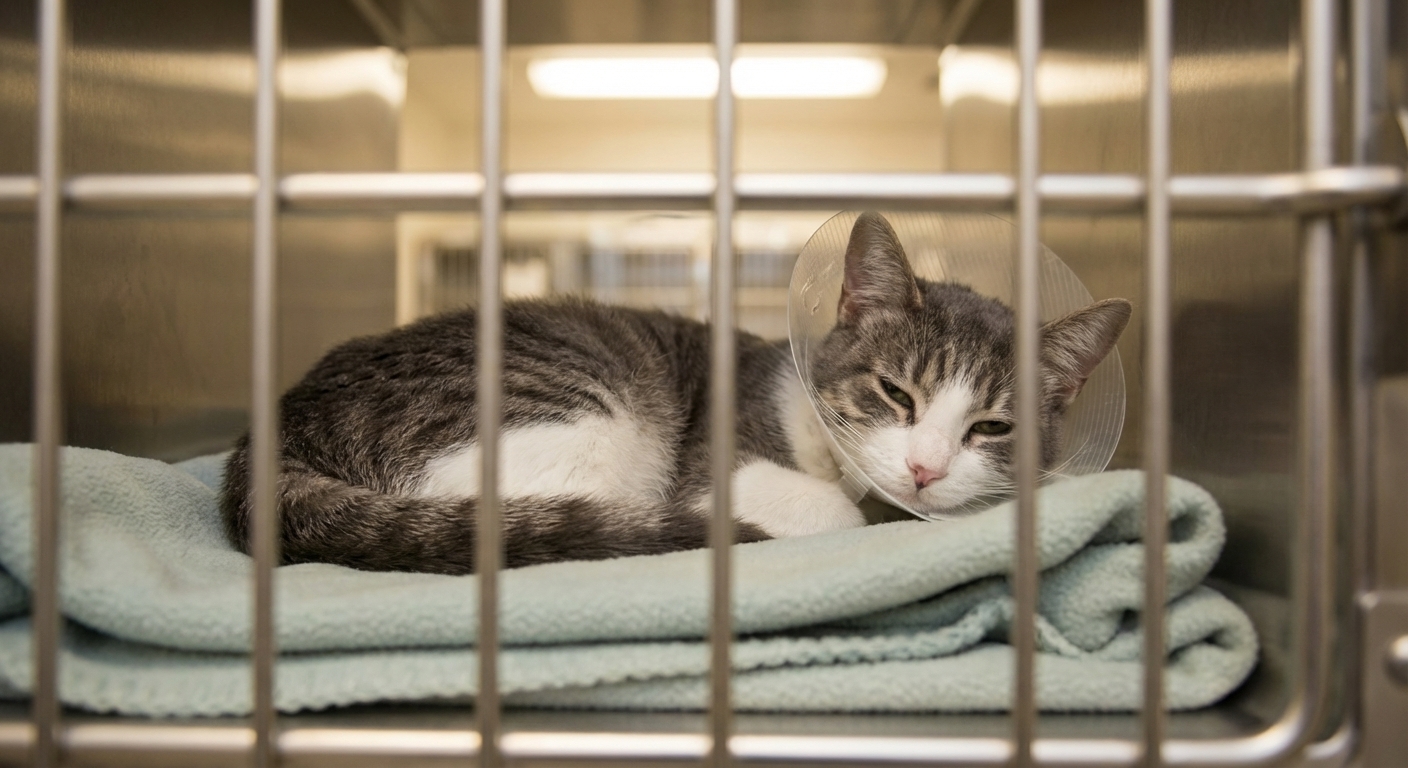
- An e-collar (cone) or recovery suit
- A routine recheck appointment
Quick recovery note: Most cats need 10 to 14 days of incision care and activity restriction after surgery, even if they act totally normal sooner.
Hidden and add-on costs to ask about
If you want a true out-the-door estimate, ask the clinic to list what is optional versus required. These are the most common “surprise” costs.
Pre-op bloodwork
Many clinics recommend bloodwork to screen for issues like anemia, infection, dehydration, and kidney or liver concerns, and to help tailor anesthesia safely.
- Typical range: about $80 to $200+ depending on the panel
Pain meds for home
Even when pain control is given in-hospital, many cats benefit from take-home medication. Some clinics automatically include this, while others offer it as an add-on. Never give human pain relievers unless your veterinarian specifically directs you, as several are dangerous for cats.
- Typical range: about $20 to $60+
E-collar or recovery suit
Some cats ignore their incision. Others will lick the second you look away. Licking can lead to infection or reopening the incision.
- Typical range: about $10 to $40
Vaccines, parasite control, and microchipping
Spay and neuter appointments are often bundled with preventive care, especially at shelters or low-cost events.
- Vaccines: roughly $20 to $60 each depending on region and clinic
- Microchip: often $25 to $75
- Flea or deworming: roughly $10 to $40+
Special circumstances
- Cryptorchid neuter (a retained testicle): more involved surgery, higher cost.
- Pregnant or in-heat spay: may add fees.
- Complications or incision issues: can create additional recheck and medication costs.
Low-cost spay and neuter programs
If cost is the main barrier, you have options. I always encourage families to look locally first because programs vary by county and city.
Where to look
- Local animal shelters and humane societies: many run their own clinics or partner with nonprofit surgeons.
- Municipal or county programs: some offer vouchers, especially for residents with financial need.
- Rescue groups: may have community clinic connections or event days.
- Spay and neuter coalitions: common in larger metro areas.
What to expect
Low-cost clinics can be excellent and lifesaving for communities. They typically focus on safe, efficient surgery for healthy cats. You may see:
- Limited appointment availability
- Less customization for complex medical cases
- Fewer included extras (like bloodwork, cones, or extended monitoring)
If your cat is older, has known health issues, or has had past anesthesia concerns, ask whether a full-service hospital is the better fit.
How to get an accurate quote
When you call a clinic, these questions usually get you a clear, honest estimate:
- What is the base price for a spay or neuter for my cat’s weight and age?
- Is pre-op bloodwork required or optional? What does it cost?
- Are IV catheter and fluids included? If not, what is the fee?
- What monitoring is included during anesthesia?
- What pain medication is included, and will my cat go home with meds?
- Is an e-collar included?
- Is a recheck included if I have incision concerns?
- Are there extra fees if my female cat is in heat or pregnant?
If you can, ask for the estimate in writing by email. It helps you compare apples to apples.
Pre-op tip: Ask about the clinic’s instructions for the night before and morning of surgery (food and water rules, drop-off time, and what to bring). They can differ between clinics.
Is spaying or neutering worth the cost?
In my experience, most families feel relief once it is done. Beyond pregnancy prevention, spay and neuter may reduce behaviors like roaming (especially in males). It also has real medical benefits, like eliminating the risk of pyometra (a serious uterine infection) and preventing testicular cancer. Spaying before the first heat can also lower the risk of mammary tumors.
It also supports shelters and rescues by reducing the number of kittens entering the system.
If money is tight, please do not give up. A quick search for local low-cost programs, vouchers, or shelter clinic days often makes this procedure much more affordable.
If you want help deciding where to go, call your local shelter or your regular veterinarian and ask which low-cost resources they trust in your area.