
Vet assistant guide to Benadryl (diphenhydramine) for dogs: the 1 mg/lb dosing rule, how often to give it, which products to avoid, side effects, and emergen...
Article
•
Designer Mixes
How Much Benadryl Can You Give a Dog?

Shari Shidate
Designer Mixes contributor
If your dog is itchy, puffy-faced, or suddenly covered in hives, it is natural to reach for what you have in your medicine cabinet. Benadryl (diphenhydramine) is one of the most common over-the-counter antihistamines vets use for dogs, but the safest dose depends on your dog’s weight, the exact product you have, and what symptoms you are treating.
As a veterinary assistant in Frisco, Texas, I want to help you make safe, calm decisions. Benadryl can be helpful for mild allergic reactions, but it is not always the right tool, and it is not a substitute for emergency care.
Note: This article is for dogs only. Do not use this dosing for cats or other pets.

Quick answer (typical vet guidance)
A commonly referenced dose is:
- Diphenhydramine 1 mg per pound (mg/lb) of body weight
- Given every 8 to 12 hours (2 to 3 times daily)
Important: Diphenhydramine use in dogs is common in veterinary medicine, but it is still not a perfect fit for every dog and every situation. Dosing ranges exist in veterinary references (often discussed in mg/kg), and your veterinarian may adjust the dose or avoid it based on your dog’s age, other medications, and medical conditions.
Do not exceed 3 doses in 24 hours unless your veterinarian directs you to.
Dosing by weight (quick list)
This quick list uses the common guideline of 1 mg per pound per dose. It is meant for quick reference, not to replace veterinary advice.
- 10 lb dog: 10 mg per dose
- 20 lb dog: 20 mg per dose
- 30 lb dog: 30 mg per dose
- 40 lb dog: 40 mg per dose
- 50 lb dog: 50 mg per dose
- 60 lb dog: 60 mg per dose
- 70 lb dog: 70 mg per dose
- 80 lb dog: 80 mg per dose
- 90 lb dog: 90 mg per dose
- 100 lb dog: 100 mg per dose
In the U.S., the most common OTC Benadryl tablet strengths are 25 mg and 50 mg. Children’s chewables and liquids vary widely by brand and concentration, so always read the label carefully.
Real-life dosing example (and why calling your vet helps):
- 25 lb dog: about 25 mg per dose (often 1 of the common 25 mg tablets)
- 37 lb dog: about 37 mg per dose (this is where owners may be tempted to “guess” with tablet splitting). Some vets may advise rounding to a practical dose, others may recommend a different product or a different plan.
If your dog’s weight does not line up well with available tablet sizes, that is a good time to ask your veterinarian how to round safely.
What Benadryl can help with
Benadryl is mainly used for allergy-type symptoms. In practice, veterinarians may recommend it for:
- Itching from mild environmental allergies
- Hives or mild facial swelling (for example after an insect sting)
- Vaccine reactions when a veterinarian has advised it
- Motion sickness in some dogs (effectiveness varies, and many pets do better with vet-prescribed options such as maropitant)
If your dog has chronic itchiness or recurring ear infections, Benadryl often is not enough on its own. Many dogs do better with targeted allergy care like flea control, omega-3 support, medicated shampoos, or vet-prescribed allergy medications.
When Benadryl is not enough
If you see any of the symptoms below, do not wait for Benadryl to kick in. Seek emergency care right away.
- Trouble breathing, noisy breathing, or gasping
- Swelling that is getting worse quickly, especially around the throat
- Facial swelling that is spreading (airway involvement is an emergency, even if your dog was “just puffy” at first)
- Repeated vomiting, collapse, weakness, or pale gums
- Severe lethargy or unresponsiveness
- Signs of anaphylaxis (a life-threatening allergic reaction)
Benadryl may be part of what a veterinary team uses, but emergency reactions often require additional medications and monitoring.

Pick the right product
Many human allergy products look similar but contain ingredients that are unsafe for dogs.
Safer choice
- Diphenhydramine only (single ingredient)
Avoid unless your vet okays them
- Benadryl-D or products with pseudoephedrine (can be dangerous for dogs)
- Multi-symptom cold or flu products
- Liquids or chewables with risky ingredients (formulas change, so check both active and inactive ingredients every time)
- Time-release or extended-release forms unless directed by a vet
About xylitol: Not all diphenhydramine liquids contain xylitol, but some do. Because recipes change, do not assume a product is safe. Read the inactive ingredients and skip anything that includes xylitol.
Topical warning: Avoid using diphenhydramine creams, gels, or sprays on dogs unless your vet specifically recommends it. Dogs often lick topical products, which can lead to accidental ingestion and other skin irritation issues.
Pro tip: Look at the “Drug Facts” box. You want to see diphenhydramine HCl as the only active ingredient.
How fast it works
For most dogs, you may see effects within 30 to 60 minutes. Drowsiness can happen before you see much relief from itching, so do not assume it is “not working” and re-dose early.
If you are using it for itchiness and you are not seeing improvement after a couple of doses, that is a sign to check in with your vet. Persistent itching can mean fleas, mites, skin infection, or an underlying allergy that needs a different plan.
Side effects
Benadryl is generally well tolerated, but dogs can react differently.
- Drowsiness (most common)
- Dry mouth or increased thirst
- Urinary retention (straining or unable to pee)
- Upset stomach
- Paradoxical excitement (restlessness, pacing) in some dogs
Do not combine Benadryl with other sedating antihistamines or sleep aids unless your veterinarian tells you to. Also be cautious with other medications that can cause sedation, including certain pain meds or anxiety medications.
Call your veterinarian right away if you notice severe sedation, agitation, tremors, or anything that worries you.
Extra caution
Always check with your vet first if your dog has:
- Heart disease or high blood pressure
- Glaucoma
- Prostate issues or trouble urinating
- Liver disease
- Seizure history
- Pregnancy or nursing puppies
How to give it safely
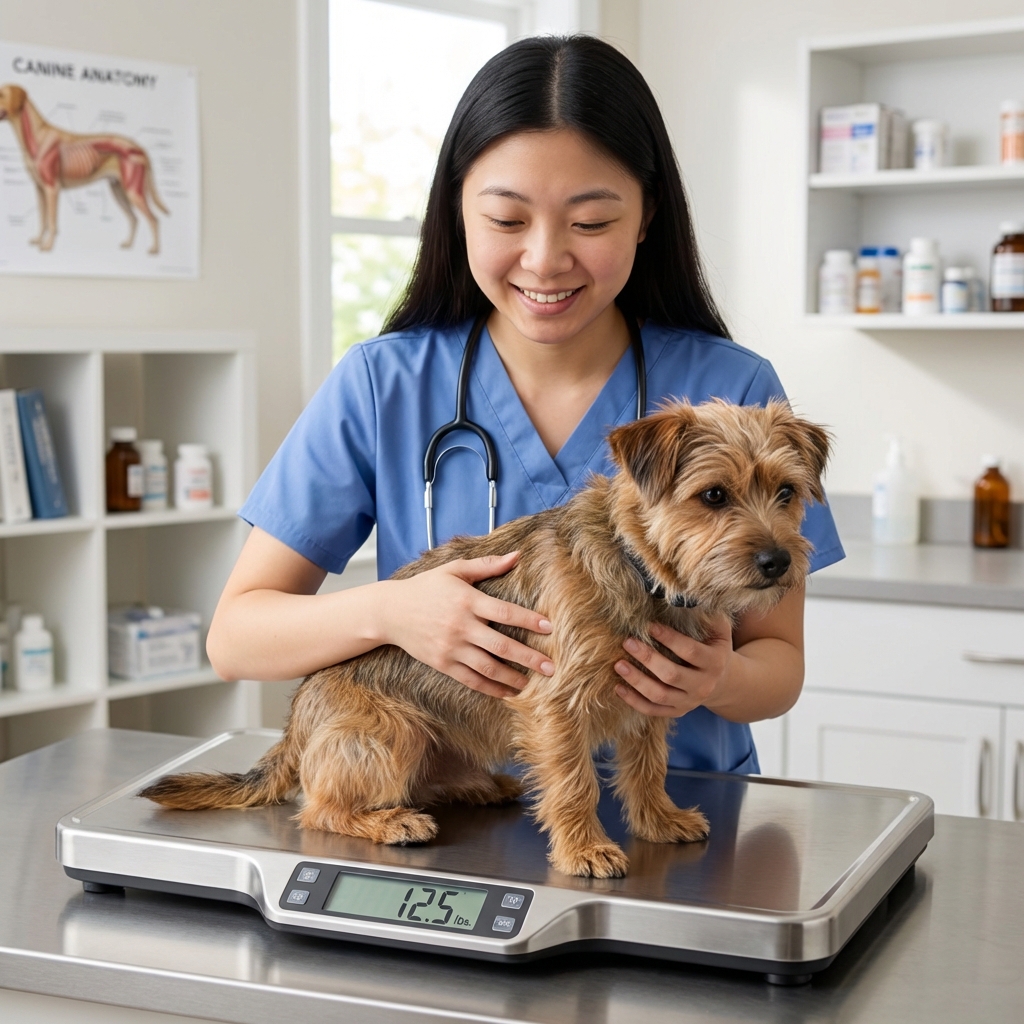
- Weigh your dog if you can. Guessing leads to overdosing or underdosing.
- Use the simplest product with diphenhydramine only.
- Write down the time and dose so nobody double-doses.
- Give with a small snack if your dog tends to get an upset stomach.
- Call your vet if symptoms are moderate to severe, or if you are unsure.
If your dog vomits after a dose
If your dog throws up shortly after getting Benadryl, do not automatically repeat the dose. Call your veterinarian for guidance, especially if your dog is showing swelling, hives, or any breathing changes.
If you missed a dose
If you are giving Benadryl on a schedule and you miss a dose, skip it and give the next dose at the regular time. Do not double up.
If you are ever in doubt, you can also contact ASPCA Animal Poison Control or Pet Poison Helpline for guidance (fees may apply).
Alternatives for ongoing allergies
If your dog has frequent allergies, your veterinarian may recommend options that work better than Benadryl for long-term comfort. Depending on your dog’s needs, that could include:
- Prescription allergy medications (often less sedating)
- Medicated baths or wipes for skin flare-ups
- Strict flea prevention (even indoor dogs can get bitten)
- Omega-3 fatty acids to support skin barrier health
- Food trial or allergy testing when appropriate
The goal is not just to stop itching today, but to protect the skin and ears so your dog stays comfortable week after week.
Bottom line
Many vets use 1 mg per pound of diphenhydramine every 8 to 12 hours as a general Benadryl guideline for dogs, but dosing ranges exist and the right dose and the right product really matter. If your dog’s reaction seems serious, skip the home experimenting and get veterinary help immediately.
You know your dog best. If something feels off, trust that instinct and call your veterinarian.