Wondering if Pepcid can help your dog’s nausea or reflux? Learn vet-approved uses, weight-based dosing ranges, what products to avoid, side effects, and wh...
Article
•
Designer Mixes
How Much Benadryl Can My Dog Have?

Shari Shidate
Designer Mixes contributor
If you are staring at a box of Benadryl and wondering if it can safely help your dog, you are not alone. As a veterinary assistant in Frisco, Texas, I have seen how often diphenhydramine (the generic name for Benadryl) comes up for itchy skin, mild allergic reactions, and car rides.
Here is the most important takeaway: Benadryl can be helpful for some dogs, but dosing needs to be accurate, and it is not appropriate for every situation. When in doubt, call your veterinarian or a pet poison hotline before giving it.
What Benadryl does for dogs
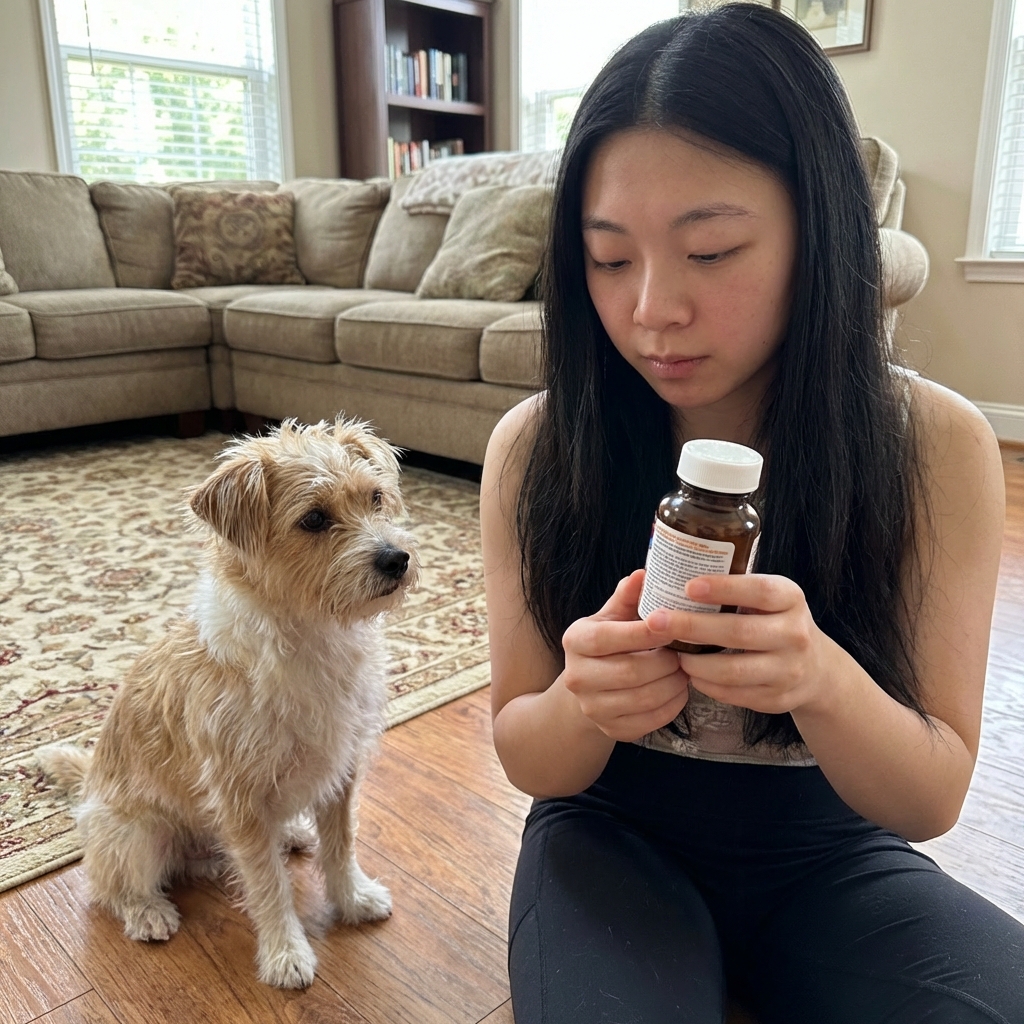
Benadryl is an antihistamine. It works by blocking histamine, a chemical your dog’s body releases during allergic reactions. In dogs, it is most commonly used for:
- Mild allergy symptoms like itching, hives, or a runny nose
- Insect bites or stings with mild facial swelling (not severe)
- Mild situational sedation for some dogs (for example, during travel). It can cause drowsiness, but it does not treat anxiety itself, and some dogs become more restless instead.
What it does not do well: Benadryl is usually not very effective for severe environmental allergies by itself, and it is not a substitute for emergency care in anaphylaxis, serious swelling, or breathing trouble.
Also important: Do not rely on Benadryl to treat emergencies like snake bites or severe reactions. Those situations need immediate veterinary care.
General Benadryl dosage for dogs
A commonly referenced veterinary guideline is:
Diphenhydramine: 1 mg per pound of body weight (about 2 to 3 mg/kg) by mouth, every 8 to 12 hours.
This is a general reference range, not a personalized prescription. Some dogs need a lower dose (or should not take it at all) based on age, other medications, and medical conditions. When possible, confirm the plan with your veterinarian.
Quick examples (using 1 mg per pound)
- 10 lb dog: about 10 mg per dose
- 25 lb dog: about 25 mg per dose
- 50 lb dog: about 50 mg per dose
- 75 lb dog: about 75 mg per dose
Common tablet sizes: Many Benadryl tablets are 25 mg. That means a 25 lb dog often lines up with one 25 mg tablet, while a 10 lb dog would need a smaller amount that can be hard to measure accurately.
Small dogs need extra caution: Splitting tablets into quarters or tiny pieces can be inaccurate, especially with very small dogs. Ask your veterinarian about a dog-safe liquid or a compounded option if precise dosing is needed.
Never guess with liquid Benadryl: Concentrations vary by product (mg per mL is not always the same), and some formulations may contain ingredients like xylitol or alcohol. Always check the inactive ingredients and verify the exact product and concentration with your vet.
Safest Benadryl product
If your veterinarian says Benadryl is appropriate, the safest approach is typically a product that contains:
- Diphenhydramine only as the active ingredient
- No added decongestants or pain relievers
Forms to choose carefully
- Tablets or capsules: Often simplest for dosing when your dog’s weight matches a tablet size.
- Chewables or liquids: Read labels closely for sweeteners and inactive ingredients, and confirm concentration.
- Extended-release products: Avoid time-release or extended-release forms unless your veterinarian specifically directs you.
Avoid combination products
Do not give products labeled with added ingredients such as:
- Benadryl-D or diphenhydramine plus pseudoephedrine (decongestants can be dangerous)
- Diphenhydramine plus acetaminophen
- “Multi-symptom” cold and flu products
If you are unsure, take a clear photo of the front and the “Drug Facts” panel and call your veterinary clinic for confirmation.
Use caution and ask your vet
Talk to your veterinarian before using Benadryl if your dog:
- Has glaucoma, heart disease, high blood pressure, seizure history, thyroid disease, prostate issues, or urinary retention
- Is pregnant or nursing
- Is very young, very senior, or has significant medical problems
- Is taking other medications that could interact (for example certain sedatives, some anxiety medications, or other antihistamines)
Also, Benadryl is not a great catch-all for itch. If your dog has chronic itching, recurrent ear infections, hot spots, or licking paws nonstop, you will get better results by addressing the underlying trigger like fleas, food sensitivities, environmental allergies, or skin infection.
Go to the vet now
Benadryl is sometimes discussed for mild allergic reactions, but do not delay emergency care if you notice:
- Difficulty breathing, wheezing, or noisy breathing
- Severe facial swelling (especially around eyes or muzzle)
- Collapse, extreme weakness, or pale gums
- Repeated vomiting or signs of shock
These can be signs of a severe reaction that needs immediate veterinary treatment.

Side effects to watch for
Most dogs tolerate diphenhydramine fairly well when properly dosed, but side effects can happen. Common ones include:
- Drowsiness or sedation
- Dry mouth
- GI upset like drooling, nausea, or diarrhea
Some dogs have the opposite reaction and become restless or hyper.
Overdose signs
Call your veterinarian, an emergency clinic, or a pet poison hotline right away if you suspect an overdose or see:
- Agitation, tremors, or seizures
- Very fast heart rate
- Severe lethargy
- Vomiting that will not stop
- Disorientation
How to give it safely
- Confirm the product: diphenhydramine only, no extra active ingredients.
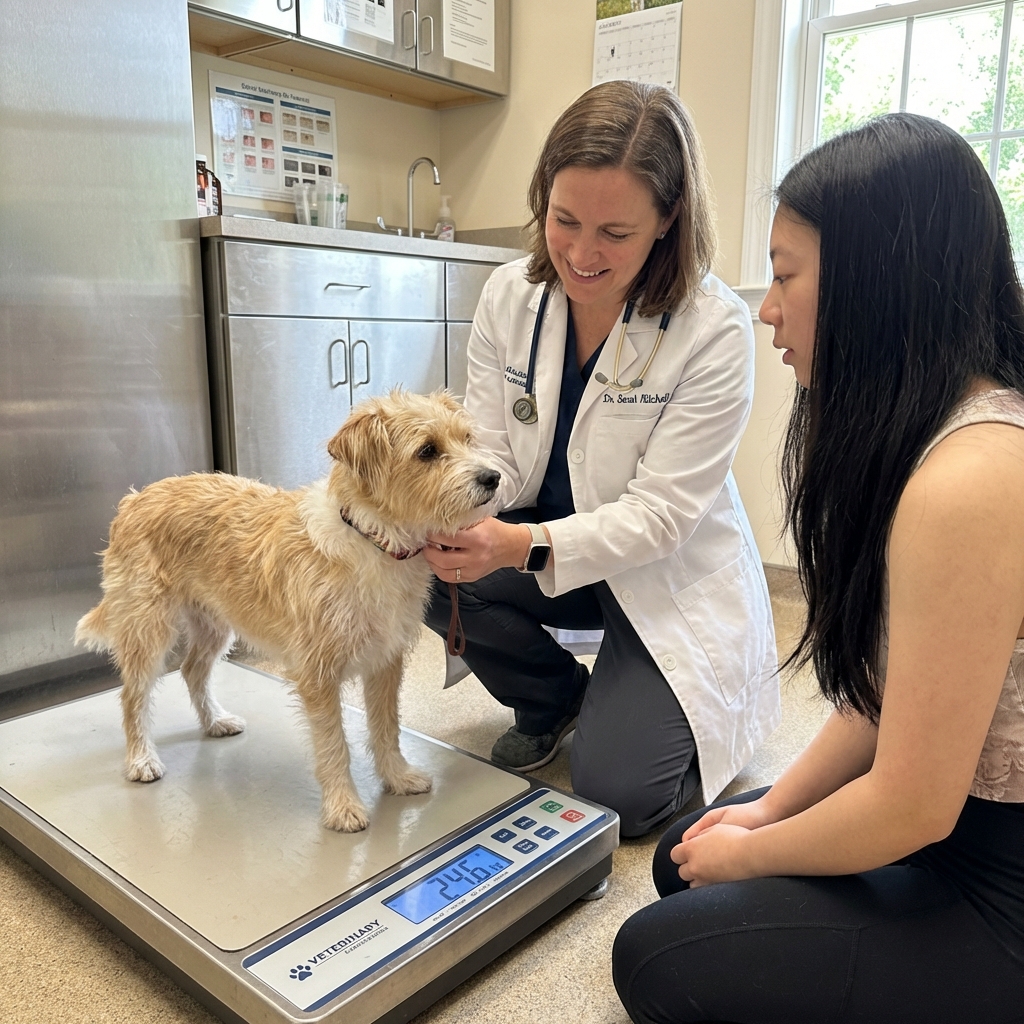
- Weigh your dog: dose is based on weight, not guesswork.
- Measure accurately: ask about safer options for tiny doses instead of eyeballing tablet pieces.
- Start when you can watch: the first dose is best given when you are home to monitor for side effects.
- Do not use long-term without veterinary guidance.
If your dog hates pills, ask your veterinarian about safer options for administration and whether a compounded formulation is appropriate.
Vet alternatives
If Benadryl is not working or not appropriate, your veterinarian may suggest other options depending on the cause:
- Other antihistamines that may work better for your dog
- Prescription allergy medications for chronic itch (often more effective)
- Flea control if flea allergy dermatitis is involved
- Medicated shampoos or treatments for skin infection
- Motion sickness medications that are more reliable for travel nausea (many vets prefer prescription options)
- Diet trials if food allergy is suspected
My gentle encouragement here is this: if allergies are recurring, it is worth a veterinary visit. You can save money and discomfort long-term by treating the root cause instead of chasing symptoms.
Bottom line
Benadryl can be used in dogs in some cases, and a commonly referenced dosage is 1 mg per pound every 8 to 12 hours. But the safest choice is always to confirm the right product and the right dose with your veterinarian, especially for small dogs, dogs on other medications, or dogs with medical conditions.
Before calling your veterinarian, write down your dog’s current weight, age, current medications, and specific symptoms (itching, hives, motion sickness, sting). That way you are prepared to ask the right questions about whether Benadryl is appropriate and what dose is safest for your dog.