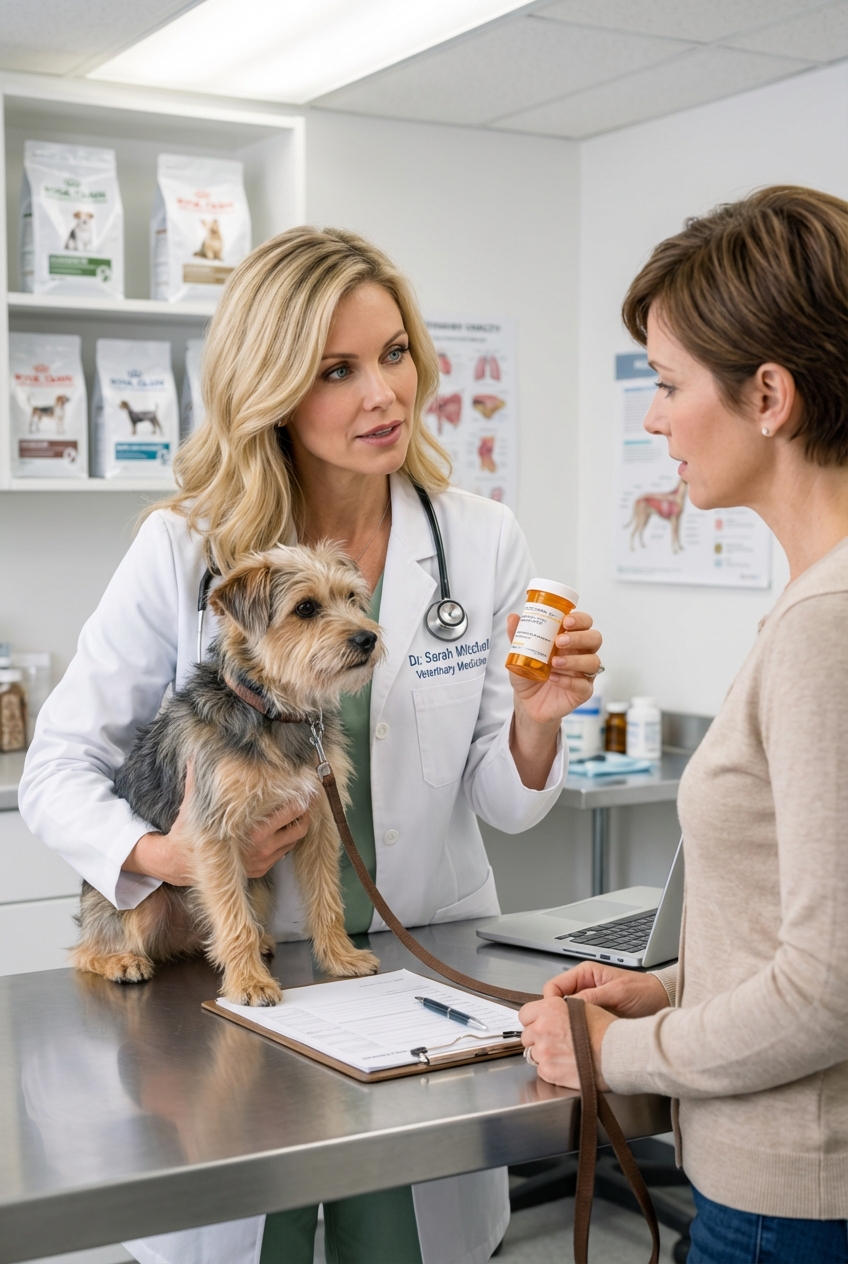
Wondering if Benadryl is safe for your dog’s itching or hives? Get vet-informed diphenhydramine dosing (1 mg/lb), a weight chart, product warnings, side ef...
Article
•
Designer Mixes
How Much Benadryl Can I Give My Dog for Allergies?

Shari Shidate
Designer Mixes contributor

If your dog is itchy, sneezing, or dealing with hives, it is completely normal to wonder if you can safely reach for Benadryl. As a veterinary assistant here in Frisco, Texas, I have seen diphenhydramine help some dogs feel more comfortable. I have also seen situations where it was the wrong choice or the dose was off.
This guide walks you through commonly vet-recommended dosing basics, how to give it, when to avoid it, and when you should skip home treatment and call your vet right away.
Benadryl basics for dogs
Benadryl (diphenhydramine) is an antihistamine. In dogs, it is most often used for mild allergic symptoms like:
- Itchy skin from environmental allergies
- Hives (raised, bumpy welts)
- Sneezing, watery eyes
- Minor reactions to insect bites and stings
It is not a cure for underlying allergies, and it does not treat infections, fleas, food allergies, or most chronic itchy-skin conditions by itself. If your dog is licking paws nonstop or has recurrent ear infections, Benadryl may not be enough and can delay the right diagnosis.
Quick reality check: If you notice fleas or flea dirt, a strong skin odor, hair loss, crusting, oozing, or recurrent ear debris, call your vet. Those signs often point to parasites or infection where Benadryl is not the solution.
Benadryl dose for dogs
A commonly used dose for plain diphenhydramine is:
1 mg per pound of body weight (about 2 to 4 mg/kg) by mouth.
It is often given every 8 to 12 hours. Some dogs may be instructed to take it up to 3 times per day, but follow your veterinarian’s plan for your dog.
Important: Confirm the dose with your veterinarian first, especially if your dog is very young, very old, pregnant, brachycephalic (like bulldogs and pugs), has airway disease, has other medical conditions, or takes any daily medications.
Quick examples
- 10 lb dog: about 10 mg per dose
- 25 lb dog: about 25 mg per dose
- 50 lb dog: about 50 mg per dose
- 75 lb dog: about 75 mg per dose
Tablet sizes
Benadryl commonly comes as 25 mg tablets. Some products are 50 mg. Always check the label.
- 25 mg tablet: common adult tablet size
- 50 mg tablet: double strength and easier to overdose a small dog with
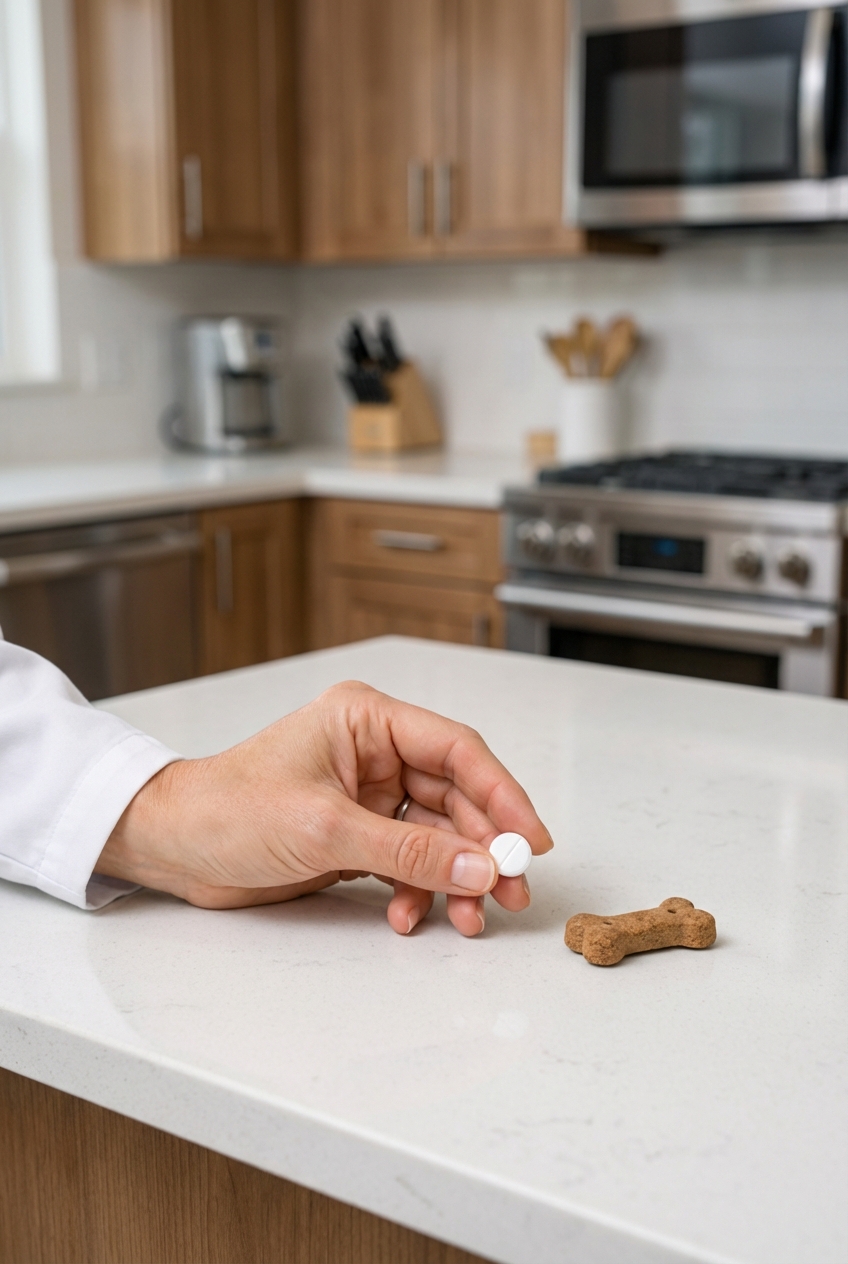
Many small dogs need a partial tablet, and this is where dosing mistakes happen. If you are unsure how to split a tablet accurately, ask your vet about a liquid option or a different allergy medication that is easier to dose.
Which Benadryl is safe?
For dogs, veterinarians typically recommend plain diphenhydramine only. You want the product that lists diphenhydramine HCl as the only active ingredient.
Avoid these products
- Benadryl-D or products with pseudoephedrine (can be dangerous for dogs)
- Multi-symptom cold and flu products (often contain multiple actives that are unsafe)
- Extended-release tablets or capsules unless your vet specifically instructs you
- Children’s gummies, chewables, and “sugar-free” liquids unless your vet approves the exact product (these are more likely to contain extra ingredients)
Common dangerous add-ins to watch for
If you see any of these on the label, do not give it to your dog unless your vet specifically tells you to:
- Acetaminophen
- Ibuprofen or other NSAIDs
- Dextromethorphan
- Phenylephrine
- Doxylamine
Xylitol note: Not every liquid contains xylitol, but some generics and sugar-free products do. Always check the inactive ingredients. Xylitol is toxic to dogs.
If you are standing in the aisle wondering which box is “plain,” flip it over and read the active ingredients. When in doubt, take a photo and call your veterinary clinic.
How to give Benadryl
Tablets or capsules
- Give with a small meal or treat to reduce stomach upset.
- If your dog spits pills, try hiding it in a small bite of wet food, plain yogurt, or a pill pocket.
- Make sure your dog actually swallowed it. Some pups are very talented at “pretending.”
Liquid
- Use only if your vet approves the specific product.
- Measure with an oral syringe, not a kitchen spoon.
- Double-check the concentration since liquids vary.
Most dogs start to show an effect within about 30 to 60 minutes. Mild drowsiness is common and can last for several hours.
When it helps and when it does not
Often helps
- Mild seasonal itchiness
- Hives
- Minor reactions to insect bites or stings
Call your vet first
- Any facial swelling, even if it seems mild (it can progress)
- Itching with ear pain, head shaking, or a strong odor
- Dogs with short noses or known airway issues (sedation can worsen breathing)
Usually not enough
- Moderate to severe allergies
- Hot spots, skin infections, or yeast overgrowth
- Persistent ear infections
- Flea allergy dermatitis (flea control is the priority)
- Food allergies (diet trial is the standard approach)
If your dog’s itching is chronic, your veterinarian may recommend newer options like prescription itch control medications, medicated baths, or allergy testing and immunotherapy. That is not “giving up” on natural care. It is getting your dog real relief and protecting their skin barrier.
Side effects
Most dogs tolerate Benadryl well at appropriate doses, but side effects can happen.
Common
- Drowsiness or sleepiness
- Dry mouth
- Mild urinary retention (straining or taking longer to pee)
- Occasional stomach upset
Less common
- Hyperactivity or agitation (some dogs react this way instead of getting sleepy)
- Rapid heart rate
- Vomiting, diarrhea
- Wobbliness or disorientation
If you think your dog is having a bad reaction, stop the medication and call your veterinarian.
When to avoid it
Benadryl is not a safe “one-size-fits-all” medication. Your vet may advise against it or adjust the plan if your dog has:
- Glaucoma
- Enlarged prostate or urinary issues
- Heart disease or high blood pressure
- Seizure history (use caution and ask your vet)
- Severe liver disease
- Is on sedatives, certain pain medications, or other drugs that can cause drowsiness
Also be extra cautious with tiny dogs. Small dosing errors matter more with small bodies.
Emergency signs
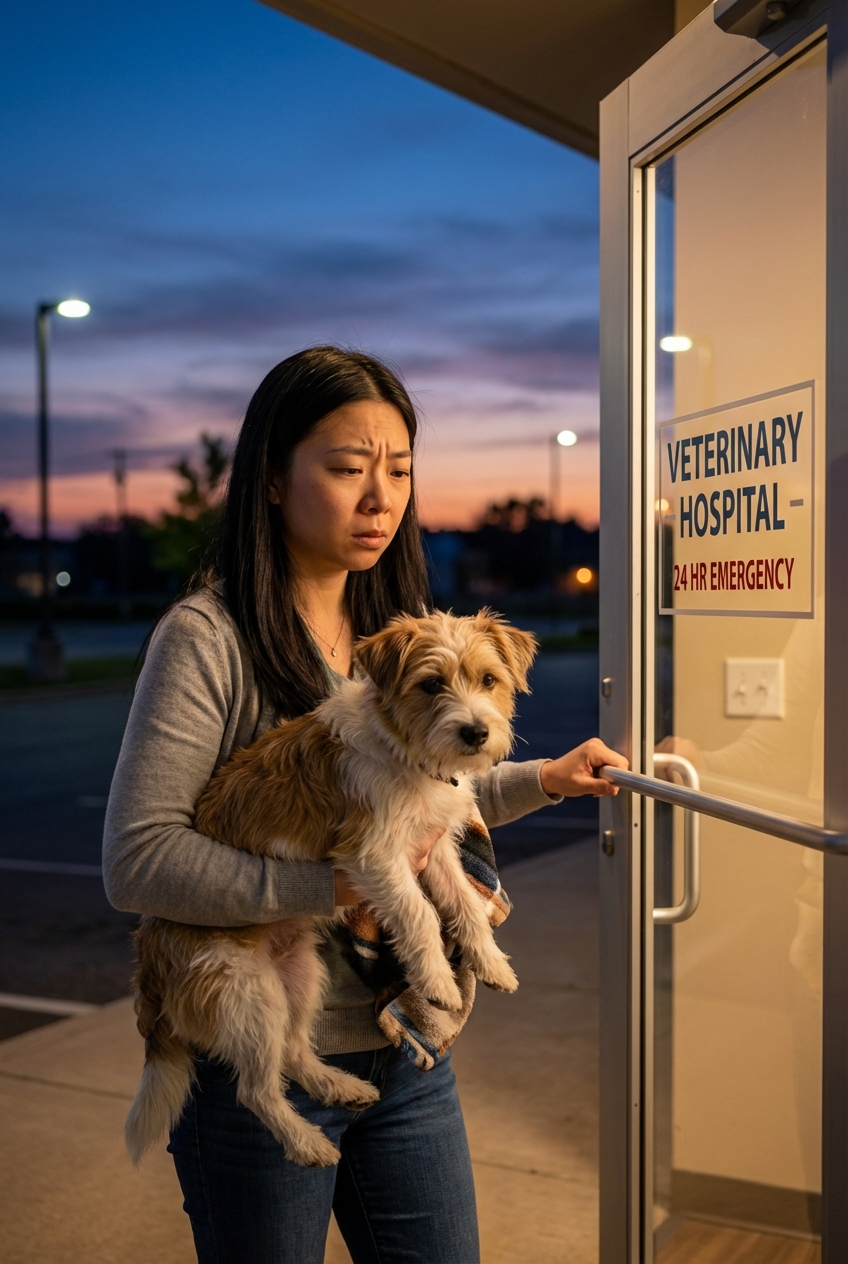
Benadryl is not a substitute for emergency care. If you notice any of the signs below, contact an emergency veterinarian right away:
- Difficulty breathing, noisy breathing, or excessive panting
- Swelling of the tongue or throat
- Collapse, weakness, or pale or gray gums
- Repeated vomiting, severe diarrhea
- Suspected anaphylaxis after a sting, bite, or vaccine
If your dog is having trouble breathing, do not wait to “see if it kicks in.” Time matters.
Overdose or wrong product
If you think you gave too much, gave the wrong product, or your dog got into the bottle, treat it like an urgent situation.
Possible overdose signs can include severe sleepiness, extreme agitation, tremors, a very fast heart rate, disorientation, vomiting, or inability to urinate.
Call your veterinarian, an emergency clinic, or a pet poison hotline right away (fees may apply):
- ASPCA Animal Poison Control Center: (888) 426-4435
- Pet Poison Helpline: (855) 764-7661
Dosing checklist
- Confirm it is plain diphenhydramine only.
- Confirm your dog’s current weight.
- Use the general dose from the dose section above, unless your vet says otherwise.
- Avoid combination products and double-check inactive ingredients for xylitol, especially in sugar-free liquids.
- Give with food and watch for sedation or agitation.
- If symptoms are severe or worsening, contact a veterinarian.
FAQ
Can I give Benadryl every day?
Some dogs are instructed to use it short-term, but daily long-term allergy management should be guided by your vet. If your dog needs something daily, it is worth talking about safer, more effective options and getting to the root cause.
Is it used for vaccine reactions?
Your vet may recommend it for mild reactions like hives or itchiness, but any facial swelling, vomiting, weakness, or breathing changes should be treated as urgent.
My dog is still itchy. Now what?
That is common. Many dogs do not get strong itch relief from Benadryl. Call your vet to discuss flea prevention, skin and ear infection checks, and modern itch control medications that can be much more effective.
Next step
If your dog is uncomfortable, you do not have to guess your way through it. Take a clear photo of the product label, weigh your dog, and call your veterinary clinic for a dose confirmation. Then, keep notes on symptoms and timing. That simple tracking can help your vet pinpoint whether this is seasonal allergies, fleas, food sensitivity, or something else entirely.
Your dog deserves real relief, and you deserve a plan that feels calm and clear.