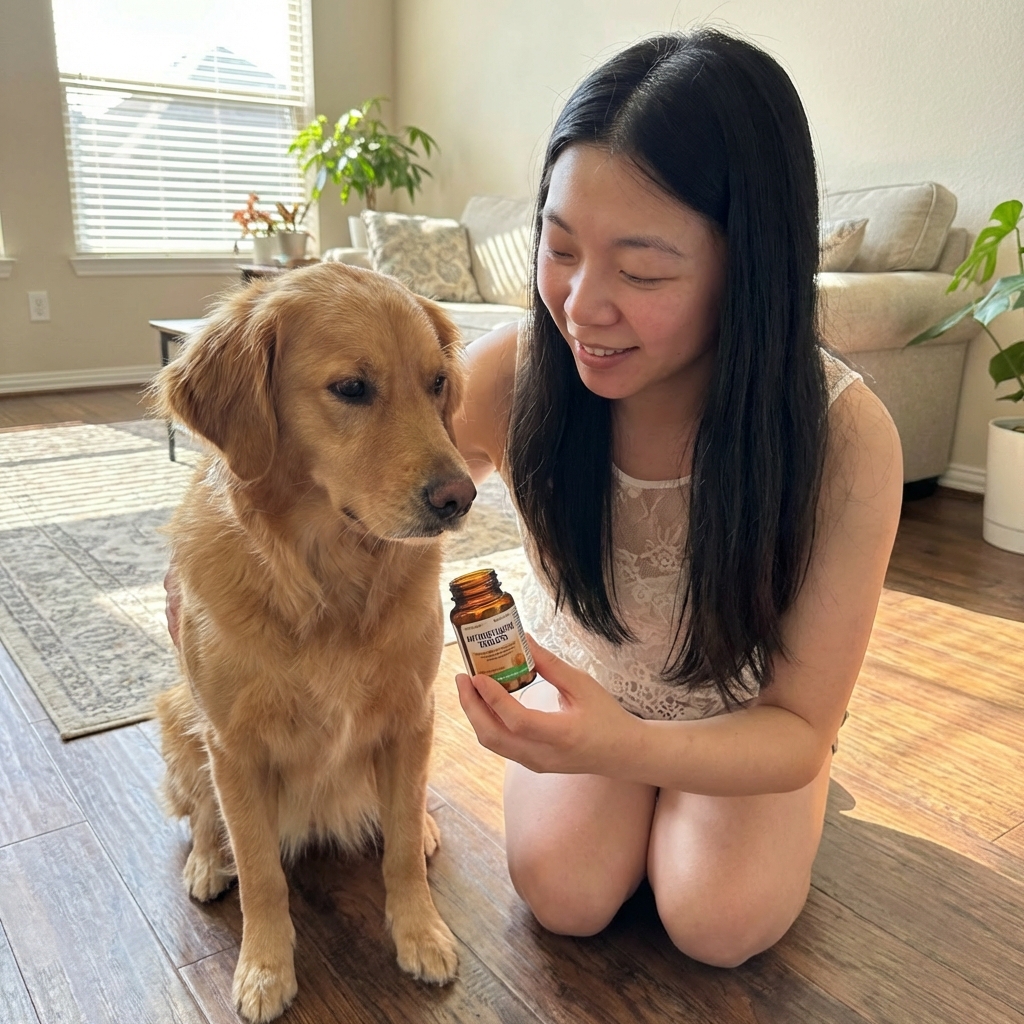
Learn the vet-approved Benadryl (diphenhydramine) dose for dogs by weight, how often to give it, which products are safe, side effects to watch for, and emer...
Article
•
Designer Mixes
How Much Benadryl Can I Give My Dog?

Shari Shidate
Designer Mixes contributor
As a veterinary assistant here in Frisco, Texas, I hear this question all the time: “How much Benadryl can I give my dog?” It is a fair question because diphenhydramine (Benadryl) is commonly used in dogs, but the right dose depends on your dog’s weight, health history, and what you are treating.
Important: This article is educational and not a substitute for your veterinarian’s instructions. If your dog is having trouble breathing, has facial swelling, collapses, or you suspect anaphylaxis, treat it as an emergency and go to the nearest emergency veterinarian immediately.
Benadryl basics for dogs
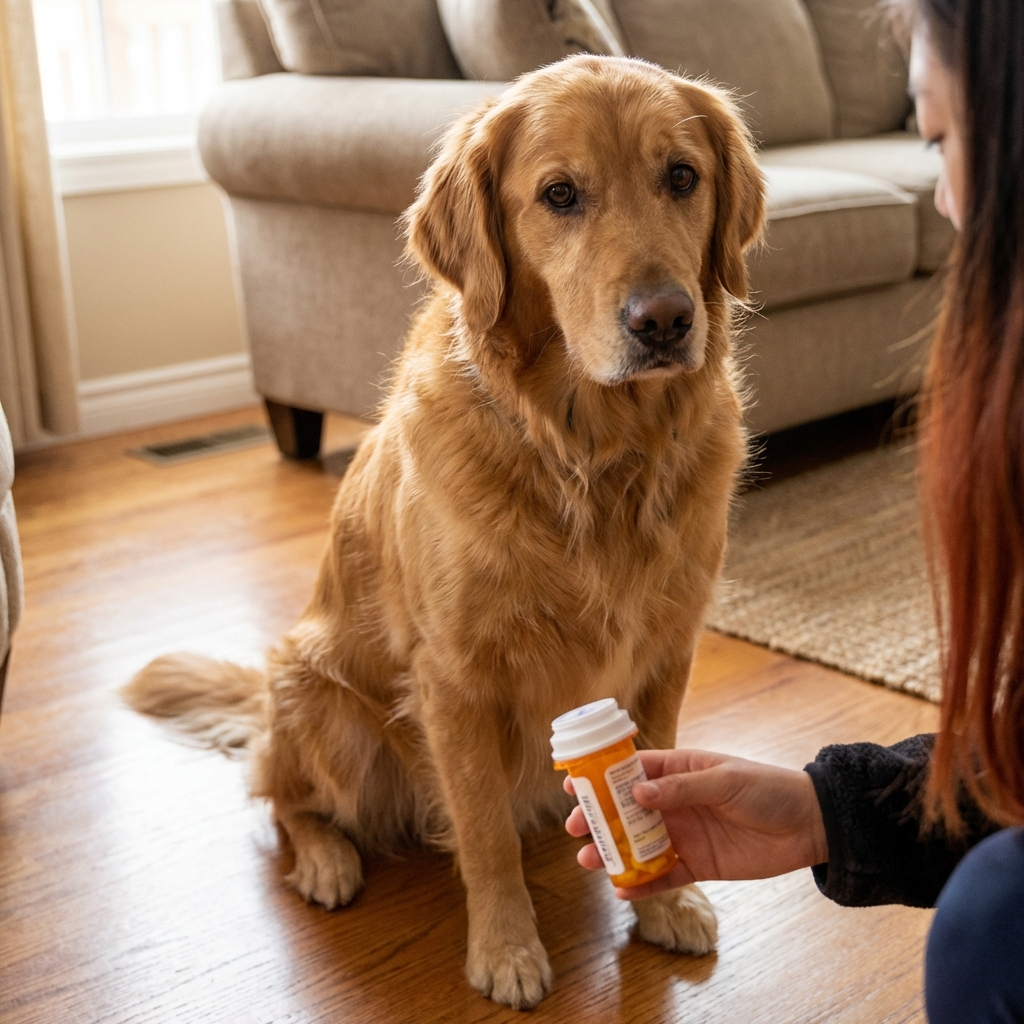
Benadryl is an antihistamine. In many dogs it can help with:
- Mild allergic reactions (itching, hives)
- Seasonal allergies (some dogs)
- Vaccine-related mild facial swelling or itchiness (with vet guidance)
- Motion sickness (sometimes, but results vary and it is not always the first choice)
It is not a cure-all for every itch or ear problem. Dogs with skin infections, fleas, food allergies, or yeast issues often need a different plan than “just Benadryl.”
Quick clarification: This guidance is about oral diphenhydramine HCl (tablets or liquid). Do not use topical Benadryl creams, gels, or sprays on your dog unless your veterinarian instructs you to.
Typical dose guidelines
A widely used veterinary rule of thumb is:
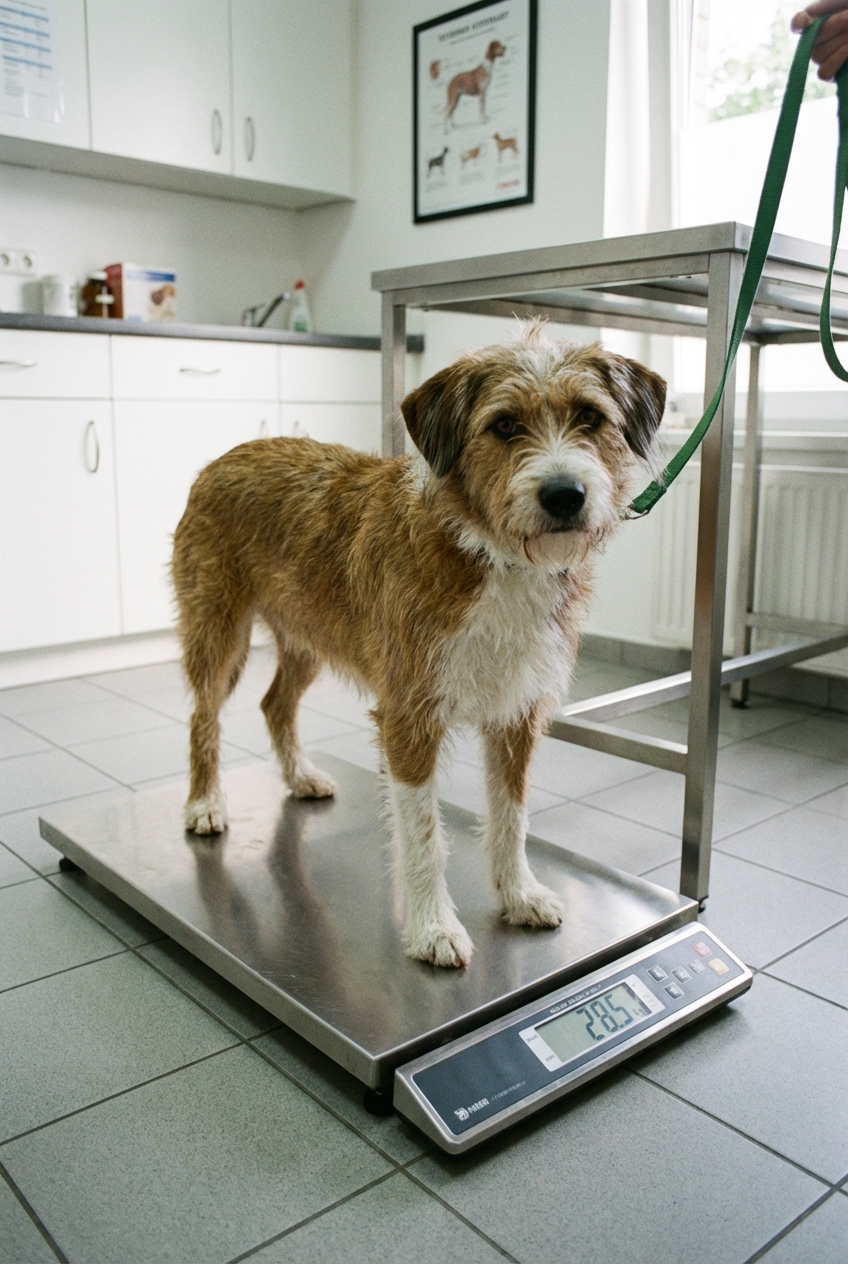
Diphenhydramine (Benadryl): 1 mg per pound of body weight (about 2 mg per kg) given by mouth.
Some veterinary references list a broader range (about 2 to 4 mg/kg), but for home guidance, 1 mg/lb is the most common conservative starting point. Dosing should be confirmed with your veterinarian, especially if your dog is very small, very old, pregnant, or has chronic illness.
Frequency: Diphenhydramine is commonly given every 8 to 12 hours. That is up to 3 times per day (every 8 hours), but use the higher frequency only if your veterinarian approves it for your dog.
Example doses (1 mg/lb)
- 10 lb dog: 10 mg per dose
- 25 lb dog: 25 mg per dose
- 50 lb dog: 50 mg per dose
- 75 lb dog: 75 mg per dose
Common tablet sizes
Many Benadryl tablets are 25 mg. So:
- A 25 lb dog is often close to one 25 mg tablet
- A 50 lb dog is often close to two 25 mg tablets
If you need to split tablets for a smaller dog, aim for the most accurate dose you can. Only split tablets if it is appropriate for that product (for example, scored tablets are easier to divide evenly). If your dog’s dose is tiny, your vet may prefer a different strength or a compounded option.
Children’s liquid can be used sometimes, but dosing accuracy is critical and formulations vary. If you are unsure, call your vet before you pour.
Pick the right product
When people run into trouble with Benadryl at home, it is often because they used the wrong version.
Usually preferred
- Diphenhydramine only (single ingredient)
Avoid unless your vet instructs
- Benadryl-D (often contains pseudoephedrine, which can be dangerous for dogs)
- Combination cold and flu products (multiple active ingredients)
- “Extra strength” products if you are not 100 percent sure of the mg per pill
- Extended-release tablets or capsules unless your veterinarian specifically tells you to use them
- Sugar-free liquids, chewables, or flavored products that may contain xylitol (highly toxic to dogs)
Action step: Before giving any dose, read the label and confirm the active ingredient and the mg per tablet or per mL. Also scan the inactive ingredients. Some formulations can change over time.
When it helps and when it will not
Good reasons to ask your vet
- Mild itching from seasonal allergies
- Mild hives
- Insect bites or stings with mild swelling
- Mild vaccine-related itchiness or swelling (only with your vet’s direction)
Skip home dosing and get seen
- Any breathing difficulty, pale gums, repeated vomiting, collapse
- Severe facial swelling
- Swollen belly, restlessness, or weakness after a sting (possible anaphylaxis)
- Persistent itching with hair loss, odor, greasy skin, or recurrent ear infections
- Open sores, hot spots, or oozing skin
Benadryl can reduce histamine-related symptoms, but it will not fix underlying infection, parasites, or diet-related inflammation. If your dog has chronic itching, ask your vet about a longer-term plan. That may include strict flea control, a diet trial, medicated baths, prescription allergy medications, or testing.
How fast it works
Most dogs start to feel the effects within about 30 to 60 minutes. The duration varies, which is why many veterinarians dose it every 8 to 12 hours when it is appropriate.
Side effects to watch
Many dogs tolerate diphenhydramine well, but side effects can happen.
Common
- Drowsiness or a “slowed down” vibe
- Dry mouth
- Mild wobbliness
Less common but important
- Agitation or hyperactivity (some dogs react opposite and get “wired”)
- Vomiting or diarrhea
- Fast heart rate
- Urinary retention (straining or inability to urinate)
If your dog seems unusually sedated, extremely restless, or “not themselves,” call your veterinarian.
Dogs who need caution
Benadryl is not the best choice for every dog. Talk to your vet first if your dog has:
- Glaucoma
- Heart disease or high blood pressure
- Prostate enlargement or trouble urinating
- Seizure history (use caution)
- Liver disease
- Is on other sedating medications
Also ask first if your dog is pregnant, nursing, or a very young puppy.
Do not use
- If your dog has had a prior allergic reaction to diphenhydramine
- If your dog is taking an MAOI medication (your vet can confirm; this includes certain veterinary drugs)
- Do not give your dog medication intended for another pet. Cats and dogs are dosed differently, and products and strengths can vary.
If you think you gave too much
If you suspect an overdose, do not wait to “see if it passes.” Call your veterinarian, an emergency clinic, or a pet poison hotline right away.
Possible overdose signs
- Extreme sedation or extreme agitation
- Tremors
- Very fast heart rate
- Disorientation
- Seizures
Action step: Have the product bottle in your hand when you call so you can read the exact ingredients and strength.
Poison help
- ASPCA Animal Poison Control: 888-426-4435 (fees may apply)
- Pet Poison Helpline: 855-764-7661 (fees may apply)

Tips while your dog is on it
If your vet recommends Benadryl, a few simple adjustments make life easier and safer.
At home
- Keep activity gentle: drowsy dogs can trip on stairs or slip on tile.
- Offer fresh water: dry mouth is common.
- Use a calm space: especially if your dog becomes restless instead of sleepy.
- Track symptoms: note itch level, swelling, and any side effects for your vet.
Training and handling
- Short sessions only: If your dog is sleepy, skip intense training and use quick, easy wins.
- Reward calm behavior: Benadryl can support comfort while you reinforce calmness during allergy flare-ups.
- Do not mask pain: If your dog is licking one spot intensely or yelping, ask your vet. That is not a Benadryl problem.
My practical advice
If you remember just a few things, let it be these:
- Confirm the product: diphenhydramine only, no decongestants, and always check inactive ingredients for xylitol.
- Use weight-based dosing: the commonly used guideline is 1 mg per pound (about 2 mg/kg). Many vets dose it every 8 to 12 hours, with up to 3 doses per day only if your vet approves.
- Do not delay emergency care: breathing trouble, collapse, or severe swelling needs an emergency veterinarian.
- If allergies are frequent: ask your vet about longer-term options like flea control, diet trials, or newer allergy medications.
Your dog’s comfort matters, and you do not have to guess your way through allergy season. When in doubt, call your veterinarian and get a plan you feel confident following.