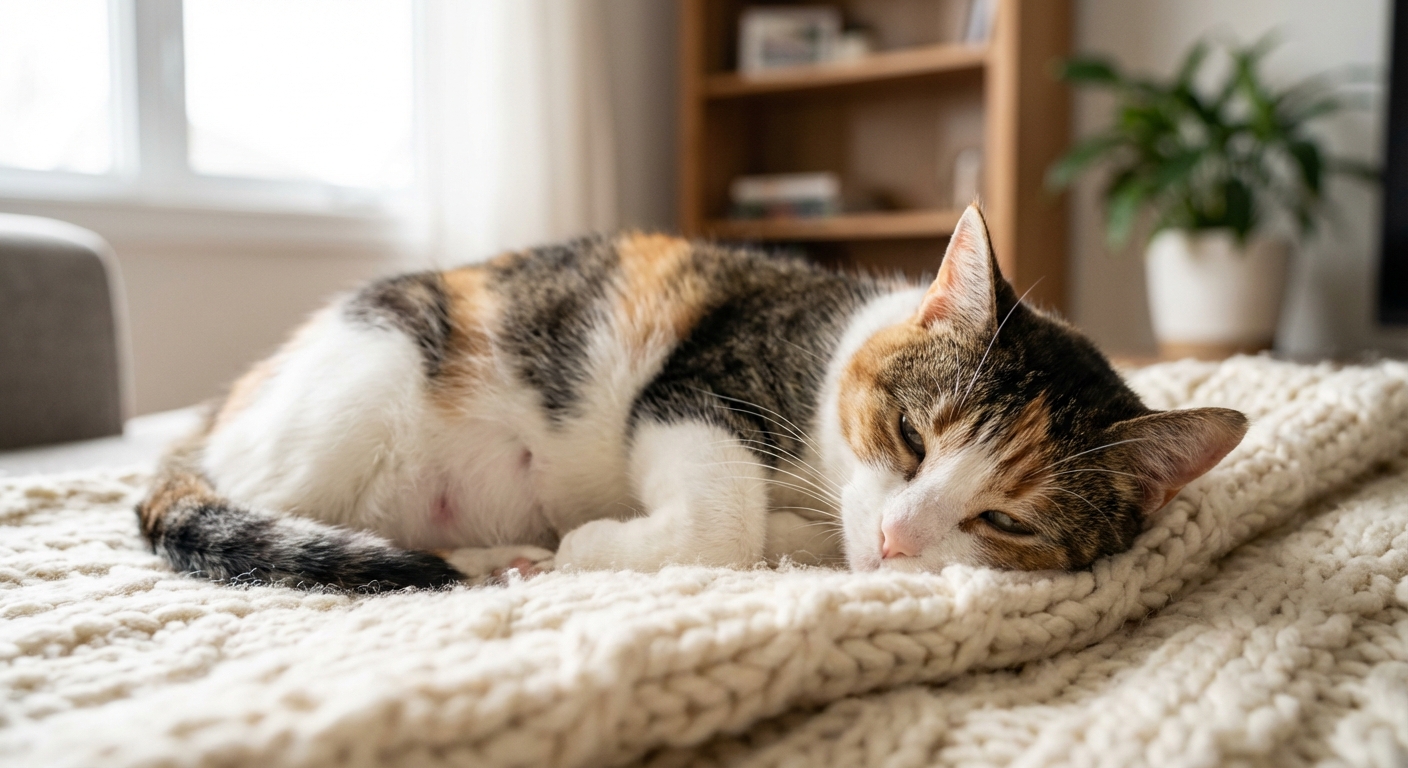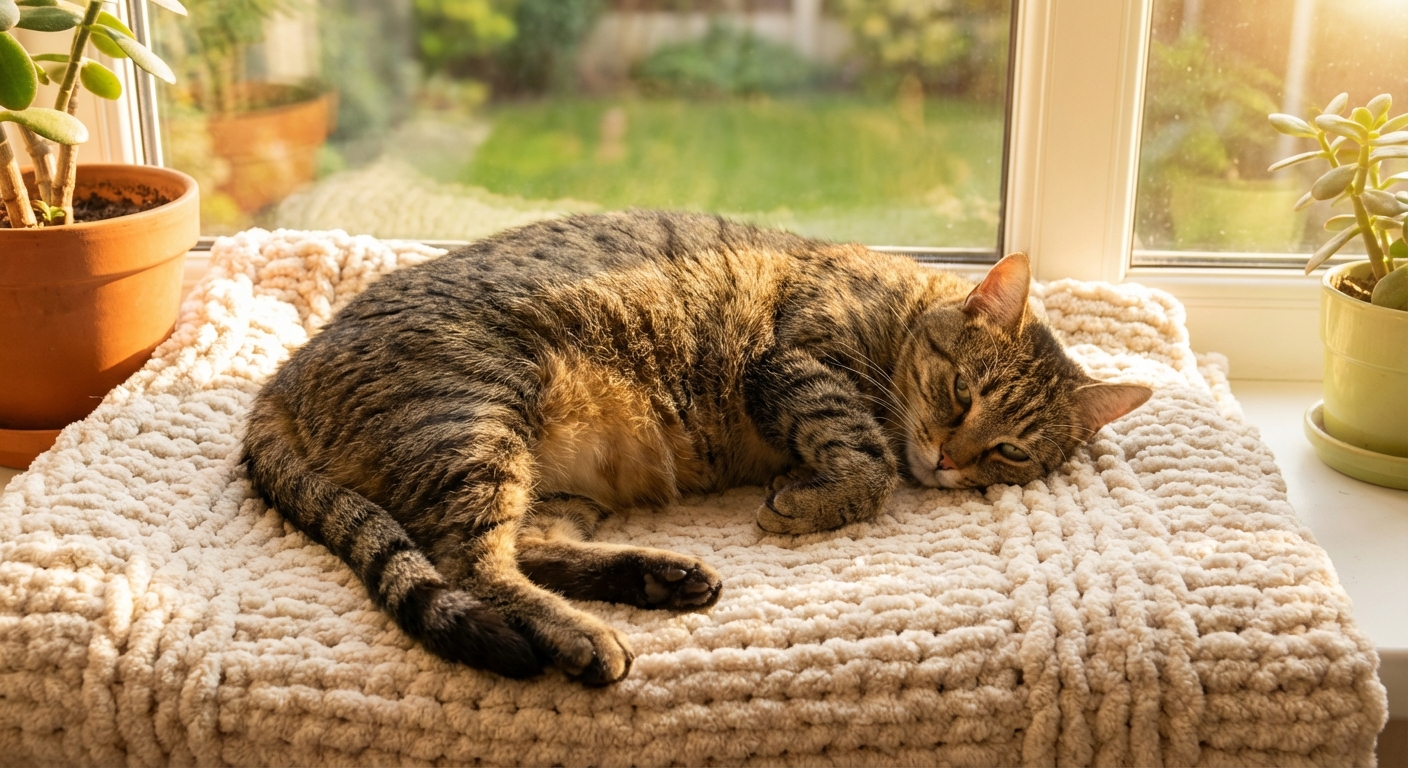
Wondering if your cat is pregnant? Learn symptoms by week, how vets confirm pregnancy, how to set up a nesting area, what to feed, and when to call the vet.
Article
•
Designer Mixes
How Many Kittens Can a Cat Have in One Litter?

Shari Shidate
Designer Mixes contributor
If you have a pregnant cat at home, the big question usually comes fast: how many kittens are we about to have? I have helped care for many mama cats in clinic and rescue settings, and the answer is both comforting and a little unpredictable. Most cats have a normal range, but nature has wide variation.
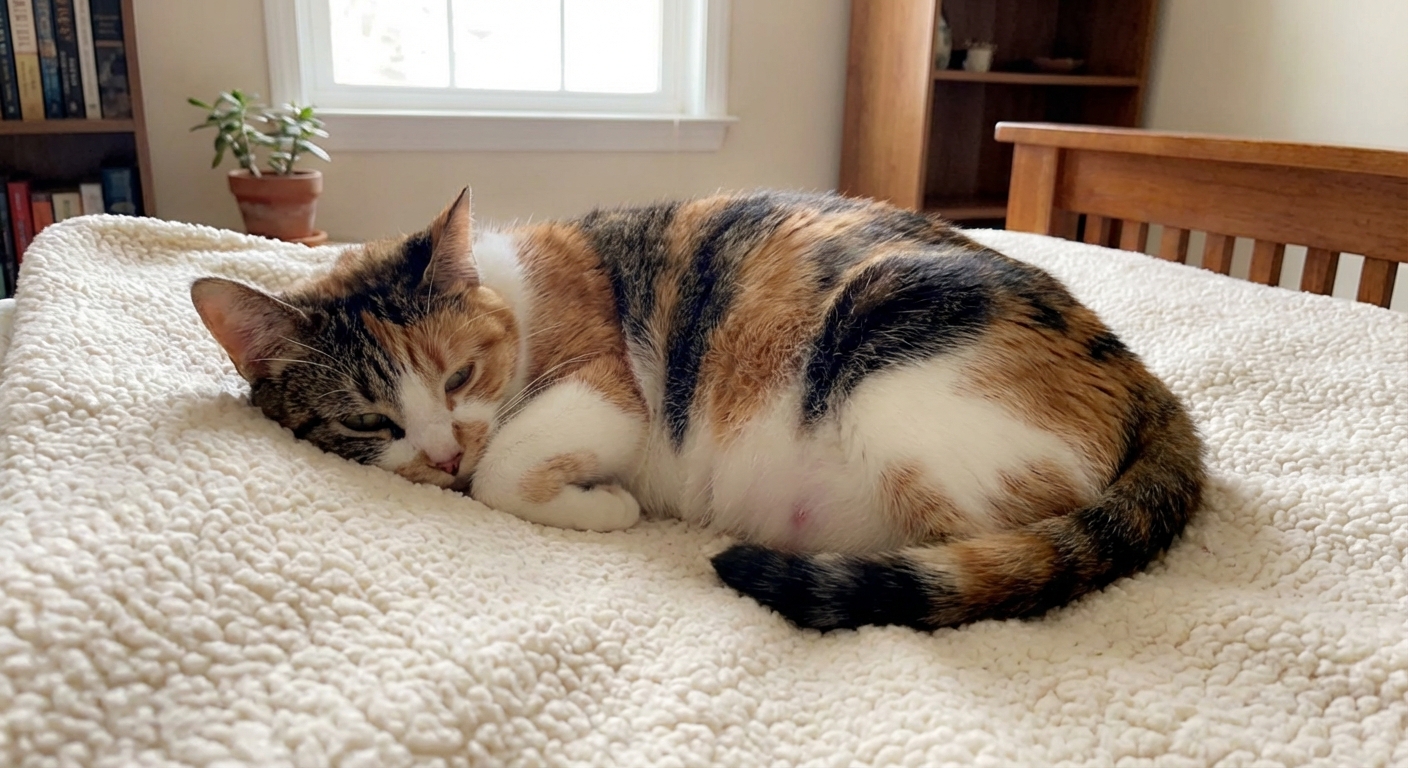
Let’s walk through what is common, what is surprising but still possible, and what factors make litter size go up or down.
The short answer
Most cats have about 3 to 5 kittens in one litter (often cited as an average of around 4). Some references describe the typical range as a little wider (such as 3 to 6), so think of 3 to 5 as a very common “middle,” not a hard rule.
That said, it is absolutely possible to see:
- Small litters of 1 to 2 kittens
- Larger litters of 6 to 8 kittens
- Very large litters of 9 or more in rare cases
Plan for the average, but have supplies ready for a few extra mouths just in case.
What affects litter size?
Litter size is influenced by several real-world factors, including your cat’s age, health, and genetics.
Age and reproductive history
Young queens (first-time moms) and older queens often have smaller litters. Cats in their prime reproductive years commonly have larger, more consistent litter sizes.
Breed tendencies
Some breeds appear to trend larger or smaller, although individual variation is still huge. For example, some reports suggest Siamese-type cats may have slightly larger litters than average, while some other purebreds may trend smaller. Mixed-breed domestic cats often land right in that 3 to 5 range.
Health and body condition
A healthy cat at a good weight is more likely to carry a normal litter successfully. Poor nutrition, untreated parasites, chronic illness, and significant stress can affect fertility and pregnancy outcomes.
Nutrition during pregnancy
Nutrition matters a lot. Pregnant and nursing cats typically do best on a complete and balanced growth or all-life-stages diet (often labeled for kittens). These formulas are more calorie-dense and nutrient-rich, which supports both mom and developing kittens.
Basic biology
The number of kittens ultimately depends on how many eggs are ovulated, fertilized, successfully implanted, and carried to term.
Timing and what you may notice
Most cat pregnancies last about 63 to 65 days (with normal variation of a few days). Many owners notice:
- Abdominal enlargement becoming more obvious in the second half of pregnancy
- Increased appetite as the pregnancy progresses
- Fetal movement that can sometimes be felt or seen later in pregnancy, often in the last couple of weeks
These clues can hint at “bigger than average,” but they cannot reliably confirm a kitten count.
Estimating litter size
If you are trying to plan ahead, your veterinarian can often provide an estimate. Even with imaging, it is possible to be off by one. Kittens can overlap, and positioning matters.
Ultrasound
Ultrasound can confirm pregnancy and check fetal viability. It is not always ideal for counting kittens accurately, especially later in pregnancy when kittens overlap in the uterus.
X-ray
Once fetal skeletons mineralize later in pregnancy, an X-ray (radiograph) is usually the most accurate way to count how many kittens to expect. In many cases, this becomes useful at about day 45 of pregnancy or later (timing can vary), so scheduling too early may not give a reliable count.

Important note: X-rays are typically better for counting than ultrasound, but they are still not perfect. Your veterinarian will interpret the images and give you the best estimate possible.
Kittens in a lifetime
This is a common follow-up question, especially for people who have rescued an unspayed female. Cats are seasonally polyestrous in many regions, meaning they can go into heat repeatedly. Indoor cats may cycle year-round if they have artificial light and consistent resources.
Because of that, an unspayed cat can potentially produce a very high number of kittens over her lifetime, and the total varies too widely to give one responsible number. This is one reason veterinarians and shelters strongly encourage spaying , both for population control and for health benefits.
Clues of a large litter
You cannot confirm a big litter just by looking, but these clues may suggest “more than average”:
- More dramatic abdominal enlargement as pregnancy progresses
- Stronger, more frequent fetal movement later in pregnancy
- Increased appetite and weight gain (though this varies by individual)
Some cats carry large litters neatly, and some look huge with only a couple of kittens. If you truly need a count, imaging is the way to go.
Preparing for delivery
Whether your cat has 2 kittens or 8, your goal is the same: a calm environment, good nutrition, and a plan if things do not look right.
Nesting space
- Choose a quiet room away from other pets and busy foot traffic
- Provide a roomy box or covered bed with soft, washable bedding
- Keep the area warm and draft-free
Supplies
- Clean towels
- Kitchen scale for daily kitten weights
- Heating pad designed for pets (or another vet-approved safe heat source) to warm half the nesting area
- Emergency vet number saved in your phone
Vet planning
If you have time before birth, a quick vet check can help confirm pregnancy, estimate timing, discuss nutrition, and get guidance on parasite control. Avoid giving over-the-counter dewormers or medications during pregnancy unless your veterinarian specifically recommends them.
When to call the vet
Guidelines vary, but as a general rule, contact a veterinarian urgently if you notice:
- Strong straining for about 20 to 30 minutes with no kitten delivered
- More than 2 hours between kittens when you believe there are more
- Restlessness, nesting, or other first-stage labor signs that go on for over 24 hours with no progression to active labor
- Heavy bleeding, extreme lethargy, collapse, or fever
- A kitten stuck in the birth canal
- Green discharge before the first kitten, especially if no kitten follows soon after or mom seems unwell
- Foul-smelling discharge at any time
Trust your instincts. If your cat seems in distress, it is always okay to call and ask.
After birth: what is normal
In the first 24 to 48 hours, you are watching for warmth, nursing, and steady progress.
- Kittens should nurse often and have round little bellies after feeding.
- Mama should be attentive, though short breaks are normal.
- Weigh kittens daily. Consistent weight gain is one of the best indicators that feeding is going well.
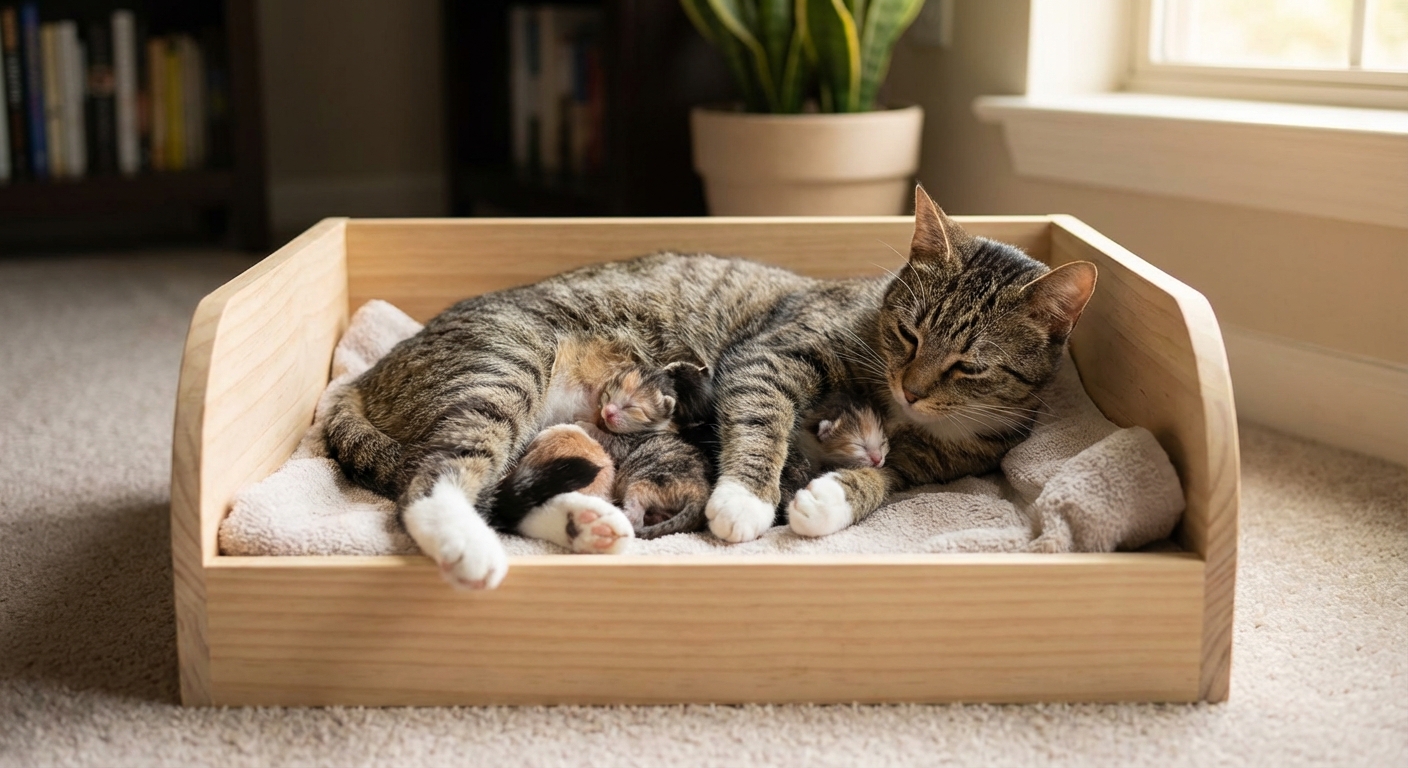
Reach out to your veterinarian quickly if a kitten is crying constantly, feels cool, is not nursing, is being pushed away from the nipples, or is not gaining weight.
Watch mom too
Call your vet if mom will not eat, seems painful, has hot or swollen mammary glands, has a bad-smelling discharge, or acts weak or feverish. Post-birth complications are not common, but catching them early matters.
Bottom line
Most cats have 3 to 5 kittens per litter, but anywhere from 1 to 8 can still be within the realm of normal, and rare litters can be even larger. A veterinarian can confirm pregnancy, help estimate kitten count (especially with X-ray after about day 45), and make sure mom is healthy and supported.
If you want the most useful plan for your specific cat, bring your veterinarian your best estimate of her due date, plus her age, health history, and any breed information you have. That context helps them guide you on what to expect and what to have ready.