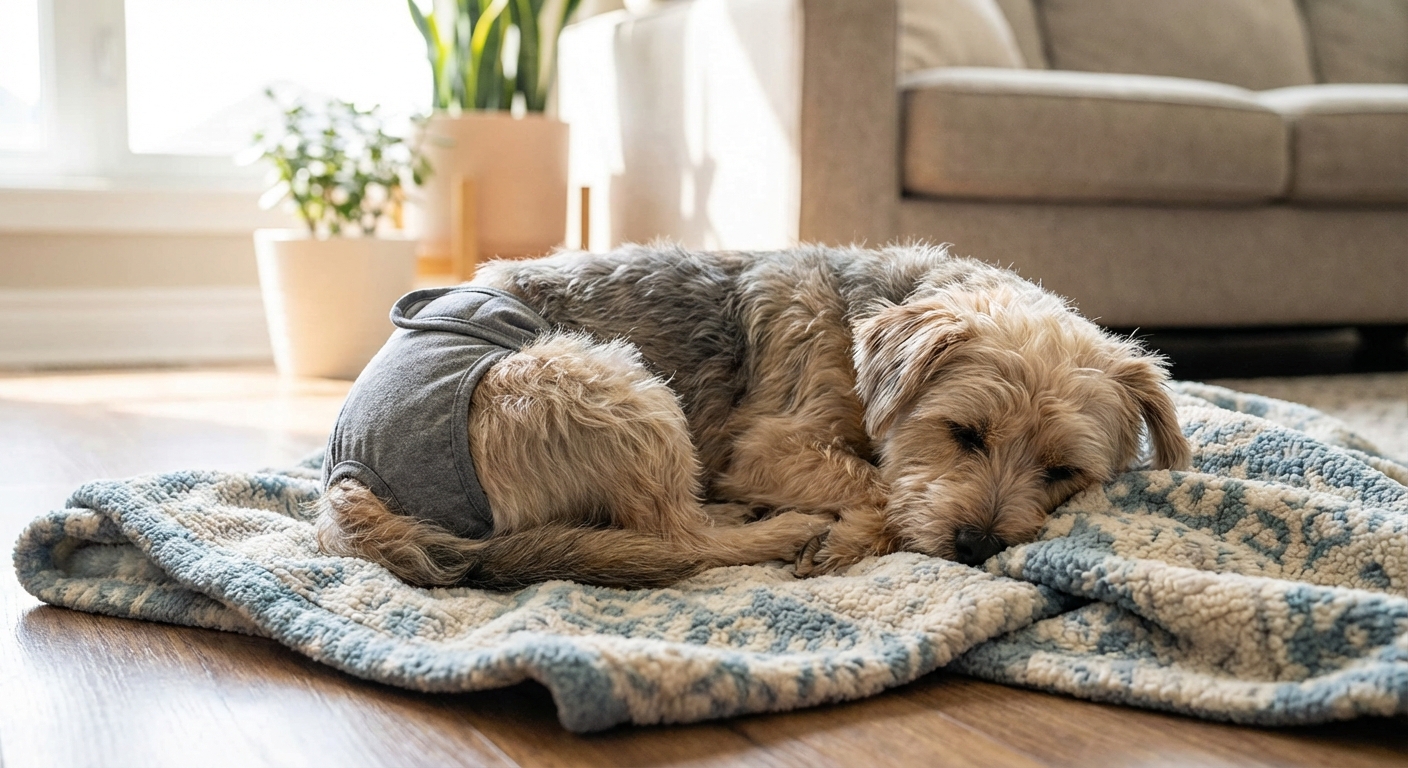
Most dogs bleed 7–10 days in proestrus, sometimes up to two weeks. Learn heat stages, spotting vs. heavy bleeding, when to call the vet, and easy mess-mana...
Article
•
Designer Mixes
How Long Will a Dog in Heat Bleed?

Shari Shidate
Designer Mixes contributor
If your female dog is in heat and you are seeing blood, it can feel alarming quickly. In most healthy dogs, this is a normal part of the heat cycle. Still, it helps to know what “normal” looks like, how long bleeding usually lasts, and when discharge becomes a reason to call your veterinarian.
As a veterinary assistant in Frisco, Texas, I’ve talked many pet parents through this exact question. Let’s walk through what is happening in her body, what you should expect, and how to keep your home and your dog comfortable and safe.

Quick answer
Many dogs have visible bleeding for about 7 to 10 days during a heat cycle, but normal varies a lot. Some dogs have very little visible blood, and others may spot longer.
As a general guide, visible bleeding often falls somewhere between a few days and about 2 weeks. In some individuals, light spotting can extend closer to 3 weeks. If bleeding is heavy, worsening, or paired with illness signs, call your vet.
The full heat cycle (from the first day you notice signs until she is back to normal) commonly lasts 2 to 4 weeks.
The amount of blood is usually light to moderate spotting, not a heavy flow like a human period. Many dogs keep themselves so clean that you barely see it. You may only notice a spot after she stands up, or a little blood on a wipe.
What counts as day 1?
For most pet parents, day 1 is the first day you notice vulvar swelling and/or bloody discharge. Timing can be tricky because some dogs groom constantly or have a “quiet” heat with subtle signs.
What “bleeding in heat” is
When a dog goes into heat (estrus cycle), hormones increase blood flow to the tissues of the vulva and reproductive tract. The discharge you see is typically a mix of blood and fluid from those tissues.
It is not exactly the same as a human menstrual period. Dogs do not shed a uterine lining in the same way. That is why the discharge is often lighter, and the timing is different.
Heat stages
Stage 1: Proestrus (usually the most bleeding)
Typical length: about 7 to 10 days (range roughly 3 to 17 days).
What you notice: vulvar swelling, bloody discharge, increased licking, clinginess or irritability, and male dogs suddenly showing intense interest.
During proestrus, your dog is usually not yet receptive to mating, even though males are very interested. Pregnancy can still happen if breeding occurs near the transition into estrus, so keep precautions in place.
Stage 2: Estrus (bleeding often decreases)
Typical length: about 5 to 10 days (range roughly 3 to 21 days).
What you notice: discharge may become watery, pink, or straw-colored. Many females will stand and allow mating during this stage.
This is the highest pregnancy risk window. Fertility is highest around ovulation, which typically happens early to mid estrus (often a few days after estrus begins). Even if you see little to no blood, do not relax your precautions.
Stage 3: Diestrus (after heat)
Typical length: about 2 months.
What you notice: discharge stops, swelling reduces. If she becomes pregnant, this stage overlaps with pregnancy. If not, her hormones still shift, which is why some dogs show false pregnancy behaviors.
Stage 4: Anestrus (resting stage)
Typical length: often several months (commonly around 2 to 10 months, varying by dog and breed).
What you notice: everything looks “normal” again until the next heat.
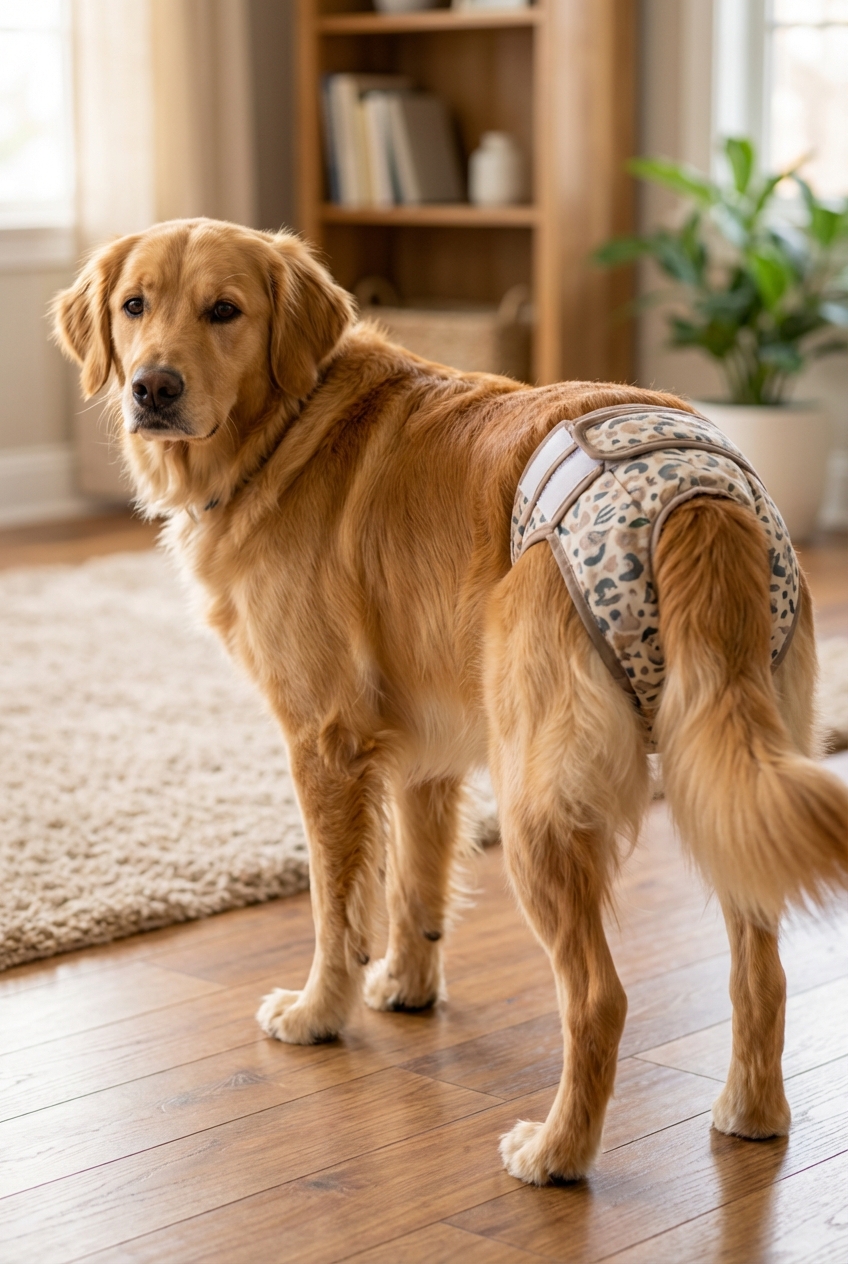
What normal discharge can look like
Normal heat bleeding and discharge often looks like this:
- Small spots on bedding or floors, or blood only noticed when she licks
- Color shifts from bright red to darker red, then to pink or watery discharge
- Gradual decrease over time, even if it does not stop on an exact schedule
- No signs of illness like fever, vomiting, collapse, or severe lethargy
Every dog is a little different. Small breeds sometimes cycle more frequently, and young dogs in their first heat can be less predictable.
What affects bleeding length
- Age: First and second heats can be irregular.
- Breed and size: Cycle lengths vary across breeds, and individuals vary even within a breed.
- Overall health and stress: Stress and illness can sometimes disrupt hormone patterns.
- Medications: Some drugs, especially hormone-related products, can affect cycling. Always tell your vet what she takes.
- Underlying reproductive issues: Infections, cysts, or uterine disease can change discharge amount or timing.
When it is not normal
Contact your veterinarian promptly if you notice any of the following:
- Heavy bleeding that drips continuously, soaks through diapers quickly, or worsens sharply
- Discharge that persists beyond what is typical for your dog, especially if it is getting heavier instead of lighter
- Foul odor from the discharge
- Thick yellow, green, gray, or pus-like discharge
- Vomiting, diarrhea, fever, lethargy, weakness, not eating
- Swollen belly or obvious pain
- Bleeding at an unusual time, such as weeks after heat ends, or in a spayed female
One condition we take very seriously is pyometra, a uterine infection that most often develops during diestrus, typically about 2 to 8 weeks after heat. Some dogs have discharge, and some do not (called a “closed” pyometra). Either way, it can become life-threatening quickly, so do not wait if your dog seems unwell.
Home care
1) Prevent pregnancy
Even excellent fences and “just for a minute” bathroom breaks can lead to accidental breeding. Male dogs can climb, dig, and push through doors when a female is in heat.
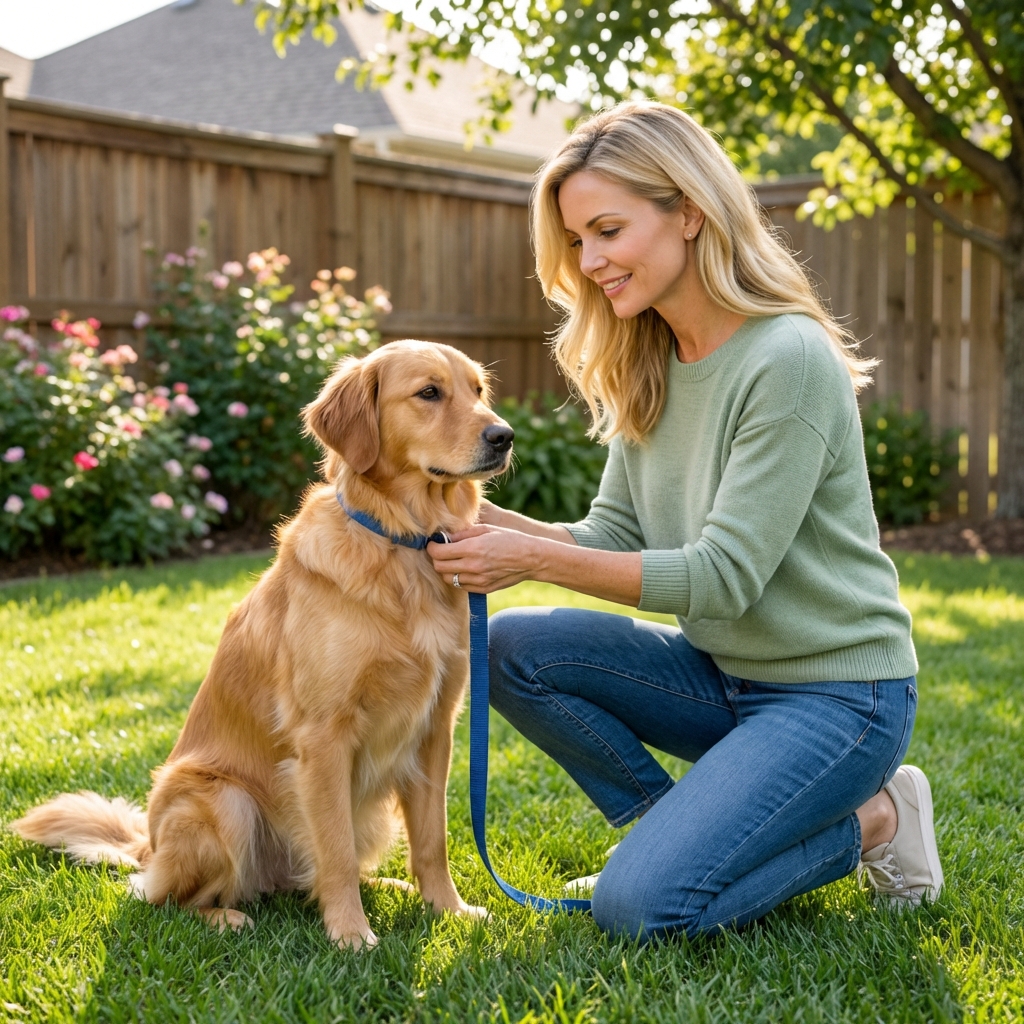
- Supervise all potty breaks, on leash.
- Keep her indoors as much as possible.
- No dog parks and no off-leash play.
- Separate from intact males in the home with multiple barriers if possible.
2) Use heat diapers safely
Diapers can protect your floors and furniture, but they can also trap moisture.
- Change diapers often to prevent skin irritation.
- Wipe the area gently with a pet-safe wipe and pat dry.
- Let her go diaper-free for short supervised breaks to let skin breathe.
- Make sure she can urinate and poop comfortably. Remove the diaper for potty breaks if needed, and check the fit so it does not rub.
- Never use a diaper as “birth control.” Dogs can still mate in a diaper.
3) Protect bedding and floors
- Use washable blankets or towels on favorite spots.
- Consider a crate pad with a removable cover.
- Enzymatic cleaner helps with lingering odor that may attract male dogs.
4) Support her comfort
Some dogs feel extra needy, others want space. Offer calm enrichment like food puzzles, short leash walks away from other dogs, and a quiet resting area.
FAQ
Can a dog be in heat without bleeding?
Yes. Some dogs have very little visible blood, especially if they are fastidious groomers. You may only see swelling and behavioral changes. Some dogs also have very subtle or “silent” heats.
Why did the discharge turn pink or clear?
That shift is common as she moves from proestrus into estrus. Pregnancy risk is often highest when the discharge is lighter, so do not relax your precautions.
How often will she go into heat?
Many dogs cycle about every 6 months, but it can range from every 4 to 12 months depending on the dog and breed.
My dog is spayed but she is bleeding. What does that mean?
Bleeding in a spayed female is not considered normal. Causes can include urinary tract issues, vaginal injury, or a rare condition called ovarian remnant syndrome. Please book a veterinary exam.
Call your vet
If you are unsure, it is always okay to call. In clinic, we would rather answer a “maybe” question early than see a dog later when she is very sick.
Same-day or emergency
- Weakness, collapse, pale gums, or trouble breathing
- Repeated vomiting, severe lethargy, or a painful, swollen belly
- Foul-smelling discharge or pus-like discharge
- Concern for pyometra, especially 2 to 8 weeks after heat
Schedule an exam soon
- Bleeding that seems to last longer than usual for your dog, or does not gradually improve
- Bleeding that is heavier than you would expect for heat
- You suspect she may have mated
Spaying note
Spaying prevents heat cycles and eliminates the risk of pyometra. Spaying before the first or second heat is associated with the greatest reduction in mammary tumor risk, though exact risk varies by dog. The best timing can depend on your dog’s breed, size, and health. If you are on the fence, ask your veterinarian to help you weigh the pros and cons for your specific dog.
You are doing the right thing by paying attention. A little planning during heat goes a long way toward keeping your dog comfortable and safe.