Hands-off slow cooker dog food for busy owners: 3 easy recipes (chicken/rice, turkey/sweet potato, beef/pumpkin) plus calcium guidance, safe ingredients, por...
Article
•
Designer Mixes
How Long Dogs Stay in Heat and Care Tips

Shari Shidate
Designer Mixes contributor
As a veterinary assistant here in Frisco, Texas, I hear the same worried question every week: “How long is my dog going to be in heat?” The good news is that a heat cycle is predictable once you know the stages. And with a few smart routines, you can keep your girl comfortable and prevent an accidental pregnancy.
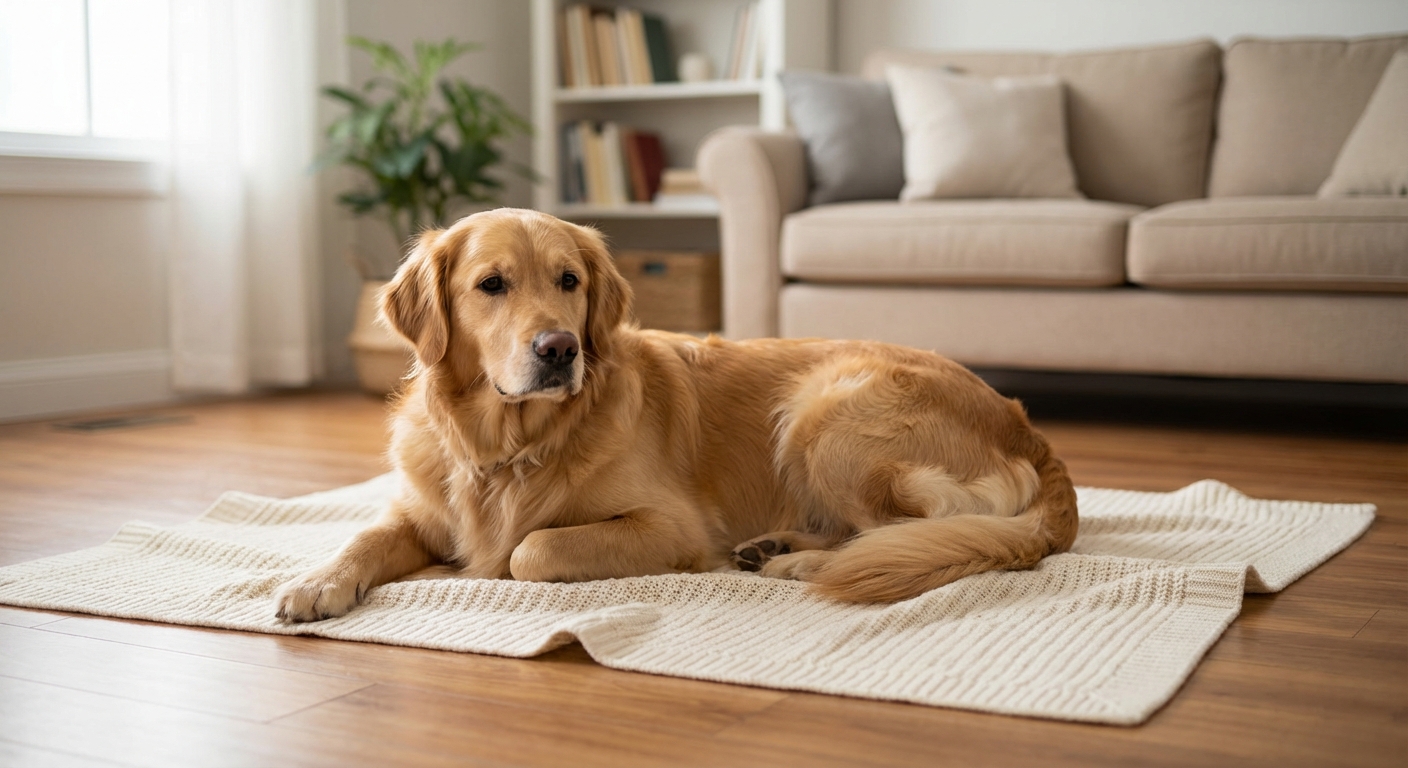
How long does a dog stay in heat?
Most dogs are “in heat” for about 2 to 3 weeks, and some can go up to 4 weeks. That window can vary with age, breed, and individual hormones. Smaller dogs may cycle a bit more often, and large and giant breeds often have longer gaps between cycles. Young dogs can also be a little irregular for the first few heats.
To make this easier to understand, it helps to think of “heat” as a sequence of stages (the estrous cycle), not one single day.
The stages of a heat cycle
1) Proestrus (about 7 to 10 days)
- What you see: swollen vulva, bloody or pink discharge, more licking, clingy or moody behavior. Some dogs show very little visible bleeding (especially if they groom themselves often), so swelling and behavior changes matter too.
- What it means: males are very interested, but most females will not allow mating yet.
2) Estrus (about 5 to 10 days, sometimes longer)
- What you see: discharge often becomes lighter (pink, watery, straw-colored), “flagging” (holding the tail to the side), and she may stand to allow mating.
- What it means: this is the fertile window. Pregnancy can happen quickly.
3) Diestrus (about 2 months, whether pregnant or not)
- What you see: discharge stops, vulva returns toward normal size, behavior settles.
- What it means: hormones remain elevated whether or not she is pregnant. This is why false pregnancy can occur.
4) Anestrus (months between cycles)
- What you see: no heat signs.
- What it means: the body is resting until the next cycle.
Typical frequency: Many dogs cycle about every 6 months, but it can range from about every 4 to 12 months depending on the dog (and some large breeds trend toward longer intervals).
When is pregnancy most likely?
The highest pregnancy risk is usually during estrus, often around days 9 to 14 from the start of bleeding, but there is a wide normal range. Some dogs ovulate earlier or later, and sperm can survive in the reproductive tract for several days.
Important note: Discharge is not a perfect fertility indicator. Some dogs have minimal visible discharge, and for others the bleeding may stop before the fertile window is fully over.
Practical rule: If you are preventing pregnancy, keep her strictly separated from intact males from the first sign of heat (bleeding, swelling, or classic behavior changes) until at least 3 weeks have passed. When in doubt, be conservative and ask your veterinarian.
If you are trying to plan breeding, your veterinarian can pinpoint timing much more accurately with progesterone testing and sometimes vaginal cytology.
Care tips that help
Keep her separated from intact males
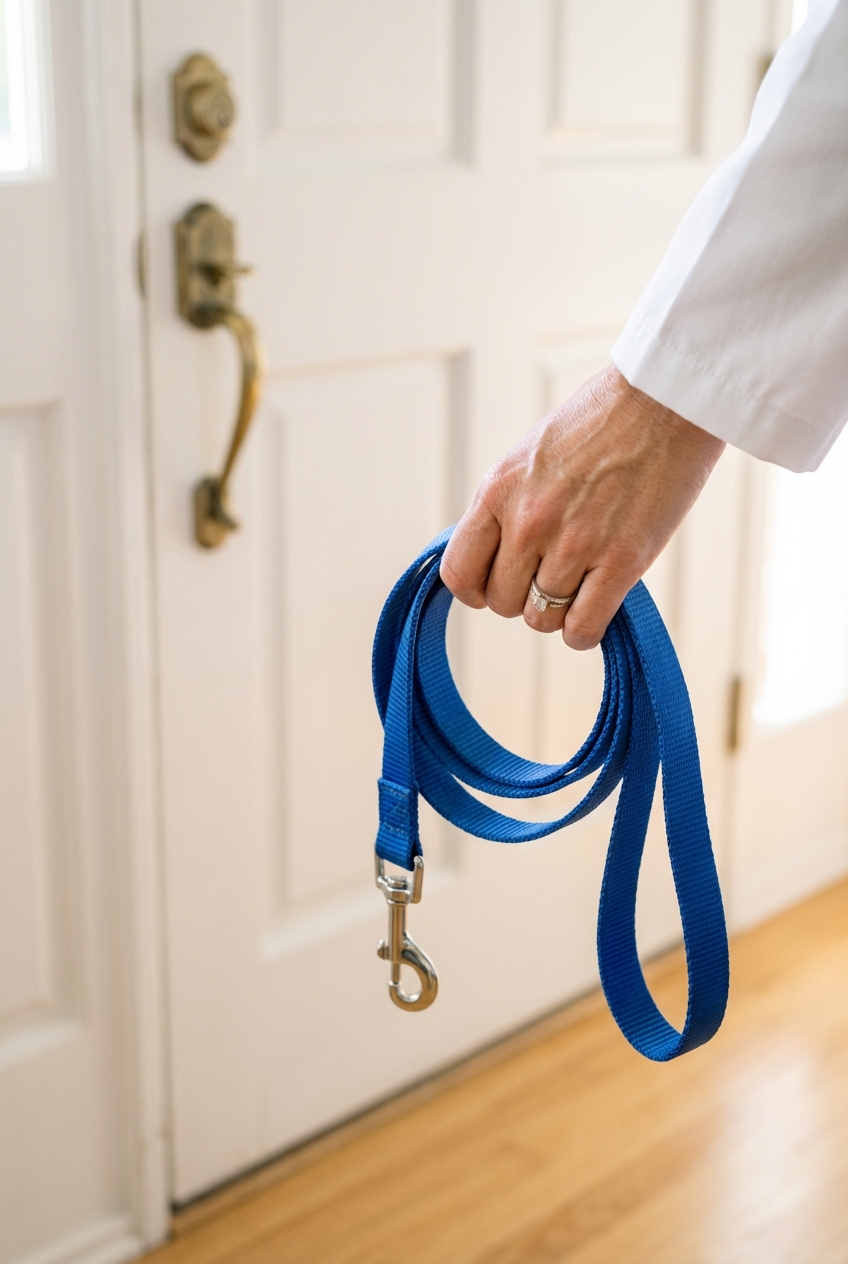
- No off-leash time during heat, even in a fenced yard. Determined males can climb, dig, or push through weak spots.
- Supervised potty breaks only, on leash.
- Secure entry points: gates latched, doors closed, and remind family members and visitors.
Use hygiene tools to protect your home
- Dog heat diapers can help manage discharge indoors. Change frequently to prevent moisture irritation.
- Baby wipes or a warm damp cloth can keep the area clean. Avoid scented products.
- Wash bedding more often and offer a dedicated washable blanket.
Support comfort and calm routines
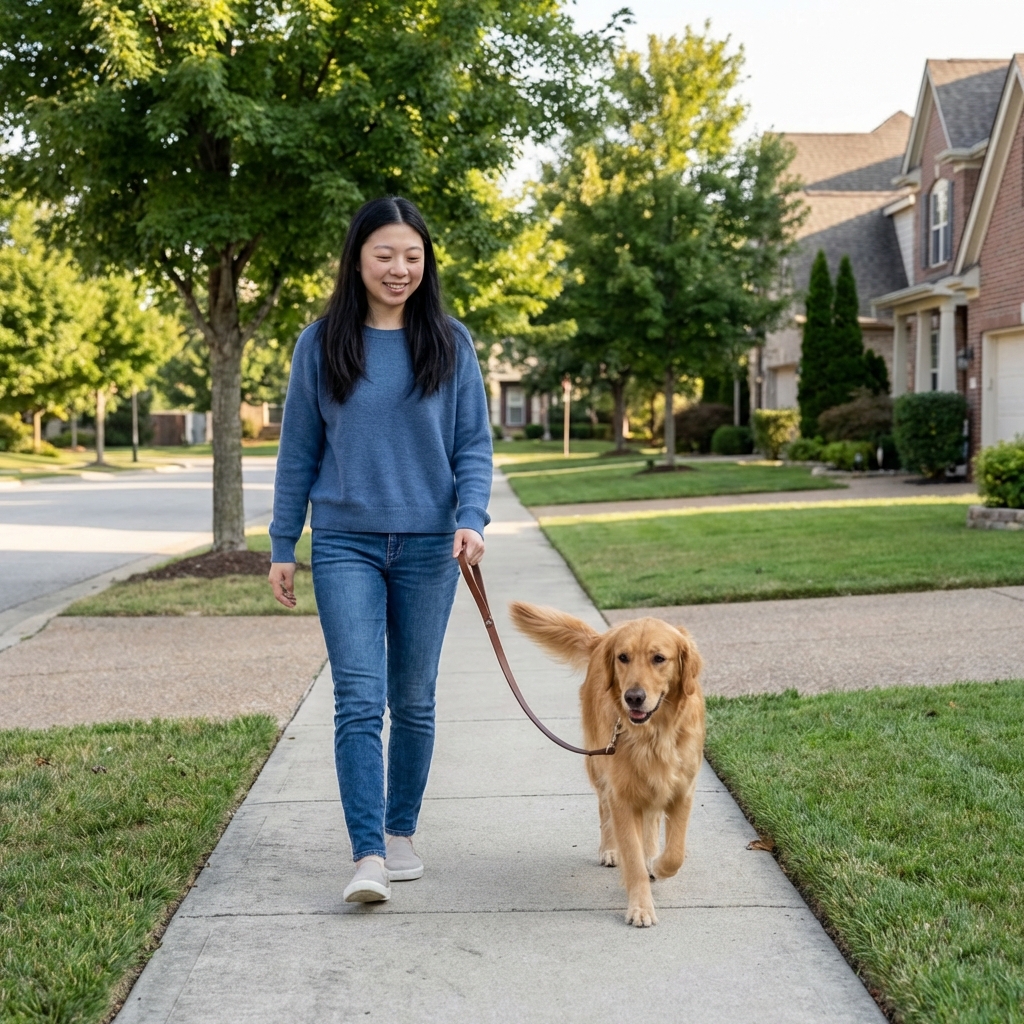
- Gentle exercise is fine, but many dogs do best with shorter, quieter walks.
- Enrichment indoors: food puzzles, sniffing games, basic training refreshers.
- Expect behavior shifts: restlessness, attention-seeking, or mild irritability can be normal.
Watch appetite and digestion
Some dogs eat less during heat, while others eat more. Keep meals consistent and offer fresh water. Call your vet if she refuses food for 24 hours, or sooner if she is a small dog, very young, has other health issues, or has vomiting or diarrhea.
What is normal vs. not
Often normal
- Bloody discharge that gradually lightens
- Swelling of the vulva
- Increased licking
- Clingy behavior or restlessness
Call your veterinarian promptly
- Heavy bleeding (soaking through diapers quickly) or bleeding that seems excessive for your dog
- Foul-smelling discharge
- Lethargy, fever, vomiting, not eating
- Increased thirst and urination with illness signs
- Swollen belly or pain
One condition we take very seriously after heat is pyometra, a uterine infection most common in unspayed females. It often shows up weeks after a heat cycle during diestrus, and it can be life-threatening. Some dogs have obvious discharge, but closed pyometra may have little to no discharge at all. If your dog seems “off,” trust your instincts and call your vet.
Bathing, grooming, and outings
- Bathing: A gentle bath is usually fine if your dog tolerates it. Skip harsh shampoos and keep the area thoroughly dry.
- Grooming appointments: Many groomers and daycares do not accept dogs in heat, and it is often safer to reschedule.
- Dog parks and group play: Avoid during heat. It can be stressful for your dog and may trigger conflict between males.
How do I know it is over?
Most owners notice that discharge stops, vulvar swelling decreases, and behavior settles back toward normal. Even so, I still recommend keeping your dog separated from intact males for the full safety window mentioned above, since timing varies and discharge is not always a reliable marker.
Spaying and timing
Spaying prevents heat cycles and accidental litters, and it also reduces the risk of serious reproductive disease. The best timing depends on your dog’s breed, size, health history, and your veterinarian’s guidance.
If your dog is currently in heat, many clinics prefer to wait until she is out of heat for surgery because tissues can be more vascular during this time. Your vet can help you pick the safest window.
Quick checklist
- Leash-only potty breaks and no unsupervised yard time
- Heat diapers indoors with frequent changes
- Extra enrichment and a predictable routine
- Track start date, discharge changes, and behavior
- Call your vet for foul odor, heavy bleeding, or any signs of illness
If you are unsure what stage your dog is in, jot down the first day you saw signs (bleeding, swelling, or behavior shifts) and any changes you notice. That timeline is incredibly helpful for your veterinarian, and it helps you make safer day-to-day decisions at home.