
How Long Does It Take a Dog to Digest Food?

If you have ever watched your dog eat and then wondered when that meal will be fully processed, you are not alone. As a veterinary assistant here in Frisco, Texas, I hear this question most often after an owner notices belly gurgling, constipation, or vomiting that looks like undigested food.
In many healthy dogs, the time from eating to pooping is often around 12 to 24 hours, but there is a wide normal range. Some dogs move food through faster (sometimes closer to 8 to 10 hours) and others take longer depending on your dog’s size, age, activity level, health conditions, and what they ate.
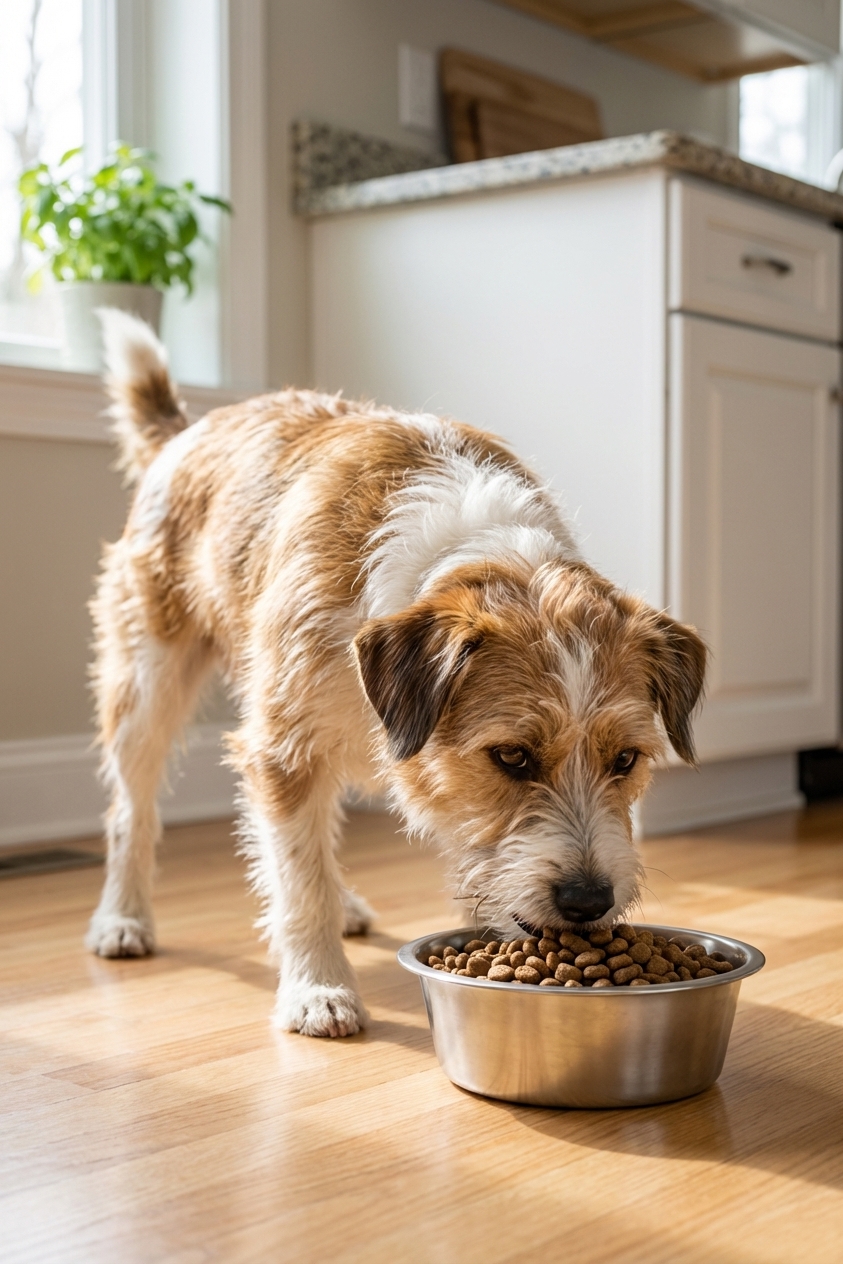
The digestion timeline
Digestion is not one single event. It is a relay race through multiple organs, and each step can speed up or slow down. The times below are rough guideposts, not a schedule you can set a clock by.
Typical timeline
- 0 to 5 minutes: Chewing and swallowing. Dogs do some mechanical breakdown with their teeth, but they do not chew as thoroughly as people.
- Minutes to a few hours: Food enters the stomach and mixes with acid and enzymes. This is where proteins begin to break down.
- A few hours onward: The stomach gradually empties into the small intestine. This can be faster or slower depending on meal size, fat content, and the individual dog.
- Several hours: Small intestine digestion and nutrient absorption. This is the “main event” for calories and vitamins.
- Up to a day (sometimes longer): Large intestine (colon) absorbs water and forms stool.
- Total gut transit: Many dogs pass stool from a meal in 12 to 24 hours. Some dogs can be quicker (around 8 to 10 hours), and some can be slower and still be normal if they are comfortable and otherwise well.
Important nuance: “Digestion” (breaking food down and absorbing nutrients) often happens well before “elimination” (pooping). Your dog may absorb much of the meal long before you see a bowel movement.
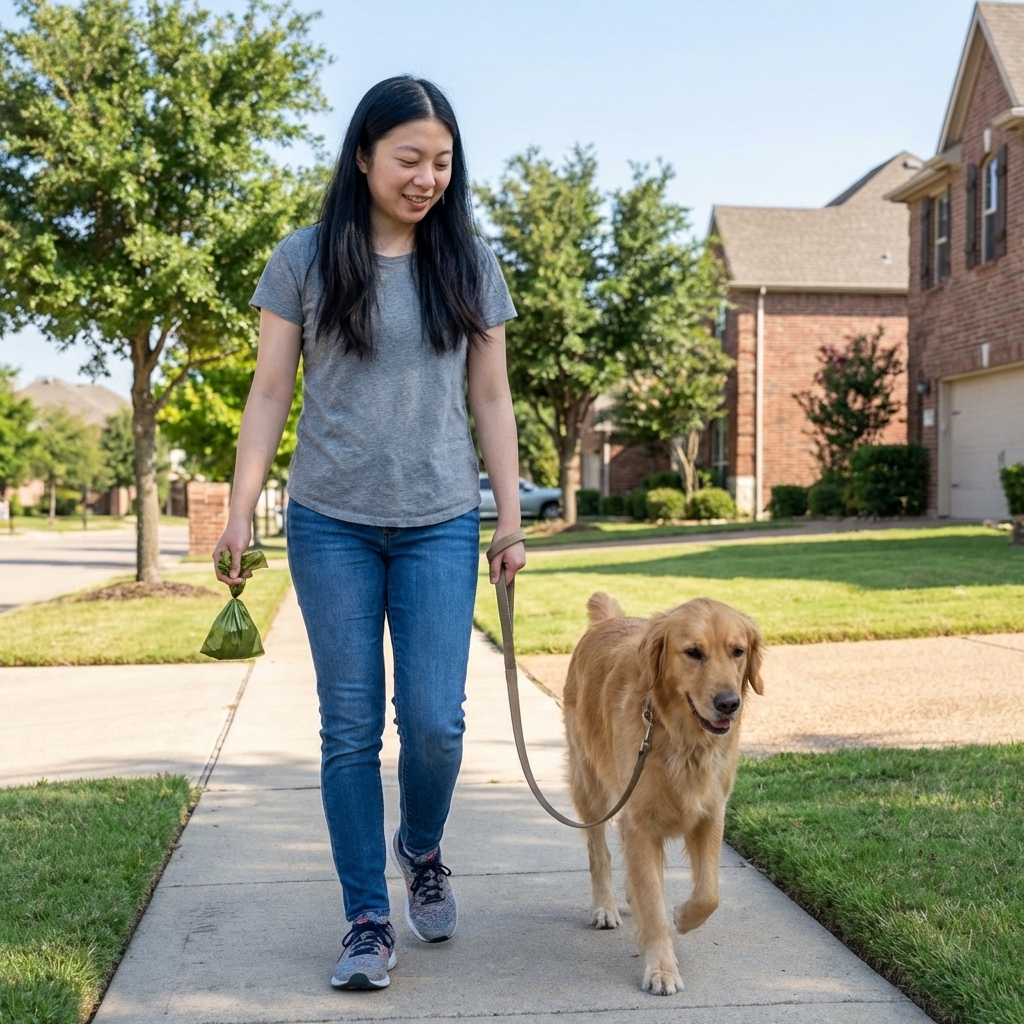
Quick summary
- Mouth: seconds to minutes
- Stomach: roughly a few hours (varies by meal and dog)
- Small intestine: several hours (varies widely)
- Large intestine: commonly many hours, sometimes up to a day or more
- Total (eat to poop): often 12 to 24 hours, sometimes faster or slower
Also normal: Poop frequency varies. Some healthy dogs go 1 to 3 times per day, and stool volume can change a lot with diet and fiber.
What affects digestion speed?
1) Size and breed
As a general trend, small dogs often move food through faster than very large dogs, but there is plenty of individual variation. Giant breed dogs can be more prone to slower gut motility and gas. Brachycephalic breeds (like Bulldogs and Pugs) may swallow more air while eating quickly, which can make post-meal bloating and burping more noticeable even when the food is moving normally.
2) Age
Puppies tend to have less predictable stools and may poop more often. Senior dogs may experience slower motility, especially if they are less active or have chronic conditions.
3) Exercise, stress, and routine
Movement helps the gut move. A calm dog with regular walks often has more regular bowel movements. Stress can go either way: some dogs get diarrhea, while others become constipated.
4) Health conditions and medications
- Parasites, infections, food intolerance: can speed transit and cause loose stool.
- Dehydration, pain, arthritis (less movement): can slow transit and cause constipation.
- Some medications: can cause constipation or diarrhea as side effects.
One more common wildcard: treats, table scraps, sudden diet changes, and even recent deworming or parasite preventives (especially in puppies) can temporarily change stool timing and consistency.
Does wet food digest faster than dry?
Sometimes, but it depends. Here is the practical way to think about it:
- Wet food contains more moisture, which can support hydration and softer stool. For some dogs, that makes bowel movements easier and more comfortable.
- Dry kibble varies widely. Some formulas are very digestible, while others contain fibers or ingredients that increase stool volume or gas in sensitive dogs.
What matters most is digestibility and tolerance for your individual dog. A food can be “high quality” and still not agree with your dog’s gut.
Signs digestion may be slow
Slower digestion can be mild and temporary, or it can be a clue that something bigger is going on.
Common signs
- Bloating or a firm belly
- Constipation (small, hard stools or straining)
- Decreased appetite or acting off after meals
- Excessive gas and loud stomach noises
- Vomiting, especially several hours after eating
Vomiting undigested food
If your dog vomits food that looks barely digested, timing can offer clues, but it is not diagnostic by itself:
- Within 30 minutes: can be regurgitation (esophagus) or eating too fast.
- 1 to 4 hours after eating: can suggest stomach irritation, overeating, or sensitivity.
- 6+ hours after eating: can happen with delayed stomach emptying or significant GI upset. It can also occur with more serious problems like obstruction, especially if it is repeating or your dog is worsening.
If this happens repeatedly, it is worth a veterinary visit. Bring details: when your dog ate, what they ate, when vomiting happened, and whether they can keep water down.
When to worry
This is the part I never want owners to ignore. Dogs love to eat socks, toys, corn cobs, rocks, and other things that do not belong in a stomach. A partial blockage can look like slow digestion at first.
Get urgent vet care
- Repeated vomiting or unable to keep water down
- Swollen, tense, painful abdomen
- Retching with little or no vomit (especially in deep-chested dogs)
- Sudden severe lethargy or collapse
- No stool plus vomiting and poor appetite
- Black, tarry stool or visible blood in stool
- Known foreign object ingestion (even if your dog seems okay)
Deep-chested breeds can be at risk for a life-threatening condition called bloat with volvulus (GDV), where the stomach fills with gas and can twist. If your dog has a distended belly and is unproductively retching, that is an emergency.
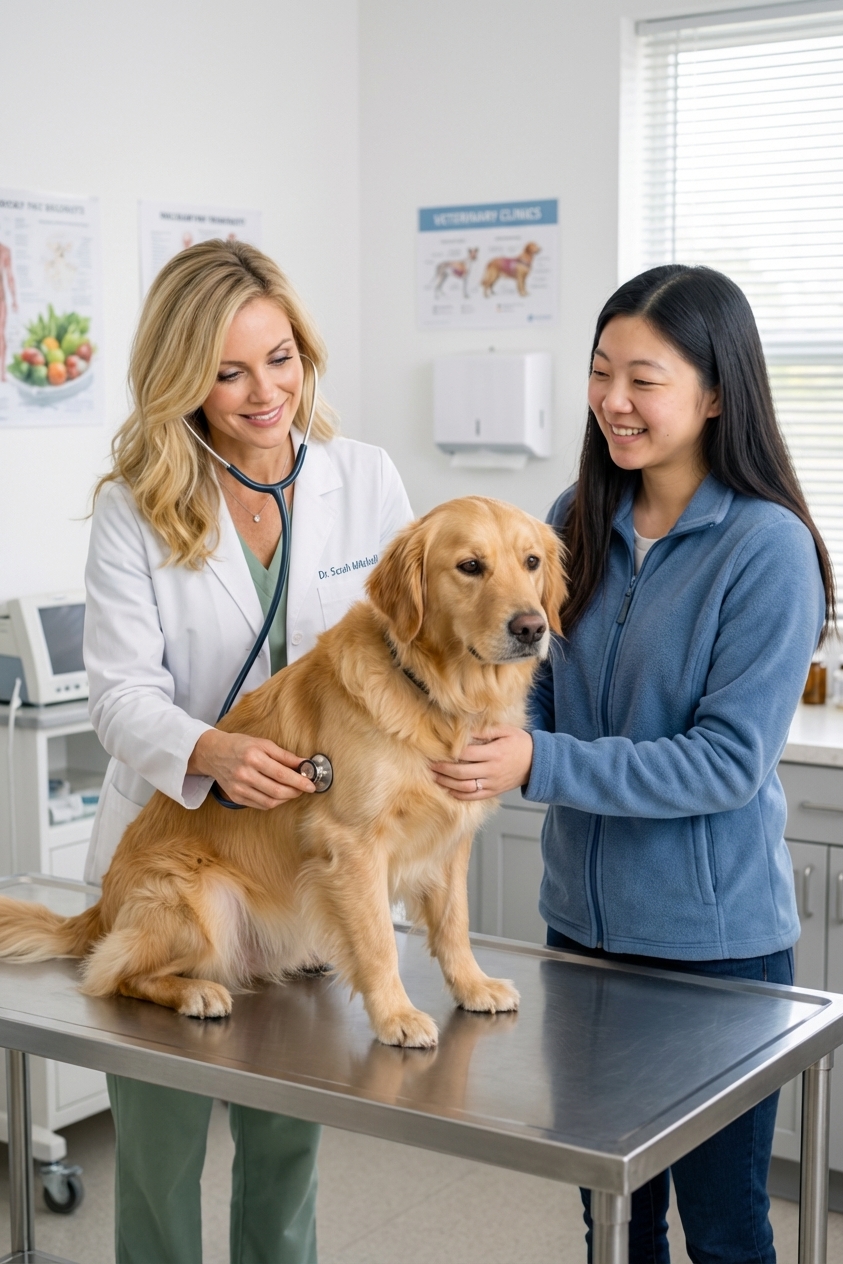
Support healthy digestion
If your dog is otherwise acting normal and your veterinarian has not identified an urgent problem, these basics often help keep digestion and stool timing more predictable.
- Keep feeding consistent: sudden diet changes are a classic trigger for diarrhea and vomiting.
- Transition foods slowly: over 7 to 10 days when possible.
- Encourage hydration: water supports normal stool formation.
- Use portion control: large meals can slow stomach emptying and increase gas.
- Consider slow-feeder bowls: less air swallowing, less gulping.
- Daily movement: gentle activity helps gut motility.
If you are changing your dog’s diet, go slow and watch the poop. Stool tells a very honest story about digestion.
Quick FAQ
How long after eating does a dog poop?
Many dogs poop within 30 minutes to a few hours after a meal because eating triggers the gastrocolic reflex. That bowel movement might reflect earlier meals, not the one they just ate.
Can a dog digest food in 4 hours?
They can begin digesting right away, and some stomach emptying may occur within a few hours, but complete transit to stool in 4 hours is less typical for adult dogs.
Is it normal for my dog to go 24 hours without pooping?
It can happen, especially with lower food intake or less fiber, and some dogs are simply once-a-day poopers. But if your dog is straining, uncomfortable, vomiting, or not acting like themselves, contact your veterinarian.