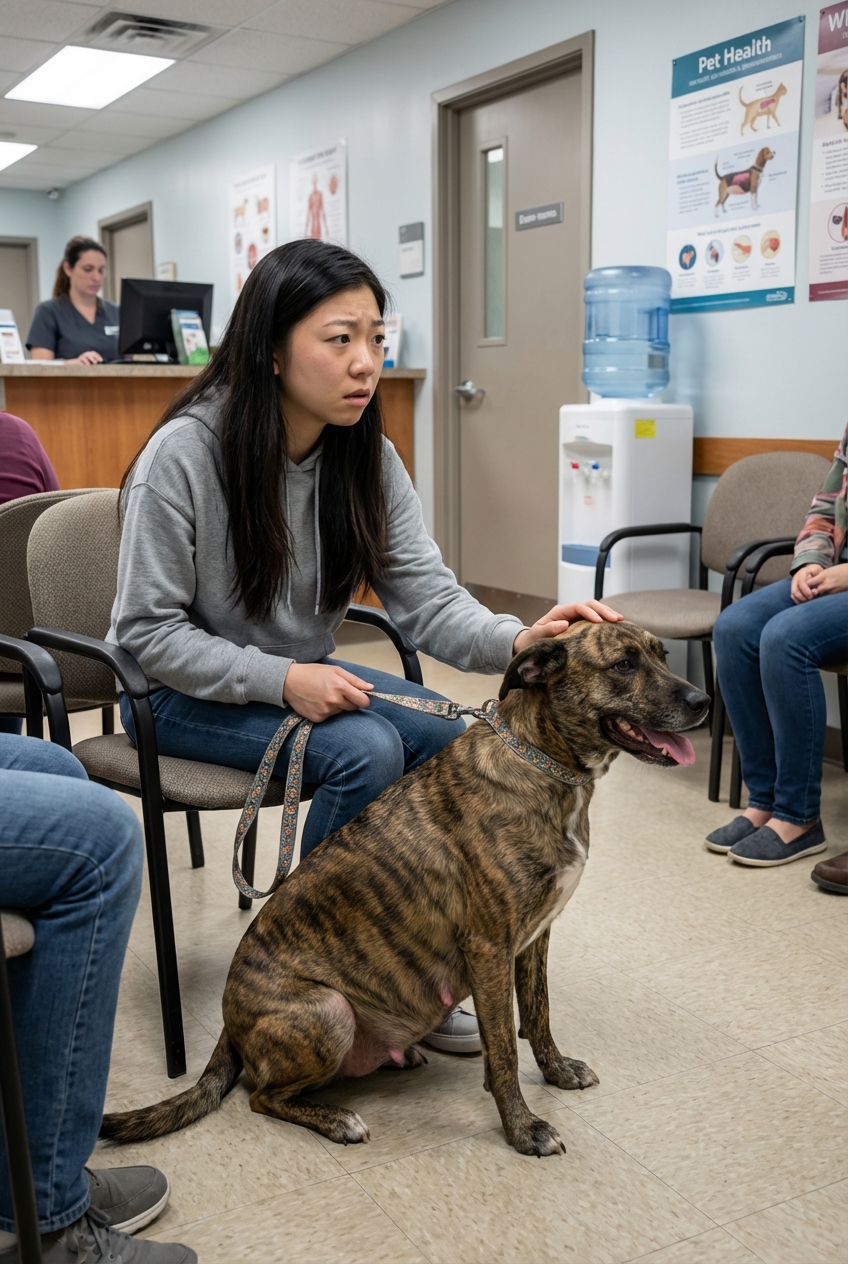
Know what to expect during your dog’s first heat: typical age and timing, the 4 stages, bleeding and behavior changes, how to prevent pregnancy, and red fl...
Article
•
Designer Mixes
How Long Does a Dog Have Her Period?

Shari Shidate
Designer Mixes contributor
If you have a female dog who is not spayed, at some point you will see signs of a heat cycle and it can look a lot like a “period.” It is completely normal to have questions, especially the first time it happens. As a veterinary assistant, I love helping pet parents understand what’s typical, what’s not, and how to keep everyone safe and comfortable.

Quick answer
Most dogs show heat signs for about 2 to 3 weeks, and some can be in heat closer to 4 weeks.
The red or bloody discharge many people think of as a “period” is most common in the first stage and often lasts around 7 to 10 days. After that, many dogs still have some discharge (often lighter, watery, or straw-colored) that can continue through the rest of the heat.
Because every dog is a little different, I like to think in ranges and patterns. What matters most is whether your dog’s heat looks similar from cycle to cycle and whether she seems comfortable and healthy.
When is the first heat?
Most female dogs have their first heat between about 6 to 15 months, but it can vary by breed and size.
- Small breeds often start earlier.
- Large and giant breeds often start later (sometimes closer to 18 months).
- Young dogs can be irregular for the first few cycles.
What “period” means in dogs
Dogs do not menstruate the way humans do. In people, the uterine lining is shed on a predictable monthly schedule. In dogs, the reproductive cycle is different and the bleeding you see during heat is tied to hormonal changes and the reproductive tract preparing for potential pregnancy.
That’s why you might hear veterinarians call it a heat cycle or estrous cycle, rather than a period.
Heat stages and timing
A heat cycle is usually described in four stages. Your dog’s outward signs can change as she moves through them.
Proestrus (commonly 7 to 10 days)
- Most noticeable sign: red, bloody, or pink discharge
- Vulva swelling
- Often increased interest from male dogs, but most females are not ready to mate yet
- Some dogs act clingier, others more restless
Estrus (commonly 5 to 10 days)
- Discharge often becomes lighter in color, sometimes watery or straw-colored (many owners still consider this “bleeding”)
- This is typically the fertile window
- Many females will “flag” their tail to the side and may seek males
Diestrus (about 2 months)
- Heat behaviors fade
- Hormones remain high for a while whether or not she is pregnant
- Some dogs can develop signs of a false pregnancy (nesting, mothering toys, mild mammary development)
Anestrus (months-long resting phase)
- No heat signs
- This is the recovery phase before the next cycle
How often do dogs go into heat?
Most dogs go into heat about every 6 months. However, it varies:
- Smaller dogs may cycle more often (sometimes every 4 to 6 months).
- Larger dogs may cycle less often (sometimes every 8 to 12 months).
- Young dogs may be irregular for the first few cycles.
What’s normal vs not
During early heat, light to moderate spotting is common. Many dogs keep themselves very clean, so you might only notice small drops or a little staining where she sleeps. It is also normal for discharge to change from red to pink to lighter and watery as heat progresses.
Usually normal
- Small to moderate amount of red discharge for about a week
- Discharge that gradually lightens and tapers over the next week or two
- Normal appetite and energy, or mild mood changes
Call your vet promptly if you notice
- Heavy bleeding (soaking through diapers quickly, puddles of blood, or bleeding that seems excessive)
- Discharge lasting longer than about 3 weeks or bleeding that stops and then returns in a concerning way
- Foul odor, pus-like discharge, or discharge that becomes thick and yellow-green
- Lethargy, fever, vomiting, diarrhea, not eating, or a painful belly
- Heat signs in a dog that was previously spayed
Go to urgent or emergency care now
- Collapse, severe weakness, or trouble breathing
- Pale gums
- Profuse bleeding that will not slow down
- Strong concern for pyometra symptoms (very unwell, feverish, painful abdomen, vomiting, marked lethargy)
One condition we take very seriously is pyometra (a uterine infection). It most commonly happens during diestrus, which is typically weeks after a heat, and it can become life-threatening fast. If your dog seems sick, please do not wait it out.
Care tips at home
Heat is manageable, but it takes a little planning. Here are the tips I give most often in clinic.
Keep her secure
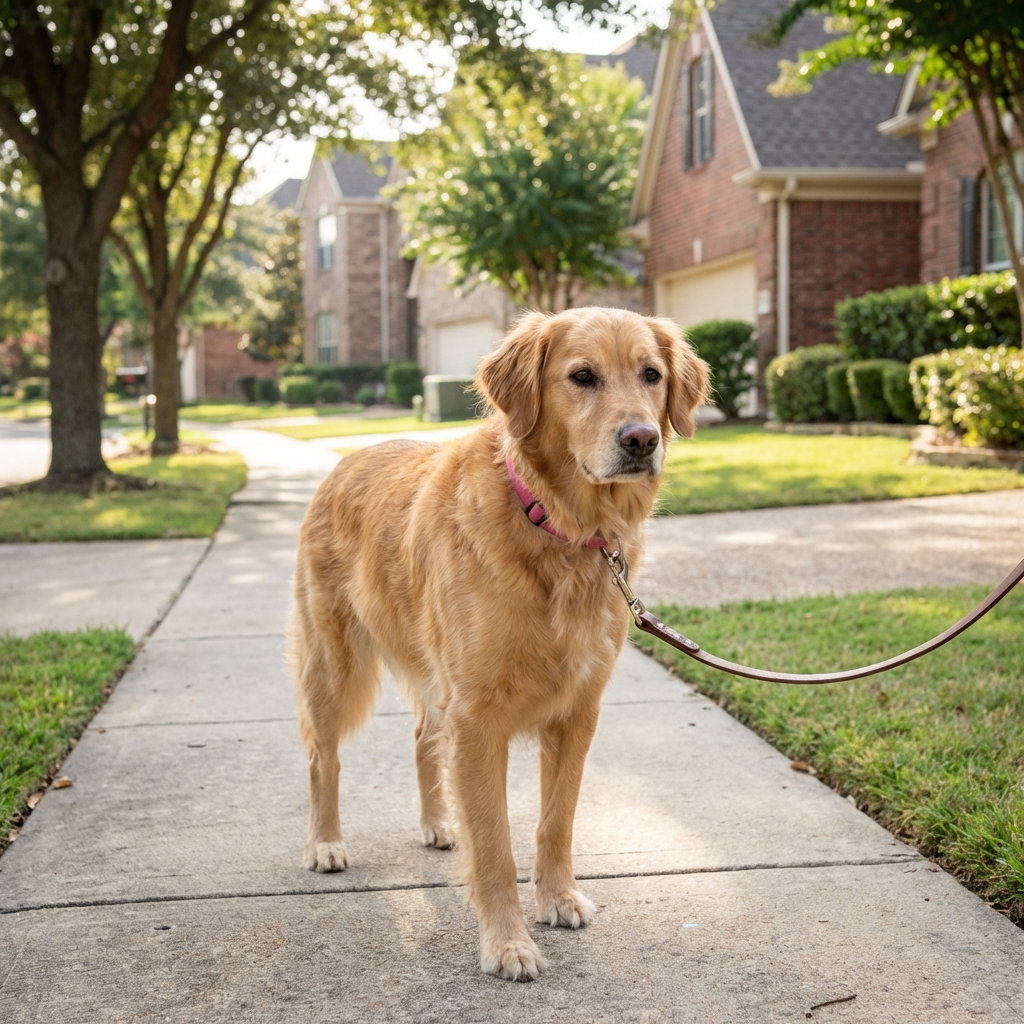
- Leash walks only. No dog parks and no off-leash time, even in fenced yards if male dogs can access the area.
- Supervise potty breaks. Males can surprise you with how determined they are.
- If you live with an intact male, plan for strict separation (closed doors, baby gates, crate-and-rotate, separate potty times). Door-dashing is a common way accidental breeding happens.
Manage mess comfortably
- Use washable bedding and clean blankets.
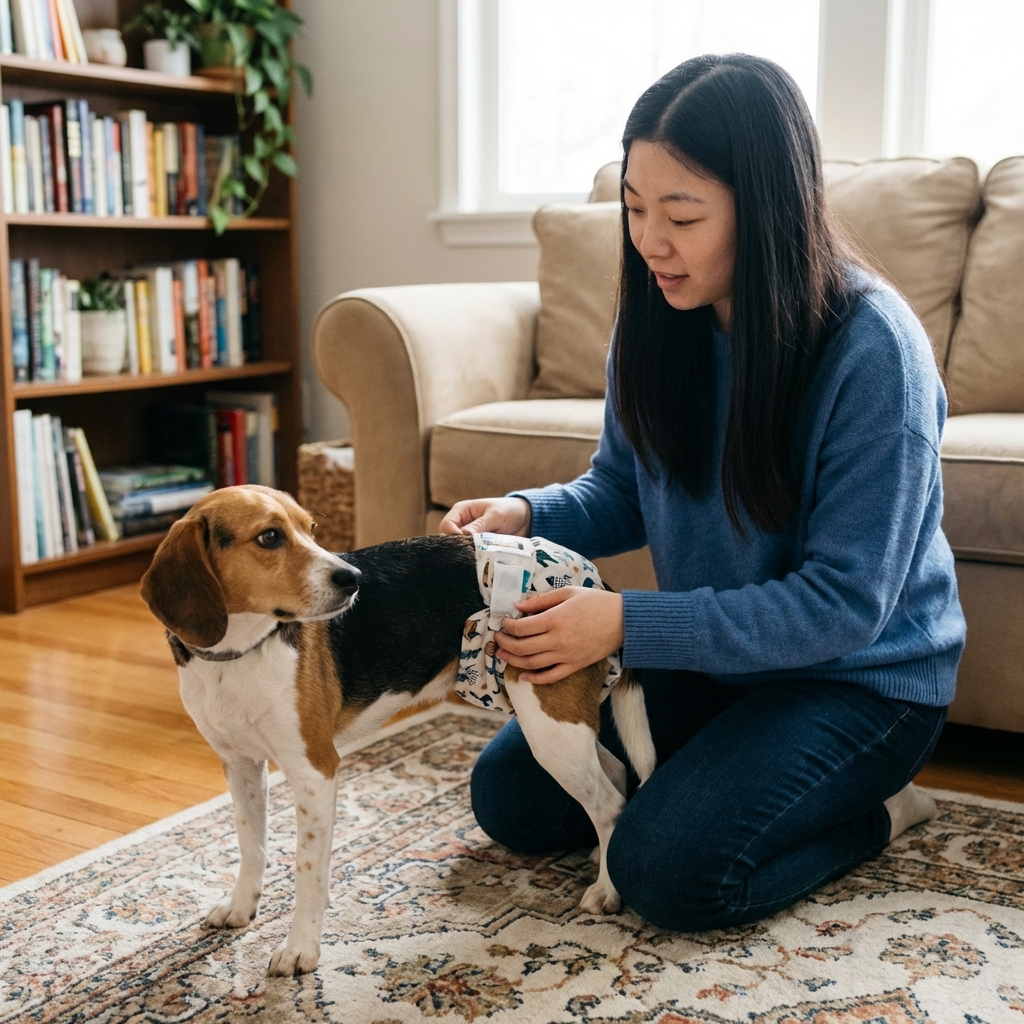
- Dog heat diapers can help, but change them often and check the skin so the area stays clean and dry.
- Do not leave a diaper on unsupervised for long stretches. Trapped moisture can lead to irritation.
- Wipe the vulva gently with a soft, damp cloth if she tolerates it.
Support her stress levels
- Offer calm enrichment: food puzzles, sniff walks, lick mats.
- Maintain routine as much as possible.
- Give her space if she seems grumpy or sensitive.
When can she get pregnant?
Pregnancy can happen during the estrus phase, which often starts after the first week of visible bleeding. The tricky part is that timing varies. Some dogs can be fertile while they are still bleeding, and others ovulate a bit earlier or later than expected.
If avoiding pregnancy is the goal, the safest approach is simple: assume she can become pregnant throughout heat and for about 1 to 2 weeks after bleeding begins, since the fertile window is not perfectly predictable at home.
If you suspect a mating occurred (or you saw a “tie”), call your veterinarian as soon as you can. There are time-sensitive options to discuss.
Spay timing
Spaying prevents heat cycles and, with a standard spay (ovariohysterectomy), it essentially eliminates the risk of pyometra. It also may reduce the risk of mammary tumors, especially when done before early or repeated heats, although the ideal timing can vary by breed and current research continues to evolve.
I also want to say this plainly: if you cannot spay right away because of cost, health concerns, or breeding plans, you are not alone. Your vet can help you make a safe plan in the meantime.
A great next step is a quick call to your veterinarian to talk through:
- Your dog’s age and breed
- How many heats she has had
- Whether you have intact males in the home or neighborhood
- Your goals for health and behavior
FAQ
How long does a dog bleed on her period?
Many dogs have red or bloody discharge for about 7 to 10 days. After that, the discharge often becomes lighter and watery and can continue through the rest of heat. Overall, visible heat signs often last about 2 to 3 weeks, sometimes closer to 4.
When do dogs get their first period?
Most dogs have their first heat between about 6 to 15 months, with small breeds often earlier and large breeds often later.
Can a dog be in heat and not bleed much?
Yes. Some dogs are very clean, and some naturally have minimal spotting. Swelling and behavior changes may be more noticeable than bleeding.
Why is my dog bleeding again two weeks later?
Sometimes discharge comes and goes a bit as hormones shift, but bleeding that returns or continues past about 3 weeks deserves a call to your vet to rule out infection or other issues.
Do dogs have cramps?
We cannot ask them directly, but some dogs act uncomfortable or more sensitive. If your dog seems painful, unusually lethargic, or stops eating, that is not something to ignore.
The takeaway
Most dogs show heat signs for about 2 to 3 weeks (sometimes up to 4). The red, period-like bleeding is often most noticeable for about a week, then many dogs continue with lighter discharge for the remainder of heat. Keep her safely supervised, manage hygiene gently, and call your veterinarian if anything feels off, especially heavy bleeding or signs of illness. You know your dog best, and it is always okay to check in when your instincts say something is not right.