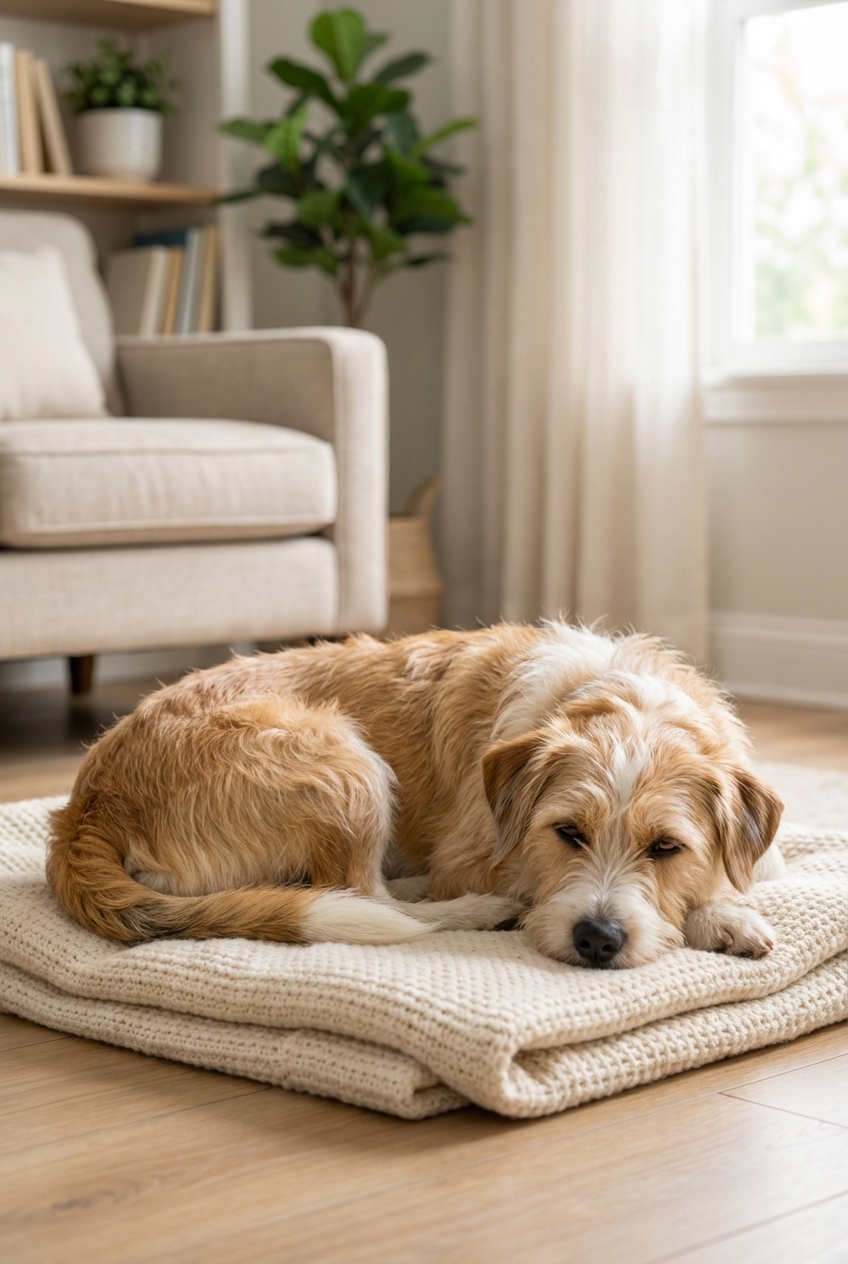
Find out how long dogs typically bleed in heat, what discharge changes are normal, how to prevent pregnancy and protect your home, and red flags like heavy b...
Article
•
Designer Mixes
How Long Does a Dog Bleed While in Heat?

Shari Shidate
Designer Mixes contributor
If you have a female dog who is not spayed, her first heat cycle can feel a little surprising. One of the most common questions I hear (and one I asked myself years ago) is: how long will she bleed? The good news is that in most healthy dogs, heat bleeding is normal, temporary, and manageable at home with a few simple tools and a watchful eye.
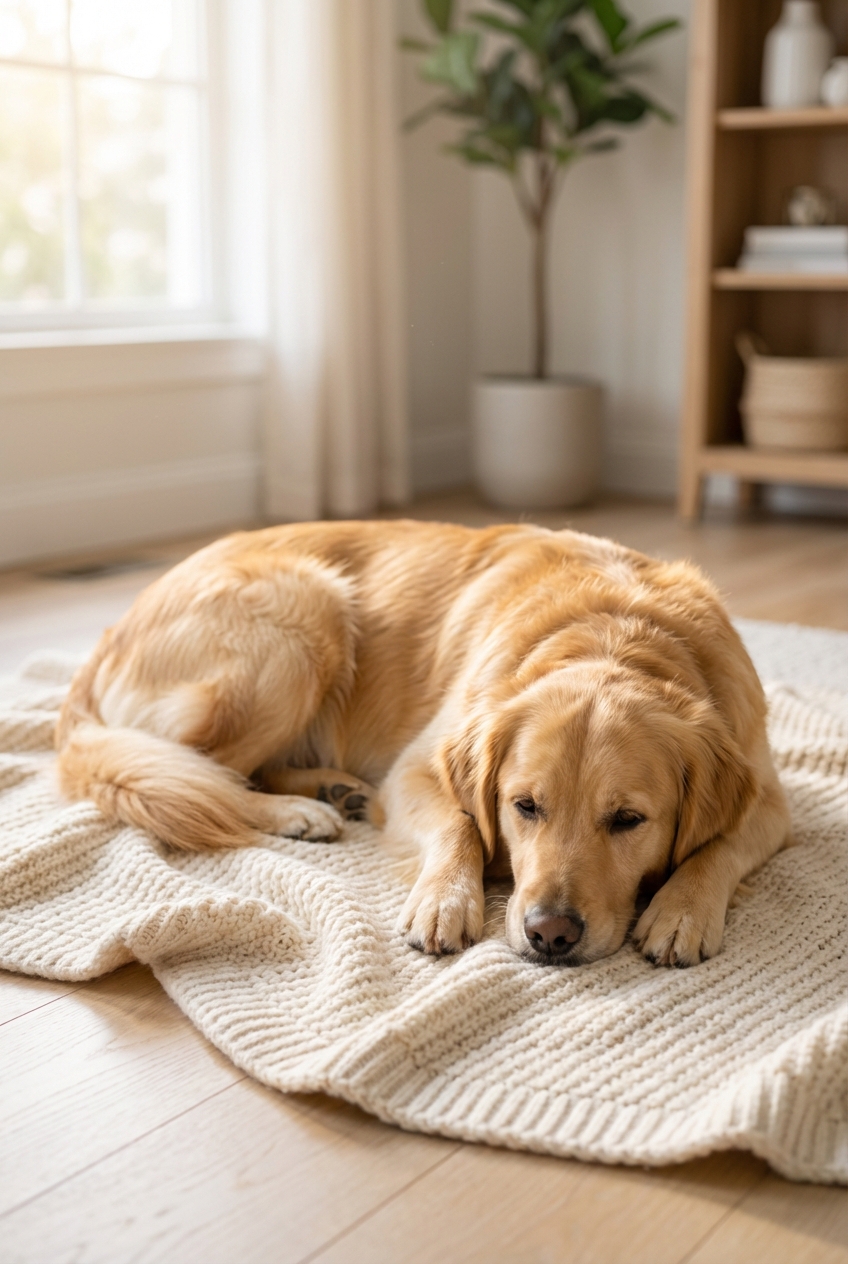
Below, I will walk you through what is normal, what is not, and how to keep your pup comfortable and safe during this time.
Quick answer: how long?
Most dogs have visible bloody discharge for about 7 to 10 days. A normal range for the bloody part of heat can be roughly 3 to 17 days, and some dogs continue to have lighter, non-bloody discharge for another week or so after that.
That timeline is influenced by your dog’s age, size, breed, individual hormones, and whether this is an early heat cycle (which can be irregular).
- Common: 7 to 10 days of bloody or blood-tinged discharge
- Also common: discharge that gradually lightens and turns watery or straw-colored as she moves into her fertile phase
- Worth a vet call: bleeding that stays bright red or heavy, does not trend lighter by around 2 weeks, stops and restarts repeatedly, or lasts longer than about 3 weeks
Important: Some dogs keep themselves very clean. So less visible blood does not always mean less going on.
What “heat” means
A dog’s heat cycle is called the estrous cycle. In plain language, proestrus is the early heat stage (when you usually see blood), and estrus is the fertile stage (when discharge often lightens).
Bleeding usually happens early in the cycle, and the discharge changes as hormones shift.
Stage 1: Proestrus (often 7 to 10 days)
This is when most owners first notice heat. You will often see:
- Swollen vulva
- Bloody discharge (light to moderate)
- Extra clingy behavior or restlessness (or sometimes more grouchy than usual)
- Male dogs suddenly very interested
Important: Most females are not receptive to mating yet in proestrus, even though male dogs are highly interested.
Stage 2: Estrus (often 5 to 10 days)
This is the fertile window. Discharge often decreases and may turn:
- Pink
- Watery
- Straw-colored
Many dogs will stand to be bred during this phase. This is why bleeding is not a reliable indicator of whether pregnancy is possible.
Stage 3: Diestrus (about 2 months)
Hormones shift again. Discharge typically stops. If your dog was bred, pregnancy continues. If not, her body still goes through hormone changes that can mimic pregnancy in some dogs.
Stage 4: Anestrus (months)
This is the resting stage before the next heat.
How much is normal?
Most dogs have spotting to light bleeding, not a constant flow like a human period. And again, some dogs lick and clean themselves so well that you may notice very little blood on the floor even if she is in heat.
Normal can look like:
- Small drops on the floor or bedding
- Blood-tinged mucus
- Heavier spotting for a couple of days, then gradual lightening
What affects timing
Age and first heat
Young dogs, especially during a first or second heat, may have more irregular timing. Some have shorter cycles, some have longer or lighter bleeding. Some young dogs also have a split heat, where they start to show signs, seem to stop, then restart weeks later. If you are unsure what you are seeing, your vet can help you interpret it.
Size and breed
Smaller dogs often cycle more frequently than large dogs, but bleeding length varies widely across individuals. Giant breeds may have later first heats and sometimes less frequent cycles.
Health and hormones
Thyroid disease, ovarian cysts, uterine issues, and other health conditions can affect discharge patterns. If anything seems “off” compared to your dog’s usual heat, it is worth a vet call.
When to call your vet
From my time working in a veterinary clinic, I always tell families: trust your instincts. If you are worried, call. These signs are especially important:
- Very heavy bleeding (soaking through diapers quickly or dripping continuously)
- Bleeding that stays bright red and does not begin tapering
- Bleeding that lasts longer than about 3 weeks, or bleeding that stops and restarts repeatedly
- Foul odor from discharge
- Pus-like discharge (yellow, green, thick, or creamy)
- Lethargy, vomiting, not eating, or acting ill
- Excessive thirst and urination
- Swollen belly or obvious pain
Emergency signs: weakness, collapse, very pale gums, or a sudden sharp increase in bleeding should be treated as urgent.
One condition we take very seriously is pyometra, a uterine infection that can happen in unspayed dogs. It is most commonly seen about 2 to 8 weeks after a heat, but it can occur outside that window too. It can be life-threatening and needs urgent veterinary care.
Home care
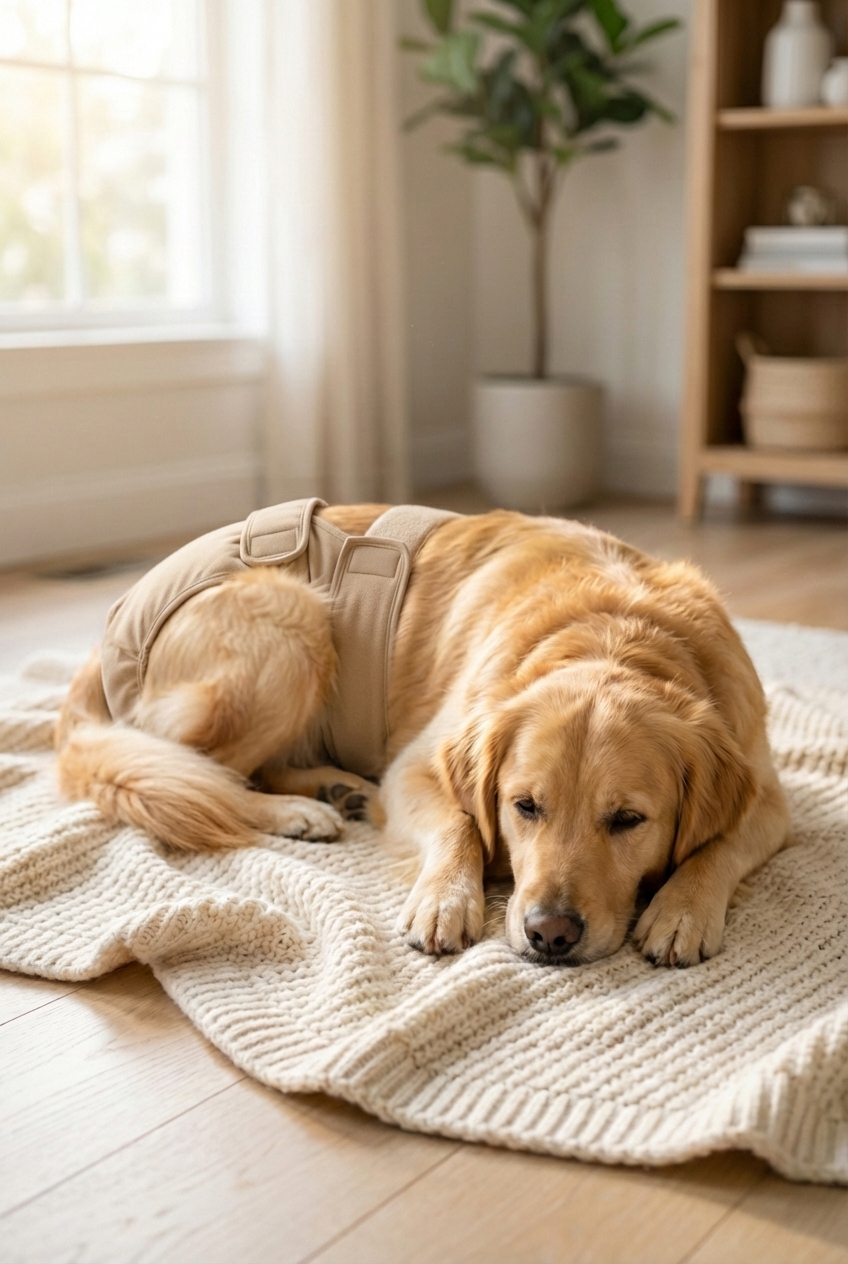
Use heat diapers
Reusable or disposable dog diapers can be a lifesaver. Make sure they fit snugly but do not rub. Change frequently to reduce skin irritation and odor.
Set up easy-clean areas
- Use washable blankets or towels on her favorite spots
- Limit access to carpeted rooms if you can
- Wipe her vulva gently with a warm, damp cloth if she will tolerate it
Avoid parks and group play
Even the sweetest male dog can become persistent around a female in heat. For safety and stress reduction, avoid off-leash areas.
Prevent pregnancy
This is a big one. A determined male can jump fences, push through doors, or dig under gates. Keep your dog:
- On leash for potty breaks
- Supervised outside at all times
- In a secure area away from intact males in the home
How long to separate: Plan to keep her separated from intact males for about 2 to 3 weeks from the first day you notice signs (often the first day you see blood). If you are unsure when it is “over,” ask your vet for guidance. It is much safer to separate a few extra days than to guess wrong.

Bathing during heat
In most cases, a gentle bath is fine if your dog tolerates it and you can keep her warm and comfortable afterward. Use a mild, dog-safe shampoo and avoid getting soap near the vulva.
If she seems stressed, a warm damp cloth wipe-down is a great alternative.
How often heat happens
Most dogs go into heat about every 6 months, but normal can range from every 4 to 12 months depending on the dog. Small breeds often cycle more frequently, and some large breeds cycle less frequently. Cycles can be irregular during the first year.
Spaying
If you are not planning to breed, spaying is the most reliable way to prevent heat cycles, bleeding, and the risk of pyometra. Spaying generally reduces the risk of mammary tumors, especially when performed before multiple heat cycles. The best timing can depend on breed and health, so it is a conversation to have with your veterinarian.
If your dog is currently in heat, most clinics will schedule surgery for a later date, once hormones and blood supply to the reproductive tract have settled down.
Bottom line
Most dogs have visible bloody discharge for about 7 to 10 days, with normal variation. Your job is to keep her clean, prevent pregnancy for the full heat window, and watch for red flags like heavy bleeding, foul discharge, or signs of illness.
If you tell your vet the start date of discharge, what the discharge looks like now (bright red vs light and watery), and whether it is trending lighter or heavier, you will help them guide you quickly.