Indoor cats often reach 12–18+ years, while free-roaming cats may average 2–5. Learn why outdoor life is riskier and how catios, harness walks, and preve...
Article
•
Designer Mixes
How Long Do Cats Live? Indoor vs Outdoor Lifespan Explained

Shari Shidate
Designer Mixes contributor
Starting with the big picture: most cats live longer indoors than outdoors. I tell pet parents to think of lifespan the same way we think about human health. It is not just about genetics. It is daily exposure, environment, stress levels, and access to preventive care that add up over time.
In this guide, we will walk through typical lifespan ranges for indoor and outdoor cats, why they differ, and what you can do to help your cat live a longer, healthier life.
Average cat lifespan: indoor vs outdoor
Lifespan varies by breed, health history, and lifestyle, but these ranges are often reported by veterinary and animal welfare organizations. Estimates also vary by region and by whether a cat is owned or unowned.
- Indoor-only cats: often live 12 to 18 years, and some reach their late teens or early 20s with good care.
- Owned cats with unsupervised outdoor access: often live shorter lives on average than indoor-only cats because they face more hazards and disease exposure.
- Free-roaming/unowned cats: are frequently cited as having much shorter average lifespans (often around 2 to 5 years ), largely due to injury, illness, and limited medical care.
- Indoor-outdoor cats (supervised or limited access): typically fall somewhere in between, depending on how much time they spend outside and the safety of the area.
These numbers can feel startling, especially if you grew up seeing cats roam freely. The difference is less about toughness and more about exposure. Outdoor life simply stacks the odds against them.
Why indoor cats tend to live longer
Indoor living reduces the most common preventable causes of early death in cats. Here are the big drivers:
Fewer traumatic injuries
Cars, fights with other animals, falls, and accidental poisoning are far more likely outdoors. Even in quiet neighborhoods, it only takes one unpredictable moment.
Lower infectious disease exposure
Outdoor cats have higher exposure to illnesses like feline leukemia virus (FeLV), feline immunodeficiency virus (FIV), upper respiratory infections, and parasites. Vaccination helps, but it does not eliminate risk, especially from bite wounds and close contact.
More stable nutrition and hydration
Indoor cats usually eat consistent, complete diets and have reliable access to clean water. Outdoor cats may scavenge, eat spoiled food, or ingest prey that carries parasites.
Better preventive care
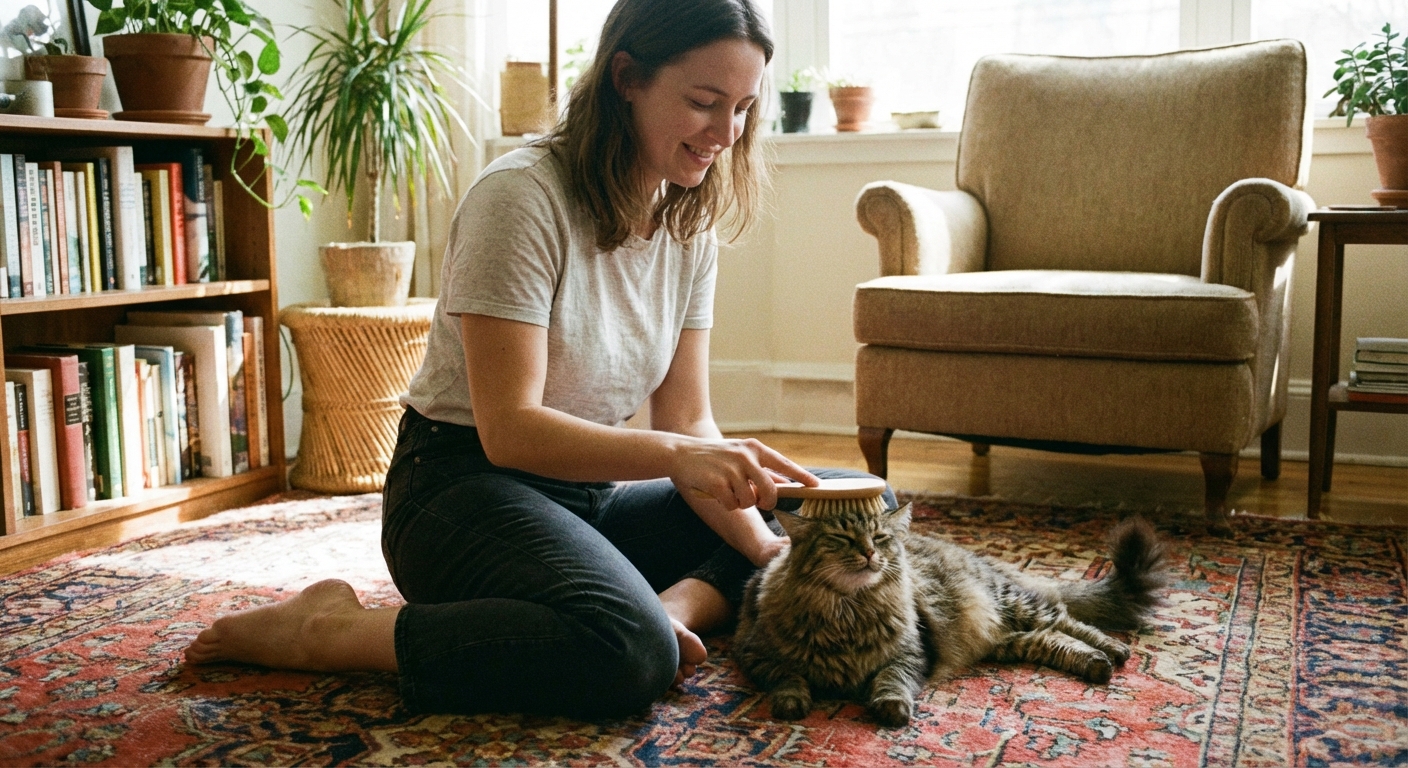
When a cat lives primarily indoors, it is easier for pet parents to notice subtle changes: slightly reduced appetite , hiding, limping, or increased thirst. Those early clues can lead to earlier treatment, which often improves both lifespan and quality of life.
Why outdoor cats face higher risk
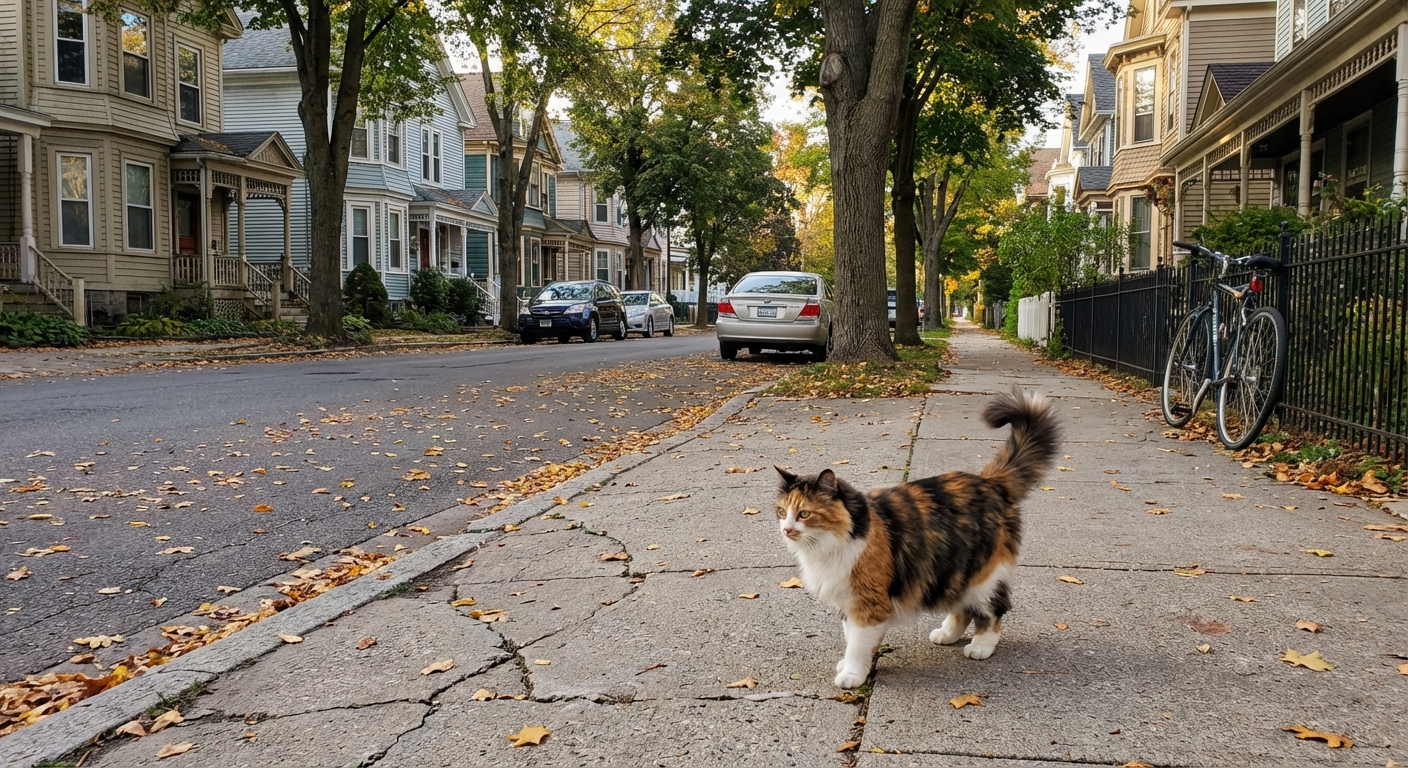
Outdoor time offers stimulation, but it also brings unavoidable hazards. The most common include:
- Traffic: one of the leading causes of sudden death for roaming cats.
- Predators and dogs: coyotes, foxes, large birds of prey in some areas, and loose dogs.
- Toxins: antifreeze, pesticides, rodenticides, toxic plants, and contaminated water sources.
- Extreme temperatures: heat stress, dehydration, hypothermia, frostbite .
- Human-related risks: getting trapped in sheds or garages, intentional harm, or accidental injury from tools and machinery.
- Parasites: fleas , ticks, intestinal worms, and ear mites.
Even if your cat is street-smart, many of these hazards are outside their control. That is the key point: outdoor life increases exposure to dangers that cannot be trained away.
Do indoor cats get bored?
A common concern I hear is, “I want my cat to be happy, not just safe.” That is a fair and loving thought. The good news is that indoor cats can thrive when their environment meets their needs.
Simple enrichment that helps
- Daily play: 10 to 15 minutes, 1 to 2 times per day, using wand toys or chase games.
- Climbing and perching: cat trees, shelves, or window perches for vertical space.
- Hunting opportunities: puzzle feeders or tossing kibble in a snuffle mat.
- Scratching stations: at least one vertical and one horizontal option.
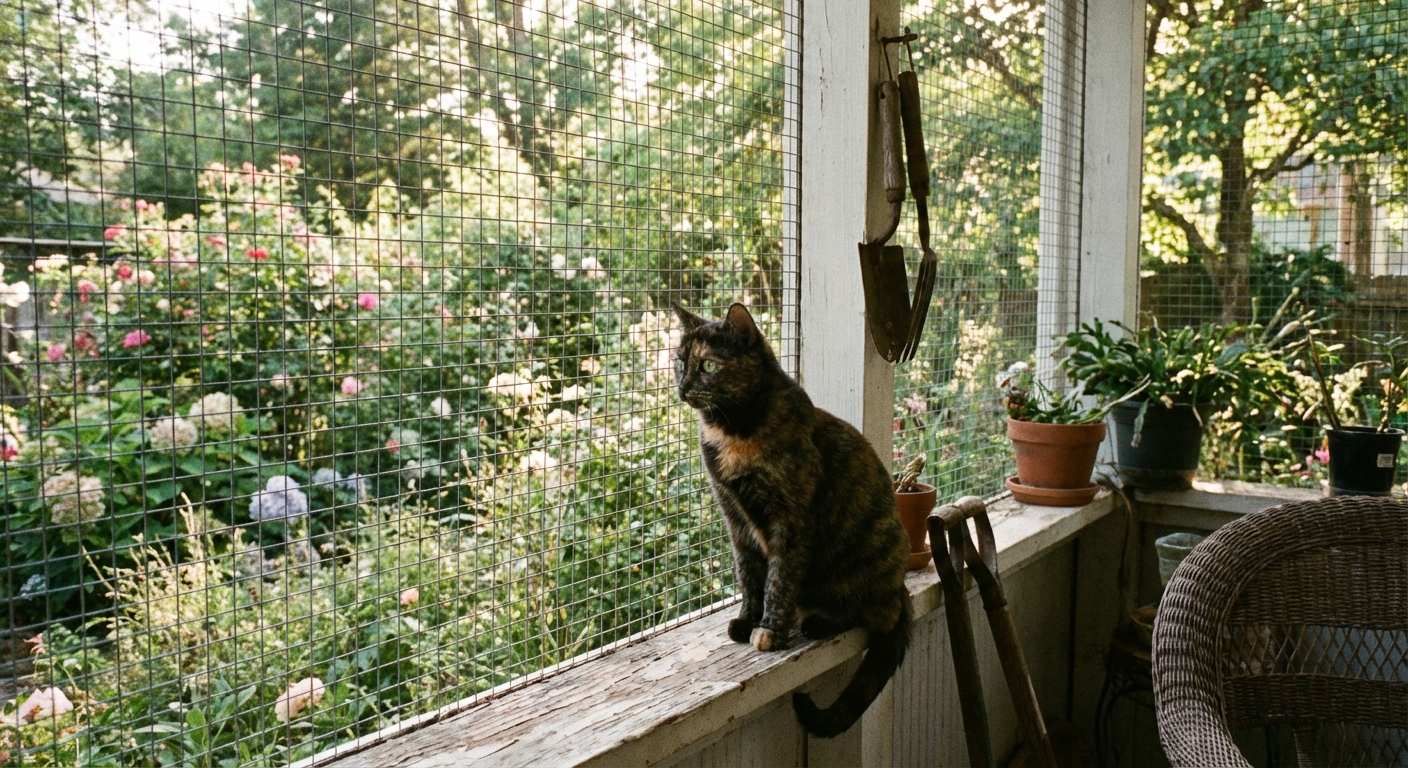
- Safer outdoor experiences: harness training or a secure catio can provide fresh air with far less risk.
If you want the benefits of outside time without the biggest dangers, think supervised and contained: a catio, screened porch, or leash walk.
What else affects lifespan?
Indoor versus outdoor is a major factor, but it is not the only one. Lifespan is shaped by a mix of biology and daily habits.
Spayed or neutered status
Spayed and neutered cats tend to live longer on average. They often roam less and fight less. Spaying also eliminates the risk of pyometra and can reduce mammary tumor risk when done early, while neutering eliminates testicular cancer risk.
Body weight and metabolic health
Excess weight increases the risk of diabetes, arthritis, urinary issues, and liver disease. Keeping your cat lean is one of the most powerful longevity tools you control.
Dental health
Dental disease is extremely common and may be associated with broader health issues through chronic inflammation. Regular dental checkups and at-home tooth care can add quality years for many cats.
Genetics and breed tendencies
Mixed-breed cats often do well, but any cat can develop chronic conditions. Certain purebred lines may be predisposed to heart disease, kidney disease, or other inherited issues.
Stress and home environment
Chronic stress can contribute to issues like urinary tract flare-ups and behavior changes. Calm routines, adequate litter boxes, and safe hiding spaces support both emotional and physical health.
Help your cat live longer
You do not need a perfect routine to make a meaningful difference. Focus on a few high-impact habits and build from there.
Longevity checklist
- Keep your cat indoors or use a catio or leash for safer outdoor time.
- Schedule regular vet visits: yearly for adults, and often every 6 months for seniors.
- Stay current on vaccines and parasite prevention based on your cat’s lifestyle and your veterinarian’s guidance. Some indoor cats still need parasite prevention in certain regions or households.
- Support a healthy weight: measured portions, high-protein diets, and daily play.
- Prioritize hydration: multiple water stations or a fountain if your cat prefers running water.
- Address dental care: ask about cleanings and at-home brushing options.
- Use ID tools: microchipping and a breakaway collar can help your cat get home quickly if they slip out.
- Watch for early warning signs: changes in appetite, thirst, litter box habits, activity, or grooming.
If you are transitioning an outdoor cat indoors, go slowly. Add vertical spaces, use interactive play to replace roaming, and speak with your veterinarian about stress-reduction strategies.
Frequently asked questions
Can an outdoor cat live 15 years?
Yes, it can happen, especially in lower-risk environments and with strong preventive care. But outdoor life increases the odds of early illness or injury, which is why averages are typically lower for cats with unsupervised outdoor access.
Do indoor cats live longer than indoor-outdoor cats?
In general, yes. The more time a cat spends outside unsupervised, the more their exposure rises. Even limited outdoor access can increase contact with cars, parasites, and territorial conflicts.
Is it cruel to keep a cat indoors?
Not when their needs are met. Cats need stimulation, play, climbing, scratching, and opportunities to express natural behaviors. A well-enriched indoor life can be both safe and deeply satisfying for them.
The takeaway
If your goal is a longer lifespan, indoor living is one of the most protective choices you can make for your cat. Pair that with enrichment, preventive veterinary care, and healthy weight management, and you are setting your cat up for more good years together.
Note: This article is for general education and is not veterinary advice. For personalized guidance, especially if your cat goes outdoors or has medical conditions, consult your veterinarian.