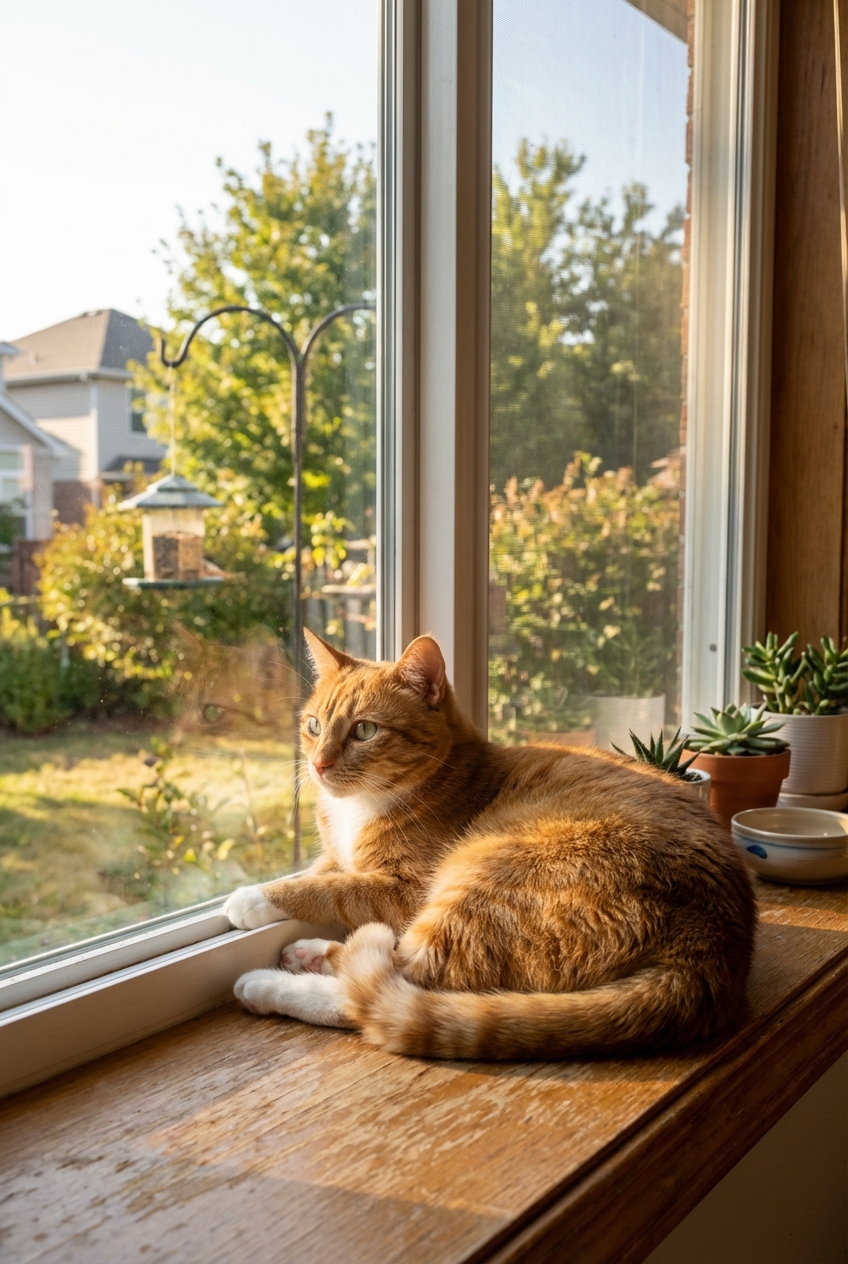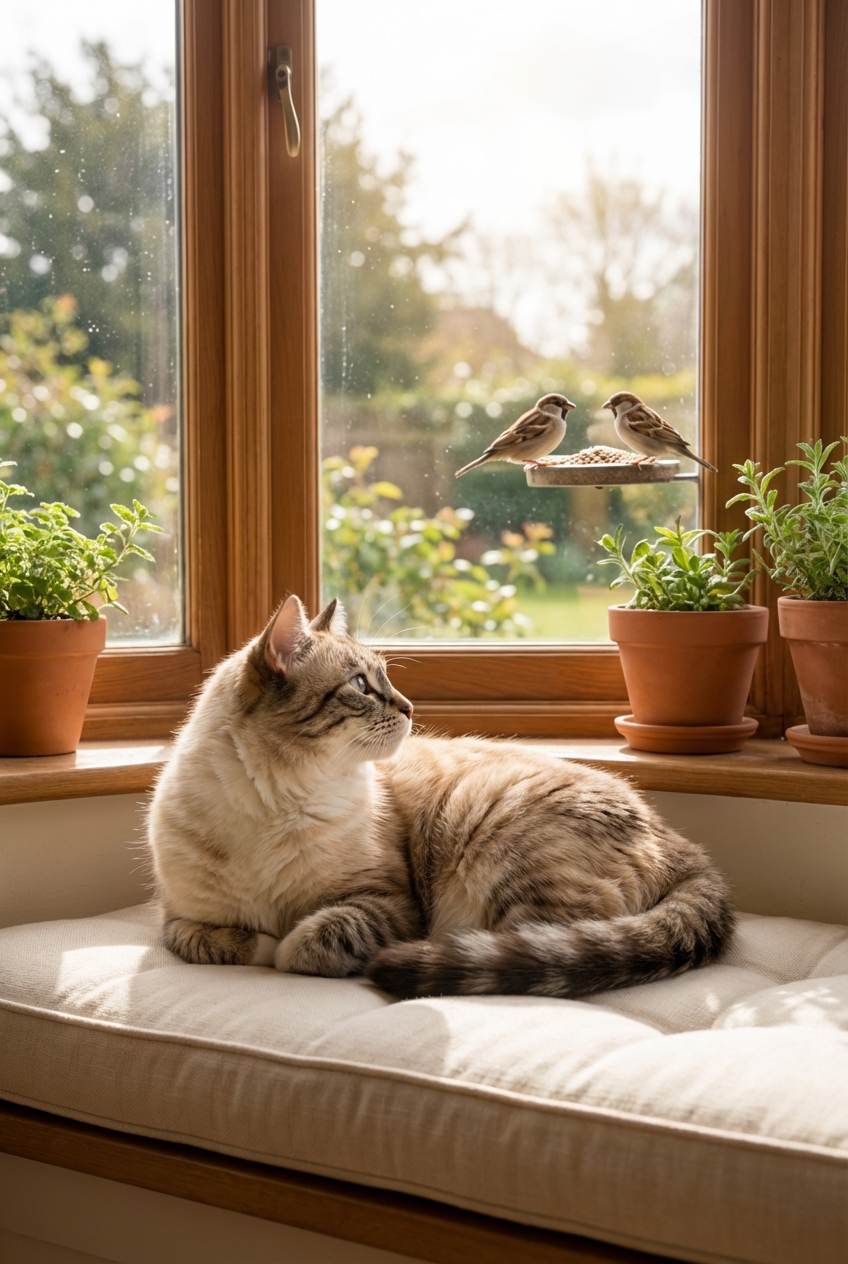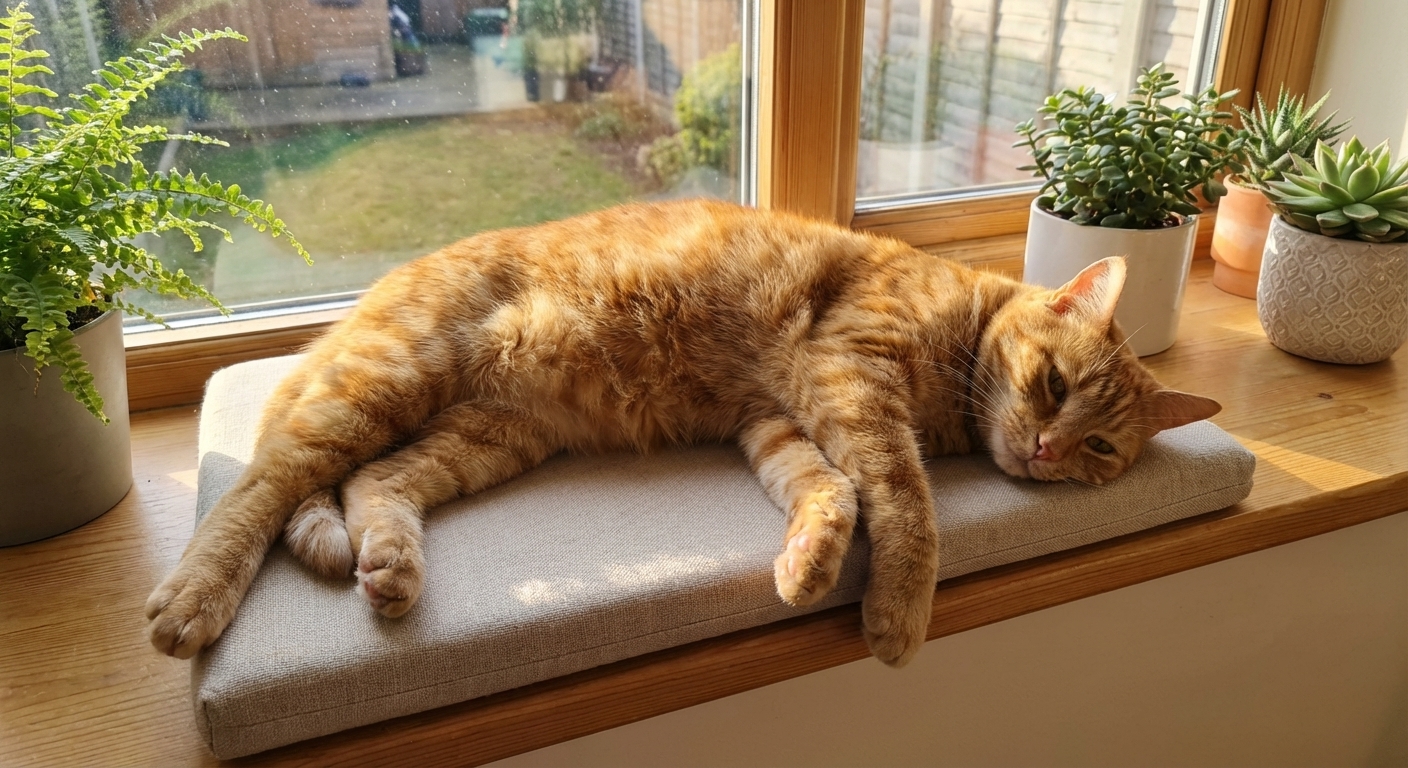
Know if your indoor cat is truly thriving. Learn the clearest happiness cues (slow blinks, relaxed body, play, appetite, affection) plus subtle stress signs ...
Article
•
Designer Mixes
How Long Do Cats Live? Indoor vs. Outdoor

Shari Shidate
Designer Mixes contributor
As a veterinary assistant, one of the most common questions I hear is simple and heartfelt: How long will my cat live? While no one can promise an exact number (genetics, health, and plain chance all play a role), we do have strong, consistent evidence about one major factor you can control: indoor vs. outdoor living.

Let’s walk through typical lifespans, why free-roaming life is so much riskier, and what you can do to help your cat live a longer, healthier life without giving up enrichment and adventure.
Key takeaway
Indoor cats generally live longer because they face fewer hazards like traffic, fights, parasites, and infectious diseases. If your cat loves the outdoors, controlled options like a catio or harness walks can add stimulation while protecting safety.
Average lifespan
In general, indoor cats tend to live significantly longer than cats who roam outside freely. Commonly cited ranges from veterinary and shelter education materials look like this:
- Indoor-only cats: often 12 to 18 years, and many reach their early 20s with good care.
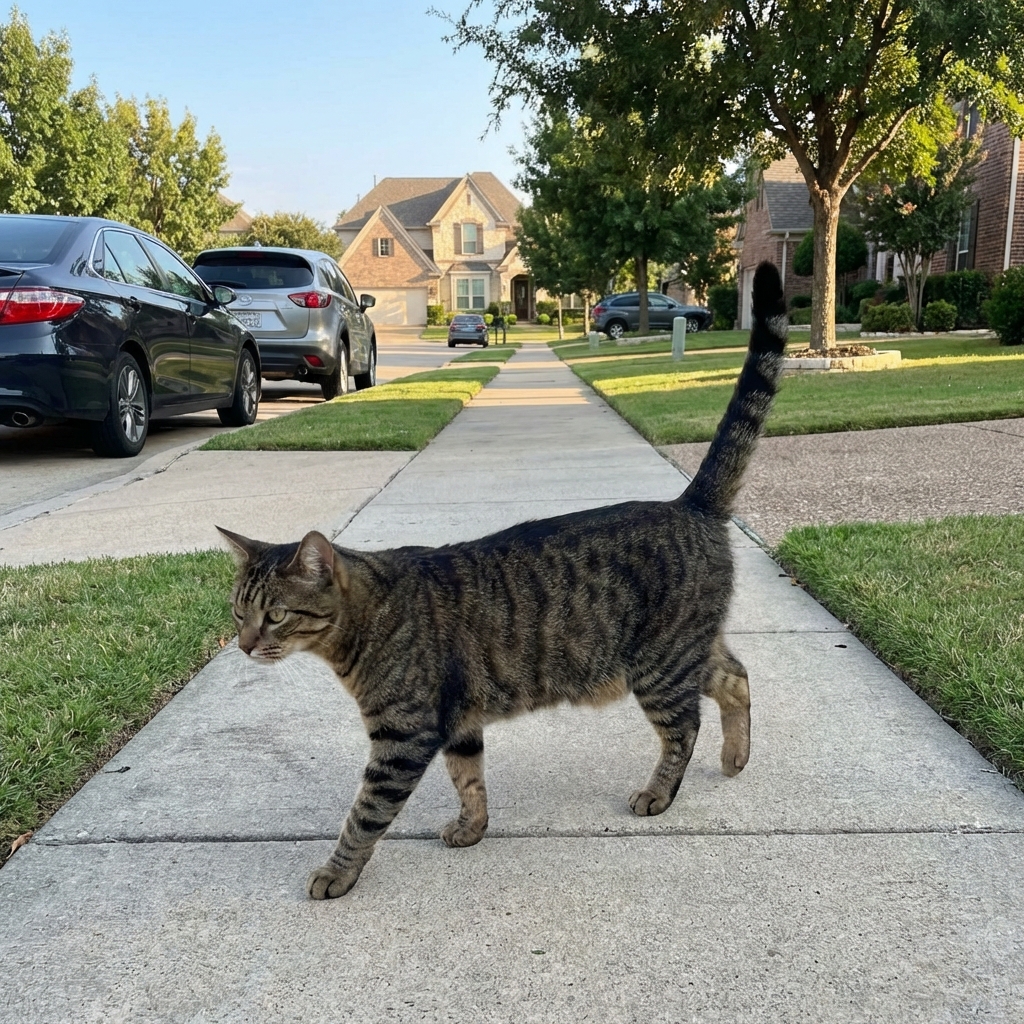
- Outdoor cats (free-roaming): often 2 to 5 years on average.
- Indoor-outdoor cats: typically fall somewhere in between, depending on where they live and how they go outside.
A quick note on the outdoor numbers: estimates vary a lot by region and by which cats are included in the data (owned outdoor pets, community cats, and feral cats are sometimes grouped together). The shorter average is also heavily influenced by high-risk settings where traffic, predators, and conflict with other animals are common. In lower-risk environments, some outdoor pet cats do live longer, but the overall risk is still higher than for indoor-only cats.
Why outdoor cats die younger
Outdoor life stacks multiple risks on top of each other. Even a savvy, athletic cat can get hurt or sick quickly.
Traffic and other injuries
Vehicle accidents are a common cause of serious injury and death for roaming cats. Cats also face trauma from falls, fences, traps, and even well-meaning neighbors who assume a roaming cat is a stray.
Predators and fights
Depending on your region, predators can include coyotes, dogs, foxes, birds of prey, and even other cats. Cat fights are especially concerning because bites can cause deep infection and abscesses.
Infectious diseases
Roaming increases exposure to contagious diseases, especially through fighting and shared spaces. The big ones we worry about include:
- Feline leukemia virus (FeLV)
- Feline immunodeficiency virus (FIV)
- Upper respiratory infections (common in multi-cat outdoor communities)
Parasites
Fleas, ticks, ear mites, and intestinal parasites are common in many environments, but outdoor access increases exposure risk. Parasites can trigger skin infections, anemia, and, in some regions, tick-borne illnesses.
Toxins and poisons
Outdoor cats can encounter antifreeze, rodenticides, toxic plants, pesticides, and harmful human foods in trash. Many of these exposures are emergencies.
Weather and stress
Extreme heat, cold snaps, storms, and limited access to clean water can take a toll over time. Outdoor living can also mean chronic stress, and stress affects immune health.
Other lifespan factors
Indoor living is a powerful advantage, but it is not the only piece of the puzzle. These factors matter a lot, too:
Spay and neuter
Spayed and neutered cats often live longer. They are less likely to roam, fight, and get injured. Spaying also prevents uterine infections (pyometra) and reduces the risk of mammary cancer, especially when done before the first heat.
Healthy weight
Extra weight is one of the biggest health threats I see day-to-day in clinics. Obesity increases risk for diabetes, arthritis, urinary issues, and liver disease. Maintaining a lean body condition can add years and comfort.
Diet and hydration
Nutrition is foundational. Cats are obligate carnivores, and many benefit from diets that support hydration, urinary health, and stable weight. If your cat is prone to urinary issues, talk to your vet about moisture intake and diet choices.
Preventive vet care
Regular exams help catch problems early, especially dental disease, kidney disease, hyperthyroidism, heart disease, and arthritis. Many cats hide symptoms until they are quite sick.
Genetics
Mixed-breed cats often do very well overall, but any cat can inherit risk for certain conditions. For example, hypertrophic cardiomyopathy (HCM) is seen more often in some lines of Maine Coons and Ragdolls, and polycystic kidney disease (PKD) has historically been associated with Persian lines. Individual risk varies, so your veterinarian can help you decide whether screening makes sense.
Indoor life needs fun
Some people worry that keeping a cat indoors is “boring” or “unnatural.” I understand the concern, especially for curious cats who sit at the door. The goal is not confinement. The goal is safety plus a fulfilling life.
Easy enrichment
- Vertical space: cat trees, shelves, window perches.
- Hunting play: wand toys, toy “stalk and pounce” sessions daily.
- Food puzzles: encourage natural foraging behavior.
- Scratching options: vertical and horizontal scratchers.
- Toy rotation: swap a few toys in and out weekly to keep things fresh.
- Secure screens: make sure window screens and doors are sturdy and escape-proof.
- Routine: cats thrive on predictable meal and play times.

Safer outdoor options
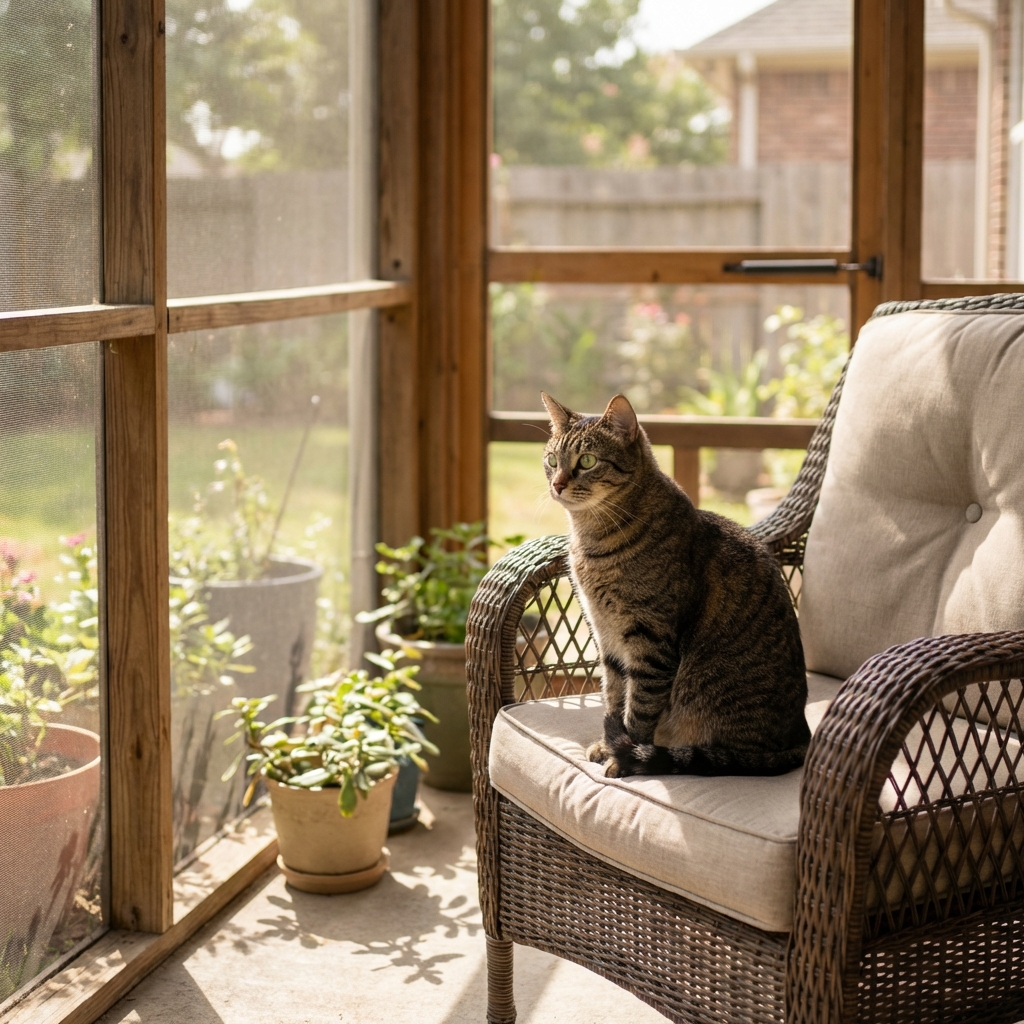
If your cat truly loves fresh air, you do not have to choose between “indoors only” and “free-roaming.” There are safer middle options that protect lifespan while still providing outdoor stimulation.
Try this
- Catio: an enclosed patio or window enclosure is one of the safest solutions.
- Harness training: some cats take to it beautifully with patient, slow training.
- Supervised yard time: only with close supervision and a secure setup.
Minimum safety steps
- Microchip and keep contact info updated.
- Breakaway collar with ID tag (never a non-breakaway collar).
- Vaccines matched to lifestyle. Core vaccines are recommended for most cats, and cats with outdoor exposure may need additional protection based on local risk.
- Year-round parasite prevention for fleas, ticks, and intestinal parasites as recommended locally.
- Spay or neuter to reduce roaming and fighting.
Wildlife note
One more practical reason many veterinarians recommend indoor living: free-roaming cats can significantly impact local wildlife. Keeping cats indoors or providing controlled outdoor time helps protect both your cat and the animals around them.
Signs of faster aging
Whether your cat is 7 or 17, subtle changes matter. Please talk to your veterinarian if you notice:
- Weight loss or weight gain without a diet change
- Drinking more water or peeing more
- Bad breath, drooling, or dropping food
- Less jumping, stiffness, or hiding more often
- Vomiting repeatedly or more than your cat’s normal
- Behavior changes like yowling, confusion, or new aggression
Many age-related conditions are manageable when caught early, and supportive care can dramatically improve quality of life.
Bottom line
If you want the best odds of a long life, indoor living with strong enrichment is the clear winner. Outdoor time can still be part of your cat’s life, but the safest approach is controlled access like a catio or harness walks.
If you are weighing indoor-only versus outdoor access, bring your cat’s age, routine, and any health concerns to your veterinarian. They can help you map out practical steps that fit your home and your cat.