A complete, practical ball python care guide covering enclosure size, hides and enrichment, temperature targets, humidity for clean sheds, feeding schedules,...
Article
•
Designer Mixes
How Long Can a Snake Live Without Food?

Shari Shidate
Designer Mixes contributor
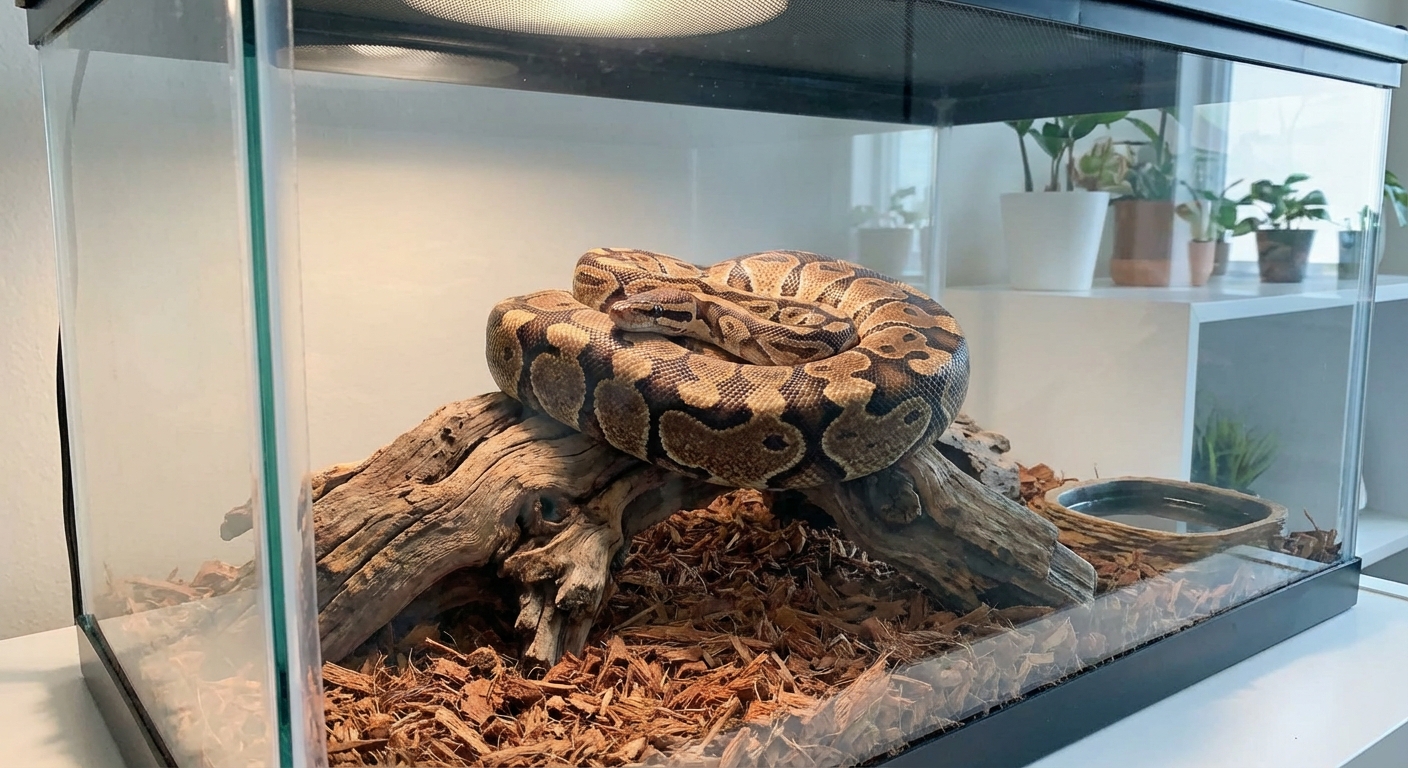
As a veterinary assistant, I am used to hearing anxious questions about pets and appetite. With snakes, the worry can feel even bigger because they can go a surprisingly long time without eating. The truth is: some snakes can survive for weeks, and in certain cases even months, without food, but that does not mean fasting is always safe or normal. Fresh water access is always essential, even when a snake is not eating.
Let’s walk through what really determines how long a snake can go without eating, what is considered “normal,” and when it is time to involve an experienced reptile veterinarian.
Quick note: This is general education, not a diagnosis. If you are worried about your snake, especially if there is weight loss or other symptoms, a reptile vet is the safest next step.
The short answer
Many healthy adult pet snakes can often go several weeks without food, and some species under stable conditions may go a few months. The range is wide because snakes are ectotherms, meaning their metabolism is heavily influenced by temperature, season, and activity level.
In the wild, going without a meal is not unusual. In captivity, a prolonged hunger strike should be treated as a signal. Sometimes it is normal (like seasonal slowdowns), but it can also point to husbandry problems or illness that needs attention.
What affects fasting?
1) Species and feeding style
Some snakes are built for infrequent, larger meals, while others are more frequent feeders. For example:
- Ball pythons are known for skipping meals, especially during cooler seasons, breeding season, pre-shed periods, or when stressed. A short refusal can be normal, but ongoing refusal should always trigger a parameter and health check.
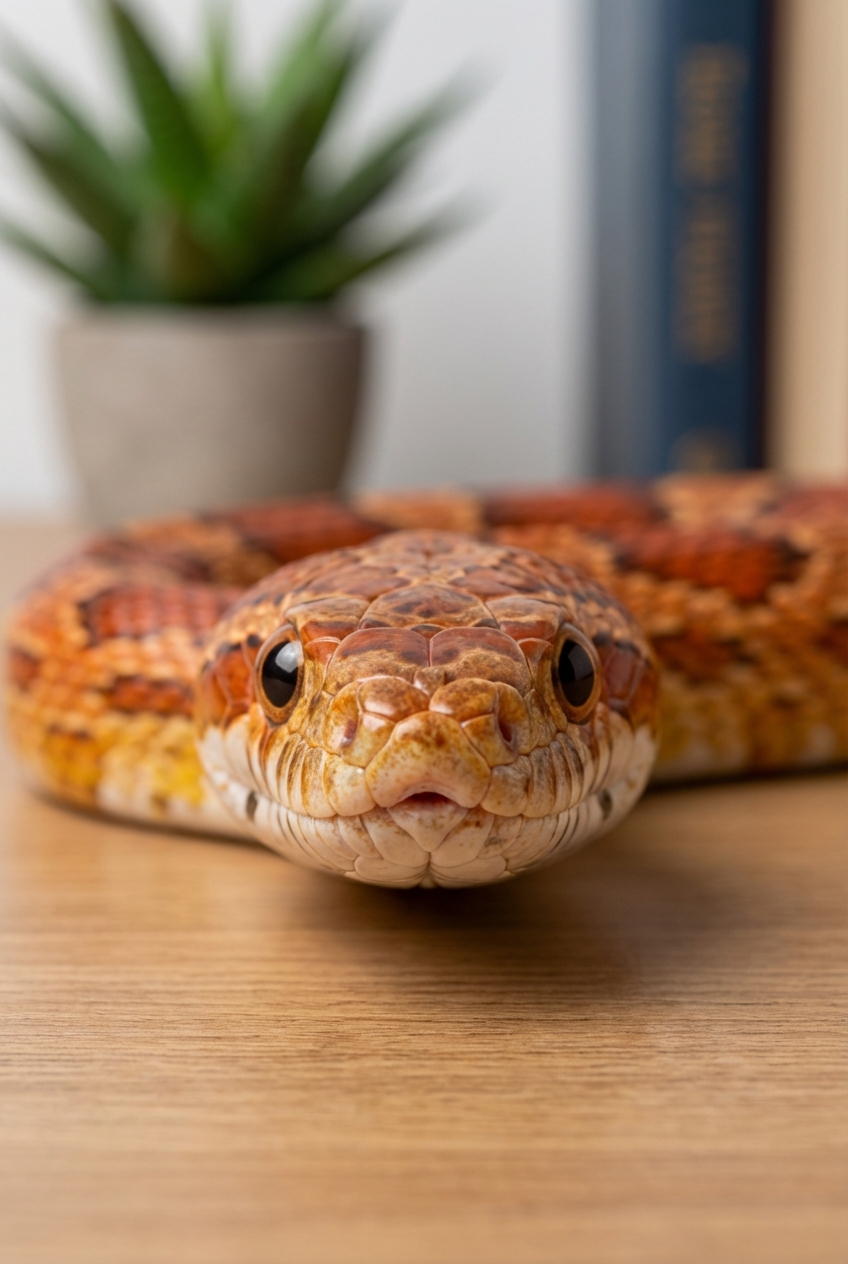
- Corn snakes and many colubrids tend to eat more reliably, but can still skip meals if temperatures or security are off.
- Boa constrictors can tolerate longer gaps between meals, especially as adults.
2) Age and body condition
Young, growing snakes have higher nutritional demands and smaller energy reserves. Missing meals in a juvenile is more concerning than it is for a healthy adult with good body condition.
If you are new to assessing condition, a healthy snake typically has a rounded to gently oval body shape, not sharply triangular. The spine should not look prominent, and the body should not appear “deflated” or bony.
3) Temperature and enclosure setup
Snakes cannot digest properly if their temperatures are wrong. If the warm side is too cool, a snake may refuse food, regurgitate, or digest poorly. Proper heat gradients and accurate thermometers matter more than most people realize.
4) Season, shed, and breeding
Many snakes reduce eating during winter months, breeding season, and around sheds. A snake in blue (pre-shed) commonly refuses food. Captive individuals vary, but these are some of the most common normal reasons for a skipped meal.
5) Stress and handling
Stress is a big appetite killer. Common triggers include frequent handling, loud environments, a new enclosure, too much open space with no hides, or being housed where the snake feels exposed.
6) Health problems
Parasites, respiratory infections, mouth infections (stomatitis), pain, dehydration, retained shed, and gastrointestinal issues can all reduce appetite. If your snake is not eating and something else seems “off,” trust your instincts and get help. For new arrivals, talk with a reptile vet about quarantine and whether fecal testing is appropriate.
Timelines (general)
Because conditions vary so much, think of these as reasonable ranges for otherwise healthy snakes under correct husbandry, with consistent access to water:
- Hatchlings and juveniles: missing more than 1 to 2 scheduled meals can become concerning quickly, depending on species and growth needs.
- Healthy adults: can often skip meals for several weeks. Some may go longer, especially with seasonal slowdowns.
- Snakes already underweight or ill: should not “wait it out.” They have less margin for error.
If your snake is refusing food, the most important question is not “how long can they last,” but why are they not eating and are they losing weight.
Why snakes can fast
1) Efficient metabolism
Snakes can downshift energy use and live off stored body reserves. This is a normal adaptation.
2) Digestion takes energy
Eating is a big metabolic event. If a snake does not feel warm enough, safe enough, or stable enough, refusing food is sometimes protective.
3) Many hunger strikes are husbandry related
In my experience with pet care, the environment often explains appetite changes. For snakes, the top culprits include incorrect temperatures, inadequate hides, incorrect humidity, and too much disturbance.
The catch: survival is not the same as thriving. A snake might live a long time without food, but still develop dehydration, muscle loss, immune suppression, or other metabolic complications, especially if there is an underlying problem.
When fasting is risky
Use a simple, evidence-based approach: watch weight, body condition, hydration, and behavior.
Red flags for a reptile vet
- Noticeable weight loss or a steadily shrinking body shape
- A weight drop of around 10% or more, or any consistent downward trend over 2 to 3 weeks, even if your snake “looks fine”
- Sunken eyes, wrinkly skin, tacky saliva, or other signs that can suggest dehydration or illness
- Wheezing, bubbles, open-mouth breathing, or nasal discharge
- Swelling or redness around the mouth, stringy saliva, or bad odor
- Regurgitation after feeding attempts
- Lethargy that is unusual for your snake’s normal routine
- Mites or frequent soaking that seems frantic (this can also be linked to overheating or low humidity, so it is worth checking your setup either way)
If you are unsure, it is always okay to call a reptile-experienced clinic and ask what they recommend based on species, age, and recent weight trends.
What to do next
Step 1: Confirm temperatures
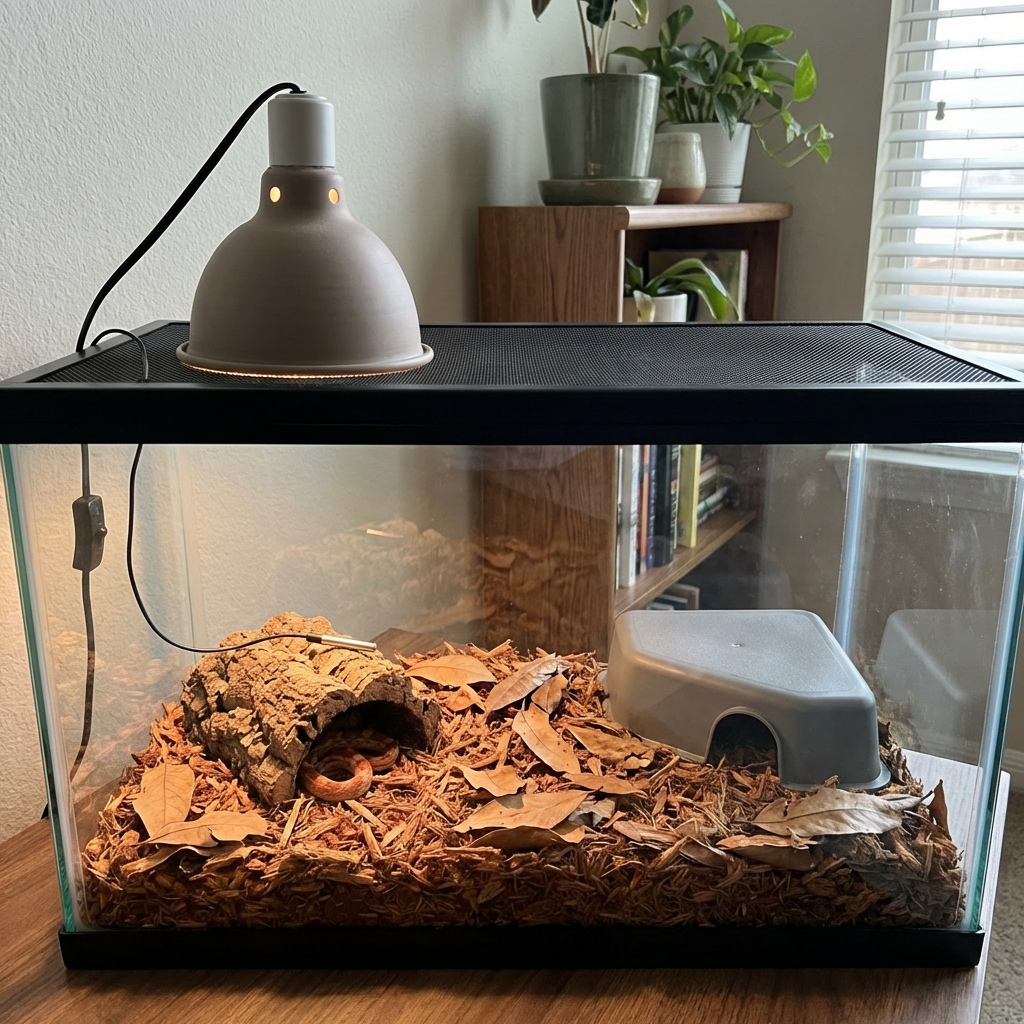
Use a reliable thermometer and confirm both the warm side and cool side. If you are using heat sources, consider a thermostat to prevent dangerous swings.
Step 2: Check humidity and shedding
Incorrect humidity can lead to retained shed and stress. Make sure your species’ humidity range is being met consistently, not just “sometimes.” If your snake is in blue or clearly about to shed, skipping a meal can be normal.
Step 3: Double-check water and hydration
Provide clean, fresh water at all times in a stable bowl that will not tip. Make sure the bowl is large enough for your snake to drink comfortably. Dehydration can happen even when appetite changes are the main thing you notice.
Step 4: Reduce stress
- Pause handling for 7 to 10 days.
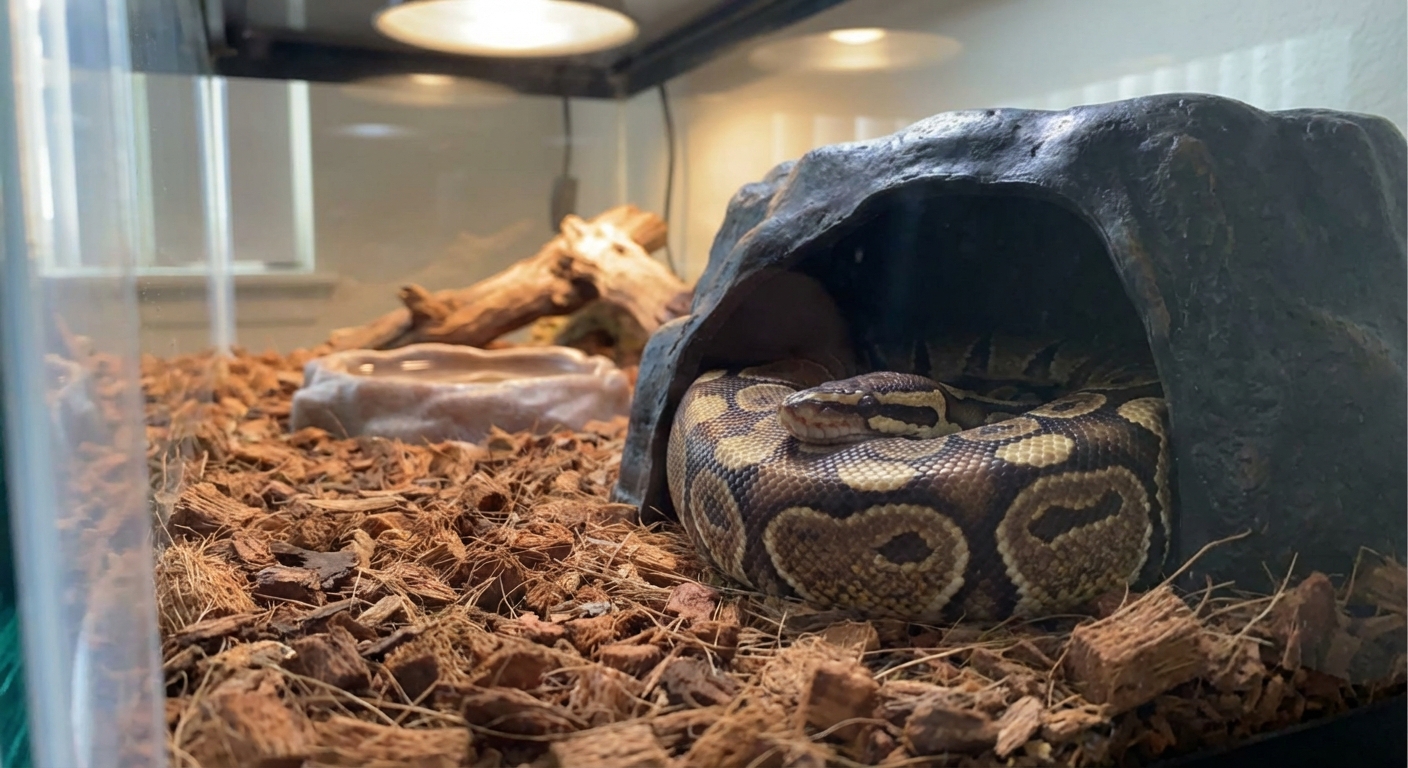
- Make sure there are at least two snug hides, one on the warm side and one on the cool side.
- Keep the enclosure in a quieter area with minimal vibration.
Step 5: Offer prey appropriately
- Offer prey that is the correct size for your snake. A common guideline is prey about the same width as the widest part of the snake, but species and individual build matter.
- If feeding frozen-thawed, ensure it is fully thawed and warmed appropriately.
- Try feeding at the time your snake is naturally active, often evenings for many species.
- Avoid offering food every day. Repeated attempts can increase stress. Many keepers do better trying again in 5 to 7 days, depending on age and species.
Step 6: Track weight weekly
A kitchen gram scale can be a game-changer. Appetite can be deceptive, but weight trends tell the truth.
Step 7: Do not force-feed at home
Force-feeding can cause aspiration, injury, and severe stress. If nutritional support is needed, that decision should be made with a reptile veterinarian.
Common myths
Myth: “If they can go months without food, I can ignore it.”
Even if a snake can survive, prolonged fasting in captivity can still indicate incorrect husbandry or illness. It deserves attention.
Myth: “They are being stubborn.”
Snakes do not refuse food out of attitude. Refusal is information: temperature, stress, season, pre-shed, prey preference, or health.
Myth: “More heat always fixes it.”
Overheating is dangerous. Aim for species-appropriate gradients, not extreme temperatures.
Be proactive
If you are new to snakes, here is a reassuring rule of thumb: set up your enclosure first, verify the temperatures and humidity for a full week, and then bring your snake home. Many feeding issues start because the enclosure is still being adjusted after the snake arrives.
A snake that feels warm, secure, and undisturbed is much more likely to eat consistently.
Bottom line
Yes, snakes can go a long time without food, sometimes weeks and, in some cases, months depending on species, age, temperature, and health. But your goal is not just survival. It is steady body condition, safe digestion, and a calm, well-run habitat, plus consistent access to clean water.
If your snake is refusing food, start with the basics: measure temperatures, confirm humidity, reduce stress, confirm water access, and track weight. If you see weight loss (especially around 10% or more), repeated regurgitation, breathing issues, mouth changes, or anything that worries you, a reptile vet visit is the kindest next step.